TURP (Transurethral Resection of Prostate) Treatment in Hyderabad for UAE
Need Personalized Advice?
Our medical experts are ready to answer your questions and guide you through your treatment options.
About
TURP in Hyderabad for UAE Patients | Cost & Hospitals
Patients from the UAE often seek advanced medical care for prostate issues, wondering about the best treatment options for conditions like BPH. The thought of undergoing a procedure like TURP in a new country can bring questions about quality, safety, and personalized support.
Many individuals choose Hyderabad due to its reputation for specialized medical facilities and a collaborative healthcare environment. The city’s ability to coordinate complex treatments and provide comprehensive patient services makes it a leading choice for international visitors.
Trust is built through Hyderabad’s renowned hospitals and highly skilled urologists who are dedicated to patient well-being. The city offers seamless follow-up care and a supportive ecosystem, ensuring a smooth treatment journey from arrival through recovery within the city limits.
Is Hyderabad the right destination for your TURP procedure?
What is TURP (Transurethral Resection of Prostate)?
TURP, or Transurethral Resection of Prostate, is a surgical procedure for treating benign prostatic hyperplasia (BPH), which is an enlarged prostate. When the prostate gland grows, it can obstruct the urethra, leading to uncomfortable urinary symptoms. During TURP, a special instrument called a resectoscope is inserted through the penis to remove excess prostate tissue that blocks the urine flow. This technique aims to restore normal urinary function and significantly improve a patient's quality of life.
Understanding TURP and Related Procedures
While TURP is a specific surgical approach, patients often explore various methods for managing BPH. These include:
- Monopolar TURP: The traditional method using an electrical loop to excise prostate tissue with a standard saline irrigation.
- Bipolar TURP: An advanced technique employing a saline solution for irrigation, often associated with fewer complications.
- Laser Prostatectomy: Procedures such as GreenLight laser PVP or HoLEP use laser energy to vaporize or precisely remove prostate tissue.
- Urethral Lift (UroLift): A minimally invasive option that places implants to hold enlarged prostate tissue away from the urethra.
- Prostate Artery Embolization (PAE): A non-surgical procedure where blood flow to the prostate is reduced, causing it to shrink.
- Medication Management: Oral medications, including alpha-blockers and 5-alpha reductase inhibitors, are often the first treatment line for milder symptoms.
When is TURP Recommended for Prostate Issues?
- Persistent moderate to severe urinary symptoms affecting daily life.
- Difficulty starting urination, weak stream, or frequent nocturnal urination.
- Recurrent urinary tract infections caused by urine retention.
- Formation of bladder stones due to incomplete bladder emptying.
- Kidney damage or impaired function linked to prostate obstruction.
- Acute urinary retention that requires catheterization.
- Ineffectiveness of medication to control BPH symptoms.
Essential Evaluations Before a TURP Procedure
- Detailed review of medical history and current symptoms.
- Physical examination, including a digital rectal exam (DRE).
- Urinalysis to detect infection or other urine abnormalities.
- Blood tests: complete blood count, kidney function, and PSA levels.
- Uroflowmetry to measure urine flow rate.
- Post-void residual (PVR) volume to assess bladder emptying.
- Imaging studies like a renal ultrasound or transrectal ultrasound of the prostate.
- Electrocardiogram (ECG) and chest X-ray to evaluate heart and lung health.
How is a TURP Procedure Performed?
The TURP procedure is a precise surgical technique performed to effectively address prostate obstruction.
The surgery is typically carried out under general or spinal anesthesia, ensuring comfort throughout. Here are the key steps:
- Anesthesia and Setup: You will receive anesthesia, and then be positioned comfortably with elevated legs.
- Resectoscope Insertion: A resectoscope, a slender instrument with a camera and a wire loop, is gently guided through the tip of the penis into the urethra.
- Tissue Resection: The surgeon visualizes the enlarged prostate on a monitor and uses the electrically heated wire loop to carefully shave away obstructing prostate tissue in small pieces.
- Irrigation: A sterile fluid continuously flushes the area, clearing blood and collecting the removed tissue fragments into the bladder.
- Bleeding Control: Any small blood vessels encountered are sealed using cauterization to minimize bleeding.
- Catheter Placement: After removing sufficient tissue, the resectoscope is withdrawn, and a temporary urinary catheter is inserted to drain urine and irrigate the bladder for a short period.
What to Expect During TURP Recovery
After a TURP procedure, patients typically stay in the hospital for one to three days. A urinary catheter remains in place to help drainage and flush the bladder. It is common to experience some discomfort, urinary urgency, and light bleeding in the urine initially. Patients are advised to avoid strenuous activities, heavy lifting, and constipation for several weeks to prevent complications. Drinking plenty of fluids is important for bladder flushing. Your medical team will provide detailed instructions on medication, activity restrictions, and essential follow-up appointments. Full healing and symptom improvement usually progress over a few weeks to several months.
Potential Risks and Expected Success Rates of TURP
- Bleeding: Some blood in the urine is normal, though significant bleeding is uncommon.
- Infection: Risk of urinary tract infections following the procedure.
- TURP Syndrome: A rare complication from excessive fluid absorption during surgery.
- Retrograde Ejaculation: Semen flows into the bladder during orgasm, a common and often permanent side effect.
- Erectile Dysfunction: Possible temporary or, less commonly, permanent changes in erectile function.
- Urinary Incontinence: A rare long-term risk, particularly stress incontinence.
- Urethral Stricture: Potential narrowing of the urethra due to scar tissue formation over time.
- Re-treatment: A small chance of requiring another procedure years later if prostate tissue regrows.
TURP boasts high success rates in alleviating BPH symptoms, with studies showing significant improvement for 80-95% of patients. Outcomes depend on factors like prostate size, surgeon expertise, and overall patient health. Most individuals experience substantial relief from urinary frequency, urgency, and enjoy a stronger urine stream. While benefits are often durable, a minority of patients may need re-treatment years later. Long-term expectations include an improved quality of life and reduced reliance on medications for prostate issues.
Considering TURP in Hyderabad? Get a personalized treatment plan and cost estimate from leading specialists.
Connect with a Medical Expert Today
Cost of TURP Treatment in Hyderabad
The cost of TURP in Hyderabad is influenced by several factors, including the chosen hospital's accreditation and facilities, the experience of the urologist, the specific type of TURP performed (monopolar vs. bipolar), the length of hospital stay, and any additional diagnostic tests or post-operative care required. Hyderabad offers a competitive cost structure without compromising on the quality of care or advanced medical technology.
While specific costs can vary, TURP procedures in Hyderabad typically range from INR 1,80,000 to INR 3,50,000.
Comparing TURP Costs: Hyderabad vs. International
Hyderabad stands out as an economically viable option for high-quality TURP surgery when compared to many Western countries, offering significant savings without compromising medical excellence.
| Location | Estimated Cost (USD) |
|---|---|
| Hyderabad, India | $2,200 - $4,200 |
| United States | $10,000 - $18,000 |
| United Kingdom | $8,000 - $15,000 |
| Canada | $7,000 - $12,000 |
| Germany | $6,000 - $11,000 |
| Australia | $9,000 - $16,000 |
Comprehensive Support for Your Medical Journey in Hyderabad
- Visa & Travel Guidance: Assistance with medical visa applications and travel planning.
- Accommodation Support: Help arranging comfortable stays for patients and accompanying family.
- Language Interpretation: Professional interpreters for clear communication with medical staff.
- Airport Transfers: Seamless transportation from the airport to your lodging and hospital.
- Patient Coordinators: Dedicated support for all your needs throughout your stay in Hyderabad.
- Post-Treatment Follow-up: Facilitating communication for ongoing care after you return home.
Required Documents for Your TURP Treatment
- Valid Passport and Medical Visa.
- All prior medical reports, diagnostic scans, and consultation notes related to your condition.
- A referral letter from your local physician.
- Additional identity proof for hospital registration.
- Details of any medical travel insurance.
- A complete list of current medications and allergies.
Important Preparations Before Your TURP Procedure
- Adhere to specific dietary instructions, including fasting, as advised by your doctor.
- Discuss and adjust medications, especially blood thinners, with your physician well in advance.
- Maintain good hydration unless otherwise instructed before surgery.
- Follow any prescribed hygiene protocols, such as special washes.
- Arrange for a companion to support you during the initial recovery period.
- Ensure you understand the procedure to alleviate any pre-operative anxiety.
Post-TURP Care and Recovery Guidelines
- Follow all instructions for catheter care until its removal.
- Drink ample fluids to help cleanse your bladder and prevent infections.
- Avoid strenuous activities, heavy lifting, and prolonged sitting for several weeks.
- Maintain a fiber-rich diet to prevent constipation and straining.
- Take all prescribed medications, including antibiotics and pain relief, as directed.
- Monitor for any unusual symptoms like fever or excessive bleeding and report them immediately.
- Attend all scheduled follow-up appointments to track your healing progress.
Ready to Explore Your Treatment Options in Hyderabad?
Take the first step towards a healthier future by connecting with our expert medical team in Hyderabad for personalized guidance.
Have more questions or ready to begin your journey? Our patient support team is here to assist you every step of the way.
Request a Free Consultation
Hospitals Offering this treatment
India offers premium medical procedures at affordable prices. Discover our most popular treatments, delivered by the country's finest doctors.
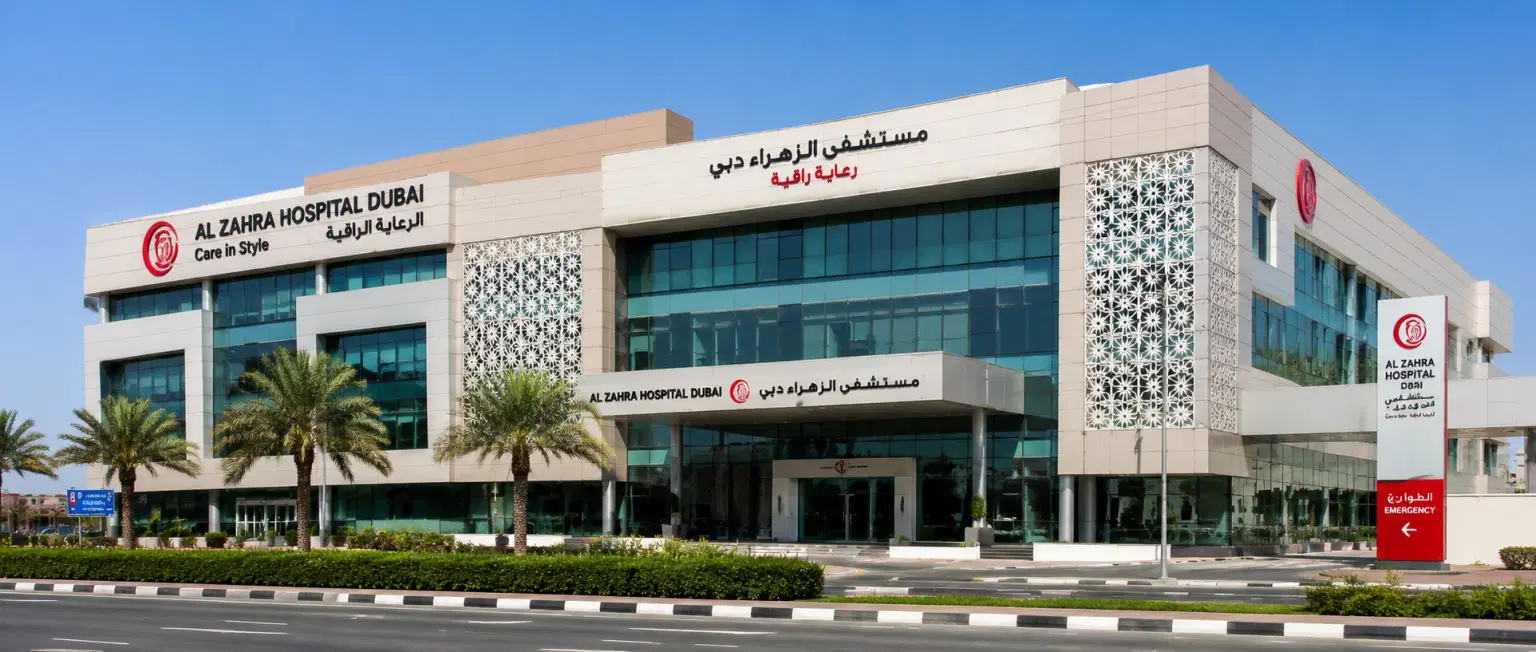
Al Zahra Hospital, Dubai
Sheikh Zayed Road, Al Barsha 1, Dubai, UAE
Al Zahra Hospital, Dubai
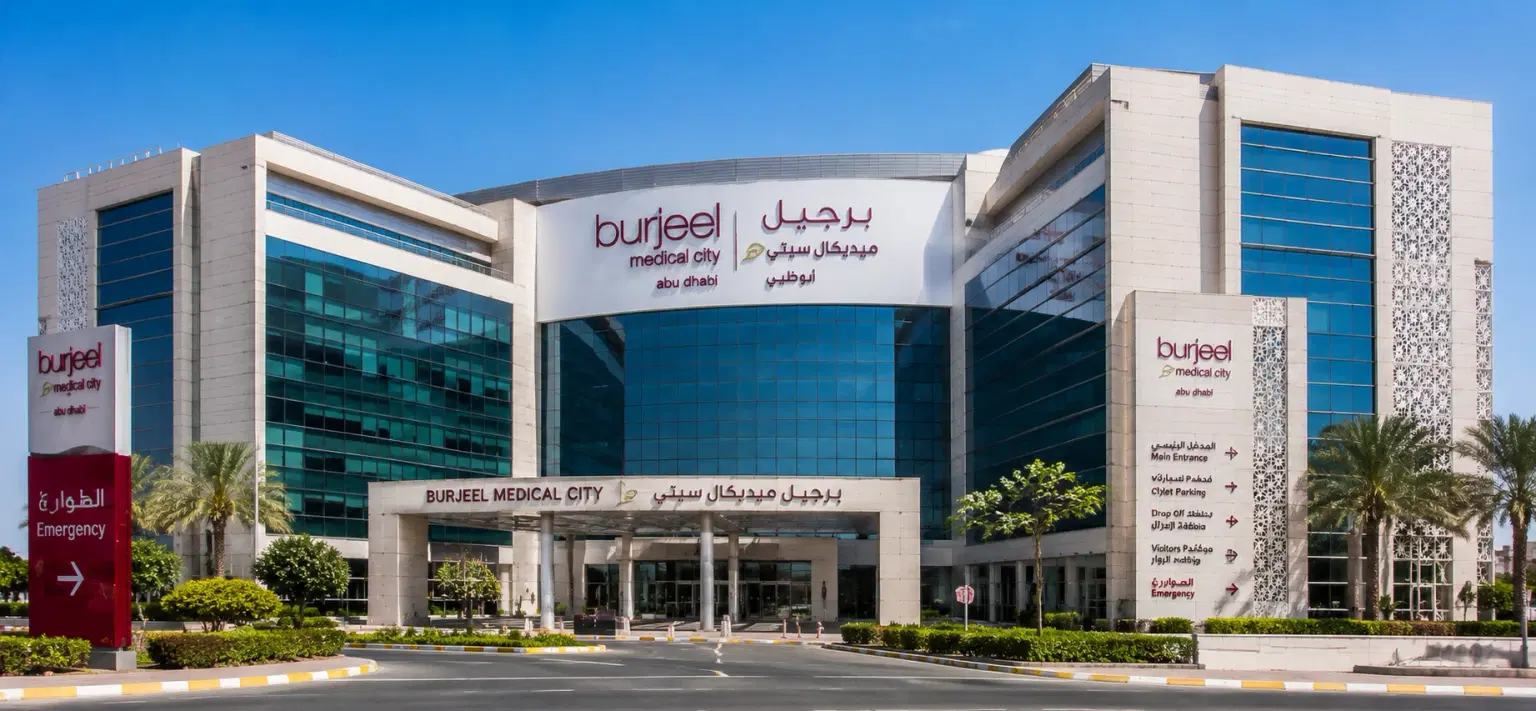
Burjeel Medical City, Abu Dhabi
28th Street, Mohammed Bin Zayed City, Abu Dhabi, UAE
Burjeel Medical City, Abu Dhabi
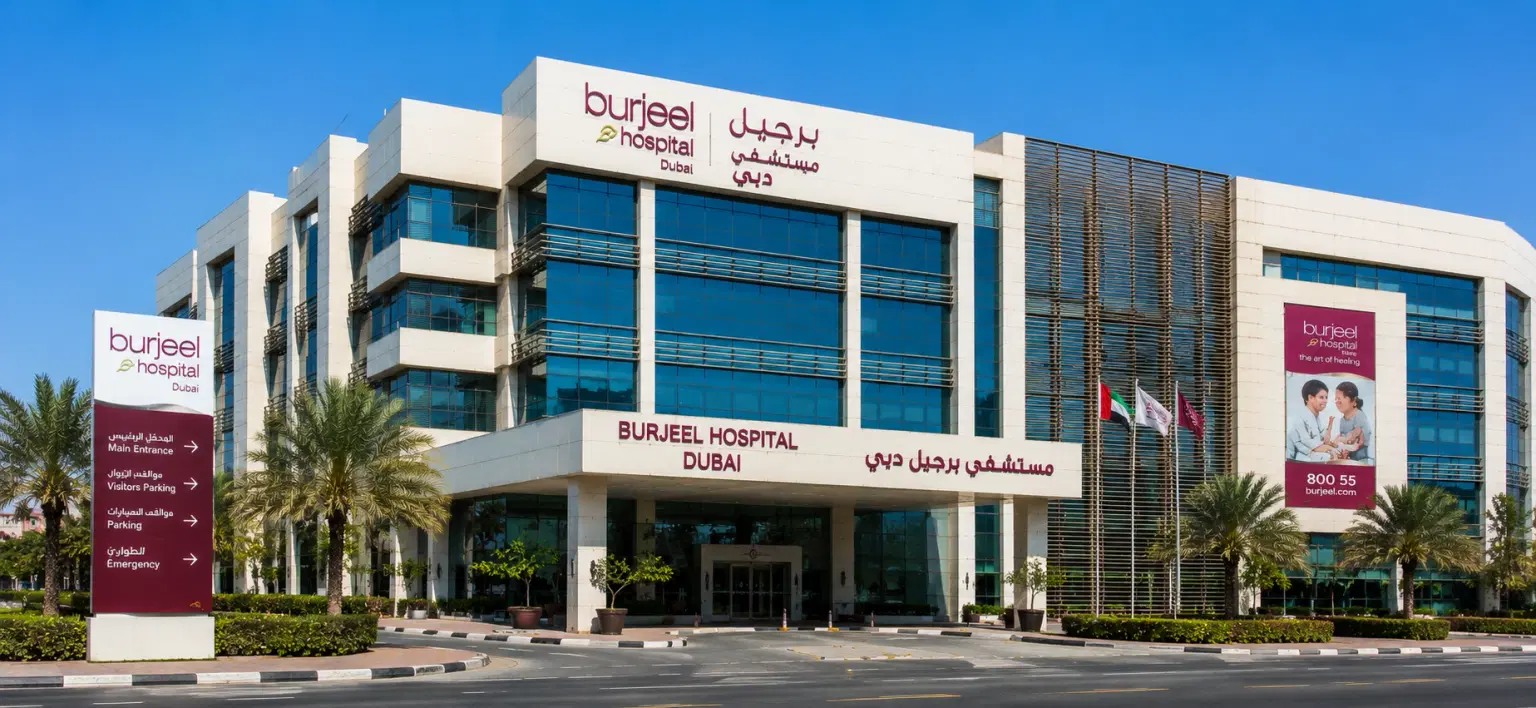
Burjeel Hospital, Dubai
Dubai, UAE (part of Burjeel Holdings network)
Burjeel Hospital, Dubai
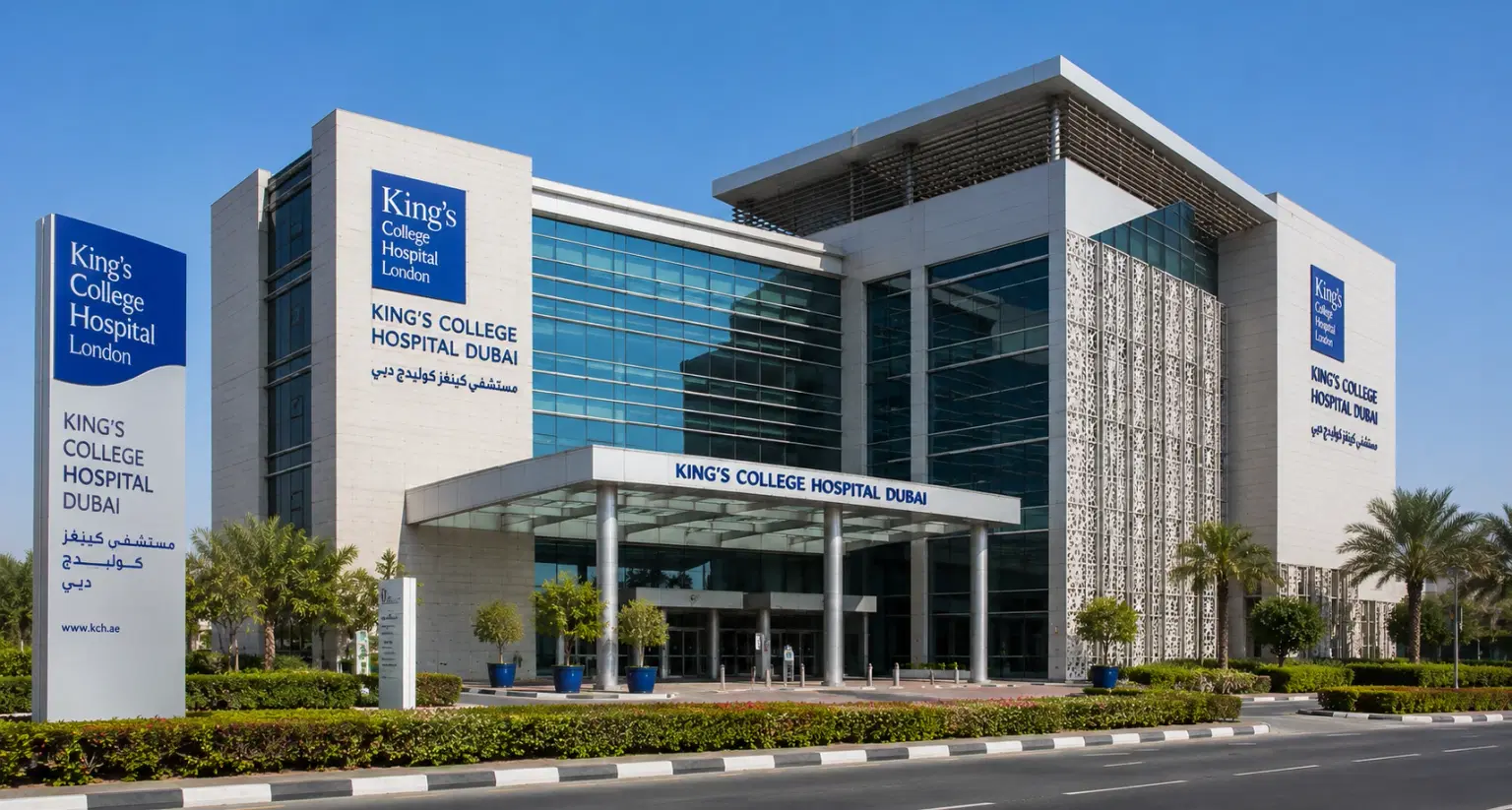
King's College Hospital, Dubai
Dubai Hills, Mohammed Bin Rashid City, Dubai, UAE
King's College Hospital, Dubai
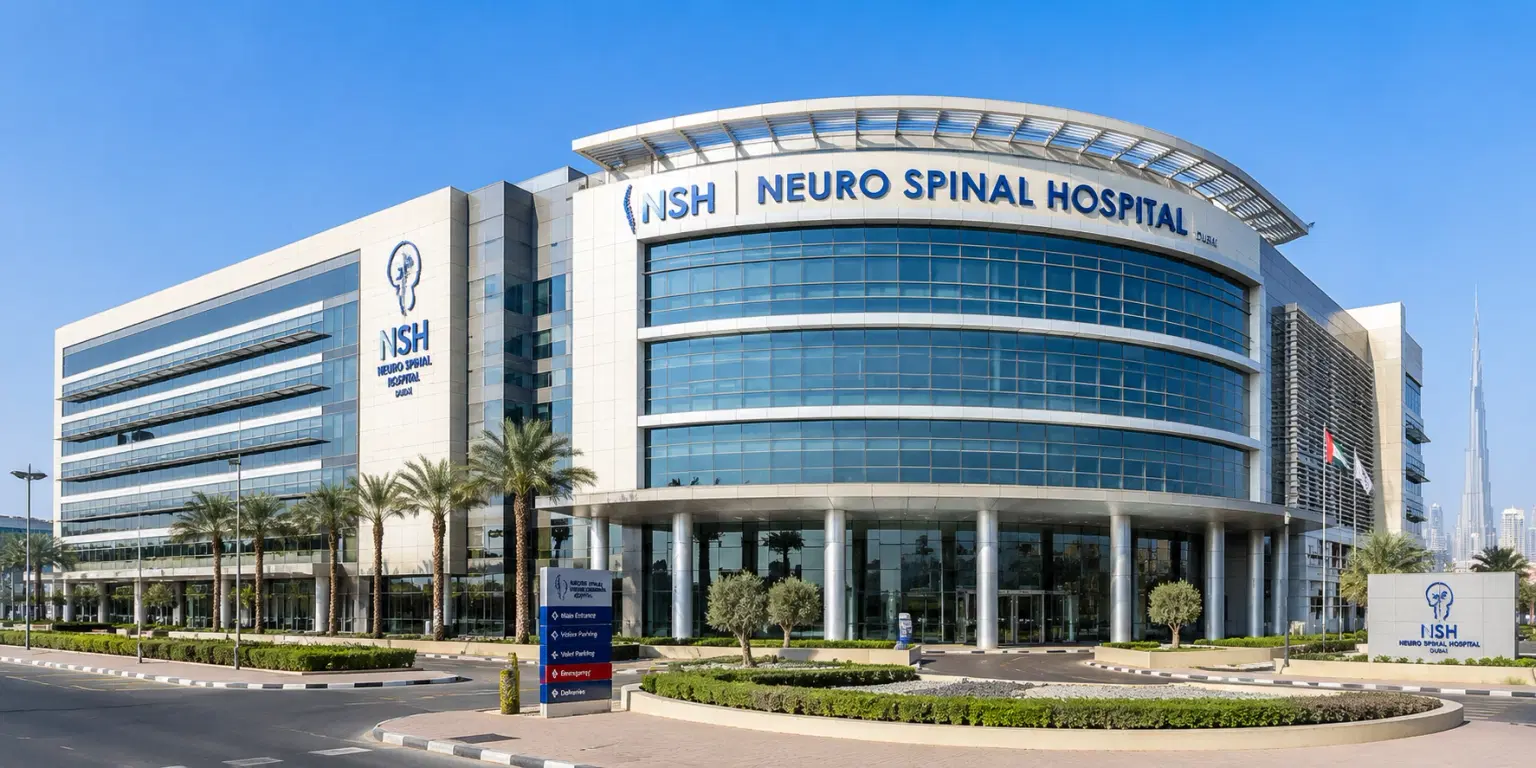
Neuro Spinal Hospital (NSH), Dubai
Dubai Science Park, Umm Suqeim St, Al Barsha South, Dubai, UAE
Neuro Spinal Hospital (NSH), Dubai
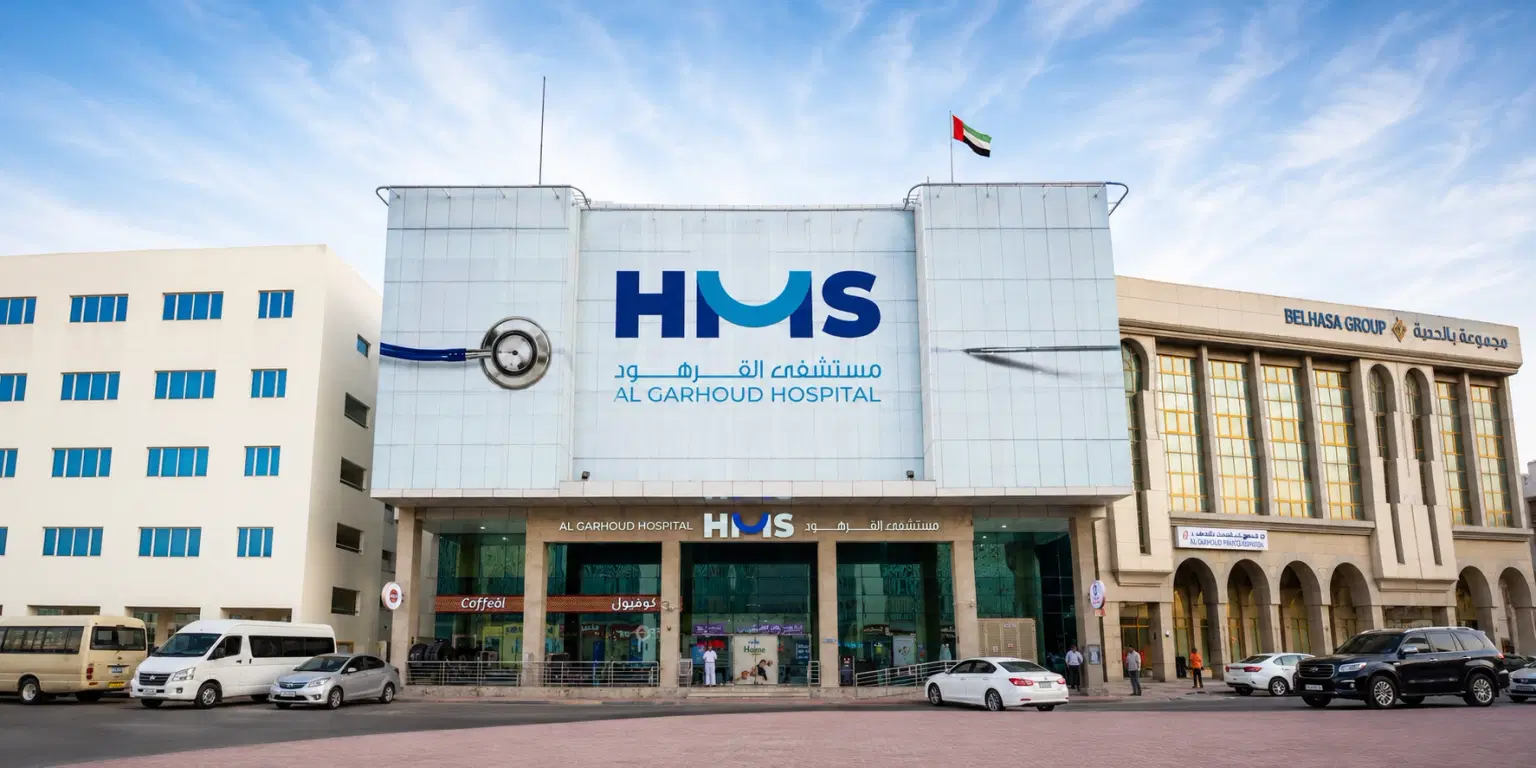
HMS Al Garhoud Hospital, Dubai
Al Garhoud Street, Al Garhoud, Dubai, UAE
HMS Al Garhoud Hospital, Dubai
Meet Our Doctors
Meet our team of highly qualified and experienced medical professionals dedicated to providing the best healthcare services.

Dr. Abhinandan Mukhopadhyay
Sr. Consultant - Urology & Kidney Transplant Program (Unit I)
Urology, Kidney Transplant, Urological Cancers
Haryana
8+ Years
Experience
Artemis Hospital
Hospital
1500
Fees
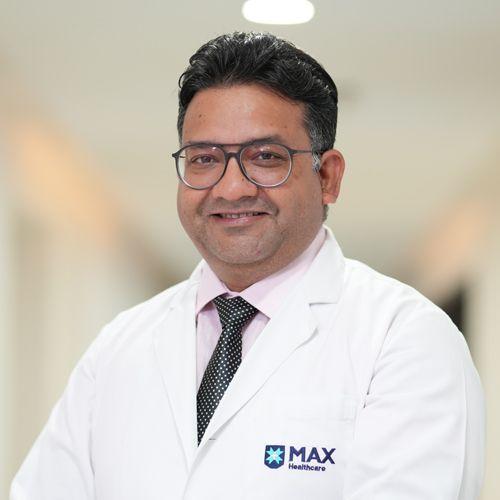
Dr. Anil Prasad Bhatt
Principal Consultant
Urology, Uro-Oncology, Renal Transplant
New Delhi
30+ Years
Experience
Apolo Delhi
Hospital
1500
Fees
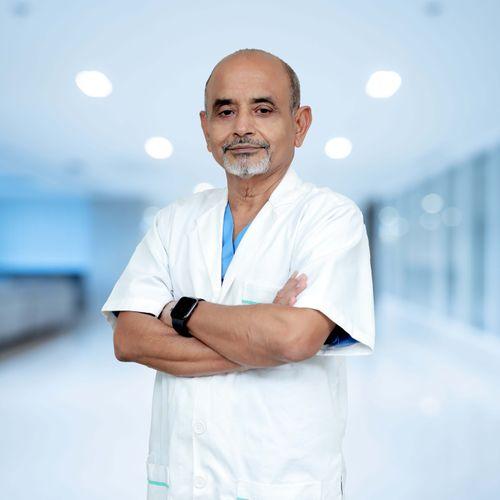
Dr. A. J. Chitkara
Senior Director - Urology, Uro-Oncology, Robotics & Kidney Transplant
Urology
New Delhi
30+ Years
Experience
Apolo Delhi
Hospital
1500
Fees
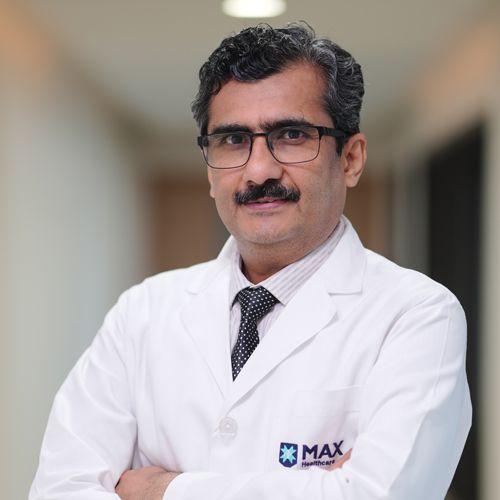
Dr. Amit K Devra
Senior Director - Urology & Kidney Transplant
Urology, Kidney Transplant
New Delhi
24+ Years
Experience
Apolo Delhi
Hospital
1500
Fees
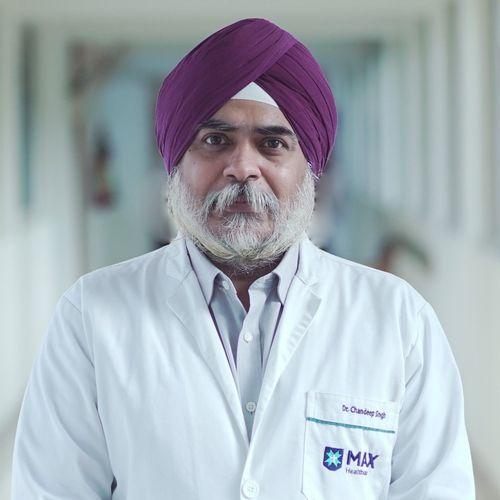
Dr. Chandeep Singh
Director
Urology
New Delhi
15+ Years
Experience
Apolo Delhi
Hospital
1500
Fees
Related Links
Other Treatment related Information
- TURP (Transurethral Resection of Prostate) cost in Bengaluru
- TURP (Transurethral Resection of Prostate) cost in Chennai
- TURP (Transurethral Resection of Prostate) cost in Mumbai
- TURP (Transurethral Resection of Prostate) cost in Hyderabad
- TURP (Transurethral Resection of Prostate) cost in New Delhi
- TURP (Transurethral Resection of Prostate) cost in Pune
- TURP (Transurethral Resection of Prostate) cost in India
- TURP (Transurethral Resection of Prostate) cost in Haryana
- TURP (Transurethral Resection of Prostate) Success Rate in Haryana
- TURP (Transurethral Resection of Prostate) Success Rate in Mumbai
- TURP (Transurethral Resection of Prostate) Success Rate in New Delhi
- TURP (Transurethral Resection of Prostate) Success Rate in Pune
- TURP (Transurethral Resection of Prostate) Success Rate in Bengaluru
- TURP (Transurethral Resection of Prostate) Success Rate in Chennai
- TURP (Transurethral Resection of Prostate) Success Rate in India
- TURP (Transurethral Resection of Prostate) Success Rate in Hyderabad
- Best TURP (Transurethral Resection of Prostate) Doctors in Chennai
- Best TURP (Transurethral Resection of Prostate) Doctors in Hyderabad
- Best TURP (Transurethral Resection of Prostate) Doctors in New Delhi
- Best TURP (Transurethral Resection of Prostate) Doctors in Gurugram
Ready To Start Your Healing Journey?
Get Personalized Medical Treatment Options From India's Top Hospitals. Our Medical Experts Are Ready To Assist You Every Step Of The Way.