TURP (Transurethral Resection of Prostate) Treatment in Hyderabad for Iraq
Need Personalized Advice?
Our medical experts are ready to answer your questions and guide you through your treatment options.
About
TURP (Prostate Resection) in Hyderabad for Iraq Patients
For men from Iraq facing prostate issues, the thought of surgery can bring many questions. You might be weighing options, concerned about the quality of care, potential costs, and seeking a trusted path to better health. Understanding your choices is the first step toward relief.
Many international patients, including those from Iraq, look to Hyderabad for advanced medical treatments like TURP. This city has emerged as a preferred destination, known for its specialized hospitals and a healthcare system designed to cater to patients seeking focused, high-quality interventions.
Hyderabad’s medical ecosystem offers a blend of highly skilled urologists, state-of-the-art surgical facilities, and comprehensive patient support. The city ensures streamlined care coordination, from initial consultation to post-treatment follow-up, all within an accessible and supportive environment.
Is Hyderabad the right destination for your TURP journey?
What is TURP (Transurethral Resection of Prostate)?
Transurethral Resection of Prostate, or TURP, is a common surgical procedure used to treat benign prostatic hyperplasia (BPH), which is an enlargement of the prostate gland. When the prostate grows too large, it can press on the urethra, leading to bothersome urinary symptoms. During TURP, a surgeon removes excess prostate tissue that is blocking urine flow. This is done by inserting a thin, lighted scope into the urethra, through which specialized instruments are passed to carefully cut away and remove the obstructing tissue, improving urinary function.
Are There Different Ways to Perform TURP?
While TURP itself is a specific surgical technique, there are variations based on the energy source used and the approach:
- Monopolar TURP: This traditional method uses an electric current to cut and cauterize tissue. It requires a grounding pad and a specific type of irrigation fluid.
- Bipolar TURP: A more modern technique, bipolar TURP uses a different electrical current that allows for saline irrigation, reducing certain risks associated with monopolar TURP.
- Laser Prostatectomy (HoLEP, GreenLight): While not technically TURP, these are alternative minimally invasive procedures for BPH that also remove prostate tissue but use laser energy instead of an electrical loop.
Your specialist in Hyderabad will recommend the most suitable technique based on your prostate size, overall health, and specific condition.
When Is TURP Treatment Required?
- Severe urinary symptoms affecting quality of life (frequent urination, urgency, weak stream).
- Inability to completely empty the bladder, leading to urinary retention.
- Recurrent urinary tract infections caused by prostate enlargement.
- Bladder stones due to urine stagnation.
- Kidney damage or impaired kidney function caused by chronic bladder outflow obstruction.
- Failure of medication to manage BPH symptoms effectively.
- Presence of blood in the urine due to an enlarged prostate.
What Pre-Treatment Evaluation is Necessary?
- Detailed medical history review and physical examination.
- Urine tests (urinalysis and urine culture) to check for infection.
- Blood tests, including complete blood count, kidney function tests, and PSA (Prostate-Specific Antigen) levels.
- Uroflowmetry to measure the strength and volume of urine flow.
- Post-void residual urine volume measurement to check how much urine remains in the bladder after urination.
- Ultrasound of the kidneys, bladder, and prostate to assess organ health and prostate size.
- Cystoscopy, in some cases, to directly visualize the urethra and bladder.
How is the TURP Procedure Performed?
The TURP procedure is typically performed under spinal or general anesthesia. The exact steps may vary slightly depending on the specific surgical plan.
During the Procedure
- Anesthesia: You will receive either general anesthesia to be fully asleep, or spinal anesthesia which numbs the lower half of your body.
- Scope Insertion: A thin, rigid tube called a resectoscope is gently inserted into your urethra, through the penis, and advanced to the prostate.
- Tissue Resection: The resectoscope has a small wire loop at its end that uses an electric current to cut away and vaporize the excess prostate tissue, piece by piece.
- Tissue Removal: The removed prostate tissue fragments are then flushed out of the bladder with an irrigation fluid.
- Hemostasis: Blood vessels are sealed to minimize bleeding during the procedure.
- Catheter Placement: A catheter is usually inserted into the bladder at the end of the procedure to drain urine and continuously flush the bladder with sterile fluid to prevent blood clots.
After the Procedure
You will be monitored closely in the recovery area. The catheter will typically remain in place for a few days until the urine clears and you can urinate on your own. Most patients stay in the hospital for 1-3 days.
What is the Recovery Process After TURP?
Recovery from TURP involves a few weeks of gradual improvement. Initially, you might experience some discomfort, frequent urination, and occasional blood in the urine, which is normal. It's important to drink plenty of fluids and avoid strenuous activities, heavy lifting, and straining during bowel movements for several weeks. Your doctor will provide specific instructions regarding diet, medication, and when you can resume normal activities. Follow-up appointments are crucial to monitor your healing and ensure successful long-term outcomes. Complete healing and optimal urinary function can take a few months.
What are the Risks and Success Rates of TURP?
- Temporary difficulty controlling urination (incontinence).
- Retrograde ejaculation, where semen enters the bladder instead of exiting the penis.
- Bleeding requiring a blood transfusion.
- Infection of the urinary tract.
- Urethral stricture (narrowing of the urethra) or bladder neck contracture.
- TURP syndrome, a rare complication involving fluid absorption, especially with monopolar TURP.
- Erectile dysfunction, though this is less common.
TURP has a high success rate in relieving BPH symptoms, with most patients experiencing significant improvement in urine flow and a reduction in urinary urgency and frequency. The success can range from 80% to 90% in improving symptoms. The long-term outcome varies based on individual factors like prostate size, overall health, and the surgeon's experience. While TURP effectively treats the obstruction, it does not prevent prostate cancer, and regular screenings remain important. The benefits typically last for many years, significantly enhancing a patient's quality of life.
Cost of TURP Treatment in Hyderabad
The cost of TURP in Hyderabad is influenced by several factors. These include the choice of hospital (government vs. private, multi-specialty vs. specialized), the specific urologist's fees, the type of anesthesia used, the duration of hospital stay, and any additional diagnostic tests or post-operative care required. The technology employed, such as bipolar vs. monopolar techniques, can also impact the final cost.
In Hyderabad, the estimated cost for TURP typically ranges from INR 1,80,000 to INR 3,50,000.
Hyderabad vs. Global TURP Cost Comparison
Hyderabad offers a compelling cost advantage for TURP procedures compared to many other developed nations, without compromising on medical standards.
| Location | Estimated TURP Cost (USD) |
|---|---|
| Hyderabad, India | $2,200 - $4,200 |
| Turkey | $4,000 - $7,000 |
| Thailand | $5,000 - $8,500 |
| United Arab Emirates | $7,000 - $12,000 |
| United Kingdom | $10,000 - $18,000 |
| United States | $15,000 - $25,000+ |
Seeking a Cost Estimate for Your TURP in Hyderabad?
Our team can provide a personalized quote based on your medical reports and connect you with leading urology hospitals in Hyderabad.
Support Services for Your Medical Journey in Hyderabad
- Assistance with medical visa applications and necessary paperwork.
- Coordination of hospital appointments and consultations with specialists.
- Arrangement of comfortable accommodation options near the hospital.
- Translation services to ensure clear communication during your visit.
- Airport transfers and local transportation support.
- Guidance for post-treatment recovery and follow-up care.
What Documents Are Needed for Your Treatment Visit?
- Current passport and valid medical visa for India.
- All relevant medical reports, imaging scans, and diagnostic test results.
- A referral letter from your local doctor, if available.
- Proof of address and contact details for emergency contacts.
- Any previous surgical records or treatment summaries.
Preparing for Your TURP Procedure
- Discuss all current medications, supplements, and herbal remedies with your doctor.
- You may need to stop certain blood-thinning medications days before surgery.
- Follow fasting instructions precisely before the procedure.
- Arrange for a companion to accompany you to Hyderabad and during your hospital stay.
- Complete all pre-operative tests as advised by your urologist.
- Maintain good personal hygiene to minimize infection risks.
Recovery and Follow-Up Care After TURP
- Follow your doctor's instructions for catheter care, if applicable.
- Drink plenty of water to help flush the bladder and prevent infection.
- Avoid heavy lifting and strenuous physical activities for at least 4-6 weeks.
- Do not engage in sexual activity for several weeks as advised by your surgeon.
- Take prescribed medications for pain and to prevent infection.
- Attend all scheduled follow-up appointments to monitor your recovery progress.
Take Your Next Step Toward Better Health
Choosing Hyderabad for your TURP means opting for world-class medical expertise, advanced facilities, and compassionate care. Let us help you navigate your treatment journey with confidence.
Ready to Connect with a Specialist in Hyderabad?
Submit your inquiry today to receive expert guidance and begin your journey to improved prostate health.
Hospitals Offering this treatment
India offers premium medical procedures at affordable prices. Discover our most popular treatments, delivered by the country's finest doctors.
Meet Our Doctors
Meet our team of highly qualified and experienced medical professionals dedicated to providing the best healthcare services.

Dr. Abhinandan Mukhopadhyay
Sr. Consultant - Urology & Kidney Transplant Program (Unit I)
Urology, Kidney Transplant, Urological Cancers
Haryana
8+ Years
Experience
Artemis Hospital
Hospital
1500
Fees
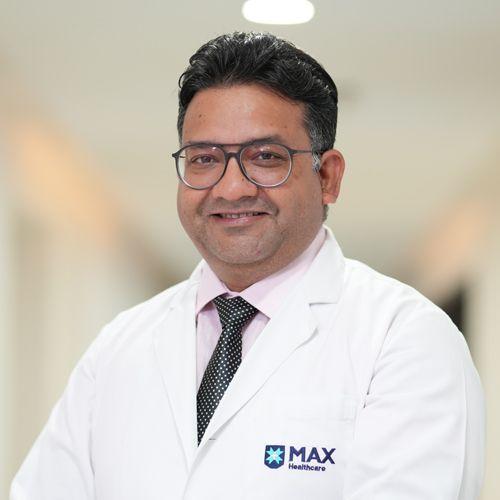
Dr. Anil Prasad Bhatt
Principal Consultant
Urology, Uro-Oncology, Renal Transplant
New Delhi
30+ Years
Experience
Apolo Delhi
Hospital
1500
Fees
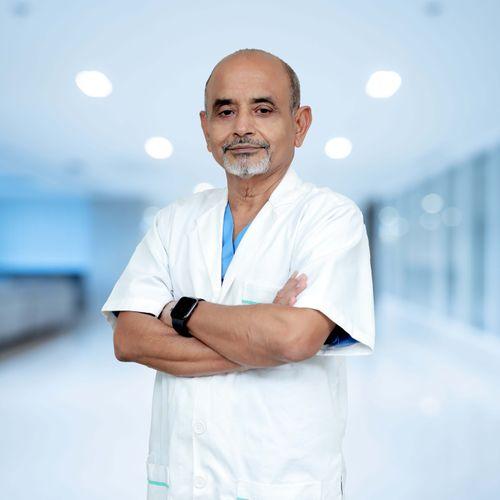
Dr. A. J. Chitkara
Senior Director - Urology, Uro-Oncology, Robotics & Kidney Transplant
Urology
New Delhi
30+ Years
Experience
Apolo Delhi
Hospital
1500
Fees
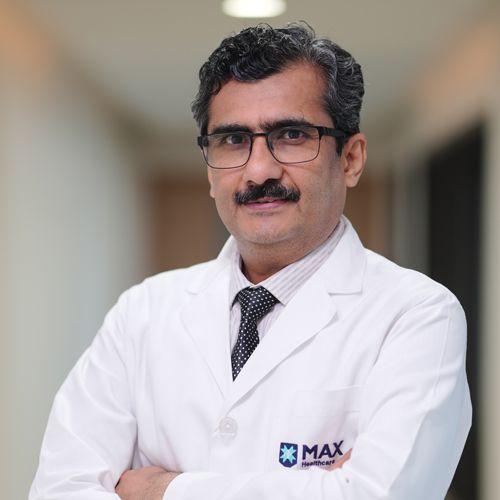
Dr. Amit K Devra
Senior Director - Urology & Kidney Transplant
Urology, Kidney Transplant
New Delhi
24+ Years
Experience
Apolo Delhi
Hospital
1500
Fees
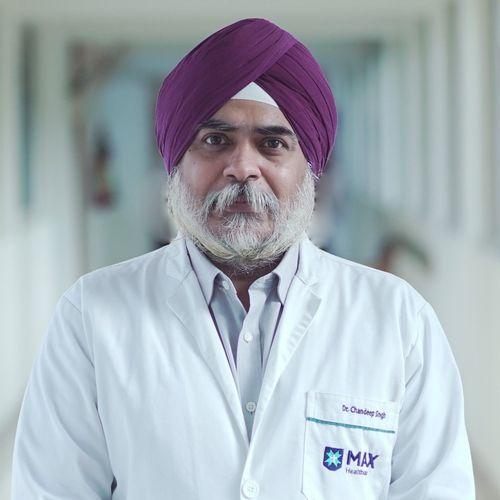
Dr. Chandeep Singh
Director
Urology
New Delhi
15+ Years
Experience
Apolo Delhi
Hospital
1500
Fees
Related Links
Other Treatment related Information
- TURP (Transurethral Resection of Prostate) cost in Bengaluru
- TURP (Transurethral Resection of Prostate) cost in Chennai
- TURP (Transurethral Resection of Prostate) cost in Mumbai
- TURP (Transurethral Resection of Prostate) cost in Hyderabad
- TURP (Transurethral Resection of Prostate) cost in New Delhi
- TURP (Transurethral Resection of Prostate) cost in Pune
- TURP (Transurethral Resection of Prostate) cost in India
- TURP (Transurethral Resection of Prostate) cost in Haryana
- TURP (Transurethral Resection of Prostate) Success Rate in Haryana
- TURP (Transurethral Resection of Prostate) Success Rate in Mumbai
- TURP (Transurethral Resection of Prostate) Success Rate in New Delhi
- TURP (Transurethral Resection of Prostate) Success Rate in Pune
- TURP (Transurethral Resection of Prostate) Success Rate in Bengaluru
- TURP (Transurethral Resection of Prostate) Success Rate in Chennai
- TURP (Transurethral Resection of Prostate) Success Rate in India
- TURP (Transurethral Resection of Prostate) Success Rate in Hyderabad
- Best TURP (Transurethral Resection of Prostate) Doctors in Chennai
- Best TURP (Transurethral Resection of Prostate) Doctors in Hyderabad
- Best TURP (Transurethral Resection of Prostate) Doctors in New Delhi
- Best TURP (Transurethral Resection of Prostate) Doctors in Gurugram
Ready To Start Your Healing Journey?
Get Personalized Medical Treatment Options From India's Top Hospitals. Our Medical Experts Are Ready To Assist You Every Step Of The Way.