
Minimally Invasive Brain Tumor Surgery Treatment in India for UAE
व्यक्तिगत सलाह की आवश्यकता है?
हमारे चिकित्सा विशेषज्ञ आपके प्रश्नों का उत्तर देने और आपके उपचार विकल्पों के माध्यम से आपका मार्गदर्शन करने के लिए तैयार हैं।
हमारे चिकित्सा विशेषज्ञ आपके प्रश्नों का उत्तर देने और आपके उपचार विकल्पों के माध्यम से आपका मार्गदर्शन करने के लिए तैयार हैं।
For patients in the UAE facing a brain tumor diagnosis, the thought of surgery can bring significant anxiety. Concerns about complex procedures, recovery, and long-term well-being are natural. You seek not just treatment, but peace of mind and the best possible outcome for your health.
Many patients from the UAE are now looking beyond local options for highly specialized medical care. India has emerged as a preferred destination, offering advanced medical technologies and highly skilled neurosurgeons across its major cities, making world-class treatment accessible.
India's healthcare system boasts numerous internationally accredited hospitals equipped with state-of-the-art facilities for neurosurgery. These institutions house experienced specialists dedicated to complex procedures like minimally invasive brain tumor surgery, ensuring comprehensive and integrated care nationwide.
Is India the optimal destination for your advanced brain tumor treatment?
Minimally invasive brain tumor surgery refers to a collection of advanced surgical techniques designed to remove brain tumors through smaller incisions or natural openings, minimizing damage to surrounding healthy tissue. Unlike traditional open brain surgery, these methods typically involve specialized instruments and advanced imaging to precisely target the tumor, leading to less pain, reduced scarring, shorter hospital stays, and quicker recovery for patients. It aims to achieve complete tumor removal whenever possible while preserving neurological function.
Different minimally invasive techniques are employed based on the tumor's size, location, and type:
The specific procedure for minimally invasive brain tumor surgery depends on the tumor's nature and location, as well as the chosen surgical approach.
Patients undergo thorough preparation, which may include fasting and medication adjustments. Anesthesia is administered to ensure comfort throughout the surgery.
For approaches like Endonasal Endoscopic Surgery, the surgeon makes a small incision, often through natural body openings like the nostril. Using specialized endoscopes with high-definition cameras, they navigate to the tumor site. Micro-surgical instruments are then used to carefully dissect and remove the tumor while preserving surrounding vital structures. Intraoperative imaging like MRI or CT may be used to confirm complete removal. For keyhole craniotomy, a small opening in the skull is made, and the same principles of endoscopic or microscopic guidance apply. Throughout the surgery, advanced navigation systems provide real-time guidance.
Following tumor removal, the surgical site is carefully closed. Patients are then monitored closely in a recovery unit before being moved to an intensive care unit or a regular hospital room, depending on their condition.
Recovery from minimally invasive brain tumor surgery is typically faster than traditional open surgery. Patients usually spend a few days in the hospital for monitoring. Pain management is provided, and neurological function is regularly assessed. Restrictions on physical activity, heavy lifting, and driving are common for several weeks. Follow-up appointments are crucial to monitor healing and discuss any further treatment plans, such as radiation or chemotherapy. Physical, occupational, or speech therapy may be recommended to help regain any affected functions and ensure a smooth return to daily activities.
The success rates for minimally invasive brain tumor surgery vary significantly based on tumor type, size, location, and the patient's overall health. Many patients experience excellent outcomes with significant improvement in symptoms and good quality of life. Long-term expectations are carefully discussed with the medical team, as outcomes can range from complete cure to effective management of the disease, with ongoing monitoring being a key part of post-treatment care.
The cost of minimally invasive brain tumor surgery in India is considerably lower than in many Western countries, without compromising on quality. Several factors influence the final cost, including the specific surgical technique chosen, the hospital's reputation and facilities, the surgeon's experience, the length of hospital stay, and any required post-operative rehabilitation or additional treatments like radiation therapy.
Generally, the cost for Minimally Invasive Brain Tumor Surgery in India can range from approximately INR 4,00,000 to INR 15,00,000 (roughly USD 4,800 to USD 18,000).
| City | Estimated Cost Range (INR) |
|---|---|
| Delhi | 4,50,000 - 13,00,000 |
| Mumbai | 5,00,000 - 14,00,000 |
| Chennai | 4,00,000 - 12,00,000 |
| Bangalore | 4,80,000 - 13,50,000 |
| Hyderabad | 4,20,000 - 12,50,000 |
| Kolkata | 4,00,000 - 11,00,000 |
| Pune | 4,50,000 - 12,80,000 |
| Country | Estimated Cost Range (USD) |
|---|---|
| India | 4,800 - 18,000 |
| UAE | 25,000 - 60,000 |
| USA | 50,000 - 150,000 |
| UK | 40,000 - 100,000 |
| Singapore | 30,000 - 75,000 |
| Germany | 35,000 - 85,000 |
Choosing the right path for brain tumor treatment is a significant decision. Our team is here to provide clarity, support, and access to leading neurosurgical expertise in India, helping you take your next confident step toward recovery.
India offers premium medical procedures at affordable prices. Discover our most popular treatments, delivered by the country's finest doctors.
Meet our team of highly qualified and experienced medical professionals dedicated to providing the best healthcare services.

Chairperson - Neurosurgery & CNS Radiosurgery & Co-Chief - Cyberknife Centre, Artemis Hospitals, Gurgaon
Neurosurgeon
Haryana
32+ Years
Experience
Artemis Hospital
Hospital
1500
Fees
Director
Neuroscience
New Delhi
12+ Years
Experience
Artemis Hospital
Hospital
1500
Fees
Chairman - Cardiology
Cardiology
New Delhi
41+ Years
Experience
Max Hospital,Gurgaon
Hospital
1500
Fees
Chairman & HOD, HPB Surgery and Liver Transplantation
HPB Surgery, Liver Transplantation, Surgical Gastroenterology, Robotic Surgery, Biliary Sciences
New Delhi
20+ Years
Experience
Max Hospital,Gurgaon
Hospital
1500
Fees
Vice Chairman & HOD — Neurosurgery and Unit Head — Neuro Intervention, Max Healthcare
Neurosurgery
New Delhi
31+ Years
Experience
Max Hospital,Gurgaon
Hospital
1500
Fees
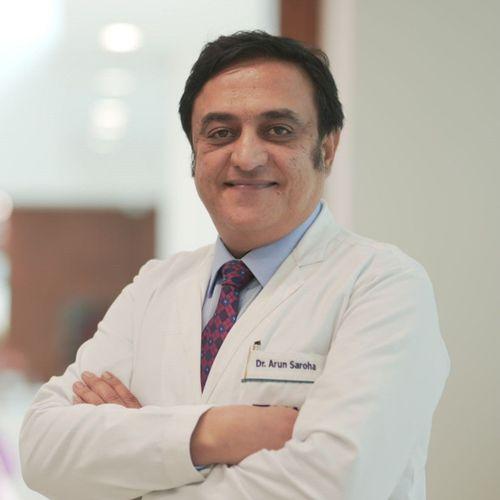
Director & HOD
Neurosurgery
New Delhi
30+ Years
Experience
Apolo Delhi
Hospital
1500
Fees
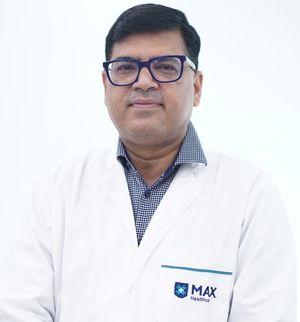
Senior Consultant
Neurosurgery
New Delhi
25+ Years
Experience
Apolo Delhi
Hospital
1500
Fees
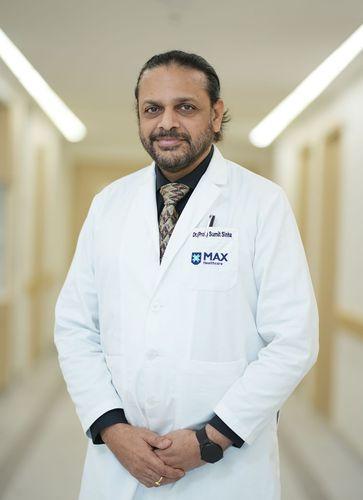
Chairman - Neurosurgery
Neurosurgery
New Delhi
25+ Years
Experience
Apolo Delhi
Hospital
1500
Fees
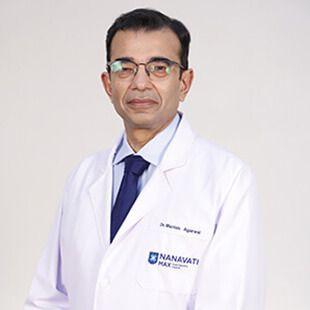
Director - Oncology
Oncology
New Delhi
22+ Years
Experience
Apolo Delhi
Hospital
1500
Fees
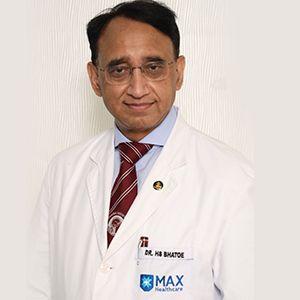
Director - Neuro Surgery, Max Hospital, Saket & Patparganj
Neuro Surgery
New Delhi
50+ Years
Experience
Apolo Delhi
Hospital
1500
Fees
भारत के शीर्ष अस्पतालों से व्यक्तिगत चिकित्सा उपचार विकल्प प्राप्त करें। हमारे चिकित्सा विशेषज्ञ हर कदम पर आपकी सहायता करने के लिए तैयार हैं।