
Minimally Invasive Brain Tumor Surgery Treatment in Pune for UAE
व्यक्तिगत सलाह की आवश्यकता है?
हमारे चिकित्सा विशेषज्ञ आपके प्रश्नों का उत्तर देने और आपके उपचार विकल्पों के माध्यम से आपका मार्गदर्शन करने के लिए तैयार हैं।
हमारे चिकित्सा विशेषज्ञ आपके प्रश्नों का उत्तर देने और आपके उपचार विकल्पों के माध्यम से आपका मार्गदर्शन करने के लिए तैयार हैं।
Facing a diagnosis requiring brain tumor surgery is a profound concern for anyone, especially when considering complex procedures like minimally invasive approaches. Patients from the UAE often seek the highest standards of care, coupled with advanced techniques and a supportive environment for such critical treatment.
Many individuals and families begin exploring medical options beyond their home country to find specialized expertise, innovative technology, and often more accessible care. Pune has emerged as a preferred destination, offering a comprehensive and well-coordinated medical care environment for international patients.
Trust in Pune’s medical facilities is built on its advanced hospitals, highly skilled neurosurgeons, and a patient-centric approach to care. The city provides seamless integration of treatment, recovery, and follow-up support, ensuring a smooth journey for patients from abroad.
Could Pune be the ideal choice for your neurosurgical needs?
Minimally Invasive Brain Tumor Surgery refers to surgical techniques that allow neurosurgeons to access and remove brain tumors through smaller incisions and with less disruption to surrounding healthy tissue compared to traditional open surgery. This approach often involves the use of advanced imaging, navigation systems, and specialized instruments, including endoscopes, which provide a detailed view of the surgical area. The primary goal is to effectively remove the tumor while minimizing trauma to the brain, leading to reduced pain, fewer complications, and a faster recovery period for the patient.
Endoscopic Surgery: Uses a thin, lighted tube with a camera inserted through small openings, often through the nose or a small skull incision, to reach tumors located deep within the brain or at its base.
Keyhole Surgery: Performed through a small incision in the eyebrow or behind the ear, requiring specialized instruments and precise surgical planning to access specific tumor locations.
Laser Interstitial Thermal Therapy (LITT): A technique using focused laser energy delivered through a small probe to heat and destroy tumor cells from within, often guided by MRI in real-time.
Focused Ultrasound: An emerging non-invasive method that uses focused sound waves to precisely ablate (destroy) targeted brain tissue, sometimes used for certain types of brain tumors or lesions.
Stereotactic Radiosurgery: While not surgery in the traditional sense, this highly precise radiation therapy delivers targeted radiation doses to the tumor without an incision, often considered for inaccessible tumors or as an adjunct to surgery.
The specific procedure for minimally invasive brain tumor surgery varies based on the tumor's location, size, and type, as well as the surgeon's chosen technique. Each plan is tailored to the individual patient.
Patients receive general anesthesia. The surgical site on the head is carefully prepared and sterilized. Advanced neuronavigation systems, using pre-operative MRI or CT scans, are utilized to create a precise 3D map of the brain, guiding the surgeon with extreme accuracy.
A small incision, typically just a few centimeters long, is made in the scalp. A small opening in the skull (craniotomy) or a natural opening like the nasal passage might be used. An endoscope, equipped with a camera and light, is inserted to provide a magnified view of the tumor. Specialized micro-instruments are then carefully guided through these small openings to remove the tumor tissue. The surgeon works meticulously, often using intraoperative monitoring to protect critical brain functions.
Once the tumor is removed, the surgical site is carefully inspected. The small skull opening is usually closed with tiny plates or screws, and the skin incision is sutured. The duration of the surgery depends on the complexity of the tumor.
Recovery from minimally invasive brain tumor surgery is generally faster and less challenging than with traditional open surgery. Patients typically experience a shorter hospital stay, often ranging from 3 to 7 days, depending on individual progress and the extent of the surgery. Post-operative pain is usually milder and more manageable. Patients may return to light activities sooner, though full recovery and return to normal routines can take several weeks to a few months. Neurological rehabilitation might be recommended to help regain strength, coordination, or speech, if affected. Regular follow-up appointments, including imaging scans, are crucial to monitor healing and assess for any tumor recurrence.
The success rate of minimally invasive brain tumor surgery is highly dependent on several factors, including the tumor's type, size, location, and the patient's overall health. For benign, well-defined tumors that are accessible, the chance of complete removal is generally high, leading to excellent long-term outcomes. For malignant or more complex tumors, the goal often involves maximal safe resection to alleviate symptoms and improve prognosis, with success measured by symptom improvement and prolonged survival. Outcomes vary widely, and a detailed discussion with your neurosurgeon is essential for realistic expectations.
Connect with leading specialists in Pune to explore your treatment options and receive a personalized care plan.
Reach out today for expert medical guidance.
The cost of Minimally Invasive Brain Tumor Surgery in Pune is influenced by several factors. These include the specific hospital chosen, the experience and reputation of the neurosurgeon, the complexity and type of the tumor, the duration of hospital stay, and any additional post-operative care or rehabilitation required. The technology and specific minimally invasive techniques employed also play a significant role in the overall expense.
For UAE patients, Minimally Invasive Brain Tumor Surgery in Pune typically ranges from INR 4,50,000 to INR 12,00,000.
Patients from the UAE seeking advanced neurosurgical care often find Pune offers a significant cost advantage without compromising on quality. Here’s a comparison of estimated costs for Minimally Invasive Brain Tumor Surgery in Pune against other global medical hubs:
| Location | Estimated Cost (USD) |
|---|---|
| Pune, India | $5,500 - $15,000 |
| United States | $40,000 - $120,000 |
| United Kingdom | $30,000 - $75,000 |
| Germany | $25,000 - $60,000 |
| Singapore | $20,000 - $50,000 |
Pune offers world-class minimally invasive brain tumor surgery. Take the first step towards recovery.
Contact us to begin your health journey.
Choosing the right path for Minimally Invasive Brain Tumor Surgery is a significant decision. Pune's commitment to advanced medical care, coupled with a patient-first approach, offers a reassuring option for patients from the UAE seeking effective and compassionate treatment.
India offers premium medical procedures at affordable prices. Discover our most popular treatments, delivered by the country's finest doctors.
Meet our team of highly qualified and experienced medical professionals dedicated to providing the best healthcare services.

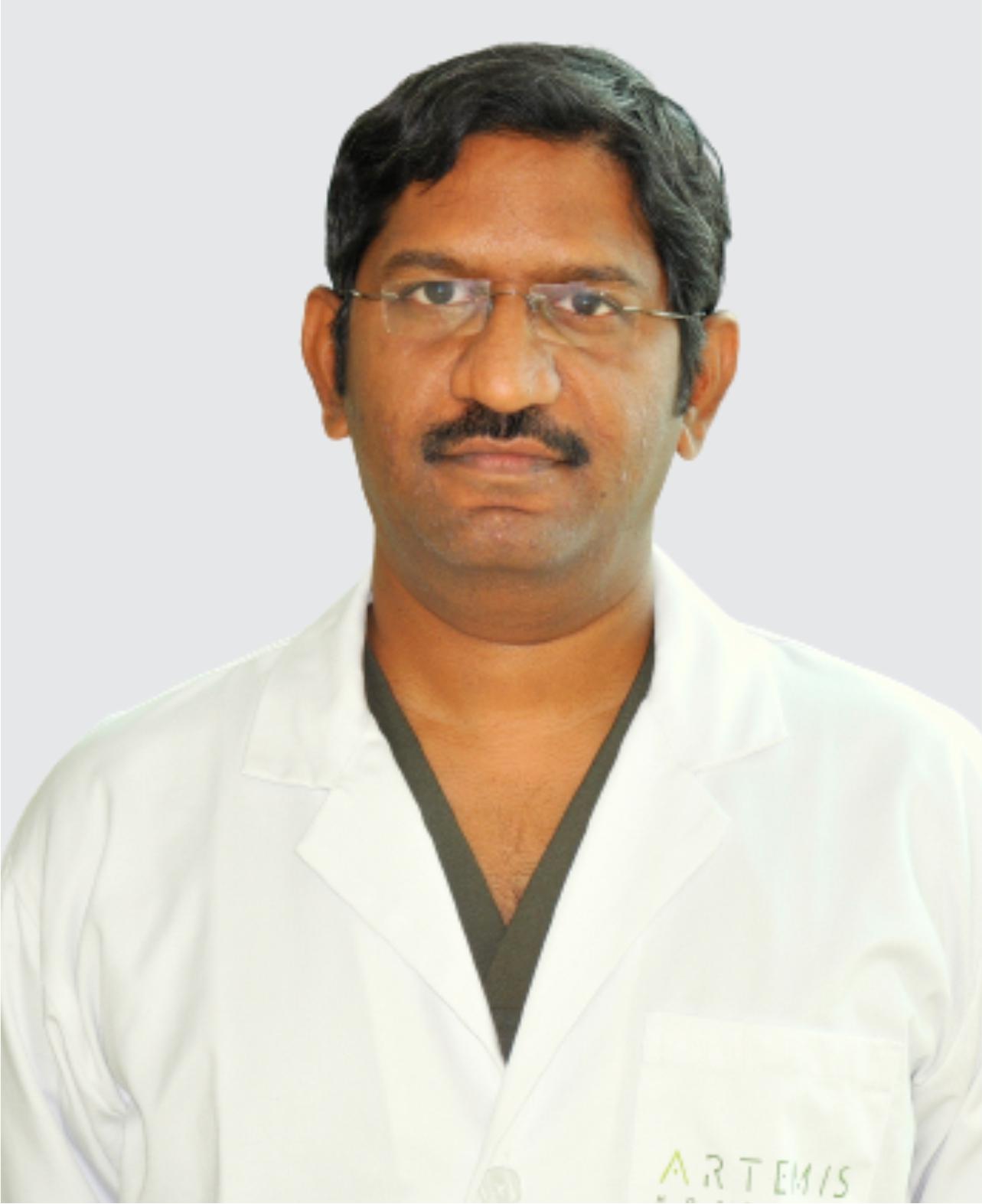
Chairperson - Neurosurgery & CNS Radiosurgery & Co-Chief - Cyberknife Centre, Artemis Hospitals, Gurgaon
Neurosurgeon
Haryana
32+ Years
Experience
Artemis Hospital
Hospital
1500
Fees
Director
Neuroscience
New Delhi
12+ Years
Experience
Artemis Hospital
Hospital
1500
Fees

Chairman - Cardiology
Cardiology
New Delhi
41+ Years
Experience
Max Hospital,Gurgaon
Hospital
1500
Fees
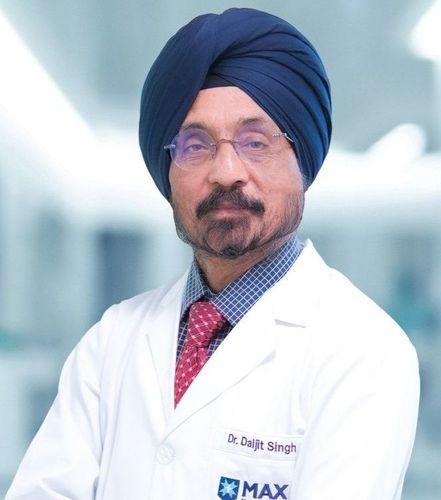
Chairman & HOD, HPB Surgery and Liver Transplantation
HPB Surgery, Liver Transplantation, Surgical Gastroenterology, Robotic Surgery, Biliary Sciences
New Delhi
20+ Years
Experience
Max Hospital,Gurgaon
Hospital
1500
Fees
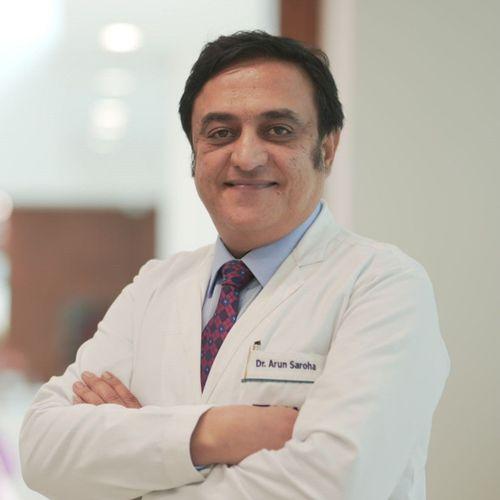
Vice Chairman & HOD — Neurosurgery and Unit Head — Neuro Intervention, Max Healthcare
Neurosurgery
New Delhi
31+ Years
Experience
Max Hospital,Gurgaon
Hospital
1500
Fees
Director & HOD
Neurosurgery
New Delhi
30+ Years
Experience
Apolo Delhi
Hospital
1500
Fees

Senior Consultant
Neurosurgery
New Delhi
25+ Years
Experience
Apolo Delhi
Hospital
1500
Fees
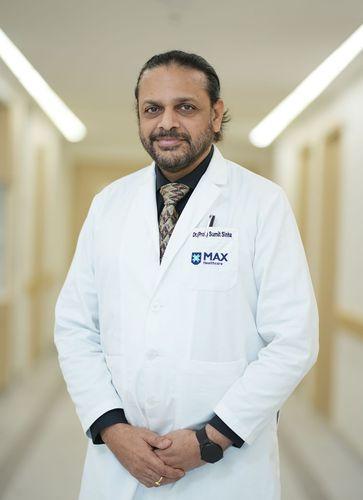
Chairman - Neurosurgery
Neurosurgery
New Delhi
25+ Years
Experience
Apolo Delhi
Hospital
1500
Fees
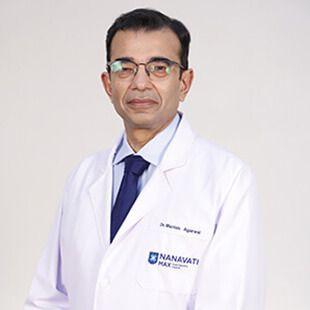
Director - Oncology
Oncology
New Delhi
22+ Years
Experience
Apolo Delhi
Hospital
1500
Fees

Director - Neuro Surgery, Max Hospital, Saket & Patparganj
Neuro Surgery
New Delhi
50+ Years
Experience
Apolo Delhi
Hospital
1500
Fees
भारत के शीर्ष अस्पतालों से व्यक्तिगत चिकित्सा उपचार विकल्प प्राप्त करें। हमारे चिकित्सा विशेषज्ञ हर कदम पर आपकी सहायता करने के लिए तैयार हैं।