
Immunotherapy & CAR-T Cell Therapy Treatment in Bengaluru for Nigeria
Need Personalized Advice?
Our medical experts are ready to answer your questions and guide you through your treatment options.
Our medical experts are ready to answer your questions and guide you through your treatment options.
Nigerian patients facing complex cancer diagnoses often seek the most advanced treatment options available globally. The journey to recovery can feel overwhelming, especially when considering specialized therapies like Immunotherapy and CAR-T Cell Therapy, which may not be readily accessible or affordable at home. Concerns about finding expert care, understanding treatment processes, and managing costs are paramount.
Many turn their attention to medical destinations known for innovation and quality. Bengaluru, India’s Silicon Valley, has also emerged as a hub for cutting-edge medical care. Patients often narrow their search to this city due to its robust healthcare infrastructure, concentration of super-specialty hospitals, and a growing reputation for excellence in oncology.
Choosing Bengaluru means trusting a city that blends technological advancement with compassionate patient care. Its hospitals are equipped with state-of-the-art facilities and staffed by highly qualified oncologists and specialists experienced in advanced cellular therapies. The city’s medical ecosystem also supports ease of follow-ups and comprehensive care coordination for international visitors.
Is Bengaluru the right choice for your advanced cancer treatment journey?
Immunotherapy and CAR-T Cell Therapy represent groundbreaking approaches in cancer treatment that harness the body’s own immune system to fight cancer cells. Immunotherapy broadly refers to treatments that boost or restore the immune system’s ability to recognize and destroy cancer. This can involve drugs that remove "brakes" from immune cells, allowing them to attack tumors more effectively, or therapies that directly enhance immune responses. CAR-T (Chimeric Antigen Receptor T-cell) Cell Therapy is a highly specialized form of immunotherapy where a patient’s T-cells (a type of immune cell) are collected, genetically modified in a lab to recognize specific proteins on cancer cells, multiplied, and then reinfused back into the patient. These engineered T-cells act as "living drugs," actively seeking out and destroying cancer cells. Both therapies aim to provide more targeted and potentially long-lasting responses compared to traditional treatments.
Different forms of immunotherapy and CAR-T Cell Therapy are available, tailored to specific cancer types and patient profiles:
The specific procedure for Immunotherapy or CAR-T Cell Therapy depends on the patient’s diagnosis, chosen therapy, and the medical team's treatment plan.
For most immunotherapies, treatment is administered intravenously. Patients receive regular infusions over a set period, typically weeks or months, as an outpatient procedure. Each session usually lasts from 30 minutes to a few hours. The frequency and duration depend on the specific drug and the patient’s response.
Recovery from immunotherapy can vary. Patients generally experience mild to moderate side effects such as fatigue, skin rashes, or flu-like symptoms. These are managed with medication. For CAR-T Cell Therapy, the recovery is more intensive due to the potential for significant side effects like cytokine release syndrome (CRS) and neurotoxicity, which require close inpatient monitoring for several weeks. Post-discharge, patients require regular follow-up appointments, often weekly initially, to monitor for delayed side effects, assess treatment response, and manage overall health. Full recovery can take several months, with continued monitoring for immune-related adverse events and long-term efficacy. Lifestyle adjustments, including rest and a healthy diet, are often recommended to support the healing process.
Connect with leading oncologists in Bengaluru to discuss Immunotherapy and CAR-T Cell Therapy options tailored for you.
Learn more about personalized treatment plans.
The success rates for Immunotherapy and CAR-T Cell Therapy vary significantly based on the type of cancer, its stage, the patient's overall health, and the specific therapy used. For certain advanced cancers, immunotherapy has shown durable responses and improved survival rates for a significant subset of patients. CAR-T Cell Therapy has achieved remarkable remission rates, sometimes exceeding 80%, in specific blood cancers that were previously resistant to other treatments. However, not all patients respond, and outcomes can range from complete remission to minimal benefit. Long-term expectations include continued monitoring for recurrence and managing potential late-onset side effects.
The cost of advanced cancer treatments like Immunotherapy and CAR-T Cell Therapy in Bengaluru is influenced by several factors. These include the specific type of therapy, the duration of treatment, the hospital chosen, the expertise of the oncologists, the need for intensive care, and any additional medications or supportive care required. Diagnostic tests, pre-treatment evaluations, and post-treatment monitoring also contribute to the overall expenditure.
For Immunotherapy, the cost per cycle in Bengaluru can range approximately from INR 1,50,000 to INR 5,00,000. CAR-T Cell Therapy, being a more complex and personalized treatment, typically starts from INR 3,00,00,000 and can go up significantly depending on the product and associated hospital stay.
Bengaluru offers a highly competitive pricing structure for advanced medical treatments while maintaining global standards of care. Below is an approximate comparison for Immunotherapy and CAR-T Cell Therapy costs. Please note these are estimates and actual costs may vary.
| Location | Estimated Cost Range (USD) for Immunotherapy (per cycle) | Estimated Cost Range (USD) for CAR-T Cell Therapy |
|---|---|---|
| Bengaluru, India | $1,800 – $6,000 | $360,000 – $550,000+ |
| United States | $10,000 – $30,000+ | $450,000 – $750,000+ |
| United Kingdom | $8,000 – $25,000 | $400,000 – $650,000+ |
| Singapore | $7,000 – $20,000 | $420,000 – $680,000+ |
| Germany | $6,000 – $18,000 | $380,000 – $600,000+ |
Take the first step towards recovery. Reach out to specialists in Bengaluru to explore your options for Immunotherapy and CAR-T Cell Therapy.
Get a consultation and personalized treatment plan.
Choosing Bengaluru for your Immunotherapy or CAR-T Cell Therapy can provide access to world-class treatment and dedicated care. Our goal is to make this complex journey as clear and supported as possible for you.
India offers premium medical procedures at affordable prices. Discover our most popular treatments, delivered by the country's finest doctors.
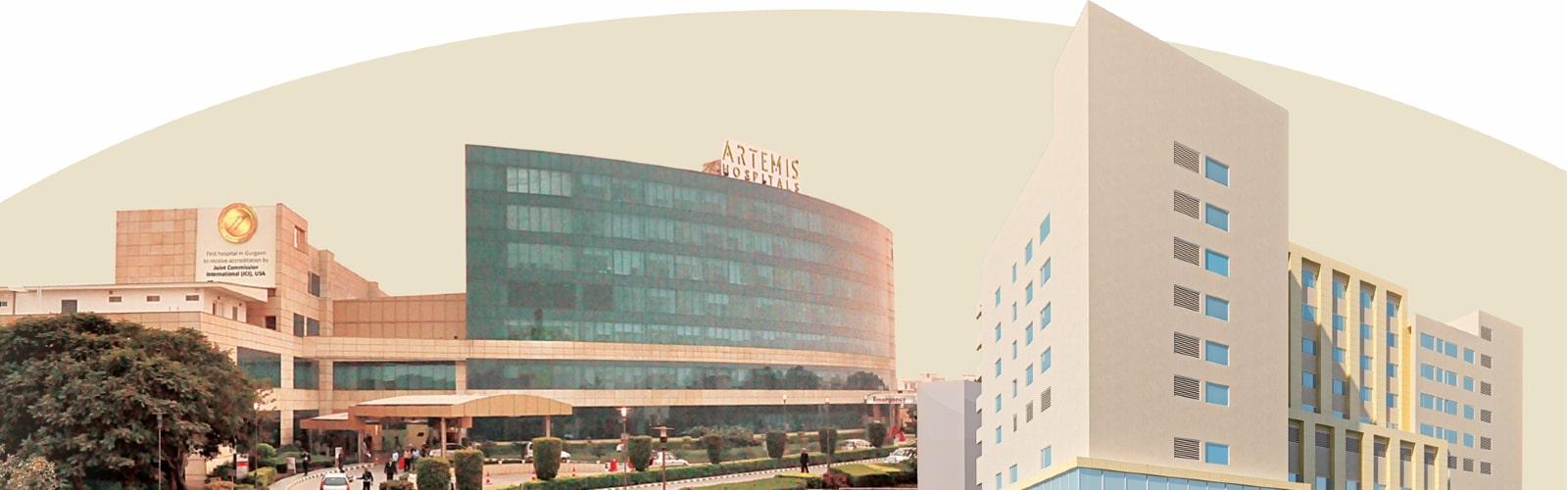
Sector 51, Gurugram, Haryana, India
Artemis Hospital
Meet our team of highly qualified and experienced medical professionals dedicated to providing the best healthcare services.
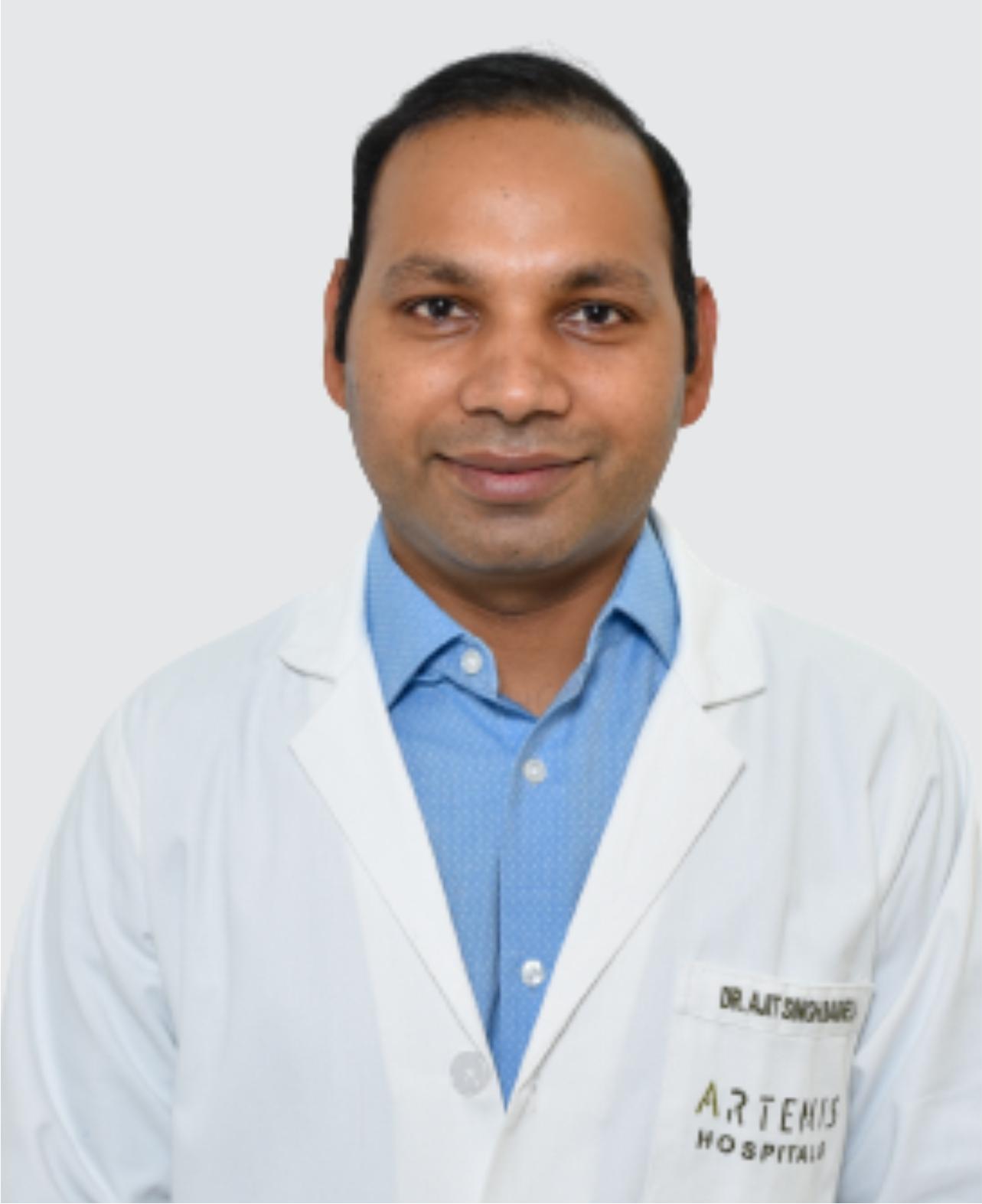
Consultant
Paediatric Neurology
Haryana
9+ Years
Experience
Artemis Hospital
Hospital
1500
Fees

Sr. Consultant
Medical Oncology & Hematology
New Delhi
14+ Years
Experience
Artemis Hospital
Hospital
1500
Fees

Chairman - Cardiology
Cardiology
New Delhi
41+ Years
Experience
Max Hospital,Gurgaon
Hospital
1500
Fees

Director
Medical Oncology & Haemato-Oncology
New Delhi
34+ Years
Experience
Apolo Delhi
Hospital
1500
Fees
Get Personalized Medical Treatment Options From India's Top Hospitals. Our Medical Experts Are Ready To Assist You Every Step Of The Way.