
Heart Transplant Treatment in India for Ethiopia
Need Personalized Advice?
Our medical experts are ready to answer your questions and guide you through your treatment options.
About
Heart Transplant in India for Patients from Ethiopia
Facing the need for a heart transplant can be overwhelming, especially when considering options far from home. Patients from Ethiopia often grapple with questions about quality of care, surgeon expertise, and the long journey involved. Uncertainty about success rates and post-operative support adds to this worry.
Many seek advanced medical care abroad due to limited local facilities or extensive wait times. India stands out as a preferred destination, offering world-class heart transplant programs across its major cities. This broad availability ensures more timely access to critical life-saving procedures.
India's healthcare system has built a strong reputation for complex surgical interventions. Highly skilled cardiac surgeons and state-of-the-art hospitals nationwide provide comprehensive care. Patients benefit from experienced medical teams and advanced infrastructure dedicated to superior patient outcomes.
Considering all aspects, how can India support your heart transplant journey?
Considering a heart transplant in India? Connect with our patient care team for personalized guidance.
What is a Heart Transplant?
A heart transplant is a surgical procedure where a diseased, failing heart is replaced with a healthy donor heart. This intricate operation is considered when other treatments for heart failure have not been successful. It aims to improve quality of life and extend survival for patients with end-stage cardiac conditions, restoring normal heart function and blood circulation throughout the body.
Types of Heart Transplants
While the core procedure of a heart transplant is straightforward, patients may encounter different approaches or related treatments:
- Orthotopic Heart Transplant: This is the standard procedure where the entire diseased heart is removed and replaced with a healthy donor heart.
- Heart-Lung Transplant: For patients with severe heart and lung disease, both organs are replaced simultaneously.
- Bridge to Transplant: Before a donor heart is found, patients might receive temporary mechanical support, like a Ventricular Assist Device (VAD), to maintain circulation.
- Re-transplantation: In rare cases, a patient may require a second heart transplant if the first transplanted heart fails over time.
- Post-Transplant Immunosuppression: A crucial ongoing "treatment" type involving medications to prevent the body from rejecting the new heart.
When is a Heart Transplant Required?
- End-stage heart failure not responding to other treatments.
- Severe coronary artery disease with extensive heart muscle damage.
- Cardiomyopathy (disease of the heart muscle) that is progressive and severe.
- Life-threatening arrhythmias (irregular heartbeats) despite medical intervention.
- Complex congenital heart defects that cannot be corrected otherwise.
- Severe valvular heart disease leading to irreversible heart damage.
Pre-Transplant Evaluation Process
- Comprehensive physical examination and medical history review.
- Blood tests: Including complete blood count, kidney and liver function tests, blood type, and viral screenings.
- Imaging studies: Chest X-ray, echocardiogram, cardiac MRI or CT scan, and coronary angiogram.
- Heart function tests: Electrocardiogram (ECG), stress test, and right heart catheterization.
- Lung function tests and abdominal ultrasound.
- Psychological evaluation and social support assessment.
- Dental examination to rule out infection sources.
- Tissue typing and cross-matching to find a compatible donor.
How a Heart Transplant is Performed
The heart transplant procedure is a highly complex surgery, typically following a carefully planned sequence once a suitable donor heart is identified.
Before Surgery
Once a compatible donor heart is available, the recipient is brought to the hospital. A team of specialists prepares the patient, ensuring they are medically stable for the surgery.
During Surgery
The patient undergoes general anesthesia. The surgical team makes an incision in the chest to access the heart. The patient is then connected to a heart-lung bypass machine, which takes over the functions of the heart and lungs. The diseased heart is carefully removed, and the new donor heart is meticulously sewn into place. Blood flow is restored to the new heart, and it is allowed to begin beating. Once stable, the patient is weaned off the bypass machine, and the incision is closed.
Immediate Post-Surgery
Following the surgery, the patient is transferred to the Intensive Care Unit (ICU) for close monitoring. Medications to prevent organ rejection (immunosuppressants) are started immediately. The medical team continuously monitors heart function, vital signs, and recovery progress.
Heart Transplant Recovery Process
Recovery from a heart transplant is a lengthy and multi-faceted process. Patients typically spend several weeks in the hospital, initially in the ICU, then in a general ward. Post-discharge, close medical follow-ups are crucial, involving regular check-ups, biopsies, and blood tests to monitor for rejection and infection. A strict medication regimen, primarily immunosuppressants, must be followed for life. Physical rehabilitation, dietary changes, and lifestyle adjustments are integral to regaining strength and ensuring the long-term health of the new heart. Support groups and psychological counseling can also play a vital role in emotional recovery.
Risks and Success Rates of Heart Transplants
- Rejection of the Donor Heart: The body's immune system may try to attack the new heart, requiring lifelong immunosuppressant therapy.
- Infection: Immunosuppressants weaken the immune system, making patients more susceptible to various infections.
- Bleeding or Blood Clots: Potential complications during or after surgery.
- Kidney Failure: A possible side effect of some immunosuppressant medications.
- Developing Coronary Artery Vasculopathy: A form of accelerated hardening of the arteries unique to transplanted hearts.
- Cancer Risk: Long-term use of immunosuppressants can slightly increase the risk of certain cancers.
Heart transplant success rates have significantly improved over the years. Nationally, the one-year survival rate for heart transplant recipients in India is generally very high, often exceeding 85-90%, with five-year survival rates typically ranging from 70-75%. Outcomes can vary based on individual patient health, age, adherence to medication, and the expertise of the transplant center. Long-term expectations involve a significantly improved quality of life, allowing patients to resume many normal activities, though continuous medical care and lifestyle management are essential.
Cost of Heart Transplant in India
The cost of a heart transplant in India can vary significantly due to several factors. These include the choice of hospital (private vs. public, luxury amenities), the experience and reputation of the surgical team, the type of pre- and post-operative care required, duration of hospital stay, and any complications that might arise. The specific medical technologies used and the duration of stay in the Intensive Care Unit also play a crucial role in the final bill.
Typically, a heart transplant in India can range from INR 18,00,000 to INR 35,00,000, depending on these variables.
Heart Transplant Cost Across Major Indian Cities
| City | Estimated Cost (INR) |
|---|---|
| Delhi | 19,00,000 - 34,00,000 |
| Mumbai | 20,00,000 - 36,00,000 |
| Chennai | 18,00,000 - 33,00,000 |
| Bengaluru | 19,50,000 - 35,50,000 |
| Hyderabad | 18,50,000 - 34,50,000 |
| Kolkata | 17,50,000 - 32,00,000 |
| Ahmedabad | 18,00,000 - 33,00,000 |
Global Cost Comparison: Heart Transplant
| Country | Estimated Cost (USD) |
|---|---|
| India | 21,000 - 42,000 |
| United States | 1,000,000 - 1,500,000 |
| United Kingdom | 120,000 - 200,000 |
| Singapore | 150,000 - 250,000 |
| Thailand | 80,000 - 150,000 |
| Turkey | 70,000 - 120,000 |
| Ethiopia | Significantly Higher / Limited Availability |
Ready to explore your heart transplant options? Get a detailed cost estimate and hospital comparison today.
Support Services for Your Journey in India
- Assistance with medical visa applications and extensions.
- Coordination of airport transfers and local transportation.
- Help with finding suitable accommodation for patients and accompanying family members.
- Scheduling all medical appointments and diagnostic tests.
- Providing dedicated language interpreters for clear communication.
- Arranging for post-discharge recovery support and follow-up plans.
Essential Documents for Your Heart Transplant Visit
- Valid passport and medical visa.
- Copies of all previous medical reports, diagnostic scans, and physician notes.
- Referral letter from your local doctor, if applicable.
- Proof of financial solvency for treatment and stay.
- Contact information for emergency contacts in your home country.
Preparing for Your Heart Transplant in India
- Undergo all recommended pre-travel health checks.
- Arrange for a companion to travel with you for support.
- Discuss your dietary restrictions and preferences with the medical coordinator.
- Pack light, comfortable clothing suitable for a hospital stay and recovery.
- Ensure all necessary medications you are currently taking are packed with their prescriptions.
- Familiarize yourself with the hospital location and local surroundings.
Aftercare and Long-Term Healing Instructions
- Strictly adhere to the prescribed immunosuppressant and other medications.
- Follow all dietary recommendations from your medical team.
- Engage in regular, guided physical therapy and rehabilitation exercises.
- Attend all scheduled follow-up appointments and diagnostic tests.
- Monitor for any signs of infection or rejection and report them immediately.
- Avoid large crowds and sick individuals to minimize infection risk.
Ready to Embrace a Healthier Tomorrow?
Taking the step towards a heart transplant is monumental, and India offers a path filled with expert care and hope.
Hospitals Offering this treatment
India offers premium medical procedures at affordable prices. Discover our most popular treatments, delivered by the country's finest doctors.
Meet Our Doctors
Meet our team of highly qualified and experienced medical professionals dedicated to providing the best healthcare services.

Dr Aditi Dixit
Sr. Consultant – Women Imaging
Radiology
New Delhi
15+ Years
Experience
Artemis Hospital
Hospital
1500
Fees

Dr Chandrima Misra M
Co-Head Psychological Services
Mental Health and Behavioural Sciences
New Delhi
15+ Years
Experience
Artemis Hospital
Hospital
1500
Fees

Dr. Nutan Agarwal
Head of Department - Gynae Endocrinology & DNB Program Director - Obs & Gynae
Gynaecological Endocrinology, Maternity, Obstetrics & Gynaecology
New Delhi
35+ Years
Experience
Artemis Hospital
Hospital
1500
Fees

Dr. Poonam Gautam
Senior Consultant - ENT
ENT and Head & Neck Surgery
New Delhi
24+ Years
Experience
Artemis Hospital
Hospital
1500
Fees
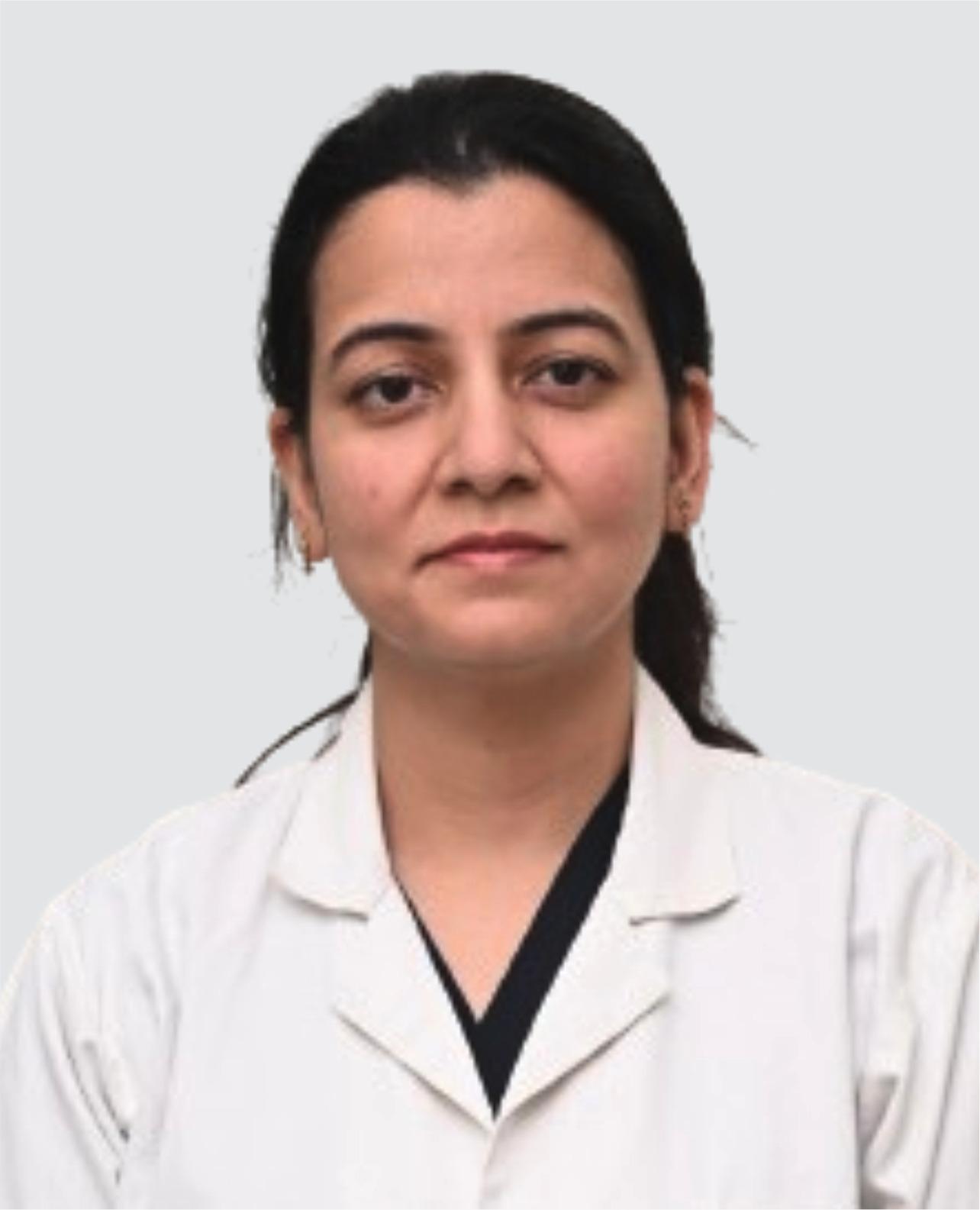
Dr. Priyanka Raina
Consultant (Head & Neck Surgery) - Surgical Oncology
Head and Neck Surgical Oncology
New Delhi
10+ Years
Experience
Artemis Hospital
Hospital
1500
Fees
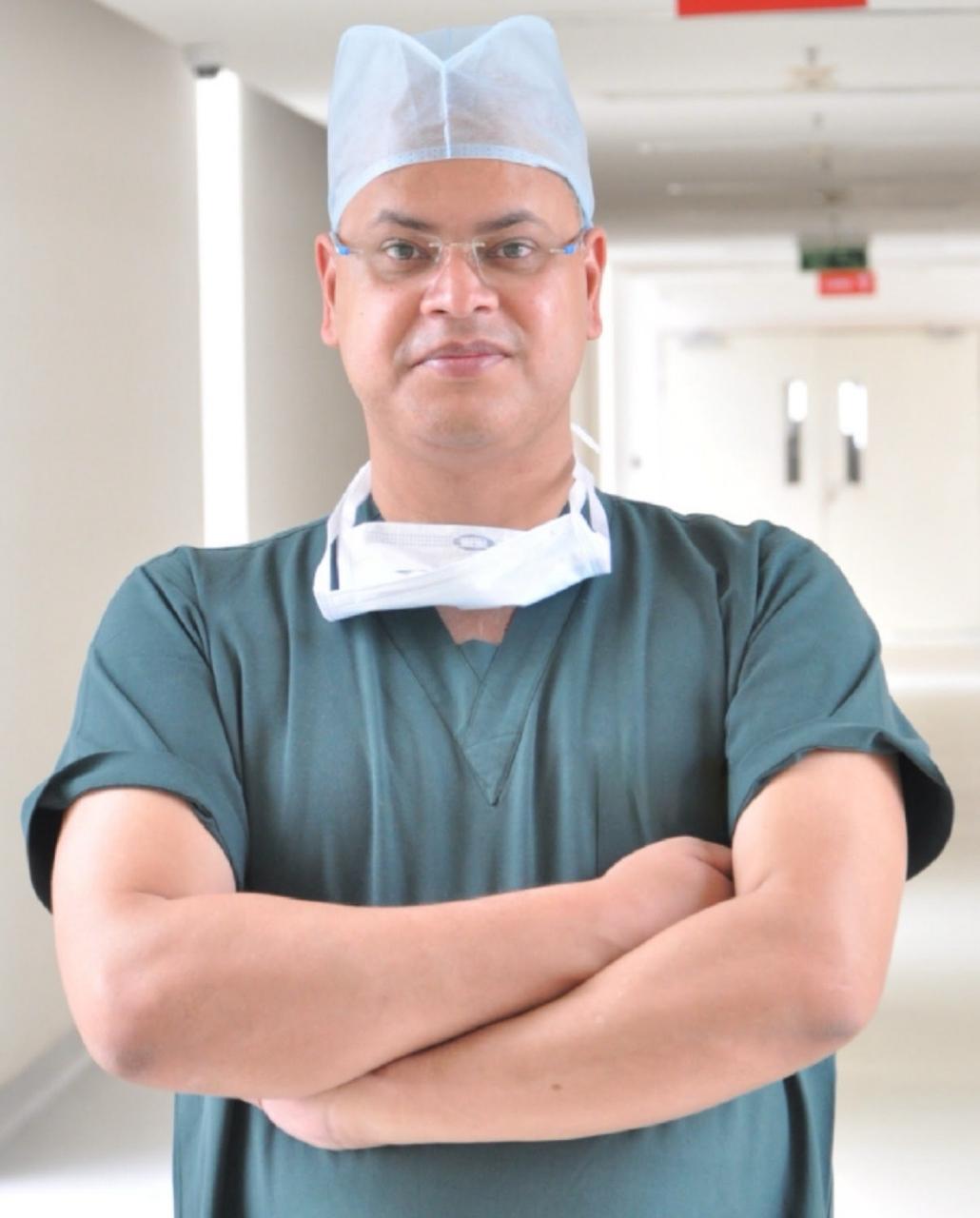
Dr. Ramkinkar Jha
Chief and Unit Head - Orthopaedics (Unit III)
Orthopaedic Surgery, Orthopaedics, Robotic Surgery
New Delhi
20+ Years
Experience
Artemis Hospital
Hospital
1500
Fees

Dr. Rupinder Sekhon
Chairperson - Gynae Oncology
Gynaecological Oncology
New Delhi
16+ Years
Experience
Artemis Hospital
Hospital
1500
Fees

Dr. Surendra Nath Khanna
Chairperson, Adult Cardiac Surgery & Heart - Lung Transplant
Cardio Thoracic and Vascular Surgery, Vascular Surgery
New Delhi
34+ Years
Experience
Artemis Hospital
Hospital
1500
Fees

Dr. Kiran Arora
Unit Head - Reproductive Medicine (Unit II)
IVF, Reproductive Medicine, Obstetrics & Gynecology
New Delhi
20+ Years
Experience
Artemis Hospital
Hospital
1500
Fees
Nidhi Jain
Sr. Consultant - Obs & Gynae
Maternity, Obstetrics & Gynaecology
New Delhi
15+ Years
Experience
Artemis Hospital
Hospital
1500
Fees
Related Links
Recent Blogs
Other Treatment related Information
- Heart Transplant cost in Chennai
- Heart Transplant cost in Bengaluru
- Heart Transplant cost in India
- Heart Transplant cost in Mumbai
- Heart Transplant cost in Pune
- Heart Transplant cost in New Delhi
- Heart Transplant cost in Haryana
- Heart Transplant cost in Hyderabad
- Heart Transplant Success Rate in Hyderabad
- Heart Transplant Success Rate in Mumbai
- Heart Transplant Success Rate in Bengaluru
- Heart Transplant Success Rate in Pune
- Heart Transplant Success Rate in New Delhi
- Heart Transplant Success Rate in India
- Heart Transplant Success Rate in Haryana
- Heart Transplant Success Rate in Chennai
Ready To Start Your Healing Journey?
Get Personalized Medical Treatment Options From India's Top Hospitals. Our Medical Experts Are Ready To Assist You Every Step Of The Way.