
Interventional Radiology Procedures Treatment in India for Nigeria
Need Personalized Advice?
Our medical experts are ready to answer your questions and guide you through your treatment options.
Our medical experts are ready to answer your questions and guide you through your treatment options.
Many patients from Nigeria facing complex health conditions often worry about accessing advanced, minimally invasive treatment options available locally. The prospect of precise, image-guided procedures can feel out of reach, leading to questions about efficacy and long-term outcomes for their well-being.
This uncertainty often prompts individuals and families to explore medical care beyond their borders. India stands out as a leading destination, offering a breadth of healthcare services across its major cities, drawing patients seeking specialized treatments and comprehensive care environments.
India has built a strong reputation for its robust medical infrastructure, featuring world-class hospitals and a network of highly skilled specialists. Patients benefit from consistent care standards and expert medical guidance available throughout the country’s premier healthcare facilities.
Is India the right choice for your interventional radiology needs?
Interventional Radiology (IR) procedures are minimally invasive treatments that use medical imaging guidance, such as X-rays, CT scans, ultrasounds, or MRI, to diagnose and treat diseases in nearly every organ system. Instead of large incisions, IR specialists use tiny catheters, wires, and needles inserted through a small skin puncture. These tools are guided precisely to the target area, offering a less painful alternative with faster recovery compared to traditional open surgery for many conditions. They effectively address issues like tumors, blockages, bleeding, and infections.
Angiography and Angioplasty: Diagnosing and treating narrowed or blocked blood vessels, often to restore blood flow in arteries and veins.
Embolization: Blocking blood flow to an area, commonly used to stop bleeding, shrink tumors like uterine fibroids, or treat aneurysms.
Biopsies: Precisely taking tissue samples from suspicious areas for diagnostic testing, guided by imaging to ensure accuracy.
Tumor Ablation: Destroying cancerous tumors using heat (radiofrequency ablation, microwave ablation) or cold (cryoablation) delivered directly to the lesion.
Stent Placement: Inserting small mesh tubes into arteries or other ducts to keep them open, improving flow in constricted areas.
Vertebroplasty and Kyphoplasty: Treating spinal compression fractures by injecting bone cement into the fractured vertebra, relieving pain and stabilizing the spine.
The specific steps for an interventional radiology procedure will vary based on your condition and the tailored treatment plan designed by your specialist.
You will typically lie on a procedure table. The area of skin where the instruments will enter is cleaned and sterilized. Local anesthesia is applied to numb the entry point, minimizing discomfort. In some cases, light sedation may also be provided.
Using real-time imaging (such as fluoroscopy, CT, or ultrasound), the interventional radiologist will make a tiny incision or puncture in your skin, often no larger than a pencil tip. Through this small opening, specialized instruments like catheters or thin needles are carefully guided to the exact treatment site within your body.
Once the instruments are precisely positioned, the therapeutic part of the procedure begins. This could involve delivering medication, blocking a blood vessel, taking a biopsy, ablating a tumor, or placing a stent. The entire process is monitored with imaging to ensure accuracy and safety.
After the treatment is complete, the instruments are removed, and pressure is applied to the entry site to prevent bleeding. A small bandage is then placed. Many interventional radiology procedures are outpatient, meaning you can often go home the same day.
Recovery from interventional radiology procedures is generally quicker and less arduous than traditional surgery. Most patients experience minimal discomfort at the entry site, which can be managed with pain medication. You will receive specific instructions regarding activity restrictions, wound care, and follow-up appointments. Depending on the procedure, you might need to limit strenuous activities for a few days to a week. Follow-up imaging or clinical evaluations are often scheduled to monitor your healing and treatment effectiveness.
Interventional radiology procedures generally boast high success rates, with many conditions being effectively managed or cured. The outcome significantly depends on the specific condition being treated, the patient's overall health, the expertise of the interventional radiologist, and the technology utilized. Patients can often expect substantial improvement in symptoms and quality of life. Long-term expectations are usually positive, though individual results can vary, and some conditions may require ongoing monitoring.
Reach out today for a personalized consultation and learn how India's leading hospitals can support your health journey.
The cost of interventional radiology procedures in India can vary significantly based on several factors. These include the specific type of procedure, the complexity of your condition, the chosen hospital's facilities, the experience of the specialist performing the treatment, and the duration of your stay. The technology and equipment used also play a role in the overall expense.
Interventional radiology procedures in India typically range from INR 1,50,000 to INR 8,00,000, depending on the intervention.
| City | Estimated Cost Range (INR) |
|---|---|
| Delhi | 1,80,000 - 7,50,000 |
| Mumbai | 2,00,000 - 8,00,000 |
| Chennai | 1,70,000 - 7,00,000 |
| Bengaluru | 1,90,000 - 7,80,000 |
| Hyderabad | 1,60,000 - 6,80,000 |
| Kolkata | 1,50,000 - 6,50,000 |
| Pune | 1,75,000 - 7,20,000 |
| Ahmedabad | 1,55,000 - 6,70,000 |
| Country | Estimated Cost Range (USD) |
|---|---|
| USA | 15,000 - 40,000 |
| UK | 12,000 - 30,000 |
| Singapore | 10,000 - 25,000 |
| Thailand | 8,000 - 20,000 |
| Nigeria | 7,000 - 22,000 |
| India | 2,000 - 10,000 |
Connect with a care coordinator to begin planning your interventional radiology treatment in India.
India offers a compassionate and technologically advanced environment for your interventional radiology needs.
India offers premium medical procedures at affordable prices. Discover our most popular treatments, delivered by the country's finest doctors.
Meet our team of highly qualified and experienced medical professionals dedicated to providing the best healthcare services.

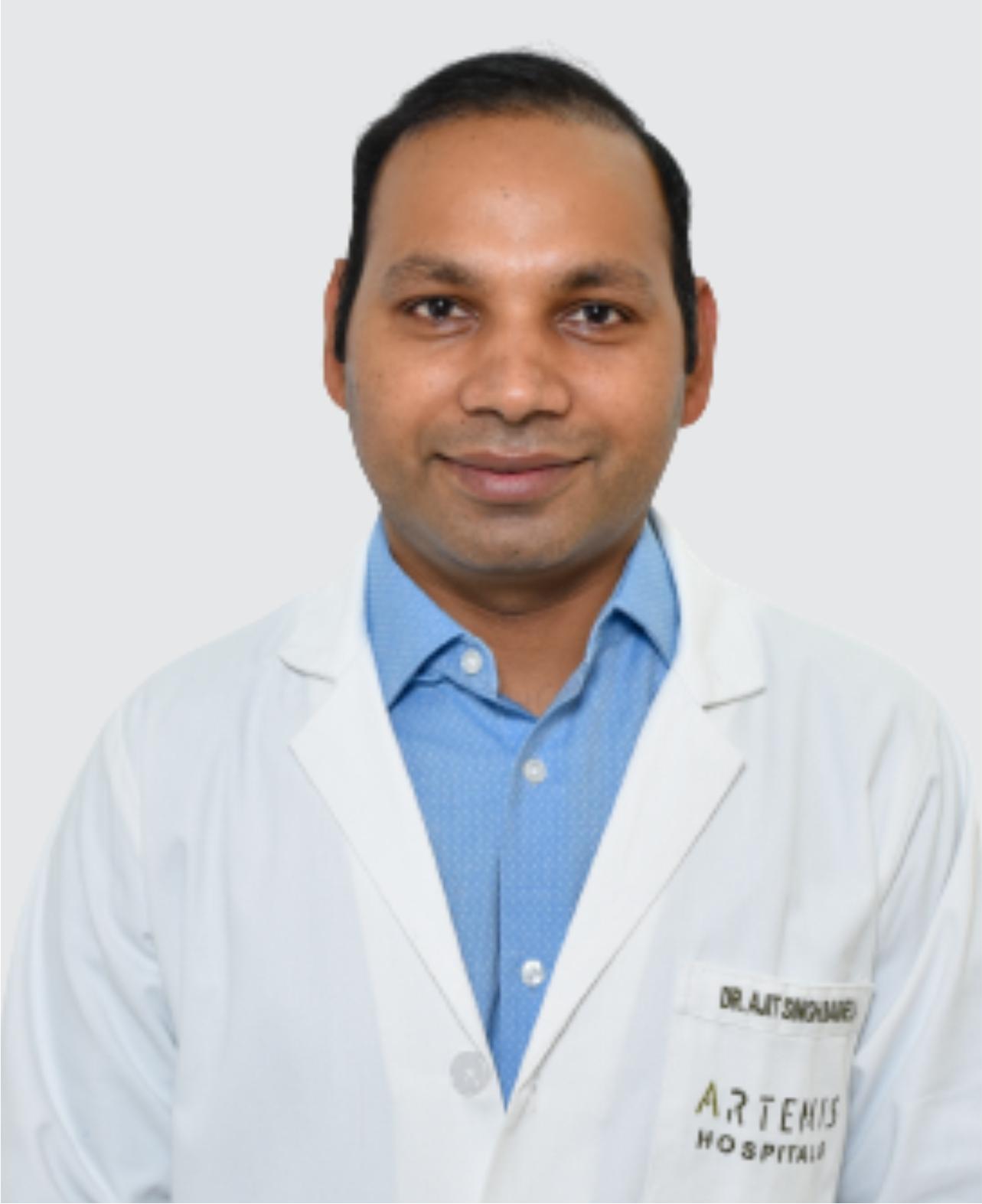
Sr. Consultant – Women Imaging
Radiology (Specializing in Women's Imaging)
Haryana
15+ Years
Experience
Artemis Hospital
Hospital
1500
Fees
Consultant
Paediatric Neurology
Haryana
9+ Years
Experience
Artemis Hospital
Hospital
1500
Fees
Director & Chief
Neurointerventional Surgery
New Delhi
15+ Years
Experience
Artemis Hospital
Hospital
1500
Fees
Additional Consultant - Neuro Interventional Surgery
Neurointerventional Surgery
New Delhi
20+ Years
Experience
Artemis Hospital
Hospital
1500
Fees

Chief - Liver Transplant & Sr. Consultant - GI & HPB Surgery
Liver and Biliary Sciences, Organ Transplant
New Delhi
15+ Years
Experience
Artemis Hospital
Hospital
1500
Fees
Head Imaging & Chief DNB Program
Radiology
New Delhi
19+ Years
Experience
Artemis Hospital
Hospital
1500
Fees
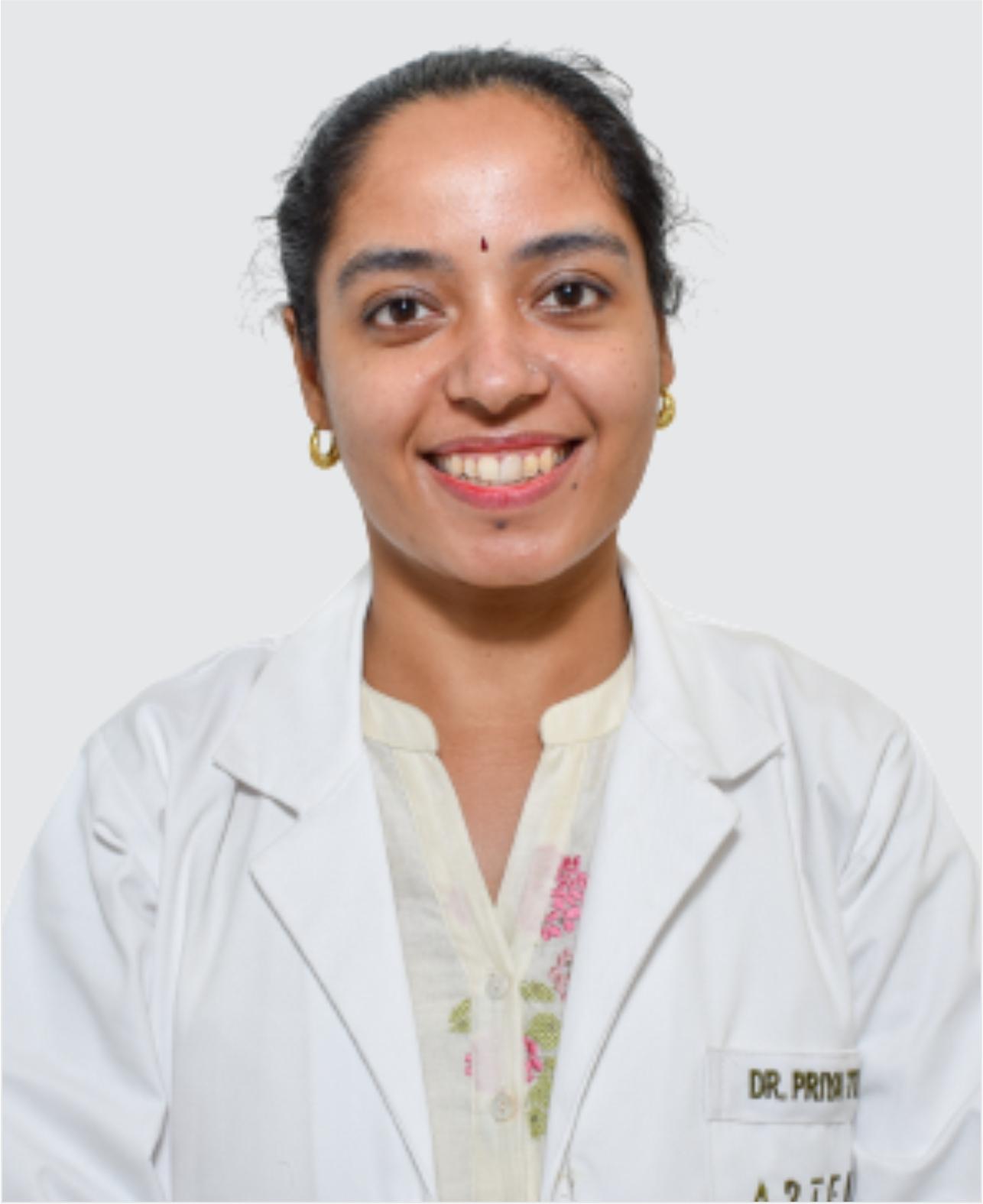
Sr. Consultant
Radiology
New Delhi
12+ Years
Experience
Artemis Hospital
Hospital
1500
Fees
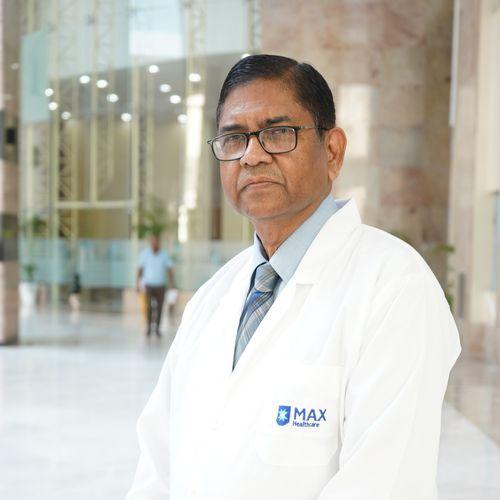
Chairman - Cardiology
Cardiology
New Delhi
41+ Years
Experience
Max Hospital,Gurgaon
Hospital
1500
Fees
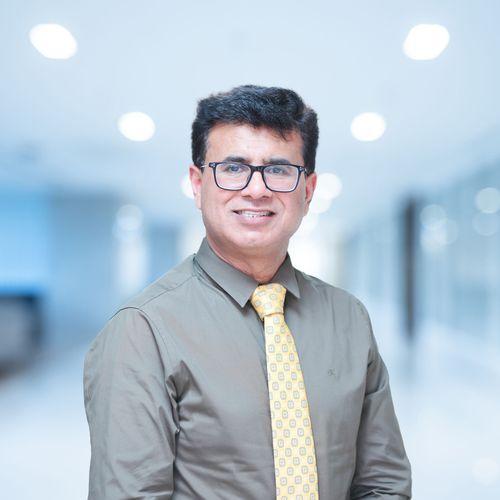
Vice Chairman, Cardiac Sciences, Cardiology, Interventional Cardiology, Cardiac Electrophysiology-Pacemaker & Director & HOD (Interventional Cardiology) at Max Super Speciality Hospital, Shalimar Bagh, Delhi
Interventional Cardiology
New Delhi
26+ Years
Experience
Max Hospital,Gurgaon
Hospital
1500
Fees
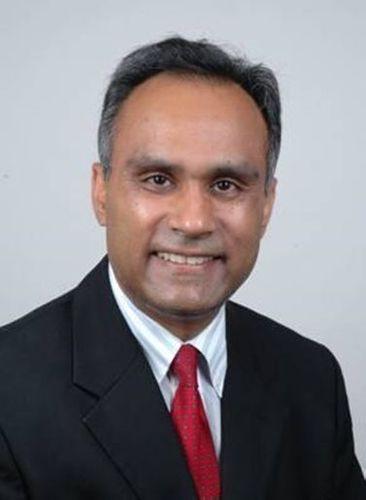
Associate Director
Pulmonology
New Delhi
20+ Years
Experience
Apolo Delhi
Hospital
1500
Fees
Get Personalized Medical Treatment Options From India's Top Hospitals. Our Medical Experts Are Ready To Assist You Every Step Of The Way.