
Preimplantation Genetic Testing (PGT) Treatment in Bengaluru for Nigeria
Need Personalized Advice?
Our medical experts are ready to answer your questions and guide you through your treatment options.
Our medical experts are ready to answer your questions and guide you through your treatment options.
Nigerian couples often face complex decisions when considering advanced reproductive treatments like Preimplantation Genetic Testing (PGT). The uncertainty surrounding access, quality, and specific procedures far from home can be daunting, adding stress to an already emotional journey towards starting a family.
Many choose to explore options beyond their borders, and Bengaluru stands out as a preferred destination. This city offers a harmonious blend of specialized medical expertise and a supportive care environment, attracting those seeking focused attention for sensitive procedures.
Trust in Bengaluru's medical ecosystem is built on a foundation of world-class fertility clinics and highly experienced genetic specialists. The city's infrastructure supports seamless coordination of care, ensuring comprehensive follow-ups and continuous support throughout the treatment process.
Is Bengaluru the right choice for your PGT journey?
Preimplantation Genetic Testing (PGT) is an advanced reproductive technology used in conjunction with In Vitro Fertilization (IVF). It involves screening embryos for genetic abnormalities before they are implanted into the uterus. This crucial step helps identify embryos free from specific genetic conditions or chromosomal anomalies, significantly increasing the chances of a successful pregnancy and the birth of a healthy baby. PGT offers prospective parents peace of mind, especially when there is a known genetic risk.
Different forms of PGT address specific genetic concerns:
The PGT procedure is an integral part of an IVF cycle and involves several carefully orchestrated steps.
The process typically includes:
Recovery from the PGT process itself is generally tied to the IVF components, specifically egg retrieval and embryo transfer. After egg retrieval, a few days of rest are recommended to manage any mild discomfort. Following embryo transfer, patients are typically advised to take it easy for a day or two before resuming light activities. The waiting period for genetic results can be emotionally challenging, and psychological support is often provided. Post-transfer, monitoring for early pregnancy signs and follow-up appointments with the fertility specialist are essential to ensure a smooth transition.
The success rates of PGT are quite encouraging, as it significantly improves the chances of a healthy pregnancy by selecting only the most viable embryos. While success varies based on factors like maternal age, underlying fertility issues, and the number of embryos available, PGT typically leads to higher implantation rates and lower miscarriage rates compared to IVF without PGT. Long-term expectations include a greater likelihood of carrying a pregnancy to term and having a child free from the screened genetic conditions.
The cost of Preimplantation Genetic Testing in Bengaluru is influenced by several factors, including the specific type of PGT (PGT-A, PGT-M, PGT-SR), the number of embryos requiring biopsy and analysis, the chosen fertility clinic, and the expertise of the genetic laboratory. It's important to note that PGT costs are usually separate from the base IVF cycle cost.
In Bengaluru, the cost for Preimplantation Genetic Testing (excluding the IVF cycle) typically ranges from INR 1,50,000 to INR 3,50,000.
Bengaluru offers highly competitive pricing for PGT without compromising on quality or advanced technology. Below is a comparison of PGT costs (excluding IVF) in Bengaluru against other major global destinations:
| Location | Estimated PGT Cost (Excluding IVF) |
|---|---|
| Bengaluru, India | INR 1,50,000 - 3,50,000 |
| United States | USD 5,000 - 10,000 |
| United Kingdom | GBP 3,000 - 6,000 |
| Singapore | SGD 6,000 - 12,000 |
| Australia | AUD 5,000 - 9,000 |
Connect with our expert team today to get a personalized cost estimate and learn more about leading fertility clinics.
Contact us to learn how Bengaluru's fertility experts can support your PGT journey.
Embarking on a PGT journey is a profound decision. In Bengaluru, you will find compassionate care, cutting-edge technology, and experienced specialists ready to support you.
India offers premium medical procedures at affordable prices. Discover our most popular treatments, delivered by the country's finest doctors.
Meet our team of highly qualified and experienced medical professionals dedicated to providing the best healthcare services.
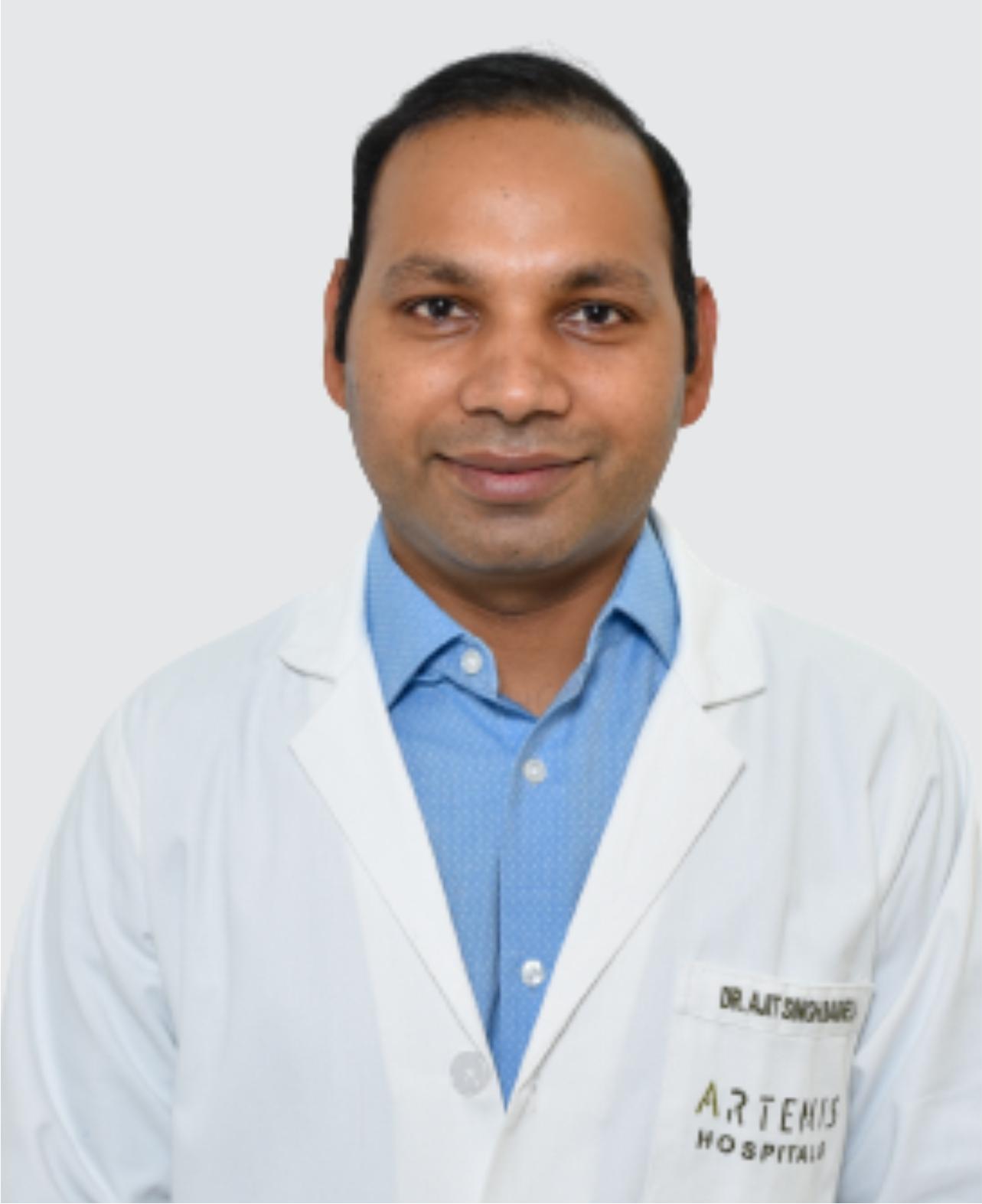
Consultant
Paediatric Neurology
Haryana
9+ Years
Experience
Artemis Hospital
Hospital
1500
Fees
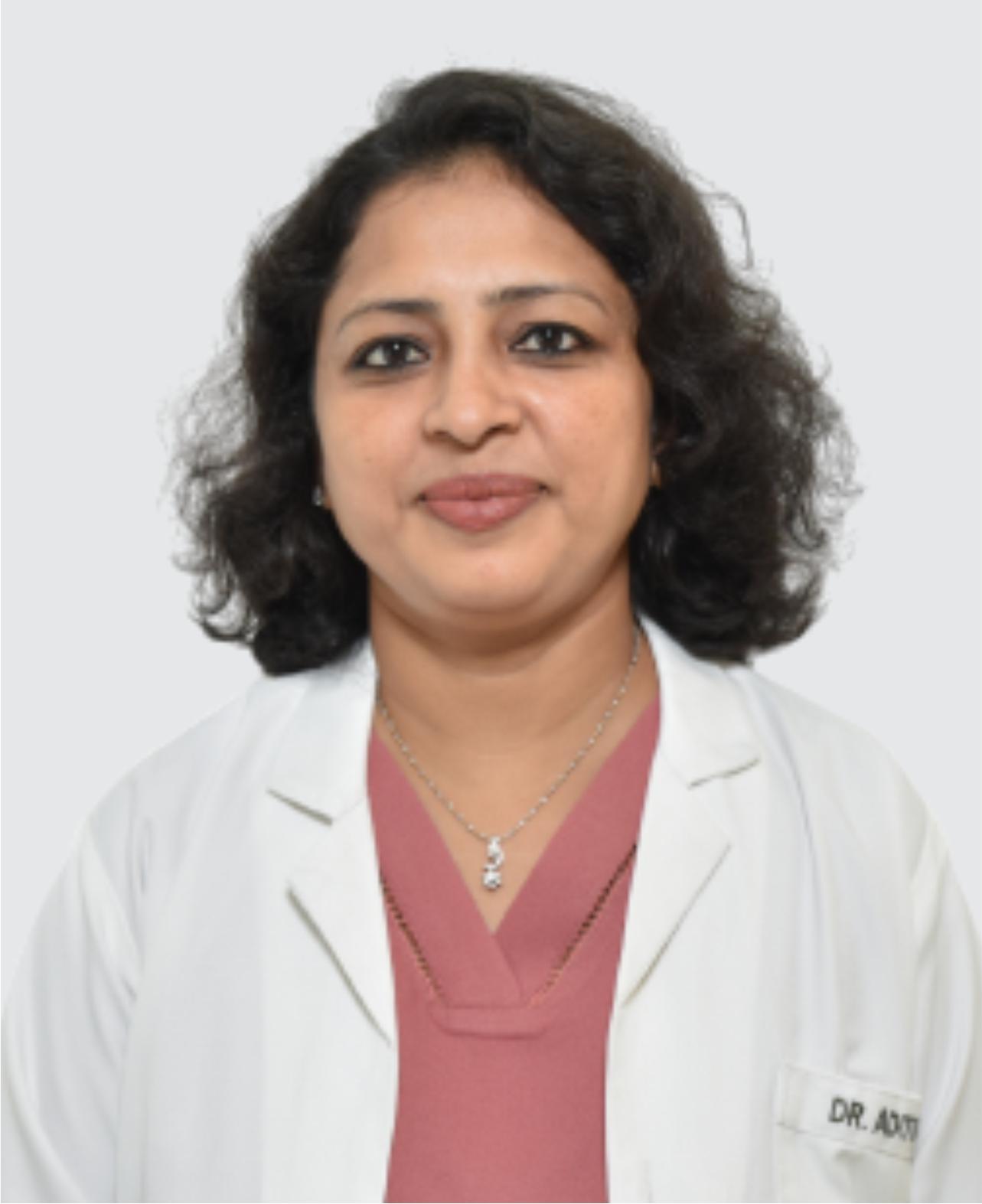
Sr. Consultant – Women Imaging
Radiology
New Delhi
15+ Years
Experience
Artemis Hospital
Hospital
1500
Fees
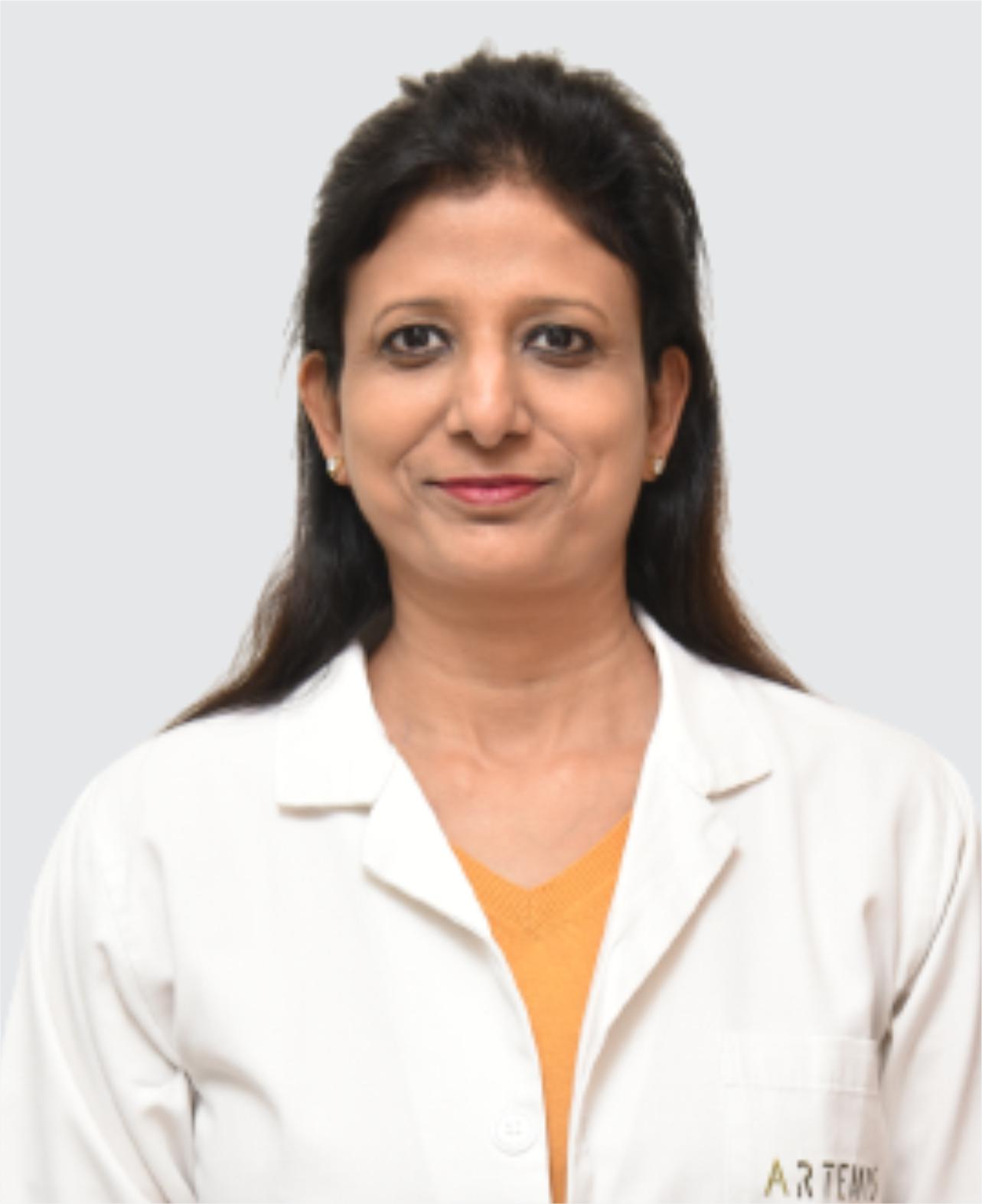
Head - Reproductive Medicine (IVF)
IVF, Reproductive Medicine, Obstetrics and Gynaecology
New Delhi
20+ Years
Experience
Artemis Hospital
Hospital
1500
Fees

Senior Consultant - ENT
ENT and Head & Neck Surgery
New Delhi
24+ Years
Experience
Artemis Hospital
Hospital
1500
Fees
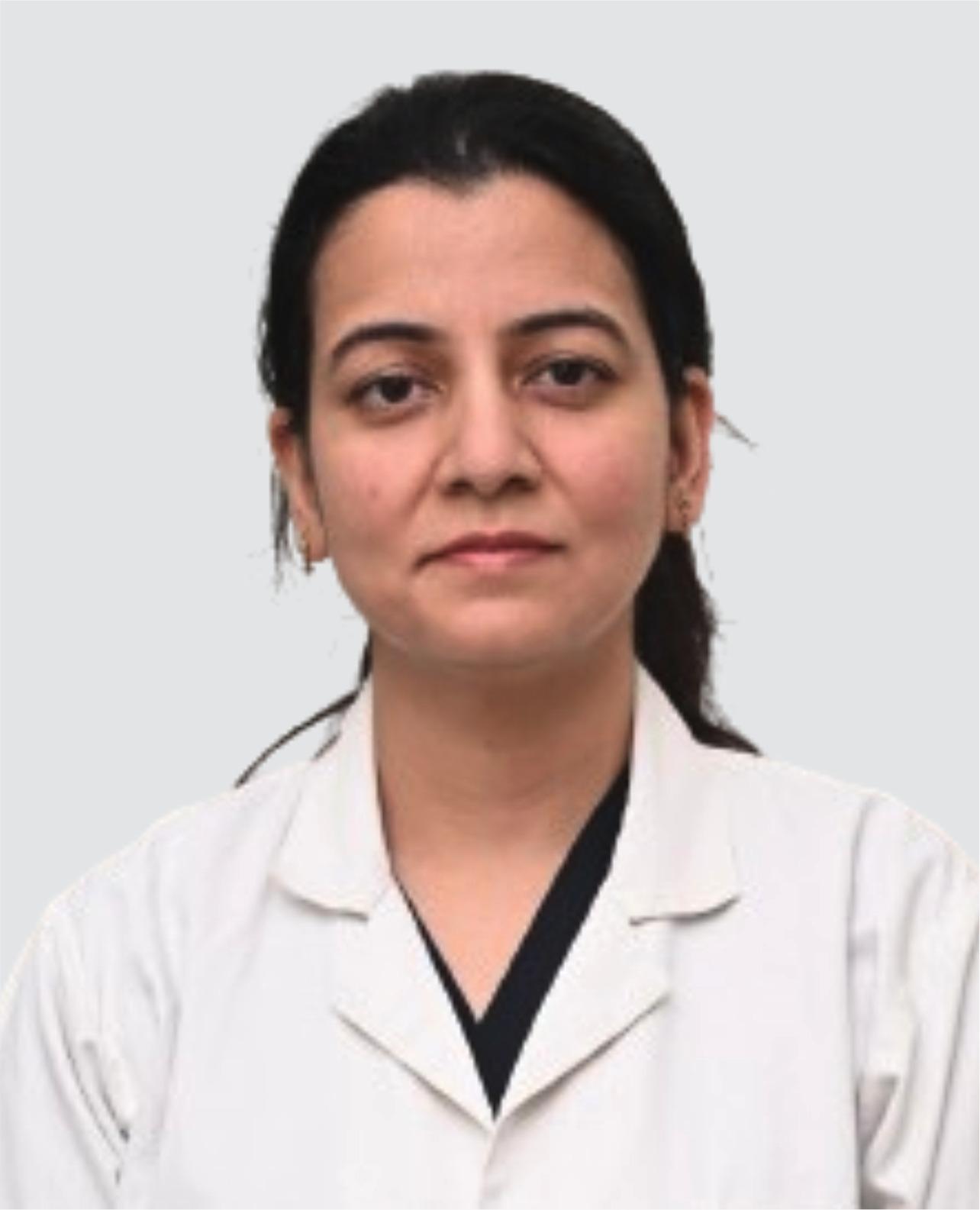
Consultant (Head & Neck Surgery) - Surgical Oncology
Head and Neck Surgical Oncology
New Delhi
10+ Years
Experience
Artemis Hospital
Hospital
1500
Fees
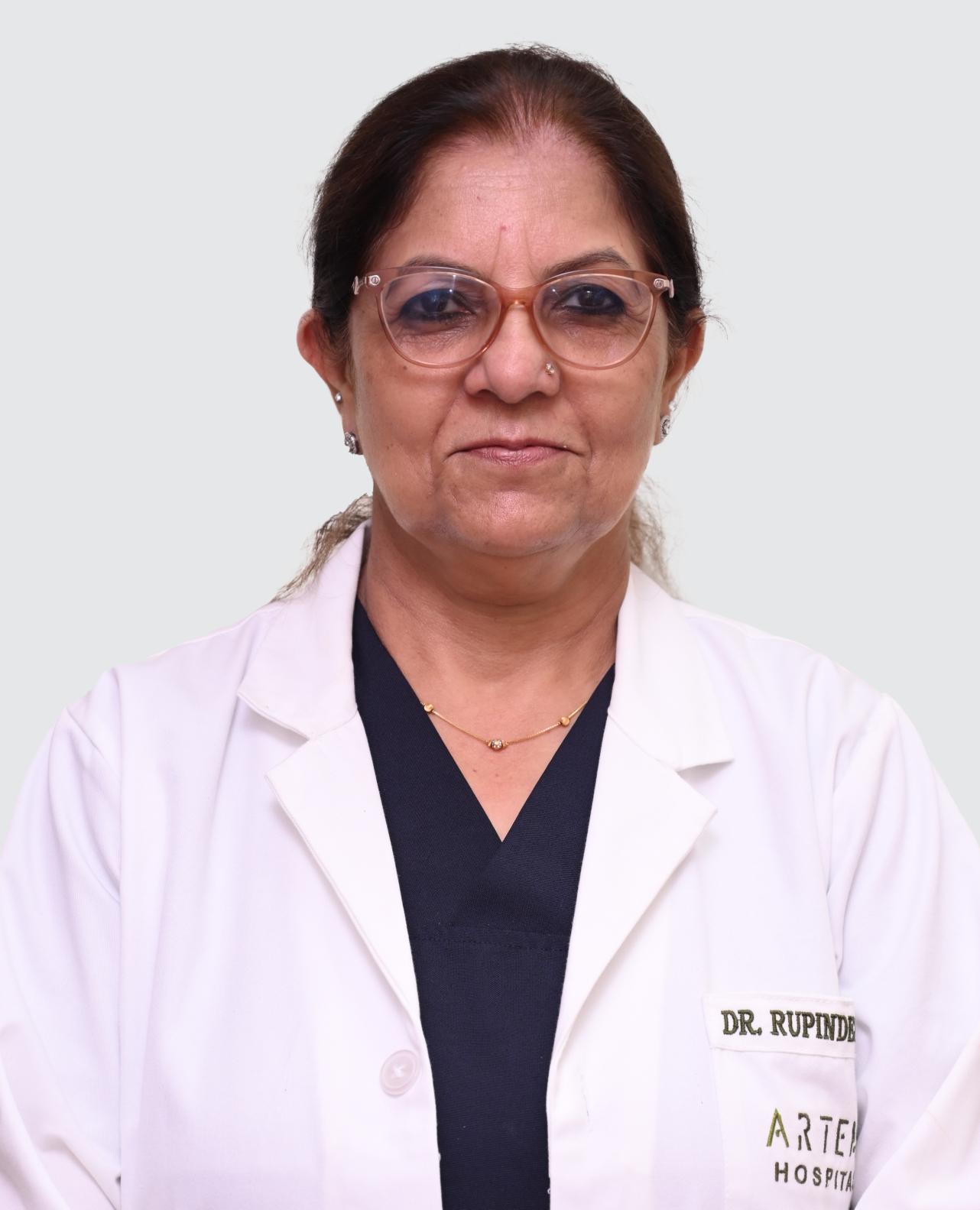
Chairperson - Gynae Oncology
Gynaecological Oncology
New Delhi
16+ Years
Experience
Artemis Hospital
Hospital
1500
Fees
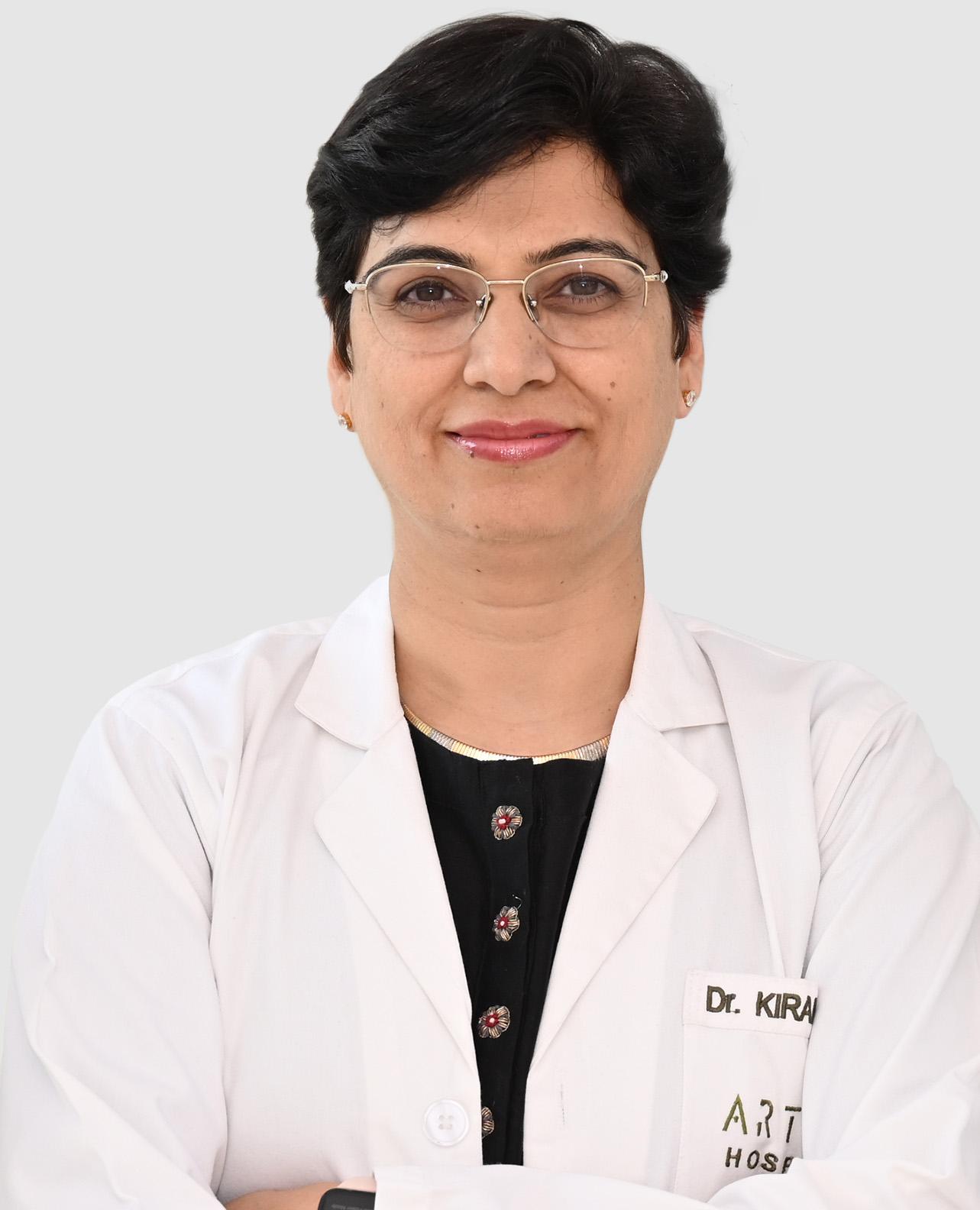
Unit Head - Reproductive Medicine (Unit II)
IVF, Reproductive Medicine, Obstetrics & Gynecology
New Delhi
20+ Years
Experience
Artemis Hospital
Hospital
1500
Fees
Director
Obstetrics and Gynaecology
New Delhi
19+ Years
Experience
Artemis Hospital
Hospital
1500
Fees
Head - Radiation Oncology & CyberKnife Centre (Unit II)
Oncology
New Delhi
23+ Years
Experience
Artemis Hospital
Hospital
1500
Fees
Unit Head & Sr. Consultant - Internal Medicine
Internal Medicine
New Delhi
14+ Years
Experience
Artemis Hospital
Hospital
1500
Fees
Get Personalized Medical Treatment Options From India's Top Hospitals. Our Medical Experts Are Ready To Assist You Every Step Of The Way.