Minimally Invasive Spine Surgery Treatment in Mumbai for Ethiopia
Need Personalized Advice?
Our medical experts are ready to answer your questions and guide you through your treatment options.
About
Minimally Invasive Spine Surgery in Mumbai for Ethiopian Patients
For many patients from Ethiopia facing spinal issues, the thought of complex surgery can bring significant apprehension. Concerns about recovery time, potential complications, and access to advanced surgical techniques often lead to uncertainty when considering treatment options. Finding highly specialized care is a key priority.
Mumbai has emerged as a preferred destination for international patients seeking advanced medical interventions. The city offers a unique blend of state-of-the-art medical technology, world-class specialists, and a supportive environment tailored for those traveling for treatment. Patients frequently choose Mumbai for its excellent care coordination.
Trust in Mumbai's leading hospitals and spine specialists is well-earned. These facilities provide an assurance of quality care, from initial consultation through to post-operative follow-ups. The integrated medical ecosystem within the city ensures a smooth and comprehensive treatment journey for every patient.
Could Mumbai be the ideal setting for your spine care and recovery?
What is Minimally Invasive Spine Surgery?
Minimally Invasive Spine Surgery (MISS) is a modern surgical approach designed to treat various spinal conditions with smaller incisions and less muscle disruption than traditional open surgery. Instead of a long incision, surgeons use specialized instruments, microscopes, or endoscopes through small cuts, often just a few centimeters long. This technique aims to reduce pain, minimize blood loss, shorten hospital stays, and accelerate recovery, allowing patients to return to their normal activities sooner.
What Are the Types of Minimally Invasive Spine Surgery?
Different types of minimally invasive spine procedures address specific conditions:
- Minimally Invasive Lumbar Microdiscectomy: Used to remove a portion of a herniated disc that is pressing on a nerve root, causing pain or weakness.
- Minimally Invasive Laminectomy/Laminotomy: Involves removing a small part of the vertebral bone (lamina) to relieve pressure on the spinal cord or nerves, often for spinal stenosis.
- Minimally Invasive Spinal Fusion: Stabilizes unstable segments of the spine by joining two or more vertebrae, utilizing small incisions and advanced instrumentation.
- Minimally Invasive Foraminotomy: Performed to enlarge the nerve root canal (foramen) and relieve pressure on compressed nerves.
- Minimally Invasive Vertebroplasty/Kyphoplasty: Used to treat vertebral compression fractures by injecting bone cement into the fractured vertebra, often through a needle.
When is Minimally Invasive Spine Surgery Recommended?
- Persistent back or neck pain that has not responded to conservative treatments
- Herniated discs causing severe pain, numbness, or weakness in the limbs
- Spinal stenosis, a narrowing of the spinal canal leading to nerve compression
- Spondylolisthesis, where one vertebra slips forward over another
- Degenerative disc disease causing chronic discomfort
- Spinal fractures that require stabilization or pain relief
- Nerve root compression leading to sciatica or radiculopathy
How is Minimally Invasive Spine Surgery Evaluated?
- Comprehensive physical examination and neurological assessment by a spine specialist
- X-rays to visualize the bone structure and alignment of the spine
- Magnetic Resonance Imaging (MRI) to assess soft tissues like discs, nerves, and the spinal cord
- Computed Tomography (CT) scans for detailed images of bone structures
- Myelogram, a special X-ray or CT scan after injecting dye into the spinal fluid, to highlight nerve compression
- Electromyography (EMG) and nerve conduction studies to evaluate nerve function
- Blood tests to check overall health and rule out inflammatory conditions or infections
How is Minimally Invasive Spine Surgery Performed?
The specific steps for Minimally Invasive Spine Surgery depend on the patient's condition and the planned procedure. However, the general approach emphasizes precision and minimal disruption.
During the procedure:
- Anesthesia: The patient is given general anesthesia, ensuring they are comfortable and asleep throughout the surgery.
- Incision and Access: One or more small incisions are made in the skin, typically less than an inch. Specialized tubular retractors or dilators are then carefully inserted through these incisions, gently separating the muscles rather than cutting them.
- Visualization: A surgical microscope or endoscope is inserted through the tube, providing the surgeon with a magnified, high-definition view of the surgical area on a monitor.
- Surgical Action: Tiny instruments are passed through the tube to perform the necessary surgical tasks, such as removing a herniated disc, decompressing a nerve, or fusing vertebrae with implants.
- Closure: Once the procedure is complete, the instruments and retractors are removed, allowing the muscle tissue to fall back into place. The small incisions are then closed with sutures or surgical tape, often resulting in minimal scarring.
What is the Recovery Process After Spine Surgery?
Recovery from Minimally Invasive Spine Surgery is generally faster than traditional open surgery. Patients typically experience less post-operative pain and may require a shorter hospital stay, often just one to three days. Early mobilization is encouraged, with patients often walking within hours after surgery. Physical therapy is a crucial component of recovery, starting soon after discharge to rebuild strength and flexibility. While some activity restrictions apply initially, patients usually return to light activities within a few weeks and more strenuous activities over several months, guided by their surgeon and physical therapist.
What are the Risks and Success Rates of Minimally Invasive Spine Surgery?
- Infection at the surgical site
- Bleeding, though less common with MIS techniques
- Nerve damage, potentially leading to weakness or numbness
- Dural tear, where the covering of the spinal cord is accidentally punctured
- Reactions to anesthesia or medications
- Persistent or recurrent pain, though typically less severe
- Failure of spinal fusion (non-union) if hardware is used
Minimally Invasive Spine Surgery boasts high success rates, often ranging from 85% to 95% depending on the specific condition treated and the patient's overall health. Most patients experience significant pain relief and improved functional mobility. The outcomes can vary based on factors such as the severity of the spinal condition, the patient's adherence to post-operative rehabilitation, and the surgeon's expertise. Long-term relief and a return to an active lifestyle are common expectations for successful MISS procedures.
What is the Cost of Minimally Invasive Spine Surgery in Mumbai?
The cost of Minimally Invasive Spine Surgery in Mumbai is influenced by several factors. These include the specific type of procedure required, the chosen hospital's facilities and accreditation, the experience and reputation of the operating surgeon, the duration of the hospital stay, and the need for any advanced medical technology or implants. Pre-operative diagnostics and post-operative rehabilitation also contribute to the overall expenditure.
In Mumbai, the estimated cost for Minimally Invasive Spine Surgery typically ranges from INR 3,50,000 to INR 8,00,000.
Mumbai Minimally Invasive Spine Surgery Cost Overview
Mumbai offers a compelling cost advantage for advanced spine surgery when compared to many Western countries, without compromising on quality or outcomes. This makes it an attractive option for international patients seeking high-standard care at a more accessible price point.
| Location | Estimated Cost Range |
|---|---|
| Mumbai, India | INR 3,50,000 - 8,00,000 |
| United States | USD 25,000 - 55,000 |
| United Kingdom | GBP 20,000 - 40,000 |
| Germany | EUR 18,000 - 35,000 |
| Singapore | SGD 22,000 - 45,000 |
How Mumbai Hospitals Support International Patients?
- Assistance with medical visa applications and necessary documentation
- Airport pickup and drop-off services for seamless travel
- Dedicated patient coordinators to manage appointments and hospital logistics
- Language interpretation services to ensure clear communication
- Guidance on accommodation options for patients and accompanying family members
- Support for local travel and sight-seeing arrangements post-recovery
- Specialized dietary arrangements to cater to cultural preferences
What Documents Do Ethiopian Patients Need for Treatment?
- Valid passport with at least six months validity
- Copies of all relevant past medical reports, imaging scans, and doctor's notes
- A medical visa or e-medical visa, obtained prior to travel
- An invitation letter from the Mumbai hospital confirming your treatment plan
- Proof of financial solvency to cover medical and travel expenses
- Any necessary consent forms provided by the hospital
How Should You Prepare for Minimally Invasive Spine Surgery?
- Undergo a thorough pre-operative medical review with your surgeon
- Follow instructions regarding medication adjustments, especially blood thinners
- Adhere strictly to fasting guidelines before the surgery
- Arrange your travel and accommodation well in advance of your procedure date
- Stop smoking and avoid alcohol for a period before surgery, as advised by your doctor
- Prepare your home environment for a comfortable recovery, if staying for rehabilitation
Essential Care After Minimally Invasive Spine Surgery
- Strictly follow prescribed pain management protocols and medication schedules
- Keep the surgical wound clean and dry, following all care instructions
- Attend all scheduled follow-up appointments and imaging scans
- Commit fully to the physical therapy and rehabilitation program tailored for you
- Avoid heavy lifting, twisting, or bending motions for the recommended period
- Ensure gradual return to activities, listening to your body and medical advice
Ready to Explore Your Spine Treatment Options?
Taking the first step toward better health means understanding your choices. Mumbai’s medical expertise is here to support your journey to recovery.
Hospitals Offering this treatment
India offers premium medical procedures at affordable prices. Discover our most popular treatments, delivered by the country's finest doctors.
Meet Our Doctors
Meet our team of highly qualified and experienced medical professionals dedicated to providing the best healthcare services.
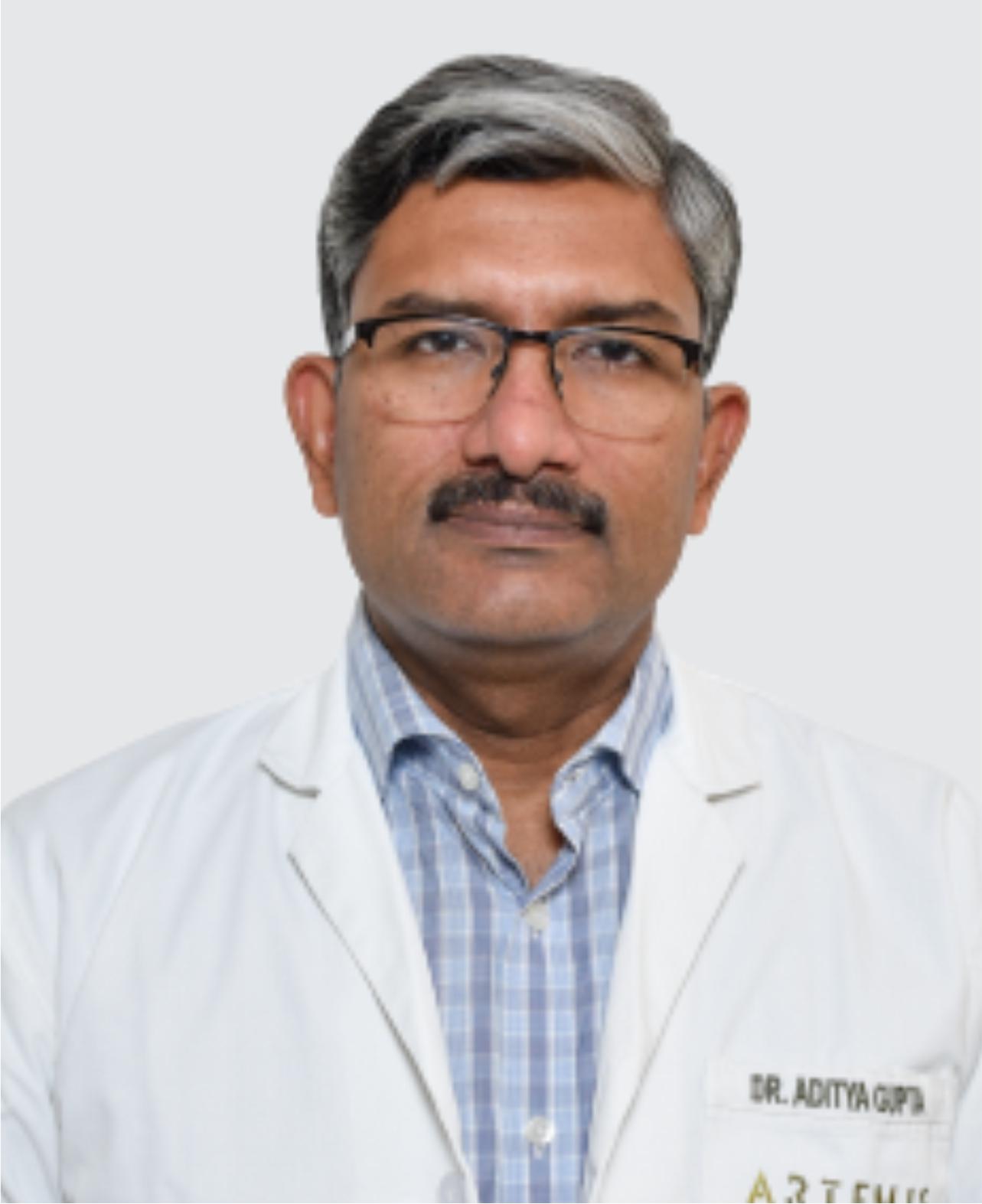
Dr. Aditya Gupta
Chairperson - Neurosurgery & CNS Radiosurgery & Co-Chief - Cyberknife Centre, Artemis Hospitals, Gurgaon
Neurosurgeon
Haryana
32+ Years
Experience
Artemis Hospital
Hospital
1500
Fees
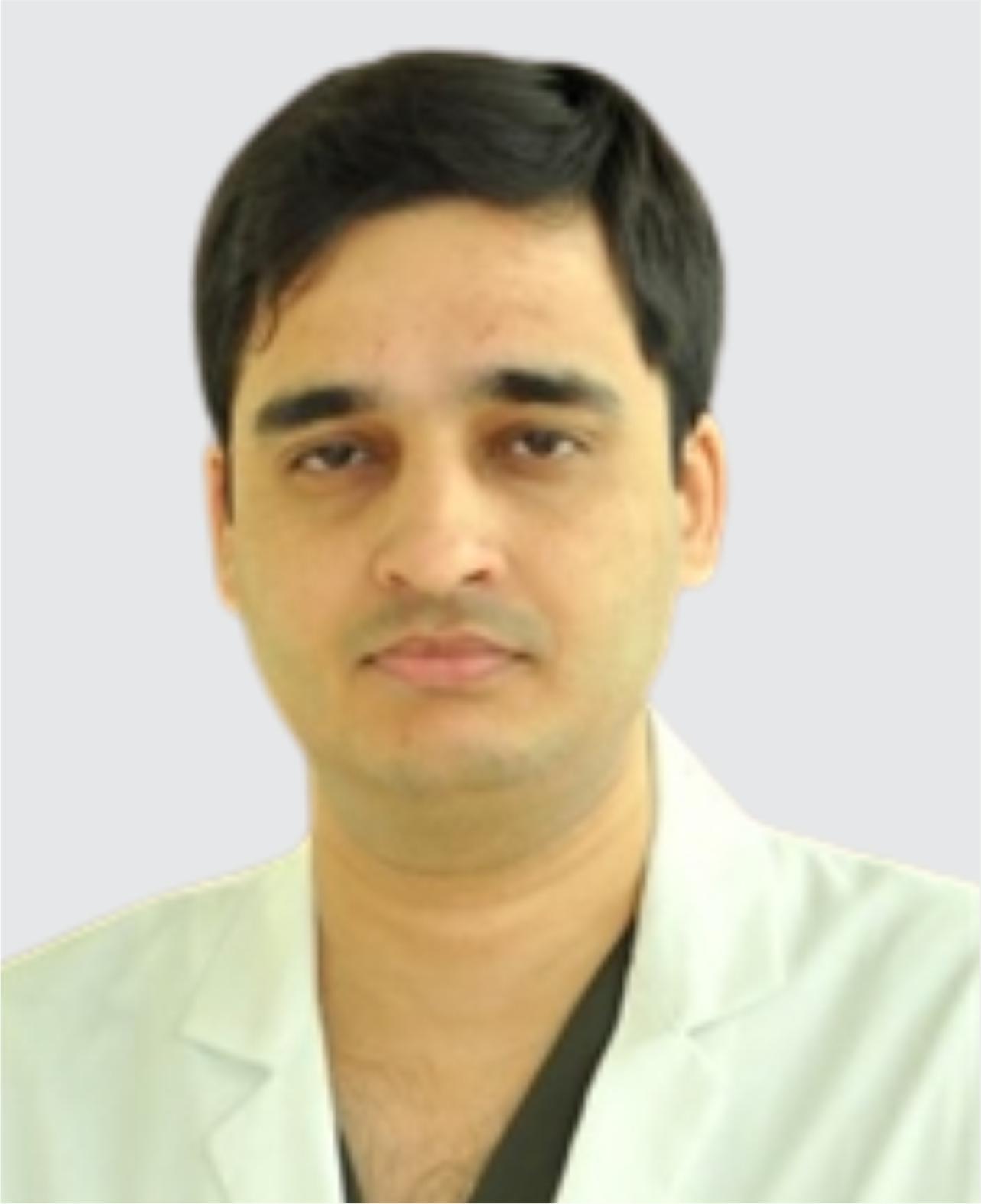
Dr. Amit Kalsotra
Sr. Consultant - Anaesthesia, Critical Care & Pain Management
Anaesthesia, Critical Care, Pain Management
New Delhi
15+ Years
Experience
Artemis Hospital
Hospital
1500
Fees
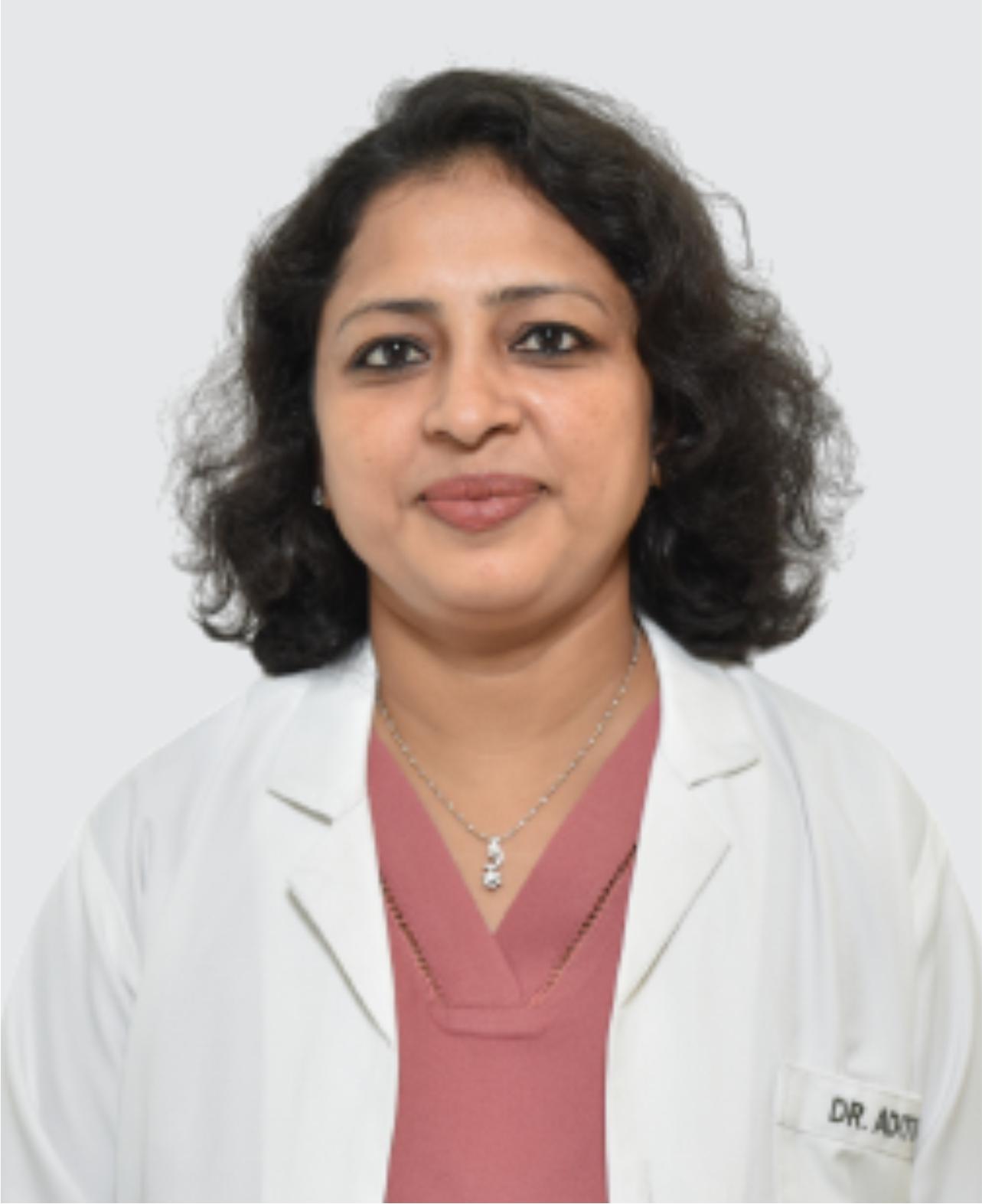
Dr Aditi Dixit
Sr. Consultant – Women Imaging
Radiology
New Delhi
15+ Years
Experience
Artemis Hospital
Hospital
1500
Fees

Dr. (Brig.) Anil Khetarpal
Deputy Chief - Medical Services & Chairperson -Department of Blood Centre and Transfusion medicine
Blood Centre & Transfusion Medicine
New Delhi
33+ Years
Experience
Artemis Hospital
Hospital
1500
Fees

Dr Chandrima Misra M
Co-Head Psychological Services
Mental Health and Behavioural Sciences
New Delhi
15+ Years
Experience
Artemis Hospital
Hospital
1500
Fees

Dr. Nutan Agarwal
Head of Department - Gynae Endocrinology & DNB Program Director - Obs & Gynae
Gynaecological Endocrinology, Maternity, Obstetrics & Gynaecology
New Delhi
35+ Years
Experience
Artemis Hospital
Hospital
1500
Fees

Dr. Poonam Gautam
Senior Consultant - ENT
ENT and Head & Neck Surgery
New Delhi
24+ Years
Experience
Artemis Hospital
Hospital
1500
Fees
Dr. Priyanka Raina
Consultant (Head & Neck Surgery) - Surgical Oncology
Head and Neck Surgical Oncology
New Delhi
10+ Years
Experience
Artemis Hospital
Hospital
1500
Fees
Dr. Rajiv Chhabra
Chief
Paediatric
New Delhi
15+ Years
Experience
Artemis Hospital
Hospital
1500
Fees
Dr. Rakesh Durkhure
Head - General, MI & Bariatric Surgery (Unit IV)
General & Minimally Invasive Surgery
New Delhi
25+ Years
Experience
Artemis Hospital
Hospital
1500
Fees
Related Links
Recent Blogs
Other Treatment related Information
- Minimally Invasive Spine Surgery cost in Bengaluru
- Minimally Invasive Spine Surgery cost in India
- Minimally Invasive Spine Surgery cost in Chennai
- Minimally Invasive Spine Surgery cost in Mumbai
- Minimally Invasive Spine Surgery cost in Pune
- Minimally Invasive Spine Surgery cost in New Delhi
- Minimally Invasive Spine Surgery cost in Haryana
- Minimally Invasive Spine Surgery cost in Hyderabad
- Minimally Invasive Spine Surgery Success Rate in New Delhi
- Minimally Invasive Spine Surgery Success Rate in Hyderabad
- Minimally Invasive Spine Surgery Success Rate in Pune
- Minimally Invasive Spine Surgery Success Rate in Chennai
- Minimally Invasive Spine Surgery Success Rate in Bengaluru
- Minimally Invasive Spine Surgery Success Rate in Haryana
- Minimally Invasive Spine Surgery Success Rate in India
- Minimally Invasive Spine Surgery Success Rate in Mumbai
- Best Minimally Invasive Spine Surgery Doctors in India
- Best Minimally Invasive Spine Surgery Doctors in Chennai
Ready To Start Your Healing Journey?
Get Personalized Medical Treatment Options From India's Top Hospitals. Our Medical Experts Are Ready To Assist You Every Step Of The Way.