
व्यक्तिगत सलाह की आवश्यकता है?
हमारे चिकित्सा विशेषज्ञ आपके प्रश्नों का उत्तर देने और आपके उपचार विकल्पों के माध्यम से आपका मार्गदर्शन करने के लिए तैयार हैं।
हमारे चिकित्सा विशेषज्ञ आपके प्रश्नों का उत्तर देने और आपके उपचार विकल्पों के माध्यम से आपका मार्गदर्शन करने के लिए तैयार हैं।
For many patients in Bangladesh facing a stroke, the urgent need for specialized care like Endovascular Thrombectomy can bring significant worry. The search for effective, timely treatment options often extends beyond local borders, leading to questions about advanced medical facilities and expert opinions.
This is why many families consider destinations like Chennai, known for its established healthcare infrastructure. Patients look for a care environment where sophisticated neurological interventions are readily available, alongside efficient coordination for international visitors seeking critical treatment for stroke.
Chennai's hospitals and neurological specialists offer a strong foundation of trust, built on extensive experience with complex stroke cases. The city provides a comprehensive care pathway, ensuring smooth transitions from initial assessment to treatment and post-procedure follow-ups, which is crucial for conditions like stroke.
Chennai offers a focused and reliable option for Endovascular Thrombectomy for stroke patients.
Endovascular Thrombectomy is an advanced medical procedure used to remove a blood clot from a large artery in the brain, restoring blood flow. This intervention is critical for certain types of acute ischemic stroke, where a clot blocks the supply of oxygen-rich blood to brain tissue. Performed by neuro-interventional specialists, the procedure involves inserting a catheter into an artery, usually in the groin, and navigating it to the clot's location in the brain. Using specialized devices like stent retrievers or aspiration catheters, the clot is carefully removed, aiming to minimize brain damage and improve patient outcomes when performed within a critical time window after stroke onset.
Endovascular Thrombectomy primarily involves mechanical removal of the clot. The main techniques include:
The Endovascular Thrombectomy procedure is highly specialized and is tailored based on the individual's condition and the specific stroke characteristics.
The general steps involve:
Recovery following Endovascular Thrombectomy varies significantly depending on the stroke's severity, the extent of brain damage, and the patient's overall health. Immediately after the procedure, patients are typically transferred to an intensive care unit (ICU) for close monitoring of neurological status, blood pressure, and vital signs. Early mobilization and rehabilitation are crucial. Physical therapy, occupational therapy, and speech therapy often begin soon after the patient stabilizes, aiming to regain lost functions. The duration of hospital stay can range from a few days to several weeks. Follow-up appointments with neurologists are essential to monitor progress, manage risk factors for future strokes, and adjust medication. Long-term recovery is a continuous process that may involve ongoing rehabilitation at home or in a specialized facility.
The success rates of Endovascular Thrombectomy in achieving reperfusion (restoring blood flow) are generally high, often exceeding 80-90% in experienced centers. Clinical outcomes, however, vary widely based on factors such as the time from stroke onset to treatment, the patient's age, the extent of pre-existing brain damage, and the severity of the stroke. Patients treated early within the recommended time windows tend to have better functional outcomes, including reduced disability. Long-term expectations focus on ongoing rehabilitation and secondary stroke prevention strategies to maintain improvements and minimize recurrence risks.
The cost of Endovascular Thrombectomy for stroke in Chennai is influenced by several factors. These include the specific hospital chosen (e.g., multi-specialty corporate hospitals vs. smaller specialized centers), the experience and fees of the neuro-interventional specialist, the complexity of the clot removal, the devices used, and the duration of the hospital stay, particularly in the ICU. Post-operative care, including rehabilitation and medications, also contributes to the overall expenditure.
For Endovascular Thrombectomy in Chennai, the estimated cost typically ranges from INR 6,50,000 to INR 15,00,000.
Patients from Bangladesh often find Chennai a more cost-effective option for Endovascular Thrombectomy compared to many Western countries, without compromising on quality or advanced medical technology.
| Location | Estimated Cost (USD) |
|---|---|
| Chennai, India | $8,000 - $18,000 |
| USA | $50,000 - $100,000+ |
| United Kingdom | $35,000 - $60,000 |
| Singapore | $25,000 - $45,000 |
Connect with our patient care team today to understand how we can support your journey for Endovascular Thrombectomy in Chennai.
Seek specialized care in Chennai for Endovascular Thrombectomy. Contact us for detailed information on hospitals and costs.
Receive comprehensive medical guidance for stroke treatment. Reach out to our patient support team now.
India offers premium medical procedures at affordable prices. Discover our most popular treatments, delivered by the country's finest doctors.
Meet our team of highly qualified and experienced medical professionals dedicated to providing the best healthcare services.
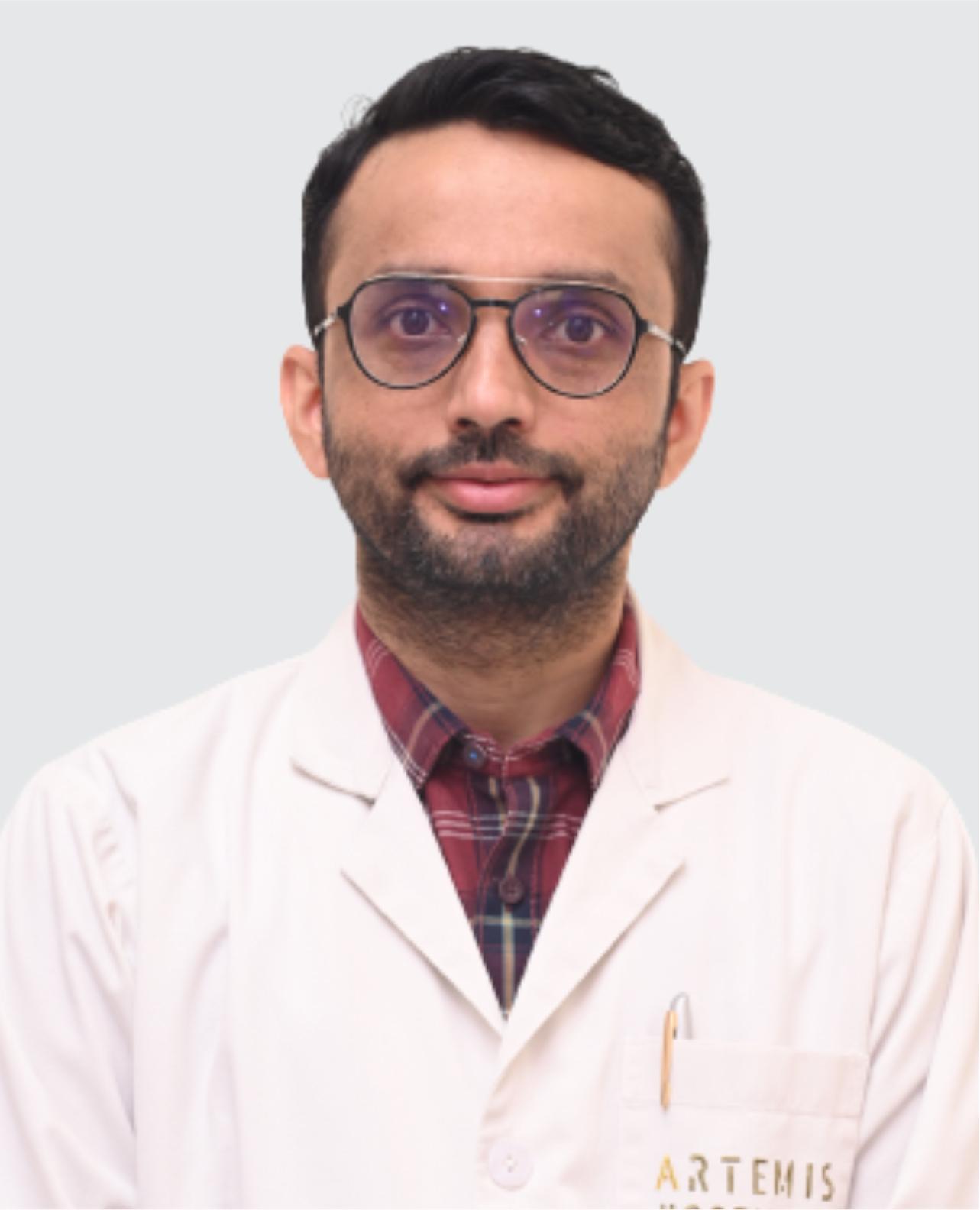
Sr. Consultant-Neurology & Epilepsy
Neurology & Epilepsy
New Delhi
15+ Years
Experience
Artemis Hospital
Hospital
1500
Fees
Director & Chief
Neurointerventional Surgery
New Delhi
15+ Years
Experience
Artemis Hospital
Hospital
1500
Fees

Director - Neurology
Neurology
New Delhi
18+ Years
Experience
Apolo Delhi
Hospital
1500
Fees

Consultant - Neurology & Movement Disorders
Neurology
New Delhi
15+ Years
Experience
Artemis Hospital
Hospital
1500
Fees

Additional Consultant - Neuro Interventional Surgery
Neurointerventional Surgery
New Delhi
20+ Years
Experience
Artemis Hospital
Hospital
1500
Fees
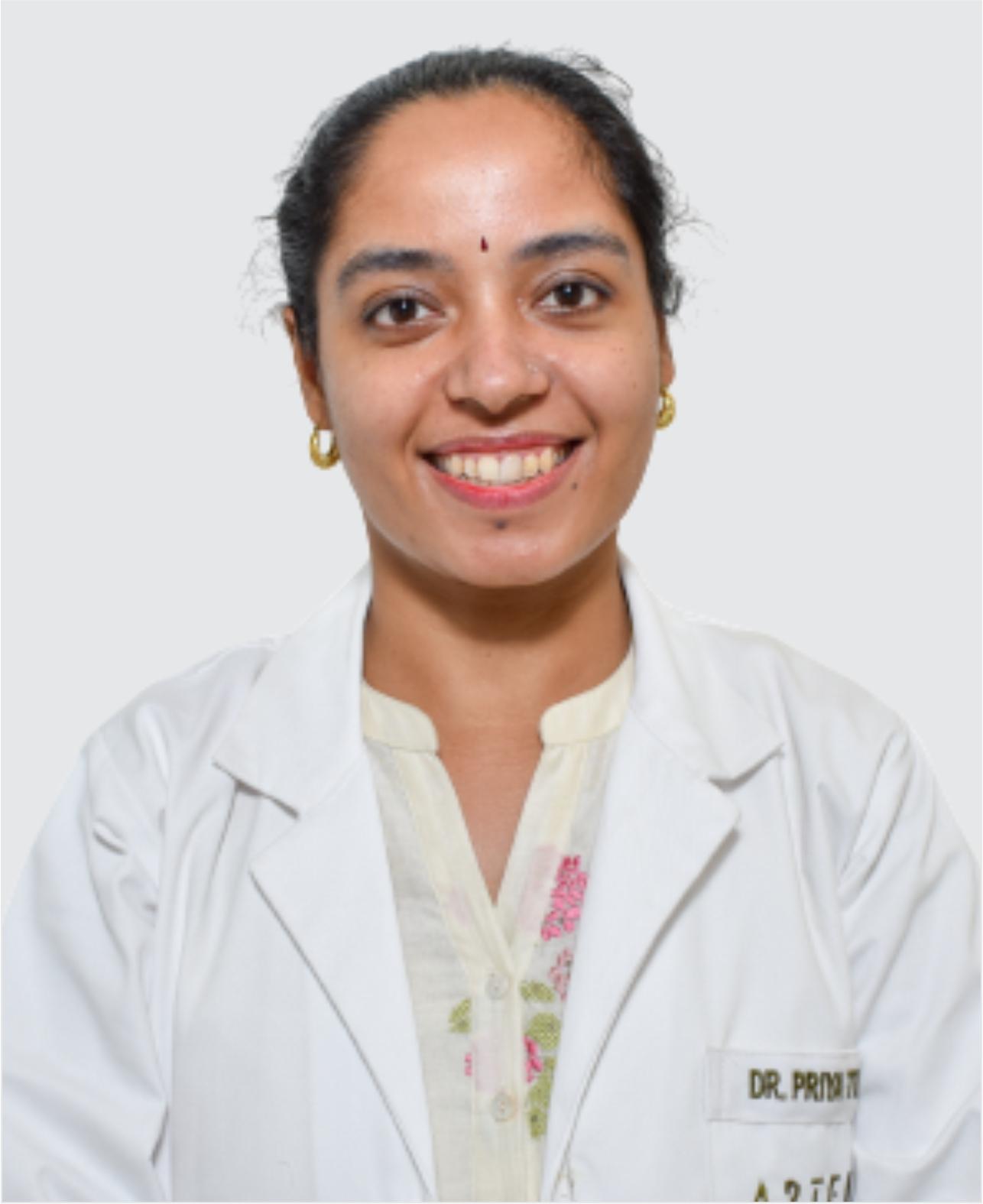
Sr. Consultant
Radiology
New Delhi
12+ Years
Experience
Artemis Hospital
Hospital
1500
Fees
Senior Medical Oncologist
Medical Oncology, Haemato-medical Oncology
New Delhi
15+ Years
Experience
Max Hospital,Gurgaon
Hospital
1500
Fees
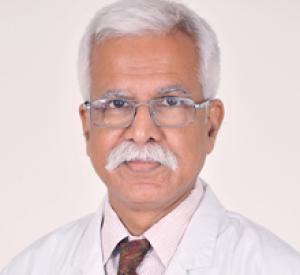
Principal Director - Pulmonology
Pulmonology
New Delhi
40+ Years
Experience
Max Hospital,Gurgaon
Hospital
1500
Fees
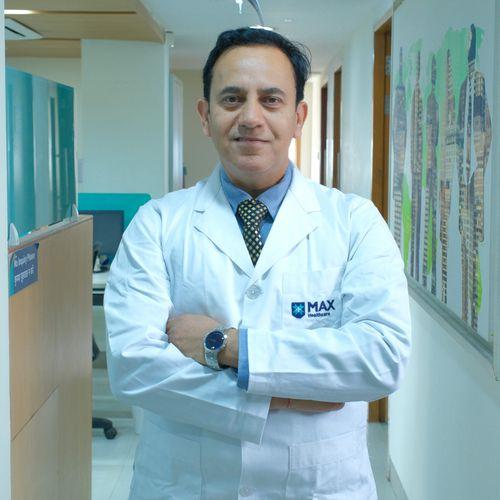
Senior Consultant, Neurology
Neurology
New Delhi
12+ Years
Experience
Apolo Delhi
Hospital
1500
Fees
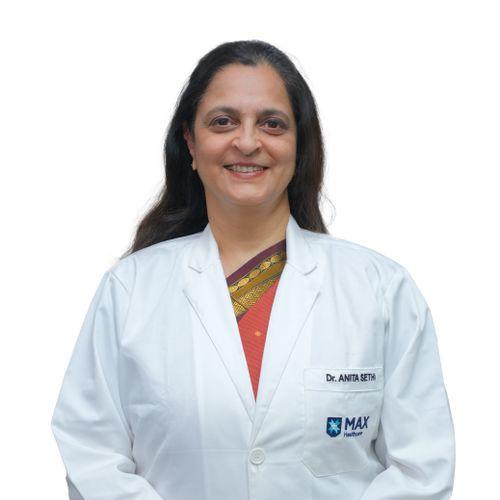
Director
Neurology
New Delhi
28+ Years
Experience
Apolo Delhi
Hospital
1500
Fees
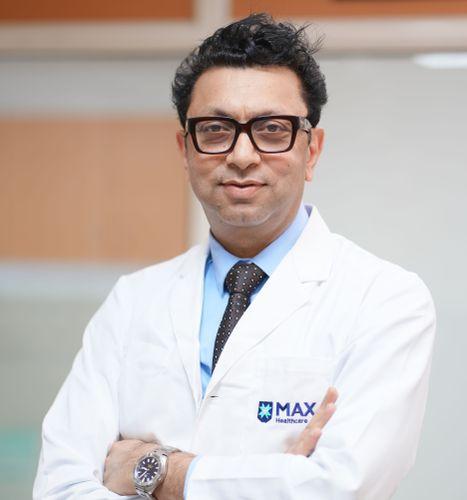
Senior Consultant - Neurology
Neurology
New Delhi
12+ Years
Experience
Apolo Delhi
Hospital
1500
Fees
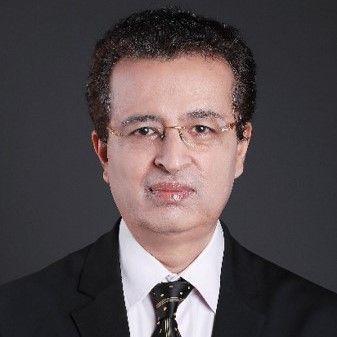
Director
Neurology
New Delhi
30+ Years
Experience
Apolo Delhi
Hospital
1500
Fees
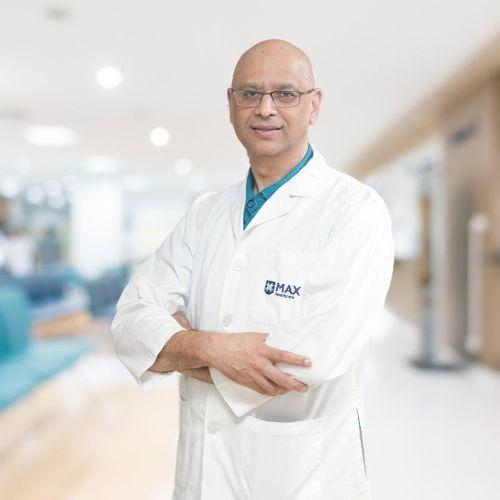
Director - Neuro Sciences
Neurology
New Delhi
18+ Years
Experience
Apolo Delhi
Hospital
1500
Fees
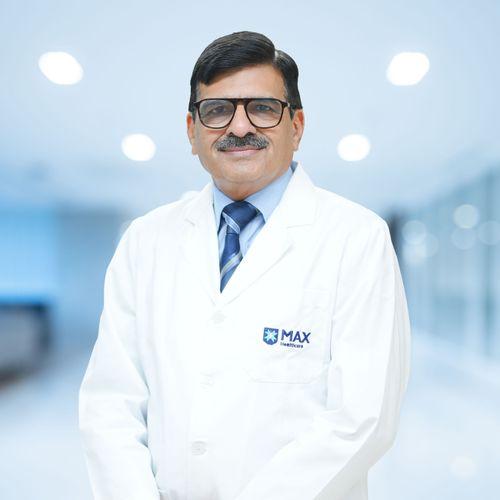
Director
Neurosciences
New Delhi
14+ Years
Experience
Apolo Delhi
Hospital
1500
Fees
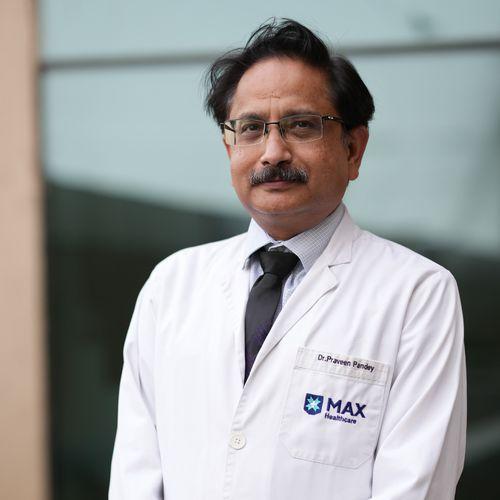
Director
Neuroscience
New Delhi
17+ Years
Experience
Apolo Delhi
Hospital
1500
Fees
Director
Neurology
New Delhi
20+ Years
Experience
Apolo Delhi
Hospital
1500
Fees
भारत के शीर्ष अस्पतालों से व्यक्तिगत चिकित्सा उपचार विकल्प प्राप्त करें। हमारे चिकित्सा विशेषज्ञ हर कदम पर आपकी सहायता करने के लिए तैयार हैं।