DIVINHEALSimplifying Global Wellbeing
Home
Treatments
Hospitals
Doctors
Page background

Endovascular Thrombectomy for Stroke Treatment in Gurugram for Iraq

About

Gurugram Endovascular Thrombectomy for Stroke: Iraq Patients

For families in Iraq facing the sudden onset of stroke, the need for urgent and effective treatment like Endovascular Thrombectomy is paramount. Understanding treatment options and ensuring the best care can be overwhelming during such a critical time. Many seek clarity on advanced medical procedures available internationally.

Patients from Iraq often consider medical destinations beyond their borders to access specialized interventions and state-of-the-art facilities. Gurugram, India, has emerged as a preferred city, known for its rapid advancements in neurovascular care and highly skilled medical professionals. The city's focus on coordinated patient care simplifies the process for international visitors.

Gurugram's healthcare ecosystem instills confidence through its world-class hospitals and a dedicated cadre of neurologists and neurosurgeons specializing in stroke management. These facilities are designed to provide comprehensive care, from emergency intervention to post-procedure follow-ups, ensuring a seamless treatment journey for patients recovering within the city.

Is Gurugram the right choice for critical stroke intervention?

What is Endovascular Thrombectomy for Stroke?

Endovascular Thrombectomy (EVT) is a cutting-edge medical procedure specifically designed to treat acute ischemic stroke. This type of stroke occurs when a blood clot blocks an artery supplying blood to the brain. During EVT, a neurointerventional surgeon uses a catheter inserted through an artery, usually in the groin, to reach the blocked blood vessel in the brain. Once the catheter is in position, specialized devices, such as stent retrievers or aspiration systems, are used to physically remove the blood clot. This restores blood flow to the brain, minimizing brain damage and improving patient outcomes, especially when performed within a few hours of stroke onset. It is a time-sensitive procedure that offers a significant chance for recovery.

Are There Different Types of Stroke Treatment?

While Endovascular Thrombectomy is a specific procedure, overall stroke management involves various approaches, depending on the stroke type and its severity:

  • Intravenous Thrombolysis (IV tPA): Administration of clot-dissolving medication through an IV, often the first line of treatment for eligible patients with acute ischemic stroke.
  • Endovascular Thrombectomy (Mechanical Clot Removal): The physical removal of a large blood clot from a brain artery, as described above, for specific cases.
  • Carotid Endarterectomy: A surgical procedure to remove plaque buildup from the carotid arteries, often performed to prevent future strokes, rather than treating an acute one.
  • Carotid Angioplasty and Stenting: A less invasive procedure where a balloon is used to open a narrowed carotid artery, and a stent is placed to keep it open, also primarily for stroke prevention.
  • Rehabilitation Therapies: Essential post-stroke care including physical therapy, occupational therapy, and speech therapy to help patients regain function and independence.

When is Endovascular Thrombectomy Recommended?

  • Diagnosis of acute ischemic stroke caused by a large vessel occlusion in the brain.
  • Treatment can be initiated within a specific time window, typically within 6 to 24 hours of stroke symptom onset, depending on patient selection criteria and advanced imaging findings.
  • Presence of significant neurological deficits that are likely to benefit from rapid reperfusion.
  • Patient age and overall health status permit the procedure.
  • Imaging confirms salvageable brain tissue despite the blockage.

What Pre-Treatment Evaluations are Necessary?

  • Neurological Examination: A thorough assessment of the patient's neurological function to determine stroke severity.
  • Brain Imaging: Urgent CT scan or MRI of the brain to confirm ischemic stroke, rule out hemorrhage, and identify the location and size of the clot.
  • Vascular Imaging: CT angiography (CTA) or MR angiography (MRA) to visualize the blocked blood vessel and assess blood flow.
  • Blood Tests: To check clotting factors, kidney function, blood sugar levels, and overall health status.
  • Cardiac Evaluation: Electrocardiogram (ECG) to assess heart rhythm and rule out cardiac causes of stroke.

How is Endovascular Thrombectomy Performed?

The specific approach to Endovascular Thrombectomy can vary slightly based on the patient's condition and the neurointerventional specialist's plan.

Procedure Steps:

The procedure typically involves the following stages:

  • Anesthesia: Patients usually receive general anesthesia to ensure comfort and immobility throughout the procedure.
  • Access Point: A small incision is made, typically in the groin area, to access the femoral artery.
  • Catheter Insertion: A thin, flexible catheter is guided through the arterial system, under real-time X-ray guidance, all the way to the blocked artery in the brain.
  • Clot Retrieval: Once at the clot site, a specialized device, such as a stent retriever (a self-expanding cage that captures the clot) or an aspiration catheter (which suctions the clot), is deployed.
  • Blood Flow Restoration: The device, with the captured clot, is carefully withdrawn, restoring blood flow to the affected brain area.
  • Post-Procedure Care: After the clot is removed and blood flow is restored, the catheter is removed, and pressure is applied to the access site. The patient is then moved to an intensive care unit for close monitoring.

What Does Stroke Recovery Involve After Thrombectomy?

Recovery after Endovascular Thrombectomy is a critical phase that often begins immediately in the intensive care unit. Patients are closely monitored for any changes in their neurological status, complications, or signs of bleeding. The healing time varies greatly depending on the severity of the stroke and the individual's response to treatment. Initial restrictions may include bed rest and close observation. A comprehensive rehabilitation program, including physical therapy, occupational therapy, and speech therapy, is almost always recommended to help patients regain lost function. Regular follow-up appointments with neurologists are essential to manage risk factors, adjust medications, and track long-term progress.

What are the Risks and Success Rates?

  • Potential for bleeding at the access site or within the brain.
  • Damage to blood vessels during catheter navigation.
  • Risk of re-occlusion or new clot formation.
  • Infection at the access site or from the procedure.
  • Adverse reactions to anesthesia or contrast dye.
  • In rare cases, the procedure may not successfully remove the clot.

The success rates of Endovascular Thrombectomy in achieving reperfusion (restoring blood flow) are generally high, often exceeding 80-90% in skilled centers. The overall outcome for the patient, in terms of functional recovery, varies significantly. Factors such as the time from stroke onset to treatment, the initial severity of the stroke, the patient's age, and the extent of pre-existing conditions all influence long-term results. Patients treated rapidly often show better neurological outcomes and a higher chance of functional independence. Long-term expectations include ongoing rehabilitation and management of underlying risk factors to prevent future strokes.

Need guidance on Endovascular Thrombectomy in Gurugram? Speak to our patient support team today.

What is the Cost of Endovascular Thrombectomy in Gurugram?

The cost of Endovascular Thrombectomy for stroke in Gurugram can vary based on several factors. These include the specific hospital chosen, the experience of the neurointerventional specialist, the type of devices used, the length of hospital stay, and any additional post-procedure care or rehabilitation required. The complexity of the stroke and the patient's overall health also play a role in the final expenditure.

Typically, the cost for Endovascular Thrombectomy in Gurugram ranges from INR 10,00,000 to INR 25,00,000.

Cost Comparison: Gurugram vs. Other Global Destinations

Gurugram offers a highly competitive and affordable option for advanced stroke treatment compared to many Western countries, without compromising on quality.

Location Estimated Cost (USD)
Gurugram, India $12,000 - $30,000
United States $60,000 - $150,000+
United Kingdom $45,000 - $80,000
Canada $50,000 - $90,000
Germany $40,000 - $75,000

Support Services for Your Treatment Journey in Gurugram

  • Assistance with medical visa applications and extensions.
  • Arrangement of suitable accommodation near the hospital.
  • Provision of language interpreters for effective communication.
  • Coordination of airport transfers and local transportation.
  • Dedicated patient care managers to guide you through appointments.
  • Assistance with scheduling follow-up consultations.

Necessary Documents for Your Medical Visit to Gurugram

  • Valid passport and medical visa for India.
  • Comprehensive medical reports, scans, and doctor's notes related to the stroke condition.
  • Referral letter from your treating physician in Iraq, if available.
  • Proof of sufficient funds for medical expenses and stay.
  • Any previous treatment records or diagnostic test results.

Preparing for Your Endovascular Thrombectomy in Gurugram

  • Ensure all required medical documents are compiled and translated if necessary.
  • Discuss any current medications with your Gurugram medical team.
  • Make travel and accommodation arrangements well in advance.
  • Follow any dietary or fasting instructions given before the procedure.
  • Arrange for a companion to travel with you for support during treatment and recovery.

Aftercare and Recovery Guidance Following Thrombectomy

  • Adhere strictly to prescribed medications and follow-up schedules.
  • Actively participate in recommended physical, occupational, and speech therapy sessions.
  • Monitor for any new symptoms or complications and report them immediately.
  • Maintain a healthy lifestyle, including a balanced diet and regular, gentle exercise.
  • Attend all scheduled follow-up appointments with your neurologist.
  • Seek psychological support if needed to cope with the emotional impact of stroke.

Ready to take the next step towards advanced stroke care? Contact us to connect with Gurugram's top specialists.

Begin Your Path to Recovery in Gurugram Today

Choosing the right path for stroke treatment is a significant decision. Gurugram offers advanced medical care for Endovascular Thrombectomy, providing hope and expertise for patients from Iraq.

Hospitals Offering this treatment

India offers premium medical procedures at affordable prices. Discover our most popular treatments, delivered by the country's finest doctors.

Meet Our Doctors

Meet our team of highly qualified and experienced medical professionals dedicated to providing the best healthcare services.
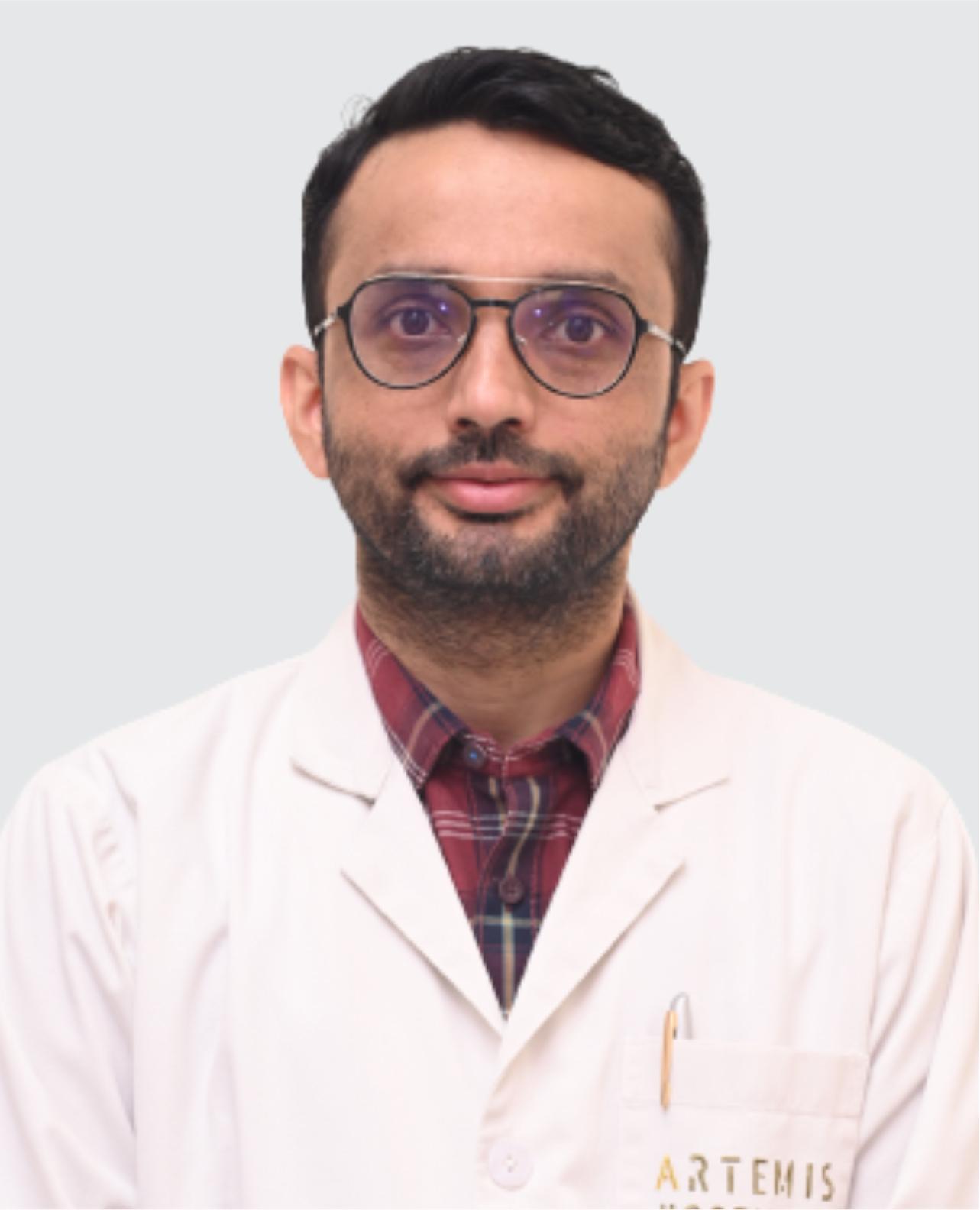
Dr. Vivek Barun

Dr. Vivek Barun

Sr. Consultant-Neurology & Epilepsy

Neurology & Epilepsy

New Delhi

15+ Years

Experience

Artemis Hospital

Hospital

1500

Fees
View Details
Dr. Tariq Matin

Dr. Tariq Matin

Director & Chief

Neurointerventional Surgery

New Delhi

15+ Years

Experience

Artemis Hospital

Hospital

1500

Fees

View Details
Dr. Aditya Dixit

Dr. Aditya Dixit

Director - Neurology

Neurology

New Delhi

18+ Years

Experience

Apolo Delhi

Hospital

1500

Fees

View Details
Dr. Mohit Anand

Dr. Mohit Anand

Consultant - Neurology & Movement Disorders

Neurology

New Delhi

15+ Years

Experience

Artemis Hospital

Hospital

1500

Fees

View Details
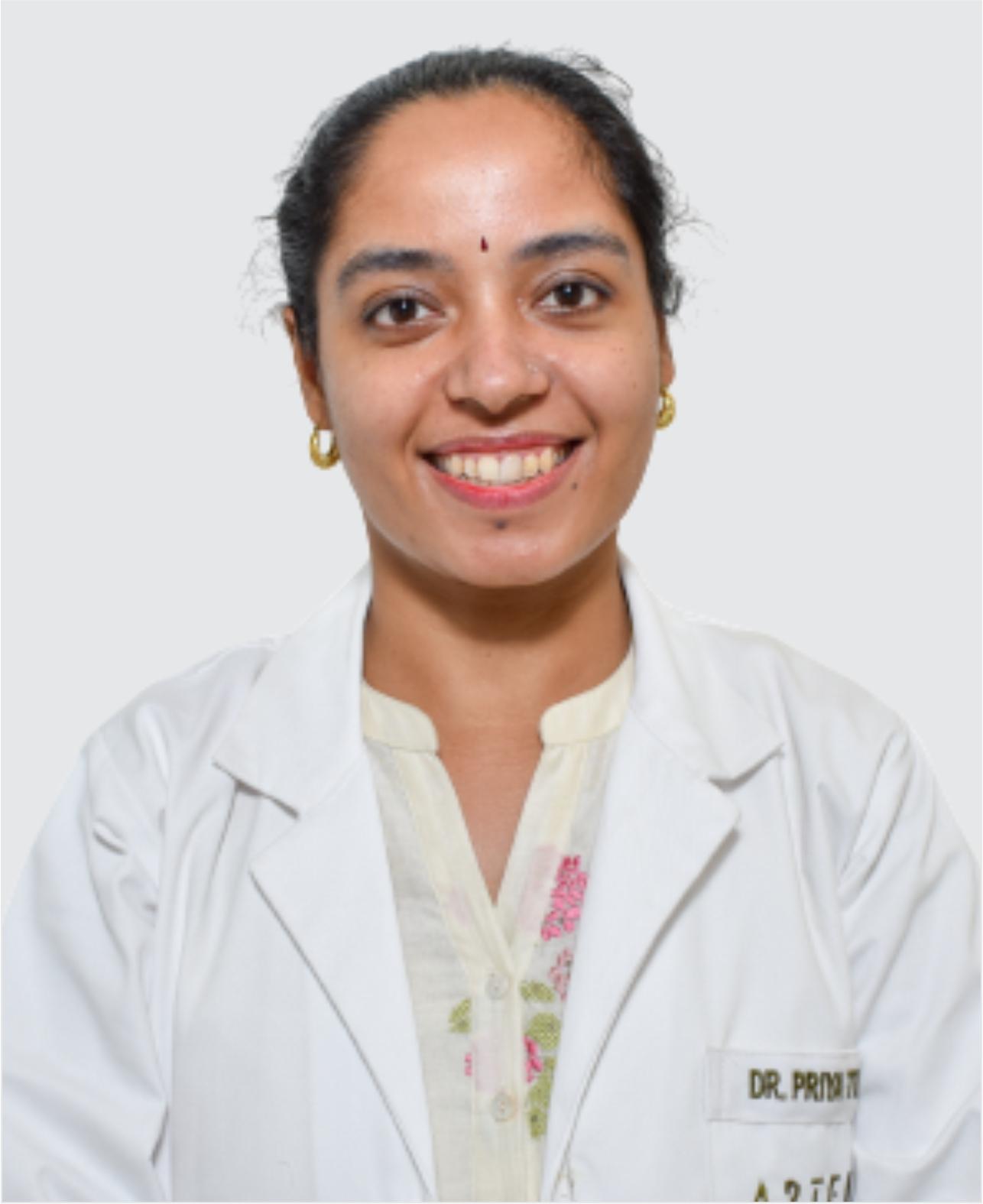
Dr. Mukesh Kumar

Dr. Mukesh Kumar

Additional Consultant - Neuro Interventional Surgery

Neurointerventional Surgery

New Delhi

20+ Years

Experience

Artemis Hospital

Hospital

1500

Fees
View Details
Dr. Priya Tiwari

Dr. Priya Tiwari

Sr. Consultant

Radiology

New Delhi

12+ Years

Experience

Artemis Hospital

Hospital

1500

Fees
View Details
Dr. Gopal Sharma

Dr. Gopal Sharma

Senior Medical Oncologist

Medical Oncology, Haemato-medical Oncology

New Delhi

15+ Years

Experience

Max Hospital,Gurgaon

Hospital

1500

Fees
View Details
Dr. Ajay Lall

Dr. Ajay Lall

Principal Director - Pulmonology

Pulmonology

New Delhi

40+ Years

Experience

Max Hospital,Gurgaon

Hospital

1500

Fees
View Details
Dr. Keshav Naithani

Dr. Keshav Naithani

Senior Consultant, Neurology

Neurology

New Delhi

12+ Years

Experience

Apolo Delhi

Hospital

1500

Fees
View Details
Dr. Anita Sethi

Dr. Anita Sethi

Director

Neurology

New Delhi

28+ Years

Experience

Apolo Delhi

Hospital

1500

Fees

View Details
Dr. Vaibhav Mishra

Dr. Vaibhav Mishra

Senior Consultant - Neurology

Neurology

New Delhi

12+ Years

Experience

Apolo Delhi

Hospital

1500

Fees
View Details
Dr. Anil Sharma

Dr. Anil Sharma

Director

Neurology

New Delhi

30+ Years

Experience

Apolo Delhi

Hospital

1500

Fees

View Details
Dr. Ashish Jain

Dr. Ashish Jain

Director - Neuro Sciences

Neurology

New Delhi

18+ Years

Experience

Apolo Delhi

Hospital

1500

Fees

View Details
Dr. Alok Joshi

Dr. Alok Joshi

Director

Neurosciences

New Delhi

14+ Years

Experience

Apolo Delhi

Hospital

1500

Fees

View Details
Dr. Praveen Kumar Pandey

Dr. Praveen Kumar Pandey

Director

Neuroscience

New Delhi

17+ Years

Experience

Apolo Delhi

Hospital

1500

Fees

View Details
Dr. Amit Shrivastava

Dr. Amit Shrivastava

Director

Neurology

New Delhi

20+ Years

Experience

Apolo Delhi

Hospital

1500

Fees

View Details

Related Links

क्या आप अपनी चिकित्सा यात्रा शुरू करने के लिए तैयार हैं?

भारत के शीर्ष अस्पतालों से व्यक्तिगत चिकित्सा उपचार विकल्प प्राप्त करें। हमारे चिकित्सा विशेषज्ञ हर कदम पर आपकी सहायता करने के लिए तैयार हैं।