
Intracytoplasmic Sperm Injection (ICSI) Treatment in Bengaluru for Ethiopia
Need Personalized Advice?
Our medical experts are ready to answer your questions and guide you through your treatment options.
Our medical experts are ready to answer your questions and guide you through your treatment options.
For couples in Ethiopia facing infertility, the journey to parenthood can feel challenging and uncertain. The desire for a family often leads to exploring advanced fertility treatments, with questions about effectiveness, affordability, and the quality of care available beyond their home country.
Many find themselves looking towards destinations like Bengaluru, India. This city has emerged as a prominent hub for medical tourism, particularly in fertility treatments, due to its specialized clinics and modern infrastructure that offers a reassuring environment for complex procedures.
Bengaluru's medical landscape boasts a strong network of hospitals and fertility specialists renowned for their expertise in procedures like Intracytoplasmic Sperm Injection (ICSI). Patients can expect a streamlined process, from initial consultations to post-treatment follow-ups, within the city's advanced healthcare ecosystem.
Could Bengaluru be the ideal place for your ICSI treatment?
Intracytoplasmic Sperm Injection, or ICSI, is a specialized form of in-vitro fertilization (IVF) designed to overcome severe male infertility factors. In this procedure, a single, healthy sperm is meticulously selected and injected directly into an egg. This method significantly increases the chances of fertilization, especially when sperm quality or quantity is low, or when conventional IVF has previously failed. ICSI helps couples achieve conception by directly assisting fertilization, bypassing natural barriers that might otherwise prevent it.
While ICSI itself is a specific technique, it is performed as part of an IVF cycle, which can involve several approaches:
The ICSI procedure involves several distinct stages, carefully managed by fertility specialists to maximize success.
The female partner receives fertility medications to stimulate the ovaries to produce multiple mature eggs. This process is monitored closely with ultrasound and blood tests.
Once the eggs are mature, a minor surgical procedure called transvaginal ovarian aspiration is performed under mild sedation. A thin needle, guided by ultrasound, collects the eggs from the follicles.
On the same day as egg retrieval, a sperm sample is collected from the male partner. In cases of severe male infertility, sperm may be surgically extracted from the epididymis or testes.
Under a high-powered microscope, a single, healthy sperm is carefully injected into each mature egg using a fine needle. This direct injection ensures fertilization, even if sperm quality is compromised.
The fertilized eggs (now embryos) are cultured in a laboratory for several days, typically 3 to 5 days, allowing them to develop. The embryologists monitor their growth and select the healthiest embryos for transfer.
One or more selected embryos are gently transferred into the female partner's uterus using a thin catheter. This procedure is usually painless and does not require anesthesia.
Approximately two weeks after the embryo transfer, a blood test is performed to determine if pregnancy has occurred.
After egg retrieval, most women experience mild cramping and bloating, which typically subsides within a few days. Recovery from the embryo transfer itself is usually minimal, with patients advised to rest briefly. Physical activity restrictions are often recommended for a short period. Emotional support throughout the two-week waiting period for pregnancy test results is crucial. Follow-up appointments will be scheduled to monitor early pregnancy signs or discuss next steps if the cycle is unsuccessful.
The success rates for ICSI vary significantly based on factors like the woman's age, the specific cause of infertility, the quality of eggs and sperm, and the experience of the fertility clinic. While success cannot be guaranteed, ICSI offers very good outcomes for many couples, especially those with severe male factor infertility. Bengaluru's clinics often report competitive success rates, providing hope for long-term family building.
The cost of ICSI treatment in Bengaluru is influenced by several factors, including the chosen hospital or clinic, the experience of the fertility specialist, the specific medications required, and any additional procedures like genetic testing or embryo freezing. The advanced technology and comprehensive care provided contribute to the overall package.
Typically, a single cycle of ICSI treatment in Bengaluru can range from INR 1,50,000 to INR 3,50,000, excluding additional services.
Patients from Ethiopia seeking ICSI treatment will find Bengaluru offers a significant cost advantage compared to many Western countries, without compromising on quality or advanced medical care.
| Location | Estimated Cost (USD) |
|---|---|
| Bengaluru, India | $1,800 - $4,200 |
| United States | $12,000 - $20,000 |
| United Kingdom | $7,000 - $10,000 |
| Singapore | $6,000 - $9,000 |
| Thailand | $5,000 - $8,000 |
Taking the step towards ICSI treatment is a significant decision. Bengaluru offers advanced medical care, experienced specialists, and compassionate support to help you on your journey to parenthood.
India offers premium medical procedures at affordable prices. Discover our most popular treatments, delivered by the country's finest doctors.
Meet our team of highly qualified and experienced medical professionals dedicated to providing the best healthcare services.

Sr. Consultant – Women Imaging
Radiology
New Delhi
15+ Years
Experience
Artemis Hospital
Hospital
1500
Fees
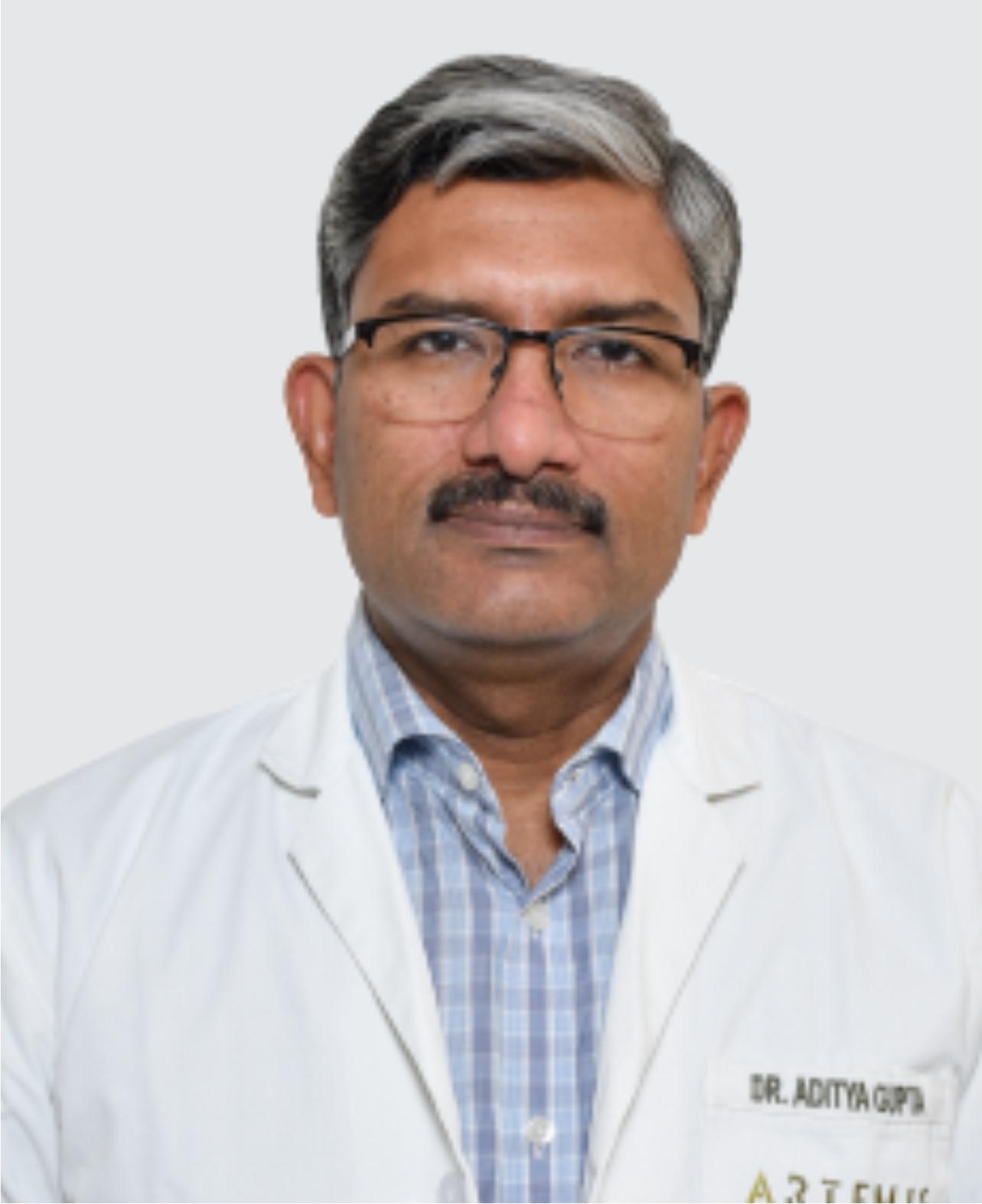
Chairperson - Neurosurgery & CNS Radiosurgery & Co-Chief - Cyberknife Centre
Neurosurgery
New Delhi
32+ Years
Experience
Artemis Hospital
Hospital
1500
Fees
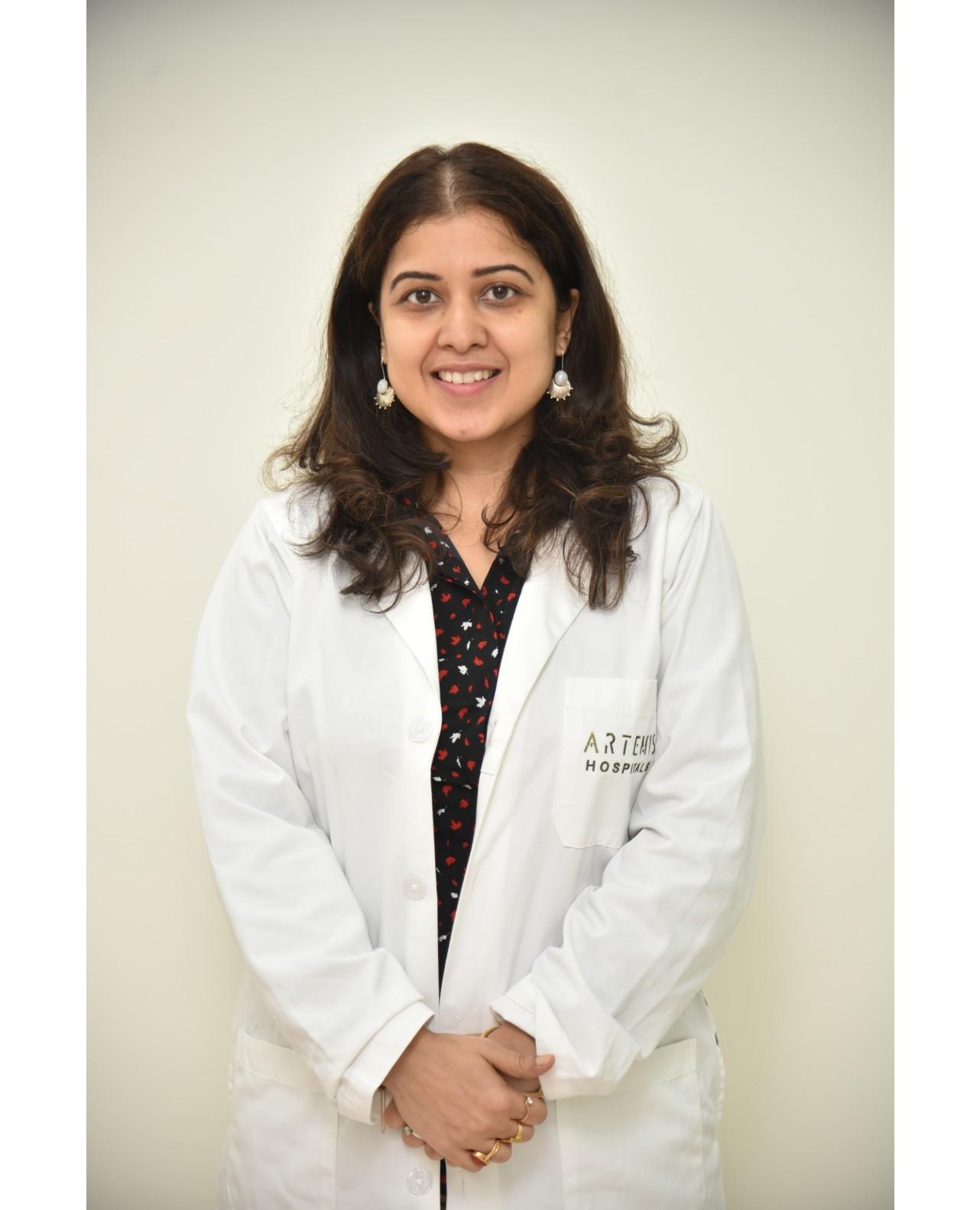
Co-Head Psychological Services
Mental Health and Behavioural Sciences
New Delhi
15+ Years
Experience
Artemis Hospital
Hospital
1500
Fees
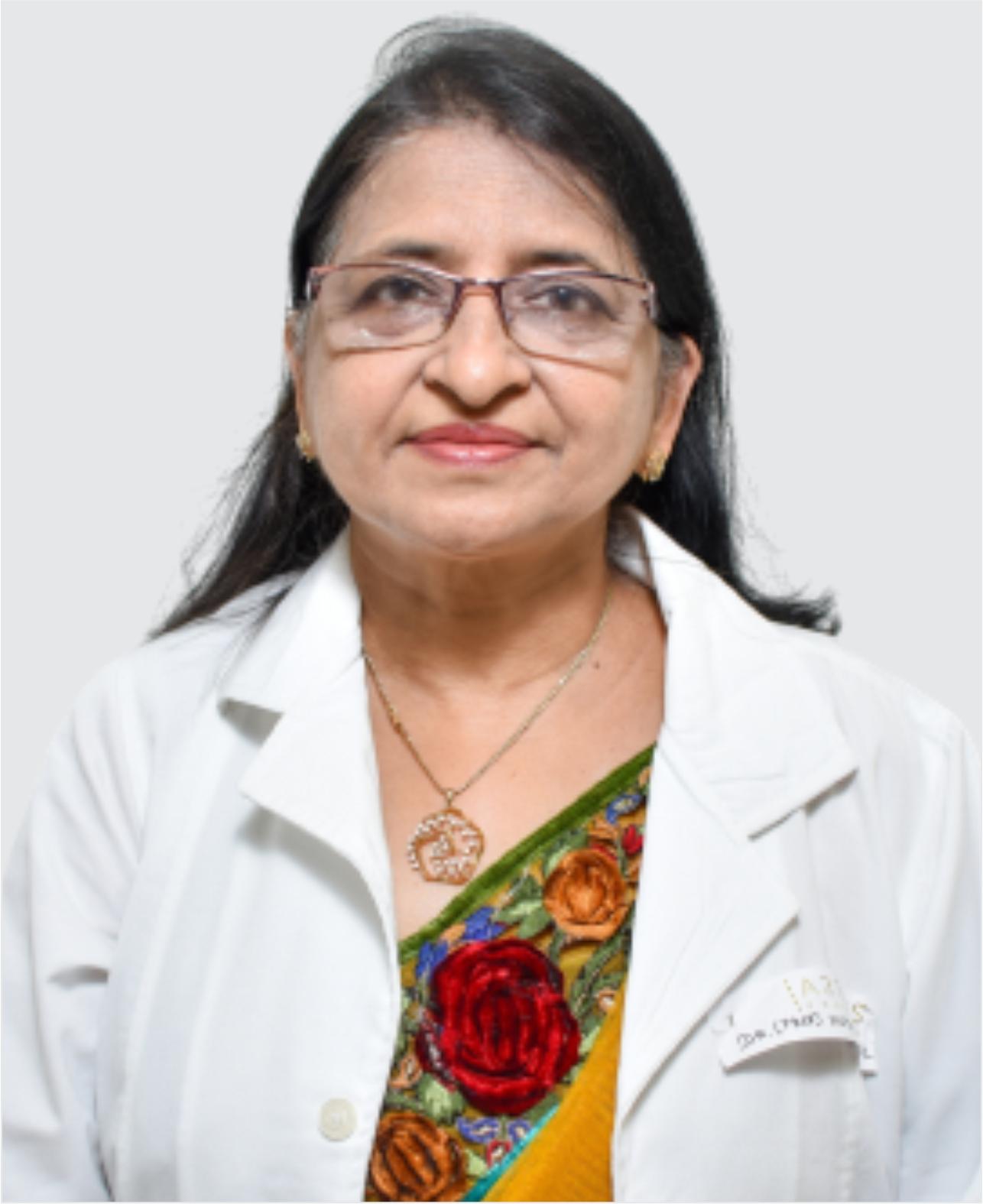
Head of Department - Gynae Endocrinology & DNB Program Director - Obs & Gynae
Gynaecological Endocrinology, Maternity, Obstetrics & Gynaecology
New Delhi
35+ Years
Experience
Artemis Hospital
Hospital
1500
Fees

Head - Reproductive Medicine (IVF)
IVF, Reproductive Medicine, Obstetrics and Gynaecology
New Delhi
20+ Years
Experience
Artemis Hospital
Hospital
1500
Fees

Senior Consultant - ENT
ENT and Head & Neck Surgery
New Delhi
24+ Years
Experience
Artemis Hospital
Hospital
1500
Fees

Consultant (Head & Neck Surgery) - Surgical Oncology
Head and Neck Surgical Oncology
New Delhi
10+ Years
Experience
Artemis Hospital
Hospital
1500
Fees

Chairperson - Gynae Oncology
Gynaecological Oncology
New Delhi
16+ Years
Experience
Artemis Hospital
Hospital
1500
Fees
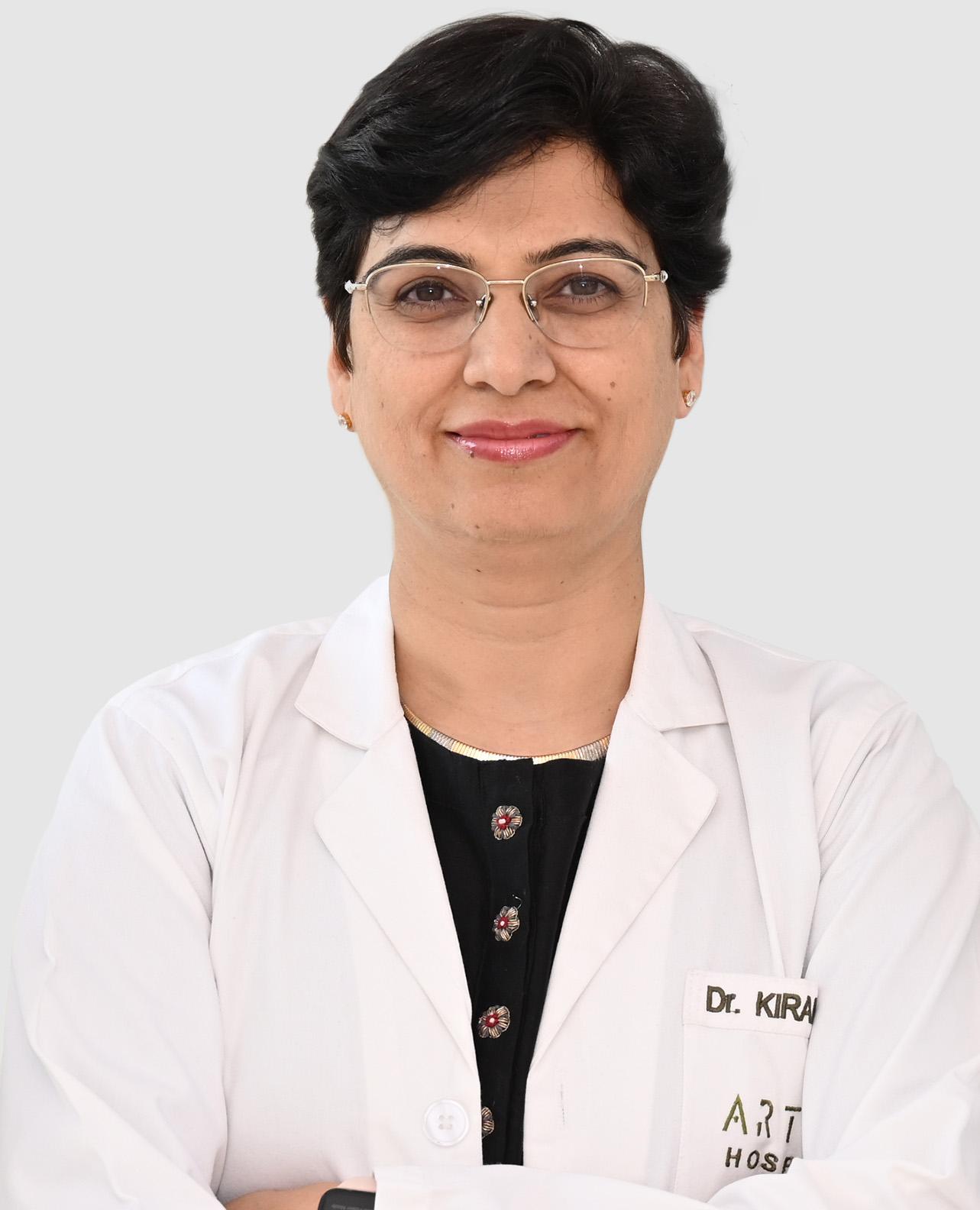
Unit Head - Reproductive Medicine (Unit II)
IVF, Reproductive Medicine, Obstetrics & Gynecology
New Delhi
20+ Years
Experience
Artemis Hospital
Hospital
1500
Fees
Sr. Consultant - Obs & Gynae
Maternity, Obstetrics & Gynaecology
New Delhi
15+ Years
Experience
Artemis Hospital
Hospital
1500
Fees
Get Personalized Medical Treatment Options From India's Top Hospitals. Our Medical Experts Are Ready To Assist You Every Step Of The Way.