
Intracytoplasmic Sperm Injection (ICSI) Treatment in Bengaluru for UAE
Need Personalized Advice?
Our medical experts are ready to answer your questions and guide you through your treatment options.
Our medical experts are ready to answer your questions and guide you through your treatment options.
Facing challenges with infertility can be a deeply personal journey, especially when seeking advanced solutions like Intracytoplasmic Sperm Injection. For many patients from the UAE, finding the right medical care that aligns with their needs and expectations, while also being accessible, is a key concern.
This often leads families to explore options beyond their home country. Bengaluru stands out as a preferred destination due to its cutting-edge medical infrastructure, highly skilled specialists, and a coordinated care environment that prioritizes international patient comfort and treatment success.
Patients choose Bengaluru with confidence, knowing they will find world-class fertility hospitals and experienced specialists dedicated to complex procedures like ICSI. The city ensures seamless coordination of appointments, follow-ups, and comprehensive care throughout the entire treatment cycle, right within its medical ecosystem.
Considering ICSI treatment in Bengaluru for your fertility journey?
Intracytoplasmic Sperm Injection, or ICSI, is an advanced fertility procedure often performed as part of In Vitro Fertilization (IVF). It involves injecting a single sperm directly into an egg to facilitate fertilization. This technique is particularly effective for cases where traditional IVF has limitations, especially those related to male factor infertility.
While ICSI itself is a specific fertilization technique, its application can vary within the broader context of fertility treatment:
Standard ICSI Cycle: This involves directly injecting sperm into retrieved eggs, followed by embryo culture and fresh embryo transfer.
ICSI with Frozen Embryo Transfer (FET): After successful fertilization via ICSI, embryos can be frozen and transferred in a later cycle, offering flexibility and higher success rates in some scenarios.
ICSI with Surgical Sperm Retrieval: For men with severe male factor infertility or blockages, sperm may be surgically retrieved from the testicles (TESE/PESA) and then used for ICSI.
The ICSI procedure is a detailed process that typically follows these key stages, often as part of a larger IVF cycle:
Ovarian Stimulation: The female partner receives hormone injections to stimulate the ovaries to produce multiple mature eggs. This phase is carefully monitored with ultrasounds and blood tests.
Egg Retrieval: Once the eggs are mature, they are retrieved from the ovaries using a minimally invasive procedure, performed under mild sedation. A thin needle, guided by ultrasound, gently aspirates the eggs.
Sperm Preparation and Retrieval: The male partner provides a sperm sample, which is then processed to select the healthiest sperm. If necessary, sperm can be surgically retrieved.
Intracytoplasmic Sperm Injection: Under a high-powered microscope, a single healthy sperm is skillfully injected directly into each mature egg. This direct injection increases the chances of fertilization.
Embryo Culture and Transfer: The fertilized eggs (now embryos) are cultured in the lab for several days. Once they reach a suitable stage, typically 3 or 5 days, the best quality embryos are selected and gently transferred into the female partner's uterus.
After egg retrieval, patients typically experience mild discomfort, bloating, or cramping for a day or two, managed with pain relief. Following embryo transfer, light activity is usually recommended, avoiding strenuous exercise. Patients typically return to normal activities quickly. A pregnancy test is scheduled about two weeks after the embryo transfer. Your care team will provide detailed post-procedure instructions and medication schedules to support healing and implantation.
ICSI success rates vary significantly based on factors like the patient's age, the cause of infertility, the quality of eggs and sperm, and the expertise of the fertility clinic. Typically, ICSI achieves fertilization in 70-85% of injected eggs. The overall pregnancy rate per embryo transfer is comparable to traditional IVF when ICSI is indicated, often ranging from 30-60% depending on individual circumstances and clinic statistics. Long-term expectations are managed through careful consultation with your fertility specialist.
The cost of ICSI treatment in Bengaluru is influenced by several factors, including the choice of hospital, the experience of the fertility specialist, the specific medications required, and any additional procedures like surgical sperm retrieval or genetic testing. These elements contribute to the overall expenditure for your fertility journey.
In Bengaluru, a single cycle of ICSI treatment typically ranges from INR 2,00,000 to INR 3,50,000. This estimate generally covers the basic procedure, but personalized treatment plans may incur additional costs.
Patients from the UAE often find Bengaluru offers significantly more affordable ICSI treatment without compromising on quality or technology. Here’s a comparison of estimated ICSI costs in Bengaluru versus some other popular medical tourism destinations:
| Location | Estimated ICSI Cost (Single Cycle) |
|---|---|
| Bengaluru, India | INR 2,00,000 - 3,50,000 |
| USA | USD 15,000 - 25,000 |
| United Kingdom | GBP 5,000 - 10,000 |
| Australia | AUD 10,000 - 15,000 |
Ready to explore your ICSI treatment options in Bengaluru?
Connect with our patient support team for personalized assistance.
Choosing the right path for fertility treatment is a significant decision. Bengaluru offers advanced ICSI care with a supportive environment and experienced medical professionals ready to guide you.
Have questions about ICSI in Bengaluru or need to book a consultation?
Reach out to us today for detailed information and support.
India offers premium medical procedures at affordable prices. Discover our most popular treatments, delivered by the country's finest doctors.
Meet our team of highly qualified and experienced medical professionals dedicated to providing the best healthcare services.

Sr. Consultant – Women Imaging
Radiology
New Delhi
15+ Years
Experience
Artemis Hospital
Hospital
1500
Fees
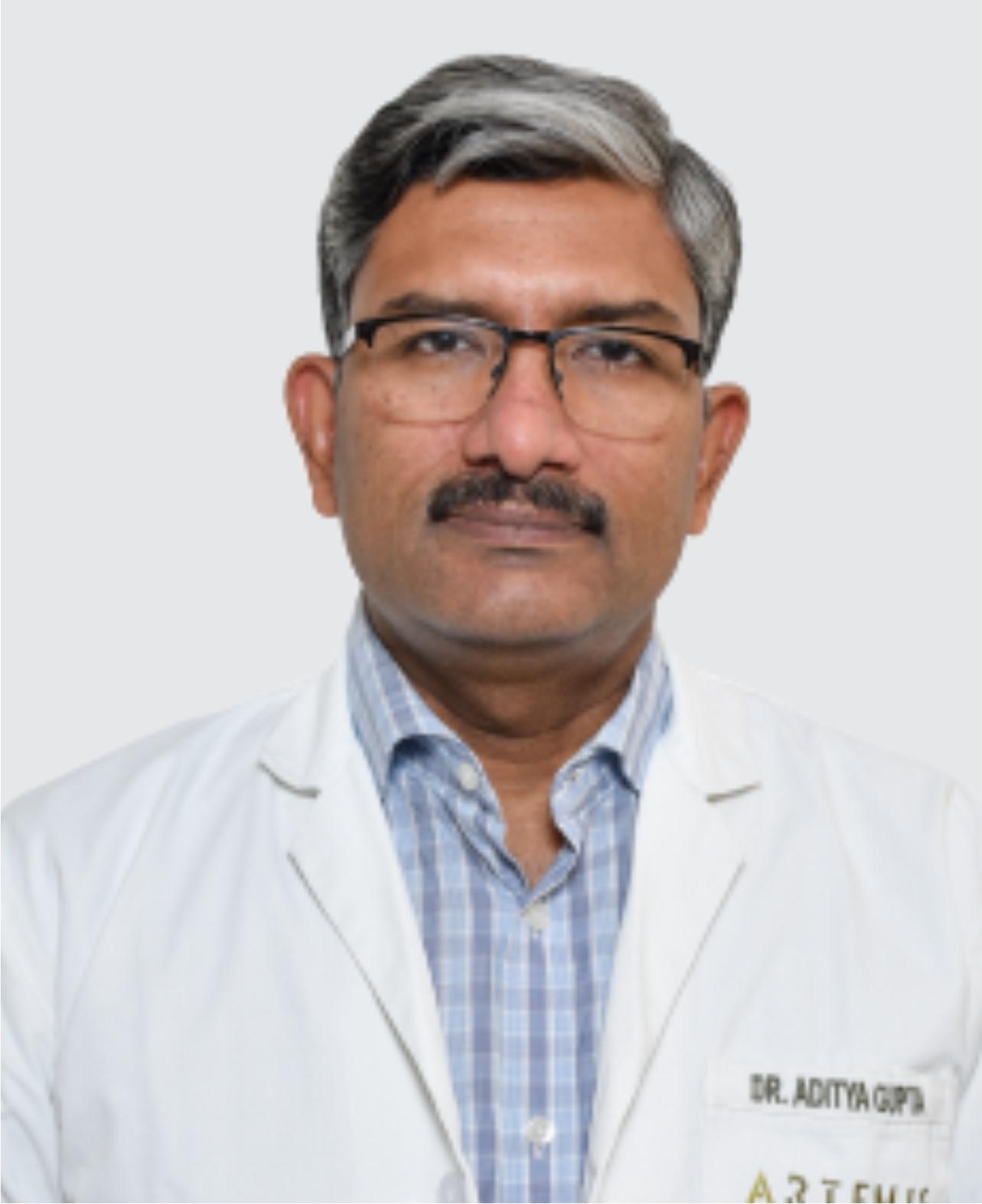
Chairperson - Neurosurgery & CNS Radiosurgery & Co-Chief - Cyberknife Centre
Neurosurgery
New Delhi
32+ Years
Experience
Artemis Hospital
Hospital
1500
Fees

Head - Reproductive Medicine (IVF)
IVF, Reproductive Medicine, Obstetrics and Gynaecology
New Delhi
20+ Years
Experience
Artemis Hospital
Hospital
1500
Fees

Senior Consultant - ENT
ENT and Head & Neck Surgery
New Delhi
24+ Years
Experience
Artemis Hospital
Hospital
1500
Fees

Consultant (Head & Neck Surgery) - Surgical Oncology
Head and Neck Surgical Oncology
New Delhi
10+ Years
Experience
Artemis Hospital
Hospital
1500
Fees

Chairperson - Gynae Oncology
Gynaecological Oncology
New Delhi
16+ Years
Experience
Artemis Hospital
Hospital
1500
Fees
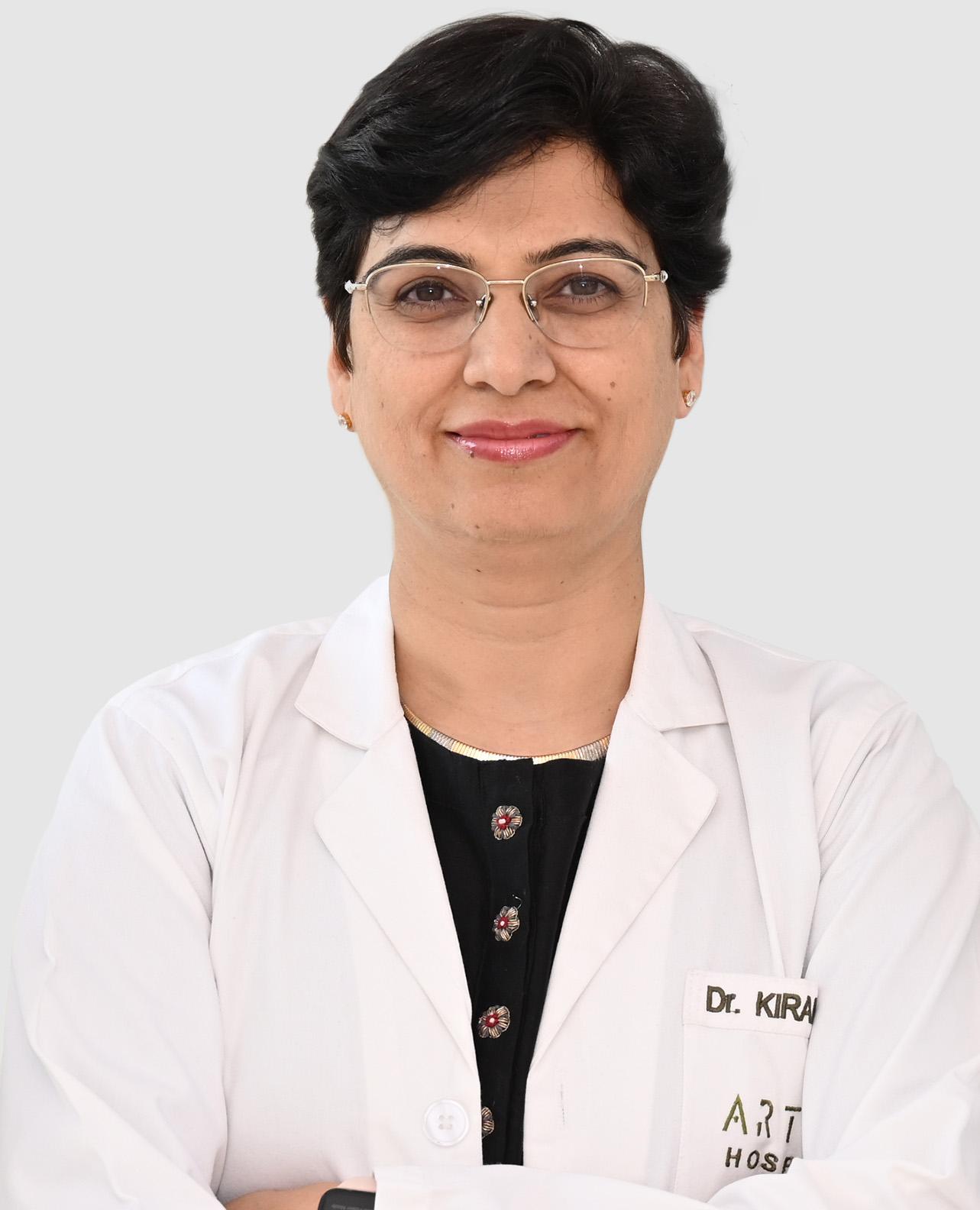
Unit Head - Reproductive Medicine (Unit II)
IVF, Reproductive Medicine, Obstetrics & Gynecology
New Delhi
20+ Years
Experience
Artemis Hospital
Hospital
1500
Fees
Sr. Consultant - Obs & Gynae
Maternity, Obstetrics & Gynaecology
New Delhi
15+ Years
Experience
Artemis Hospital
Hospital
1500
Fees

Unit Head - Obs & Gynae
Maternity, Obstetrics & Gynaecology
New Delhi
19+ Years
Experience
Artemis Hospital
Hospital
1500
Fees
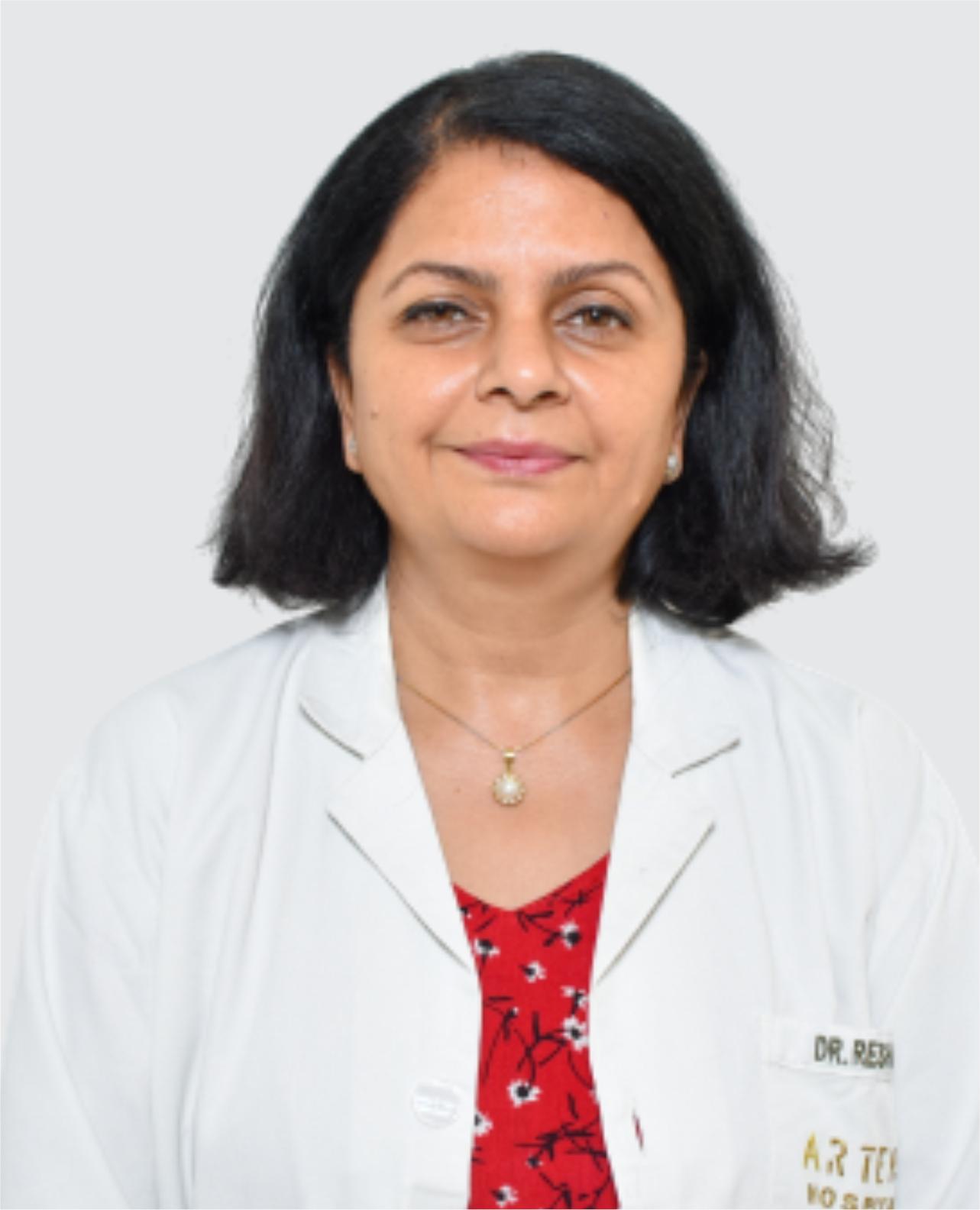
Director
Obstetrics and Gynaecology
New Delhi
19+ Years
Experience
Artemis Hospital
Hospital
1500
Fees
Get Personalized Medical Treatment Options From India's Top Hospitals. Our Medical Experts Are Ready To Assist You Every Step Of The Way.