Radiology Treatment in Bengaluru for Ethiopia
Need Personalized Advice?
Our medical experts are ready to answer your questions and guide you through your treatment options.
About
Radiology Treatment in Bengaluru for Ethiopian Patients | Cost & Hospitals
Ethiopian patients often seek clarity when considering specialized medical imaging. Understanding the available options, quality of care, and overall experience for Radiology can feel complex from afar. Your health decisions are paramount, and finding reliable information is the first step toward peace of mind.
Many patients from Ethiopia look to Bengaluru for advanced medical services. This city stands out for its well-developed healthcare infrastructure, a high concentration of skilled radiologists, and modern diagnostic technologies. Bengaluru offers a comprehensive and coordinated environment for international patients seeking clarity and precision in medical imaging.
Trust in Bengaluru's medical ecosystem is built on its accredited hospitals and highly experienced specialists. Patients benefit from streamlined processes for appointments, clear communication, and access to state-of-the-art imaging facilities. The city ensures that follow-ups and further diagnostic steps are managed efficiently.
Is Bengaluru the right choice for your radiology needs?
What is Radiology?
Radiology is a medical specialty that uses various imaging techniques to diagnose and treat diseases within the body. It allows doctors to look inside the body non-invasively, helping to identify illnesses, injuries, and monitor treatment progress. These images are crucial for making informed decisions about patient care, guiding procedures, and providing accurate diagnoses.
What Types of Radiology Are Available?
Radiology encompasses several specialized imaging methods, each designed for different diagnostic needs:
- X-ray: Uses radiation to create images of bones and certain soft tissues. It is commonly used for detecting fractures, lung conditions, and some abdominal issues.
- Computed Tomography (CT) Scan: A sophisticated X-ray technique that produces detailed cross-sectional images of organs, bones, soft tissues, and blood vessels. It is invaluable for diagnosing complex conditions.
- Magnetic Resonance Imaging (MRI): Utilizes powerful magnets and radio waves to generate highly detailed images of soft tissues, organs, and bones without using radiation. Excellent for brain, spine, joints, and abdominal conditions.
- Ultrasound: Employs high-frequency sound waves to create real-time images of internal body structures. It is safe, radiation-free, and often used for abdominal organs, pregnancy, and blood vessels.
- Positron Emission Tomography (PET) Scan: A nuclear medicine imaging technique that uses a small amount of radioactive material to detect metabolic activity in cells. Primarily used in oncology, neurology, and cardiology.
- Interventional Radiology: Uses imaging guidance (like X-ray, CT, ultrasound) to perform minimally invasive diagnostic and therapeutic procedures, such as biopsies, tumor ablations, and vascular interventions.
When is Radiology Required?
- Investigating unexplained pain, swelling, or other symptoms.
- Diagnosing fractures, dislocations, or bone abnormalities.
- Detecting and monitoring various cancers and tumors.
- Evaluating organ health, such as heart, lungs, liver, kidneys, and brain.
- Assessing neurological conditions, including strokes or spinal cord issues.
- Guiding medical procedures like biopsies or drain placements.
- Monitoring the effectiveness of ongoing treatments.
- Screening for certain conditions, such as mammography for breast cancer.
What is the Pre-Radiology Evaluation?
- Detailed review of your medical history and current symptoms.
- Assessment for allergies, especially to contrast dyes used in some scans.
- Kidney function tests to ensure suitability for contrast administration.
- Evaluation of pregnancy status, as some imaging methods are contraindicated.
- Checking for any metallic implants or devices for MRI scans.
- Discussion of previous imaging results and relevant reports.
- Explanation of the specific radiology procedure and what to expect.
How is Radiology Performed?
The specific way a radiology procedure is performed depends on the type of imaging required and your individual medical condition. Each method has distinct steps for patient preparation and execution.
X-ray Procedure
You will be asked to remove any metal objects or jewelry. You will stand or lie in specific positions while the technologist takes images from different angles. The process is quick and generally painless.
CT Scan Procedure
You lie on a table that slides into a large, donut-shaped machine. For some scans, a contrast dye may be injected to enhance image clarity. You will need to remain still during the scan, which typically takes a few minutes.
MRI Scan Procedure
You will lie on a movable table that slides into a large, tube-shaped machine. It is important to stay still during the scan, which can last from 30 minutes to over an hour. Some patients may feel claustrophobic, and headphones are often provided to reduce noise.
Ultrasound Procedure
A clear gel is applied to the skin over the area to be examined. A small handheld device, called a transducer, is then moved across the skin, sending sound waves and capturing echoes to create real-time images.
Interventional Radiology Procedures
These procedures involve local anesthesia and, sometimes, sedation. Using real-time imaging guidance, a radiologist inserts thin catheters or needles through a small incision to perform treatments or take biopsies. Recovery involves a short observation period.
What is the Recovery Process?
For most diagnostic radiology procedures like X-rays, CTs, MRIs, and ultrasounds without contrast, there is no specific recovery period; you can resume normal activities immediately. If contrast dye was administered, you might be asked to drink extra fluids to help flush it out of your system. For interventional radiology procedures, a short observation period in the hospital is typical, followed by specific instructions for wound care and activity restrictions for a few days. Your medical team will provide detailed guidance based on your specific procedure.
What Are the Risks and Success Rates of Radiology?
- Minimal radiation exposure with X-rays and CT scans, carefully managed by specialists.
- Allergic reactions to contrast dye, which are rare and managed by medical staff.
- Claustrophobia or anxiety during MRI scans, which can be mitigated with sedation if needed.
- For interventional radiology, minor risks such as bleeding, infection, or discomfort at the procedure site.
- Potential for misinterpretation of images, minimized by experienced radiologists and second opinions.
The success rate of radiology, particularly for diagnostic purposes, is very high. It accurately identifies a wide range of conditions in the vast majority of cases, guiding effective treatment. Outcomes for interventional radiology are also very positive, with procedures often providing significant therapeutic benefits. The precise results can vary depending on the specific condition being investigated or treated, the patient's overall health, and the expertise of the radiology team.
Considering advanced radiology? Connect with Bengaluru's leading hospitals for expert guidance.
What is the Cost of Radiology in Bengaluru?
The cost of radiology procedures in Bengaluru can vary significantly based on several factors. These include the specific type of scan (e.g., X-ray, CT, MRI, PET), the body part being imaged, whether contrast dye is used, the hospital's reputation and facilities, the technology employed, and the radiologist's fees. Advanced or complex interventional radiology procedures naturally incur higher costs.
For general diagnostic radiology procedures, costs in Bengaluru typically range from INR 1,500 to INR 25,000, depending on complexity.
Bengaluru Radiology Costs Compared Globally
Patients from Ethiopia will find Bengaluru's radiology services to be significantly more affordable compared to many Western countries, without compromising on quality or technology. This comparison highlights the cost-effectiveness of seeking advanced imaging in Bengaluru.
| Procedure Type | Bengaluru (INR) | USA (USD) | UK (GBP) | Germany (EUR) |
|---|---|---|---|---|
| Basic X-ray | 1,500 - 3,000 | 50 - 200 | 40 - 150 | 30 - 120 |
| CT Scan (Non-contrast) | 5,000 - 10,000 | 300 - 1,000 | 200 - 700 | 150 - 600 |
| MRI Scan (Non-contrast) | 8,000 - 18,000 | 700 - 2,500 | 500 - 1,500 | 400 - 1,200 |
| PET-CT Scan | 18,000 - 25,000 | 1,500 - 6,000 | 1,000 - 4,000 | 800 - 3,500 |
| Ultrasound Scan | 2,000 - 5,000 | 100 - 400 | 80 - 300 | 70 - 250 |
How Bengaluru Hospitals Assist International Patients
- Dedicated international patient coordinators for seamless communication.
- Assistance with visa applications and travel arrangements.
- Help with local accommodation and transportation upon arrival.
- Language interpretation services to ensure clear understanding.
- Appointment scheduling and coordination across different departments.
- Guidance on post-procedure follow-ups and remote consultations.
Key Documents for Your Radiology Visit
- Valid passport and Indian medical visa.
- Previous medical records, diagnostic reports, and doctor's referral letters.
- Proof of address and contact information in your home country.
- Any relevant insurance documents, if applicable.
- A list of current medications and allergies.
- Contact details for your local referring physician in Ethiopia.
Preparing for Your Radiology Procedure
- Follow any specific fasting instructions, if required for your scan.
- Inform your doctor about all medications, supplements, and herbal remedies you are taking.
- Remove all metal objects, jewelry, and piercings before MRI or CT scans.
- Wear comfortable, loose-fitting clothing for your appointment.
- Arrange for transportation if you anticipate needing sedation or feel unwell after a procedure.
- Ask any questions you have about the procedure beforehand to feel prepared.
Aftercare and Follow-up Post-Radiology
- Discuss the timeline for receiving your radiology report with the medical team.
- Stay well-hydrated, especially if you received contrast dye.
- Follow any specific instructions provided for activity levels after interventional procedures.
- Monitor for any unusual symptoms or reactions and report them immediately.
- Schedule follow-up appointments with your referring physician to discuss results.
- Maintain communication with the international patient support team for any further assistance.
Discover world-class radiology in Bengaluru. Contact us to plan your medical journey.
Ready for Advanced Radiology in Bengaluru?
Bengaluru offers a blend of advanced medical technology, expert radiologists, and compassionate care for international patients. Taking this step can provide the clarity needed for your health journey.
Hospitals Offering this treatment
India offers premium medical procedures at affordable prices. Discover our most popular treatments, delivered by the country's finest doctors.
Meet Our Doctors
Meet our team of highly qualified and experienced medical professionals dedicated to providing the best healthcare services.

Aditi Dixit
Sr. Consultant – Women Imaging
Radiology (Specializing in Women's Imaging)
Haryana
15+ Years
Experience
Artemis Hospital
Hospital
1500
Fees
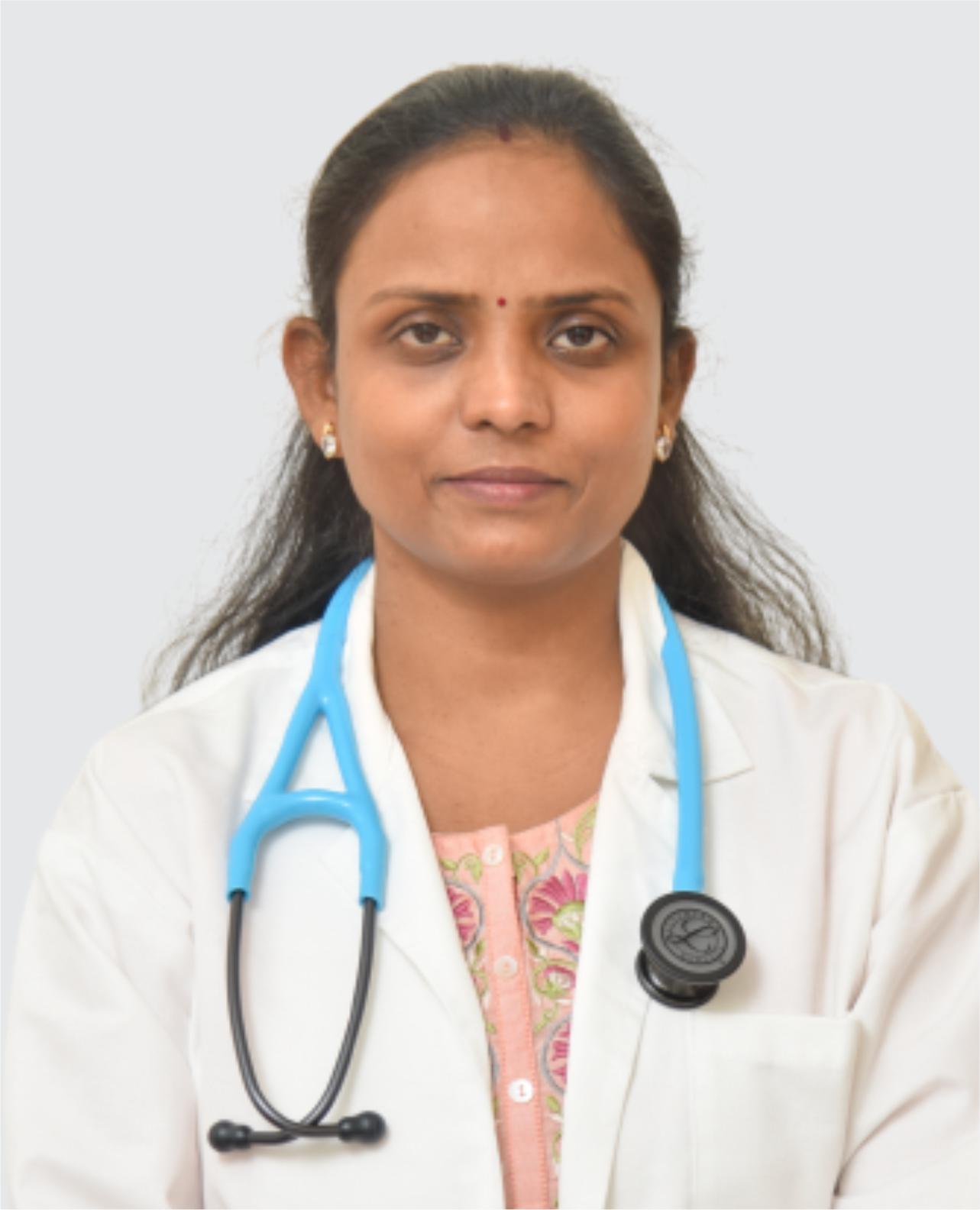
Dr. Anju Singh
Consultant - Pediatric Rheumatology
Pediatric Rheumatology
New Delhi
13+ Years
Experience
Artemis Hospital
Hospital
1500
Fees
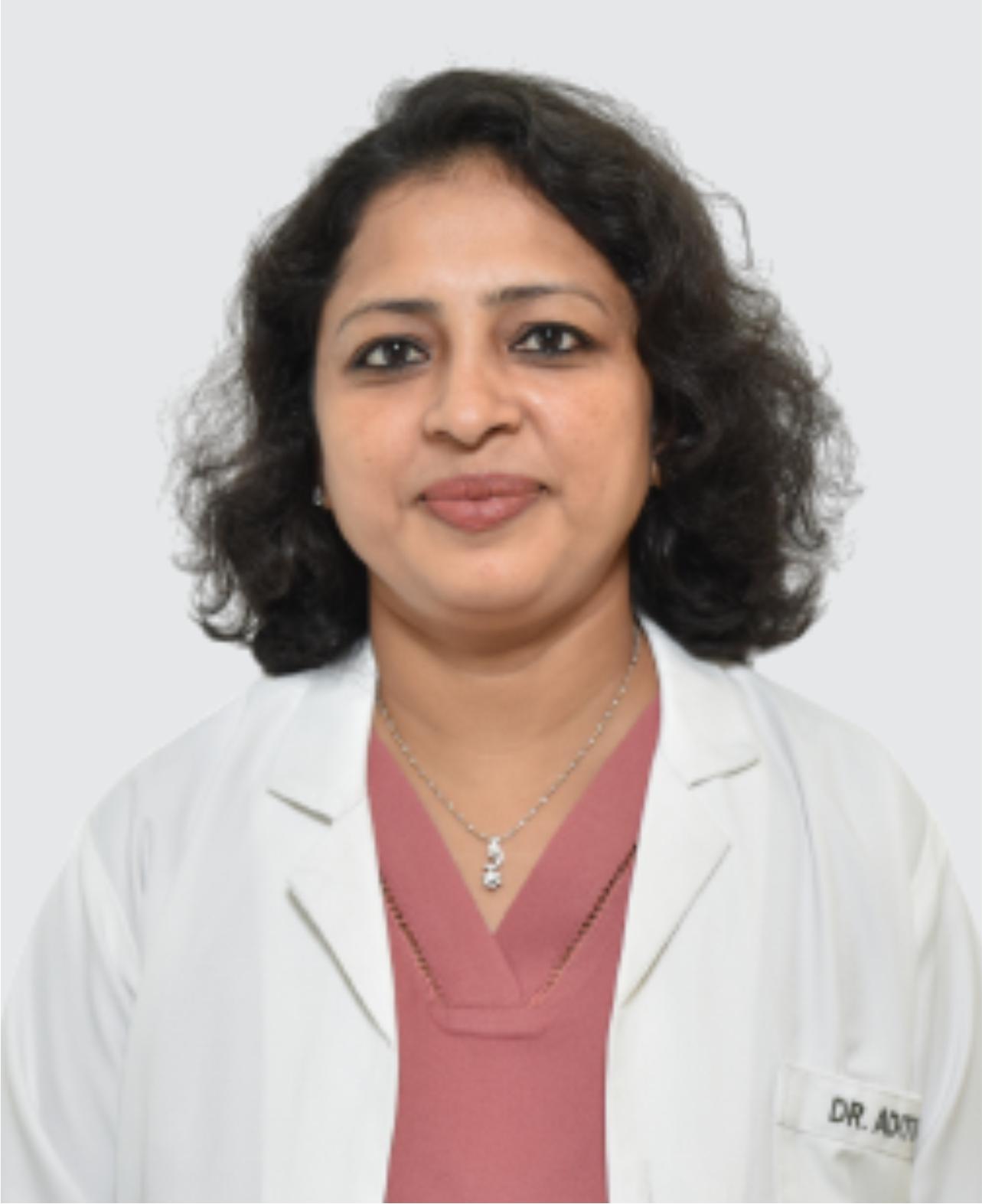
Dr Aditi Dixit
Sr. Consultant – Women Imaging
Radiology
New Delhi
15+ Years
Experience
Artemis Hospital
Hospital
1500
Fees
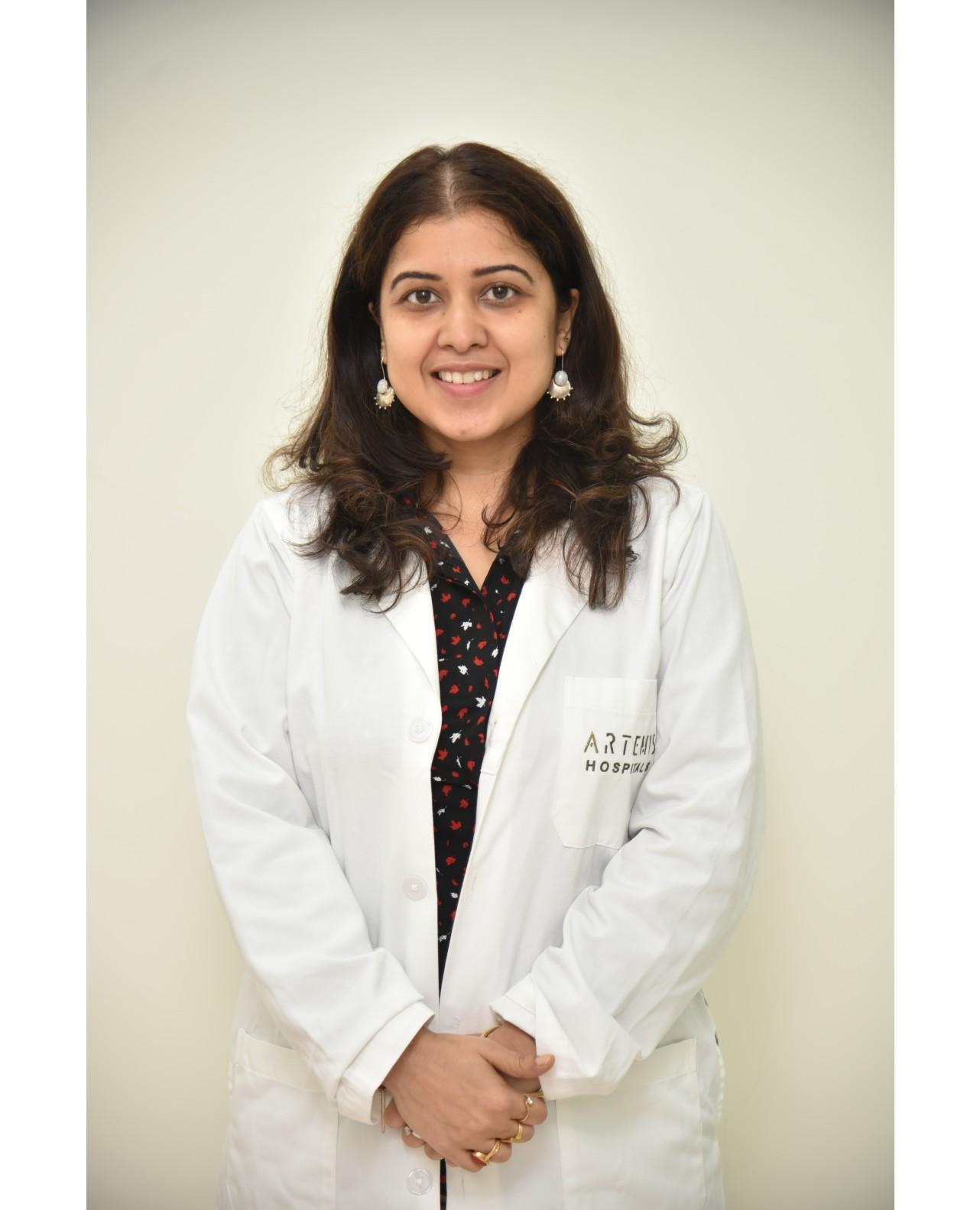
Dr Chandrima Misra M
Co-Head Psychological Services
Mental Health and Behavioural Sciences
New Delhi
15+ Years
Experience
Artemis Hospital
Hospital
1500
Fees
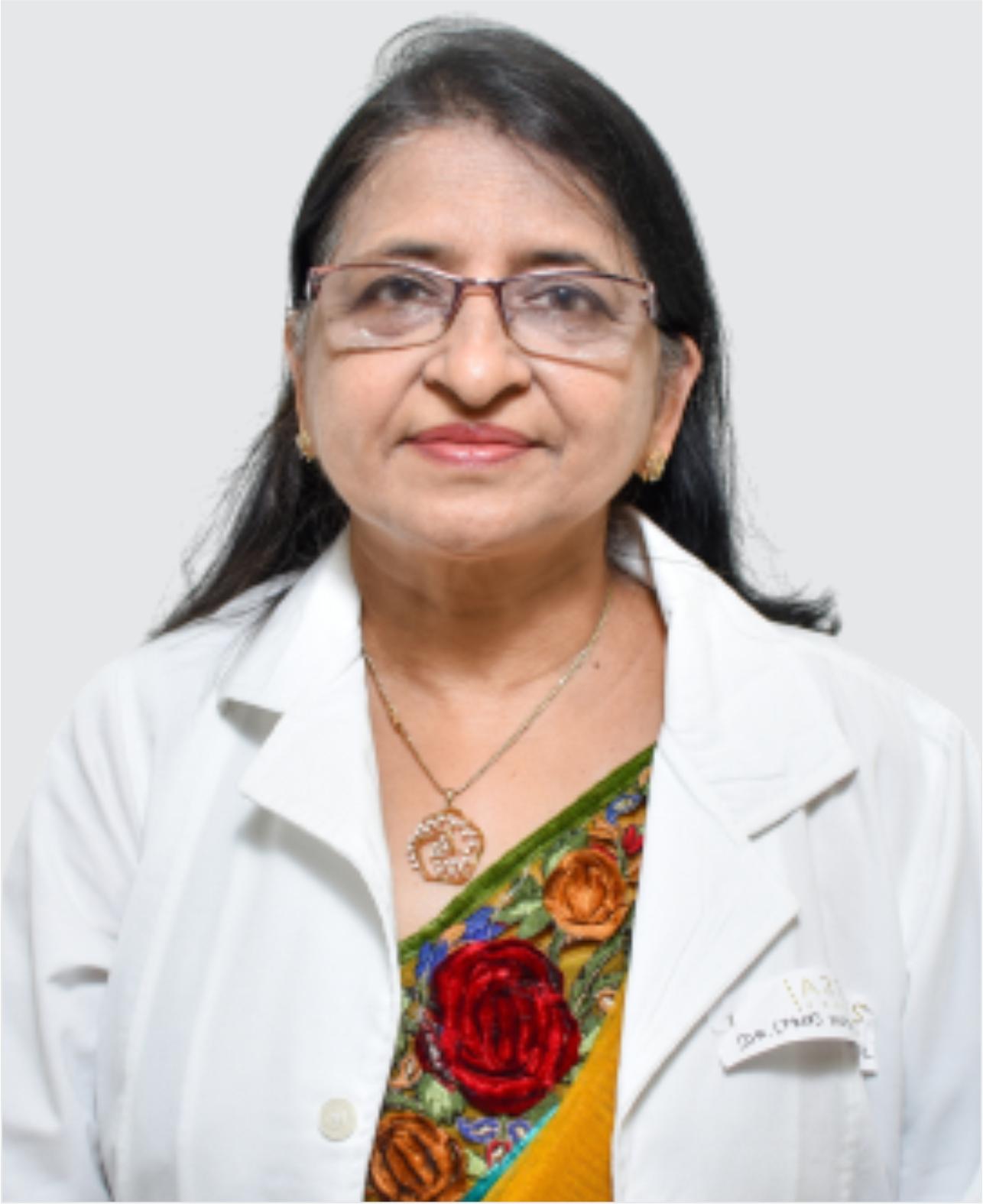
Dr. Nutan Agarwal
Head of Department - Gynae Endocrinology & DNB Program Director - Obs & Gynae
Gynaecological Endocrinology, Maternity, Obstetrics & Gynaecology
New Delhi
35+ Years
Experience
Artemis Hospital
Hospital
1500
Fees
Dr. Poonam Gautam
Senior Consultant - ENT
ENT and Head & Neck Surgery
New Delhi
24+ Years
Experience
Artemis Hospital
Hospital
1500
Fees
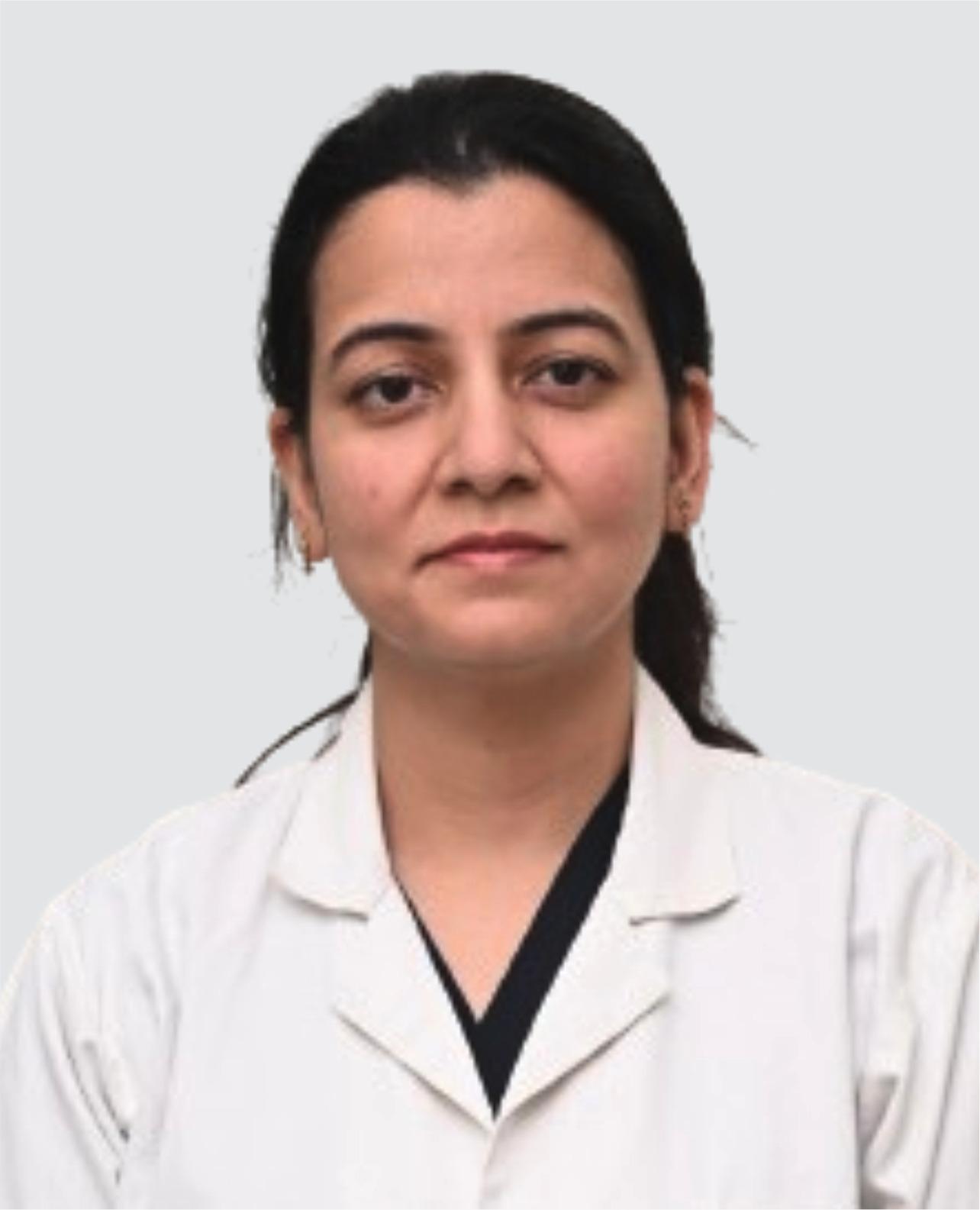
Dr. Priyanka Raina
Consultant (Head & Neck Surgery) - Surgical Oncology
Head and Neck Surgical Oncology
New Delhi
10+ Years
Experience
Artemis Hospital
Hospital
1500
Fees
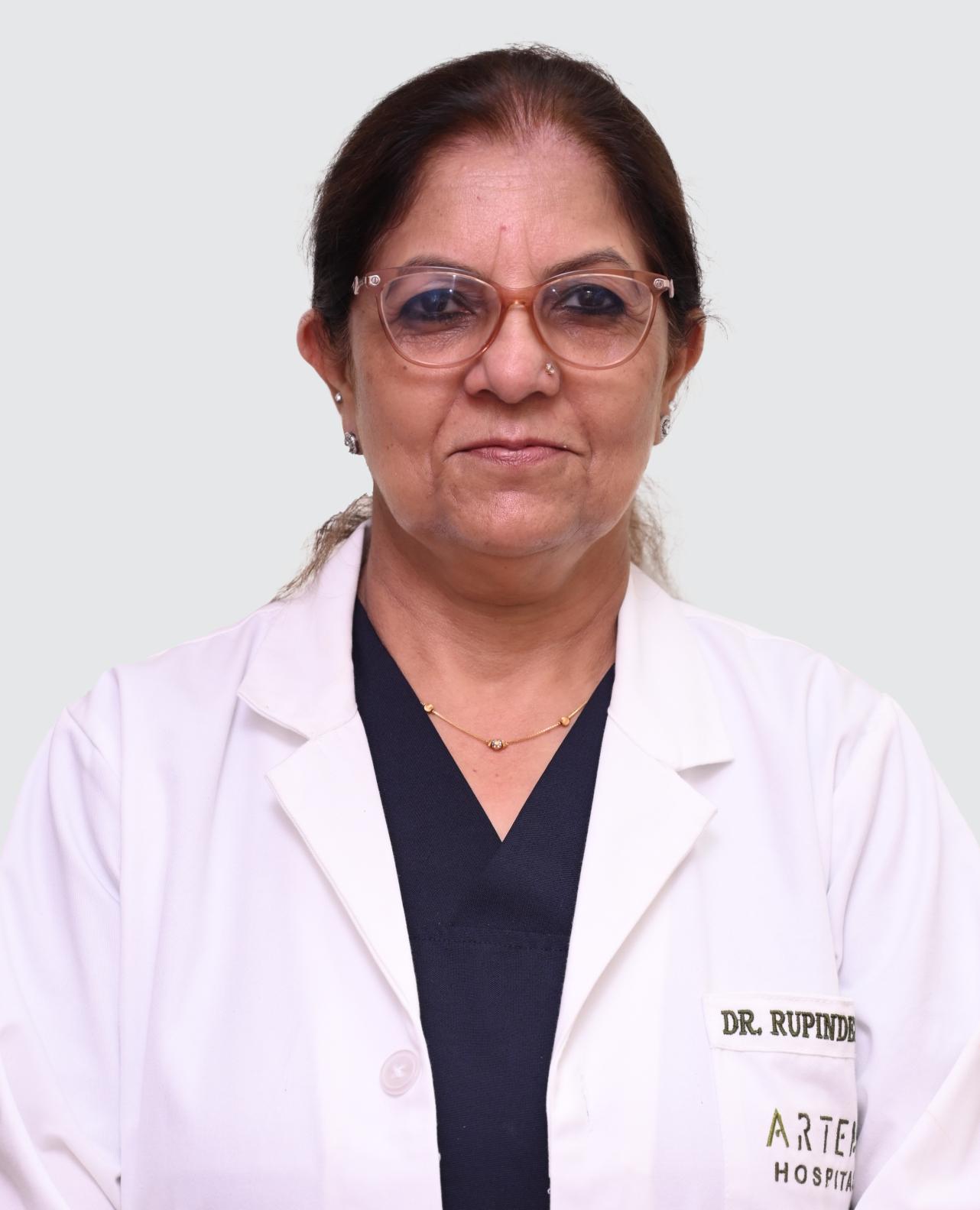
Dr. Rupinder Sekhon
Chairperson - Gynae Oncology
Gynaecological Oncology
New Delhi
16+ Years
Experience
Artemis Hospital
Hospital
1500
Fees
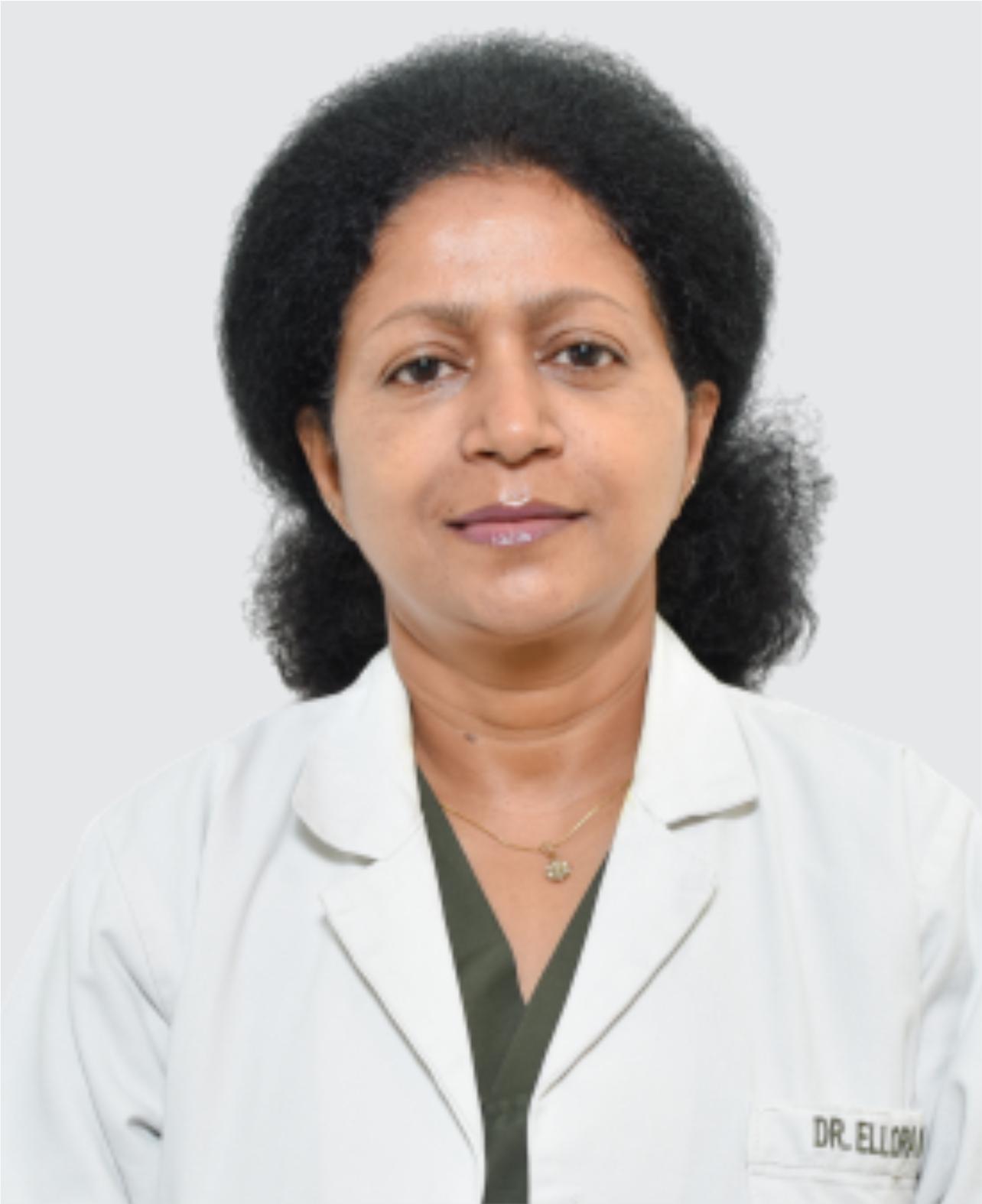
Dr. Ellora Nanda
Admin Head - Emergency
Emergency & Trauma Services
New Delhi
25+ Years
Experience
Artemis Hospital
Hospital
1500
Fees
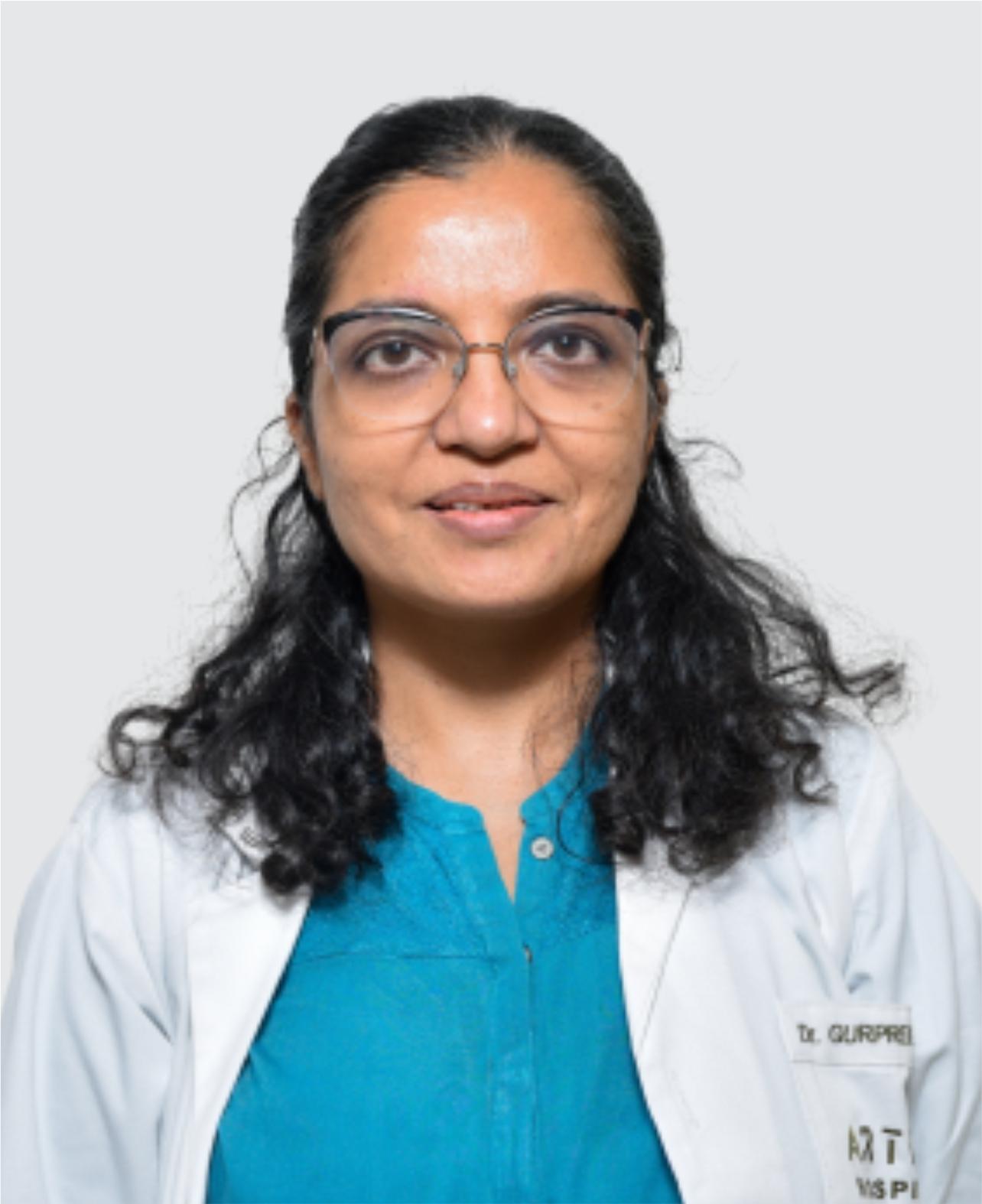
Gurpreet Makkar
Head Imaging & Chief DNB Program
Radiology
New Delhi
19+ Years
Experience
Artemis Hospital
Hospital
1500
Fees
Related Links
Recent Blogs
Other Treatment related Information
- Radiology cost in Bengaluru
- Radiology cost in New Delhi
- Radiology cost in Hyderabad
- Radiology cost in India
- Radiology cost in Pune
- Radiology cost in Haryana
- Radiology cost in Mumbai
- Radiology cost in Chennai
- Radiology Success Rate in Haryana
- Radiology Success Rate in Pune
- Radiology Success Rate in New Delhi
- Radiology Success Rate in India
- Radiology Success Rate in Bengaluru
- Radiology Success Rate in Mumbai
- Radiology Success Rate in Hyderabad
- Radiology Success Rate in Chennai
- Best Radiology Doctors in Hyderabad
- Best Radiology Doctors in Gurugram
Ready To Start Your Healing Journey?
Get Personalized Medical Treatment Options From India's Top Hospitals. Our Medical Experts Are Ready To Assist You Every Step Of The Way.