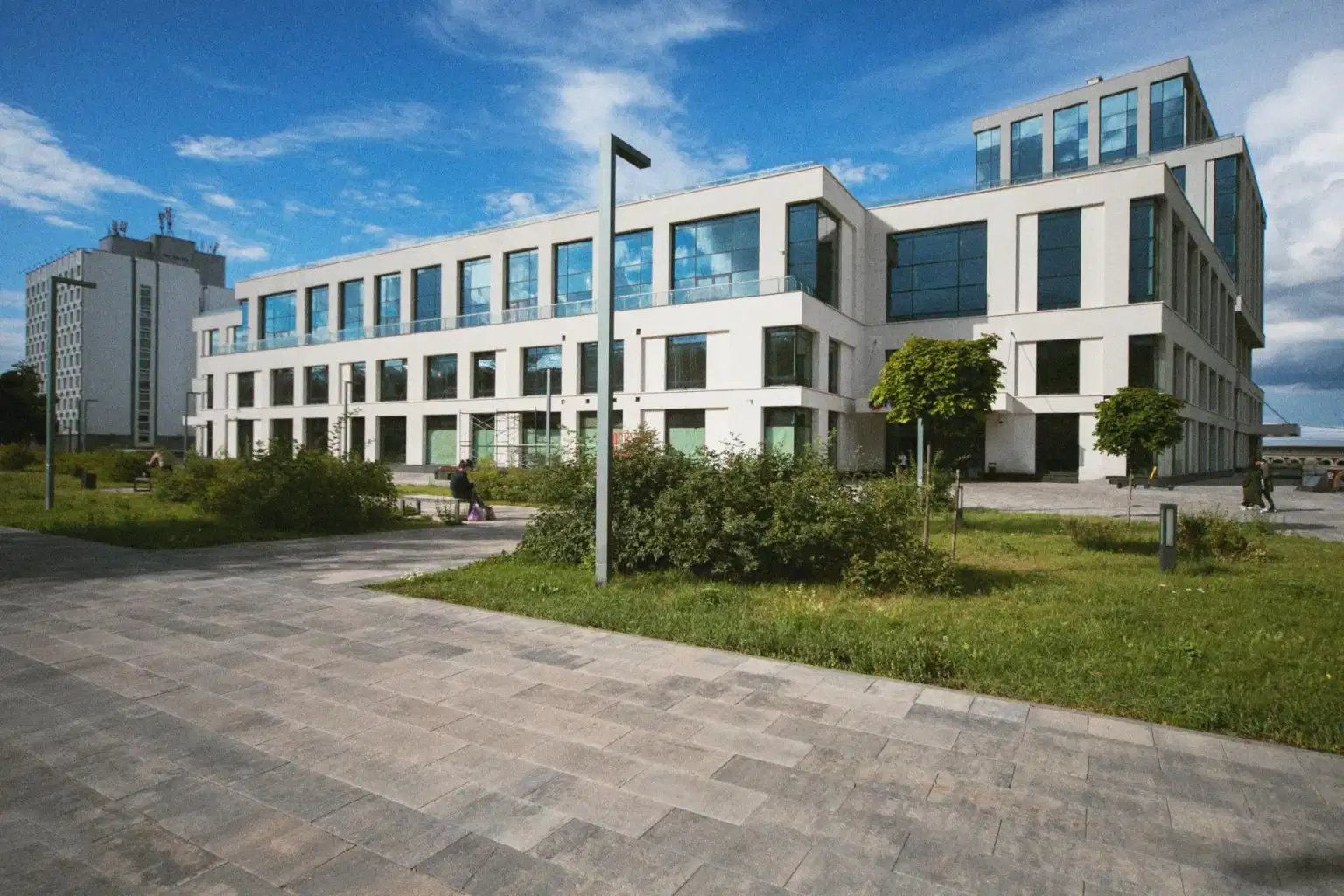
Radiology Treatment in India
Need Personalized Advice?
Our medical experts are ready to answer your questions and guide you through your treatment options.
About
Radiology Treatment in India | Medical Scope & Care
Radiology treatment in India encompasses a vital medical specialty. It uses various imaging techniques to diagnose and sometimes treat diseases. This field is crucial for accurate medical assessment. It guides clinical decisions across almost all other medical disciplines. From detecting fractures to identifying complex tumors, radiology provides essential insights.
Patients from diverse regions seek advanced radiology services in India. Many travel from countries like Nigeria, Kenya, and Bangladesh. They often require diagnostics not easily accessible or affordable in their home nations. Patients from the Middle East, including Oman and Iraq, also choose India. They value the combination of cutting-edge technology and experienced radiologists. India offers high-quality care at a fraction of the cost found in Western countries.
India has established itself as a hub for advanced medical care. Its healthcare infrastructure includes state-of-the-art radiology departments. These facilities are equipped with the latest imaging modalities. A large pool of highly trained radiologists and technicians staff these centers. This collective expertise ensures precise diagnostics and effective interventional procedures. The sheer volume of patients processed also contributes to significant clinical experience.
Indications for Radiology Services
- Diagnosis of skeletal conditions, including fractures and arthritis.
- Detection and staging of various cancers and tumors.
- Identification of infections and inflammatory conditions.
- Evaluation of organ health, such as heart, lungs, and brain.
- Screening for early disease detection, like mammography for breast cancer.
- Guidance for biopsies and other minimally invasive procedures.
- Monitoring treatment effectiveness and disease progression.
- Assessment of neurological disorders and stroke.
Types of Radiology Treatment and Diagnostics
Radiology is broadly categorized into diagnostic and interventional services. Each uses distinct technologies and approaches to patient care.
Diagnostic Radiology
- X-ray: Quick imaging for bones, chest, and certain soft tissues.
- Computed Tomography (CT) Scan: Detailed cross-sectional images of internal organs, bones, soft tissue, and blood vessels.
- Magnetic Resonance Imaging (MRI): Uses strong magnetic fields and radio waves for detailed soft tissue imaging, excellent for brain, spine, and joints.
- Ultrasound: Utilizes sound waves to visualize soft tissues, organs, and blood flow, often used for abdominal and obstetric imaging.
- Mammography: Specialized X-ray for breast tissue, crucial for breast cancer screening.
- Positron Emission Tomography (PET-CT): Combines PET and CT scans to detect metabolic activity, often used in oncology.
Interventional Radiology
This subspecialty performs minimally invasive procedures. These procedures use imaging guidance, such as X-ray, CT, or ultrasound. They treat various conditions that once required open surgery.
- Angiography: Visualizes blood vessels and treats blockages or narrowings.
- Embolization: Blocks blood flow to specific areas, used for tumors or bleeding.
- Biopsy Guidance: Accurately guides needles to collect tissue samples.
- Drainage Procedures: Removes fluid collections or abscesses.
- Stent Placement: Opens narrowed vessels or ducts.
Clinical Evaluation for Radiology Procedures
- Thorough review of patient medical history and current symptoms.
- Physical examination to assess overall health.
- Assessment of previous imaging reports and relevant laboratory tests.
- Discussion of specific clinical questions the imaging aims to answer.
- Checks for allergies, especially to contrast agents.
- Evaluation of kidney function before contrast-enhanced scans.
- Patient education regarding the procedure and preparation.
The Radiology Procedure Overview
Most diagnostic radiology procedures are non-invasive. Patients lie on a table while the imaging device acquires scans. For studies requiring contrast, a substance is administered orally or intravenously. Interventional radiology procedures involve small incisions for catheter insertion. Imaging guidance ensures precision and minimizes invasiveness. Local anesthesia is often used. The radiologist interprets the images immediately or soon after the scan. A detailed report is then provided to the referring physician. Patient comfort and safety are paramount throughout the process.
Recovery Process and Expectations
For most diagnostic radiology scans, there is no specific recovery period. Patients can typically resume normal activities immediately. If contrast was used, patients are advised to hydrate well. Interventional radiology procedures might require a short observation period. This is usually a few hours, to monitor for any complications. Patients receive specific post-procedure instructions. These include wound care and activity restrictions. Full recovery from interventional procedures varies based on complexity.
Potential Risks and Complications
- Exposure to ionizing radiation (X-ray, CT, PET) which is minimized and controlled.
- Allergic reactions to contrast agents, ranging from mild to severe.
- Kidney function impairment due to contrast, particularly in at-risk patients.
- Complications from interventional procedures, such as bleeding or infection.
- Discomfort or pain at the injection or access site.
- Sedation-related side effects, if sedation is used.
Radiology Success Rate in India
The success of radiology in India is very high, primarily in diagnostic accuracy. It hinges on the clarity of images and the expertise of the interpreting radiologist. Advanced equipment contributes significantly to this precision. For interventional radiology, success is measured by treatment effectiveness. India boasts a strong record in both areas. The dedication of specialists for Radiology in India to continuous training enhances outcomes. Patient-specific factors, like overall health, also influence results.
Cost of Radiology Treatment in India
The cost of Radiology treatment in India is significantly lower than in many Western countries. This affordability does not compromise quality. Prices vary based on the specific procedure and hospital infrastructure. Here is an estimated cost range for common radiology services.
| Procedure Type | Estimated Cost (USD) |
|---|---|
| X-ray (Single View) | 10 - 30 |
| Ultrasound (Abdomen) | 30 - 80 |
| CT Scan (Non-Contrast) | 80 - 200 |
| CT Scan (Contrast) | 120 - 300 |
| MRI (Single Region, Non-Contrast) | 150 - 400 |
| MRI (Single Region, Contrast) | 250 - 600 |
| Mammography (Bilateral) | 50 - 150 |
| PET-CT Scan | 500 - 1200 |
| Angiography (Diagnostic) | 800 - 2500 |
| Biopsy (CT/Ultrasound Guided) | 300 - 800 |
These figures are indicative. The actual cost of Radiology in India can differ based on the facility, radiologist's fees, and additional services required.
Radiology services in India offer a blend of advanced technology and experienced medical professionals. This ensures high diagnostic accuracy and effective interventional treatments. Patients seeking quality care for various conditions find India a reliable destination. The focus remains on patient safety, precise imaging, and positive health outcomes. India's commitment to medical excellence makes it a preferred choice globally for sophisticated Radiology services.
Hospitals Offering this treatment
India offers premium medical procedures at affordable prices. Discover our most popular treatments, delivered by the country's finest doctors.
Meet Our Doctors
Meet our team of highly qualified and experienced medical professionals dedicated to providing the best healthcare services.

Aditi Dixit
Sr. Consultant – Women Imaging
Radiology (Specializing in Women's Imaging)
Haryana
15+ Years
Experience
Artemis Hospital
Hospital
1500
Fees
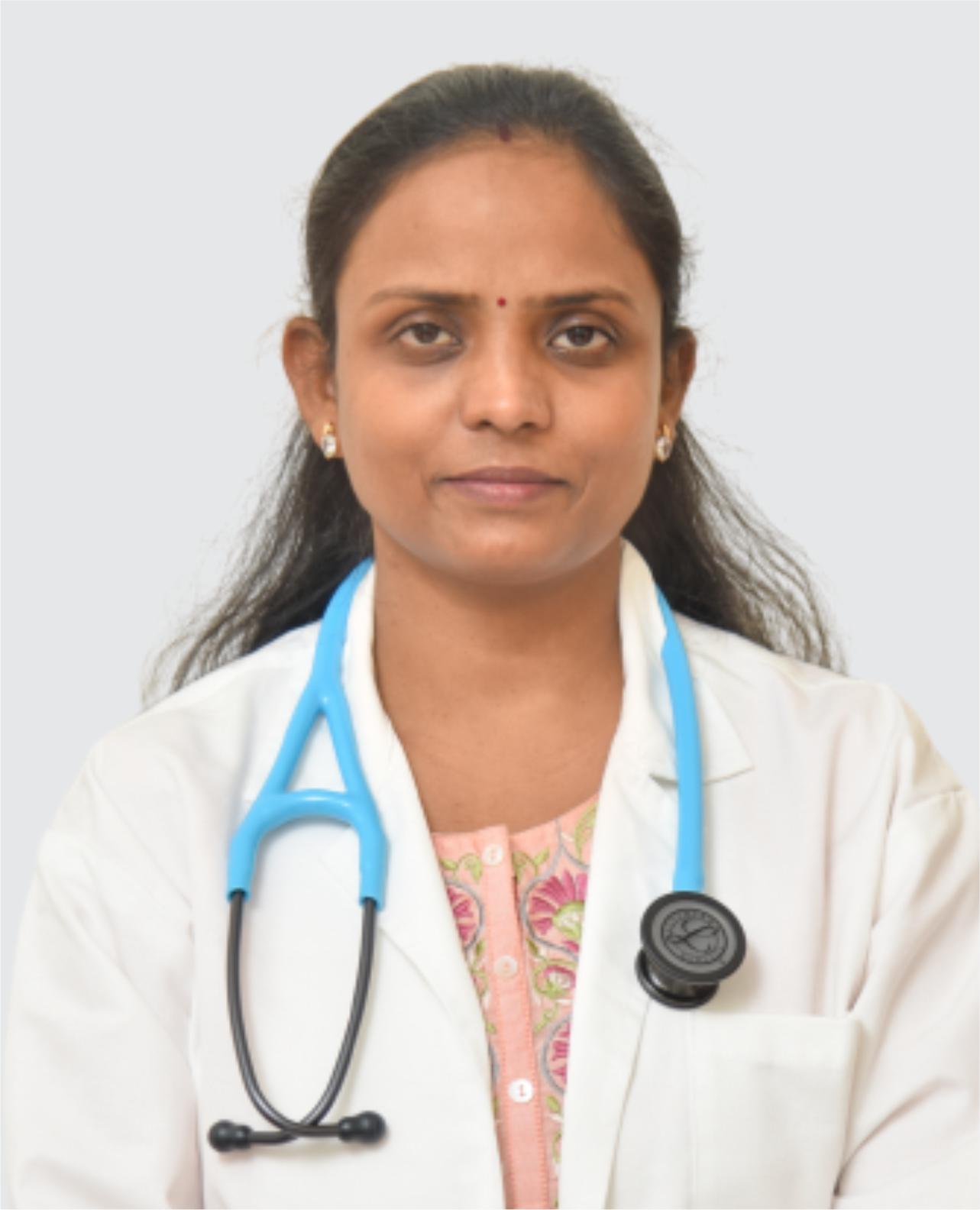
Dr. Anju Singh
Consultant - Pediatric Rheumatology
Pediatric Rheumatology
New Delhi
13+ Years
Experience
Artemis Hospital
Hospital
1500
Fees

Dr. Deepa Maheshwari
Unit Head
Maternity, Obstetrics & Gynaecology
New Delhi
20+ Years
Experience
Artemis Hospital
Hospital
1500
Fees

Dr. Sachin Sethi
Principal Lead - Physiotherapy
Physiotherapy and Rehabilitation
New Delhi
13+ Years
Experience
Artemis Hospital
Hospital
1500
Fees

Dr. Sanjay Mehta
Chairperson
Radiology
New Delhi
28+ Years
Experience
Artemis Hospital
Hospital
1500
Fees

Dr. Ellora Nanda
Admin Head - Emergency
Emergency & Trauma Services
New Delhi
25+ Years
Experience
Artemis Hospital
Hospital
1500
Fees

Gurpreet Makkar
Head Imaging & Chief DNB Program
Radiology
New Delhi
19+ Years
Experience
Artemis Hospital
Hospital
1500
Fees
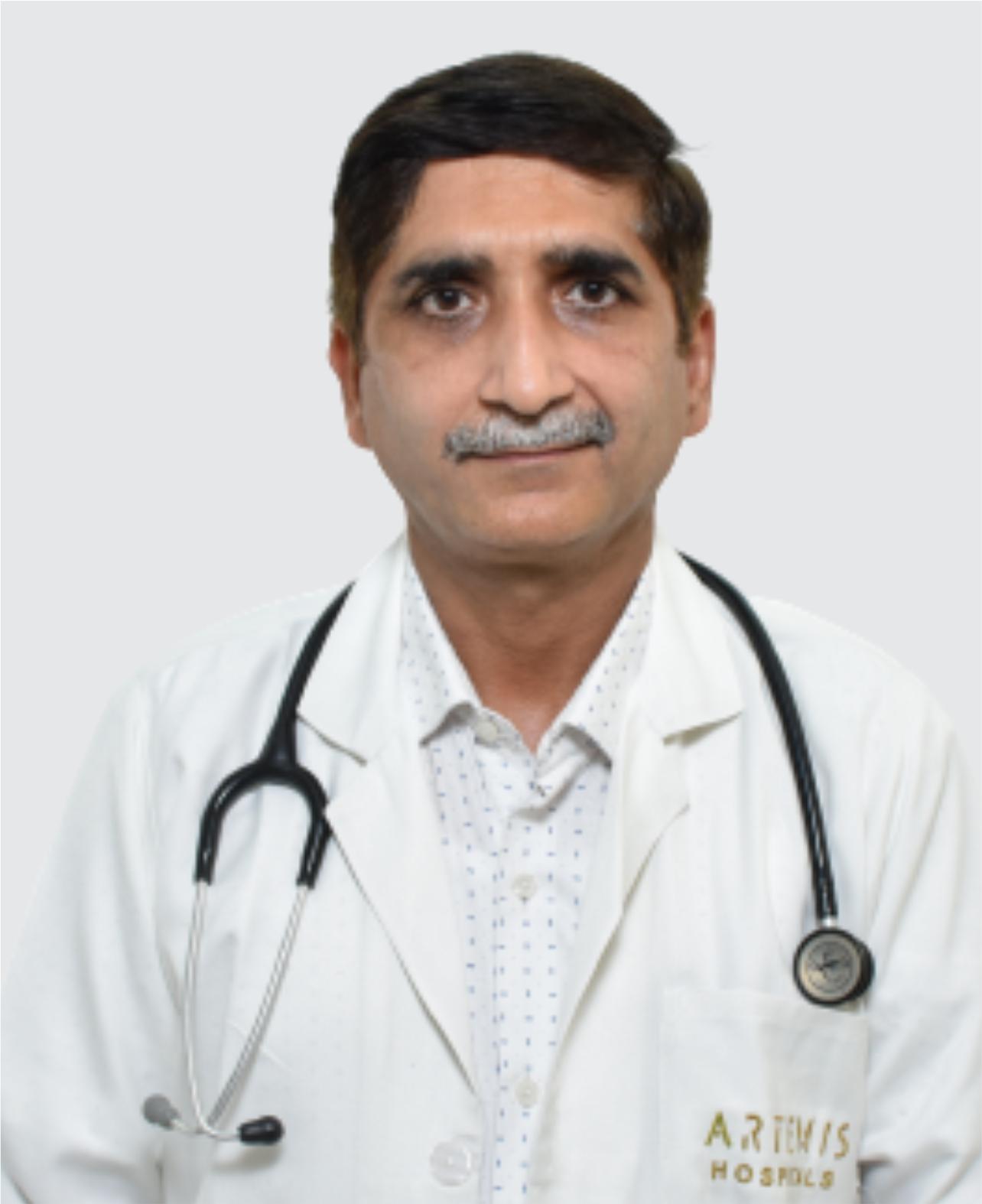
Dr. Hemant Gogia
Sr. Consultant - Paediatrics & Head - Medical Services and Medical Superintendent
Paediatric
New Delhi
10+ Years
Experience
Artemis Hospital
Hospital
1500
Fees
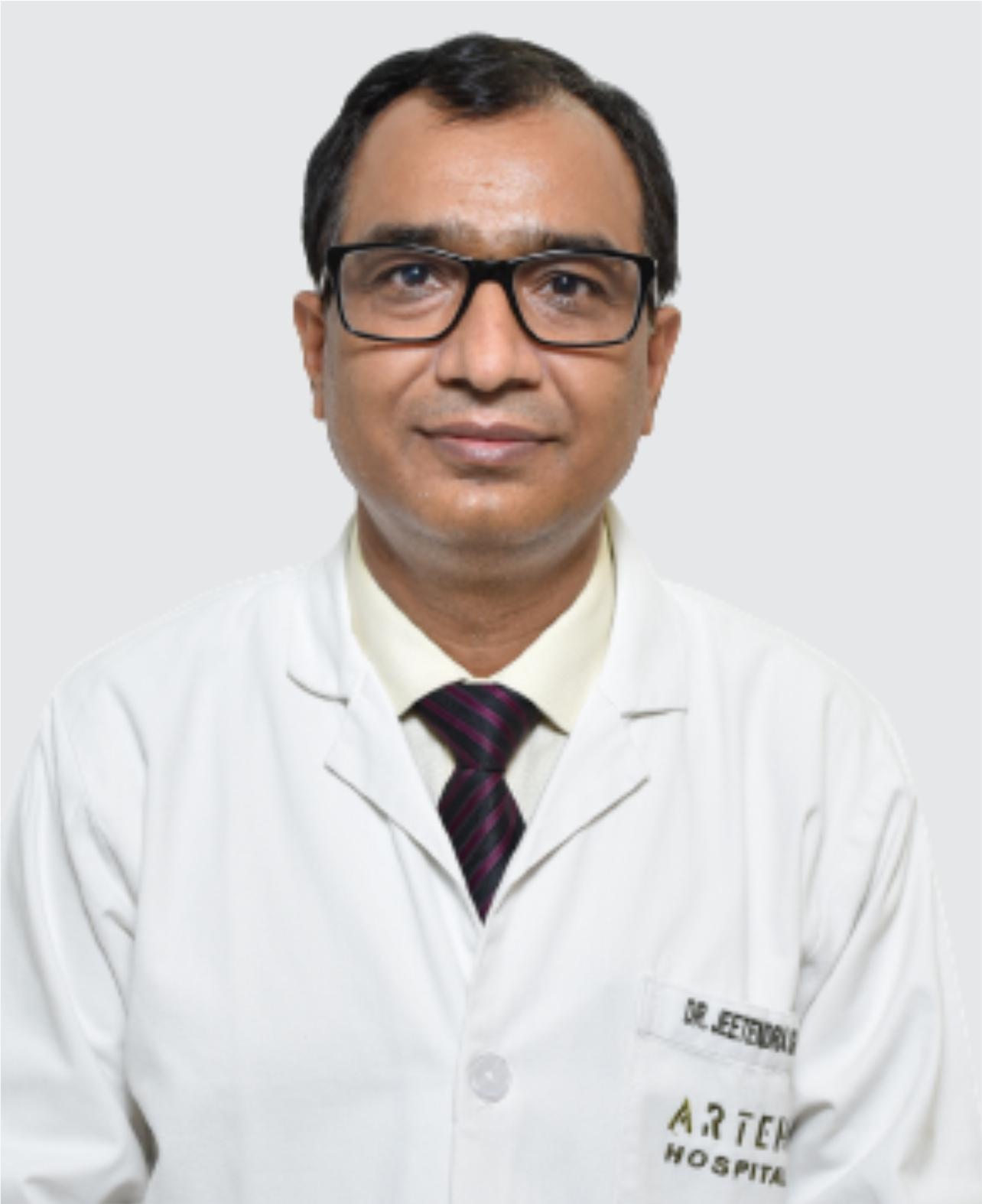
Jeetendra Sharma
Chief - Critical Care (Unit II) & Chief- Medical Quality
Critical Care & ICU
New Delhi
15+ Years
Experience
Artemis Hospital
Hospital
1500
Fees

Dr. Kamal Verma
Sr. Consultant - Radiation Oncology
Radiation Oncology
New Delhi
15+ Years
Experience
Artemis Hospital
Hospital
1500
Fees
Related Links
Recent Blogs
Other Treatment related Information
Ready To Start Your Healing Journey?
Get Personalized Medical Treatment Options From India's Top Hospitals. Our Medical Experts Are Ready To Assist You Every Step Of The Way.