
ግላዊ ምክር ይፈልጋሉ?
የእኛ የህክምና ባለሙያዎች ጥያቄዎችዎን ለመመለስ እና የህክምና አማራጮችዎን እንዲያውቁ ለመምራት ዝግጁ ናቸው።
የእኛ የህክምና ባለሙያዎች ጥያቄዎችዎን ለመመለስ እና የህክምና አማራጮችዎን እንዲያውቁ ለመምራት ዝግጁ ናቸው።
For many patients from Bangladesh struggling with persistent chronic pain, the prospect of finding effective, advanced treatment like Spinal Cord Stimulation can feel overwhelming. Doubts about treatment quality, cost, and logistics in a new city often weigh heavily.
New Delhi has become a preferred destination for such specialized neurosurgical interventions, partly due to its geographical proximity and established medical infrastructure. The city provides a structured and supportive environment for international patients seeking complex pain management solutions.
Leading hospitals in New Delhi host highly skilled neurosurgeons and pain specialists who are adept at performing Spinal Cord Stimulation procedures. These facilities are equipped to manage comprehensive evaluations and ensure smooth post-treatment follow-ups, making the entire medical journey simpler for patients.
New Delhi offers a reliable pathway for Spinal Cord Stimulation treatment with dedicated care.
Spinal Cord Stimulation (SCS) is a treatment for chronic pain that involves implanting a small device under the skin, usually in the abdomen or buttock. This device delivers mild electrical pulses to the spinal cord, which interfere with pain signals traveling to the brain. The goal of SCS is not to eliminate pain completely but to reduce it significantly and improve quality of life for individuals who have not found relief through other methods. It helps change how the brain perceives pain, often replacing severe pain with a tingling sensation or, with newer technologies, no sensation at all.
Several types of Spinal Cord Stimulation systems are available, each designed to address different pain profiles and patient needs:
The procedure for Spinal Cord Stimulation involves a precise approach tailored to each patient's pain profile and overall health. It typically occurs in two stages.
The first stage is a temporary trial. Thin, flexible wires (leads) are inserted through a needle into the epidural space near the spinal cord, guided by fluoroscopy (X-ray imaging). The leads are connected to an external generator worn on a belt. Patients undergo this trial for several days to a week, monitoring their pain relief. This helps both the patient and the medical team determine if SCS is effective before a permanent system is implanted.
If the trial is successful, the patient proceeds to permanent implantation. During this minor surgical procedure, the leads are implanted in the epidural space and then connected to a small battery-powered generator (IPG) or receiver. The IPG is typically placed under the skin in the buttock or abdominal area. The neurosurgeon ensures the leads are positioned optimally to target the specific areas of pain. The patient then uses a remote control to adjust the stimulation settings within parameters set by their doctor.
After the permanent implantation of a Spinal Cord Stimulator, patients typically have a short hospital stay, often 1-2 days. Initial recovery involves managing incision site pain and limiting physical activity to allow the leads to settle. Patients receive instructions on caring for the surgical sites, avoiding heavy lifting, twisting, or bending for several weeks. Follow-up appointments are crucial for checking wound healing and for the pain management team to program the device settings. Physical therapy might be recommended to improve mobility and strengthen core muscles. Full recovery and optimal pain management often involve several months of fine-tuning the device and adhering to activity guidelines.
Success rates for Spinal Cord Stimulation vary, typically ranging from 50% to 70% for significant pain reduction and improved quality of life. Outcomes depend on the specific pain condition, careful patient selection, and adherence to post-procedure guidelines. Many patients experience a meaningful decrease in pain levels, reduced reliance on oral pain medication, and an enhanced ability to perform daily activities. Long-term results are often seen with careful device management and ongoing clinical support, though some individuals may require future adjustments or revisions.
The cost of Spinal Cord Stimulation in New Delhi is influenced by several factors. These include the hospital's infrastructure and technology, the specific type of SCS device chosen, the neurosurgeon's experience, the length of hospital stay, and any additional medical services or consultations required. The comprehensive package generally covers the device, surgical fees, anesthesia, and initial post-operative care.
In New Delhi, the estimated cost for Spinal Cord Stimulation typically ranges from approximately INR 8,00,000 to INR 15,00,000.
New Delhi offers competitive pricing for Spinal Cord Stimulation, providing an advanced medical solution at a fraction of costs found in many Western countries, without compromising on quality of care.
| Location | Estimated Cost (USD) |
|---|---|
| New Delhi, India | $9,500 - $18,000 |
| United States | $40,000 - $60,000 |
| United Kingdom | $35,000 - $55,000 |
| Singapore | $25,000 - $40,000 |
| Thailand | $18,000 - $28,000 |
Reach out to our team to understand how Spinal Cord Stimulation in New Delhi can help manage your chronic pain effectively.
India offers premium medical procedures at affordable prices. Discover our most popular treatments, delivered by the country's finest doctors.
Meet our team of highly qualified and experienced medical professionals dedicated to providing the best healthcare services.
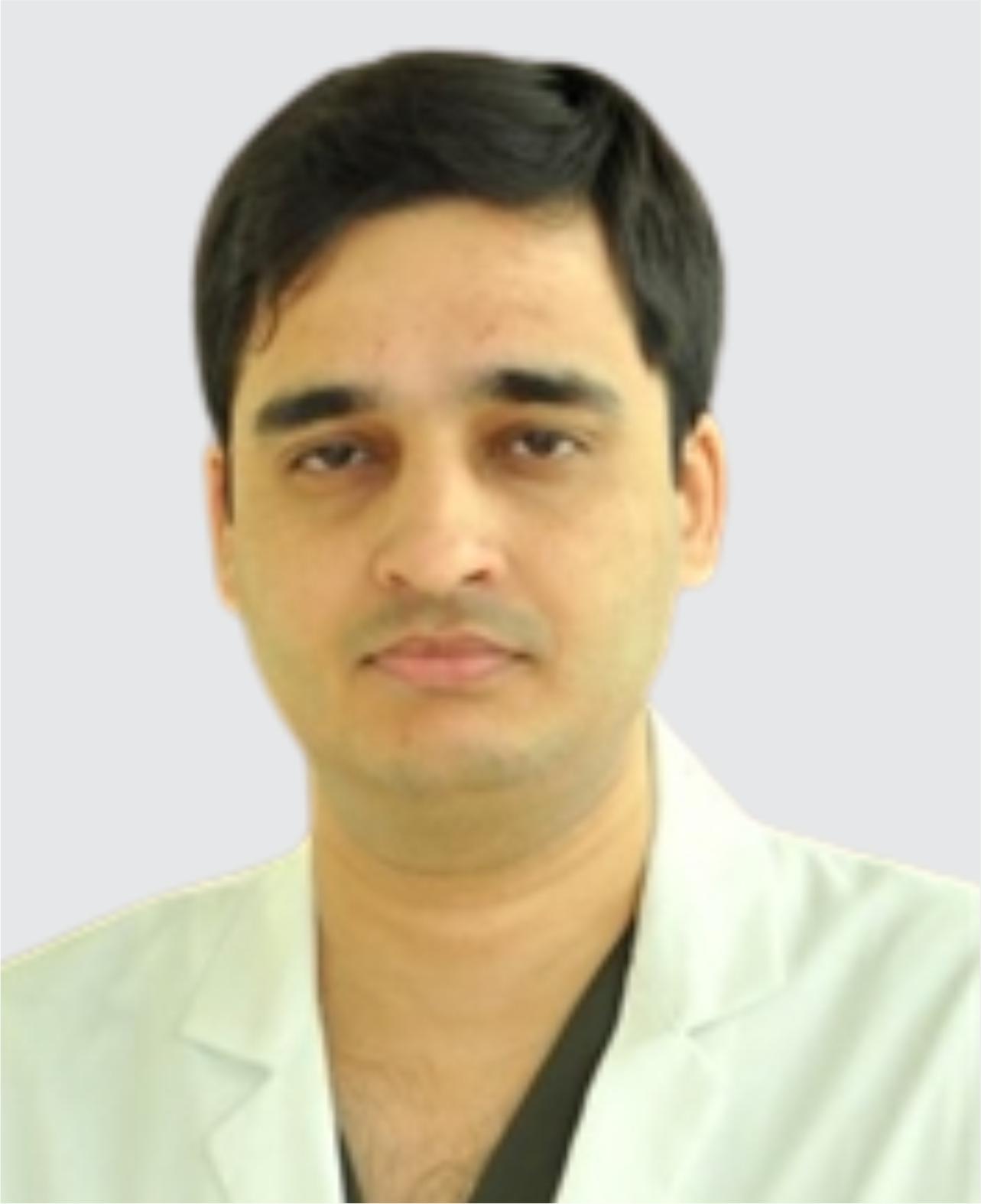
Sr. Consultant - Anaesthesia, Critical Care & Pain Management
Anaesthesia, Critical Care, Pain Management
New Delhi
15+ Years
Experience
Artemis Hospital
Hospital
1500
Fees
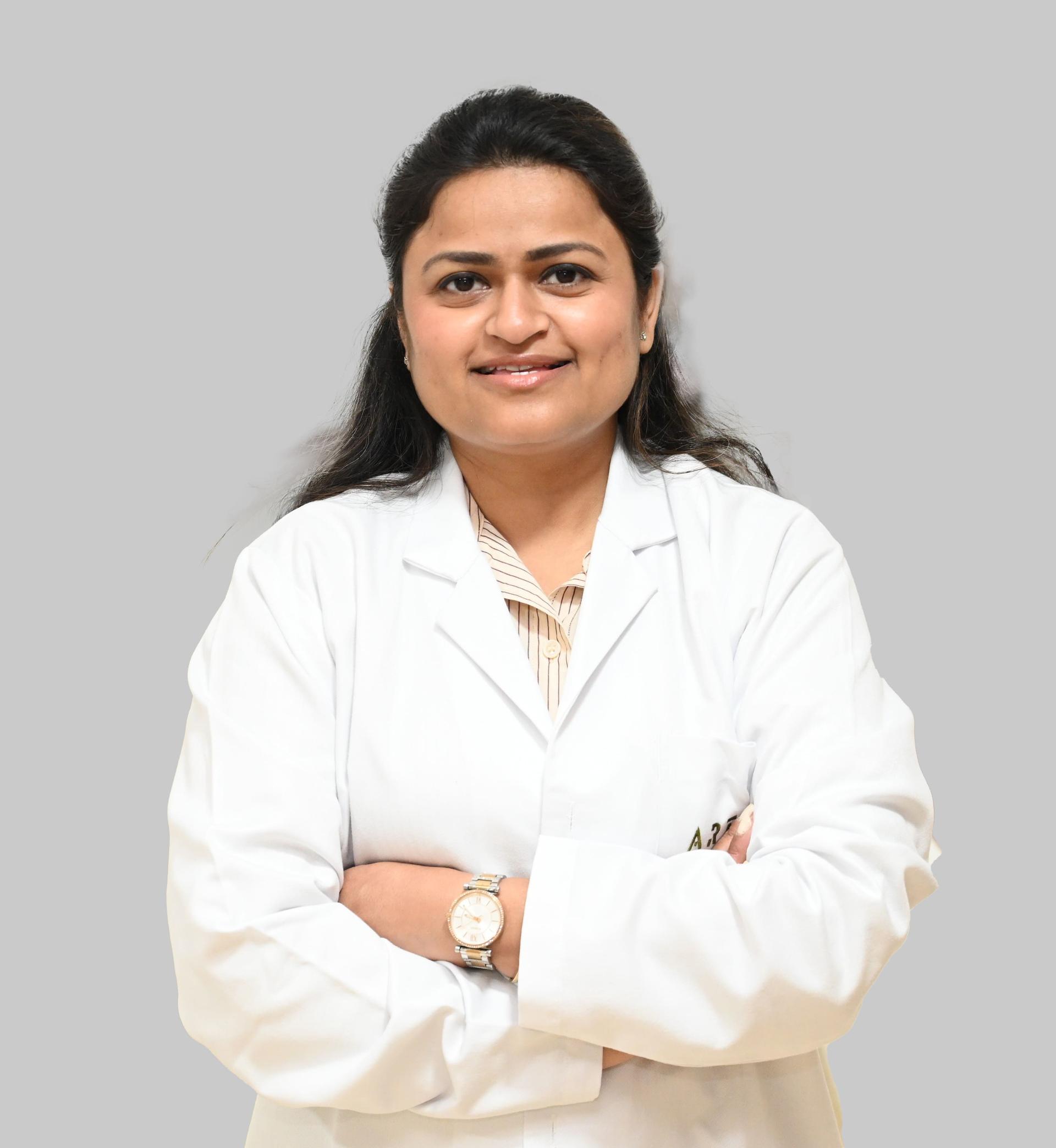
Consultant - Physiotherapy and Rehabilitation Centre
Physiotherapy and Rehabilitation Centre
New Delhi
10+ Years
Experience
Artemis Hospital
Hospital
1500
Fees
Principal Director - Pulmonology
Pulmonology
New Delhi
40+ Years
Experience
Max Hospital,Gurgaon
Hospital
1500
Fees
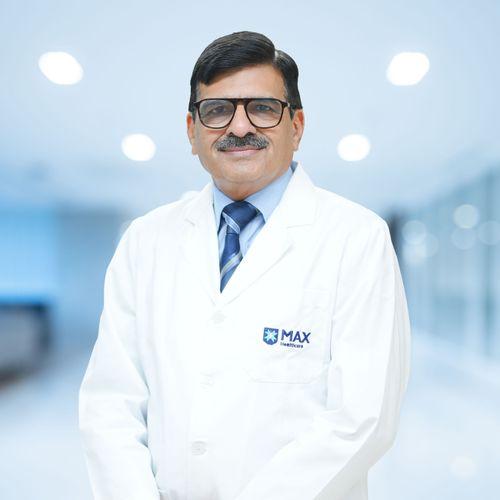
Director
Neurosciences
New Delhi
14+ Years
Experience
Apolo Delhi
Hospital
1500
Fees
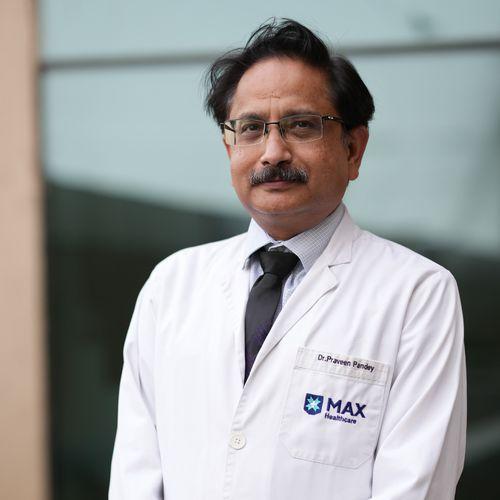
Director
Neuroscience
New Delhi
17+ Years
Experience
Apolo Delhi
Hospital
1500
Fees
ከህንድ ምርጥ ሆስፒታሎች የግል የህክምና ህክምና አማራጮችን ያግኙ። የእኛ የህክምና ባለሙያዎች በእያንዳንዱ እርምጃ ላይ እርስዎን ለመርዳት ዝግጁ ናቸው።