
Minimally Invasive Spine Surgery Treatment in Chennai for Bangladesh
Need Personalized Advice?
Our medical experts are ready to answer your questions and guide you through your treatment options.
About
Minimally Invasive Spine Surgery in Chennai for Bangladesh Patients
Many patients from Bangladesh grappling with persistent back or neck pain often feel uncertain about their treatment options. The thought of complex spine surgery can bring concerns about recovery time, potential risks, and finding the right medical expertise. Seeking relief that restores quality of life is a primary worry.
Patients increasingly look towards Chennai for advanced medical care, particularly for specialized procedures like minimally invasive spine surgery. This city is recognized for its sophisticated healthcare infrastructure, experienced surgical teams, and a supportive environment tailored for international patients, making it a preferred choice for intricate treatments.
Chennai's hospitals house dedicated spine specialists and state-of-the-art facilities that ensure comprehensive care, from initial consultation to post-operative follow-ups. The integrated approach and coordination within the city's medical ecosystem provide comfort and confidence to those traveling for critical medical interventions.
Chennai offers a comprehensive approach to minimally invasive spine surgery, prioritizing patient well-being and successful outcomes.
What is Minimally Invasive Spine Surgery?
Minimally Invasive Spine Surgery (MISS) is a modern surgical approach designed to treat various spinal conditions with smaller incisions compared to traditional open surgery. This technique utilizes specialized instruments and advanced imaging guidance, such as fluoroscopy or endoscopy, to access the spine. The primary goal is to minimize damage to muscles and surrounding tissues, which often leads to less post-operative pain, reduced blood loss, shorter hospital stays, and a faster recovery process. It addresses issues like herniated discs, spinal stenosis, and instability, aiming to alleviate pain and restore spinal function.
Types of Minimally Invasive Spine Surgery
Several types of minimally invasive spine surgery are performed, each tailored to specific conditions:
- MIS Microdiscectomy: Removal of a herniated disc fragment pressing on a nerve root.
- MIS Laminectomy/Decompression: Relieves pressure on spinal nerves by removing a portion of the vertebral bone (lamina) or other obstructing tissues.
- MIS Spinal Fusion: Joins two or more vertebrae permanently to stabilize the spine and relieve pain, often using small incisions and specialized implants.
- MIS TLIF (Transforaminal Lumbar Interbody Fusion): A fusion technique where the surgeon accesses the spine from the back, removing the disc and inserting a bone graft to promote fusion.
- Vertebroplasty/Kyphoplasty: Procedures used to treat vertebral compression fractures by injecting bone cement into the fractured vertebra.
When is Minimally Invasive Spine Surgery Needed?
- Chronic back or neck pain that has not responded to conservative treatments like medication, physical therapy, or injections.
- Herniated or bulging discs causing persistent nerve compression, radiating pain, numbness, or weakness in the limbs.
- Spinal stenosis, a narrowing of the spinal canal that puts pressure on the spinal cord and nerves.
- Spondylolisthesis, where one vertebra slips forward over another, leading to pain and instability.
- Degenerative disc disease, involving wear and tear of the spinal discs causing pain and instability.
- Vertebral compression fractures, often due to osteoporosis or injury.
- Spinal infections or tumors that require surgical intervention for removal or stabilization.
Pre-Treatment Evaluation for Spine Surgery
- A thorough physical and neurological examination to assess reflexes, muscle strength, and sensation.
- Advanced imaging studies such as MRI (Magnetic Resonance Imaging), CT scans (Computed Tomography), and X-rays of the affected spinal region.
- Blood tests including a complete blood count (CBC), blood chemistry, and coagulation profile to check overall health and clotting ability.
- Urine analysis to screen for infections or other conditions.
- Electrocardiogram (ECG) and Chest X-ray to assess heart and lung function.
- Consultation with an anesthesiologist to review medical history and determine the safest anesthesia plan.
How Minimally Invasive Spine Surgery is Performed
The specific surgical approach for minimally invasive spine surgery is tailored to each patient's condition and the area of the spine requiring attention.
Surgical Steps Overview:
- Anesthesia and Positioning: The patient is administered general anesthesia, and then carefully positioned on the operating table.
- Small Incision: One or more small incisions, typically 1 to 2 inches in length, are made over the targeted area of the spine.
- Muscle Dilation: Specialized tubular retractors are inserted through the incision. These dilators gently push aside muscle tissue rather than cutting through it, minimizing tissue damage.
- Advanced Visualization: The surgeon uses real-time X-ray guidance (fluoroscopy) or an endoscope/microscope to visualize the surgical site with high precision through the small opening.
- Surgical Repair: Using small, specialized instruments, the surgeon performs the necessary procedure, such as removing a herniated disc, decompressing nerves, or fusing vertebrae.
- Closure: Once the procedure is complete, the instruments and retractors are removed, and the small incision is closed with sutures or surgical staples. A sterile dressing is applied.
Recovery After Minimally Invasive Spine Surgery
Recovery from minimally invasive spine surgery is generally faster and less painful compared to traditional open surgery. Patients typically experience a shorter hospital stay, often discharged within one to three days. Early mobilization is encouraged, with physical therapy often beginning soon after the procedure to strengthen muscles and improve flexibility. Specific restrictions on lifting heavy objects, bending, and twisting will be advised for a period, usually several weeks. Regular follow-up appointments with the surgeon are crucial to monitor progress. While individual healing varies, many patients can return to light activities within a few weeks, with a more complete recovery taking several months, supported by a structured rehabilitation program.
Potential Risks and Success Rates
- Infection at the surgical site.
- Bleeding during or after the procedure.
- Rarely, nerve damage leading to weakness, numbness, or pain.
- Dural tear, a minor leakage of spinal fluid.
- Hardware malfunction or displacement in fusion cases.
- Development of blood clots.
- Persistent pain or recurrence of symptoms in some instances.
Minimally invasive spine surgery generally boasts high success rates, with a significant majority of patients experiencing improved pain relief and enhanced functional mobility. Outcomes can range, influenced by factors such as the patient's overall health, the severity and duration of the spinal condition, and the surgeon's expertise. Most individuals report substantial long-term relief and a better quality of life. Consistent adherence to post-operative care and rehabilitation protocols plays a vital role in achieving the best possible results.
Ready to Consult a Spine Specialist in Chennai?
Connect with leading surgeons and explore personalized treatment plans for your spinal health needs.
Contact us today to begin your consultation.
Cost of Minimally Invasive Spine Surgery in Chennai
The cost of minimally invasive spine surgery in Chennai is influenced by several factors. These include the specific type of procedure required, the chosen hospital's facilities and amenities, the surgeon's fees, the duration of hospital stay, and any additional services like physiotherapy or specialized implants. The advanced technology utilized in MISS also contributes to the overall expense.
The cost of minimally invasive spine surgery in Chennai typically ranges from 4,00,000 to 8,00,000 Indian Rupees.
Comparing Costs for Spine Surgery in Chennai
Chennai offers a competitive pricing structure for advanced medical procedures, providing a significant cost advantage while maintaining high standards of care compared to many other countries.
| Location | Estimated Cost (USD) |
|---|---|
| Chennai, India | $5,000 - $10,000 |
| United States | $30,000 - $70,000 |
| United Kingdom | $25,000 - $55,000 |
| Singapore | $18,000 - $40,000 |
| Thailand | $8,000 - $18,000 |
Dedicated Patient Support for Your Journey
- Assistance with medical visa applications and necessary travel documents.
- Coordinated scheduling of all appointments, including consultations and diagnostic tests.
- Arrangements for airport transfers and suitable accommodation options in Chennai.
- Provision of professional language interpreters to facilitate clear communication.
- A dedicated patient coordinator to assist with all logistics and non-medical needs.
- Guidance and support for post-discharge care and any required follow-up.
Essential Documents for Your Medical Visit
- A valid passport and the necessary medical visa for India.
- Comprehensive medical reports, including recent MRI, CT scans, and X-rays related to your spinal condition.
- Any referral letters from your primary care physician or local specialist.
- A detailed list of all current medications, including dosages.
- Relevant insurance details or financial guarantee letters, if applicable.
- Signed consent forms as provided by the hospital.
Preparing for Your Minimally Invasive Spine Surgery
- Adhere strictly to any dietary guidelines or fasting instructions provided by your medical team.
- Discontinue certain medications, especially blood thinners, as advised by your surgeon before the procedure.
- Finalize your travel arrangements and ensure comfortable accommodation for your recovery period.
- Inform the medical team about any allergies or previous reactions to medications or anesthesia.
- Arrange for a companion to assist you during your stay and initial recovery phase.
- Prepare for your post-operative recovery by setting up a comfortable, accessible space at your accommodation.
Guidance for Your Post-Surgery Recovery
- Diligently follow the prescribed medication schedule for pain management and infection prevention.
- Engage in gentle, physician-approved exercises and physical therapy as instructed to aid healing and strength.
- Avoid heavy lifting, sudden twisting movements, and prolonged sitting during the initial recovery period.
- Attend all scheduled follow-up appointments with your surgeon and physical therapist.
- Monitor your incision site for any signs of infection, such as redness, swelling, or discharge.
- Report any unusual or severe symptoms, including increased pain or fever, to your medical team immediately.
Begin Your Path to Spinal Health
If you are considering minimally invasive spine surgery, our team in Chennai is ready to assist you.
Reach out today for personalized information and support.
Ready to Explore Your Treatment Options?
Connecting with a specialist in Chennai can provide clarity and a path towards improved spinal health.
Hospitals Offering this treatment
India offers premium medical procedures at affordable prices. Discover our most popular treatments, delivered by the country's finest doctors.
Meet Our Doctors
Meet our team of highly qualified and experienced medical professionals dedicated to providing the best healthcare services.
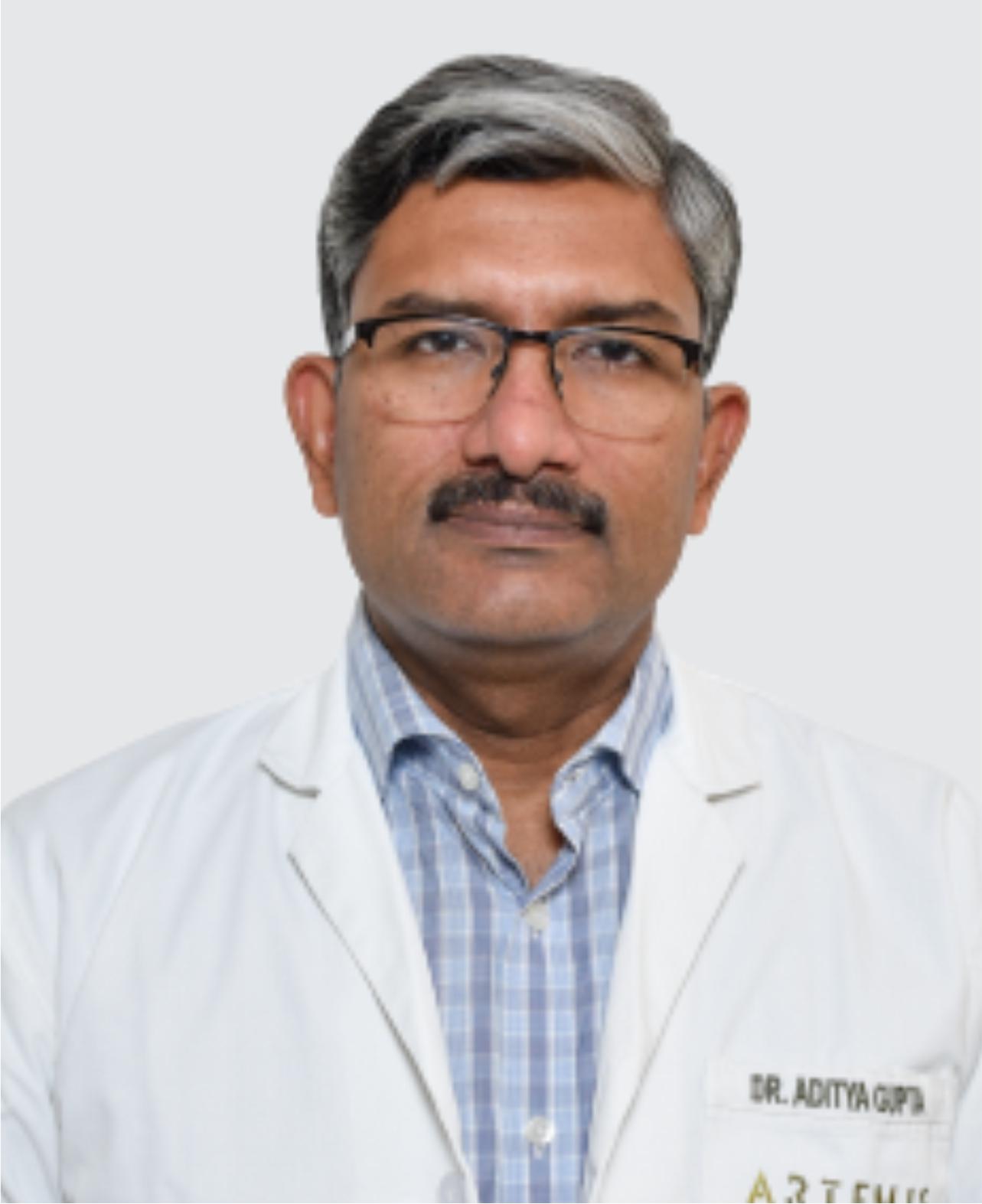
Dr. Aditya Gupta
Chairperson - Neurosurgery & CNS Radiosurgery & Co-Chief - Cyberknife Centre, Artemis Hospitals, Gurgaon
Neurosurgeon
Haryana
32+ Years
Experience
Artemis Hospital
Hospital
1500
Fees
Dr. Amit Kalsotra
Sr. Consultant - Anaesthesia, Critical Care & Pain Management
Anaesthesia, Critical Care, Pain Management
New Delhi
15+ Years
Experience
Artemis Hospital
Hospital
1500
Fees

Dr. (Brig.) Anil Khetarpal
Deputy Chief - Medical Services & Chairperson -Department of Blood Centre and Transfusion medicine
Blood Centre & Transfusion Medicine
New Delhi
33+ Years
Experience
Artemis Hospital
Hospital
1500
Fees
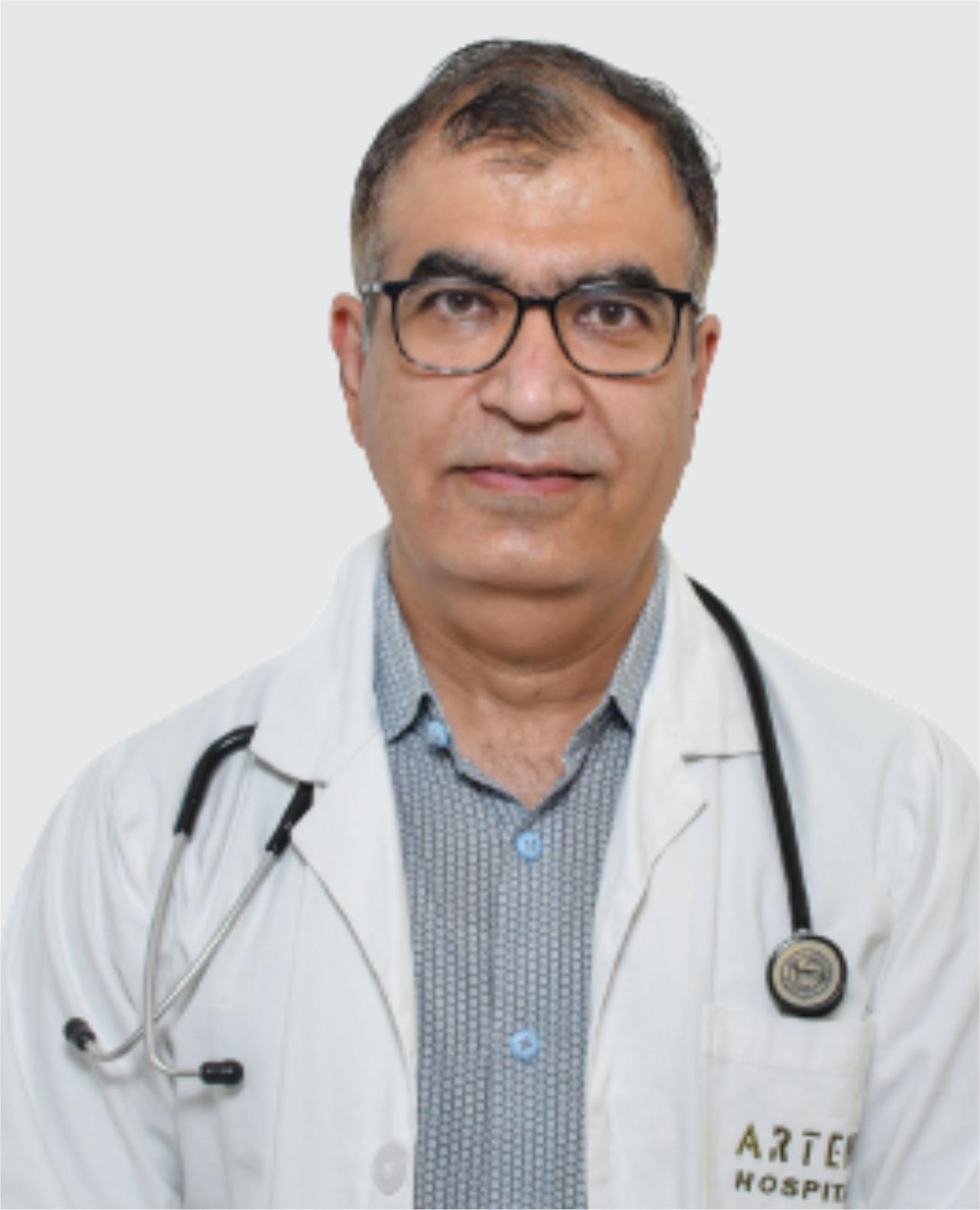
Dr. Rajiv Chhabra
Chief
Paediatric
New Delhi
15+ Years
Experience
Artemis Hospital
Hospital
1500
Fees
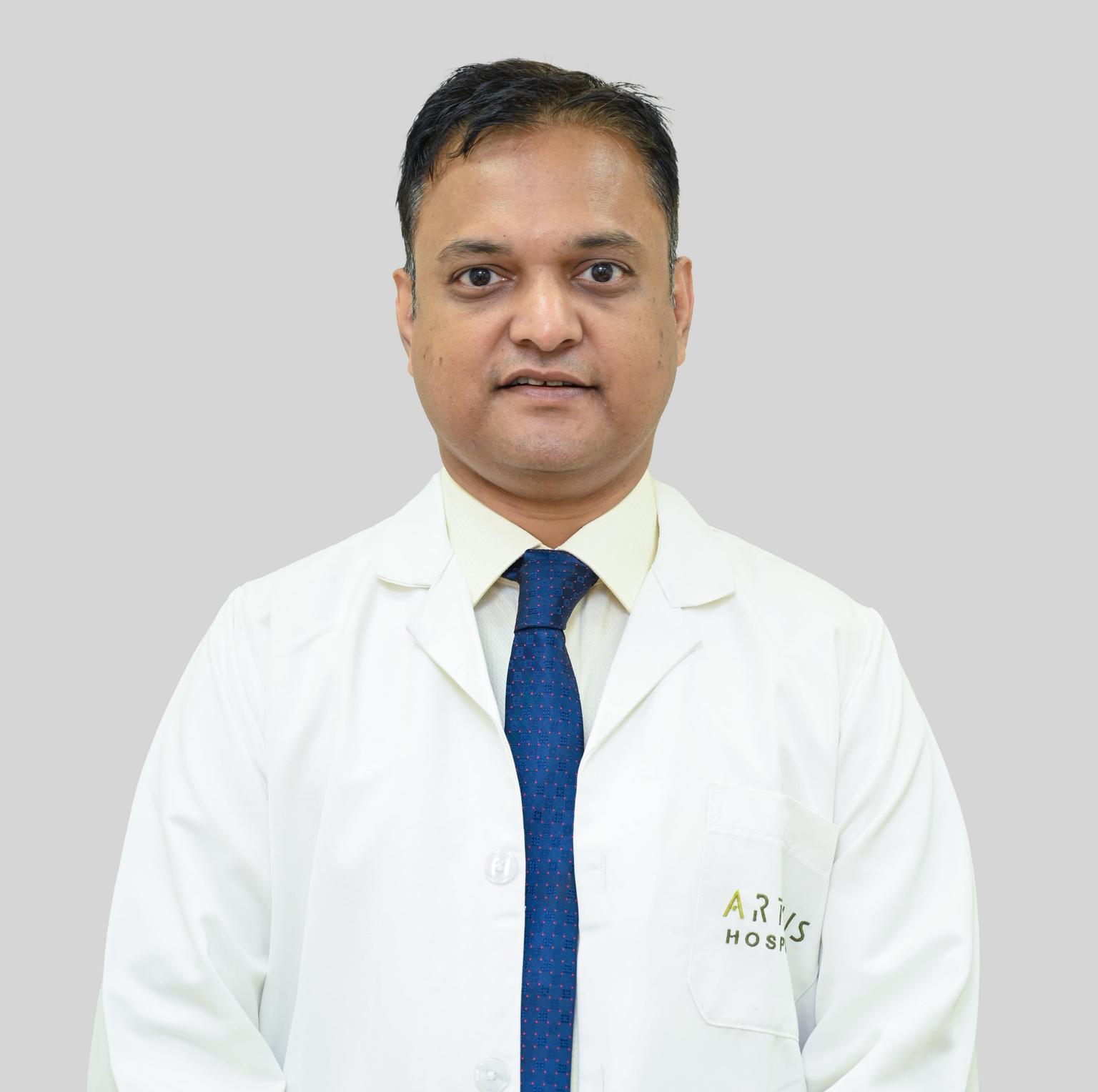
Dr. Rakesh Durkhure
Head - General, MI & Bariatric Surgery (Unit IV)
General & Minimally Invasive Surgery
New Delhi
25+ Years
Experience
Artemis Hospital
Hospital
1500
Fees
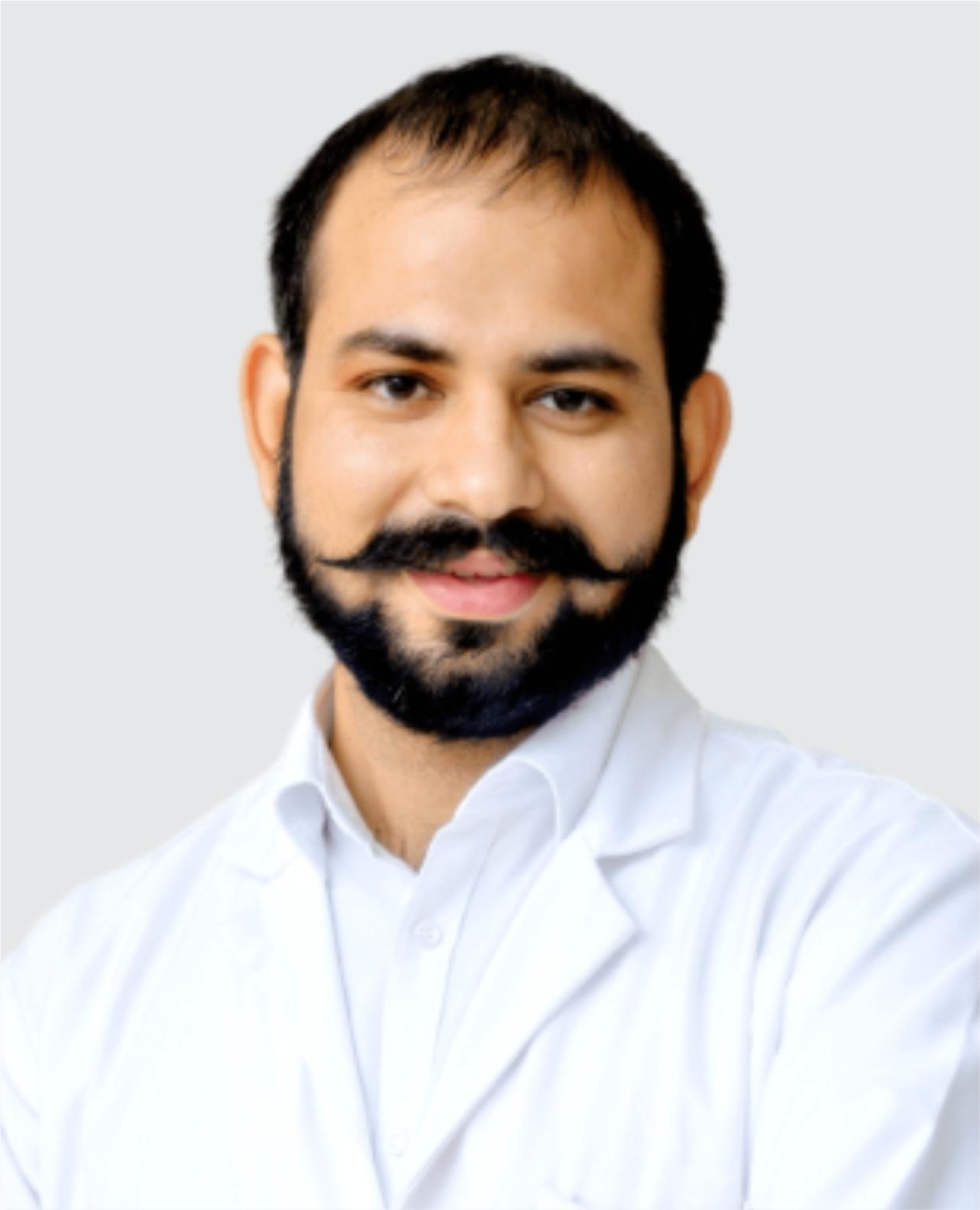
Dr. Sachin Sethi
Principal Lead - Physiotherapy
Physiotherapy and Rehabilitation
New Delhi
13+ Years
Experience
Artemis Hospital
Hospital
1500
Fees
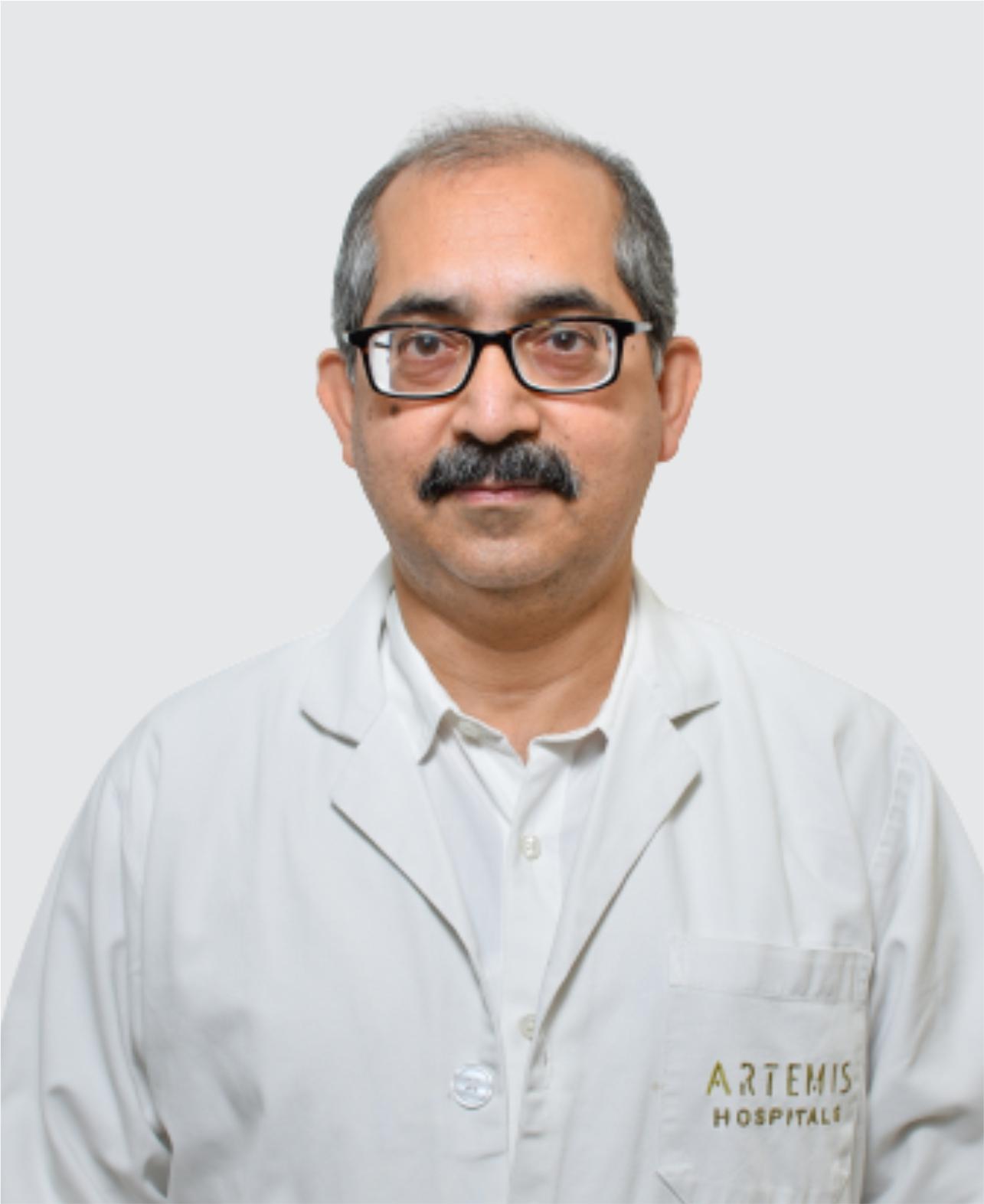
Dr. Sanjay Mehta
Chairperson
Radiology
New Delhi
28+ Years
Experience
Artemis Hospital
Hospital
1500
Fees
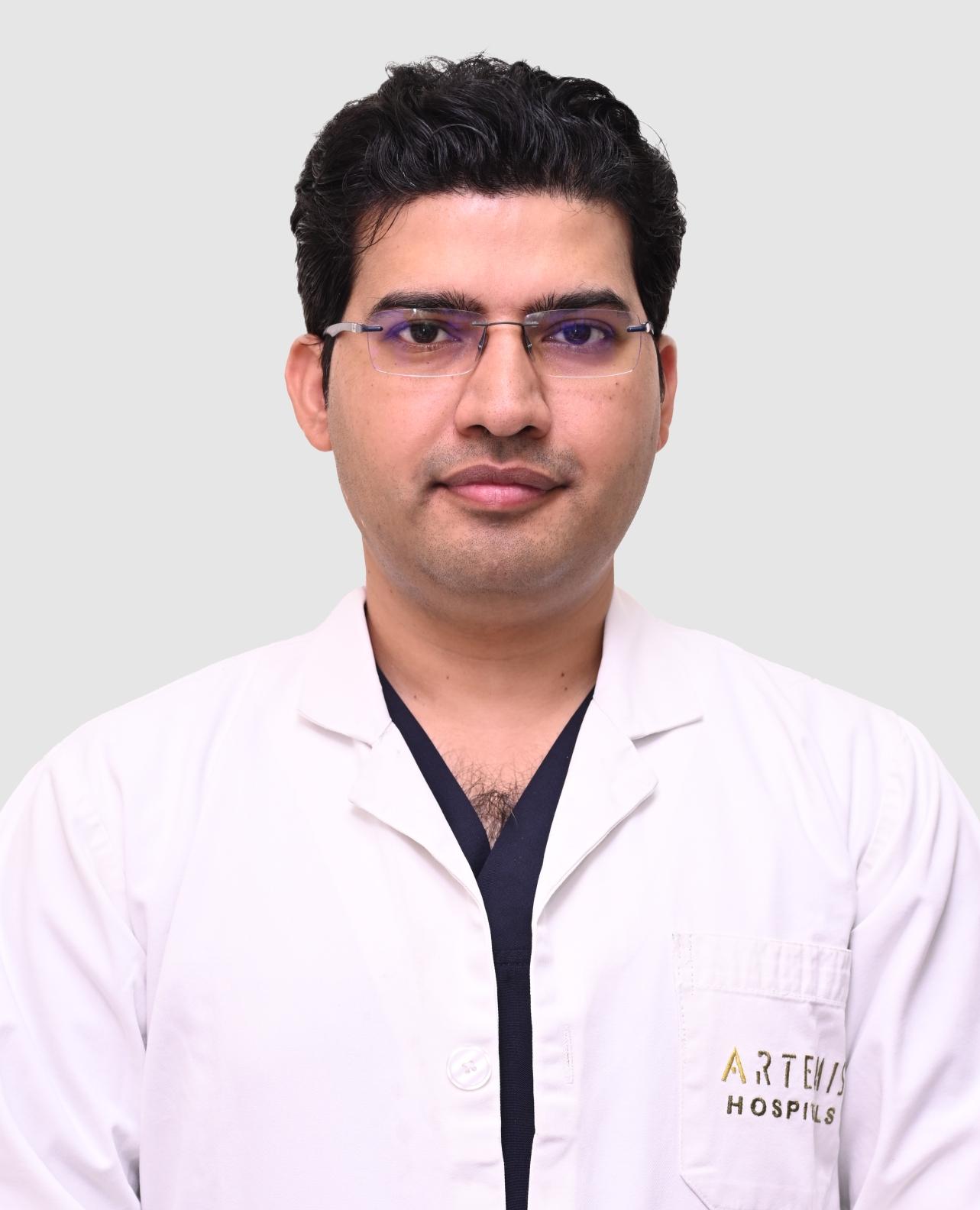
Dr. Sumit Kumar
Consultant - Orthopaedics & Spine Surgery
Orthopaedic & Spine Surgery
New Delhi
10+ Years
Experience
Artemis Hospital
Hospital
1500
Fees
Dr. Varun Khanna
Consultant - Orthopaedics & Spine Surgery
Orthopaedic and Spine Surgery
New Delhi
10+ Years
Experience
Artemis Hospital
Hospital
1500
Fees
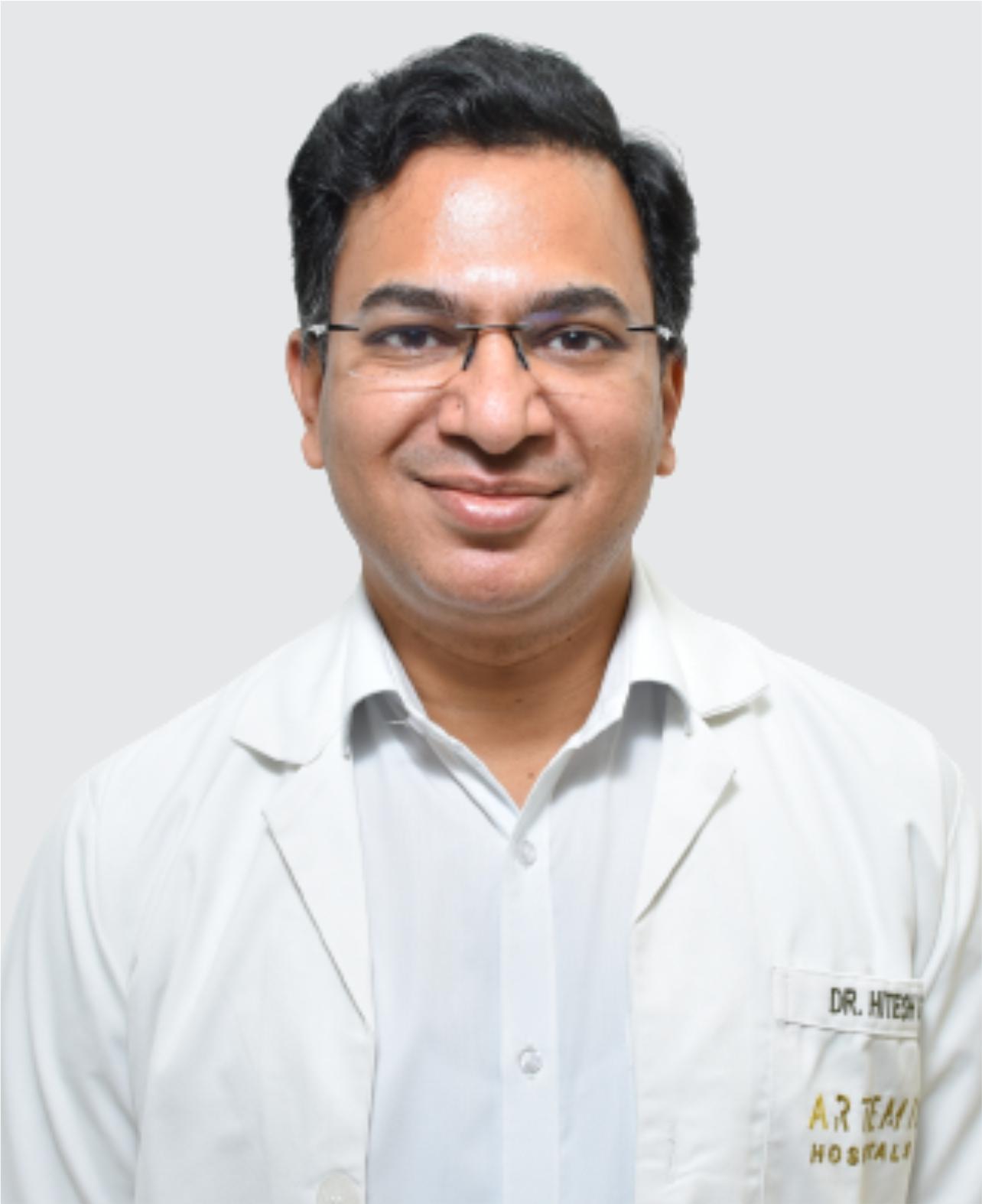
Dr. Hitesh Garg
Head - Ortho Spine Surgery
Spine Surgery, Orthopaedic Surgery
New Delhi
15+ Years
Experience
Artemis Hospital
Hospital
1500
Fees
Related Links
Recent Blogs
Other Treatment related Information
- Minimally Invasive Spine Surgery cost in Bengaluru
- Minimally Invasive Spine Surgery cost in India
- Minimally Invasive Spine Surgery cost in Chennai
- Minimally Invasive Spine Surgery cost in Mumbai
- Minimally Invasive Spine Surgery cost in Pune
- Minimally Invasive Spine Surgery cost in New Delhi
- Minimally Invasive Spine Surgery cost in Haryana
- Minimally Invasive Spine Surgery cost in Hyderabad
- Minimally Invasive Spine Surgery Success Rate in New Delhi
- Minimally Invasive Spine Surgery Success Rate in Hyderabad
- Minimally Invasive Spine Surgery Success Rate in Pune
- Minimally Invasive Spine Surgery Success Rate in Chennai
- Minimally Invasive Spine Surgery Success Rate in Bengaluru
- Minimally Invasive Spine Surgery Success Rate in Haryana
- Minimally Invasive Spine Surgery Success Rate in India
- Minimally Invasive Spine Surgery Success Rate in Mumbai
- Best Minimally Invasive Spine Surgery Doctors in India
- Best Minimally Invasive Spine Surgery Doctors in Chennai
Ready To Start Your Healing Journey?
Get Personalized Medical Treatment Options From India's Top Hospitals. Our Medical Experts Are Ready To Assist You Every Step Of The Way.