
Minimally Invasive Spine Surgery Treatment in Chennai for UAE
Need Personalized Advice?
Our medical experts are ready to answer your questions and guide you through your treatment options.
About
Minimally Invasive Spine Surgery in Chennai for UAE Patients
Patients from the UAE often face the challenge of finding high-quality, specialized care for spine conditions without extensive travel or prohibitive costs. Considering a significant surgical procedure like Minimally Invasive Spine Surgery can bring uncertainties about outcomes and recovery, making the choice of destination crucial.
Chennai has emerged as a preferred destination for advanced medical treatments, offering a unique blend of experienced specialists and modern healthcare facilities. Patients seeking Minimally Invasive Spine Surgery find tailored treatment plans and coordinated care pathways here, focusing on efficient recovery and optimal results.
The city's medical infrastructure is renowned for its commitment to patient safety and excellent clinical outcomes. Top hospitals in Chennai feature state-of-the-art technology and multidisciplinary teams, ensuring comprehensive support from accurate diagnosis through precise surgical intervention and post-operative rehabilitation.
Is Chennai the right choice for your Minimally Invasive Spine Surgery journey?
Ready to explore advanced spine care in Chennai? Connect with our patient support team today.
What is Minimally Invasive Spine Surgery?
Minimally Invasive Spine Surgery (MISS) involves smaller incisions, less muscle disruption, and aims to achieve similar or superior results to traditional open surgery. This advanced approach uses specialized instruments and sophisticated imaging guidance to treat various conditions like herniated discs, spinal stenosis, and instability. By minimizing damage to surrounding tissues, MISS often leads to reduced pain, faster recovery times, and a quicker return to daily activities compared to conventional methods. It focuses on precisely addressing the spinal issue with significantly less trauma to the patient's body.
What Are the Types of Minimally Invasive Spine Surgery?
Minimally Invasive Spine Surgery encompasses several techniques tailored to specific spinal conditions:
- Microdiscectomy: Removal of a herniated disc fragment pressing on a nerve.
- Minimally Invasive Laminectomy/Foraminotomy: Decompression of nerves by removing small portions of bone or ligament.
- Transforaminal Lumbar Interbody Fusion (TLIF): A fusion procedure performed through a small incision to stabilize the spine.
- Extreme Lateral Interbody Fusion (XLIF): A lateral approach to spinal fusion, often used for correcting deformities.
- Vertebroplasty/Kyphoplasty: Procedures to stabilize vertebral compression fractures using bone cement.
- Endoscopic Spine Surgery: Highly advanced technique using a small camera and instruments for precise visualization and minimal tissue disruption.
When Is Minimally Invasive Spine Surgery Recommended?
- Persistent back or leg pain unresponsive to conservative treatments like medication or physical therapy.
- Herniated or bulging discs causing significant nerve compression and radiating pain.
- Spinal stenosis, which is the narrowing of the spinal canal leading to numbness, weakness, or cramping.
- Spondylolisthesis, a condition where one vertebra slips forward over another.
- Spinal instability requiring fusion to prevent further movement.
- Certain spinal fractures or tumors affecting the stability or function of the spine.
- Degenerative disc disease causing severe and debilitating pain.
What Evaluations Are Needed Before Spine Surgery?
- A comprehensive physical examination and detailed neurological assessment.
- Advanced imaging studies such as MRI, CT scans, and X-rays (including flexion-extension views).
- Blood tests to check complete blood count, kidney and liver function, and coagulation profile.
- Electrocardiogram (ECG) and chest X-ray to evaluate heart and lung health for anesthesia safety.
- Consultation with an anesthesiologist to discuss anesthesia options and potential risks.
- Urine analysis to screen for any underlying infections.
How is Minimally Invasive Spine Surgery Performed?
The specific steps for Minimally Invasive Spine Surgery are meticulously tailored to each patient's unique condition and the precise area of the spine needing attention. However, several general principles guide most procedures, emphasizing precision and minimal invasion.
Anesthesia and Incision
The patient is carefully positioned, and general anesthesia is administered to ensure comfort throughout the procedure. A small incision, typically ranging from 1 to 2 cm, is then made directly over the targeted spinal segment.
Muscle Dilatation
Rather than cutting through muscle tissue, a series of progressively larger dilators are gently inserted. These dilators carefully push the muscle fibers aside, creating a clear working channel to access the spine without significant tissue damage.
Retractor Placement and Visualization
A tubular retractor is then positioned through the dilated path, holding the muscles apart. A specialized endoscope or microscope is inserted through this retractor, projecting magnified, high-definition images onto a monitor. This allows the surgeon a clear and detailed view of the surgical field.
Surgical Intervention
Using tiny, precision instruments guided by the endoscopic or microscopic visualization, the surgeon performs the necessary steps. This might involve removing a herniated disc, decompressing a nerve, fusing vertebrae, or stabilizing a fracture, all through the small working channel.
Closure
Once the surgical objective is achieved, the instruments and retractor are carefully removed. The muscle tissue naturally returns to its original position. The small incision is then closed using sutures or surgical glue, resulting in minimal scarring.
What Does Recovery from Spine Surgery Involve?
Recovery from Minimally Invasive Spine Surgery is typically faster and less painful compared to traditional open surgery, though it still requires diligent adherence to medical advice. Most patients experience a noticeable reduction in pain within days and are often discharged from the hospital within 1 to 3 days. Post-operative care includes carefully managed pain relief, specific activity restrictions such as avoiding heavy lifting, bending, or twisting, and a gradual return to light daily activities. Physical therapy often begins early, focusing on strengthening core muscles, improving posture, and restoring mobility. Regular follow-up appointments with your surgeon are essential to monitor healing progress and adjust the recovery plan. Full recovery, allowing a return to most regular activities, can range from several weeks to a few months, depending on the specific procedure and individual patient factors.
What Are the Risks and Success Rates of MISS?
- Minor risks include temporary discomfort or numbness at the incision site.
- More significant, though rare, risks encompass infection at the surgical site.
- Potential for bleeding during or after the procedure.
- Possible nerve damage leading to persistent weakness or altered sensation.
- Risk of a dural tear, which is a leakage of spinal fluid.
- In some cases, recurrence of the disc herniation or spinal pain.
- Failure of spinal fusion to occur, if that was part of the procedure.
- Anesthetic complications, though pre-screening minimizes these.
- Deep vein thrombosis (DVT) or pulmonary embolism (PE), which are blood clots.
Minimally Invasive Spine Surgery generally boasts high success rates, with a significant majority of patients experiencing considerable pain relief and improved functional ability. Success rates typically range from 80% to over 95%, depending on the specific condition being treated, the type of MISS procedure performed, and the individual patient's health status. Factors influencing positive outcomes include the patient's overall health, the severity and duration of pre-existing symptoms, and strict adherence to post-operative rehabilitation protocols. While a successful outcome aims for long-term pain reduction and enhanced quality of life, individual results can vary, and a small percentage of patients may require further intervention in the future.
How Much Does Minimally Invasive Spine Surgery Cost in Chennai?
The cost of Minimally Invasive Spine Surgery in Chennai can vary significantly based on several key factors. These include the specific type of minimally invasive procedure required for your condition, the chosen hospital and its facilities, the experience and fees of the consulting spine surgeon, the duration of your hospital stay, and any additional services like extensive pre-operative diagnostics or specialized post-operative rehabilitation. The complexity of your spinal condition and the advanced technology utilized during the surgery also play a crucial role in the overall expense.
In Chennai, the estimated cost for Minimally Invasive Spine Surgery typically ranges from INR 3,50,000 to INR 9,00,000, offering a more accessible option than many Western countries.
Chennai vs. Global Costs for Minimally Invasive Spine Surgery
Comparing the cost of Minimally Invasive Spine Surgery in Chennai to other global medical hubs highlights its affordability without compromising on the quality of care or advanced medical technology.
| Location | Estimated Cost Range (INR) |
|---|---|
| Chennai, India | 3,50,000 - 9,00,000 |
| United States | 16,00,000 - 32,00,000 |
| United Kingdom | 12,00,000 - 24,00,000 |
| Singapore | 9,00,000 - 18,00,000 |
| Thailand | 6,50,000 - 13,00,000 |
Curious about a personalized cost estimate for your spine surgery in Chennai? Reach out to us for a detailed quote.
What Support Services are Available for International Patients?
- Dedicated international patient coordinators to assist with every step of your journey.
- Comprehensive assistance with visa applications and essential travel arrangements.
- Professional language interpretation services to ensure clear communication.
- Guidance and support for finding suitable accommodation for patients and accompanying family members.
- Arrangements for airport pick-up and drop-off services upon arrival and departure.
- Help with local transportation and information for local sightseeing or necessities.
- Facilitation of teleconsultation setups with Chennai-based specialists before your travel.
What Documents Do You Need for Medical Travel to Chennai?
- A valid passport with at least six months of remaining validity.
- Your approved medical visa or e-visa letter for India.
- All relevant past medical records, including previous diagnostic reports like MRI and CT scans.
- A referral letter from your local physician or specialist, if applicable.
- Proof of your accommodation arrangements in Chennai.
- Copies of your flight tickets and comprehensive travel insurance.
- Necessary financial proof to cover your treatment expenses and stay.
How Should You Prepare for Minimally Invasive Spine Surgery?
- Discuss all current medications and supplements with your surgeon; follow instructions regarding stopping blood thinners.
- Maintain excellent personal hygiene before your arrival to minimize any infection risks.
- Adhere strictly to any dietary restrictions provided by your medical team before surgery.
- Arrange for a trusted companion or family member to accompany you during your treatment and recovery.
- Thoroughly understand all post-operative care instructions provided by your surgeon.
- Cease smoking and avoid alcohol consumption for a period before your surgery, as advised.
- Mentally prepare for the procedure and envision a smooth recovery process.
What to Expect During Post-Surgery Recovery and Care?
- Strictly follow the prescribed pain medication schedule to manage discomfort effectively.
- Actively engage in physical therapy exercises and protocols as instructed by your therapist.
- Avoid strenuous activities, bending, heavy lifting, and twisting movements for the initial recovery period.
- Keep the surgical incision site clean and dry, watching for any signs of infection.
- Attend all scheduled follow-up appointments with your surgeon to monitor your healing progress.
- Immediately report any unusual symptoms such as fever, increased pain, redness, or numbness.
- Gradually increase your activity levels as safely guided by your medical care team.
Begin Your Path to Spine Health in Chennai
Choosing Minimally Invasive Spine Surgery in Chennai connects you with world-class care, advanced techniques, and a supportive environment designed for a smoother, more effective recovery journey.
Hospitals Offering this treatment
India offers premium medical procedures at affordable prices. Discover our most popular treatments, delivered by the country's finest doctors.
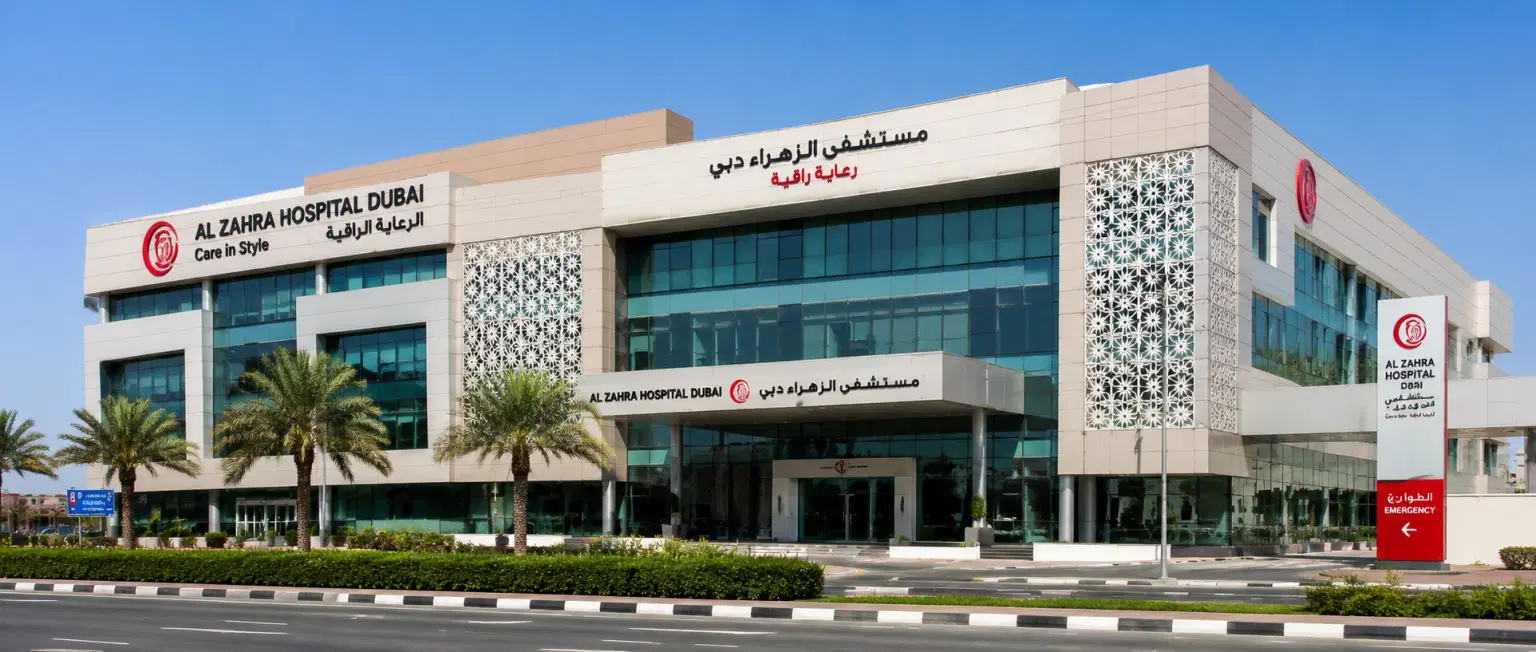
Al Zahra Hospital, Dubai
Sheikh Zayed Road, Al Barsha 1, Dubai, UAE
Al Zahra Hospital, Dubai
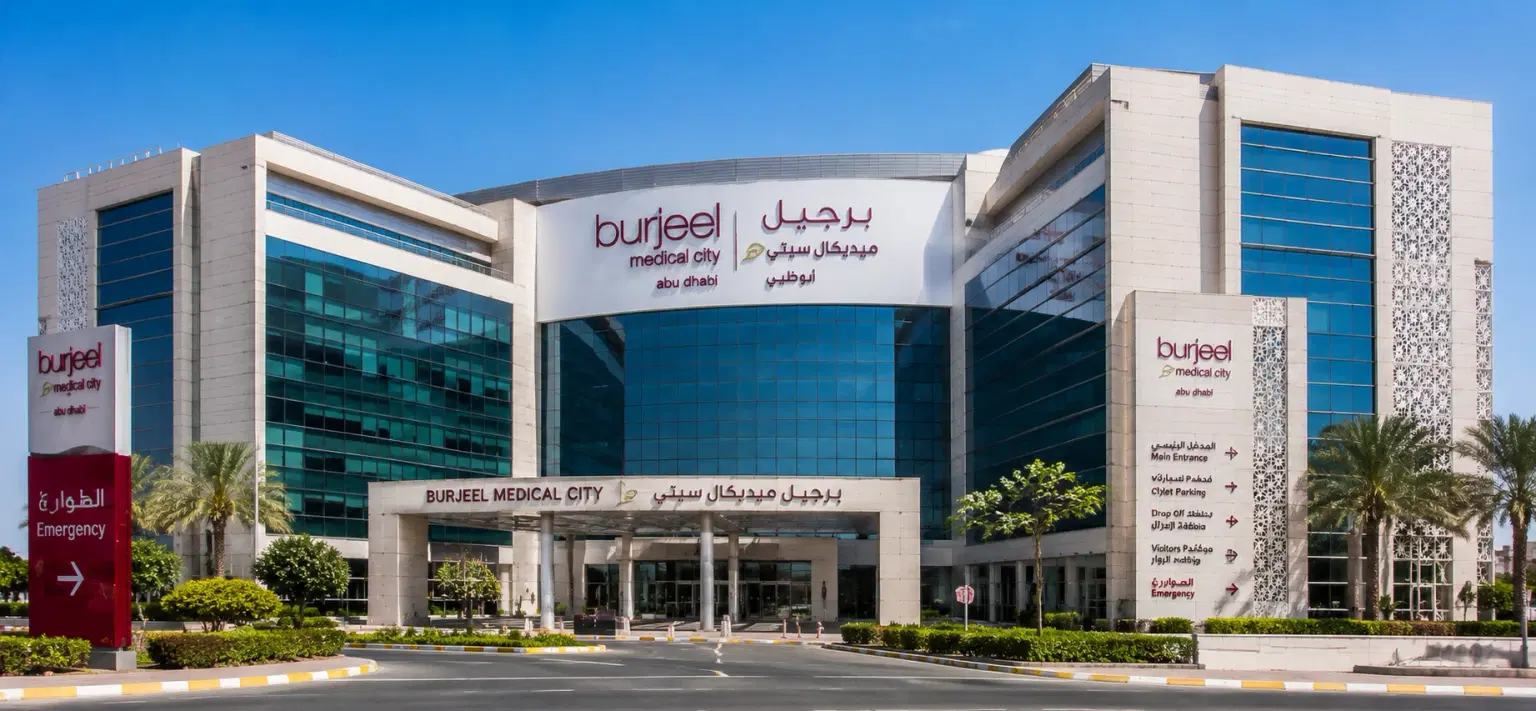
Burjeel Medical City, Abu Dhabi
28th Street, Mohammed Bin Zayed City, Abu Dhabi, UAE
Burjeel Medical City, Abu Dhabi
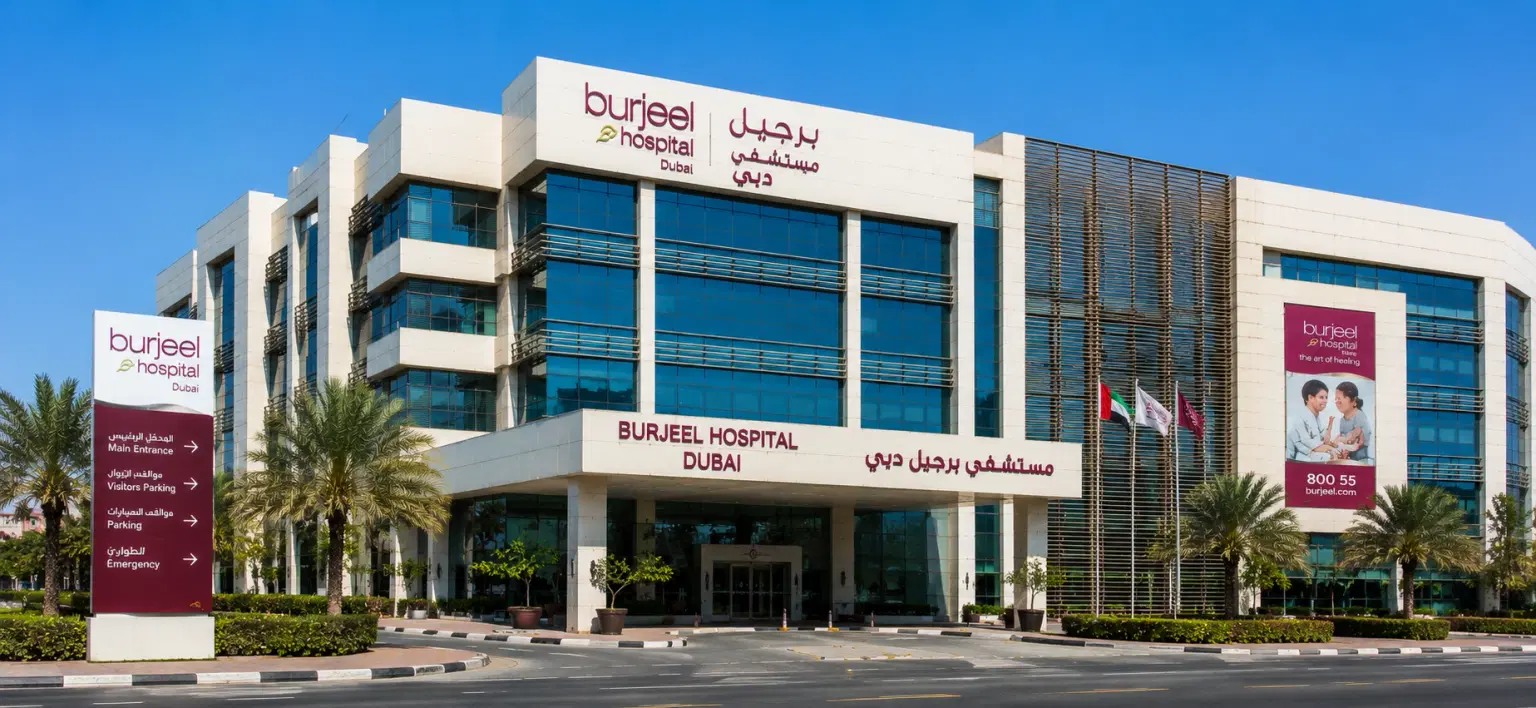
Burjeel Hospital, Dubai
Dubai, UAE (part of Burjeel Holdings network)
Burjeel Hospital, Dubai
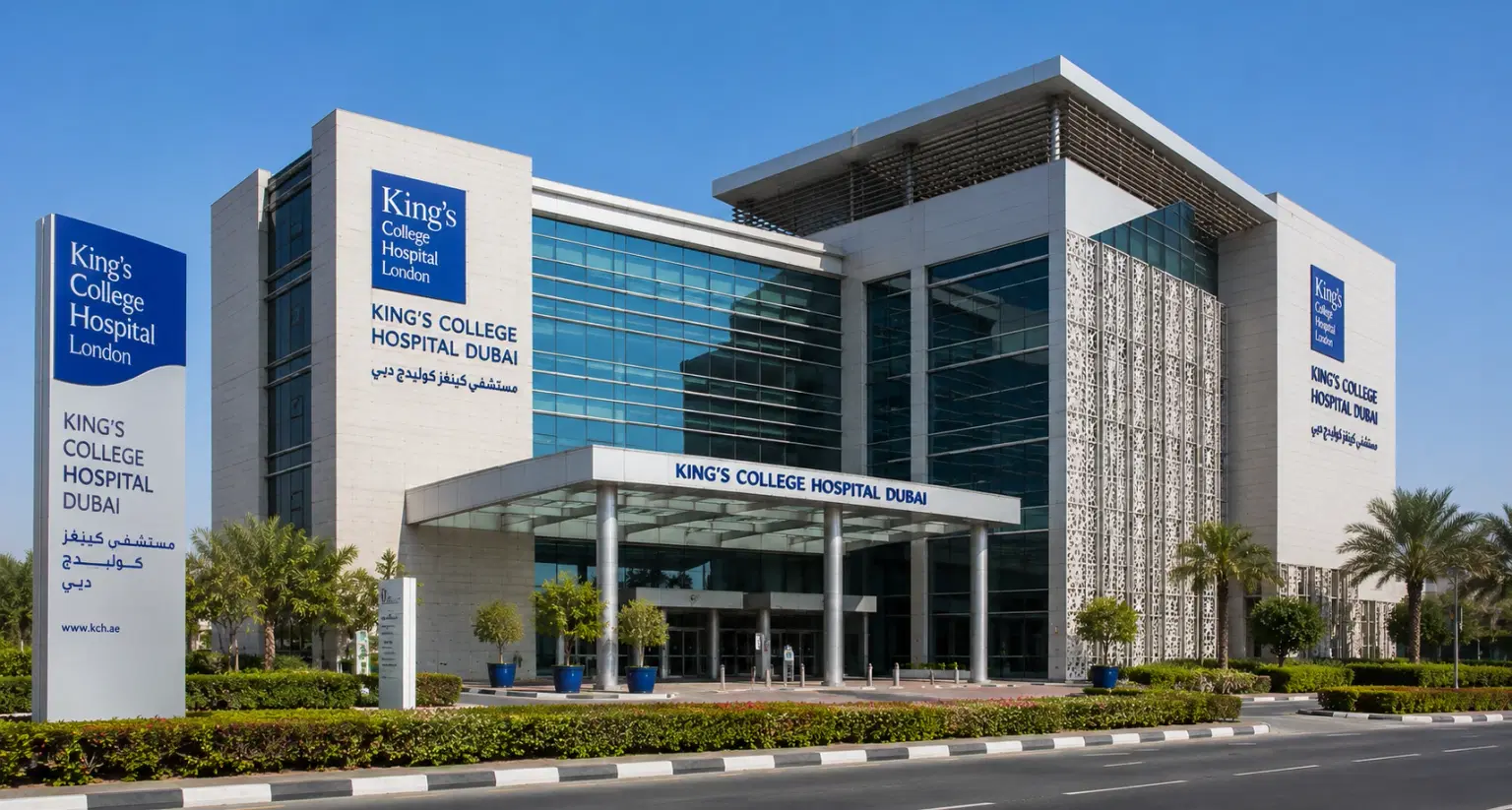
King's College Hospital, Dubai
Dubai Hills, Mohammed Bin Rashid City, Dubai, UAE
King's College Hospital, Dubai
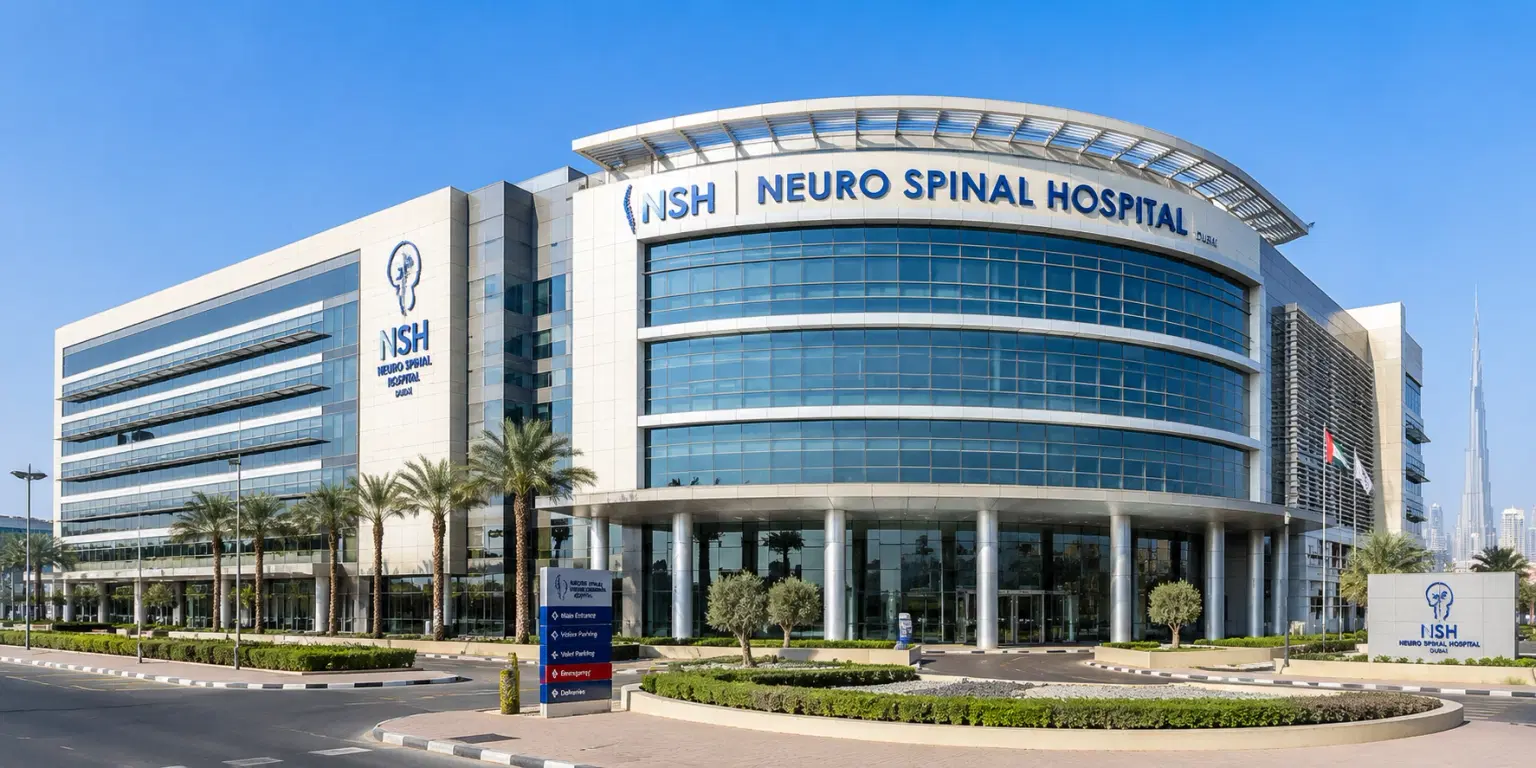
Neuro Spinal Hospital (NSH), Dubai
Dubai Science Park, Umm Suqeim St, Al Barsha South, Dubai, UAE
Neuro Spinal Hospital (NSH), Dubai

HMS Al Garhoud Hospital, Dubai
Al Garhoud Street, Al Garhoud, Dubai, UAE
HMS Al Garhoud Hospital, Dubai
Meet Our Doctors
Meet our team of highly qualified and experienced medical professionals dedicated to providing the best healthcare services.
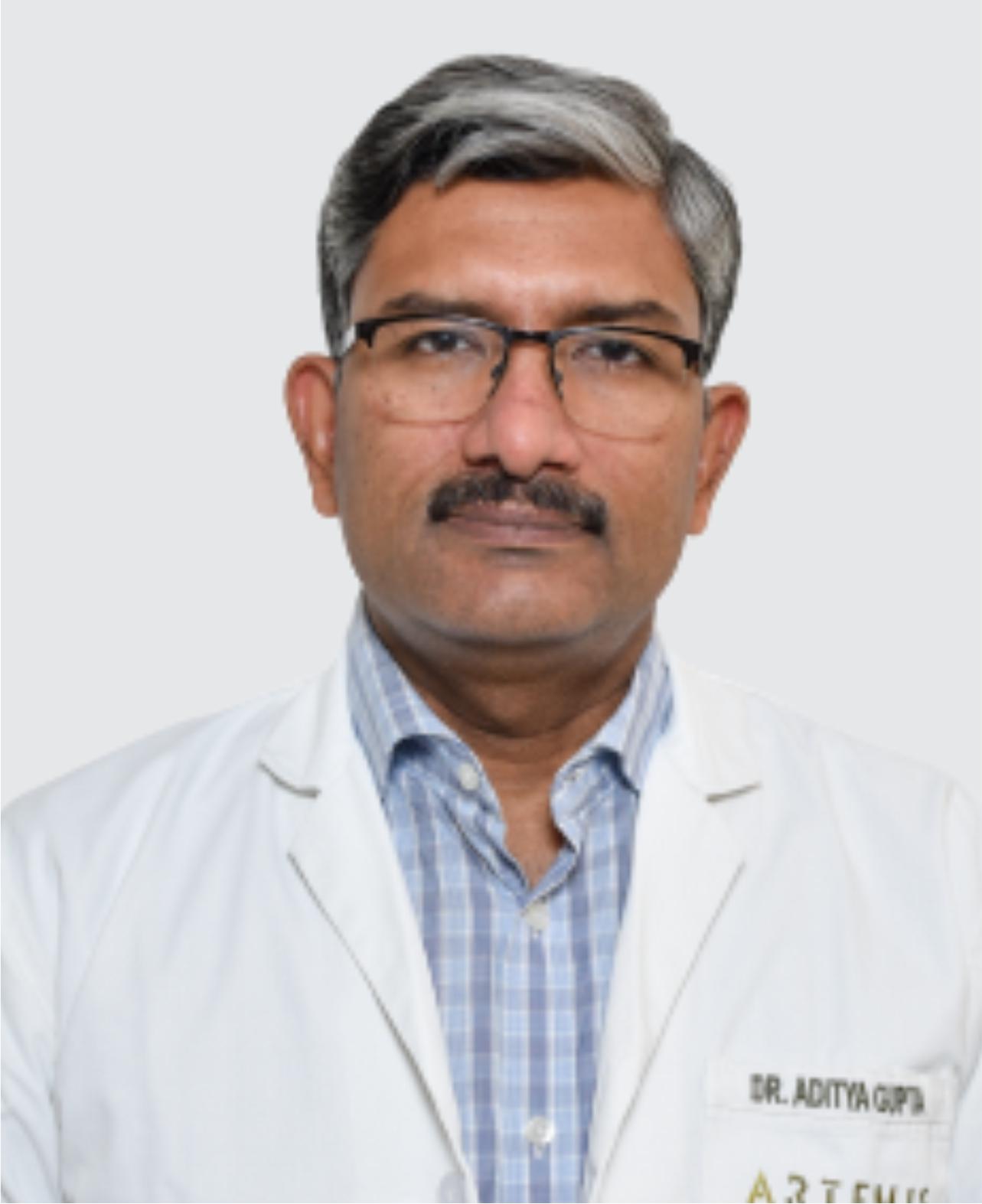
Dr. Aditya Gupta
Chairperson - Neurosurgery & CNS Radiosurgery & Co-Chief - Cyberknife Centre, Artemis Hospitals, Gurgaon
Neurosurgeon
Haryana
32+ Years
Experience
Artemis Hospital
Hospital
1500
Fees
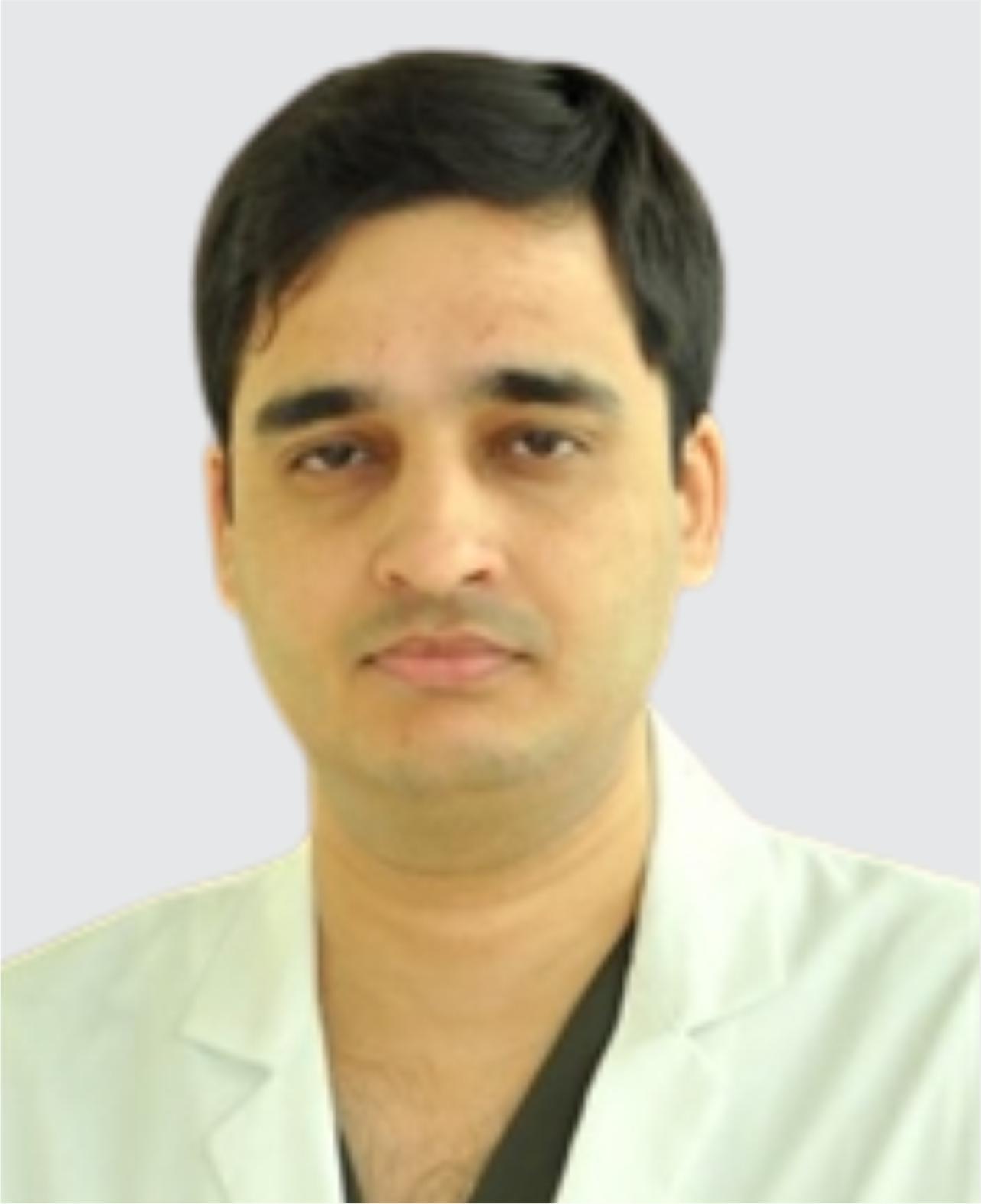
Dr. Amit Kalsotra
Sr. Consultant - Anaesthesia, Critical Care & Pain Management
Anaesthesia, Critical Care, Pain Management
New Delhi
15+ Years
Experience
Artemis Hospital
Hospital
1500
Fees

Dr. (Brig.) Anil Khetarpal
Deputy Chief - Medical Services & Chairperson -Department of Blood Centre and Transfusion medicine
Blood Centre & Transfusion Medicine
New Delhi
33+ Years
Experience
Artemis Hospital
Hospital
1500
Fees
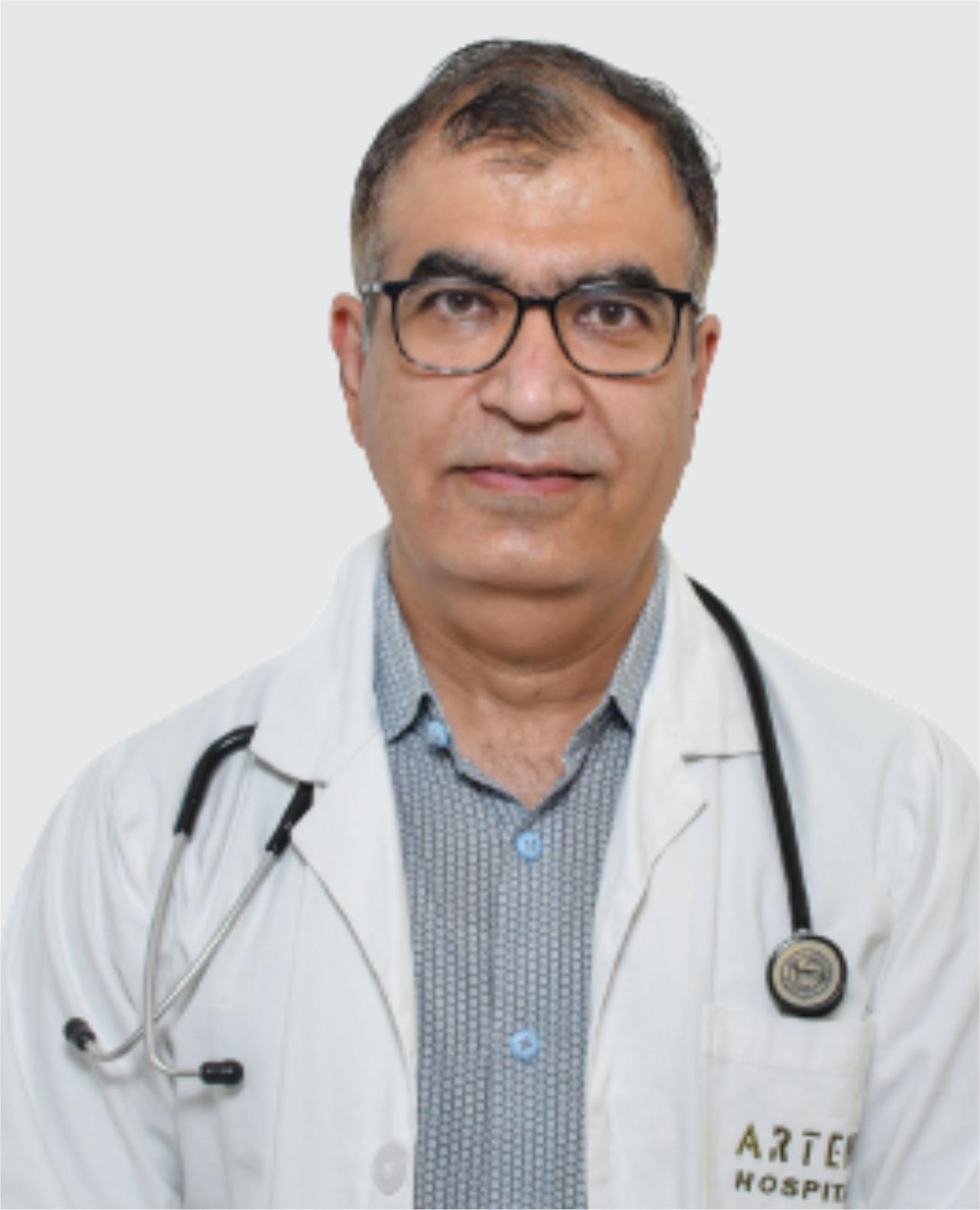
Dr. Rajiv Chhabra
Chief
Paediatric
New Delhi
15+ Years
Experience
Artemis Hospital
Hospital
1500
Fees
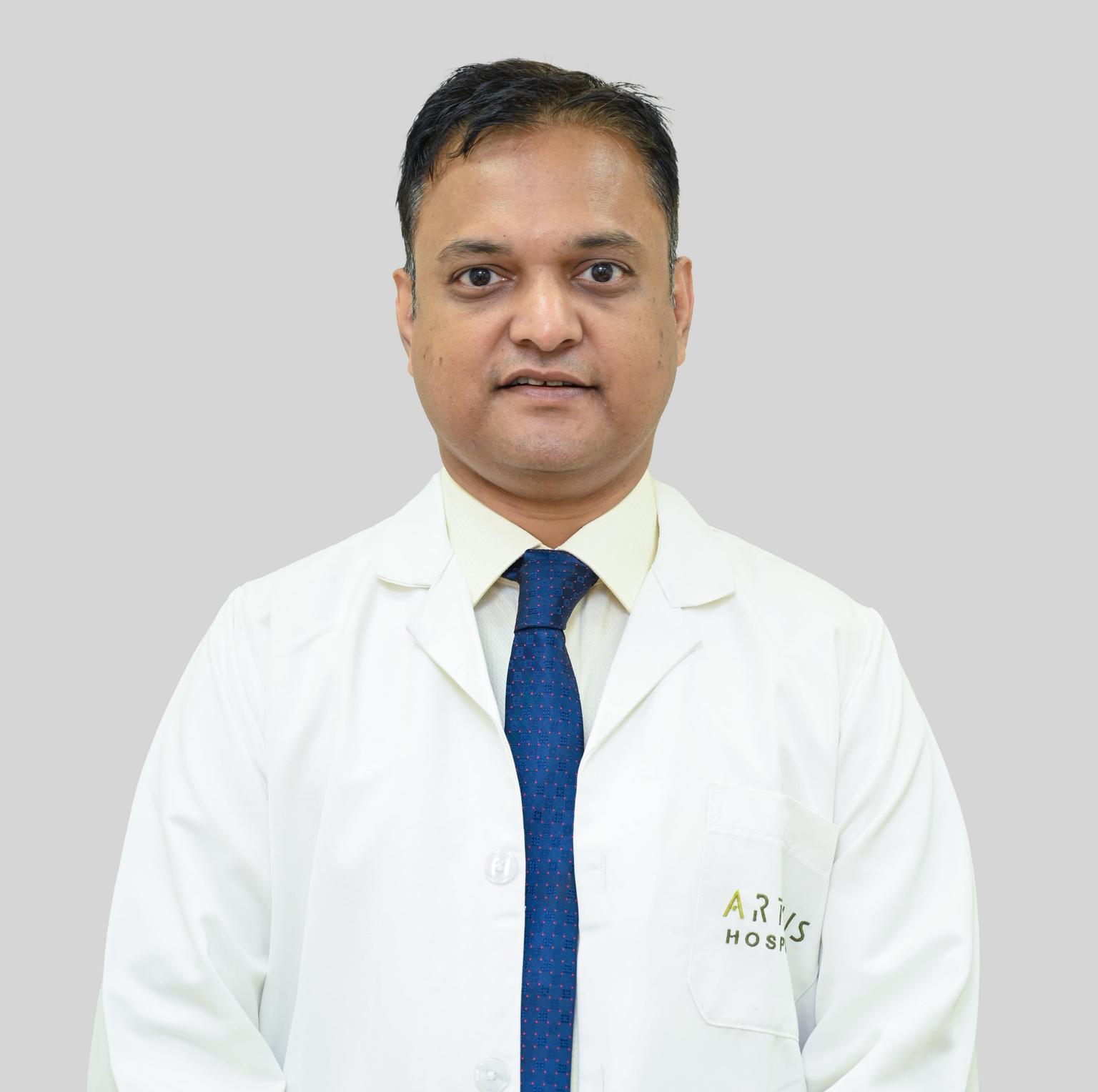
Dr. Rakesh Durkhure
Head - General, MI & Bariatric Surgery (Unit IV)
General & Minimally Invasive Surgery
New Delhi
25+ Years
Experience
Artemis Hospital
Hospital
1500
Fees

Dr. Sachin Sethi
Principal Lead - Physiotherapy
Physiotherapy and Rehabilitation
New Delhi
13+ Years
Experience
Artemis Hospital
Hospital
1500
Fees
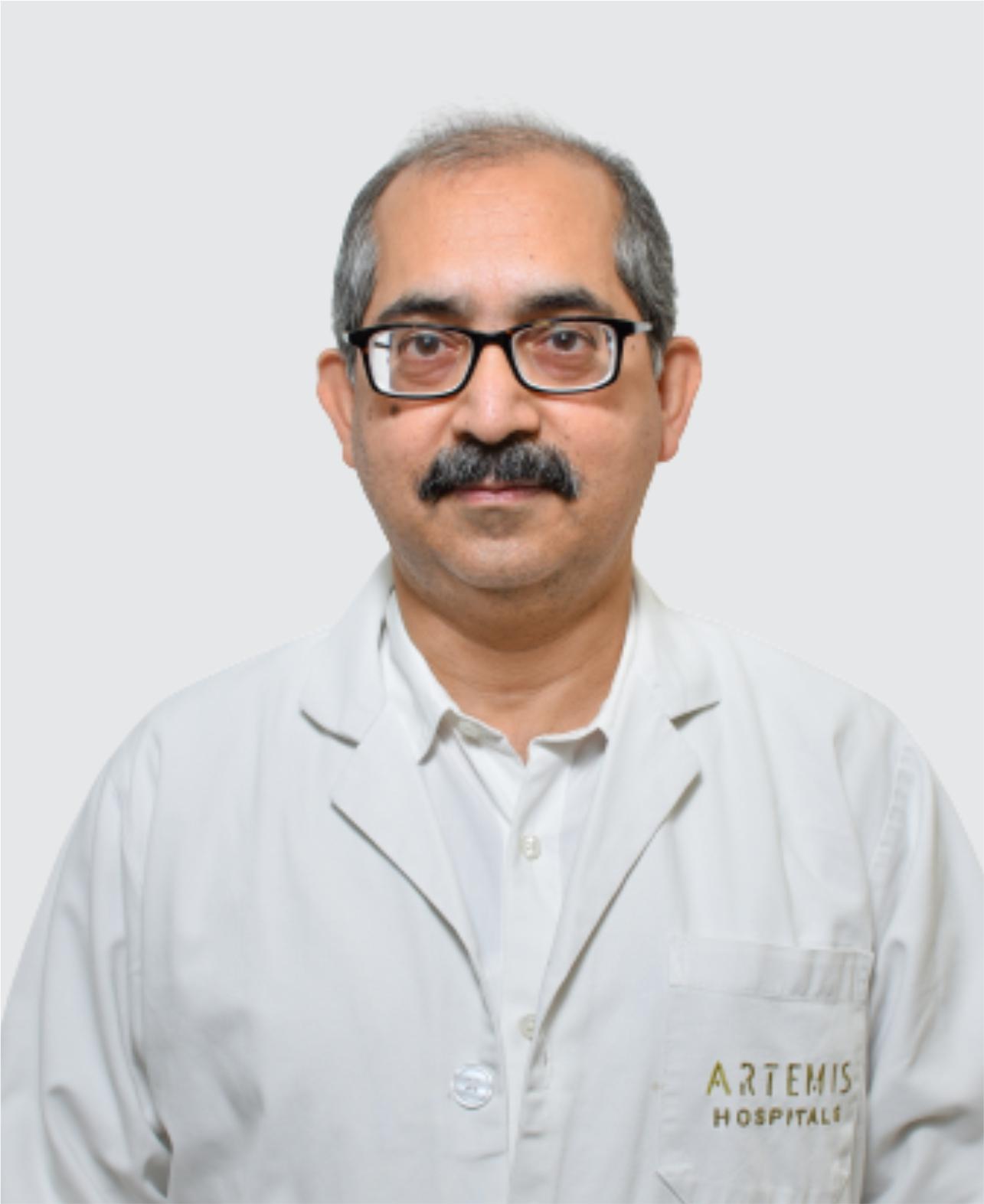
Dr. Sanjay Mehta
Chairperson
Radiology
New Delhi
28+ Years
Experience
Artemis Hospital
Hospital
1500
Fees
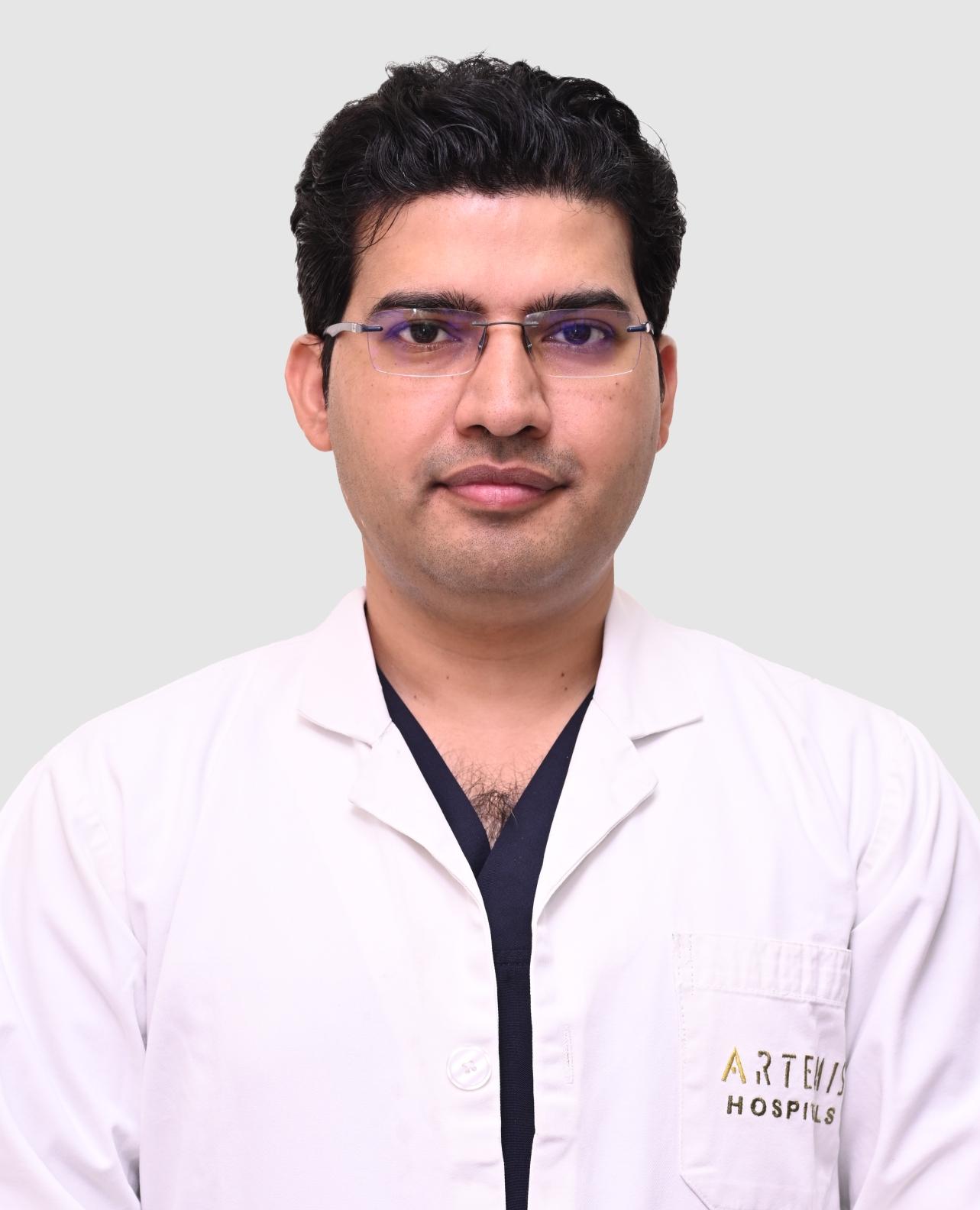
Dr. Sumit Kumar
Consultant - Orthopaedics & Spine Surgery
Orthopaedic & Spine Surgery
New Delhi
10+ Years
Experience
Artemis Hospital
Hospital
1500
Fees
Dr. Varun Khanna
Consultant - Orthopaedics & Spine Surgery
Orthopaedic and Spine Surgery
New Delhi
10+ Years
Experience
Artemis Hospital
Hospital
1500
Fees
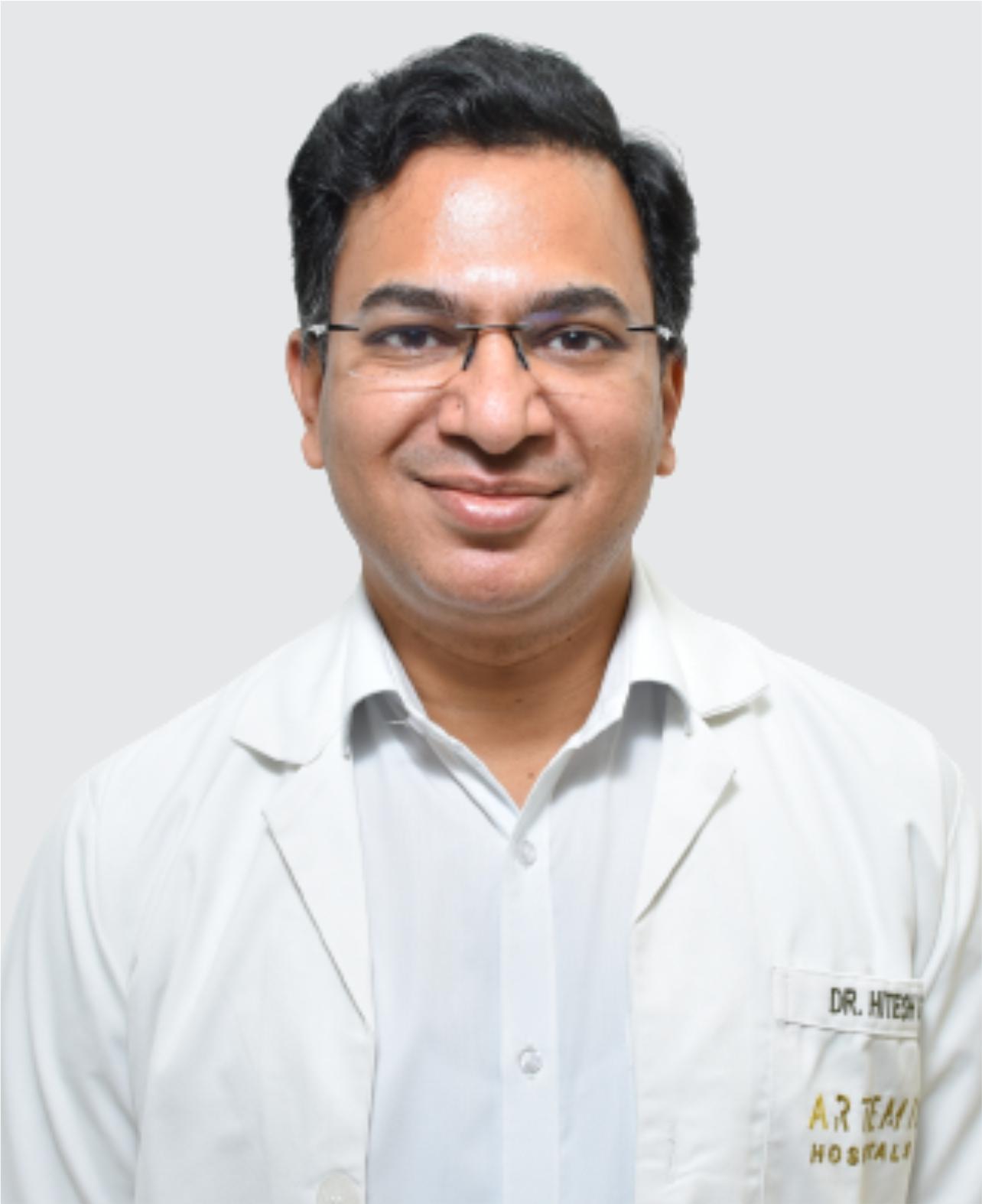
Dr. Hitesh Garg
Head - Ortho Spine Surgery
Spine Surgery, Orthopaedic Surgery
New Delhi
15+ Years
Experience
Artemis Hospital
Hospital
1500
Fees
Related Links
Recent Blogs
Other Treatment related Information
- Minimally Invasive Spine Surgery cost in Bengaluru
- Minimally Invasive Spine Surgery cost in India
- Minimally Invasive Spine Surgery cost in Chennai
- Minimally Invasive Spine Surgery cost in Mumbai
- Minimally Invasive Spine Surgery cost in Pune
- Minimally Invasive Spine Surgery cost in New Delhi
- Minimally Invasive Spine Surgery cost in Haryana
- Minimally Invasive Spine Surgery cost in Hyderabad
- Minimally Invasive Spine Surgery Success Rate in New Delhi
- Minimally Invasive Spine Surgery Success Rate in Hyderabad
- Minimally Invasive Spine Surgery Success Rate in Pune
- Minimally Invasive Spine Surgery Success Rate in Chennai
- Minimally Invasive Spine Surgery Success Rate in Bengaluru
- Minimally Invasive Spine Surgery Success Rate in Haryana
- Minimally Invasive Spine Surgery Success Rate in India
- Minimally Invasive Spine Surgery Success Rate in Mumbai
- Best Minimally Invasive Spine Surgery Doctors in India
- Best Minimally Invasive Spine Surgery Doctors in Chennai
Ready To Start Your Healing Journey?
Get Personalized Medical Treatment Options From India's Top Hospitals. Our Medical Experts Are Ready To Assist You Every Step Of The Way.