
Endovascular Thrombectomy for Stroke Treatment in Hyderabad for Bangladesh
Need Personalized Advice?
Our medical experts are ready to answer your questions and guide you through your treatment options.
Our medical experts are ready to answer your questions and guide you through your treatment options.
For many patients in Bangladesh facing the urgent need for stroke treatment, the search for advanced care can bring uncertainty. Understanding the best options for Endovascular Thrombectomy, a time-critical procedure, involves looking beyond local facilities to ensure optimal outcomes and recovery.
Hyderabad has emerged as a preferred destination for complex neurovascular procedures. Patients often consider Hyderabad for its concentrated healthcare infrastructure, offering specialized stroke centers and well-coordinated medical teams dedicated to acute neurological emergencies.
Trust in Hyderabad’s medical community is built on its roster of highly skilled neurointerventional specialists and state-of-the-art hospitals. The city provides comprehensive care, from initial diagnosis to post-procedure follow-ups, ensuring a seamless experience for international patients.
Hyderabad offers advanced Endovascular Thrombectomy solutions with experienced medical professionals.
Endovascular Thrombectomy for Stroke is a minimally invasive surgical procedure designed to remove a blood clot from a large artery in the brain. This intervention is crucial for patients experiencing an acute ischemic stroke, which occurs when a blood clot blocks blood flow to part of the brain. By restoring blood flow quickly, the procedure aims to minimize brain damage and improve functional outcomes. It is performed by neurointerventional surgeons using specialized catheters and devices inserted through a small incision, typically in the groin.
The primary goal of endovascular thrombectomy is clot retrieval. Several sophisticated techniques are employed:
The precise steps for performing Endovascular Thrombectomy are determined by the patient's condition and the medical team's treatment plan.
The procedure is typically performed in a specialized angiography suite under local or general anesthesia:
A small incision is made, usually in the groin, to access the femoral artery. A guide catheter is then inserted and carefully advanced through the blood vessels under X-ray guidance to reach the affected artery in the neck.
A microcatheter or guide wire is threaded through the guide catheter and navigated precisely through the cerebral arteries until it reaches the location of the blood clot in the brain.
Depending on the technique chosen, a stent retriever is deployed through the microcatheter into the clot, or an aspiration catheter is used to suction the clot. The device engages the clot, and both are then carefully withdrawn from the artery, removing the blockage.
After clot removal, an angiogram is performed to confirm successful restoration of blood flow and to check for any residual blockage or complications. The catheters are then removed, and pressure is applied to the groin incision to stop bleeding. No stitches are usually needed at the access site.
Following Endovascular Thrombectomy, patients are typically monitored closely in an intensive care unit (ICU) for at least 24-48 hours. Recovery involves continued neurological assessments, blood pressure management, and monitoring for any complications. Rehabilitation, including physical therapy, occupational therapy, and speech therapy, often begins early to help patients regain lost functions. The healing time varies greatly depending on the initial stroke severity and the extent of brain damage. Follow-up appointments with neurologists and rehabilitation specialists are essential for ongoing care and progress evaluation.
The success rates for Endovascular Thrombectomy are generally high, especially when performed within the recommended time window. Studies show that a significant percentage of patients achieve good functional outcomes, meaning they can live independently after the stroke. However, individual results can vary based on factors like stroke severity, age, overall health, and the time elapsed before treatment. Long-term expectations focus on ongoing rehabilitation and lifestyle adjustments to prevent future strokes and maximize recovery.
Connect with our patient support team today to learn more about Endovascular Thrombectomy and specialists in Hyderabad. We guide you through every step.
The cost of Endovascular Thrombectomy for Stroke in Hyderabad can vary based on several factors. These include the specific hospital chosen, the experience and fees of the neurointerventional specialist, the complexity of the stroke, the technology used, and the length of hospital stay, particularly in intensive care.
Generally, the cost for this procedure in Hyderabad can range from INR 7,00,000 to INR 15,00,000.
Patients from Bangladesh often find Hyderabad offers a compelling balance of advanced medical care and affordability for Endovascular Thrombectomy, especially when compared to Western countries.
| Location | Estimated Cost (USD) |
|---|---|
| Hyderabad, India | $8,500 - $18,000 |
| United States | $50,000 - $120,000 |
| United Kingdom | $35,000 - $70,000 |
| Singapore | $30,000 - $60,000 |
| Thailand | $15,000 - $30,000 |
Our dedicated team is ready to assist you. Reach out to discuss your needs and start planning your Endovascular Thrombectomy treatment.
Choosing the right path for Endovascular Thrombectomy is a significant decision. Hyderabad's specialized care offers a reliable option for patients from Bangladesh.
India offers premium medical procedures at affordable prices. Discover our most popular treatments, delivered by the country's finest doctors.
Meet our team of highly qualified and experienced medical professionals dedicated to providing the best healthcare services.
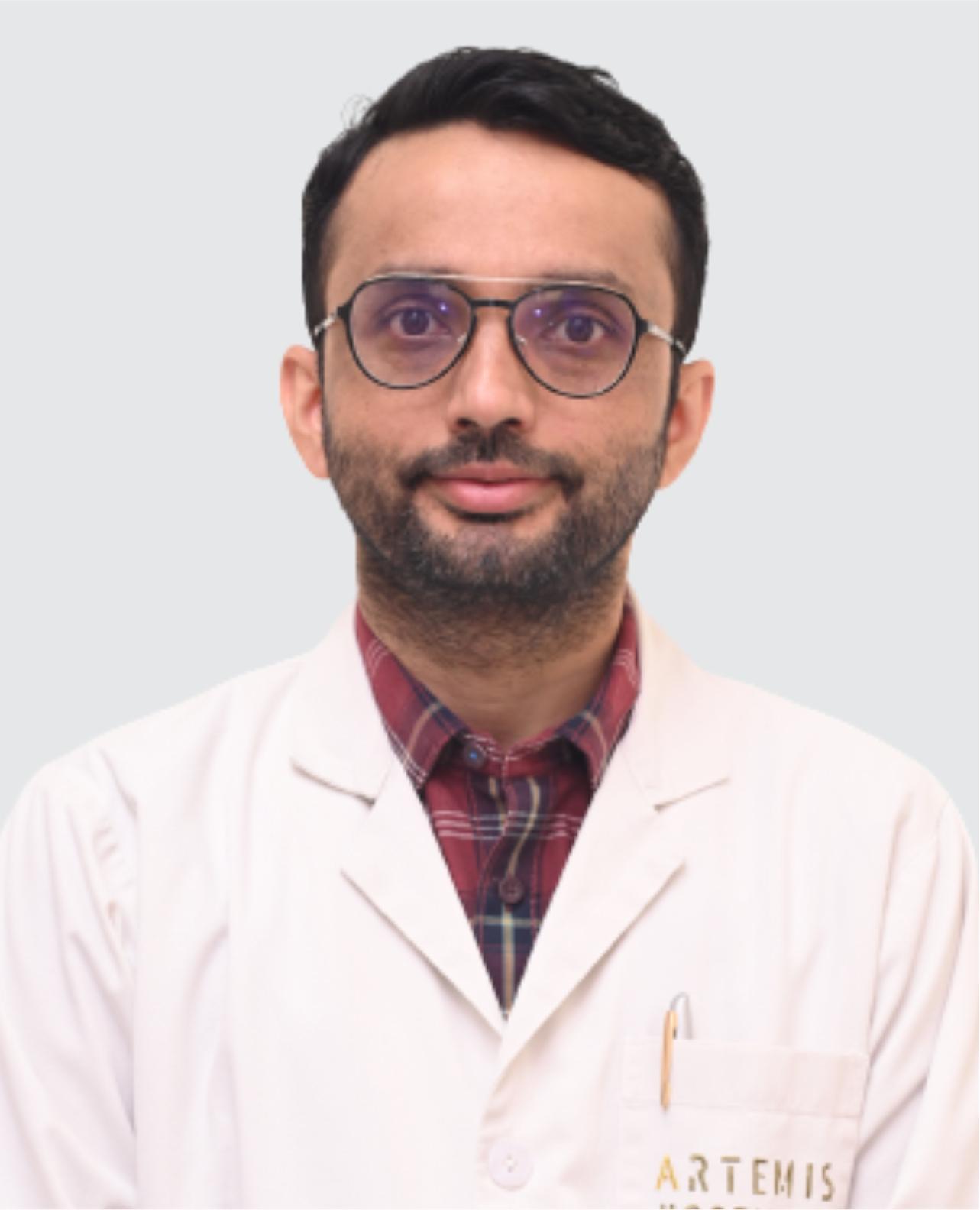
Sr. Consultant-Neurology & Epilepsy
Neurology & Epilepsy
New Delhi
15+ Years
Experience
Artemis Hospital
Hospital
1500
Fees
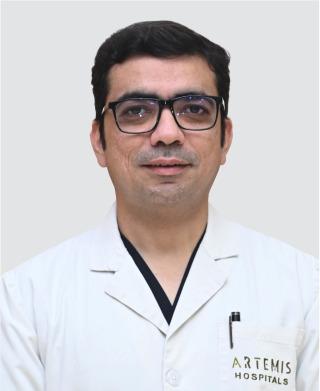
Director & Chief
Neurointerventional Surgery
New Delhi
15+ Years
Experience
Artemis Hospital
Hospital
1500
Fees

Consultant - Neurology & Movement Disorders
Neurology
New Delhi
15+ Years
Experience
Artemis Hospital
Hospital
1500
Fees

Additional Consultant - Neuro Interventional Surgery
Neurointerventional Surgery
New Delhi
20+ Years
Experience
Artemis Hospital
Hospital
1500
Fees
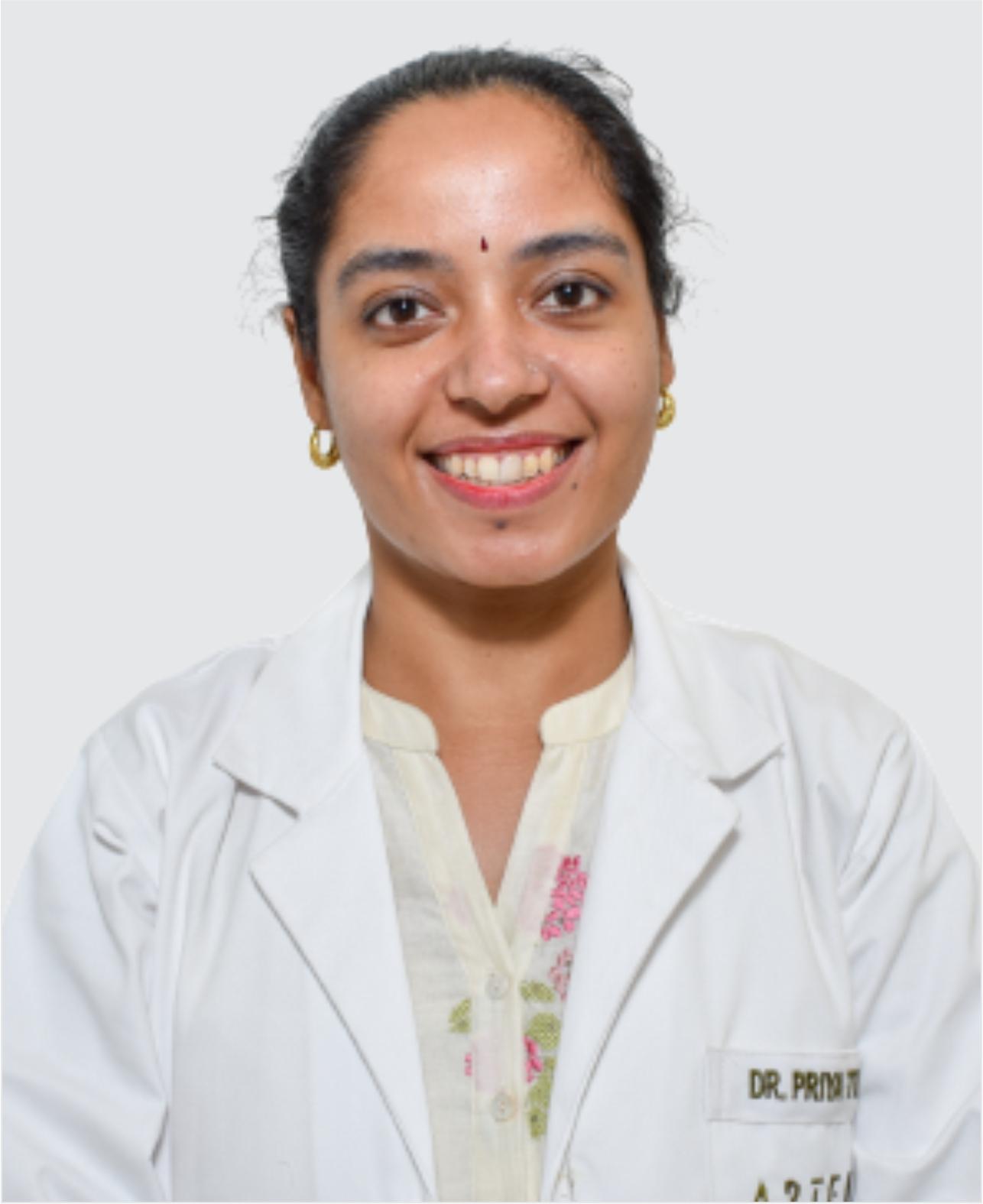
Sr. Consultant
Radiology
New Delhi
12+ Years
Experience
Artemis Hospital
Hospital
1500
Fees
Senior Medical Oncologist
Medical Oncology, Haemato-medical Oncology
New Delhi
15+ Years
Experience
Max Hospital,Gurgaon
Hospital
1500
Fees
Principal Director - Pulmonology
Pulmonology
New Delhi
40+ Years
Experience
Max Hospital,Gurgaon
Hospital
1500
Fees
Director
Neurology
New Delhi
28+ Years
Experience
Apolo Delhi
Hospital
1500
Fees
Senior Consultant - Neurology
Neurology
New Delhi
12+ Years
Experience
Apolo Delhi
Hospital
1500
Fees
Director
Neurology
New Delhi
30+ Years
Experience
Apolo Delhi
Hospital
1500
Fees
Get Personalized Medical Treatment Options From India's Top Hospitals. Our Medical Experts Are Ready To Assist You Every Step Of The Way.