
Endovascular Thrombectomy for Stroke Success Rate in India
Need Personalized Advice?
Our medical experts are ready to answer your questions and guide you through your treatment options.
About
Understanding Endovascular Thrombectomy for Stroke Success Rate in India
For individuals facing acute ischemic stroke, understanding the Endovascular Thrombectomy for Stroke success rate in India is crucial for making informed decisions. Outcomes are influenced by various factors, including the timing of intervention, clot characteristics, and the patient's overall health profile. India offers advanced neurovascular care, attracting patients seeking high-quality treatment options for stroke recovery.
Success rates for Endovascular Thrombectomy for Stroke in India are evaluated through aggregated clinical data and treatment-level assessments from leading institutions. These outcomes provide a valuable overview, though individual results can vary significantly. Such variations often depend on the specific treatment protocols, patient selection criteria, and the stage of stroke at intervention.
What Success Means for Endovascular Thrombectomy for Stroke
In the context of Endovascular Thrombectomy for Stroke, "success" is generally defined by achieving functional independence and improved neurological outcomes following the procedure. This often includes a significant reduction in disability, measured by standardized scales. It’s important to distinguish between immediate technical success, like clot removal, and long-term functional recovery, which is the ultimate goal of the intervention. Patients also consider the Endovascular Thrombectomy for Stroke recovery rate in India as a key indicator.
Endovascular Thrombectomy for Stroke Outcomes and Success Factors
Success rates for Endovascular Thrombectomy for Stroke vary depending on the specific intervention approach and patient-specific factors. We also consider the stage wise Endovascular Thrombectomy for Stroke survival rate in India to assess overall treatment efficacy.
| Intervention Scenario | Typical Use Case | Success Rate Range (%) | What Success Indicates |
|---|---|---|---|
| Early Window Treatment (0-6 hours) | Acute stroke with large vessel occlusion, minimal infarct core | 60%–75% | Significant functional independence at 90 days, successful recanalization |
| Extended Window Treatment (6-24 hours) | Carefully selected patients with favorable imaging profiles | 40%–60% | Improved functional outcomes, reduction in disability scores |
| Complete Recanalization (TICI 2b/3) | Technical achievement of full blood flow restoration | 80%–95% | High probability of improved neurological scores and better prognosis |
Understanding Endovascular Thrombectomy for Stroke survival rate by age in India
Outcomes for Endovascular Thrombectomy for Stroke often show variations based on patient age, a trend consistent with international clinical observations. Younger patients typically present with better recovery potential compared to older adults, where comorbidities might influence results. This age-related pattern is well-documented globally, and facilities across India reflect similar findings.
| Age Group | Typical Functional Outcome (mRS 0-2) Range (%) |
|---|---|
| Under 60 years | 65%–80% |
| 60–79 years | 50%–65% |
| 80+ years | 35%–50% |
Endovascular Thrombectomy for Stroke Success Rate in India vs. Global Outcomes
The Endovascular Thrombectomy for Stroke survival rate in India is increasingly comparable with international standards, particularly in specialized neurovascular centers that adopt advanced protocols and technology. When similar patient selection criteria and treatment guidelines are meticulously followed, India’s outcomes align well with globally reported figures.
| Country | Functional Independence (mRS 0-2) Rate Range (%) |
|---|---|
| India | 55%–70% |
| United States | 58%–72% |
| United Kingdom | 54%–68% |
| Germany | 57%–71% |
| Canada | 56%–70% |
| Australia | 55%–69% |
These figures are indicative averages, not guarantees. Individual patient conditions, treatment approaches, and post-procedure care significantly influence actual outcomes.
Factors Influencing Endovascular Thrombectomy for Stroke Outcomes
- Time to Treatment: Prompt intervention within the critical time window significantly improves outcomes.
- Initial Stroke Severity: The extent of neurological deficit before the procedure impacts recovery potential.
- Clot Characteristics: Location, size, and composition of the blood clot influence the ease of removal.
- Patient Age and Health: Younger patients and those without significant comorbidities often experience better recovery.
- Collateral Circulation: The presence of alternative blood supply routes can mitigate tissue damage.
- Expertise of Medical Team: The experience of the neurointerventionalist and the supporting team is vital.
- Post-Procedure Care: Comprehensive rehabilitation and medical management are crucial for long-term recovery.
Data Sources and Methodology for Endovascular Thrombectomy for Stroke Outcomes
- National and international stroke registries provide aggregated data on patient demographics and outcomes.
- Peer-reviewed medical literature, including large-scale clinical trials and meta-analyses, informs success rate estimations.
- Aggregated multi-hospital outcome data from specialized neurovascular centers contribute to national averages.
- Leading centers such as AIIMS, Post Graduate Institute of Medical Education and Research, and major institutes follow evidence-based protocols and contribute to national data sets.
Informed Decisions for Stroke Care
Understanding Endovascular Thrombectomy for Stroke outcomes empowers patients and their families. This data-driven insight supports making confident choices regarding advanced stroke interventions.
Hospitals Offering this treatment
India offers premium medical procedures at affordable prices. Discover our most popular treatments, delivered by the country's finest doctors.
Meet Our Doctors
Meet our team of highly qualified and experienced medical professionals dedicated to providing the best healthcare services.
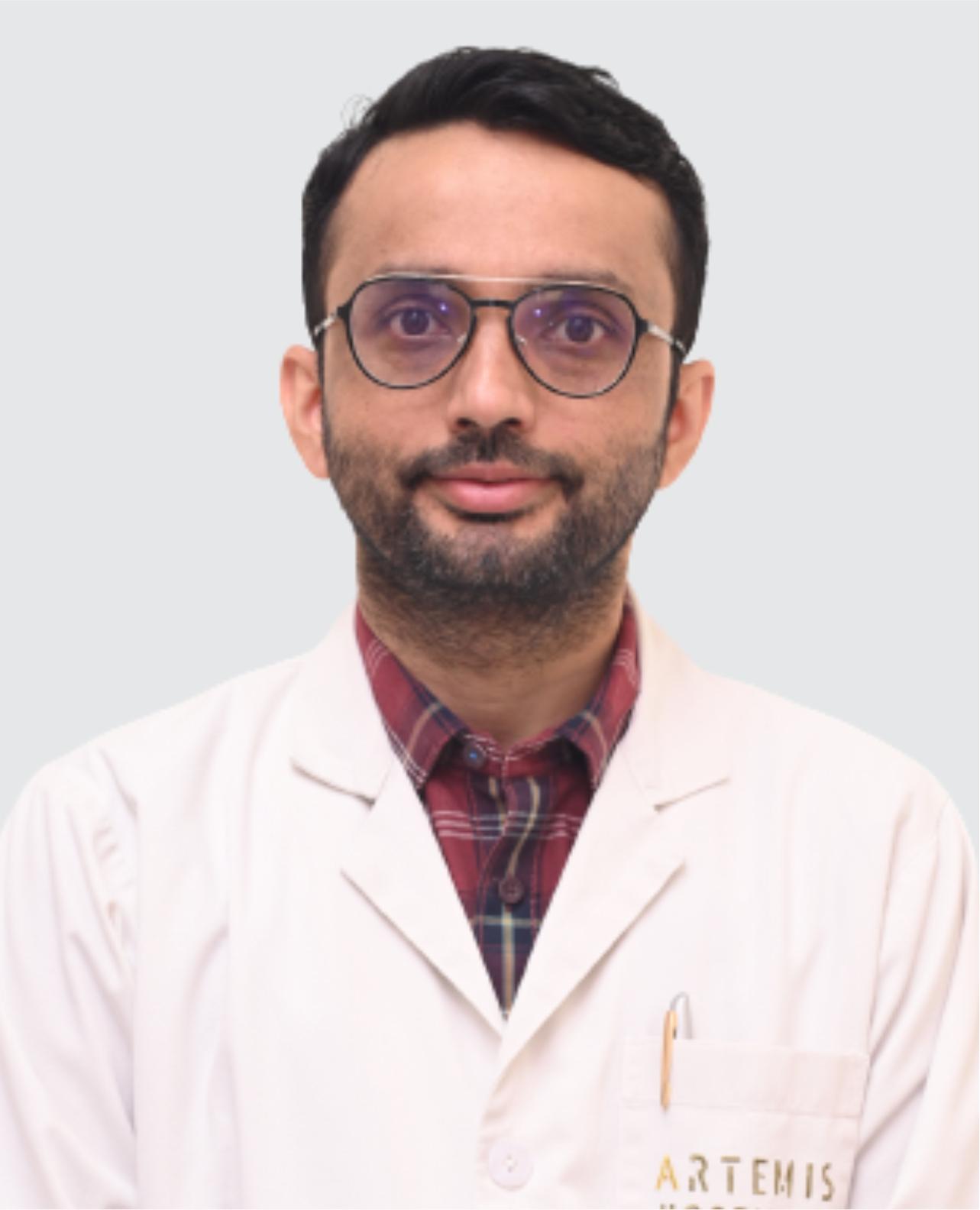
Dr. Vivek Barun
Sr. Consultant-Neurology & Epilepsy
Neurology & Epilepsy
New Delhi
15+ Years
Experience
Artemis Hospital
Hospital
1500
Fees
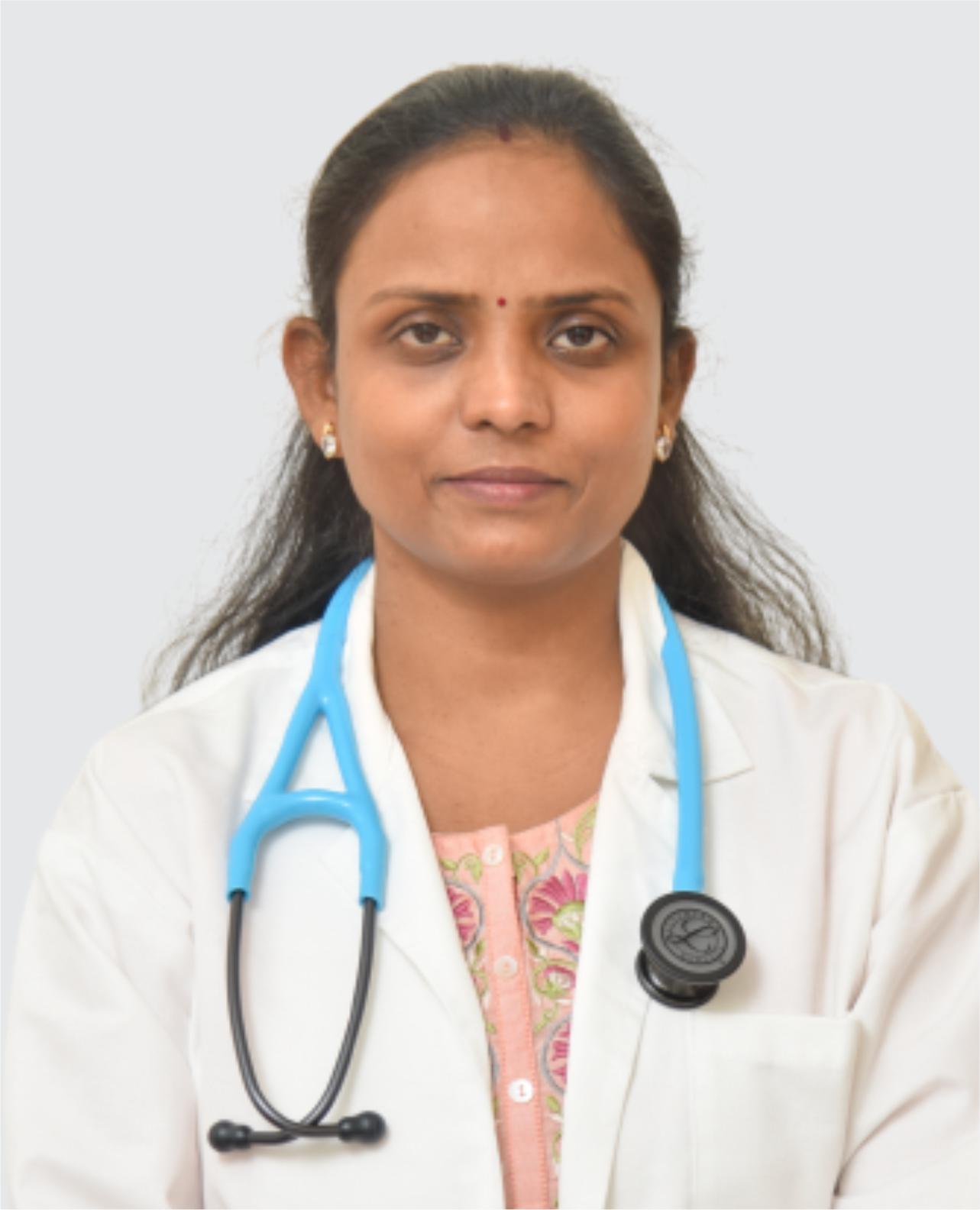
Dr. Anju Singh
Consultant - Pediatric Rheumatology
Pediatric Rheumatology
New Delhi
13+ Years
Experience
Artemis Hospital
Hospital
1500
Fees
Dr. Tariq Matin
Director & Chief
Neurointerventional Surgery
New Delhi
15+ Years
Experience
Artemis Hospital
Hospital
1500
Fees
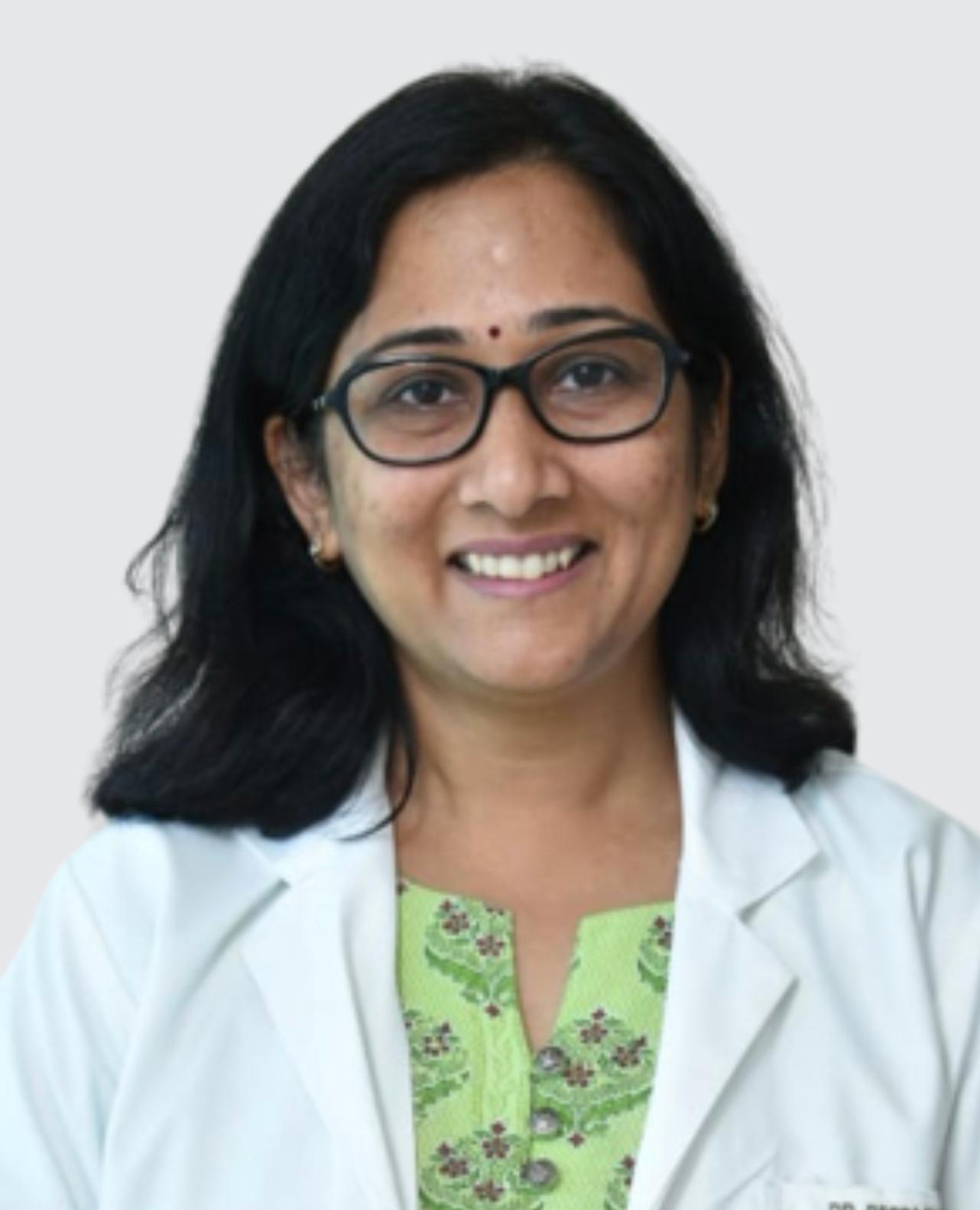
Dr. Deepa Maheshwari
Unit Head
Maternity, Obstetrics & Gynaecology
New Delhi
20+ Years
Experience
Artemis Hospital
Hospital
1500
Fees
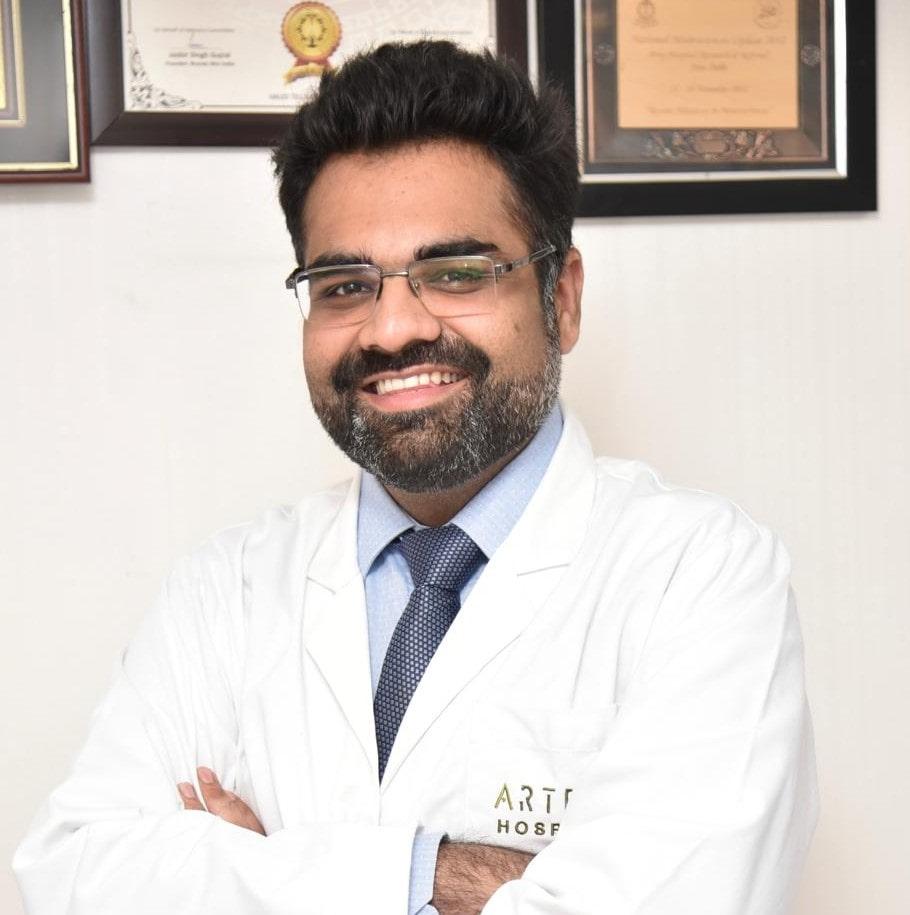
Dr. Mohit Anand
Consultant - Neurology & Movement Disorders
Neurology
New Delhi
15+ Years
Experience
Artemis Hospital
Hospital
1500
Fees
Dr. Mukesh Kumar
Additional Consultant - Neuro Interventional Surgery
Neurointerventional Surgery
New Delhi
20+ Years
Experience
Artemis Hospital
Hospital
1500
Fees
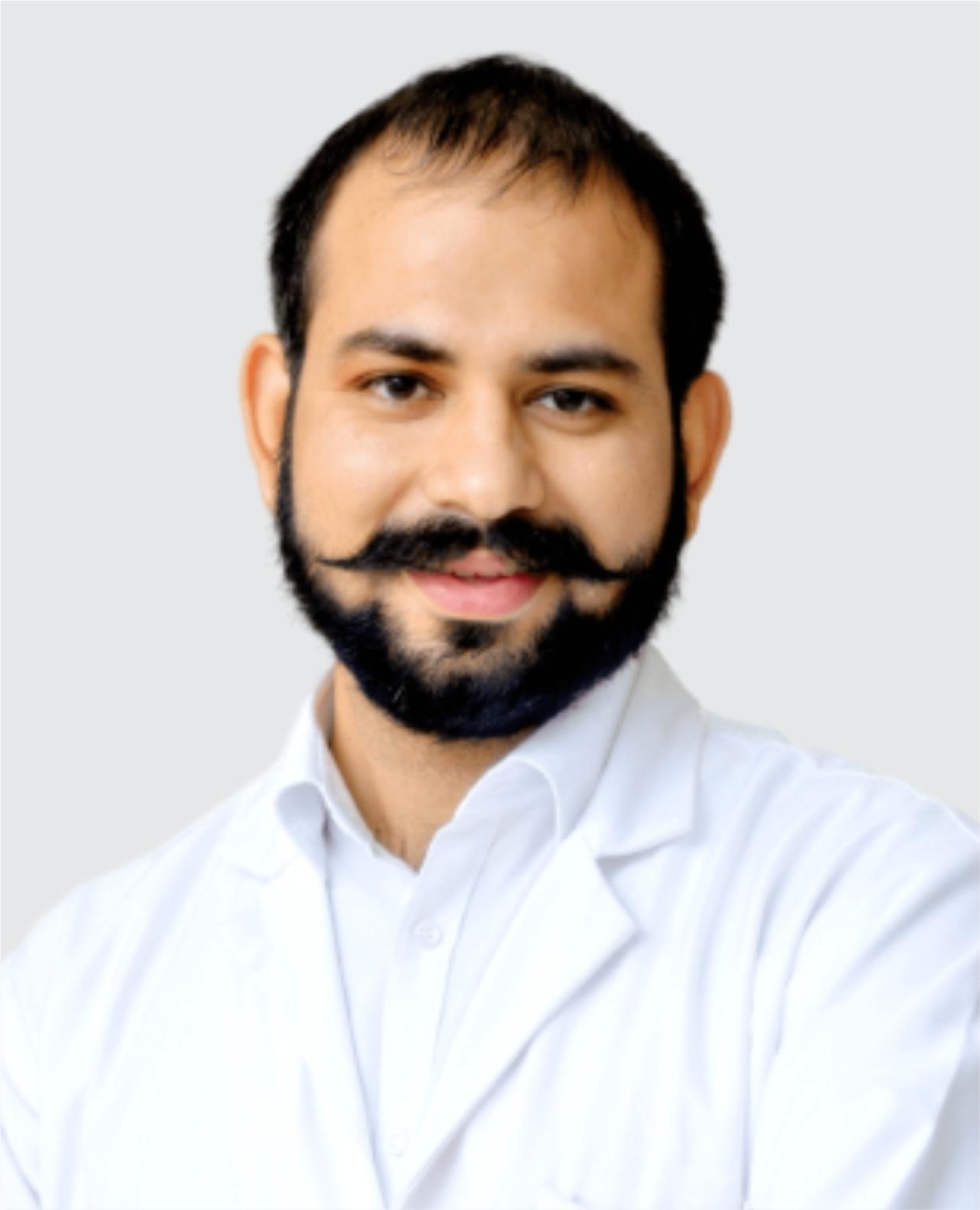
Dr. Sachin Sethi
Principal Lead - Physiotherapy
Physiotherapy and Rehabilitation
New Delhi
13+ Years
Experience
Artemis Hospital
Hospital
1500
Fees
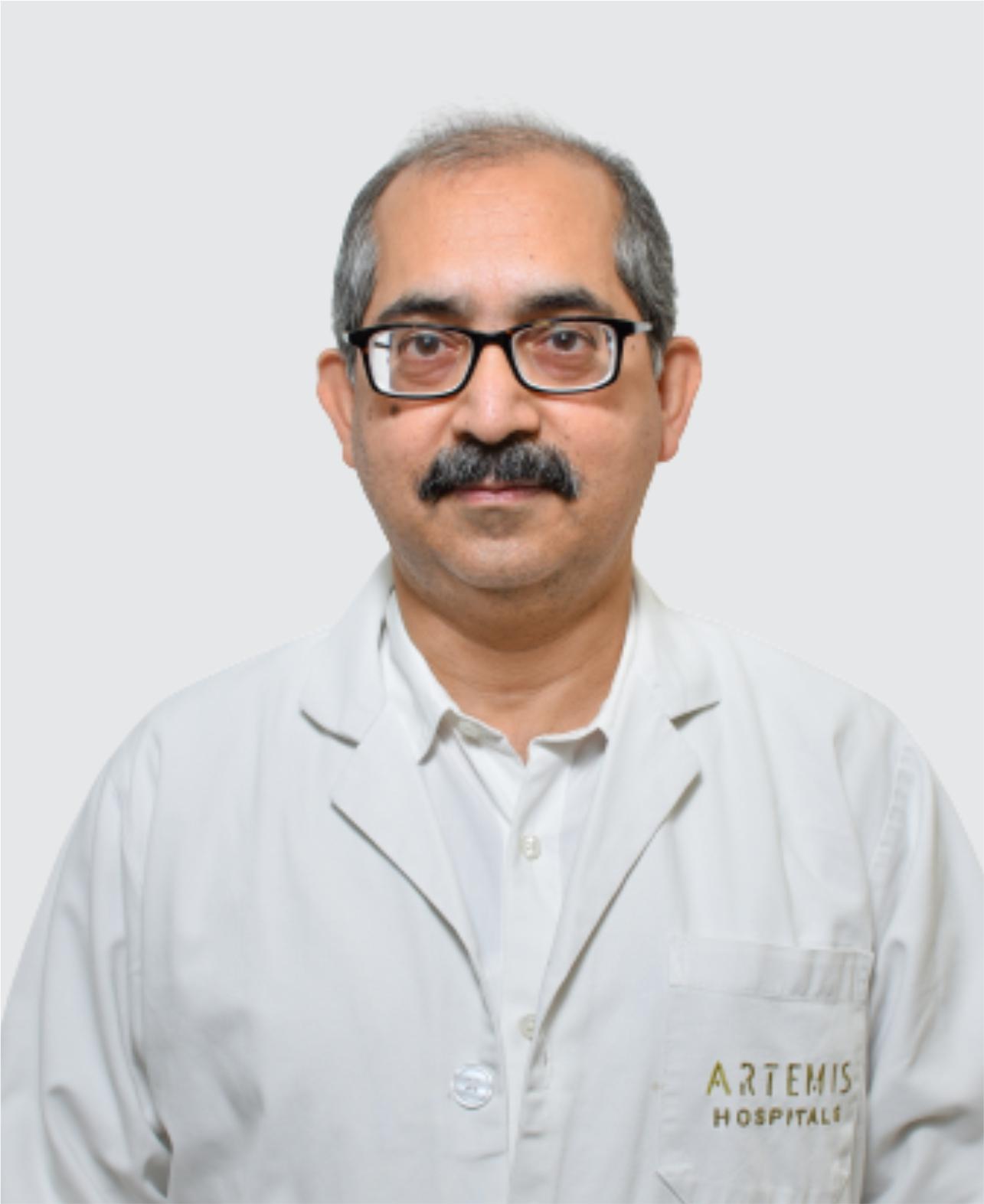
Dr. Sanjay Mehta
Chairperson
Radiology
New Delhi
28+ Years
Experience
Artemis Hospital
Hospital
1500
Fees
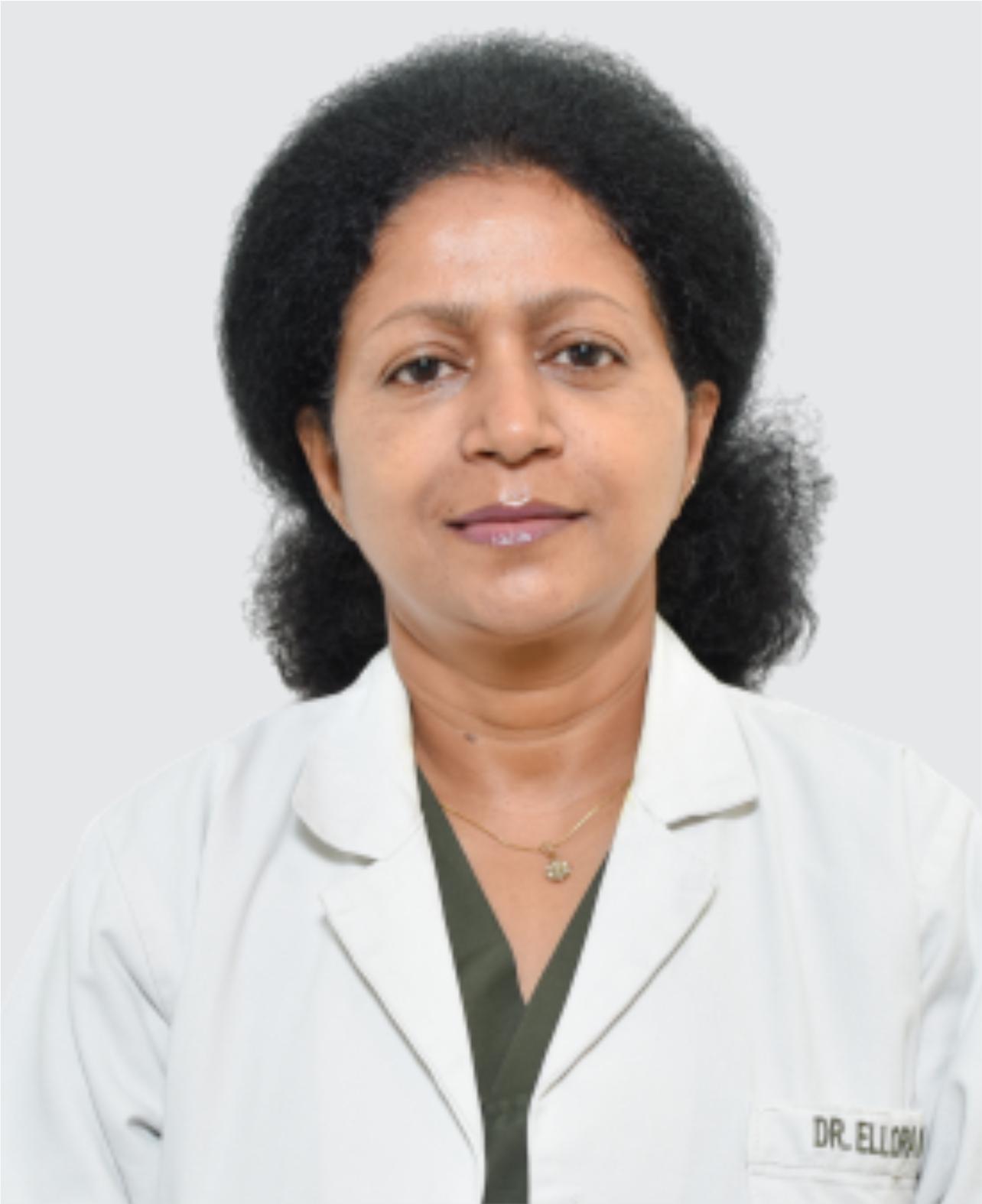
Dr. Ellora Nanda
Admin Head - Emergency
Emergency & Trauma Services
New Delhi
25+ Years
Experience
Artemis Hospital
Hospital
1500
Fees
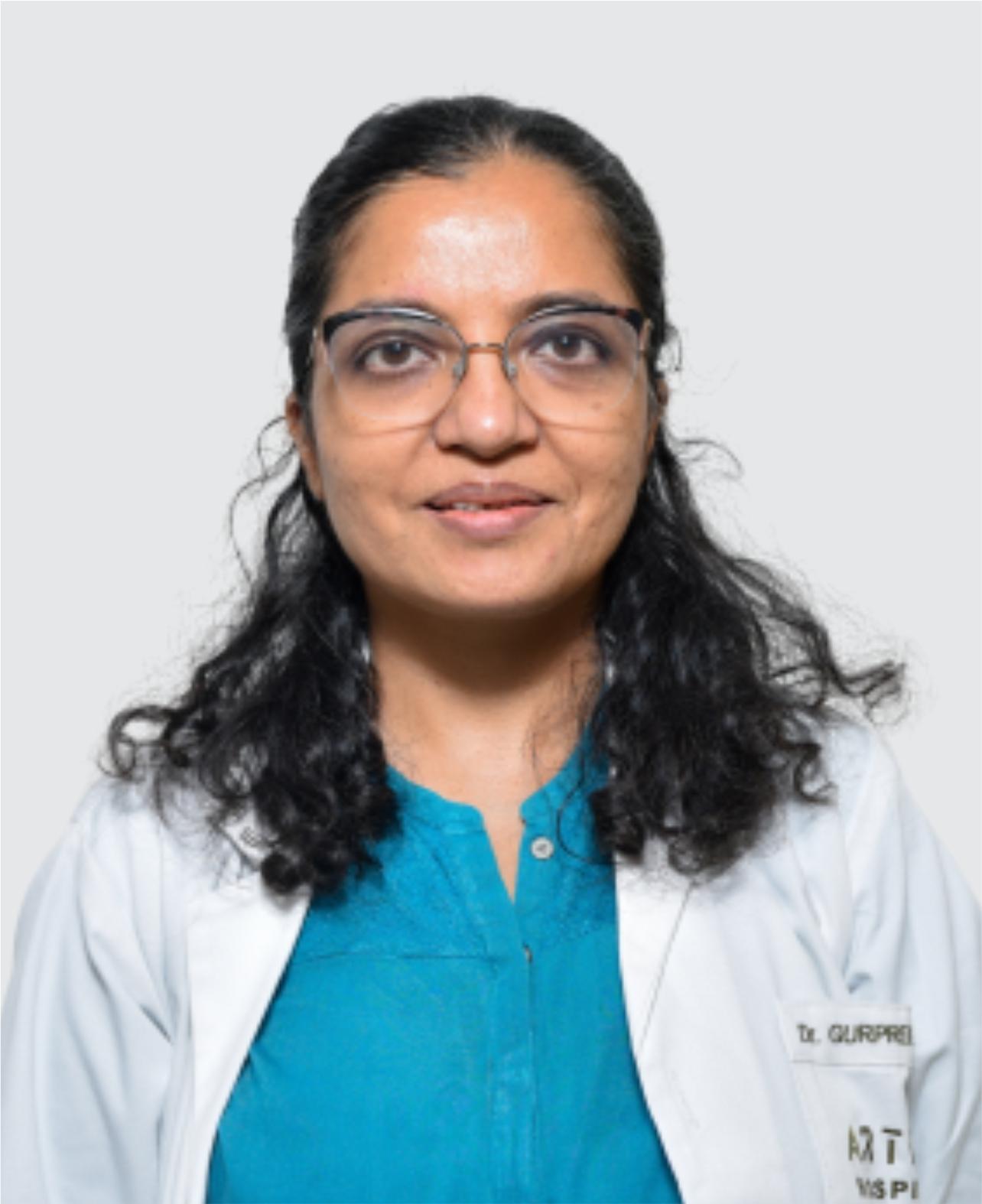
Gurpreet Makkar
Head Imaging & Chief DNB Program
Radiology
New Delhi
19+ Years
Experience
Artemis Hospital
Hospital
1500
Fees
Related Links
Other Treatment related Information
International Patient Visiting India
- Endovascular Thrombectomy for Stroke Treatment in India for Iraq
- Endovascular Thrombectomy for Stroke Treatment in India for Bangladesh
- Endovascular Thrombectomy for Stroke Treatment in India for Nigeria
- Endovascular Thrombectomy for Stroke Treatment in India for UAE
- Endovascular Thrombectomy for Stroke Treatment in India for Ethiopia
Ready To Start Your Healing Journey?
Get Personalized Medical Treatment Options From India's Top Hospitals. Our Medical Experts Are Ready To Assist You Every Step Of The Way.