Centres Of Excellence
Our Centres of Excellence bring together multidisciplinary teams to deliver precise diagnosis, advanced treatments, and superior outcomes across a wide spectrum of medical specialties.

OVERVIEW
Down Syndrome Comprehensive Care addresses the complex, multi-system physiological and developmental manifestations resulting from triplication of human chromosome 21. Also known as trisomy 21 management, this medical model moves beyond reactive treatment to deliver structured, age-stratified surveillance. The biological goal is to mitigate gene-dose effect complications—such as congenital heart defects, thyroid dysfunction, autoimmune conditions, and neurodevelopmental delays—by applying standardized health supervision protocols established by organizations such as the American Academy of Pediatrics (AAP) and the Global Down Syndrome Foundation (GDSF).
PROCEDURE
Down Syndrome Comprehensive Care is not a single surgical procedure, but a coordinated protocol of preventive medical screening, diagnostic testing, and therapeutic interventions delivered across an individual's life. Care begins with genetic diagnosis by karyotype or fluorescence in situ hybridization (FISH) testing. Following diagnosis, clinicians initiate a structured screening regimen aligned with national guidelines. Key elements include neonatal echocardiography, formal hearing evaluations every six to twelve months in early childhood, annual thyroid function laboratory tests, periodic celiac disease serology, and routine polysomnography (sleep study) by age four. Developmental management involves direct physical therapy for hypotonia, occupational therapy for fine motor and adaptive skills, speech-language therapy for communication, and specialized educational planning. Specialty referrals (such as pediatric cardiology, ENT, endocrinology, and neurology) are triggered based on screening results or clinical symptoms.
BENEFITS
Evidence-based clinical advantages of structured Down Syndrome Comprehensive Care include:
- Early Detection of Structural Heart Disease: Routine neonatal screening allows for timely surgical repair of congenital heart defects, preventing pulmonary hypertension and heart failure (Bull et al., AAP Clinical Report 2022).
- Prevention of Intellectual and Physical Stagnation: Early intervention therapies initiated in infancy maximize motor development, speech acquisition, and cognitive capacity.
- Mitigation of Uncontrolled Autoimmunity: Scheduled thyroid and celiac screening identifies subclinical disease, preventing growth failure, chronic fatigue, and cognitive slowing.
- Reduction of Long-Term Complications: Timely identification of obstructive sleep apnea and atlantoaxial instability prevents pulmonary hypertension, daytime behavioral disruption, and spinal cord injury.
- Increased Overall Life Expectancy: Coordinated lifelong surveillance has contributed to an increase in average life expectancy for individuals with Down syndrome from 25 years in 1983 to over 60 years today (Tsou et al., JAMA 2020).
RECOVERY
In Down Syndrome Comprehensive Care, progress is evaluated as a lifetime developmental continuum rather than a surgical recovery period:
- Infancy to Early Childhood (Ages 0–5): Primary focus is on physical motor control, feeding safety, language acquisition, and stabilization of structural cardiac or gastrointestinal anomalies.
- Middle Childhood (Ages 6–12): Focus shifts to educational adaptability, sleep health, speech clarity, sensory management, and screening for celiac disease and thyroid dysfunction.
- Adolescence and Young Adulthood (Ages 13–21): Focus centers on physical independence, reproductive health education, mental health surveillance, and structured transition to adult medical specialists.
- Adulthood (Ages 21+): Ongoing maintenance of functional skills, cardiovascular health, thyroid regulation, cervical spine precautions, and proactive cognitive monitoring.
WHAT WE TREAT
Down Syndrome Comprehensive Care targets a broad range of congenital and acquired conditions associated with Trisomy 21, including:
- Congenital Heart Defects (CHDs): Atrioventricular septal defects (AVSD), ventricular septal defects (VSD), and patent ductus arteriosus (PDA).
- Endocrine System Disorders: Congenital and acquired hypothyroidism, Hashimoto's thyroiditis, and type 1 diabetes mellitus.
- Gastrointestinal Anomalies and Disorders: Duodenal atresia, Hirschsprung disease, and celiac disease.
- Sensory Impairments: Refractive errors, cataracts, strabismus, and conductive or sensorineural hearing loss.
- Respiratory and Airway Conditions: Obstructive sleep apnea (OSA) and recurrent upper respiratory infections.
- Musculoskeletal and Neurological Issues: Hypotonia (low muscle tone), atlantoaxial instability (AAI), and early-onset Alzheimer's disease.
PREPARATION
Preparation for entering a Down Syndrome Comprehensive Care model involves collecting comprehensive genetic, medical, and developmental records. Families or individual patients assemble prenatal screening reports, birth history, diagnostic karyotype results, prior hospitalizations, and surgical summaries. Pre-evaluation preparations include logging current developmental milestones, tracking dietary habits, noting sleep patterns or snoring, and recording any changes in motor skills or gait. For laboratory tests such as thyroid panels and celiac screens, standard blood draw preparation applies. For diagnostic sleep studies or audiograms, age-appropriate desensitization techniques and behavioral preparation are often utilized to ensure patient comfort and test accuracy.
RISKS
While multidisciplinary care itself is safe and protective, specific screening tests, interventions, or underlying conditions carry distinct clinical considerations. Diagnostic procedures like sedation for Magnetic Resonance Imaging (MRI) or complex endoscopies involve standard anesthetic risks, which are slightly elevated in this population due to smaller upper airways and potential cervical spine instability. Sedation protocols must account for airway management challenges. Over-screening or non-standardized diagnostic testing can lead to patient anxiety, unnecessary procedures, or misinterpretation of laboratory values (such as mild, self-limiting thyroid-stimulating hormone elevations). Missing scheduled surveillance presents significant risks, such as undiagnosed cervical spinal compression from atlantoaxial instability, silent pulmonary hypertension from uncorrected heart defects, or severe growth delay from unrecognized celiac disease.
JOURNEY
The clinical care path for Down Syndrome Comprehensive Care spans several key stages across the patient's lifetime:
- Diagnostic Confirmation and Baseline Assessment: Genetic confirmation via karyotype analysis followed by baseline screening including a neonatal echocardiogram, vision and hearing assessments, and thyroid testing.
- Pediatric Health Supervision: Ongoing developmental monitoring, early intervention therapies (physical, occupational, and speech-language therapy), and scheduled laboratory and imaging screens according to pediatric guidelines.
- Adolescent Transition Planning: Systematic preparation starting around age 12 to 14 to transition from pediatric care to adult primary care, including self-advocacy development and adult risk factor screening.
- Adult Health Maintenance: Lifelong multidisciplinary care focusing on metabolic, cardiac, cervical spine, and cognitive monitoring, including early surveillance for neurodegenerative conditions.
Hospitals Offering this treatment
India offers premium medical procedures at affordable prices. Discover our most popular treatments, delivered by the country's finest doctors.
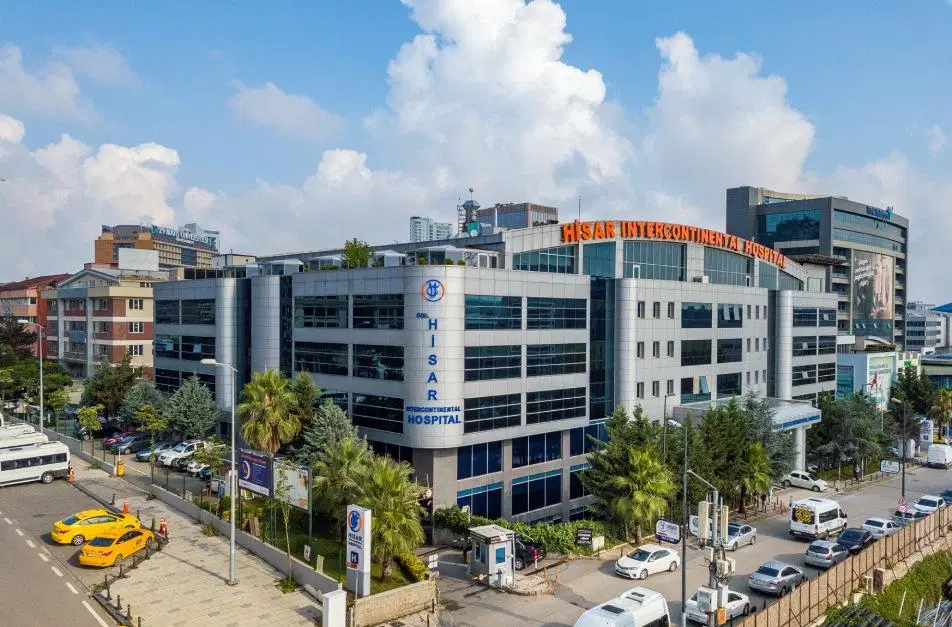
Hisar Intercontinental Hospital
Saray Mah. Siteyolu Cad. No:7, Umraniye, 34768, Istanbul, Turkey
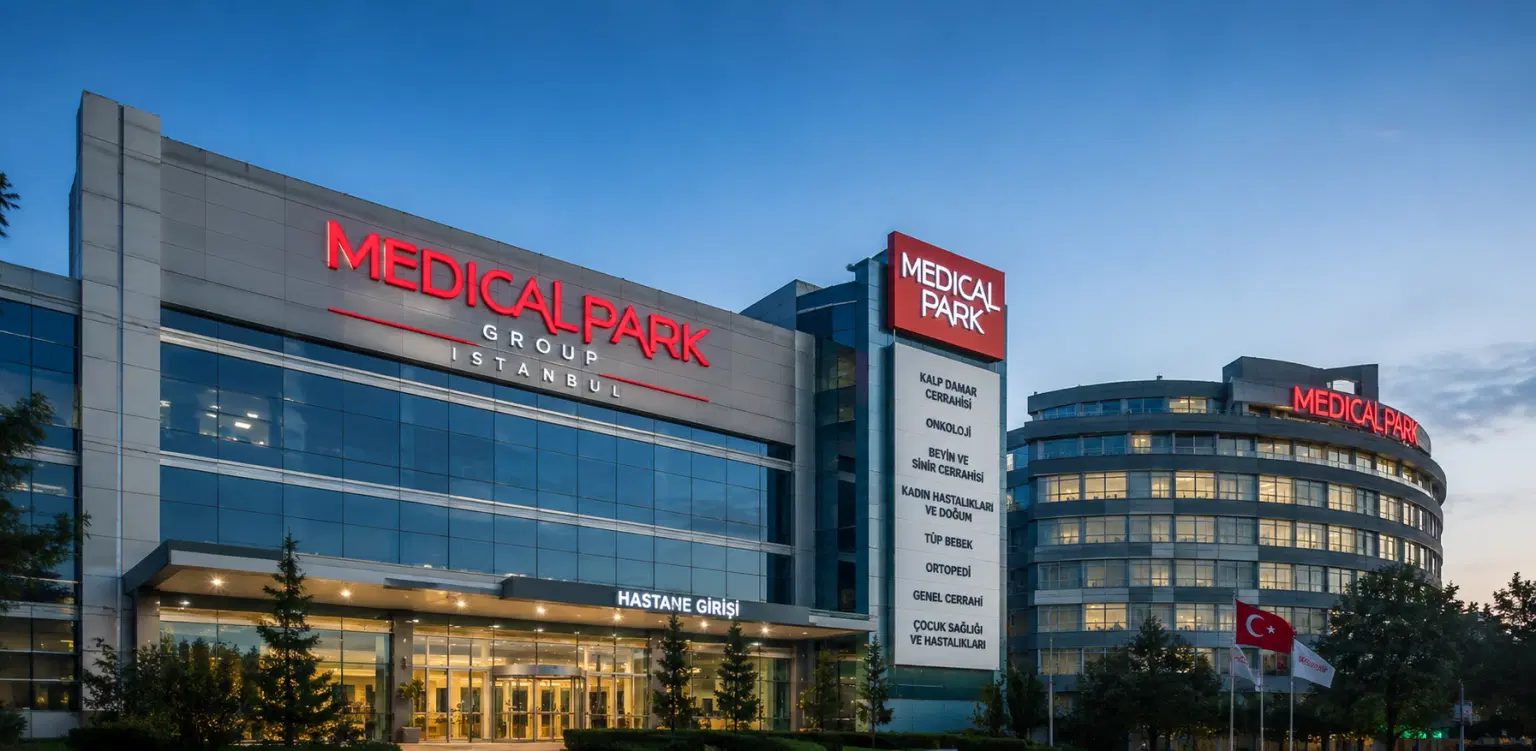
Medical Park Group, Istanbul
Fahrettin Kerim Gokay Cad. Tıbbiye Cd., Kadikoy, Istanbul, Turkey
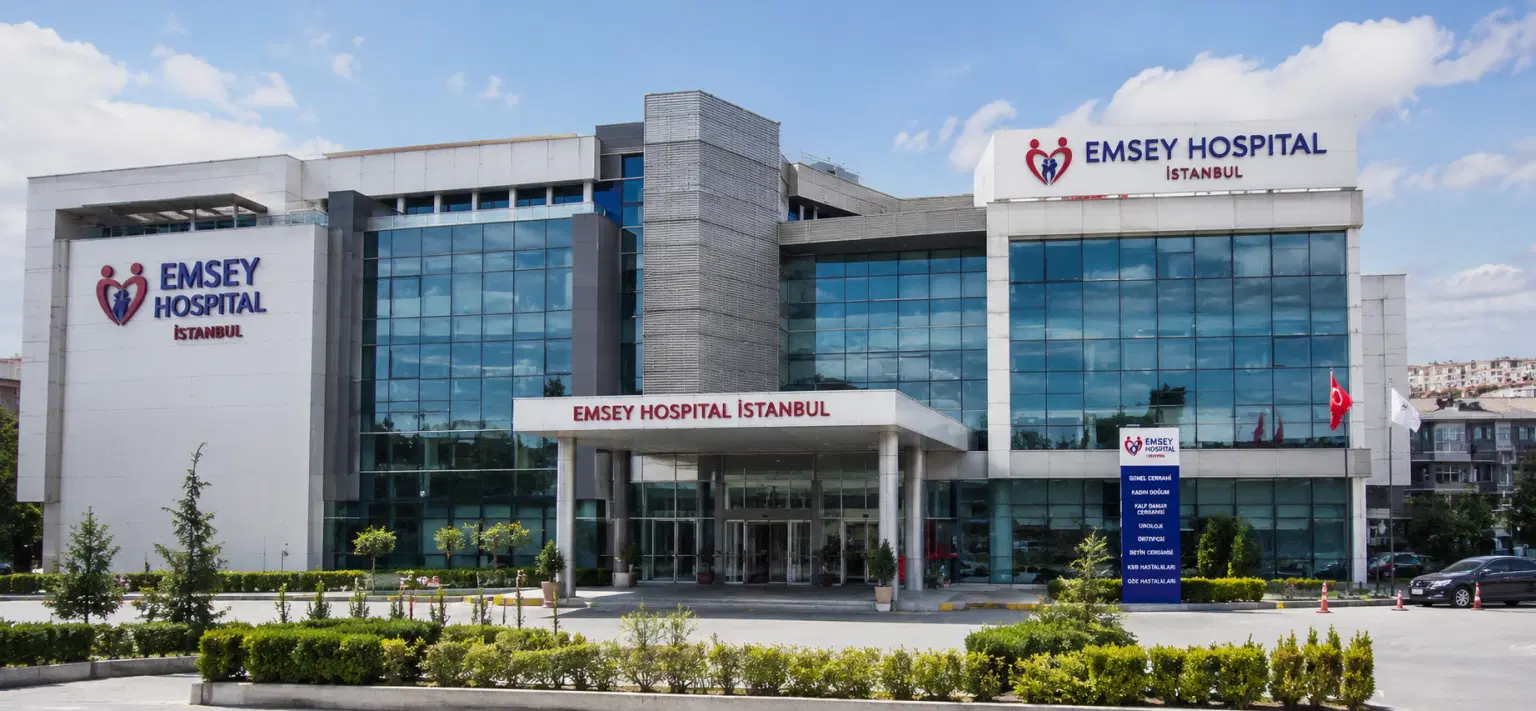
Emsey Hospital, Pendik, Istanbul
Çamlık, Selçuklu Cd. No:22, 34912 Pendik/İstanbul, Türkiye
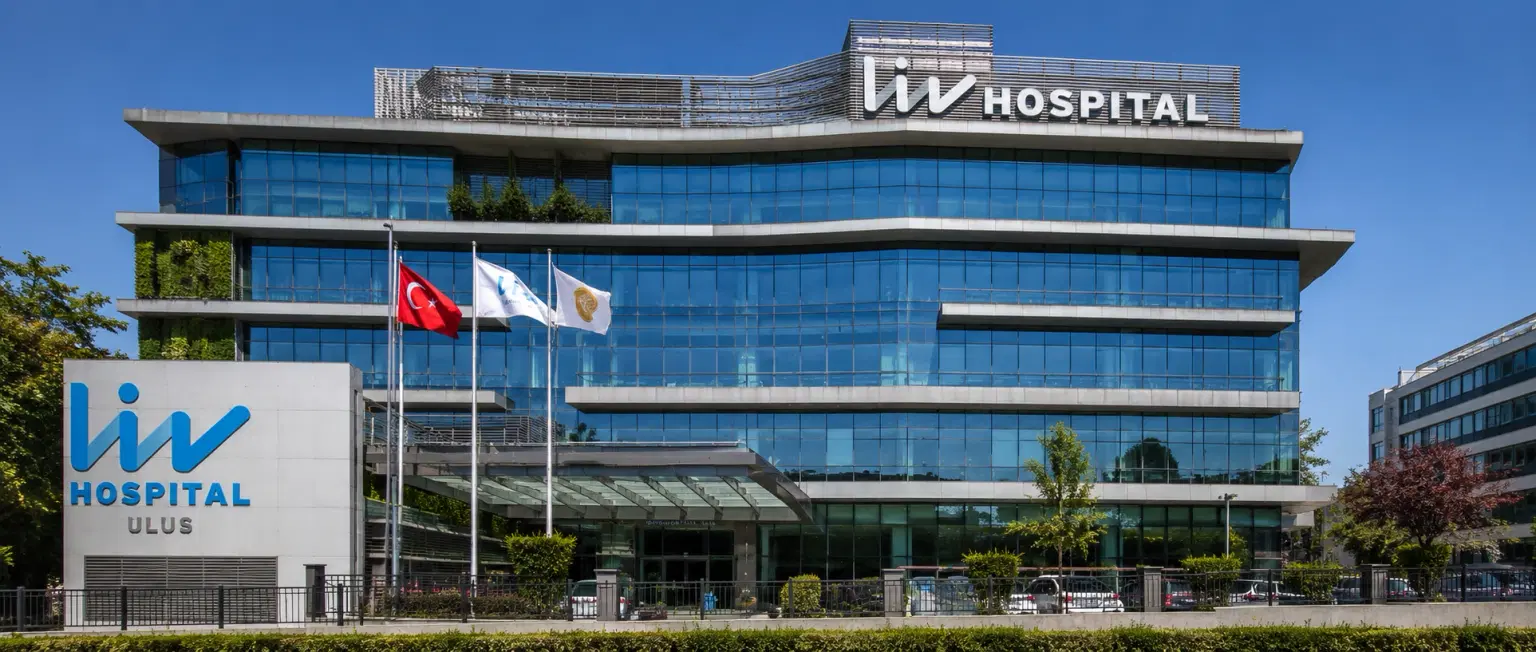
LIV Hospital, Istanbul
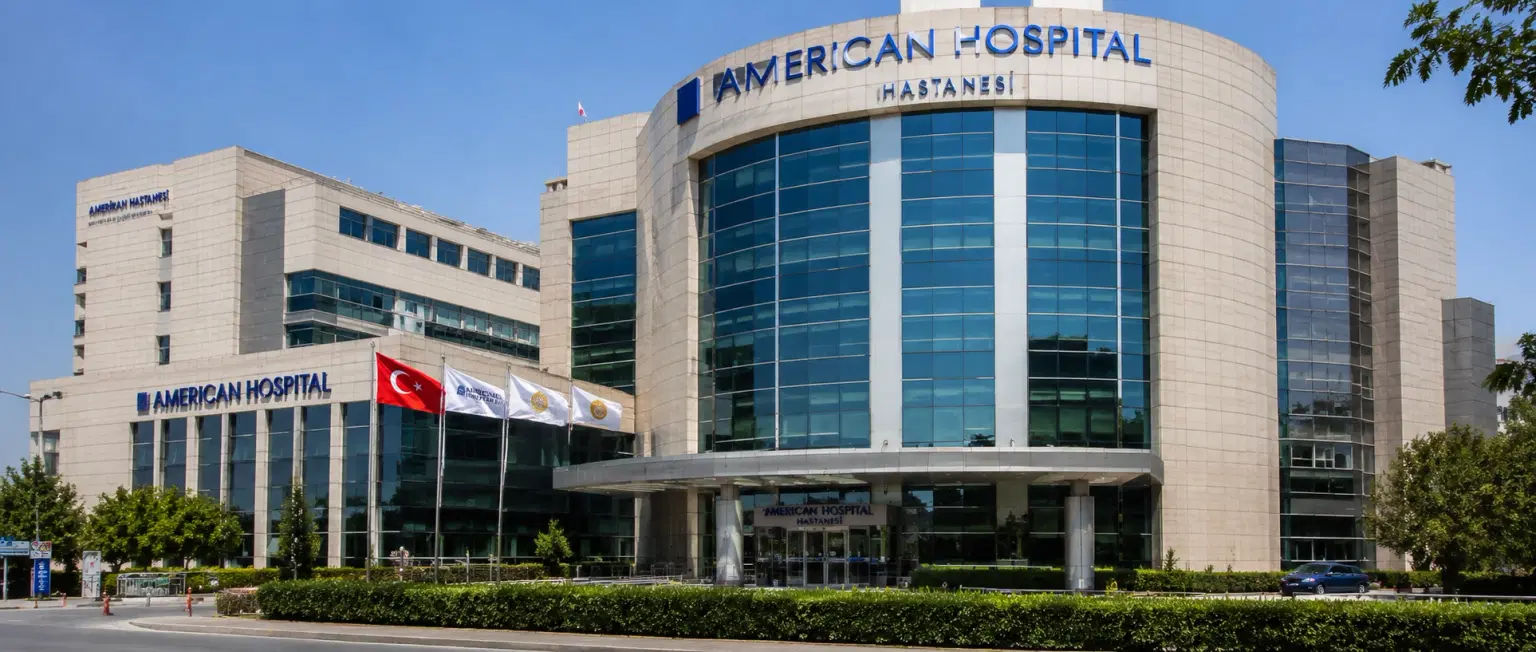
American Hospital, Istanbul
Guzelbahce Sk. No:20, 34365, Nisantasi, Istanbul, Turkey
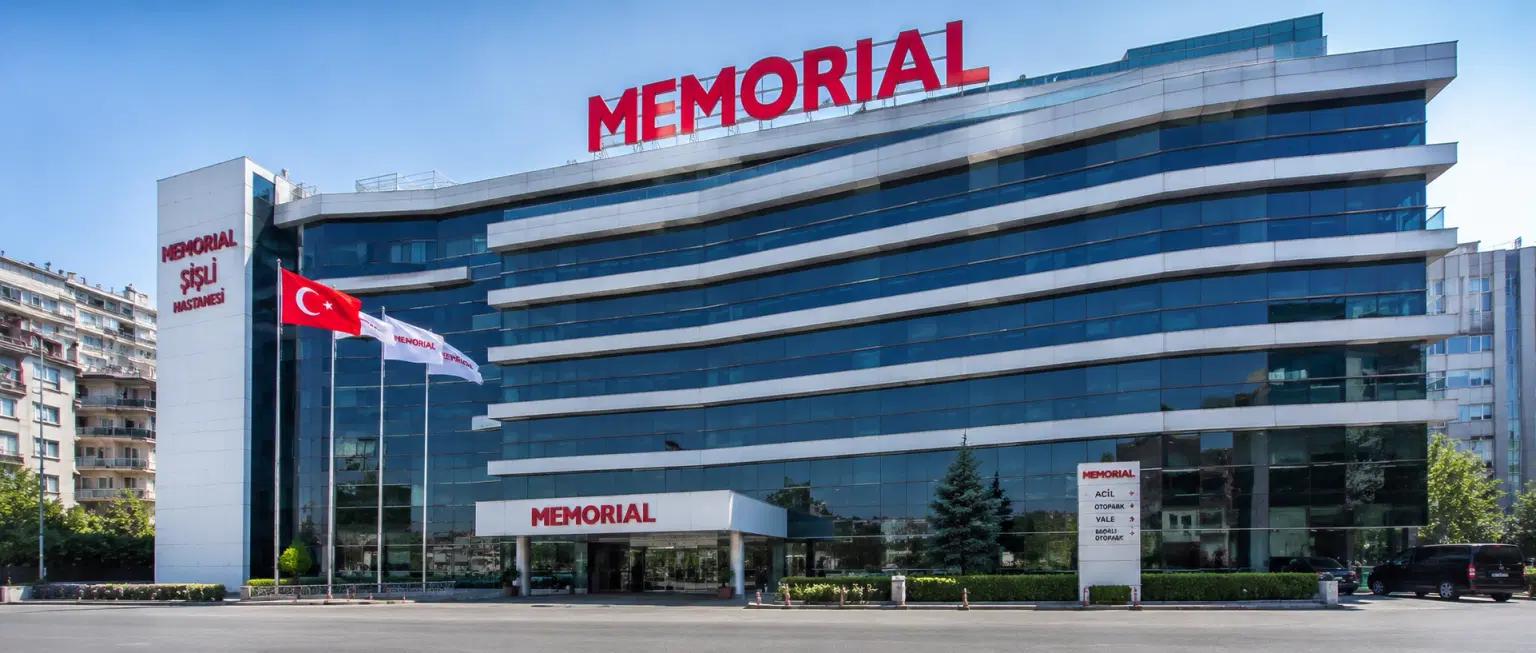
Memorial Hospitals Group
Burhaniye, Nagehan Sokağı No:4/A D:1, 34676 Üsküdar/İstanbul, Türkiye
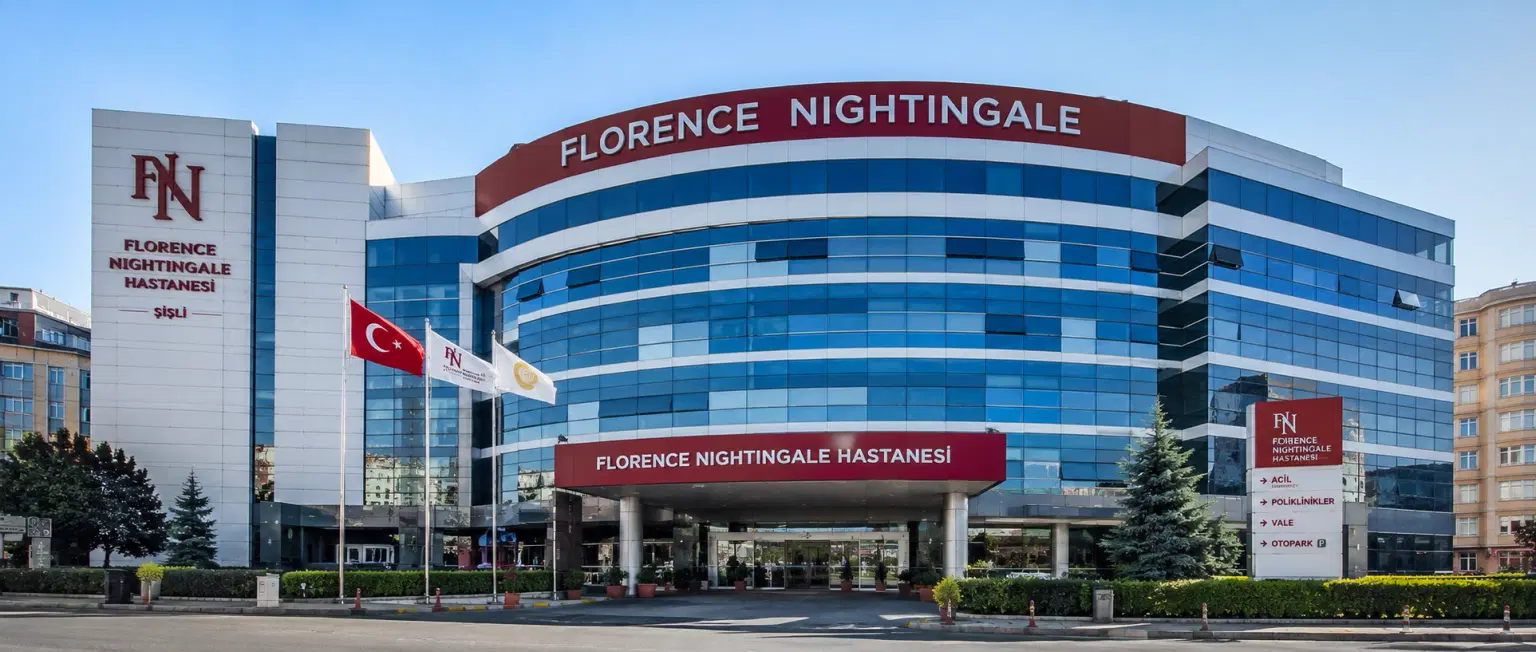
Florence Nightingale Hospital Istanbul
Abide-i Hürriyet Cd No:166, 34381 Sisli, Istanbul
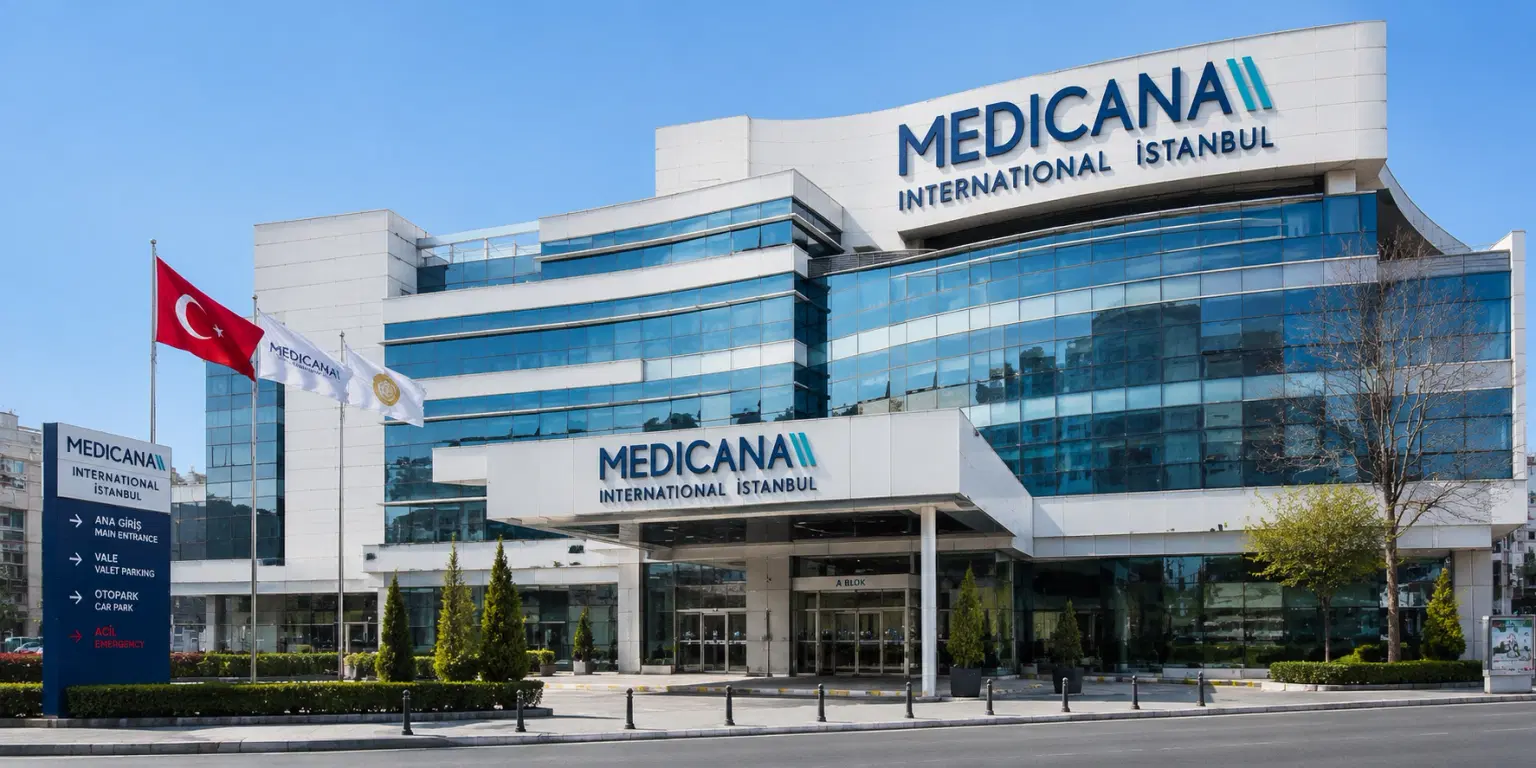
Medicana International Hospital, Istanbul
Halit Ziya Turkkani Mah. Medikal Park Cd. No:1, Beylikdüzü, İstanbul
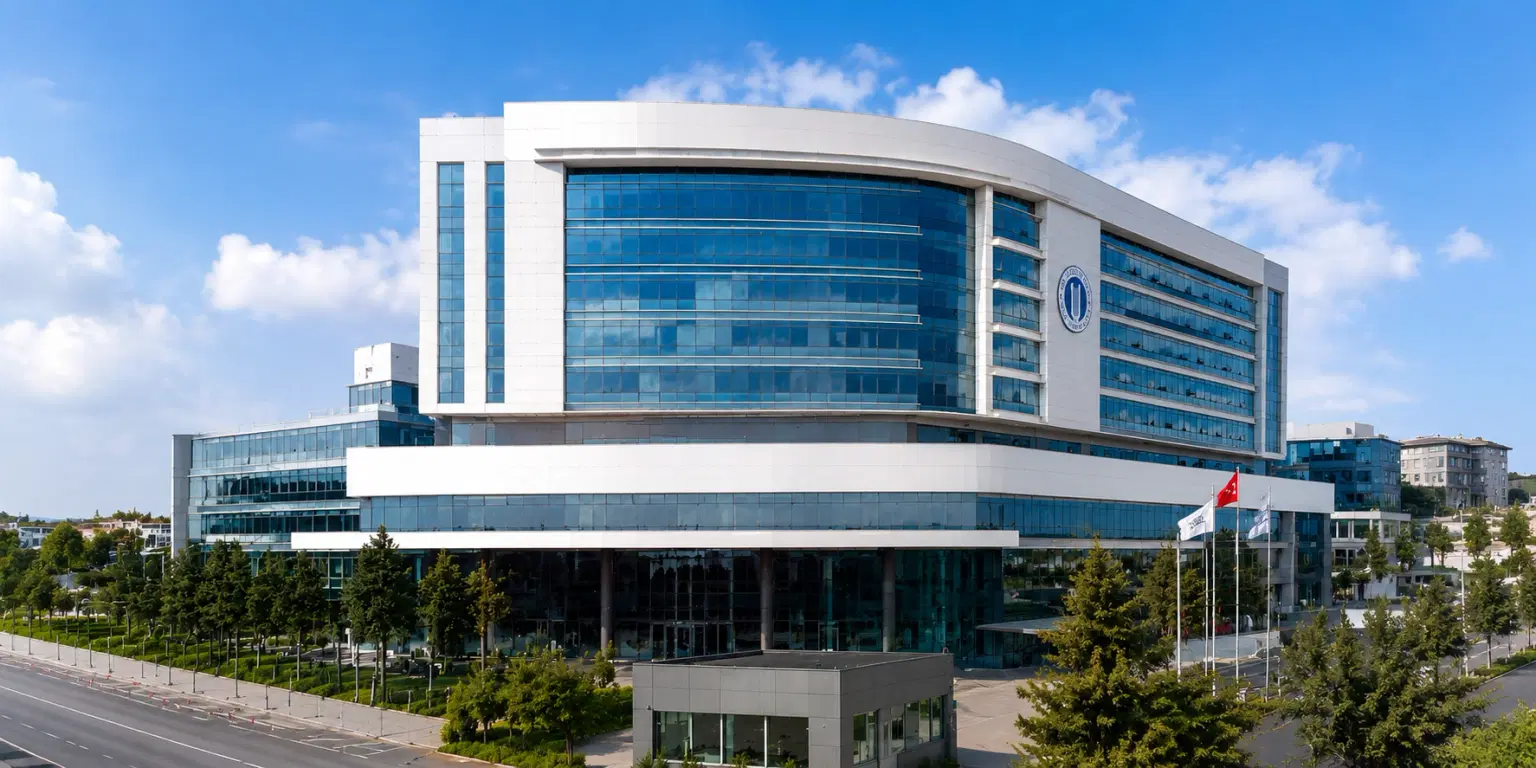
Okan University Hospital Istanbul
Icmeler Mah. Aydınlıyolu Cd. No:2, 34947 Icmeler-Tuzla, Istanbul
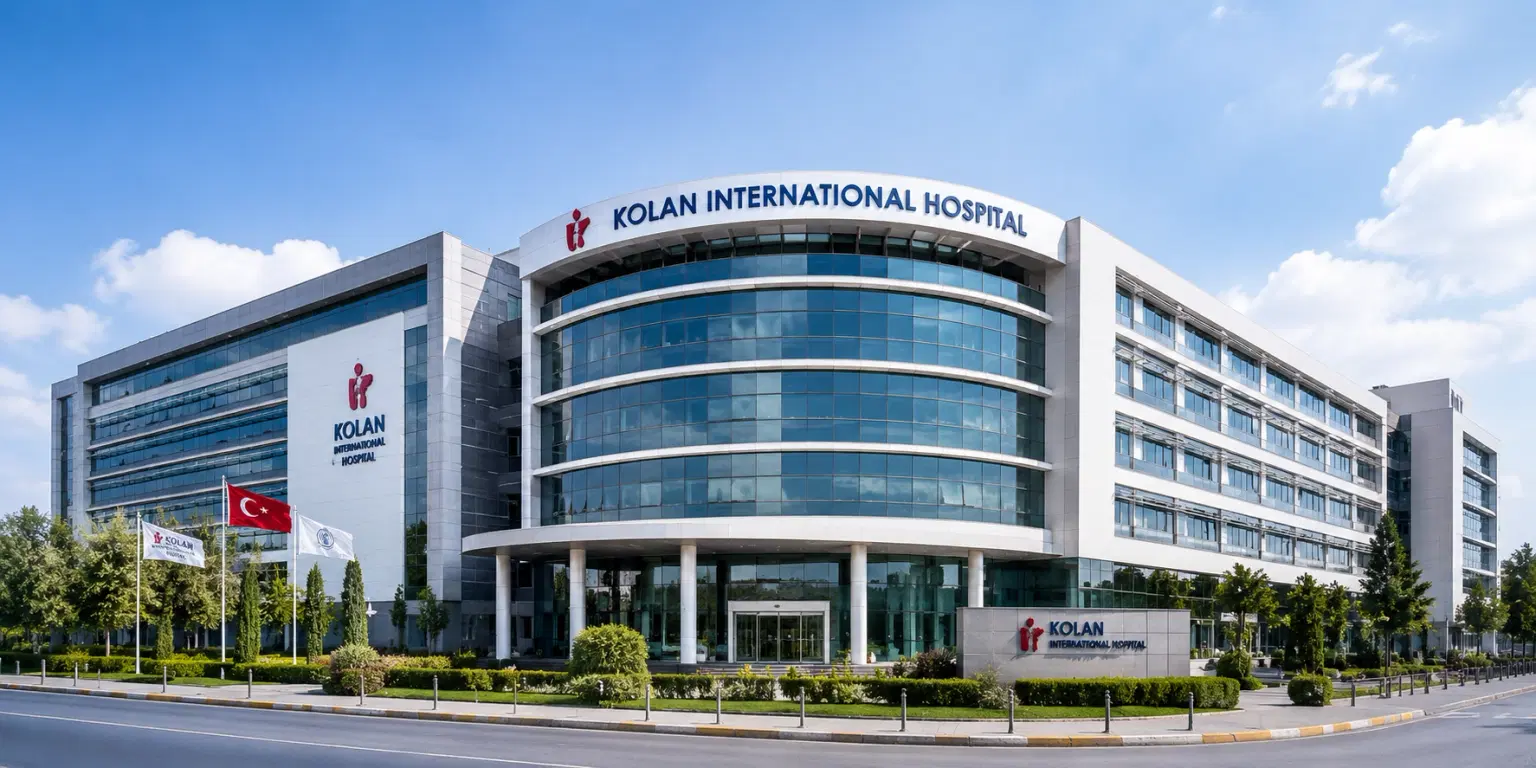
Kolan International Hospital, Istanbul
Kaptanpasa Mah. Okmeydan Kavsagi, Darulaceze Cd. No:14, 34384 Sisli, Istanbul
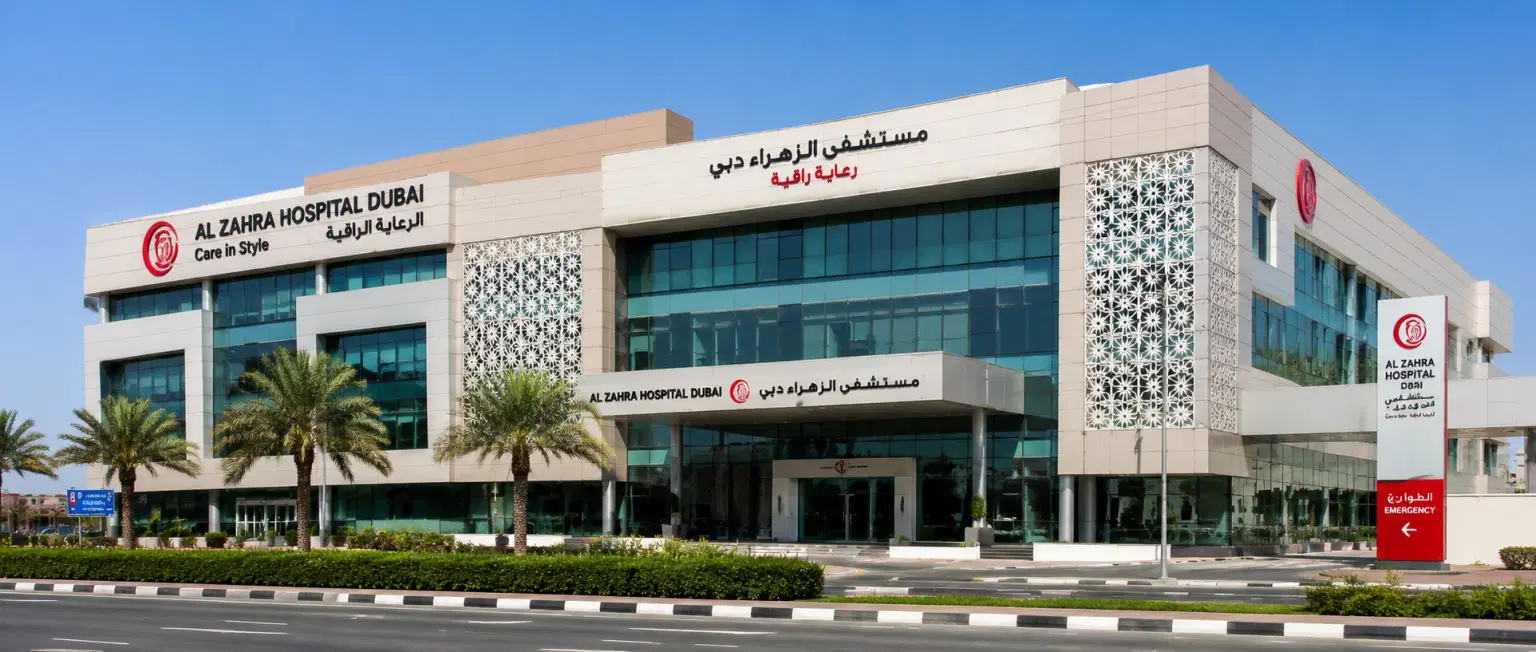
Al Zahra Hospital, Dubai
Sheikh Zayed Road, Al Barsha 1, Dubai, UAE
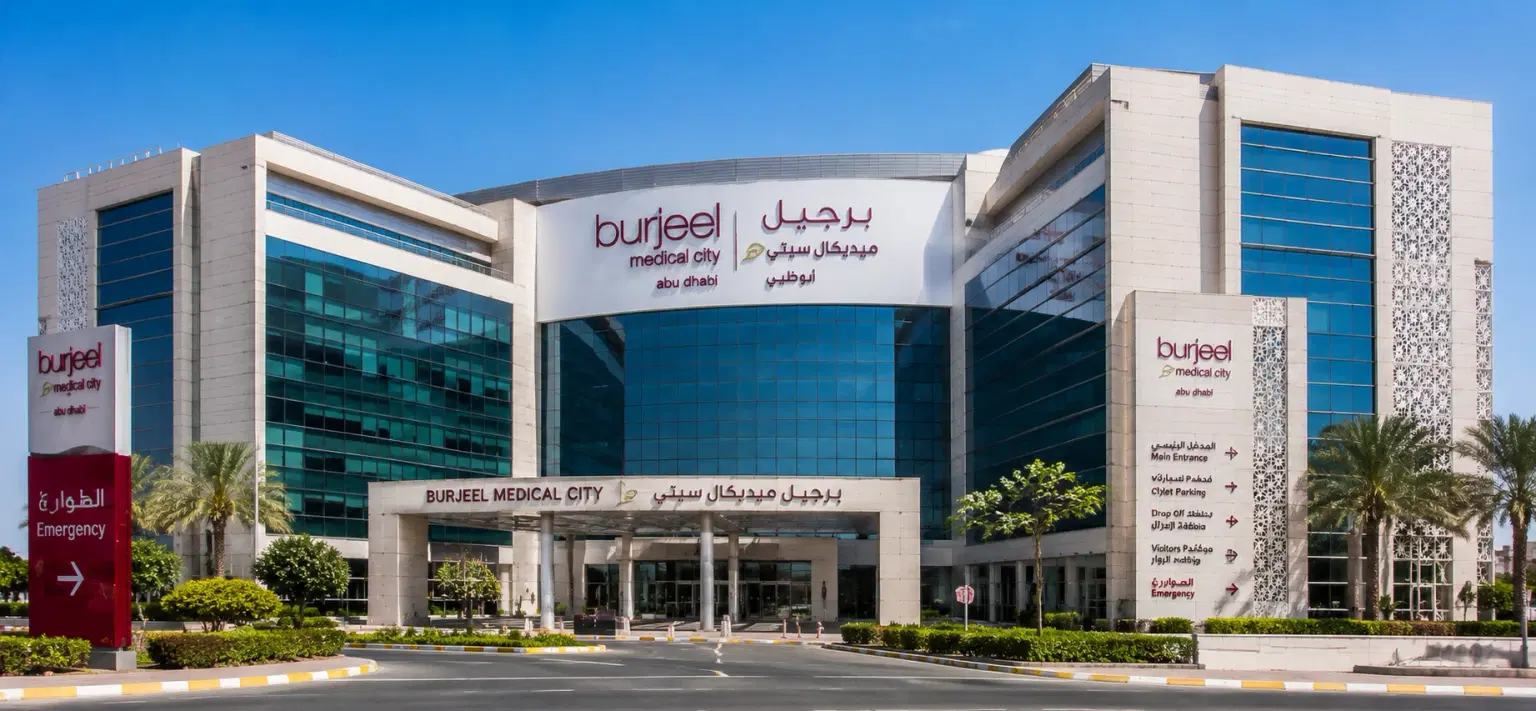
Burjeel Medical City, Abu Dhabi
28th Street, Mohammed Bin Zayed City, Abu Dhabi, UAE
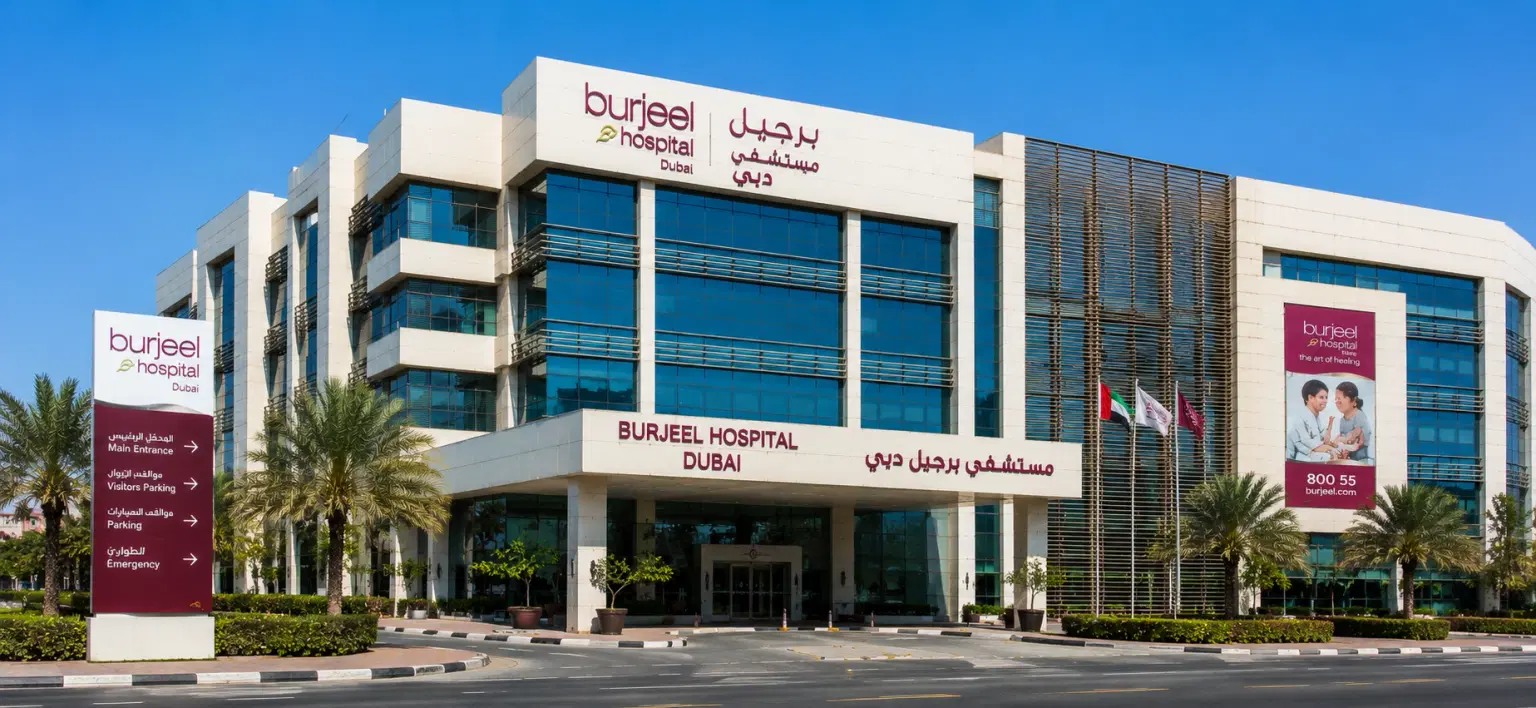
Burjeel Hospital, Dubai
Dubai, UAE (part of Burjeel Holdings network)
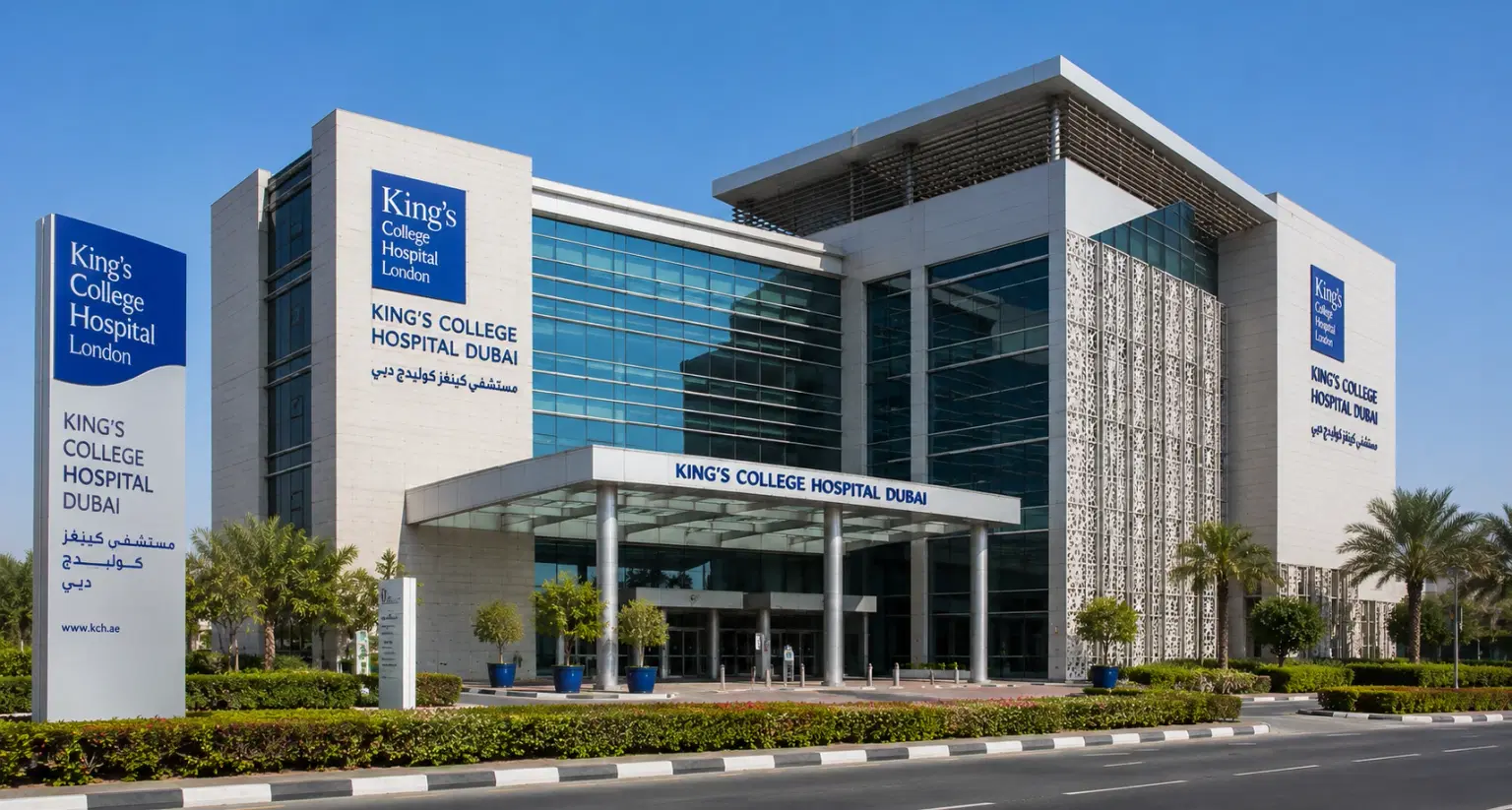
King's College Hospital, Dubai
Dubai Hills, Mohammed Bin Rashid City, Dubai, UAE
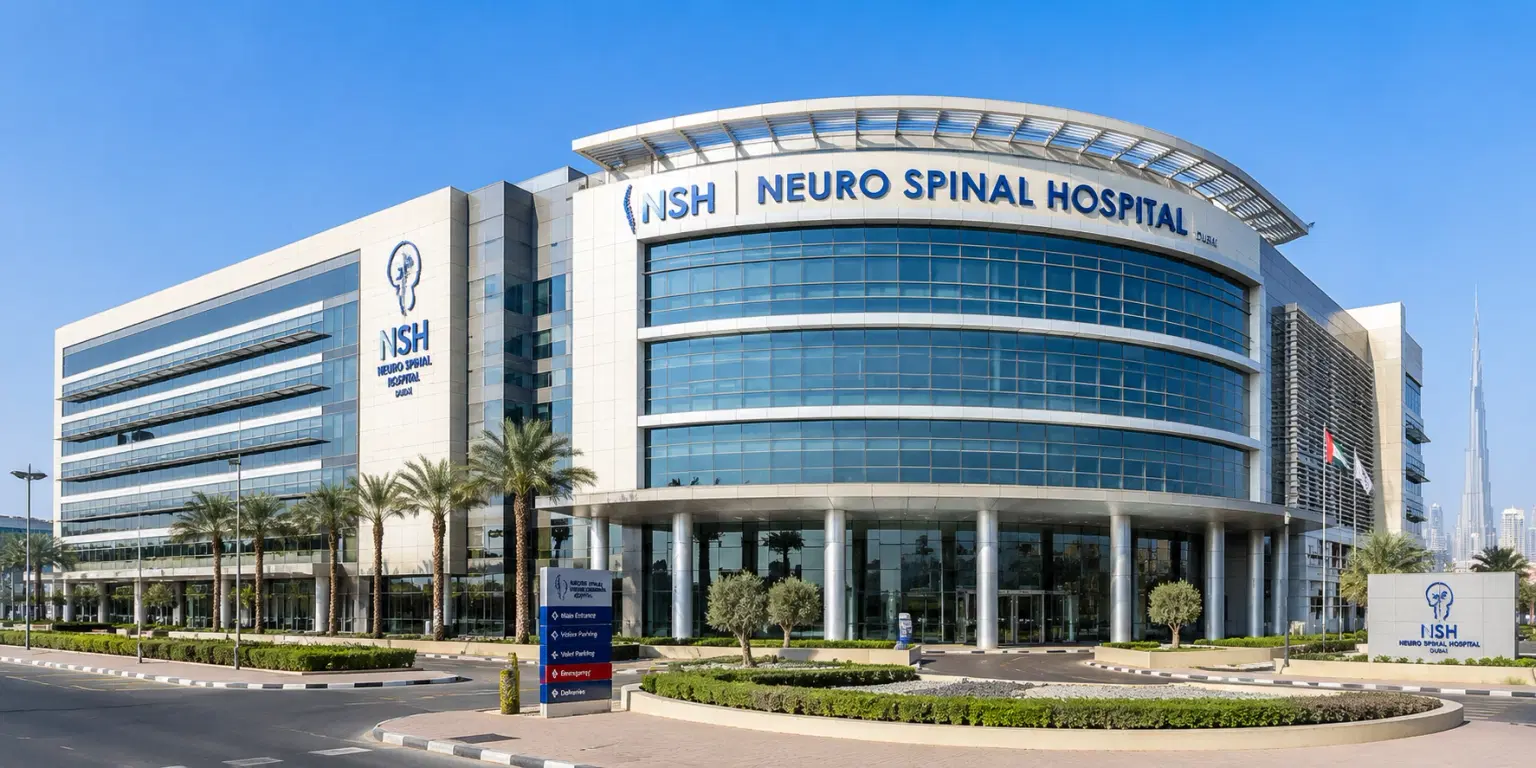
Neuro Spinal Hospital (NSH), Dubai
Dubai Science Park, Umm Suqeim St, Al Barsha South, Dubai, UAE
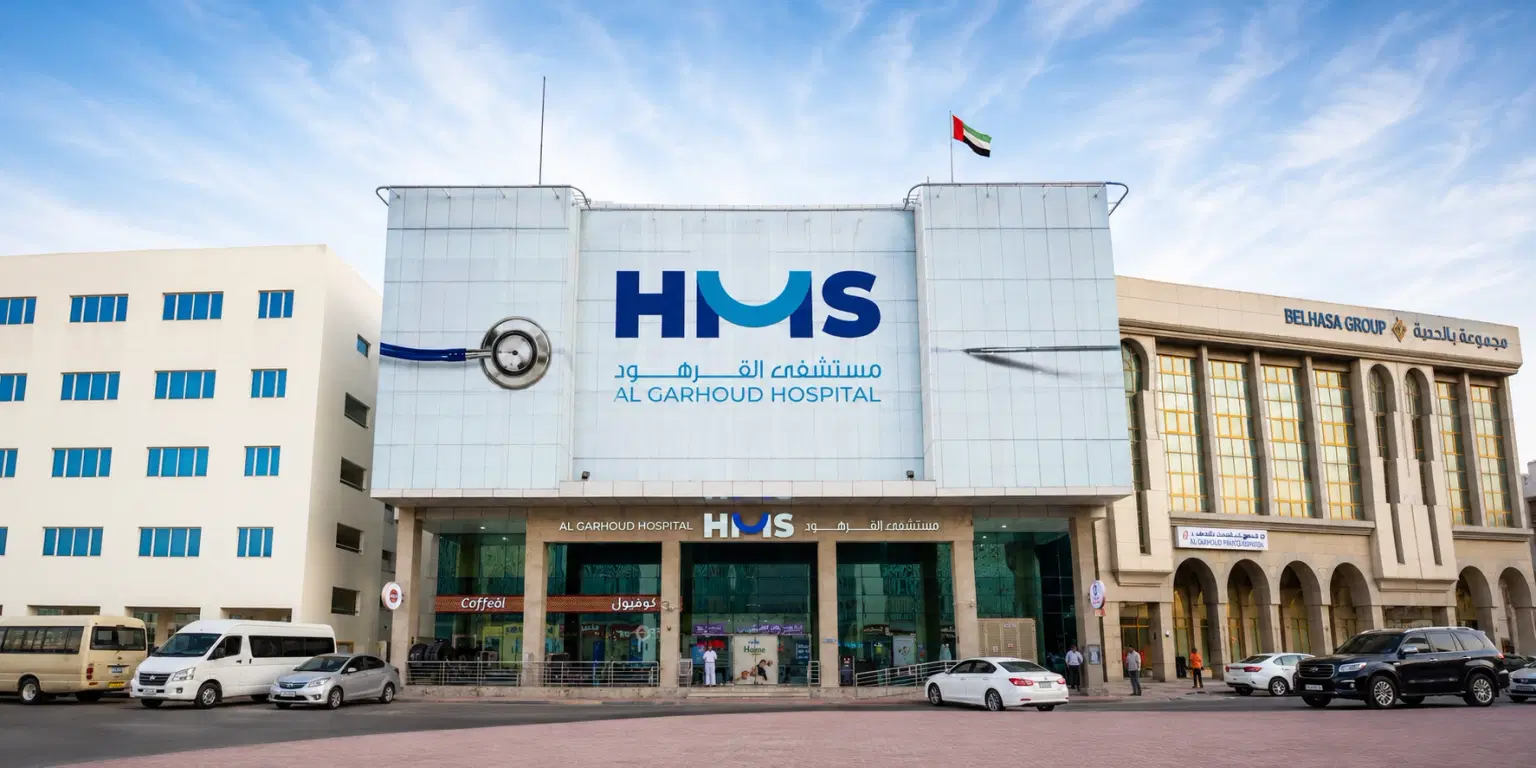
HMS Al Garhoud Hospital, Dubai
Al Garhoud Street, Al Garhoud, Dubai, UAE
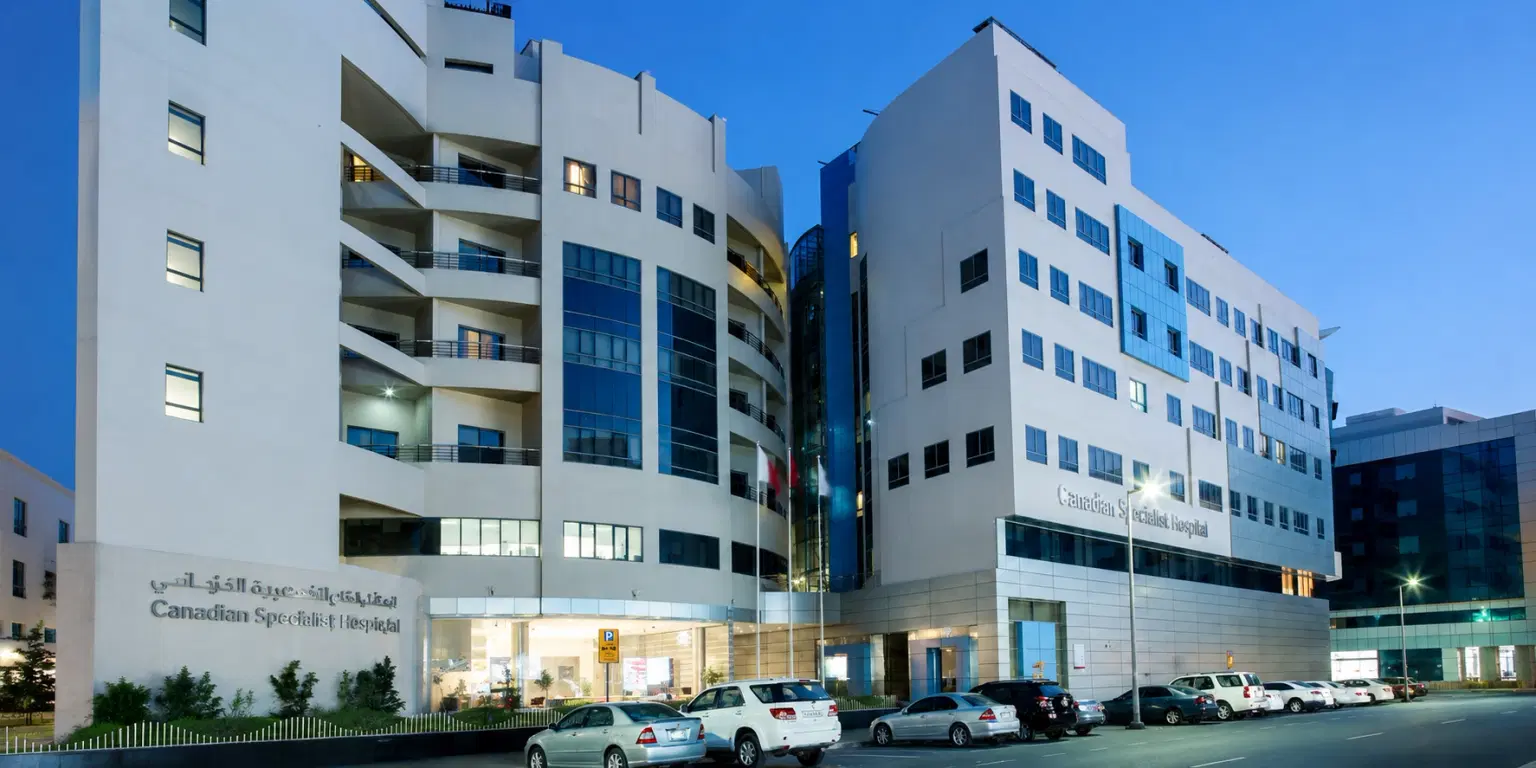
Canadian Specialist Hospital, Dubai
Abu Hail Street 269/1, Canadian Specialist Hospital Building, Hor Al Anz East, Deira, Dubai, UAE
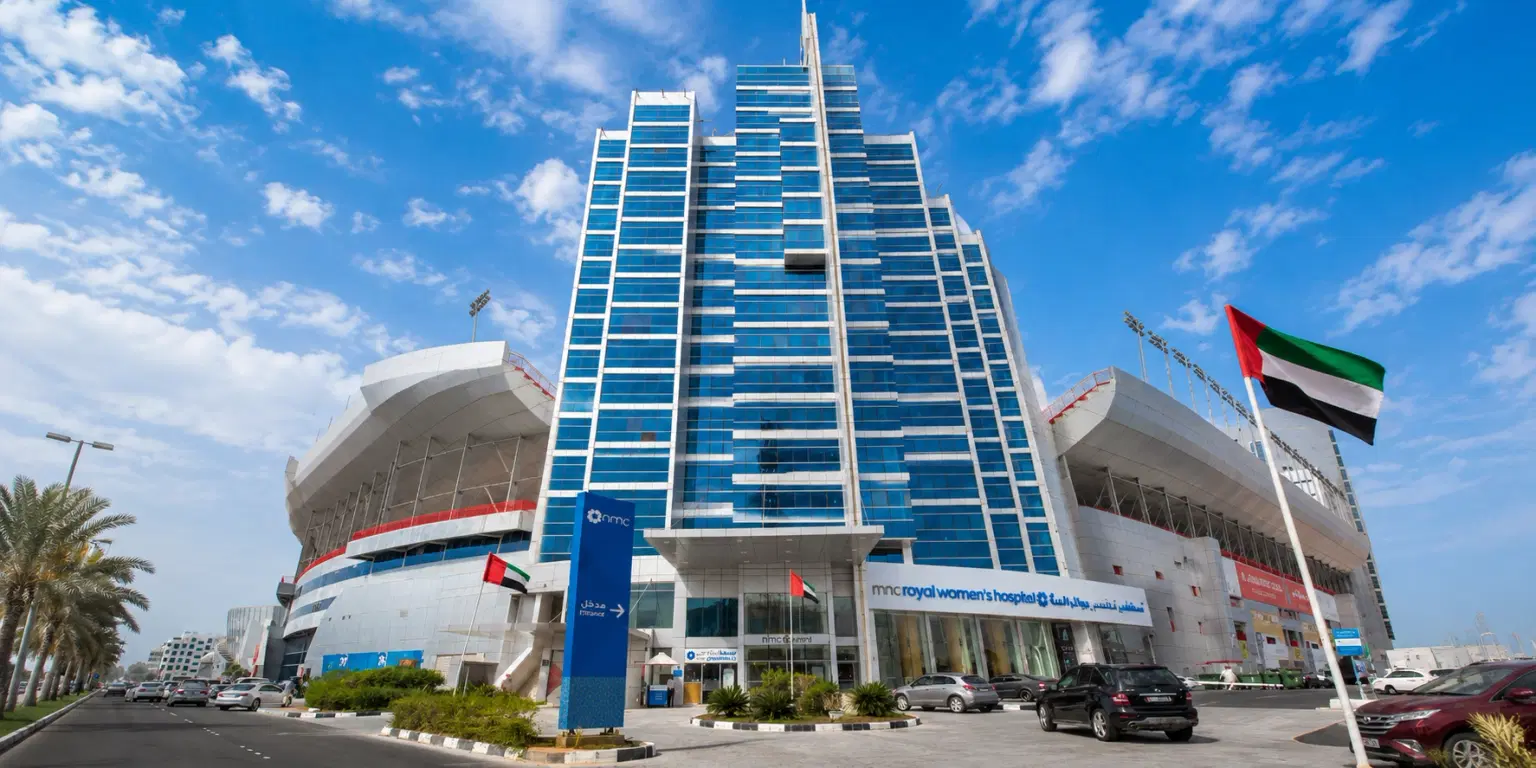
NMC Royal Women's Hospital, Abu Dhabi
Tower B, Mohammed bin Zayed Stadium, Al Jazira Club, Opposite Dusit Thani, Muroor Road, Abu Dhabi, UAE
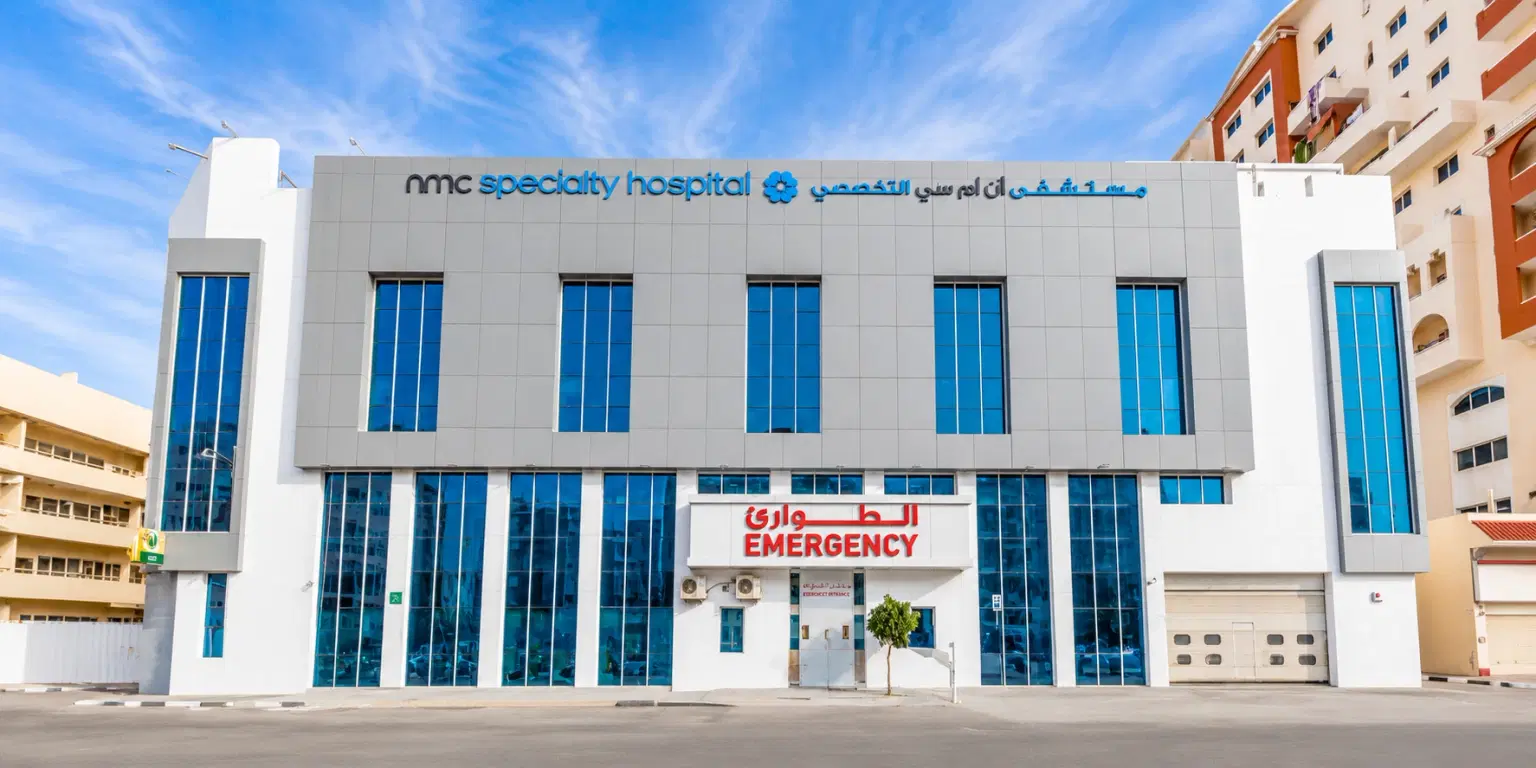
NMC Specialty Hospital, Al Nahda, Dubai
7A St, Al Qusais, Al Nahda 2, next to Bait Al Khair Building, Dubai
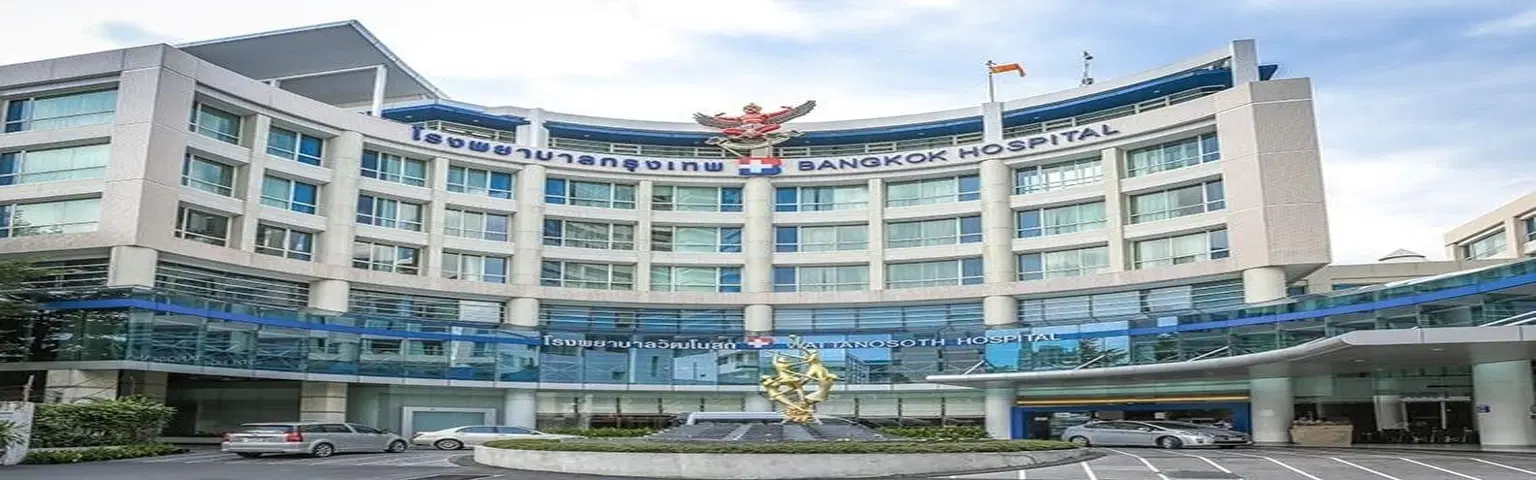
Bangkok Hospital, Thailand
2 Soi Soonvijai 7, New Petchburi Road, Huay Khwang, Bangkok 10310, Thailand
Booking With DIVINHEAL
Get a free consultation to understand your treatment options