Centres Of Excellence
Our Centres of Excellence bring together multidisciplinary teams to deliver precise diagnosis, advanced treatments, and superior outcomes across a wide spectrum of medical specialties.

OVERVIEW
A newborn care package encompasses structured medical services designed to evaluate and support an infant's physiological transition from intra-uterine to extrauterine life. Grounded in guidelines from the World Health Organization (WHO 2022) and the American Academy of Pediatrics (AAP 2023), these protocols combine diagnostic testing, risk stratification, and preventive clinical care. Core elements include physical assessment, metabolic blood spot testing, non-invasive pulse oximetry, automated auditory screening, and prophylactic interventions such as vitamin K administration and birth vaccinations.
PROCEDURE
The medical protocols of a newborn care package follow a precise chronological sequence starting immediately after birth. In the delivery room, clinicians record Apgar scores at 1 and 5 minutes to measure heart rate, respiratory effort, muscle tone, reflex irritability, and skin color. Within the first hours, intramuscular vitamin K (0.5 mg to 1.0 mg) is administered into the anterolateral thigh to prevent early and late vitamin K deficiency bleeding. Ophthalmic antibiotic ointment (e.g., erythromycin 0.5%) is applied to both eyes to prevent gonococcal ophthalmia neonatorum. Between 24 and 48 hours of life, a heel-prick blood sample is collected onto specialized filter paper (Guthrie card) after adequate protein feeding has commenced. Concurrently, pulse oximetry probes are attached to the right hand and either foot to measure oxygen saturation differential for critical congenital heart disease screening; a passing result requires saturation greater than 95% with a less than 3% difference between upper and lower extremities. Sensory testing includes an automated auditory brainstem response (AABR) test while the infant sleeps. Follow-up clinic visits at 3-7 days and 2-4 weeks include physical examination, weight checks, transcutaneous or serum bilirubin measurement if jaundice is visible, and primary pediatric vaccinations.
BENEFITS
- Early Disease Detection: Identifies life-threatening metabolic and structural anomalies prior to symptom onset.
- Neurological Protection: Prevents permanent brain injury through timely identification of hyperbilirubinemia and metabolic deficiencies.
- Reduced Hospital Readmissions: Decreases late emergency visits by screening for feeding failures, dehydration, and severe jaundice in early outpatient follow-ups.
- Standardized Vaccination Coverage: Ensures early compliance with global immunization schedules, protecting against perinatal infections like Hepatitis B.
- Growth and Developmental Baseline: Establishes standardized growth curves (WHO growth standards) to identify early physical or neurological delays.
RECOVERY
Because a newborn care package consists of diagnostic assessments, physical examinations, and routine preventive treatments, there is no surgical recovery process for the infant. Minor physical disruptions include transient localized discomfort or minor bruising at the site of heel-prick blood collection or intramuscular injection sites (thigh). Physiological recovery focuses on the infant's natural adaptation, including initial weight recovery (regaining birth weight by day 10–14 of life) and the normal healing of the umbilical cord stump within 7 to 21 days.
WHAT WE TREAT
Newborn care packages are designed for early detection, monitoring, and management of several neonatal conditions and physiological risks, including:
- Hyperbilirubinemia: Elevated serum bilirubin leading to neonatal jaundice and risk of acute bilirubin encephalopathy.
- Congenital Metabolic Disorders: Inborn errors of metabolism such as phenylketonuria (PKU), congenital hypothyroidism, cystic fibrosis, and medium-chain acyl-CoA dehydrogenase (MCAD) deficiency.
- Critical Congenital Heart Disease (CCHD): Hypoplastic left heart syndrome, tetralogy of Fallot, and other structural heart defects detected via pulse oximetry.
- Congenital Hearing Impairment: Sensorineural or conductive hearing loss evaluated through automated auditory brainstem response (AABR) or otoacoustic emissions (OAE).
- Vitamin K Deficiency Bleeding (VKDB): Bleeding risk caused by low fetal stores and poor placental transfer of vitamin K.
- Infectious Pathogens: Prevention of early vertical transmission of viruses such as Hepatitis B.
- Neonatal Growth Faltering: Excessive weight loss exceeding 10% of birth weight or poor extrauterine weight gain.
PREPARATION
Preparation for a newborn care package occurs during prenatal care and late pregnancy planning. Expectant parents should review maternal medical history, blood type, Rh factor, and prenatal screening results (e.g., Group B Streptococcus colonization status, Hepatitis B surface antigen, HIV, Rubella, and Syphilis status) with their maternal-fetal care team. Mothers should discuss newborn care protocols, including vitamin K administration, eye prophylaxis, and primary vaccinations, prior to labor. Ensure transport arrangements, a safe infant car seat, and scheduled follow-up pediatric appointments prior to hospital discharge.
RISKS
Routine newborn care protocols carry minimal clinical risk. The primary minor risks include localized pain, minor bruising, or transient swelling at the site of heel-prick capillary blood draws or intramuscular injections. Extremely rare complications include localized skin infection at the injection or heel-stick site, soft tissue injury from improper blood collection technique, or false-positive/false-negative screening results requiring repeat testing. Standard prophylactic medications (vitamin K, erythromycin eye ointment, Hepatitis B vaccine) have exceptionally low adverse effect profiles. Delayed or missed screening poses a far greater clinical risk, including unrecognized severe metabolic crisis, sudden cardiac collapse from undiagnosed CCHD, or kernicterus from untreated hyperbilirubinemia.
JOURNEY
Clinical Care Pathway for Neonatal Assessment
The patient journey for a newborn care package spans four key phases across the first 28 days of life:
- Immediate Postpartum Phase (Hours 0–2): Physical stabilization, Apgar scoring, temperature regulation, administration of intramuscular phytonadione (vitamin K1) to prevent early vitamin K deficiency bleeding, and prophylactic ocular therapy.
- Inpatient/Early Postnatal Assessment (Hours 24–48): Comprehensive pediatric physical examination, metabolic heel-prick screening (dried blood spot), critical congenital heart disease (CCHD) pulse oximetry, and automated auditory brainstem response (AABR) testing.
- Early Outpatient Follow-up (Days 3–7): Clinical evaluation of physiological weight loss, screening for hyperbilirubinemia (neonatal jaundice), assessment of feeding efficiency, and examination of the umbilical stump.
- Late Neonatal Assessment (Weeks 2–4): Growth charting (length, weight, head circumference), neurodevelopmental reflex testing, primary immunization administration (such as Hepatitis B), and maternal postpartum integration checks.
Hospitals Offering this treatment
India offers premium medical procedures at affordable prices. Discover our most popular treatments, delivered by the country's finest doctors.

Hisar Intercontinental Hospital
Saray Mah. Siteyolu Cad. No:7, Umraniye, 34768, Istanbul, Turkey

Medical Park Group, Istanbul
Fahrettin Kerim Gokay Cad. Tıbbiye Cd., Kadikoy, Istanbul, Turkey

Emsey Hospital, Pendik, Istanbul
Çamlık, Selçuklu Cd. No:22, 34912 Pendik/İstanbul, Türkiye
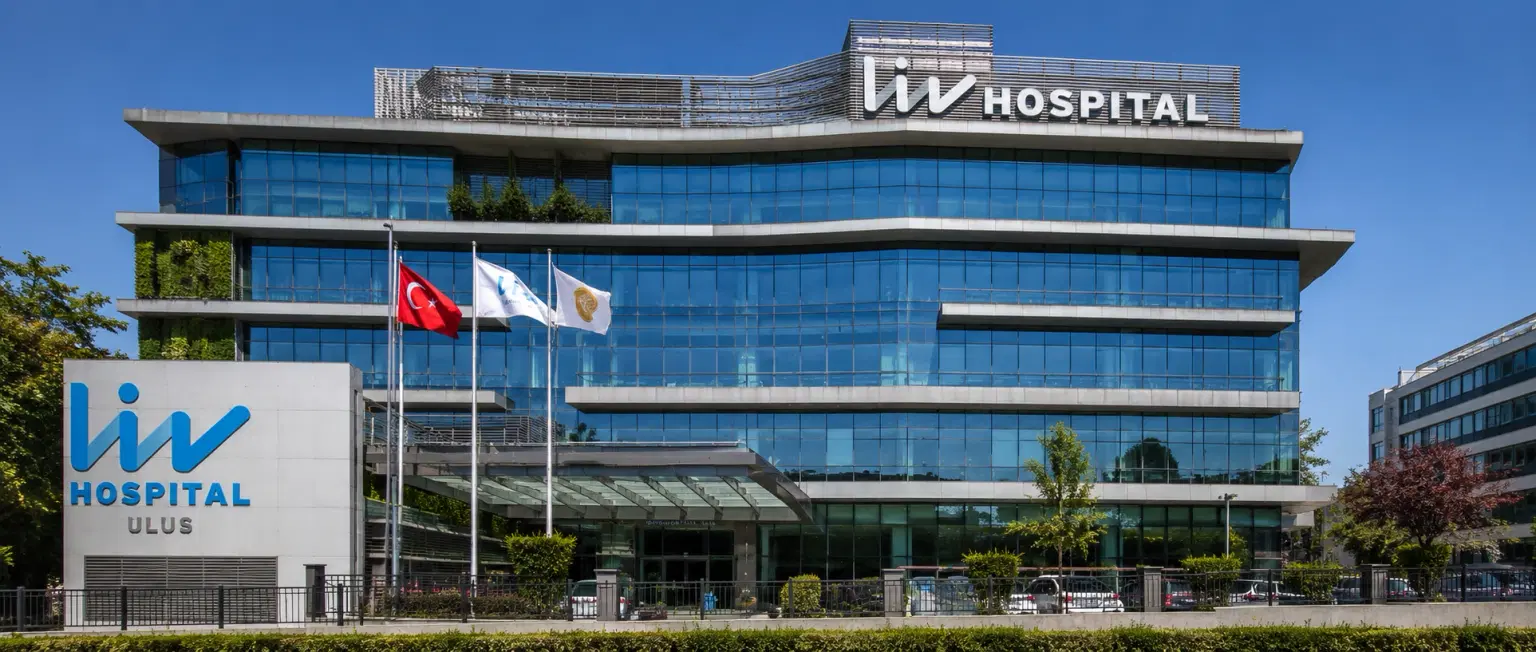
LIV Hospital, Istanbul

American Hospital, Istanbul
Guzelbahce Sk. No:20, 34365, Nisantasi, Istanbul, Turkey

Memorial Hospitals Group
Burhaniye, Nagehan Sokağı No:4/A D:1, 34676 Üsküdar/İstanbul, Türkiye

Florence Nightingale Hospital Istanbul
Abide-i Hürriyet Cd No:166, 34381 Sisli, Istanbul
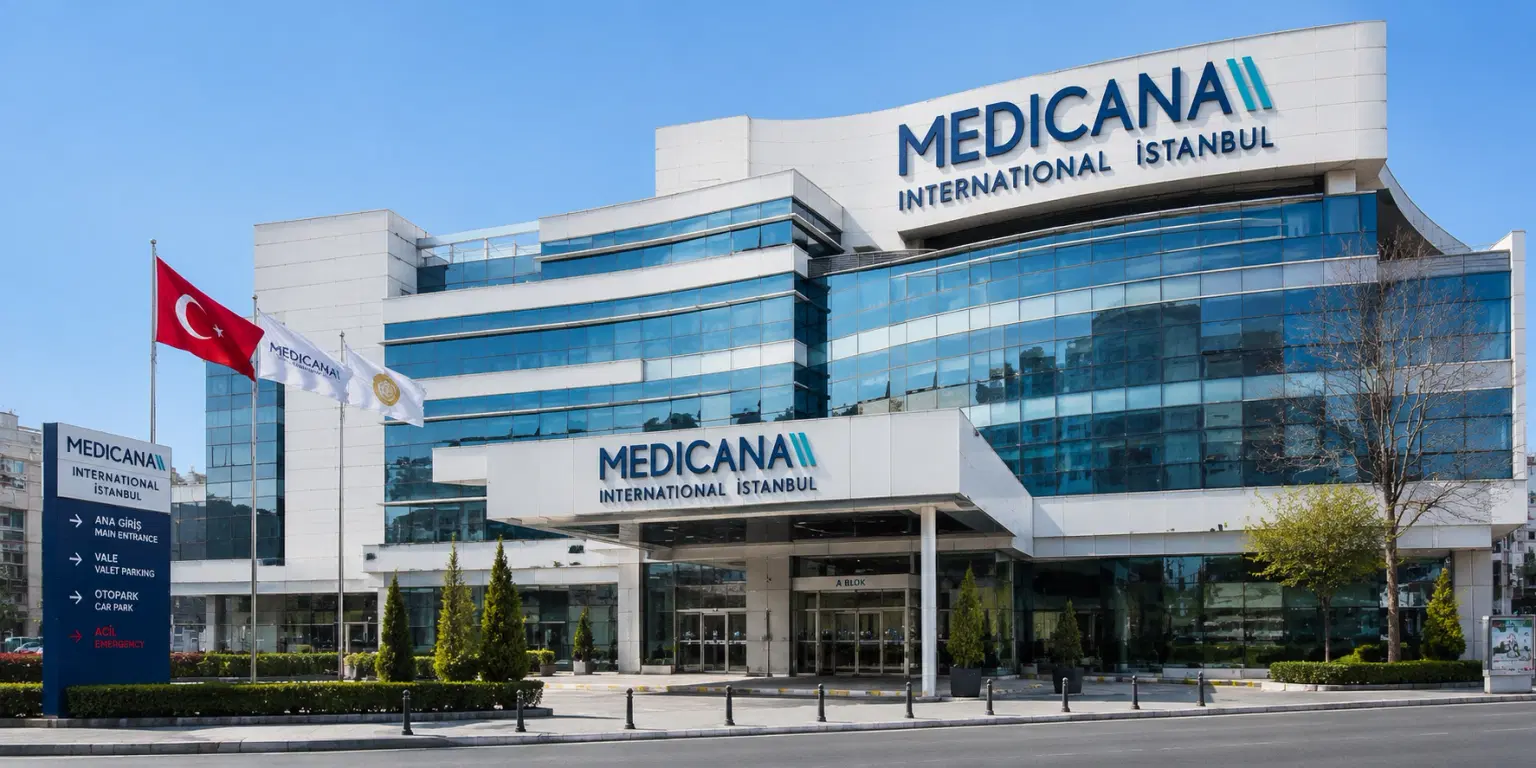
Medicana International Hospital, Istanbul
Halit Ziya Turkkani Mah. Medikal Park Cd. No:1, Beylikdüzü, İstanbul

Okan University Hospital Istanbul
Icmeler Mah. Aydınlıyolu Cd. No:2, 34947 Icmeler-Tuzla, Istanbul

Kolan International Hospital, Istanbul
Kaptanpasa Mah. Okmeydan Kavsagi, Darulaceze Cd. No:14, 34384 Sisli, Istanbul

Al Zahra Hospital, Dubai
Sheikh Zayed Road, Al Barsha 1, Dubai, UAE

Burjeel Medical City, Abu Dhabi
28th Street, Mohammed Bin Zayed City, Abu Dhabi, UAE

Burjeel Hospital, Dubai
Dubai, UAE (part of Burjeel Holdings network)

King's College Hospital, Dubai
Dubai Hills, Mohammed Bin Rashid City, Dubai, UAE

Neuro Spinal Hospital (NSH), Dubai
Dubai Science Park, Umm Suqeim St, Al Barsha South, Dubai, UAE

HMS Al Garhoud Hospital, Dubai
Al Garhoud Street, Al Garhoud, Dubai, UAE

Canadian Specialist Hospital, Dubai
Abu Hail Street 269/1, Canadian Specialist Hospital Building, Hor Al Anz East, Deira, Dubai, UAE

NMC Royal Women's Hospital, Abu Dhabi
Tower B, Mohammed bin Zayed Stadium, Al Jazira Club, Opposite Dusit Thani, Muroor Road, Abu Dhabi, UAE
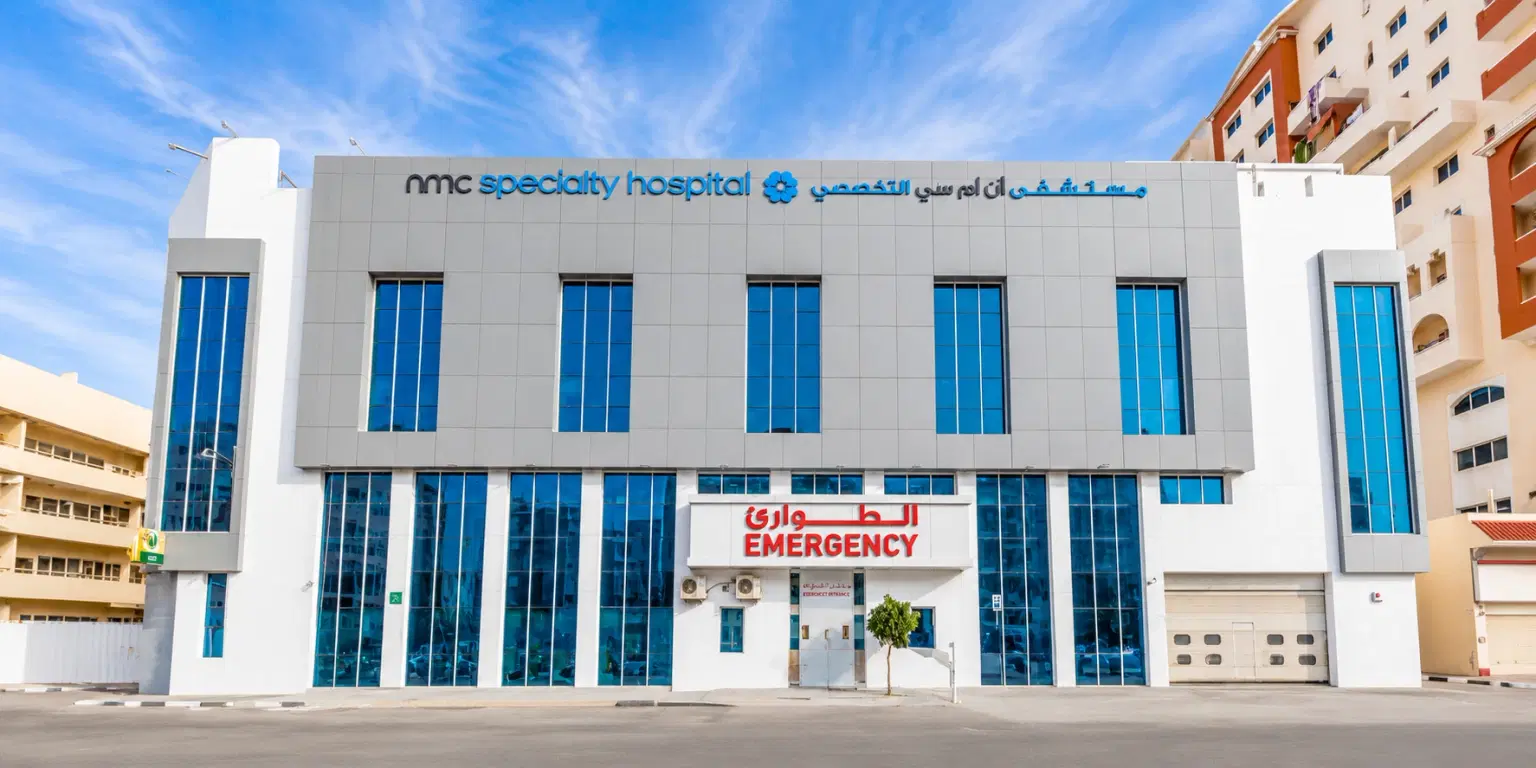
NMC Specialty Hospital, Al Nahda, Dubai
7A St, Al Qusais, Al Nahda 2, next to Bait Al Khair Building, Dubai

Bangkok Hospital, Thailand
2 Soi Soonvijai 7, New Petchburi Road, Huay Khwang, Bangkok 10310, Thailand
Booking With DIVINHEAL
Get a free consultation to understand your treatment options