Centres Of Excellence
Our Centres of Excellence bring together multidisciplinary teams to deliver precise diagnosis, advanced treatments, and superior outcomes across a wide spectrum of medical specialties.
OVERVIEW
Pediatric neurosurgery addresses structural diseases affecting the pediatric brain, skull, spinal cord, and peripheral nerves. The principal objective is to relieve biological pressure, remove abnormal growths, or correct structural defects while protecting delicate, developing neural tissues. Clinicians utilize microsurgical tools, intraoperative neuro-navigation, and minimally invasive endoscopes tailored specifically to young physiology.
PROCEDURE
Pediatric neurosurgical procedures involve multi-step clinical pathways tailored to individual child anatomy. After general anesthesia induction and continuous physiological monitoring setup, patient positioning ensures clear surgical site access while preserving blood flow. Surgeons perform precise skin incisions and bone openings (craniotomy or laminectomy) using specialized high-speed micro-instruments. Under high-power operating microscopes or neuroendoscopes, anatomical repair, fluid shunt placement, or tumor resection proceeds with real-time electrophysiological guidance. After structural objectives are met, surgical sites undergo meticulous, multi-layer anatomical closure to prevent fluid leaks and minimize infection risk.
BENEFITS
Evidence-based benefits of timely pediatric neurosurgery include the mitigation of elevated intracranial pressure (pressure inside the skull), prevention of progressive neurological deficit, restoration of normal cerebrospinal fluid flow, definitive removal of neoplastic tissue, and alignment of cranial and spinal growth. Early intervention optimizes long-term cognitive, motor, and developmental outcomes.
RECOVERY
Recovery schedules depend on surgical complexity and the underlying disease process. Most children spend 1 to 3 days in a specialized intensive unit followed by several days in a pediatric surgical ward. Physical, occupational, and speech therapies frequently begin during inpatient stay. Outpatient healing spans 4 to 12 weeks, during which functional progress and wound healing are closely monitored through serial neurological exams and follow-up imaging.
WHAT WE TREAT
Pediatric neurosurgery treats a broad spectrum of central nervous system conditions. Key indications include hydrocephalus (excess fluid build-up in the brain), pediatric brain and spinal tumors, craniosynostosis (premature skull bone fusion), spina bifida (incomplete spinal column closure), tethered cord syndrome (abnormal tissue attachments restricting the spinal cord), Chiari malformations, cerebral vascular malformations, traumatic brain injuries, and medically refractory epilepsy.
PREPARATION
Preparation involves comprehensive medical and neurological evaluation. Imaging studies including high-resolution magnetic resonance imaging (MRI) or computed tomography (CT) scans establish structural maps. Blood tests assess hemoglobin levels, blood type, and clotting factors. Pediatric anesthesia teams conduct preoperative assessments to design child-specific airway and monitoring plans. Caregivers receive specific instructions regarding preoperative fasting timelines, medication adjustments, and psychological preparation techniques suited to the child's developmental age.
RISKS
Surgical risks include post-procedure bleeding, surgical site or central nervous system infection, cerebrospinal fluid leakage, neurological deficits (such as motor weakness or sensory changes), anesthesia complications, and potential equipment dysfunction in shunt-dependent patients. Severity ranges from minor superficial wound redness to severe, life-threatening neurological injury, though intraoperative monitoring and specialized pediatric surgical protocols keep serious complication rates low in experienced tertiary centers.
JOURNEY
The pediatric neurosurgical journey begins with specialized neuroimaging and diagnostic testing to map anatomical structures. Preoperative preparation involves pediatric anesthesia evaluation and multidisciplinary consultation. During surgery, intraoperative monitoring safeguards functional brain and spinal pathways. Postoperative care includes specialized pediatric intensive monitoring, structured wound care, and multi-stage physical and cognitive rehabilitation.
Hospitals Offering this treatment
India offers premium medical procedures at affordable prices. Discover our most popular treatments, delivered by the country's finest doctors.
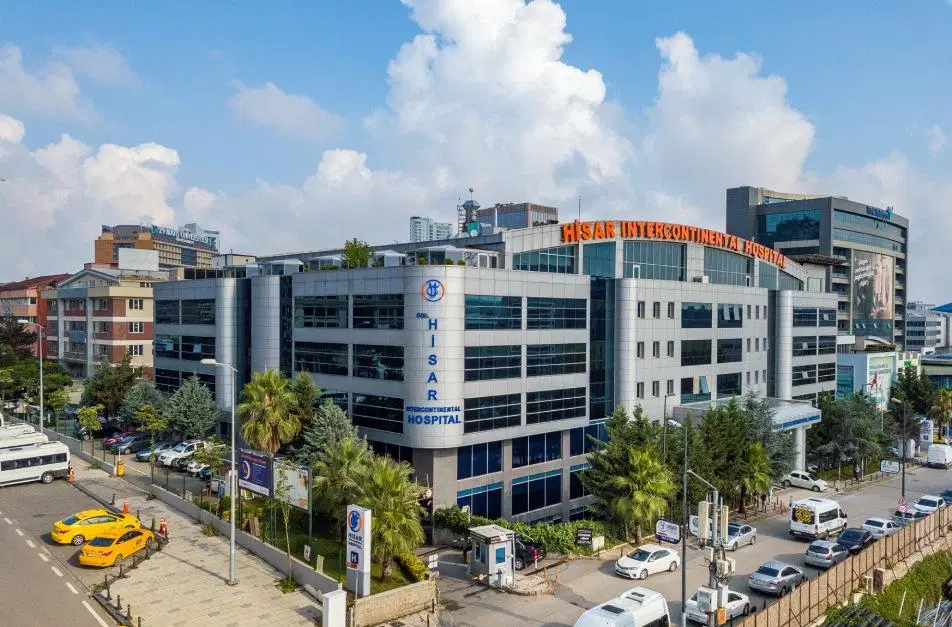
Hisar Intercontinental Hospital
Saray Mah. Siteyolu Cad. No:7, Umraniye, 34768, Istanbul, Turkey
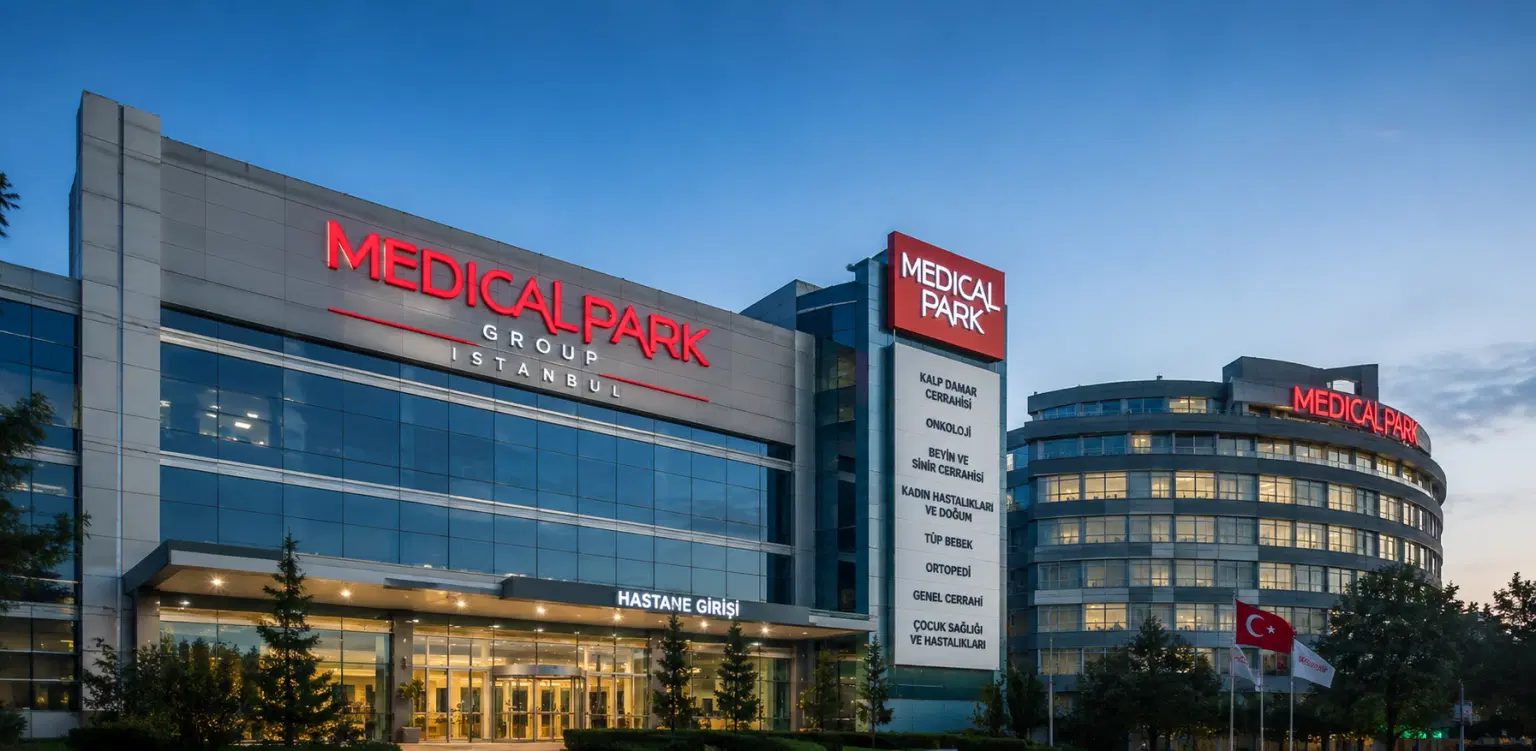
Medical Park Group, Istanbul
Fahrettin Kerim Gokay Cad. Tıbbiye Cd., Kadikoy, Istanbul, Turkey
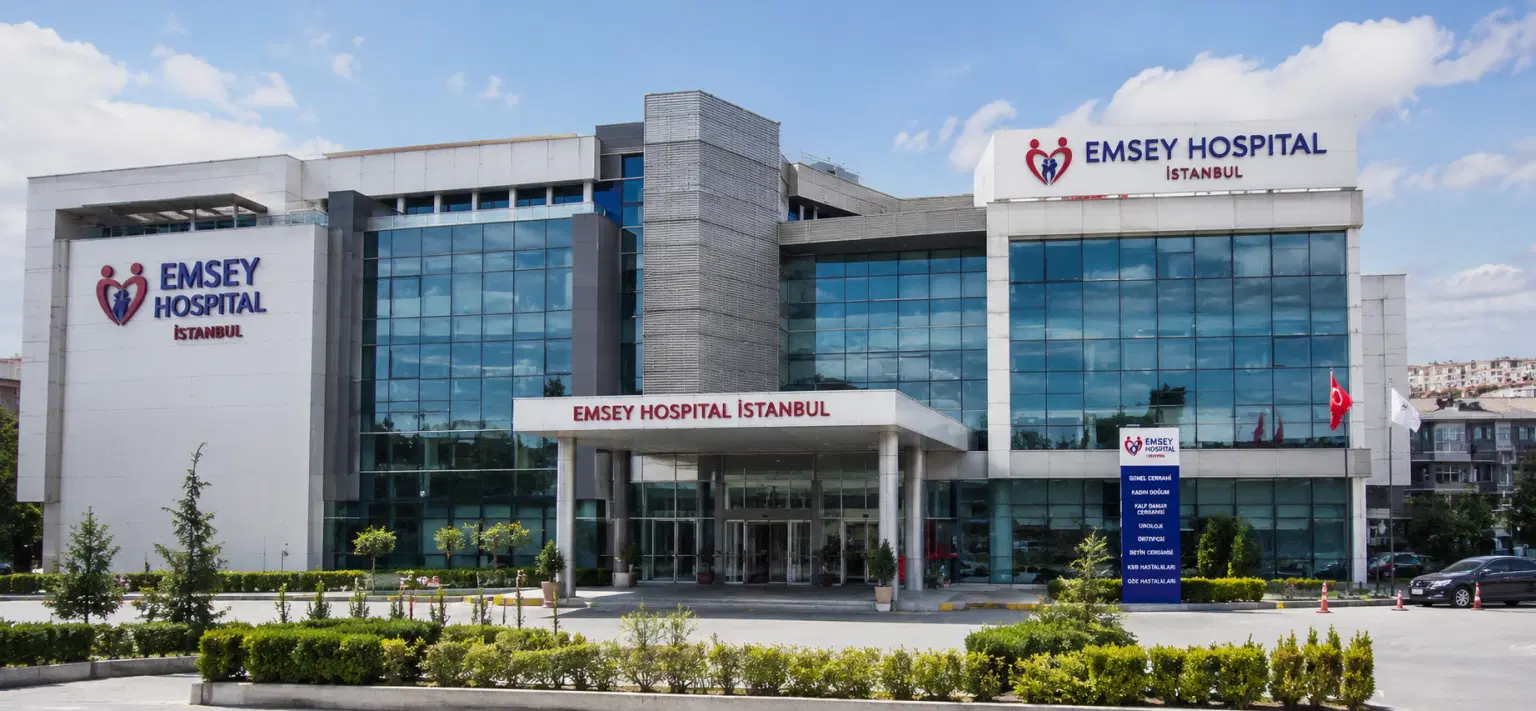
Emsey Hospital, Pendik, Istanbul
Çamlık, Selçuklu Cd. No:22, 34912 Pendik/İstanbul, Türkiye
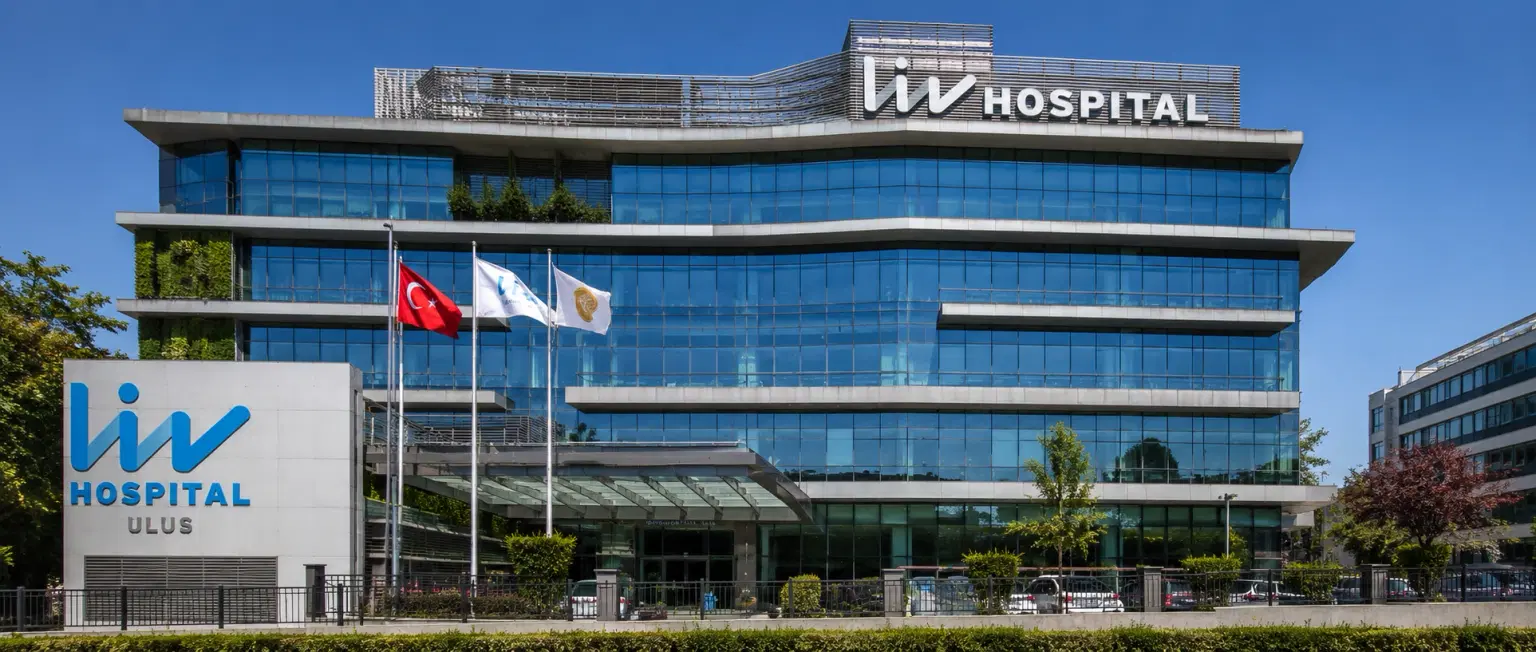
LIV Hospital, Istanbul
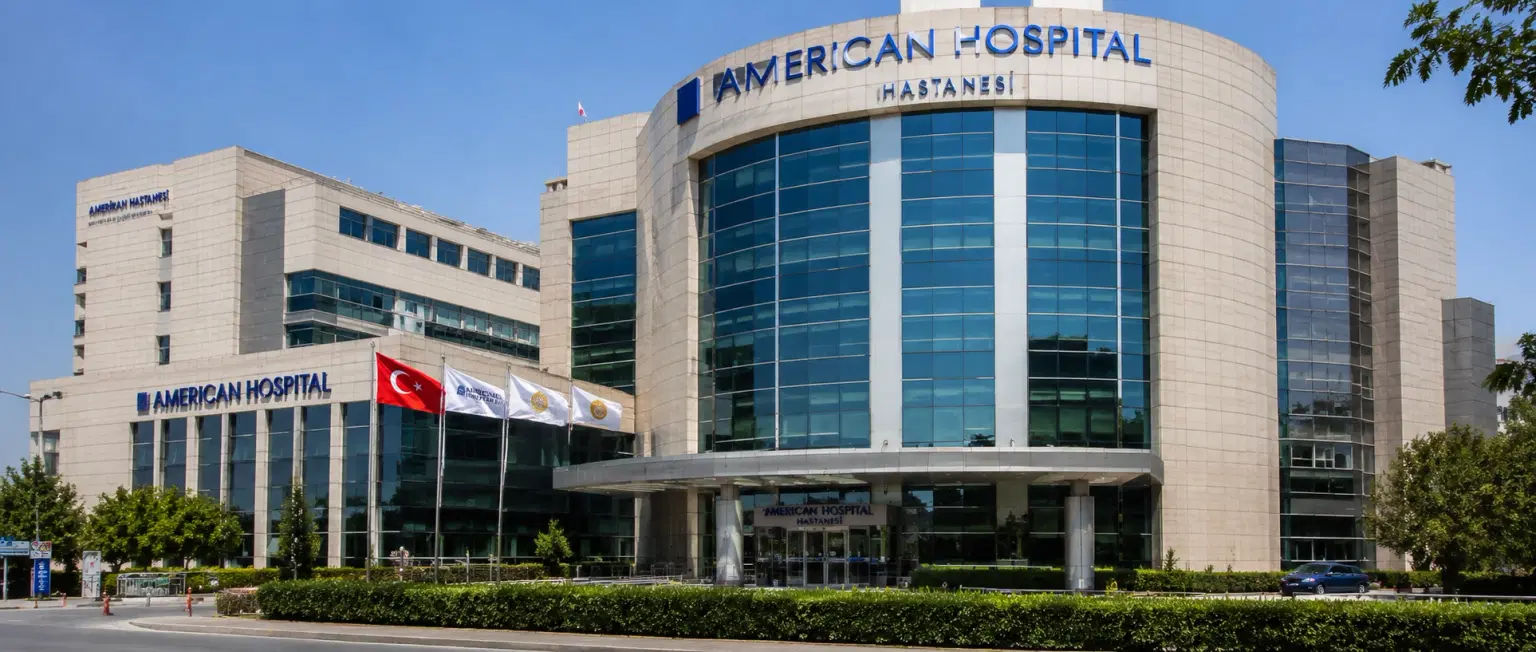
American Hospital, Istanbul
Guzelbahce Sk. No:20, 34365, Nisantasi, Istanbul, Turkey
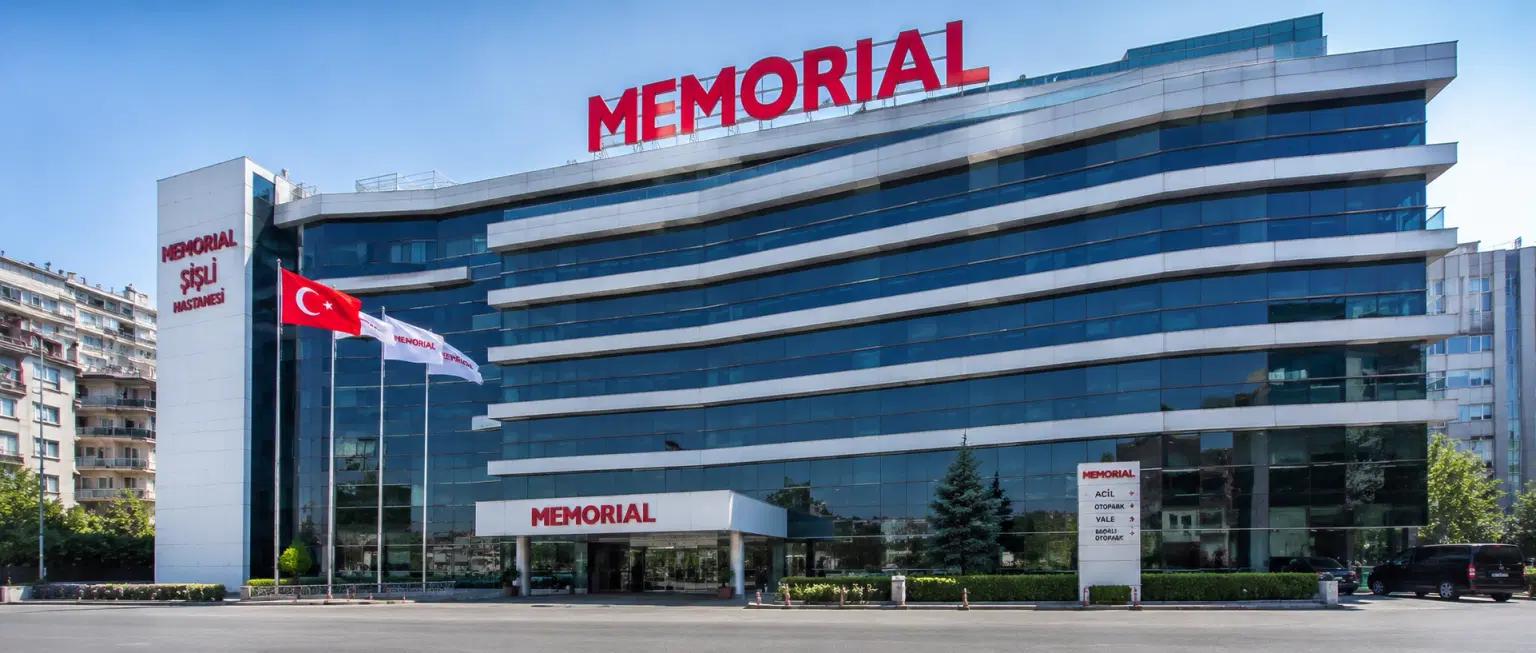
Memorial Hospitals Group
Burhaniye, Nagehan Sokağı No:4/A D:1, 34676 Üsküdar/İstanbul, Türkiye
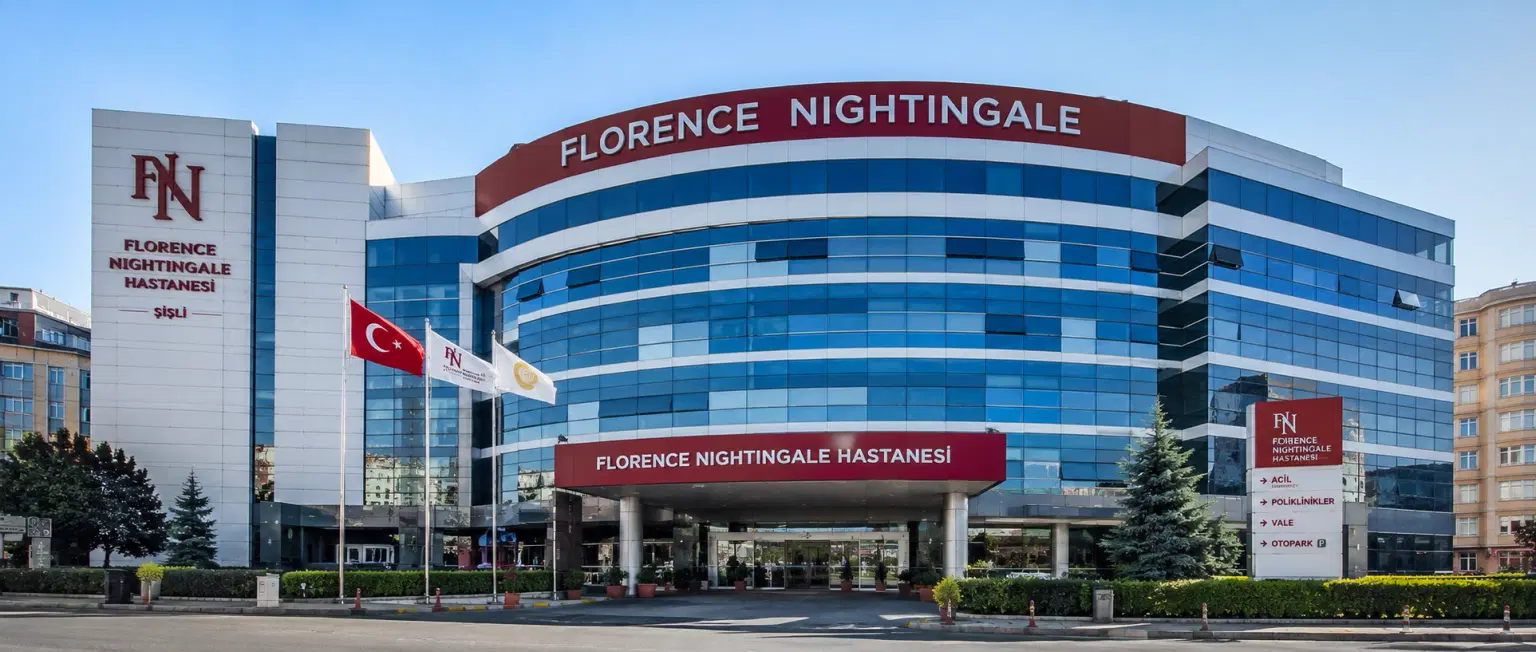
Florence Nightingale Hospital Istanbul
Abide-i Hürriyet Cd No:166, 34381 Sisli, Istanbul
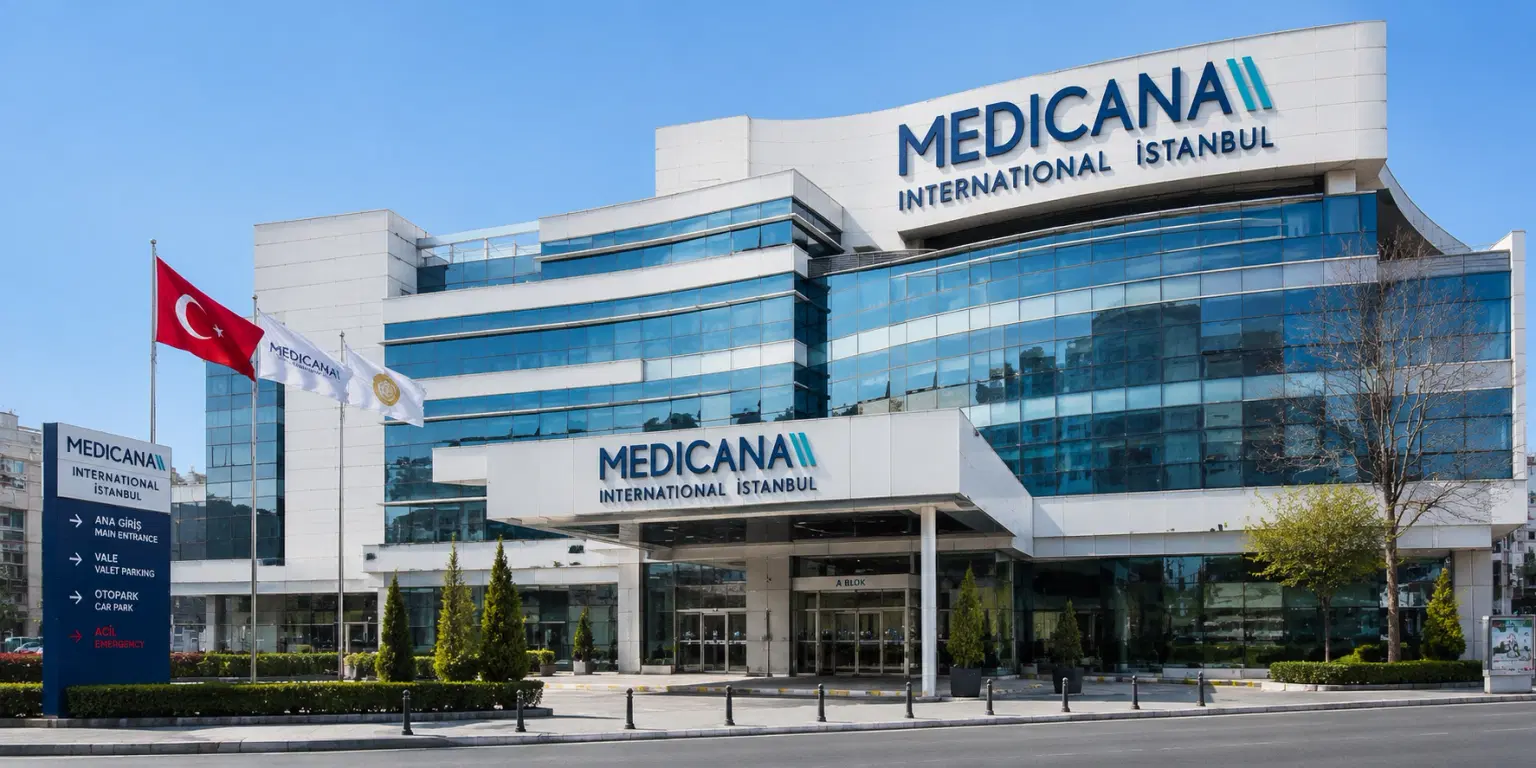
Medicana International Hospital, Istanbul
Halit Ziya Turkkani Mah. Medikal Park Cd. No:1, Beylikdüzü, İstanbul
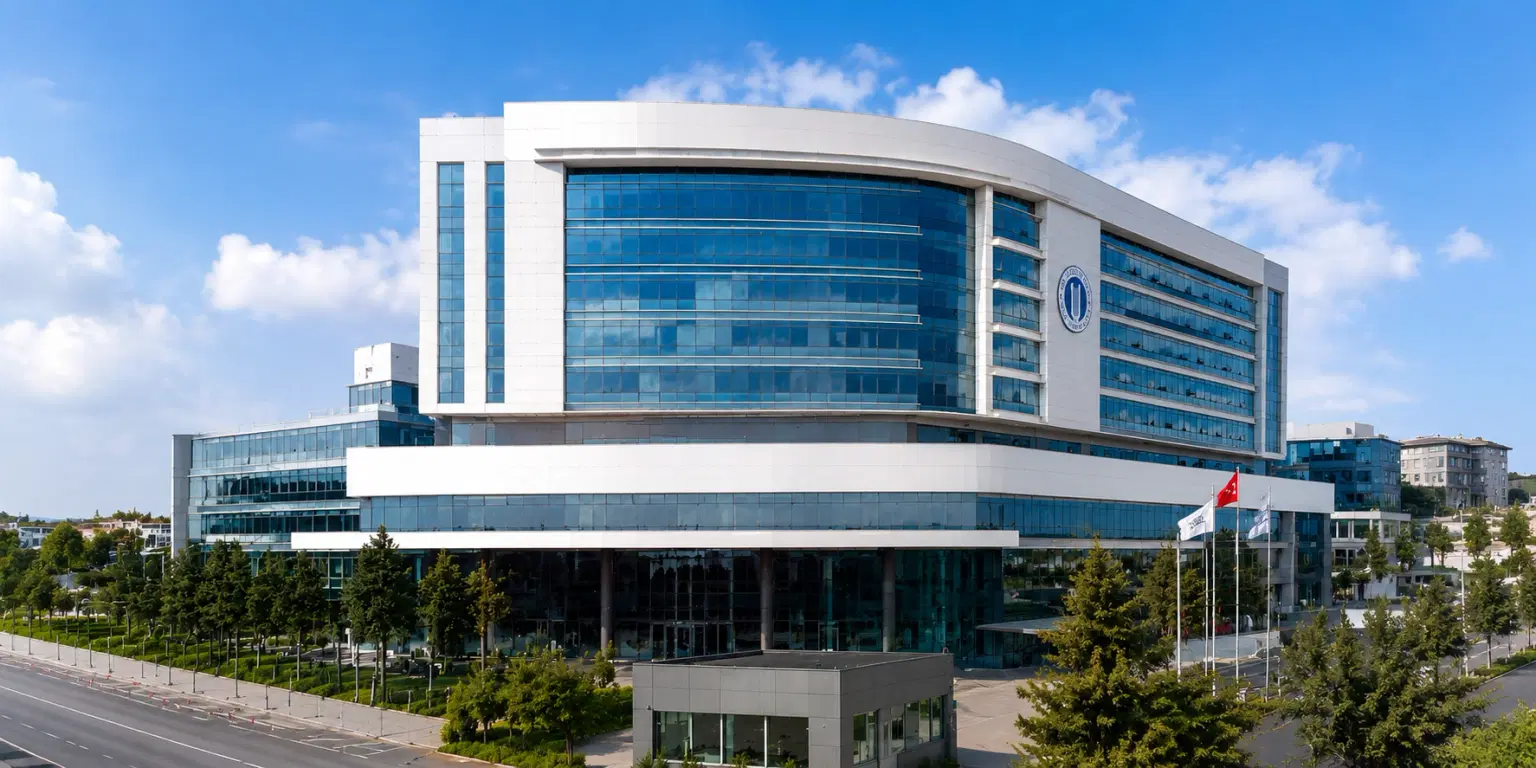
Okan University Hospital Istanbul
Icmeler Mah. Aydınlıyolu Cd. No:2, 34947 Icmeler-Tuzla, Istanbul
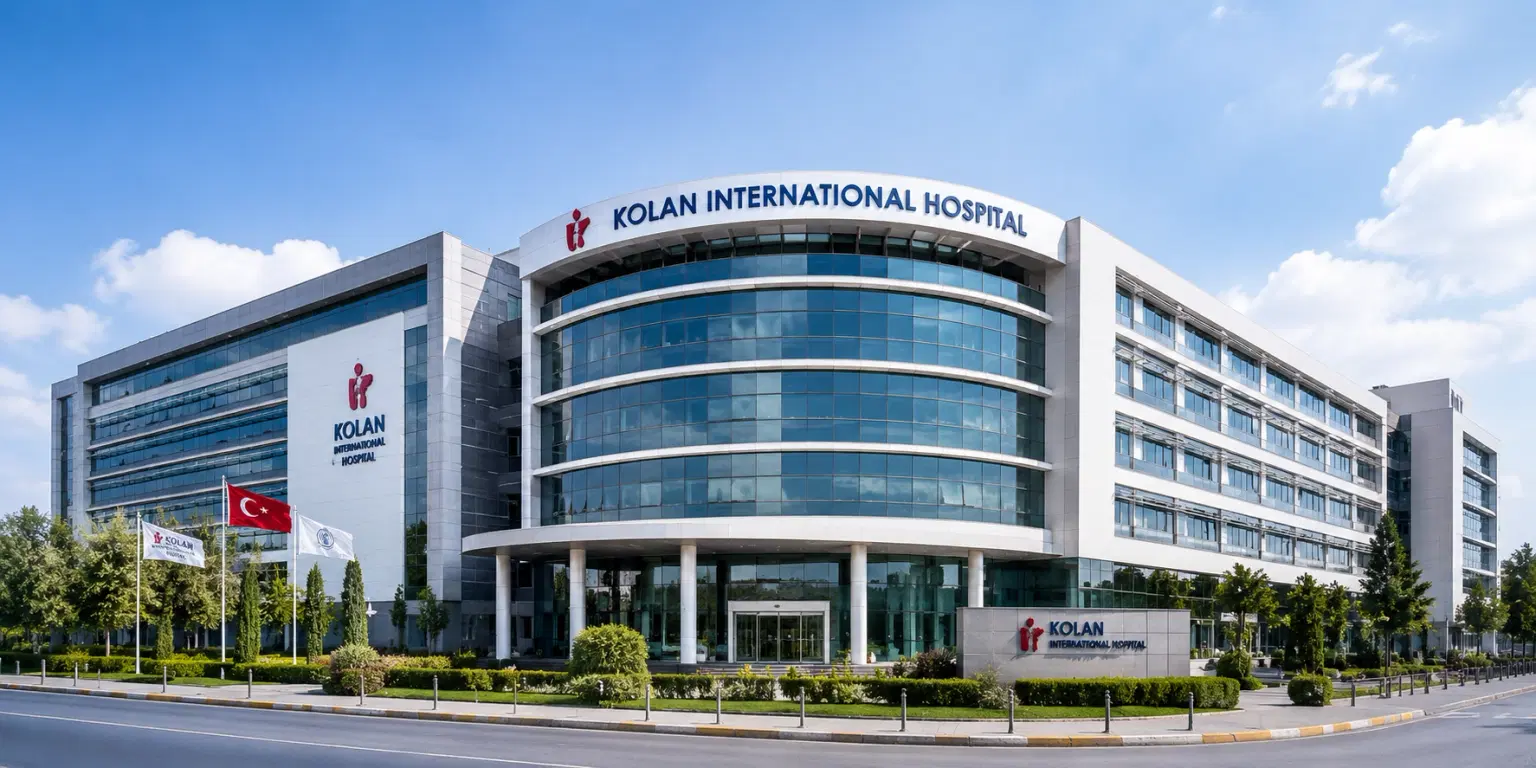
Kolan International Hospital, Istanbul
Kaptanpasa Mah. Okmeydan Kavsagi, Darulaceze Cd. No:14, 34384 Sisli, Istanbul
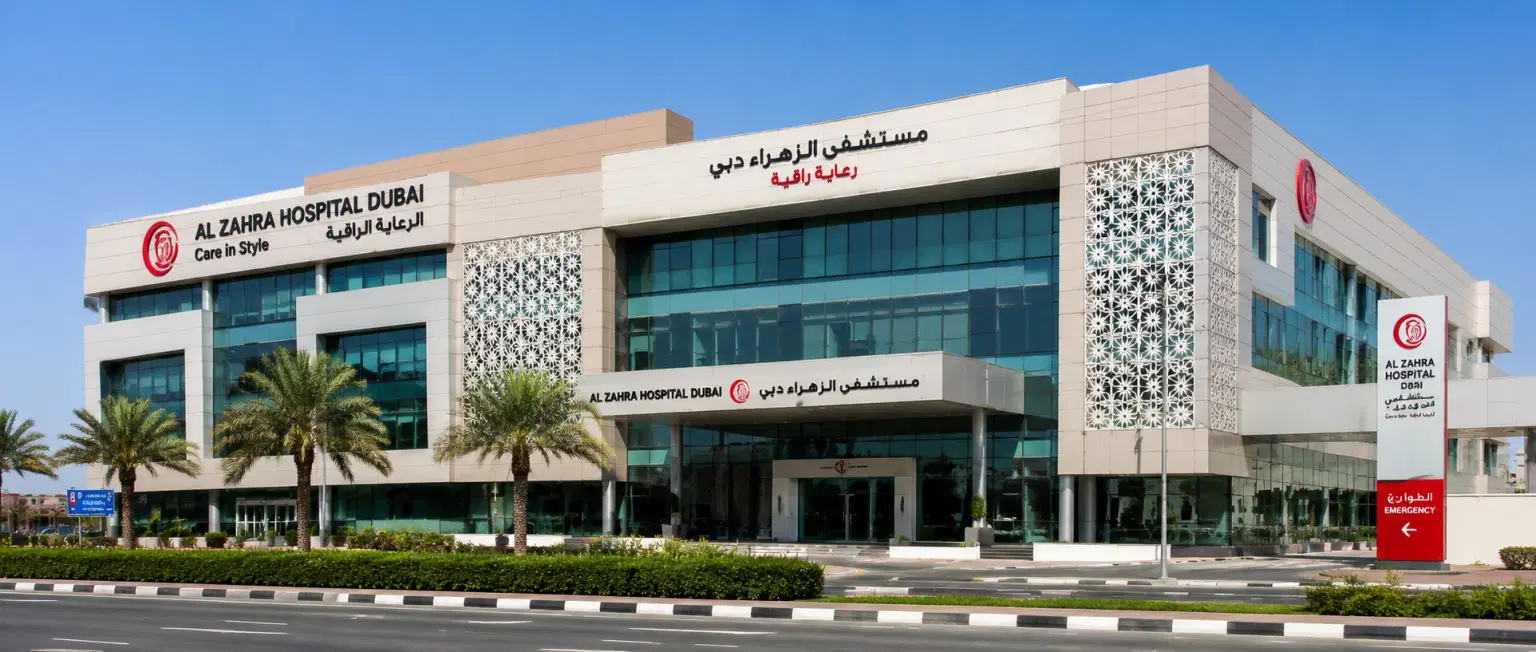
Al Zahra Hospital, Dubai
Sheikh Zayed Road, Al Barsha 1, Dubai, UAE
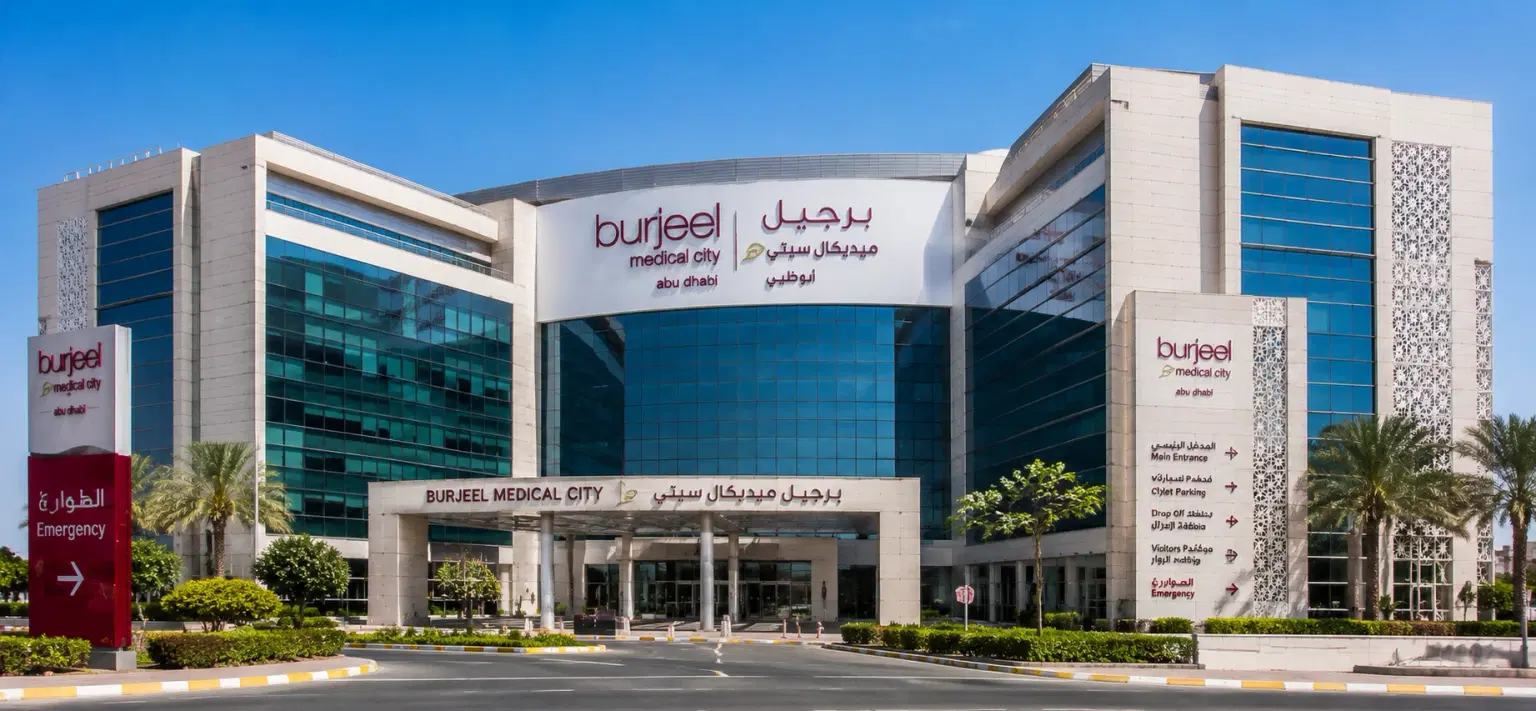
Burjeel Medical City, Abu Dhabi
28th Street, Mohammed Bin Zayed City, Abu Dhabi, UAE
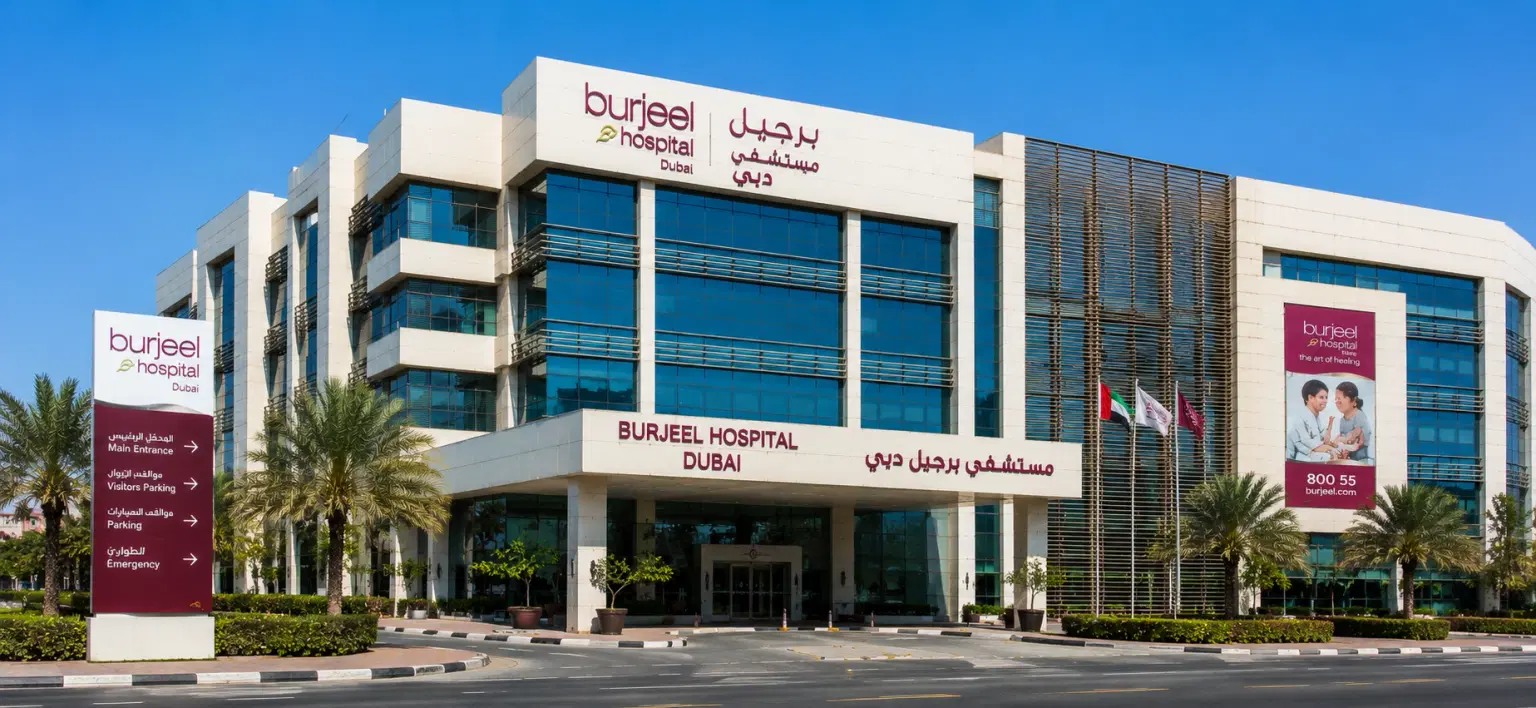
Burjeel Hospital, Dubai
Dubai, UAE (part of Burjeel Holdings network)
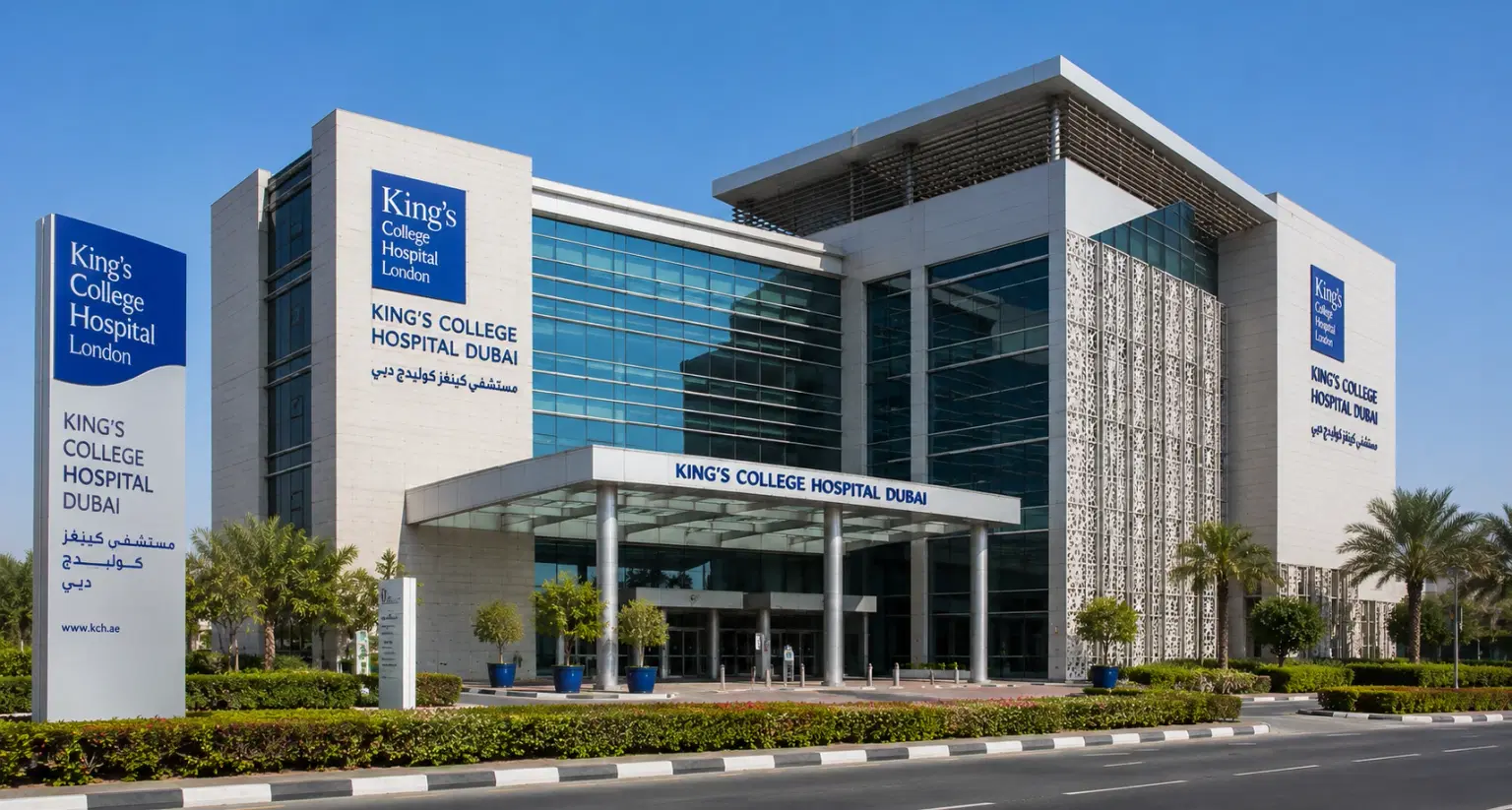
King's College Hospital, Dubai
Dubai Hills, Mohammed Bin Rashid City, Dubai, UAE
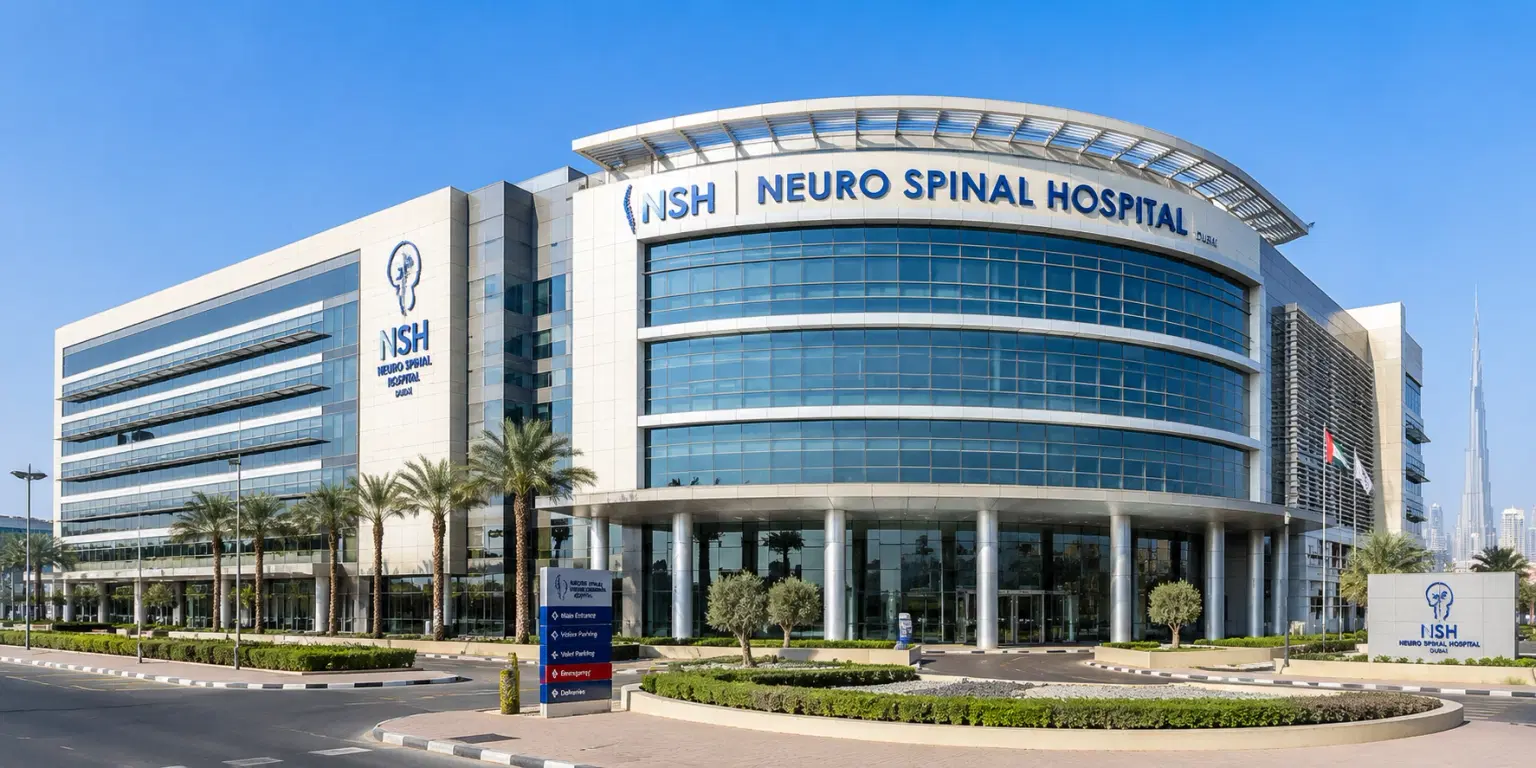
Neuro Spinal Hospital (NSH), Dubai
Dubai Science Park, Umm Suqeim St, Al Barsha South, Dubai, UAE
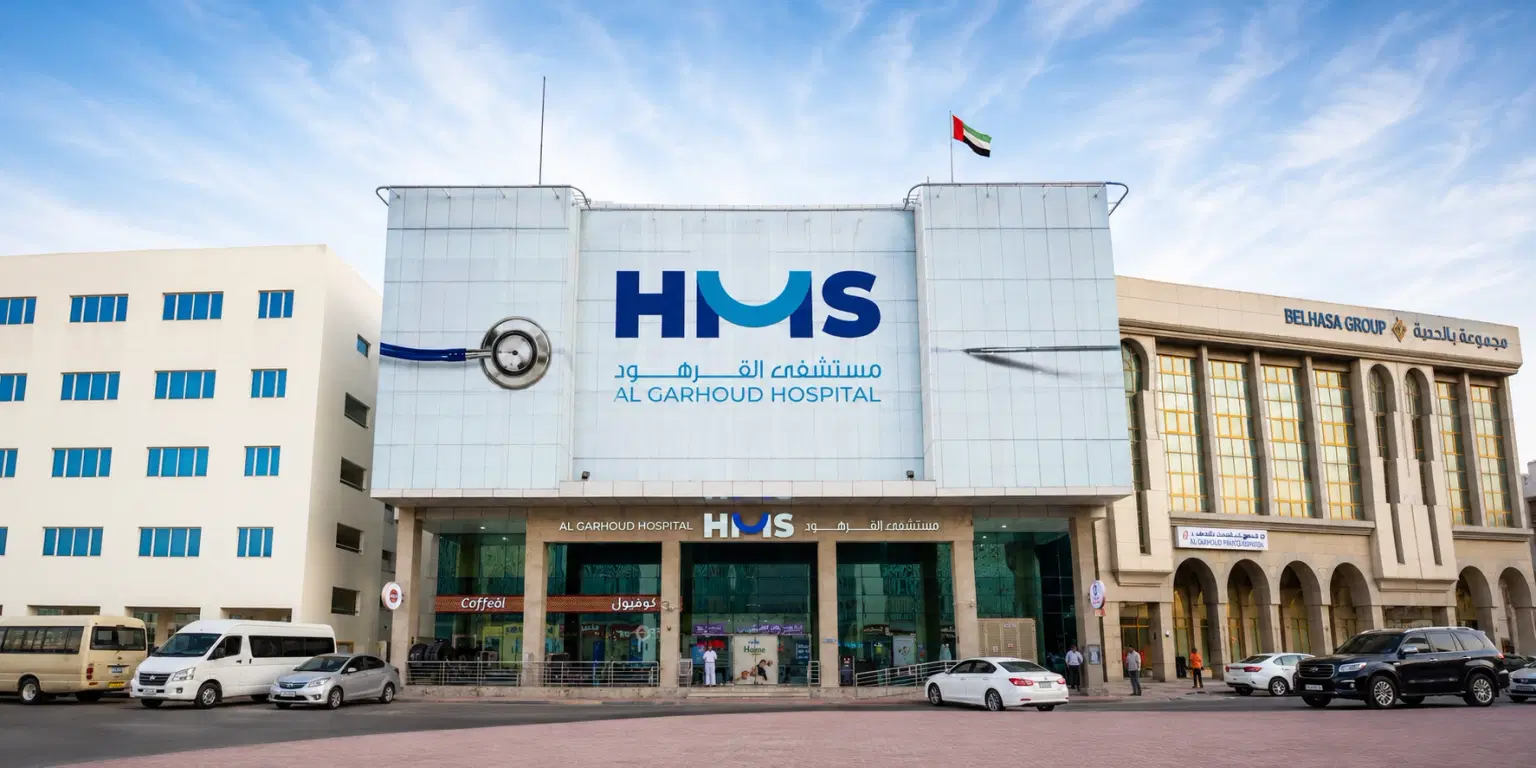
HMS Al Garhoud Hospital, Dubai
Al Garhoud Street, Al Garhoud, Dubai, UAE
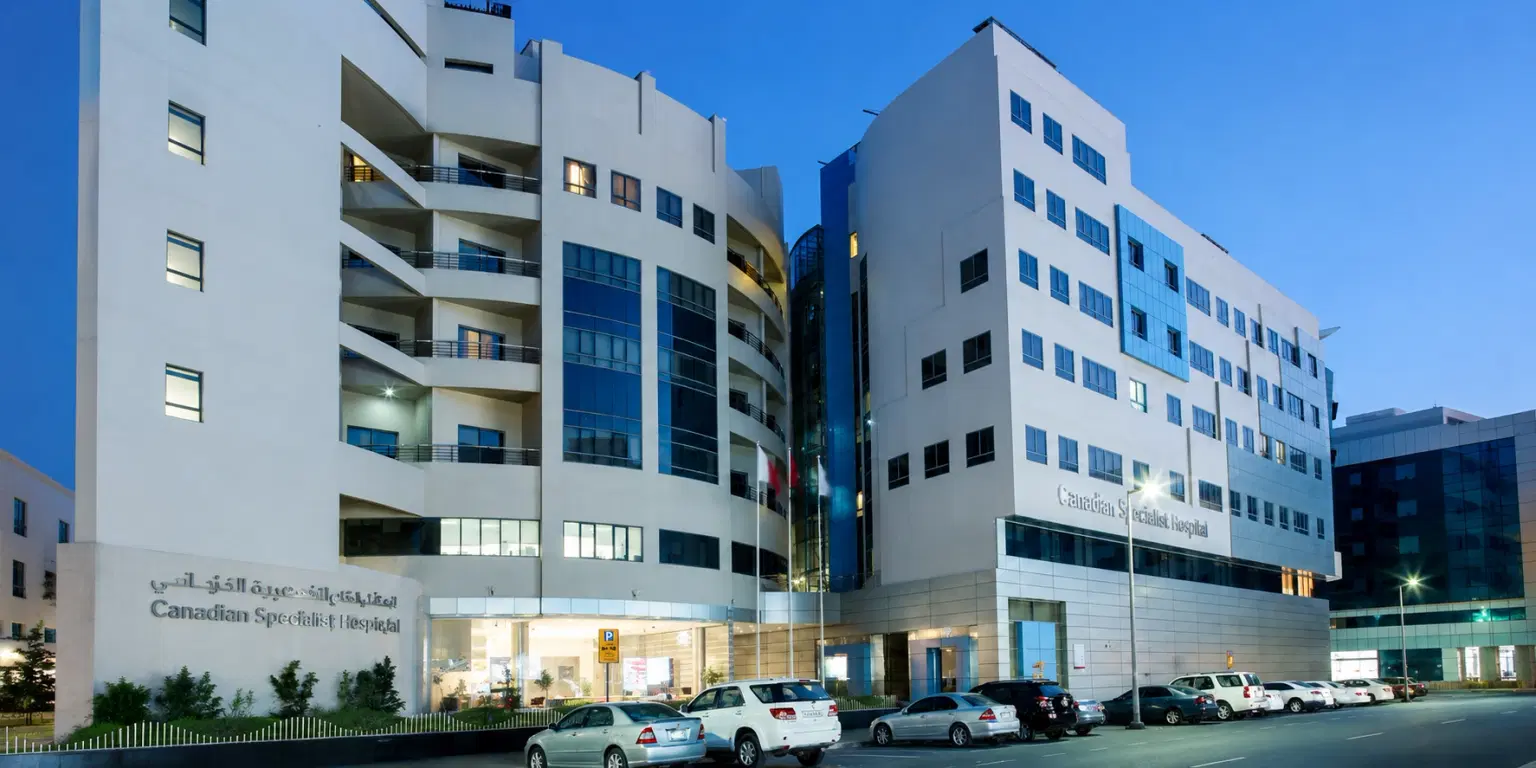
Canadian Specialist Hospital, Dubai
Abu Hail Street 269/1, Canadian Specialist Hospital Building, Hor Al Anz East, Deira, Dubai, UAE
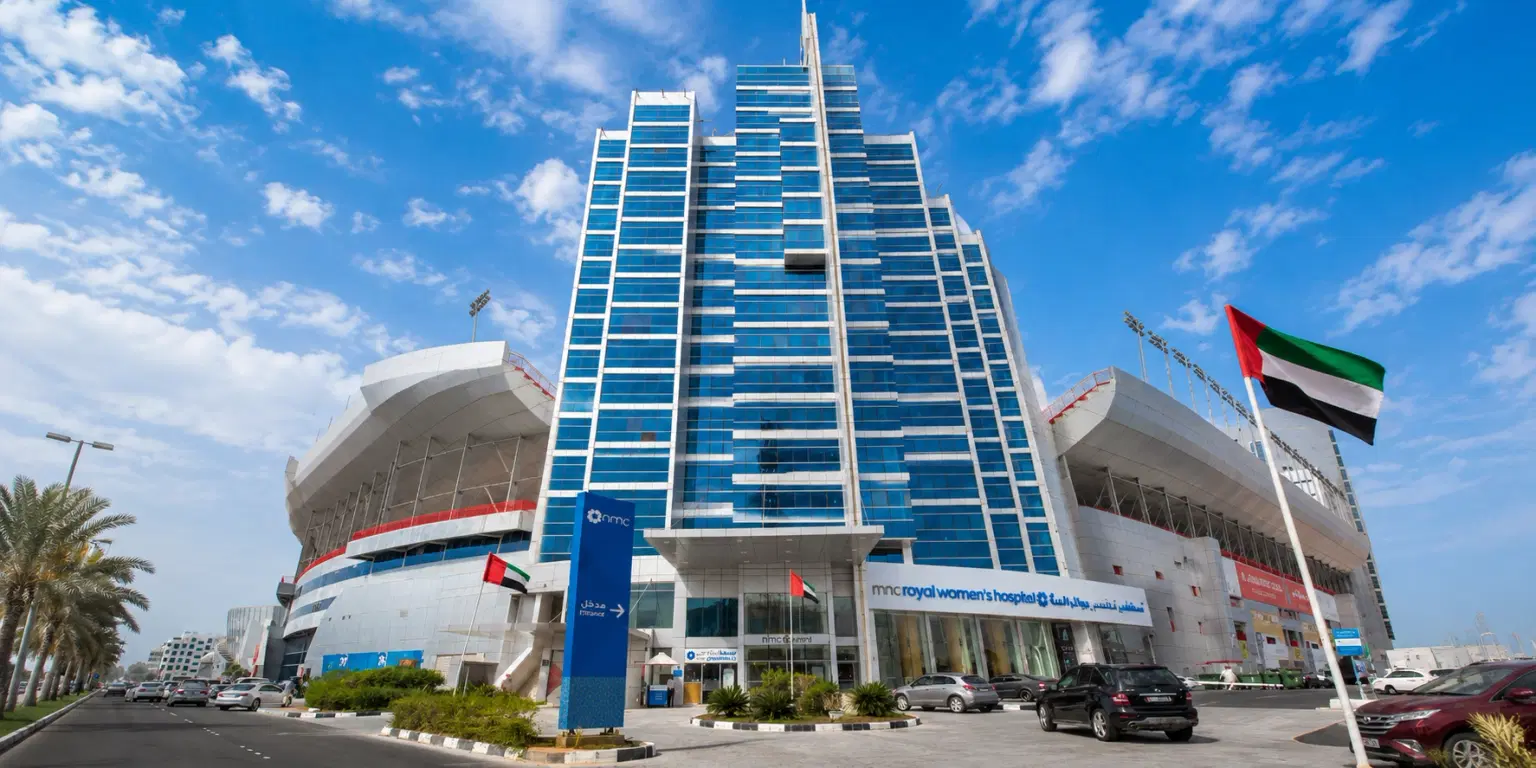
NMC Royal Women's Hospital, Abu Dhabi
Tower B, Mohammed bin Zayed Stadium, Al Jazira Club, Opposite Dusit Thani, Muroor Road, Abu Dhabi, UAE
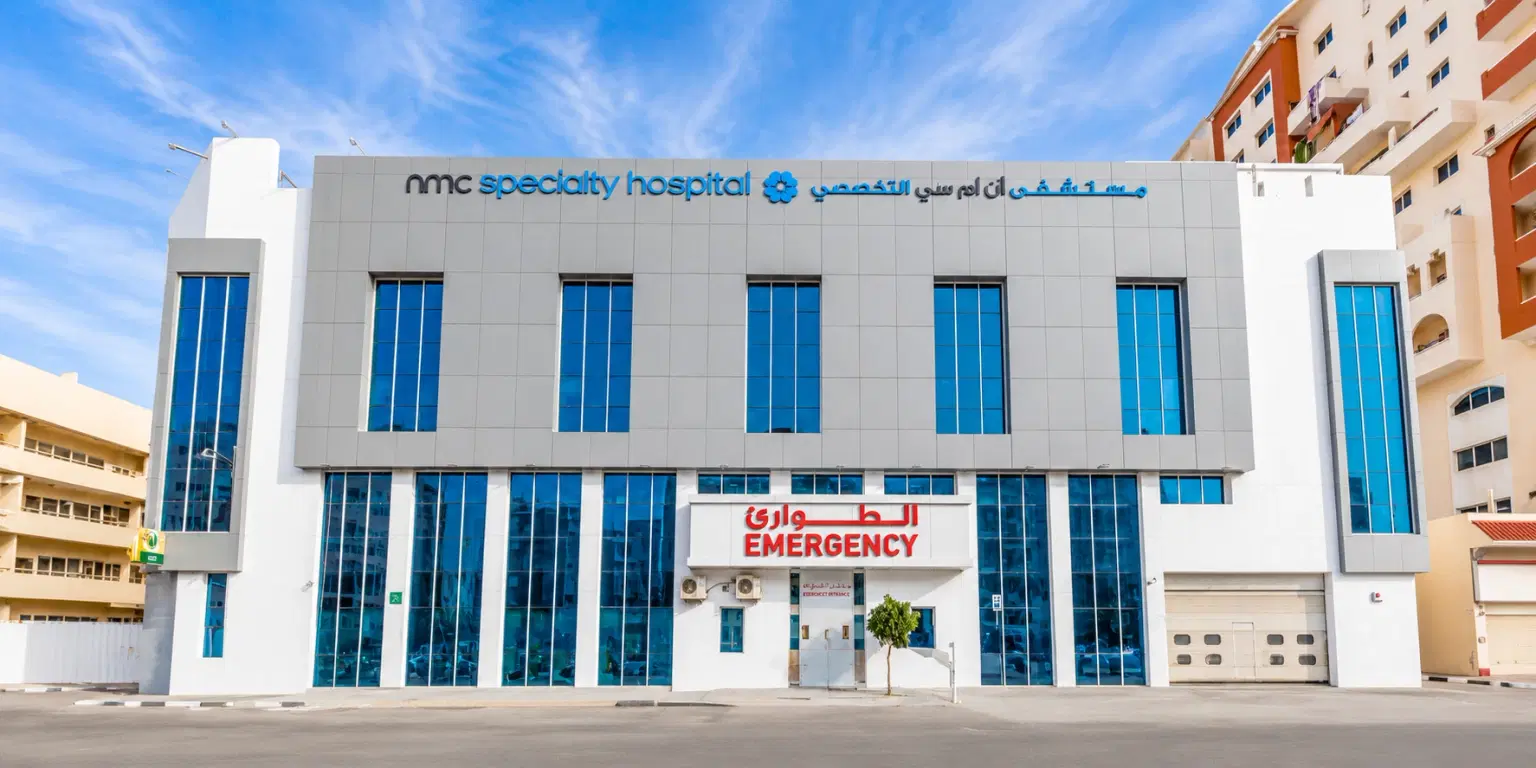
NMC Specialty Hospital, Al Nahda, Dubai
7A St, Al Qusais, Al Nahda 2, next to Bait Al Khair Building, Dubai
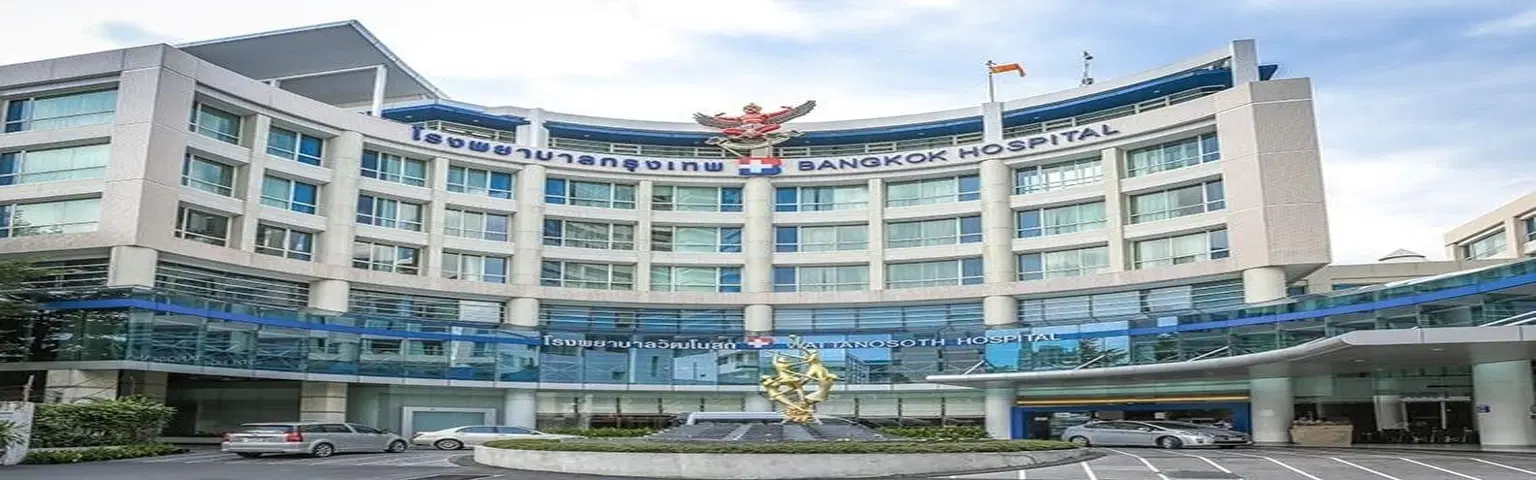
Bangkok Hospital, Thailand
2 Soi Soonvijai 7, New Petchburi Road, Huay Khwang, Bangkok 10310, Thailand
Booking With DIVINHEAL
Get a free consultation to understand your treatment options