Centres Of Excellence
Our Centres of Excellence bring together multidisciplinary teams to deliver precise diagnosis, advanced treatments, and superior outcomes across a wide spectrum of medical specialties.
OVERVIEW
Overview of Pediatric Oncology
Pediatric oncology encompasses the multidisciplinary clinical care and scientific investigation of malignant diseases in pediatric populations, typically defined as individuals under 19 years of age. Unlike adult malignancies, which are overwhelmingly epithelial carcinomas linked to environmental exposures, childhood cancers primarily originate in mesodermal or neuroectodermal tissues. The primary goal of pediatric oncology is long-term disease-free survival alongside the preservation of cognitive, endocrine, physical, and reproductive growth.
PROCEDURE
Pediatric oncology regimens follow standardized trial protocols defined by international registries like the Children's Oncology Group (COG) and the International Society of Paediatric Oncology (SIOP). Chemotherapy is delivered through central venous access devices (such as port-a-caths or peripherally inserted central catheters). Protocols feature distinct phases: induction therapy to induce complete remission, consolidation/intensification therapy to eliminate subclinical microscopic disease, and, in leukemias, prolonged low-dose maintenance therapy. Central nervous system prophylaxis using intrathecal chemotherapy is administered periodically via lumbar puncture. Surgical resections and target-directed radiation therapy are integrated at pre-specified protocol milestones.
BENEFITS
Evidence-Based Clinical Outcomes
Modern risk-stratified pediatric oncology protocols have transformed childhood cancer care. Five-year overall survival rates for childhood ALL now exceed 90%, and localized Wilms tumor survival approaches 95% under cooperative group trials (COG 2023, SIOP 2022). High-dose multi-agent regimens, integrated immune therapies (such as anti-GD2 monoclonal antibodies in neuroblastoma and CAR T-cell therapy in relapsed leukemia), and central nervous system-sparing radiation protocols significantly improve long-term disease control while seeking to mitigate organ toxicity.
RECOVERY
Recovery and Survivorship Timeline
Active therapeutic phases range from 6 months for solid tumors to 2–3 years for acute lymphoblastic leukemia. Hematologic recovery (restoration of neutrophil and platelet levels) typically occurs 14–21 days following each acute chemotherapy cycle. Organic recovery and return to full physical and academic function require 12 to 24 months post-therapy. Comprehensive long-term survivorship tracking continues indefinitely according to Children's Oncology Group Long-Term Follow-Up Guidelines.
WHAT WE TREAT
Conditions Treated
Pediatric oncology addresses a distinct spectrum of malignancies. Key diagnoses include acute lymphoblastic leukemia (ALL), acute myeloid leukemia (AML), central nervous system tumors (e.g., medulloblastoma, high-grade gliomas), neuroblastoma, Wilms tumor (nephroblastoma), Hodgkin and non-Hodgkin lymphomas, bone sarcomas (osteosarcoma and Ewing sarcoma), soft tissue sarcomas (rhabdomyosarcoma), and retinoblastoma.
PREPARATION
Pre-treatment workup includes core diagnostic biopsy or bone marrow aspiration, cytogenetic analysis, molecular sequencing, baseline organ assessment (echocardiogram for anthracycline exposure, audiometry for platinum compound toxicity, serum creatinine and glomerular filtration rate for nephrotoxic agents), central venous access device insertion under general anesthesia, and comprehensive fertility preservation counseling where age-appropriate.
RISKS
Complications range from acute systemic side effects to late developmental sequelae. Acute risks include severe myelosuppression, febrile neutropenia, mucositis, tumor lysis syndrome, chemotherapy-induced nausea and vomiting, and systemic infections. Long-term toxicity risks include cardiotoxicity, secondary primary malignancies, gonadotoxicity leading to infertility, growth hormone deficiency, neurocognitive impairment, and focal radiation necrosis.
JOURNEY
Clinical Treatment Journey
The pediatric oncology path begins with systemic diagnostic evaluation, including histological biopsies, bone marrow aspirations, advanced genomic sequencing, and central staging imaging. Following risk stratification by a multidisciplinary tumor board, the child initiates protocol-driven induction therapy. Treatment spans multi-phase cycles (induction, consolidation, maintenance) requiring frequent inpatient monitoring for febrile neutropenia and organ toxicity. Post-treatment care extends into long-term survivorship programs to manage late effects and developmental milestones.
Hospitals Offering this treatment
India offers premium medical procedures at affordable prices. Discover our most popular treatments, delivered by the country's finest doctors.
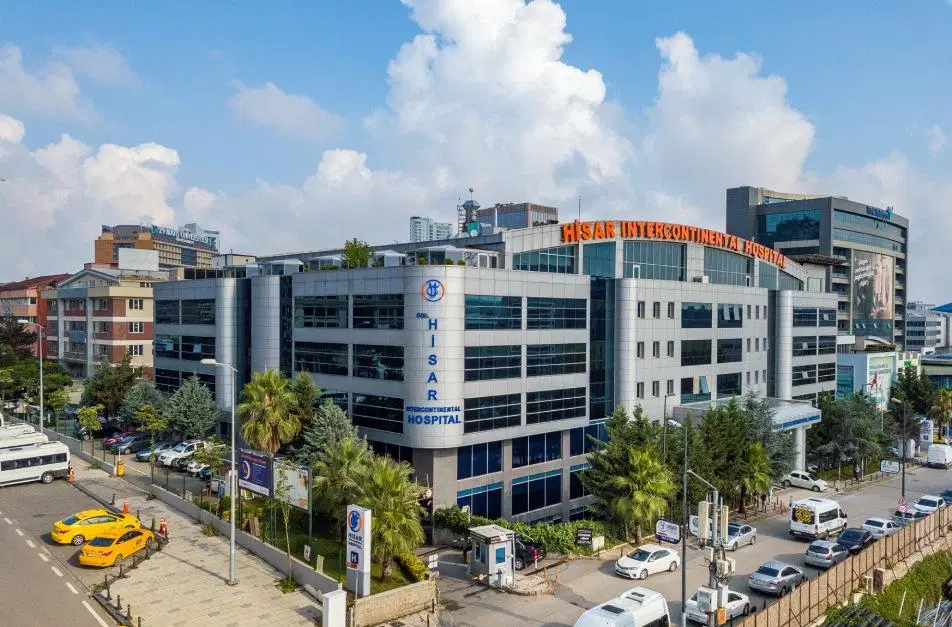
Hisar Intercontinental Hospital
Saray Mah. Siteyolu Cad. No:7, Umraniye, 34768, Istanbul, Turkey
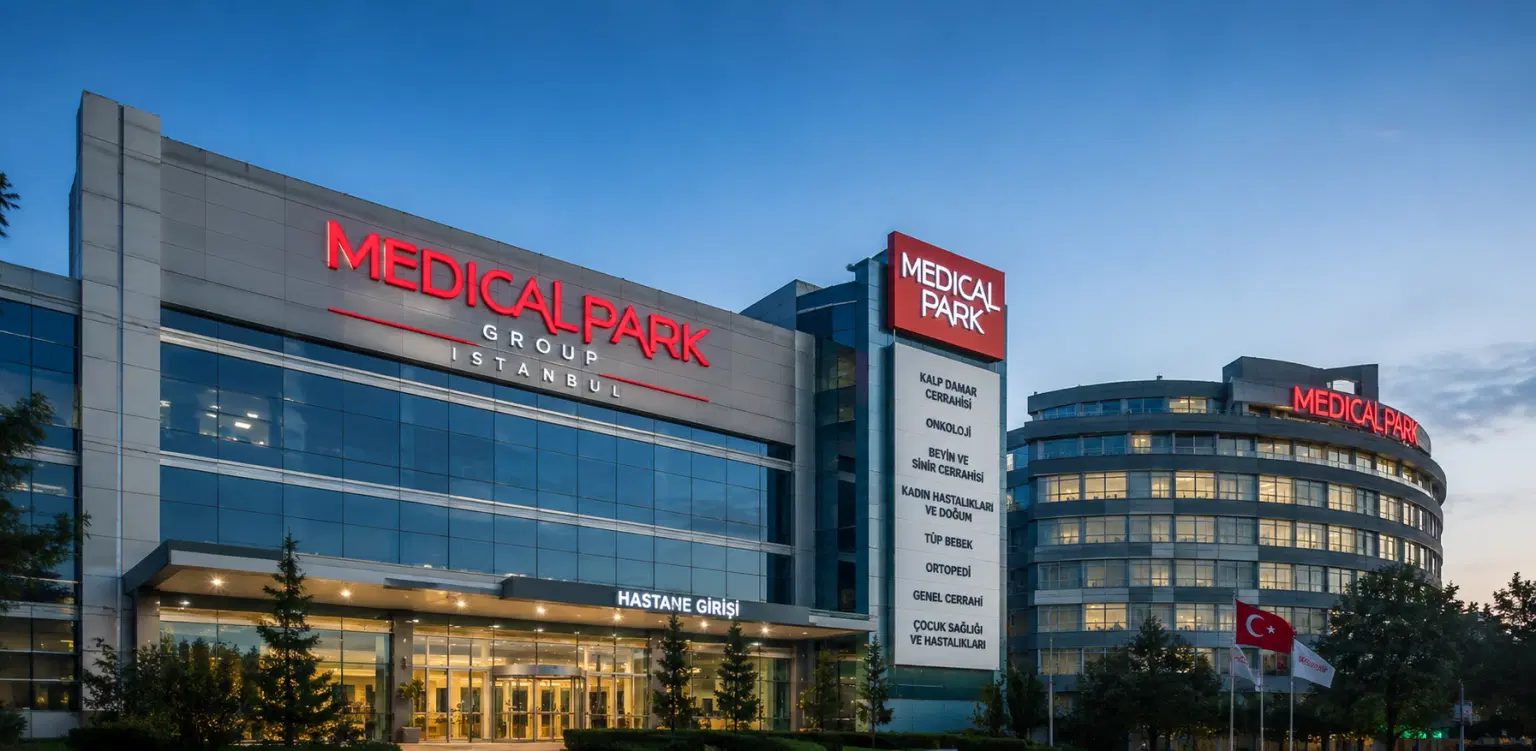
Medical Park Group, Istanbul
Fahrettin Kerim Gokay Cad. Tıbbiye Cd., Kadikoy, Istanbul, Turkey
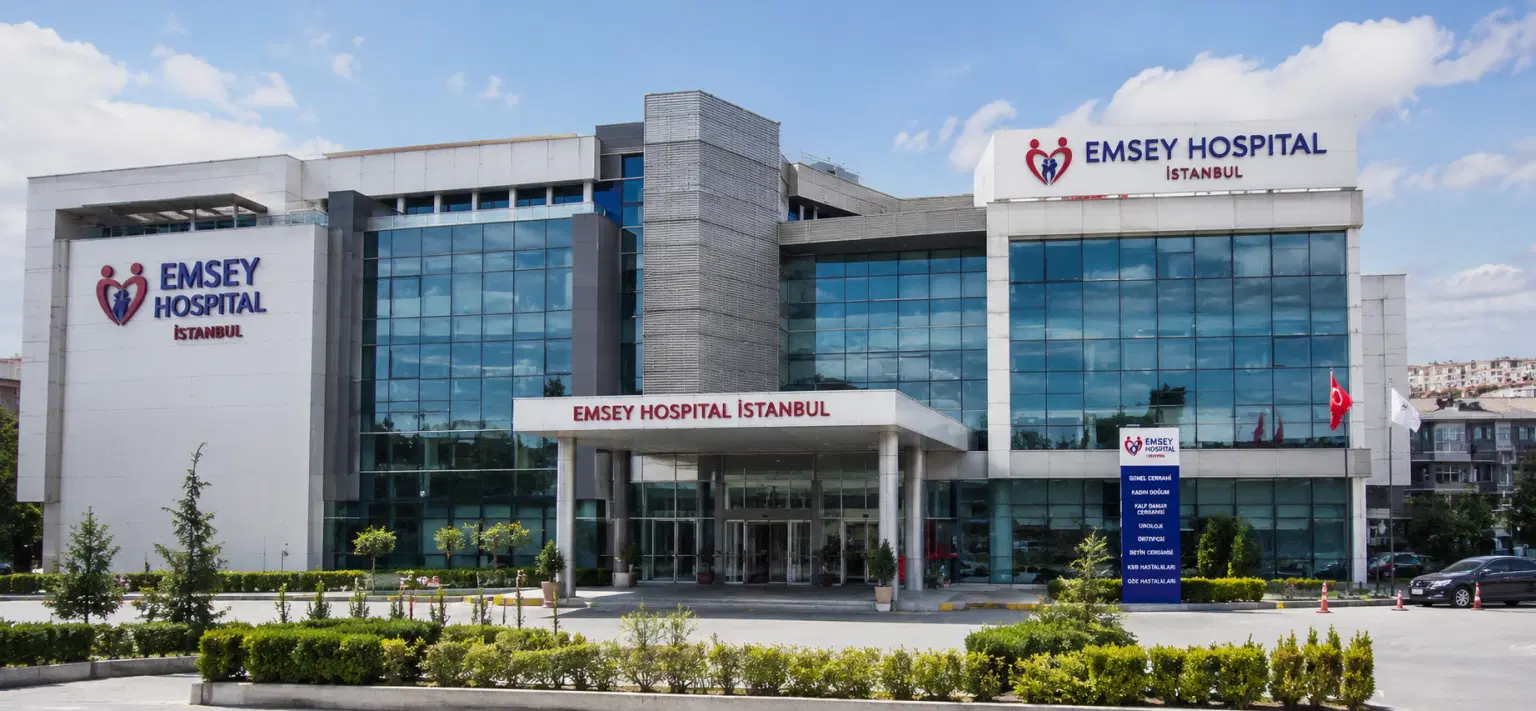
Emsey Hospital, Pendik, Istanbul
Çamlık, Selçuklu Cd. No:22, 34912 Pendik/İstanbul, Türkiye
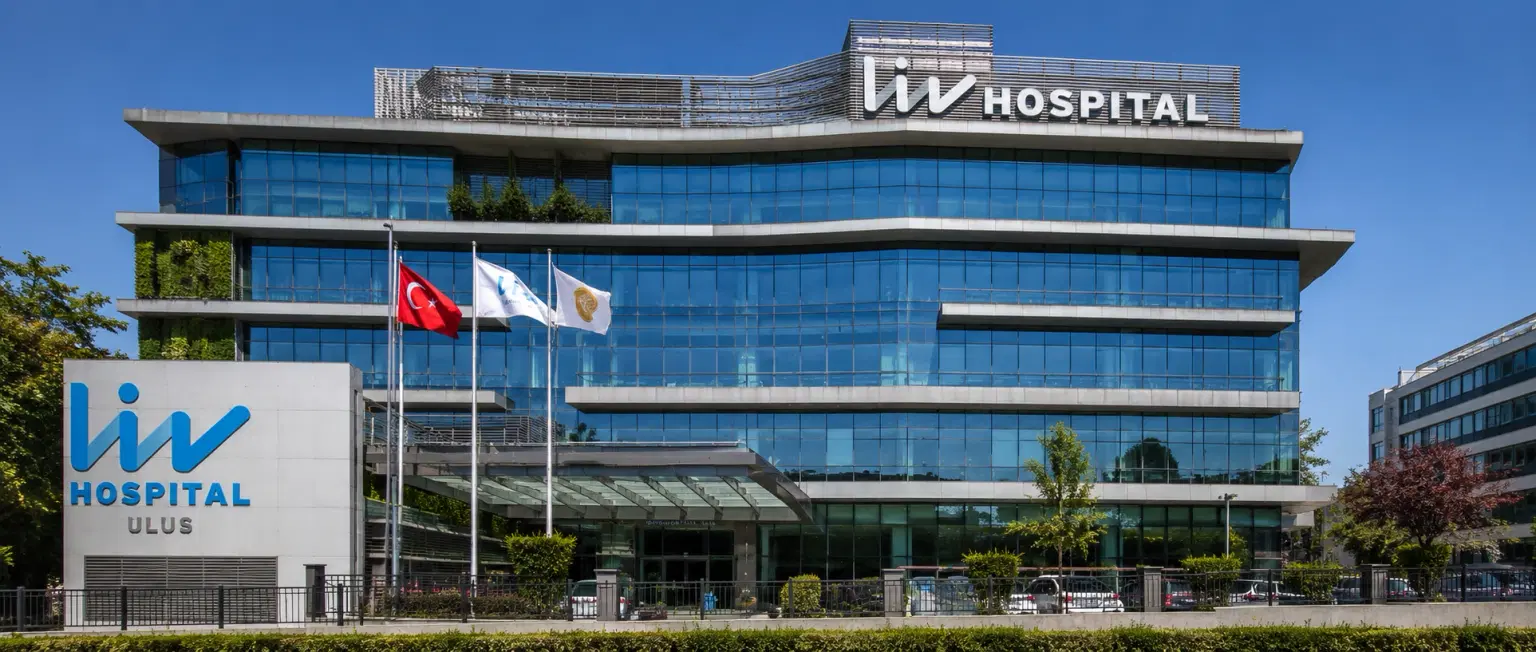
LIV Hospital, Istanbul
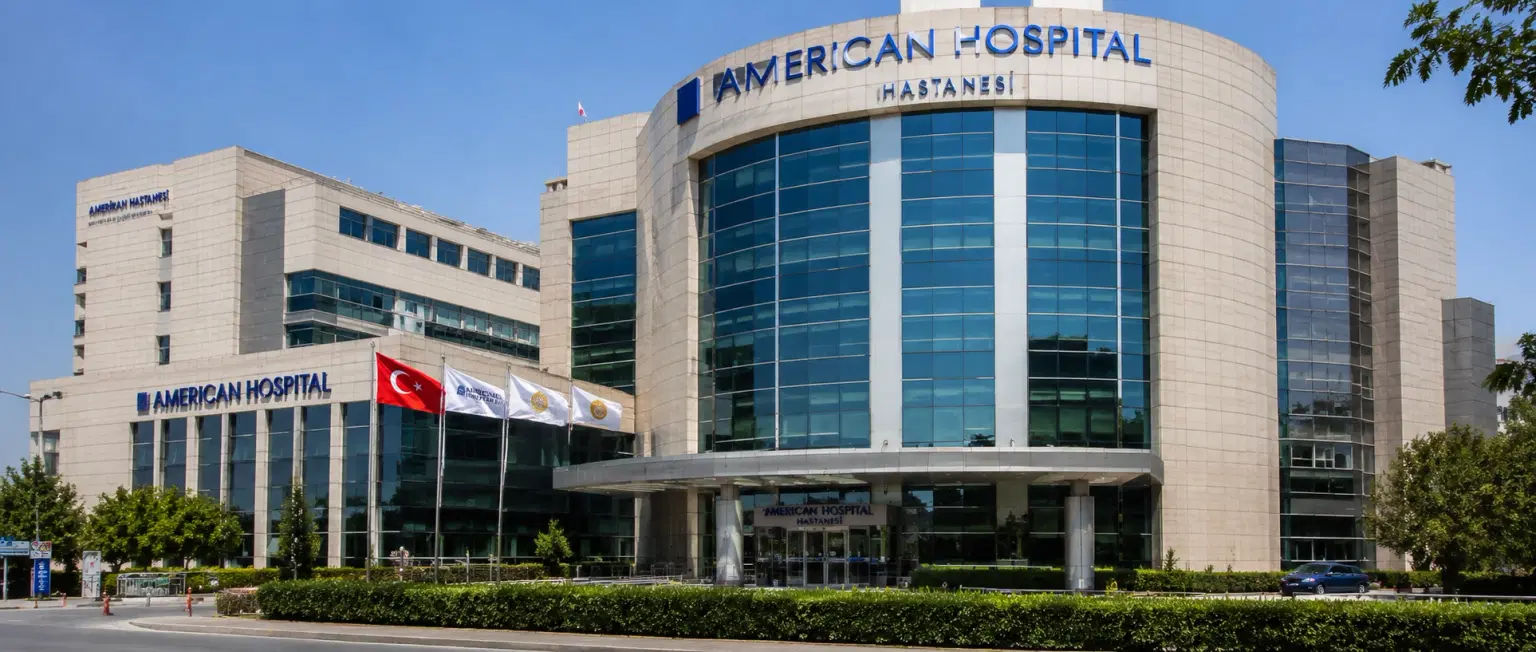
American Hospital, Istanbul
Guzelbahce Sk. No:20, 34365, Nisantasi, Istanbul, Turkey
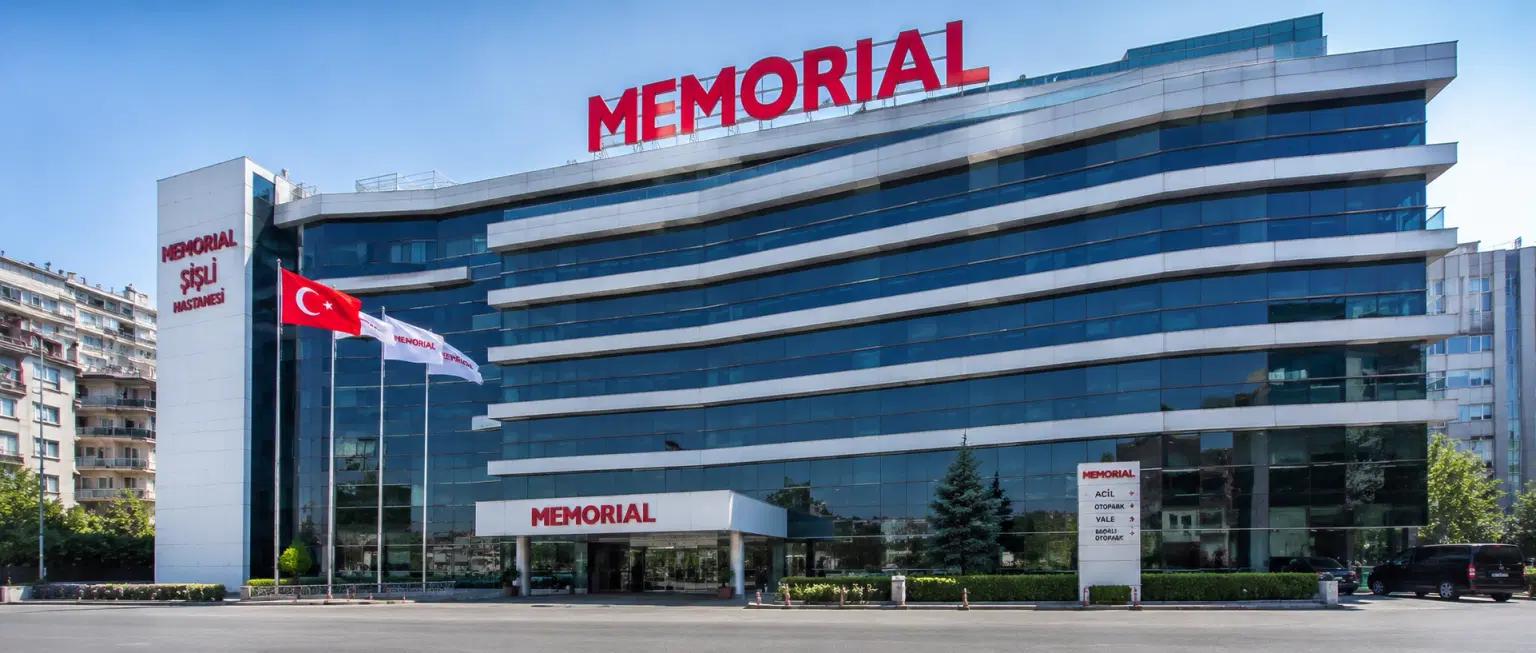
Memorial Hospitals Group
Burhaniye, Nagehan Sokağı No:4/A D:1, 34676 Üsküdar/İstanbul, Türkiye
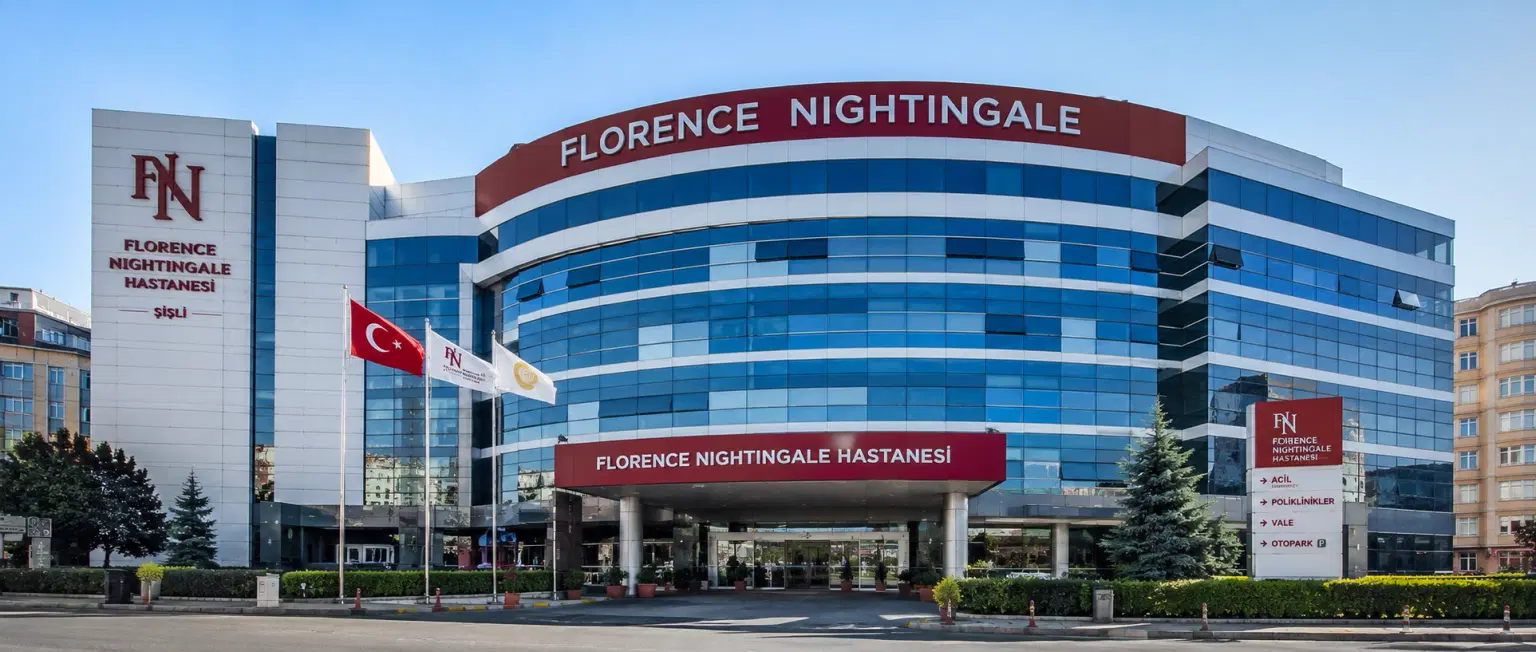
Florence Nightingale Hospital Istanbul
Abide-i Hürriyet Cd No:166, 34381 Sisli, Istanbul
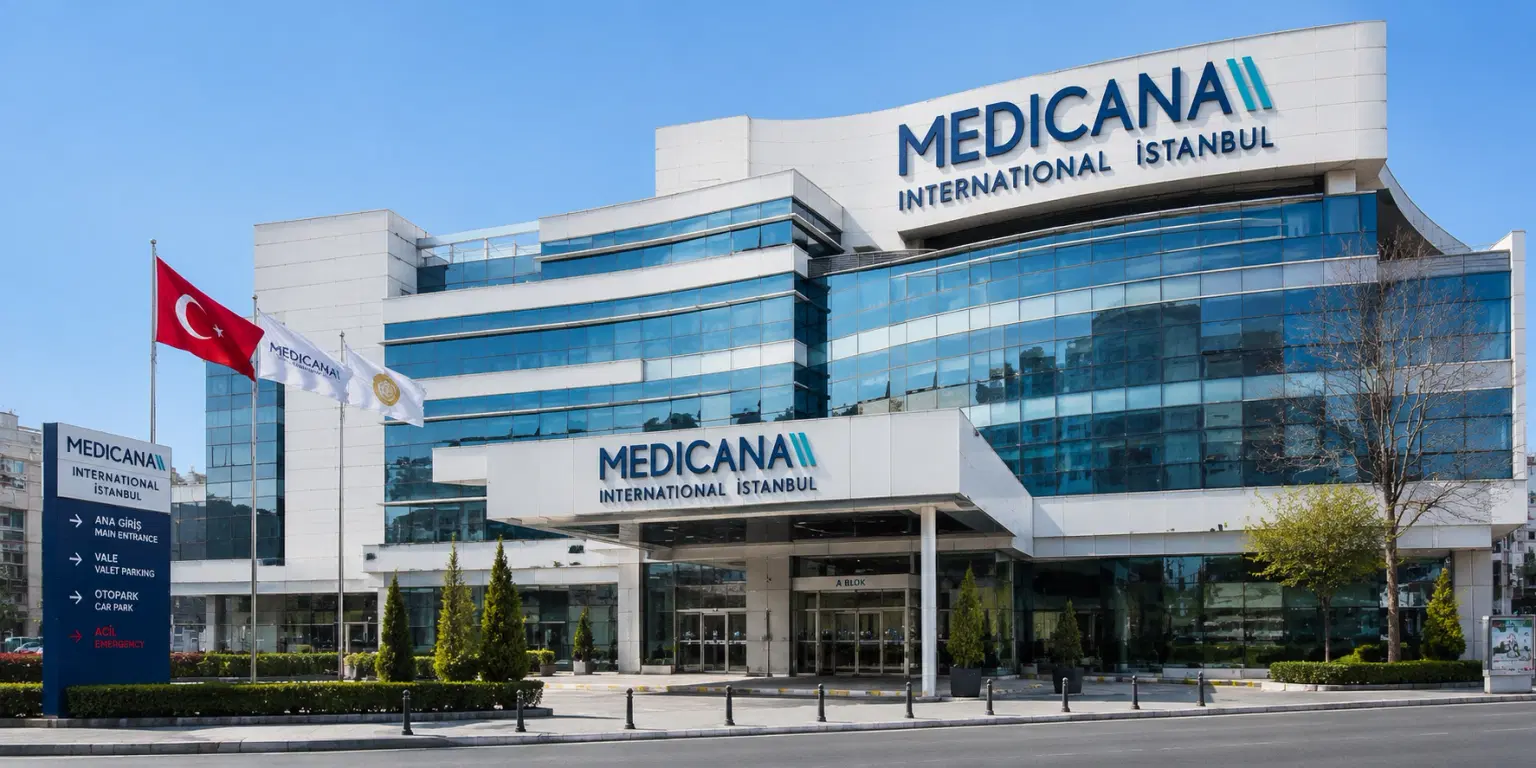
Medicana International Hospital, Istanbul
Halit Ziya Turkkani Mah. Medikal Park Cd. No:1, Beylikdüzü, İstanbul
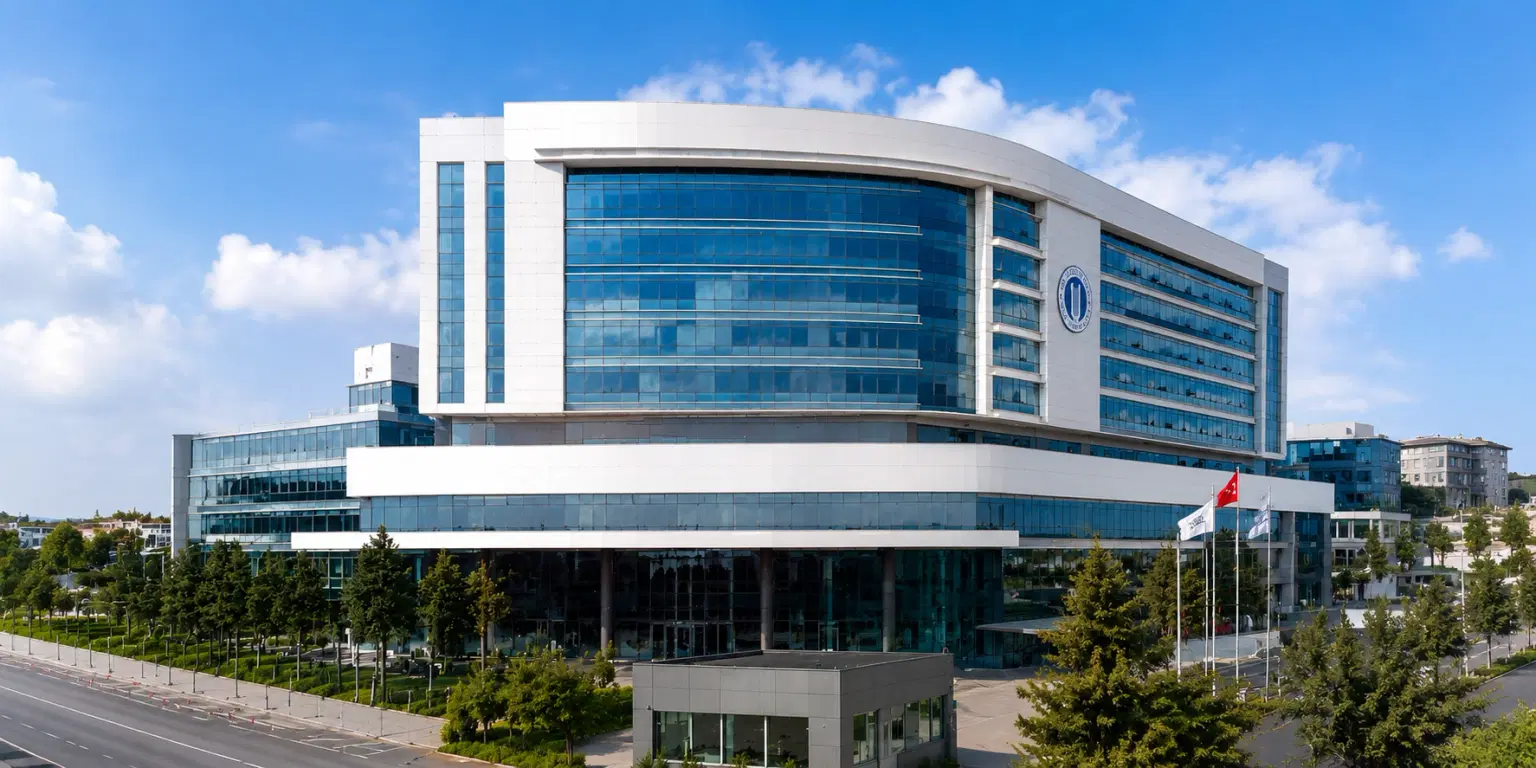
Okan University Hospital Istanbul
Icmeler Mah. Aydınlıyolu Cd. No:2, 34947 Icmeler-Tuzla, Istanbul
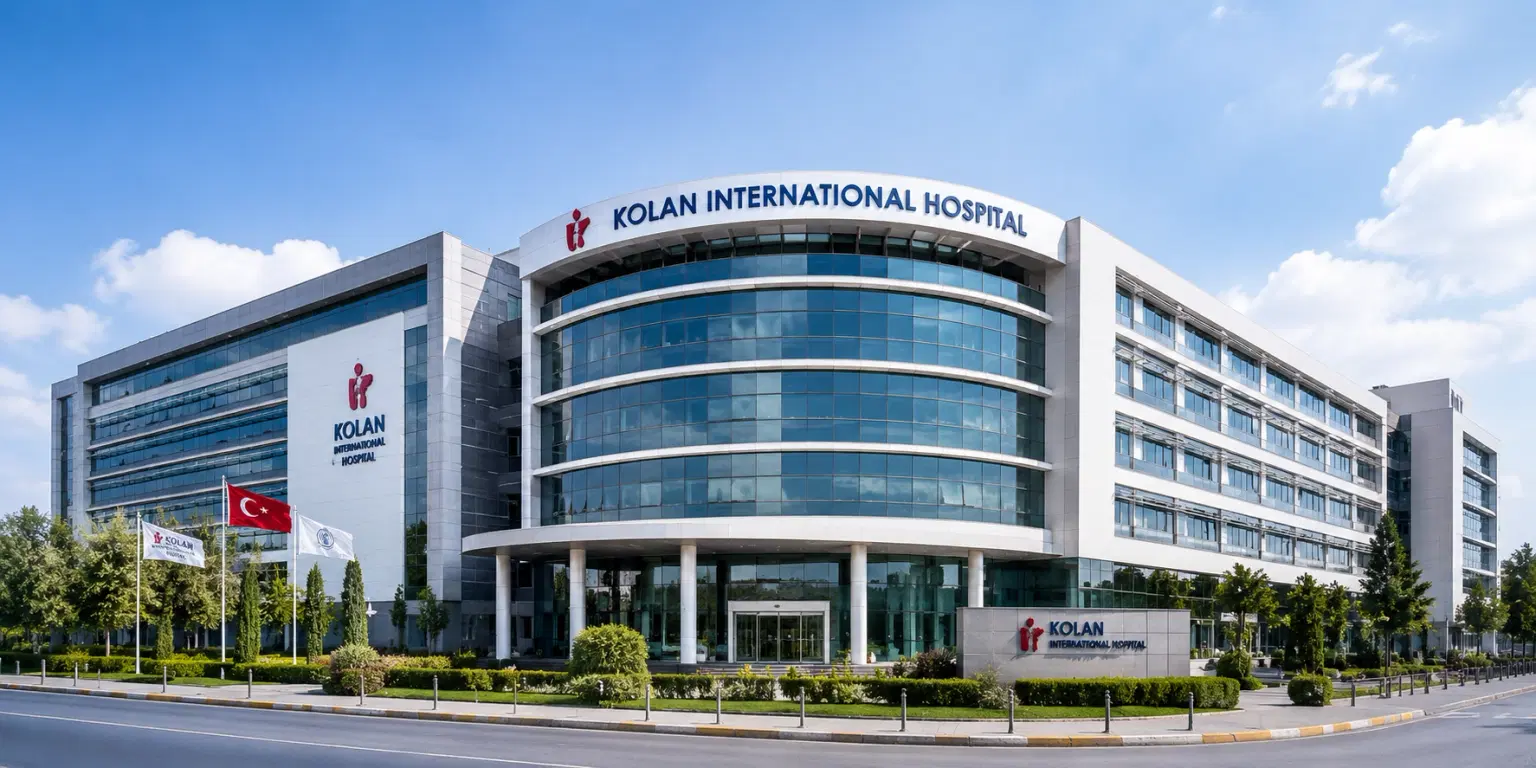
Kolan International Hospital, Istanbul
Kaptanpasa Mah. Okmeydan Kavsagi, Darulaceze Cd. No:14, 34384 Sisli, Istanbul
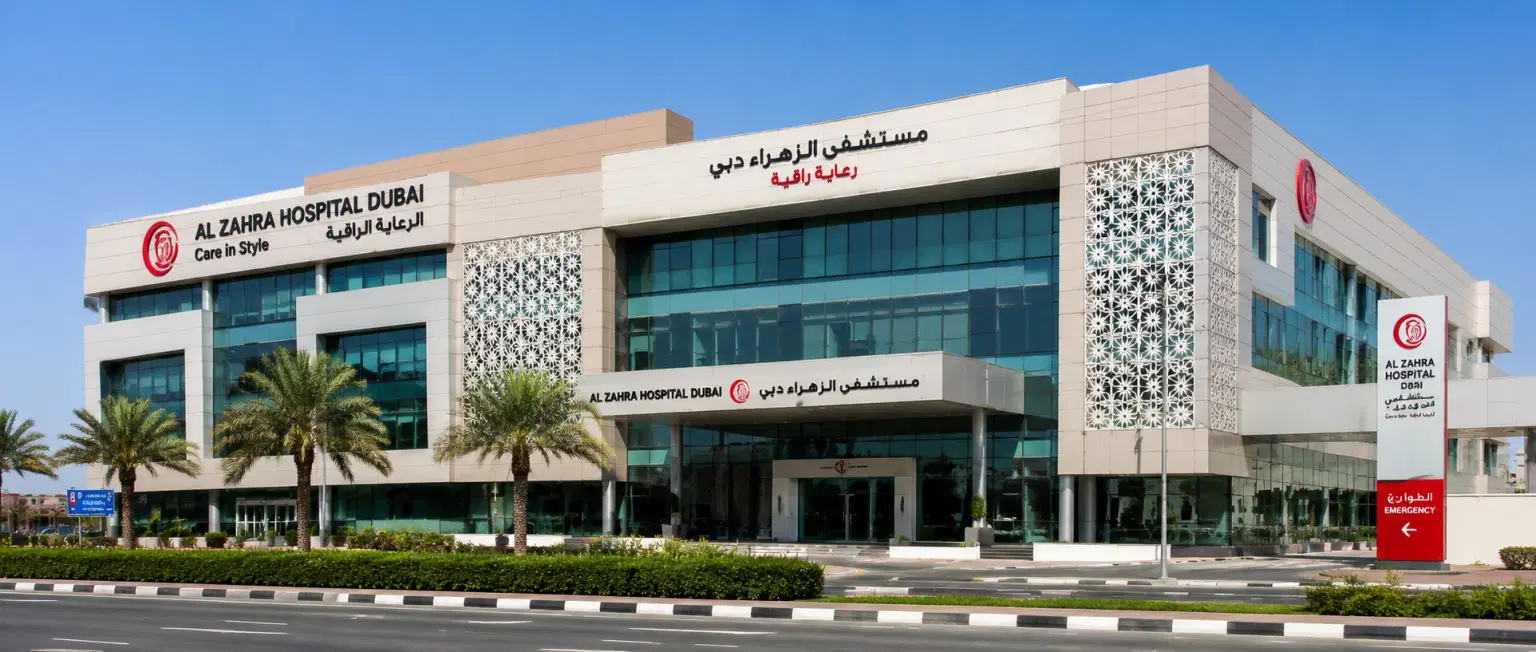
Al Zahra Hospital, Dubai
Sheikh Zayed Road, Al Barsha 1, Dubai, UAE
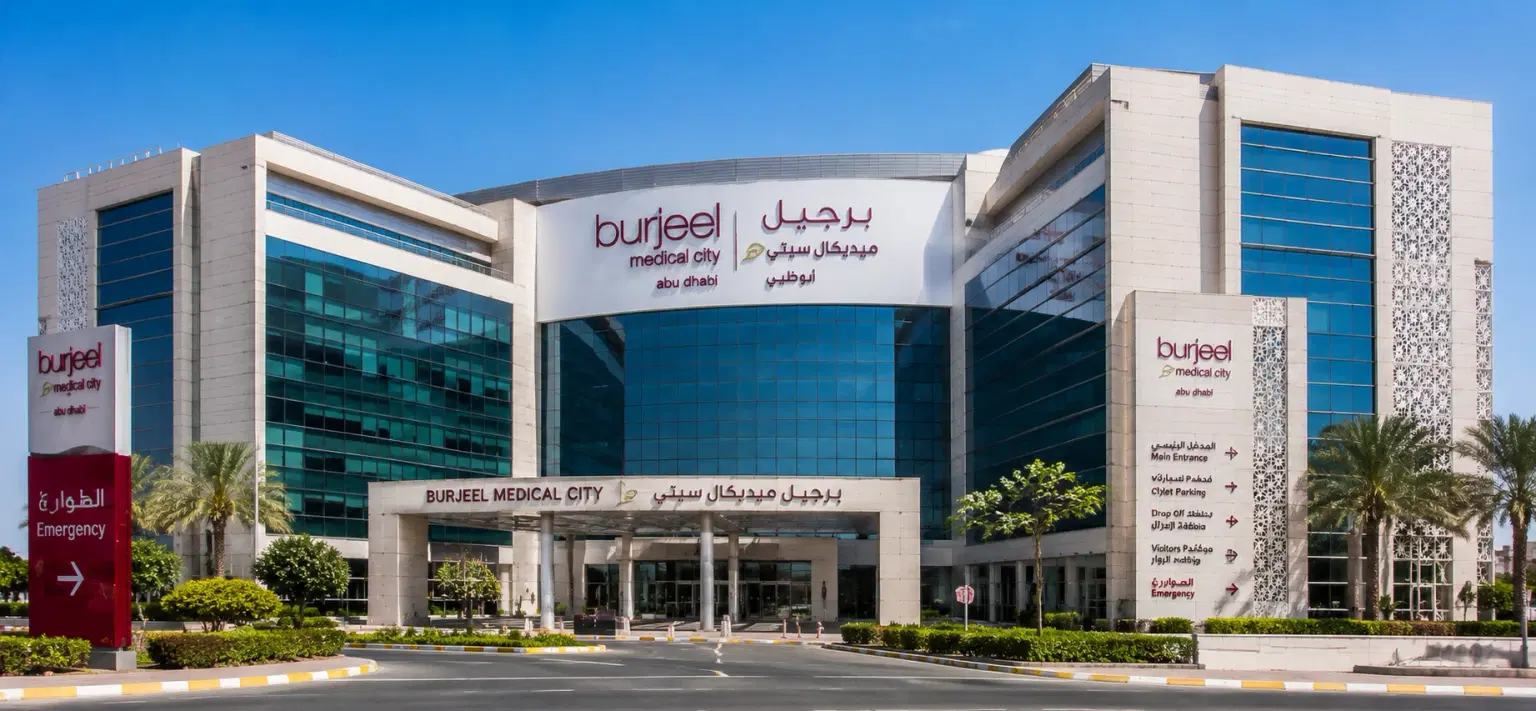
Burjeel Medical City, Abu Dhabi
28th Street, Mohammed Bin Zayed City, Abu Dhabi, UAE
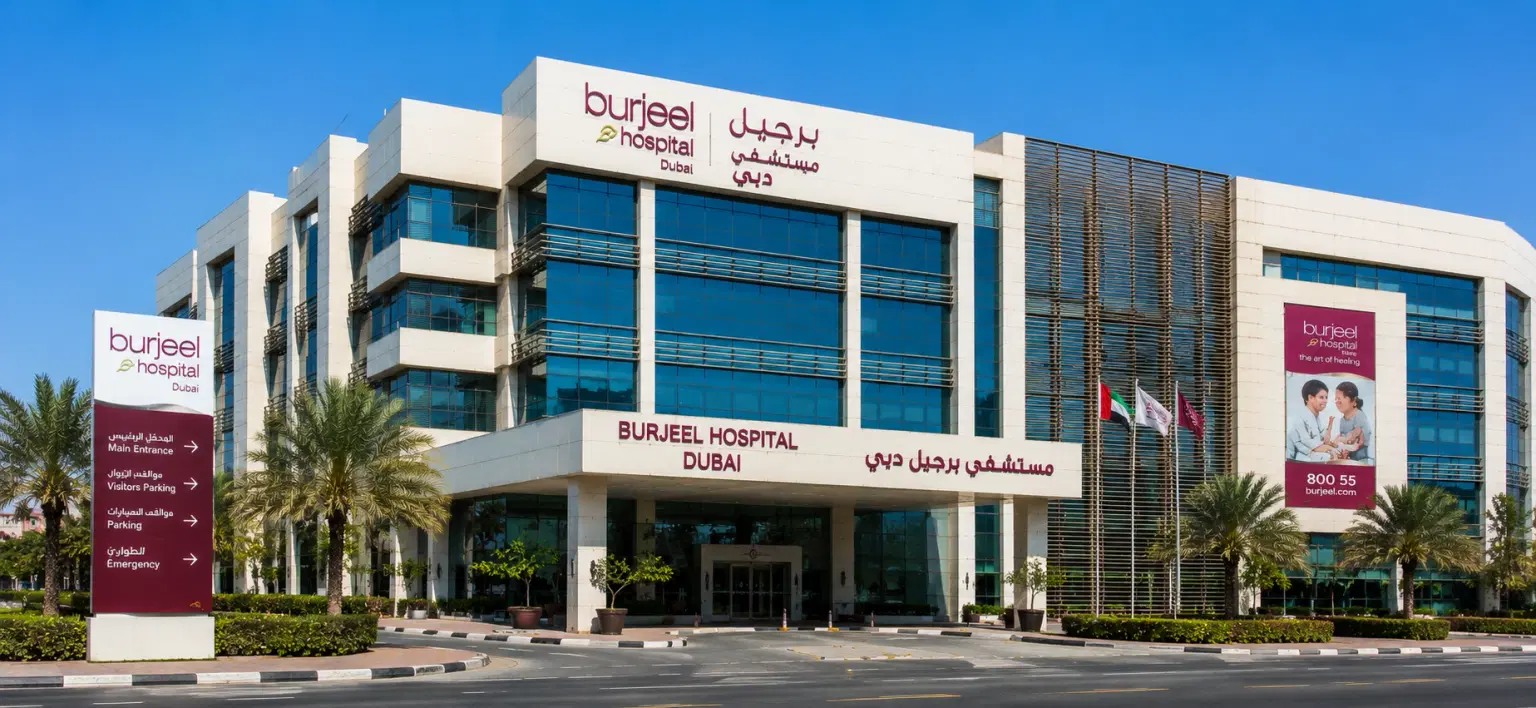
Burjeel Hospital, Dubai
Dubai, UAE (part of Burjeel Holdings network)
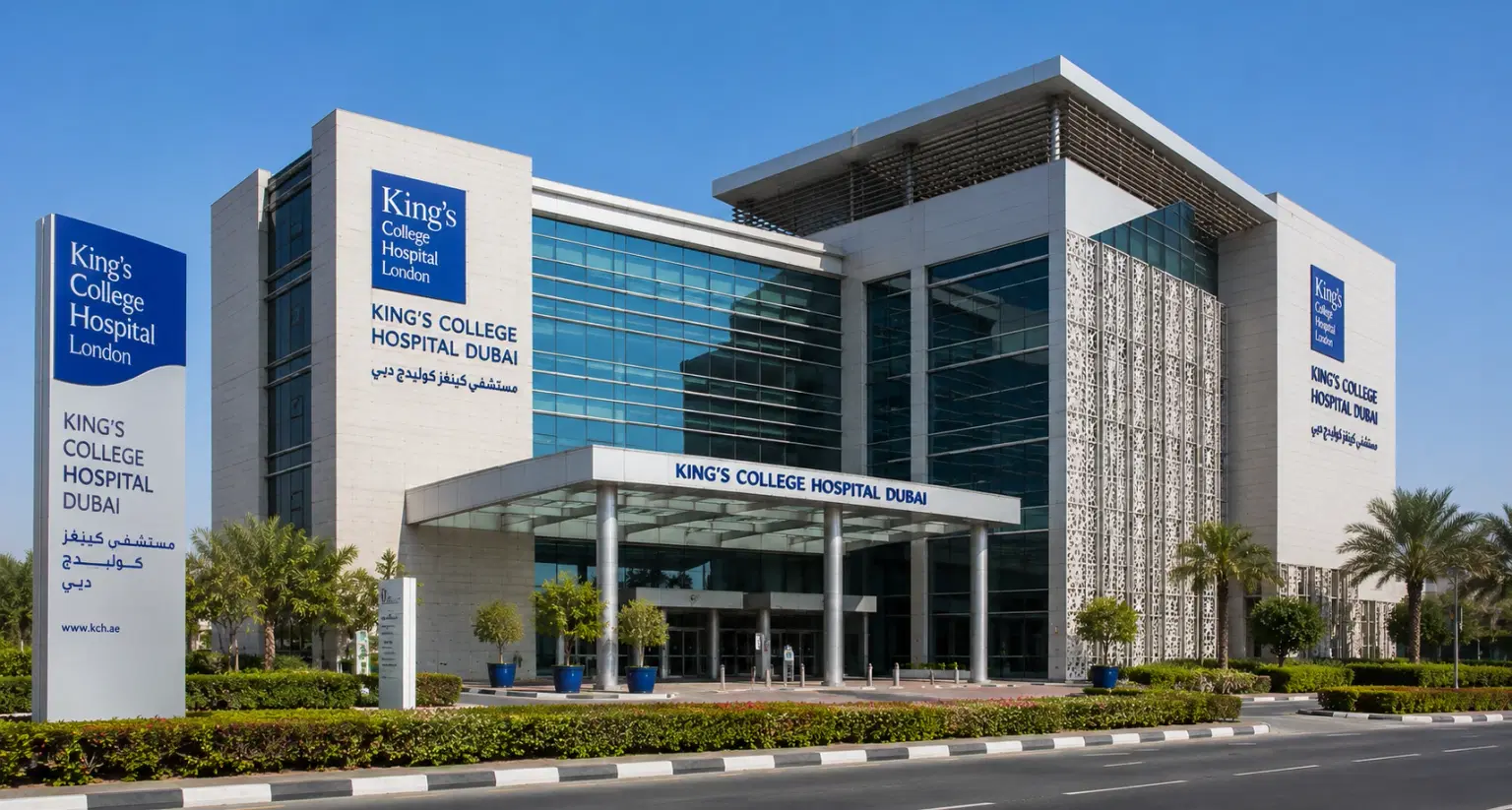
King's College Hospital, Dubai
Dubai Hills, Mohammed Bin Rashid City, Dubai, UAE
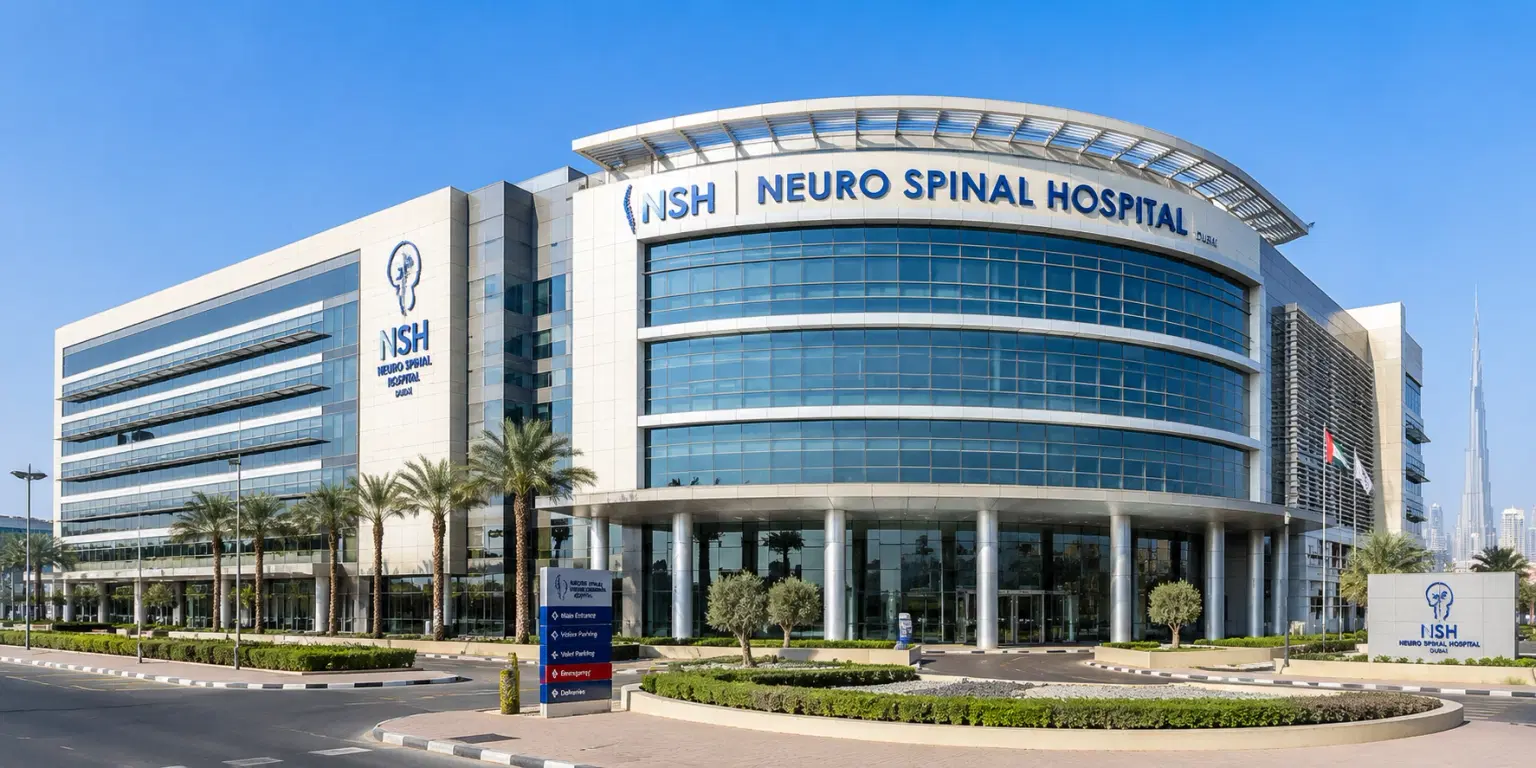
Neuro Spinal Hospital (NSH), Dubai
Dubai Science Park, Umm Suqeim St, Al Barsha South, Dubai, UAE
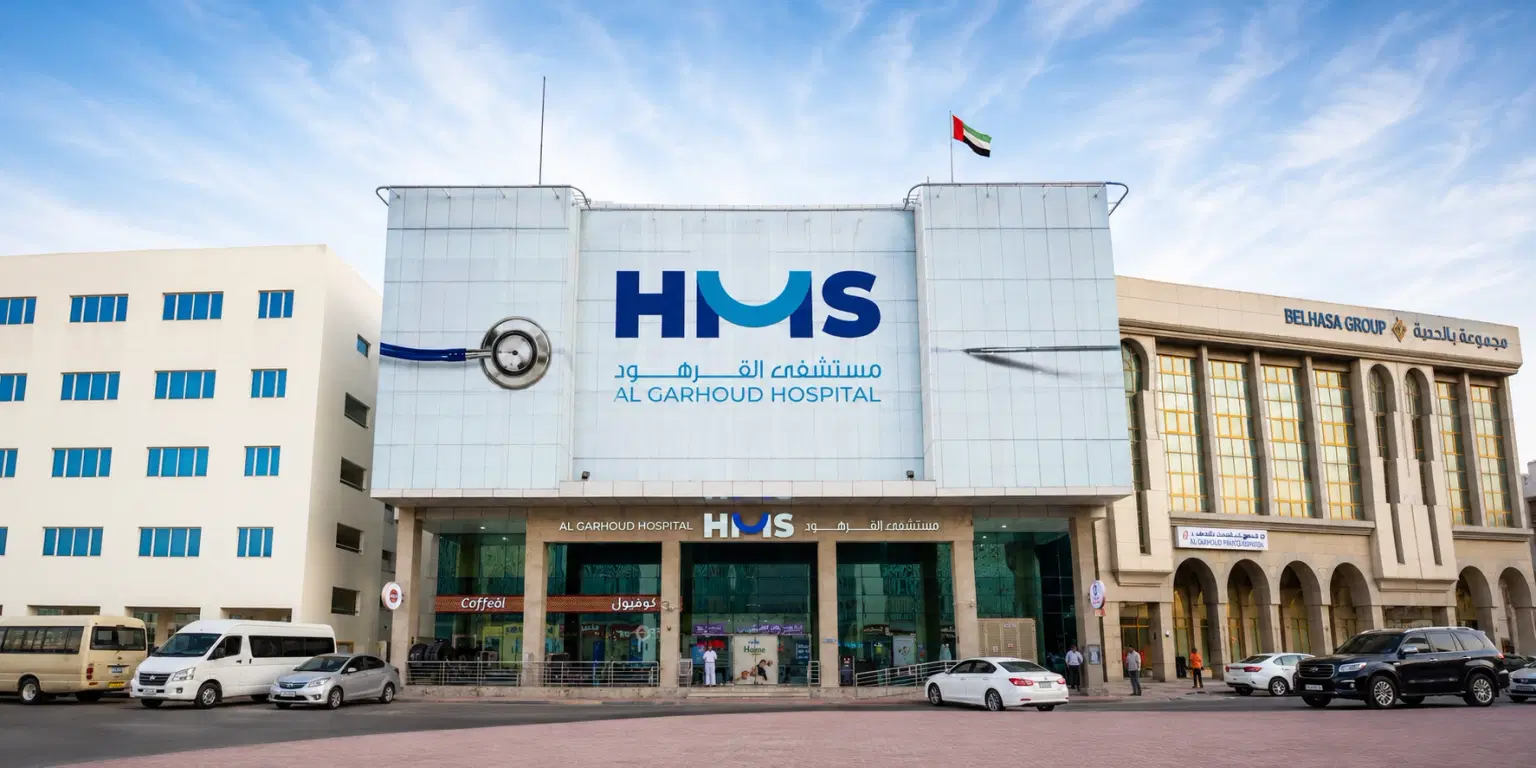
HMS Al Garhoud Hospital, Dubai
Al Garhoud Street, Al Garhoud, Dubai, UAE
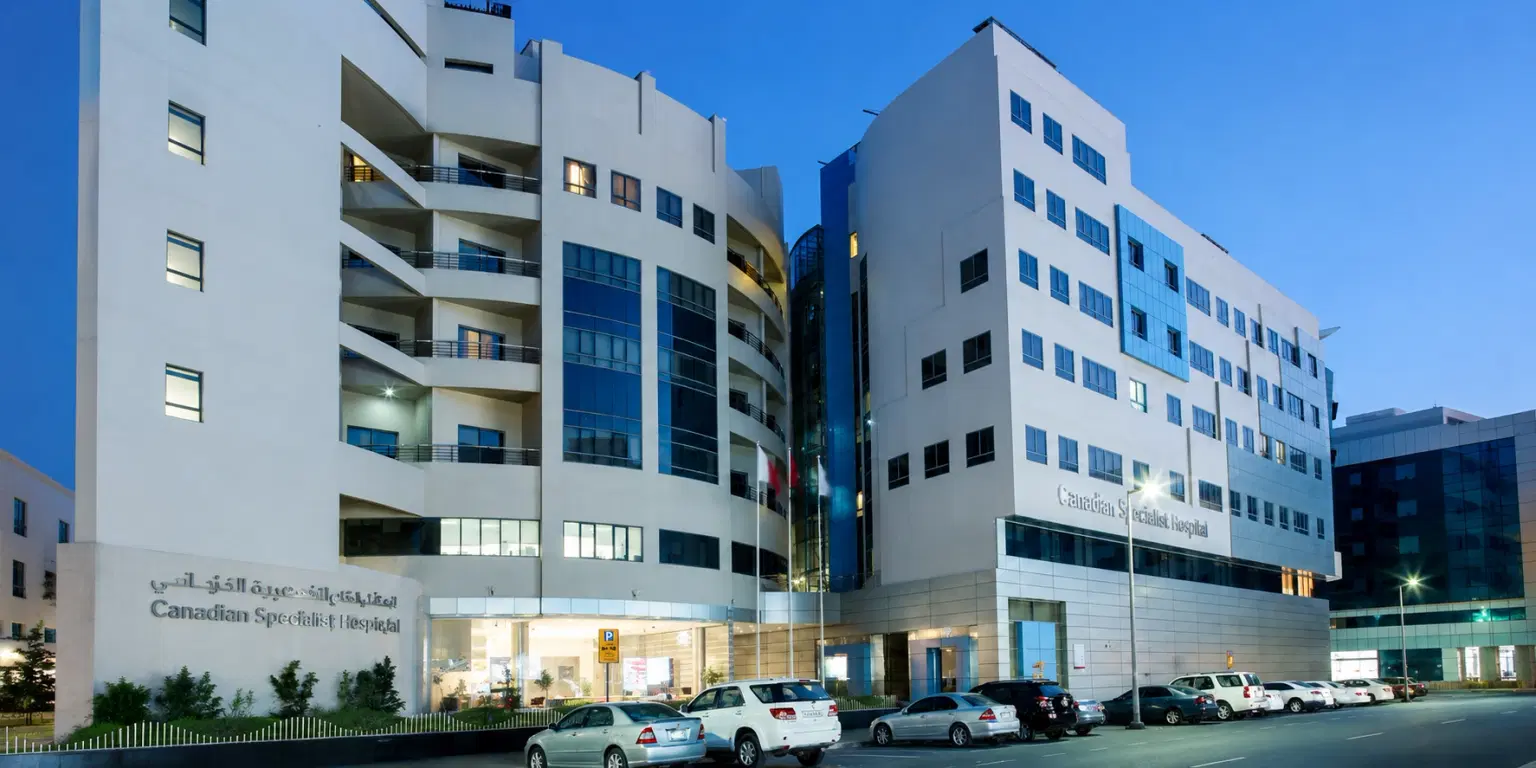
Canadian Specialist Hospital, Dubai
Abu Hail Street 269/1, Canadian Specialist Hospital Building, Hor Al Anz East, Deira, Dubai, UAE
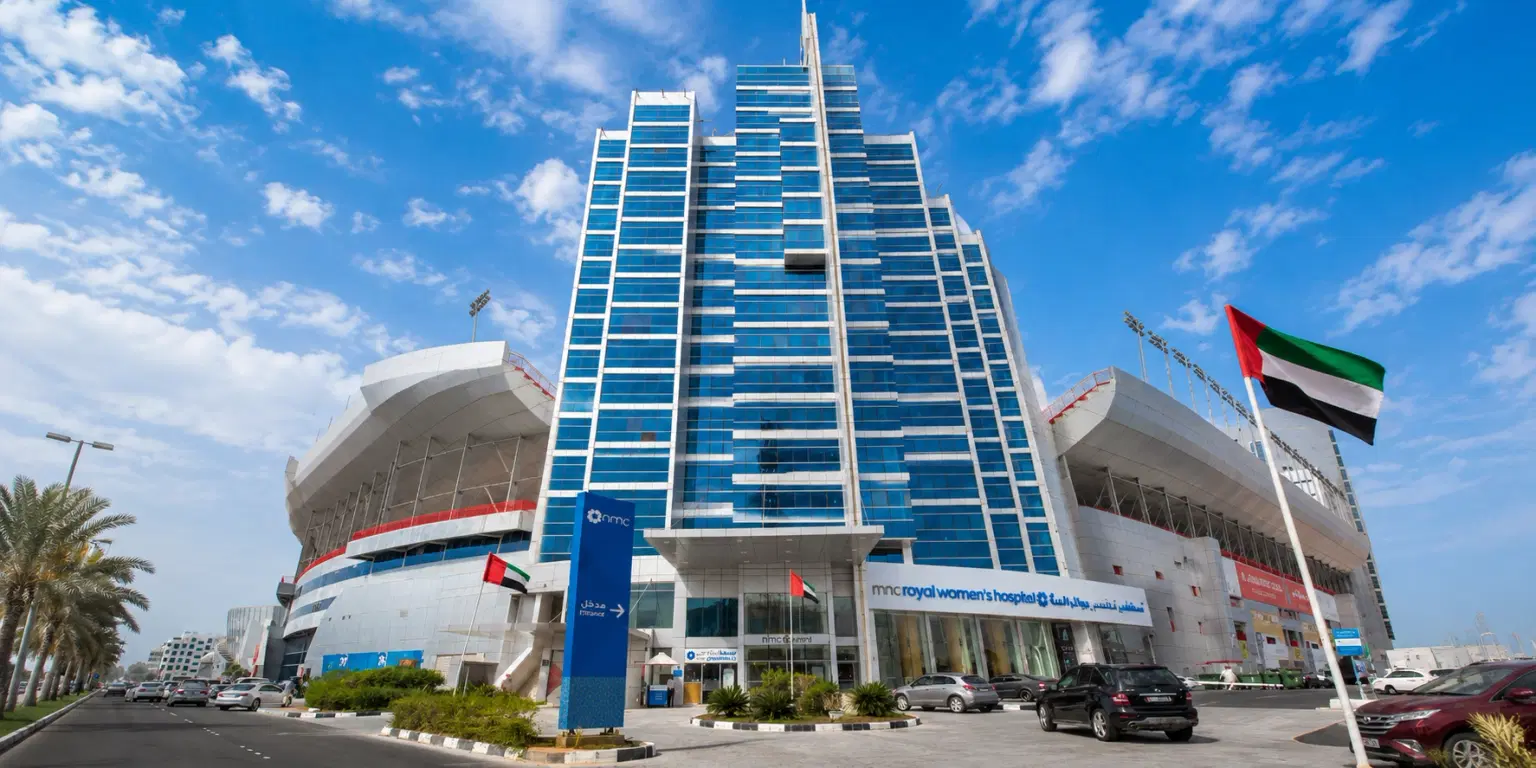
NMC Royal Women's Hospital, Abu Dhabi
Tower B, Mohammed bin Zayed Stadium, Al Jazira Club, Opposite Dusit Thani, Muroor Road, Abu Dhabi, UAE
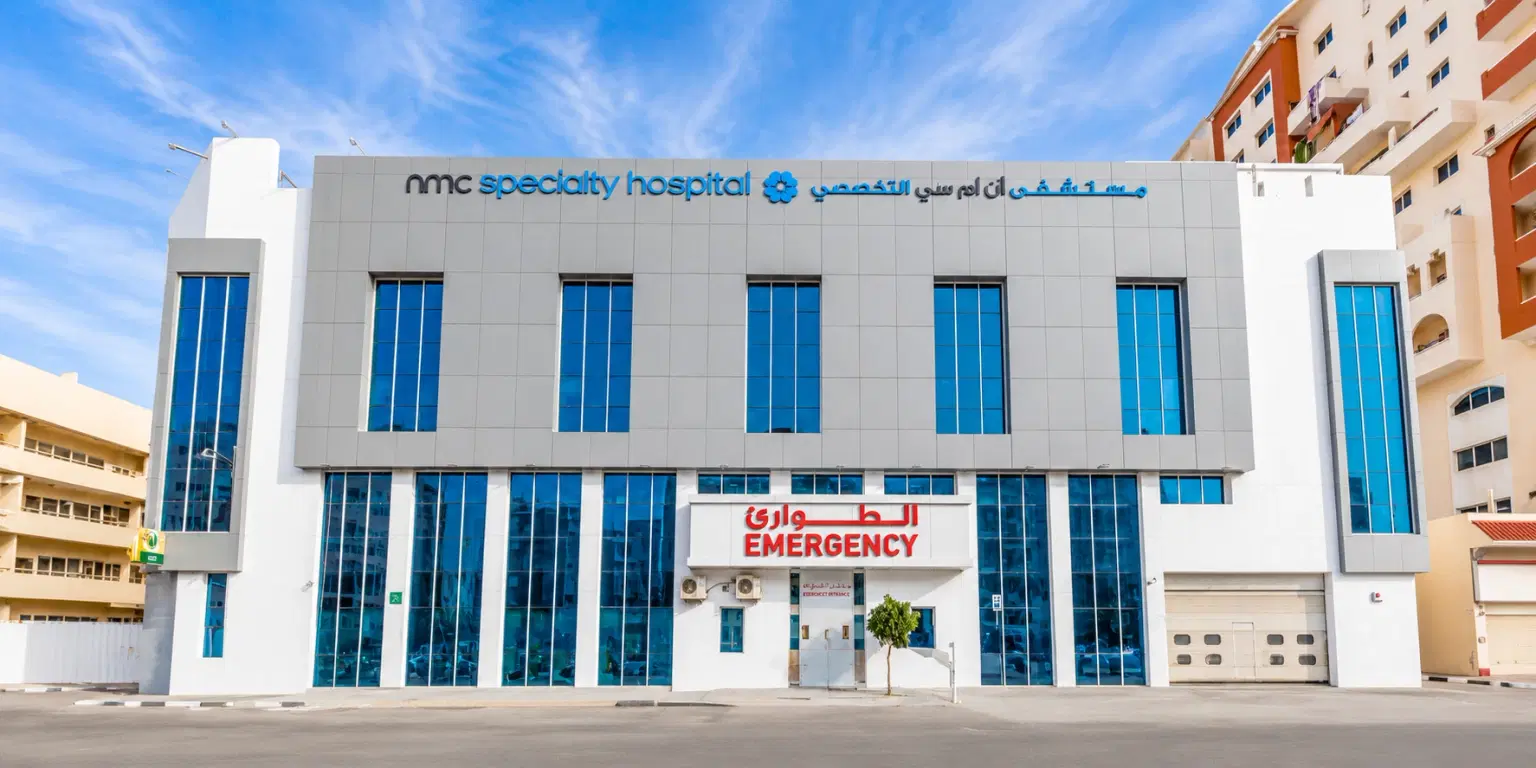
NMC Specialty Hospital, Al Nahda, Dubai
7A St, Al Qusais, Al Nahda 2, next to Bait Al Khair Building, Dubai
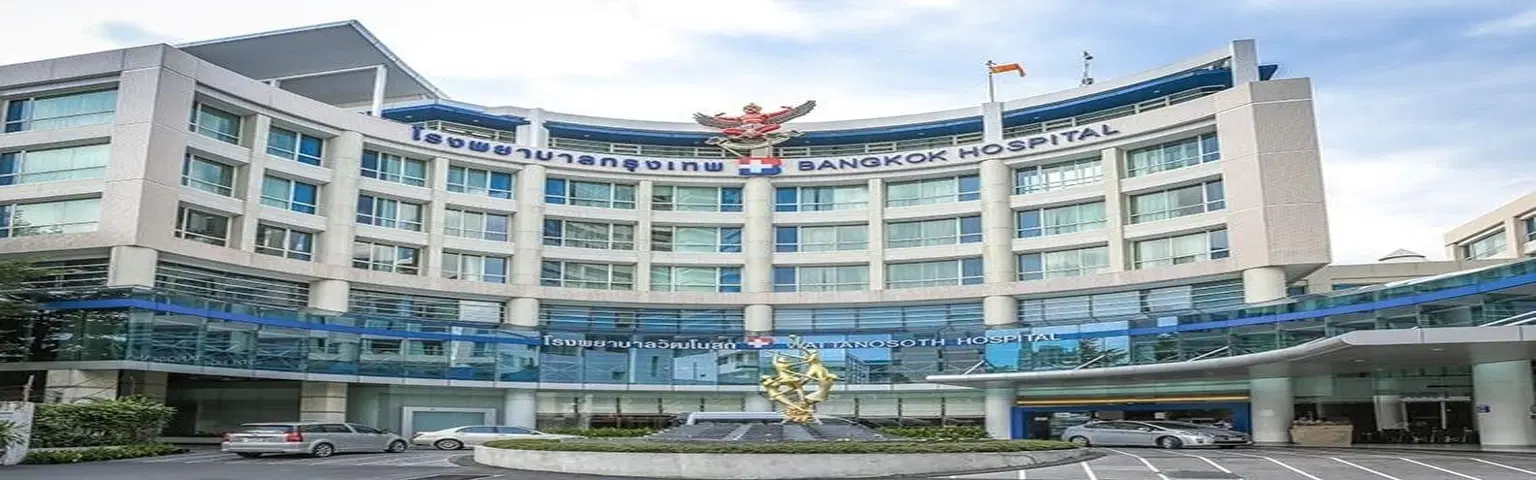
Bangkok Hospital, Thailand
2 Soi Soonvijai 7, New Petchburi Road, Huay Khwang, Bangkok 10310, Thailand
Booking With DIVINHEAL
Get a free consultation to understand your treatment options