Centres Of Excellence
Our Centres of Excellence bring together multidisciplinary teams to deliver precise diagnosis, advanced treatments, and superior outcomes across a wide spectrum of medical specialties.
OVERVIEW
The primary goal of pediatric urology in managing hypospadias is achieving functional and aesthetic anatomical normalization. Hypospadias occurs when the developmental fusion of the urethral folds is incomplete during embryonic growth, resulting in a urethral orifice located on the ventral aspect of the penis, scrotum, or perineum. Reconstructive surgery, termed hypospadias repair or urethroplasty, involves straightening the penile shaft, building a functional urethral canal, and reconfiguring the surrounding glans and skin tissue.
PROCEDURE
Hypospadias repair begins with general anaesthesia induction and placement of a caudal regional block. A traction suture is placed in the glans penis for stability. The surgeon measures defect severity and assesses penile curvature via an artificial erection test using saline injection into the corpus cavernosum. If present, chordee is corrected through degloving of penile skin or dorsal plication. The neourethra is constructed using local skin flaps or an incised urethral plate (Snodgrass technique), tubularized over a soft silicone catheter (size 6 or 8 Fr). A protective intermediate layer of tunica vaginalis or dartos fascia is placed over the suture line to prevent fistula formation. Glans folds are approximated around the neourethra (glansplasty), and preputial or penile shaft skin is reconstructed. A compressive dressing is applied, and the patient is moved to the post-anaesthesia care unit.
BENEFITS
Evidence-based clinical benefits of timely pediatric urological intervention include:
- Restoration of a forward-directed, single urinary stream while standing
- Correction of ventral curvature to enable normal adult erectile function
- Preservation of long-term fertility and sexual health
- Prevention of psychological distress related to genital divergence during childhood
- High primary repair success rates exceeding 85% to 90% in distal cases (EAU/ESPU Guidelines 2023)
RECOVERY
Initial wound healing occurs over 10 to 14 days, during which a soft stent drains urine into a double diaper. Pain is managed with regional nerve blocks and oral analgesics. Complete tissue stabilization requires 6 to 8 weeks. Physical activities involving straddle toys, bicycles, and rough play are restricted for 4 to 6 weeks postoperatively. Long-term follow-up visits assess urinary flow and cosmetic outcomes at key developmental milestones.
WHAT WE TREAT
Pediatric urology addresses a wide range of congenital anomalies and functional conditions, including:
- Hypospadias (distal, middle, and proximal variations)
- Chordee (ventral penile curvature)
- Cryptorchidism (undescended testes)
- Vesicoureteral Reflux (VUR) (retrograde urine flow from bladder to kidneys)
- Ureteropelvic Junction Obstruction (UPJO) (blockage at the kidney-ureter junction)
- Hydrocele and Inguinal Hernia
- Neurogenic Bladder and pediatric voiding dysfunction
PREPARATION
Preoperative assessment includes a physical examination by a pediatric urologist to determine meatal location, tissue elasticity, and presence of undescended testes or hernia. Preoperative hormonal priming with topical or parenteral testosterone/hCG may be prescribed 4 to 8 weeks prior in cases of microphallus or severe tissue deficiency to enlarge the glans penis and increase vascularity. Routine blood work is generally not required in healthy infants. Strict fasting guidelines for clear fluids (2 hours) and breast milk/formula (4 to 6 hours) must be followed prior to anaesthesia. Neonatal circumcision must be avoided to preserve foreskin tissue for reconstruction.
RISKS
Complications are classified by severity. Early minor risks include wound edema, mild bleeding, local skin breakdown, and catheter blockage. Moderate structural complications include urethrocutaneous fistula (formation of an abnormal opening along the penile shaft, reported in 5% to 15% of cases), urethral stricture (narrowing causing urinary obstruction), and meatal stenosis. Rare severe complications include complete glans breakdown, urethral diverticulum (ballooning of the new urethra), graft failure in complex staged repairs, and chronic urinary retention requiring surgical revision.
JOURNEY
The clinical pathway begins with early diagnostic evaluation during infancy by a pediatric urologist. If surgical intervention is indicated, preoperative planning occurs between 6 and 18 months of age. Surgery is performed under general anaesthesia combined with regional analgesia. Following repair, a temporary urinary stent or catheter remains in place for 7 to 14 days to support urethral healing. Long-term follow-up extends through toilet training and puberty to monitor urinary stream, wound stability, and psychosexual development.
Hospitals Offering this treatment
India offers premium medical procedures at affordable prices. Discover our most popular treatments, delivered by the country's finest doctors.
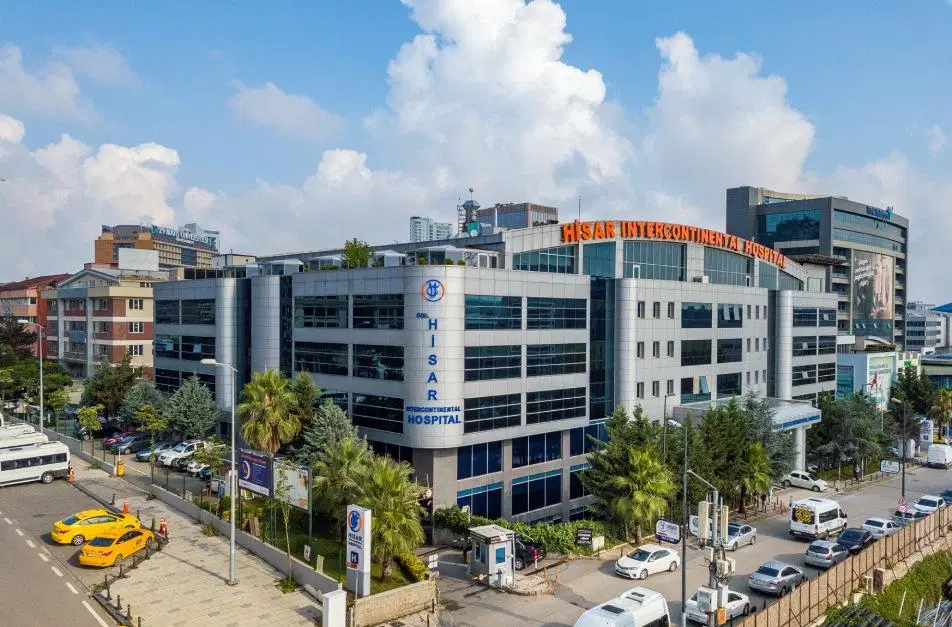
Hisar Intercontinental Hospital
Saray Mah. Siteyolu Cad. No:7, Umraniye, 34768, Istanbul, Turkey

Medical Park Group, Istanbul
Fahrettin Kerim Gokay Cad. Tıbbiye Cd., Kadikoy, Istanbul, Turkey
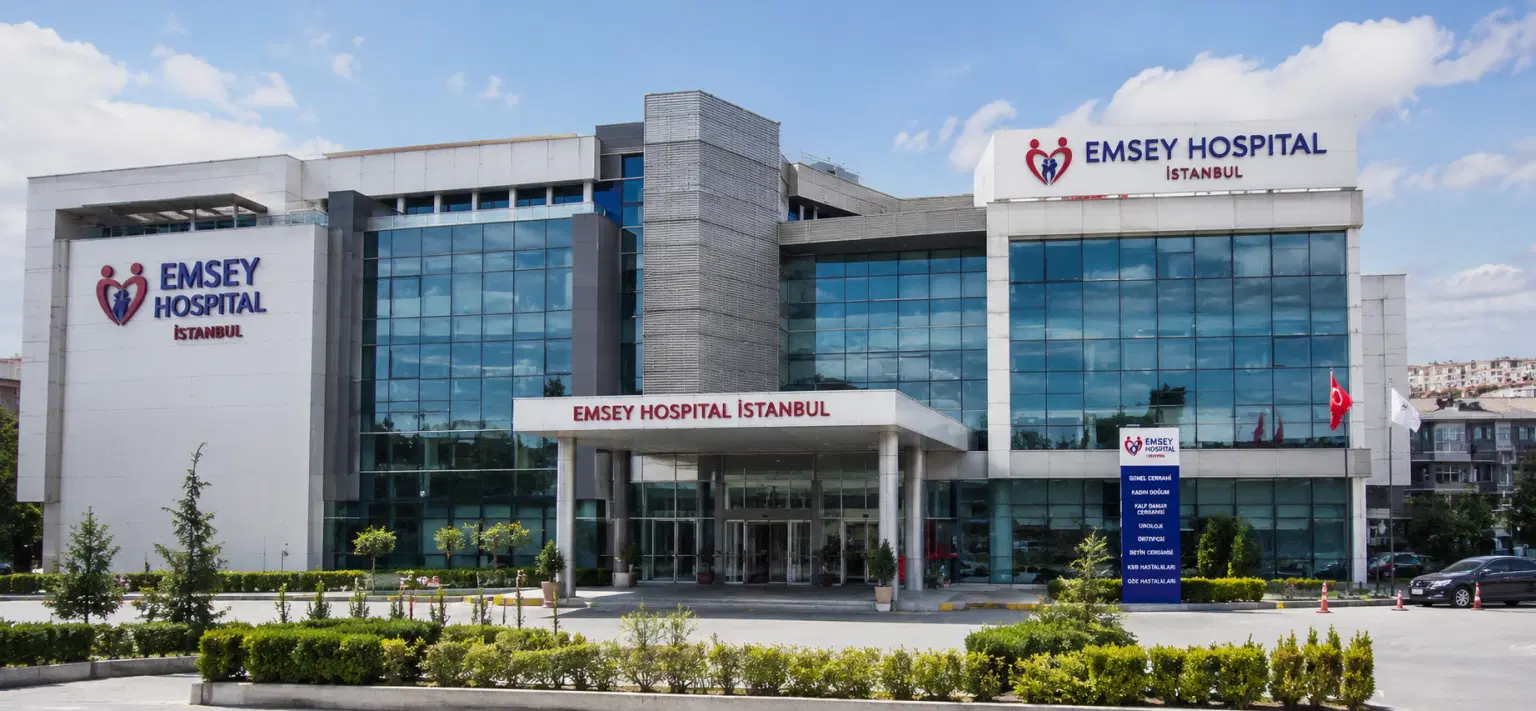
Emsey Hospital, Pendik, Istanbul
Çamlık, Selçuklu Cd. No:22, 34912 Pendik/İstanbul, Türkiye
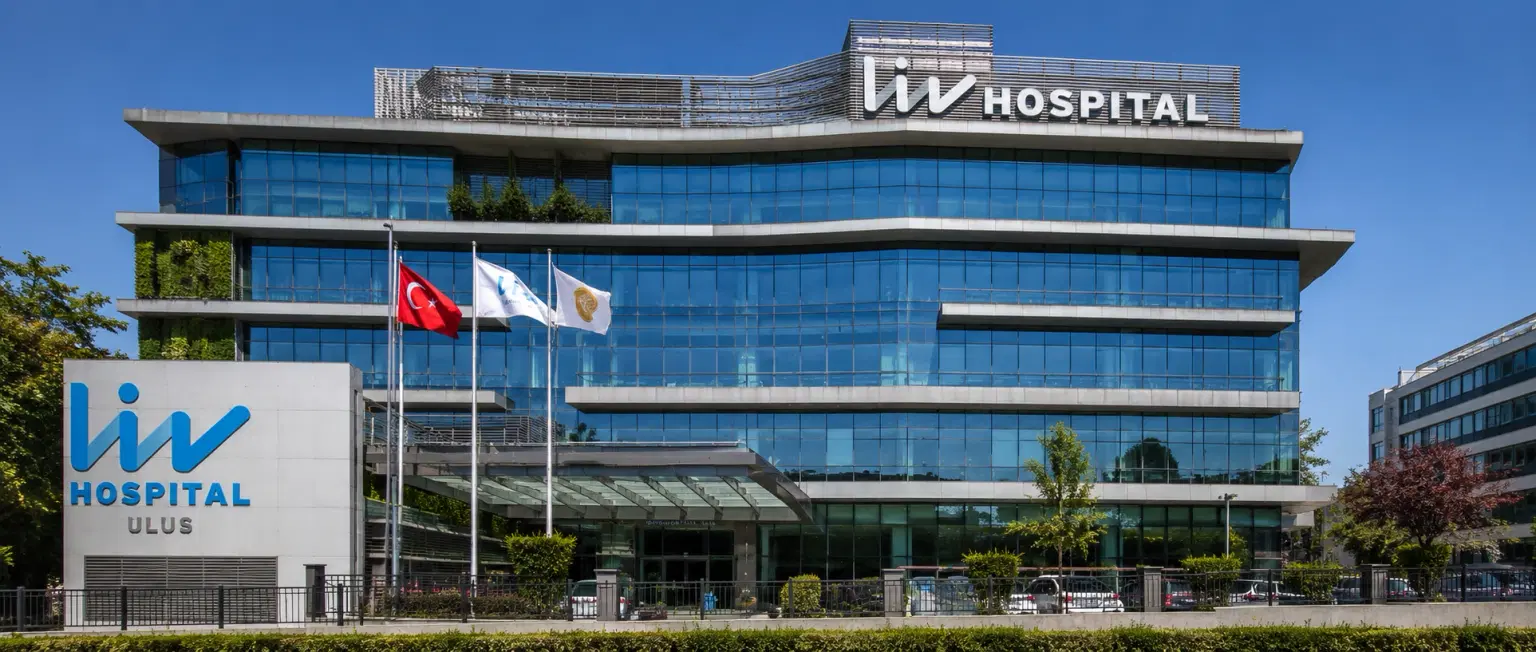
LIV Hospital, Istanbul
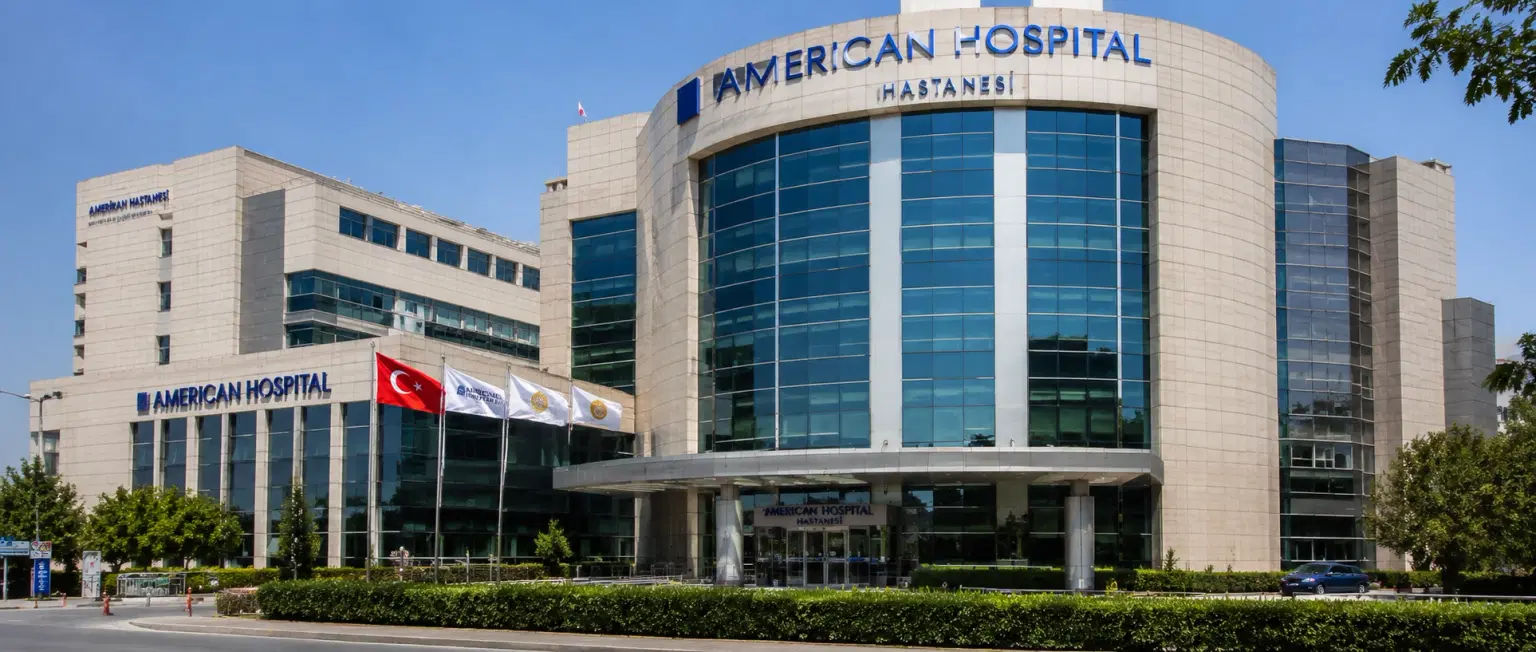
American Hospital, Istanbul
Guzelbahce Sk. No:20, 34365, Nisantasi, Istanbul, Turkey

Memorial Hospitals Group
Burhaniye, Nagehan Sokağı No:4/A D:1, 34676 Üsküdar/İstanbul, Türkiye
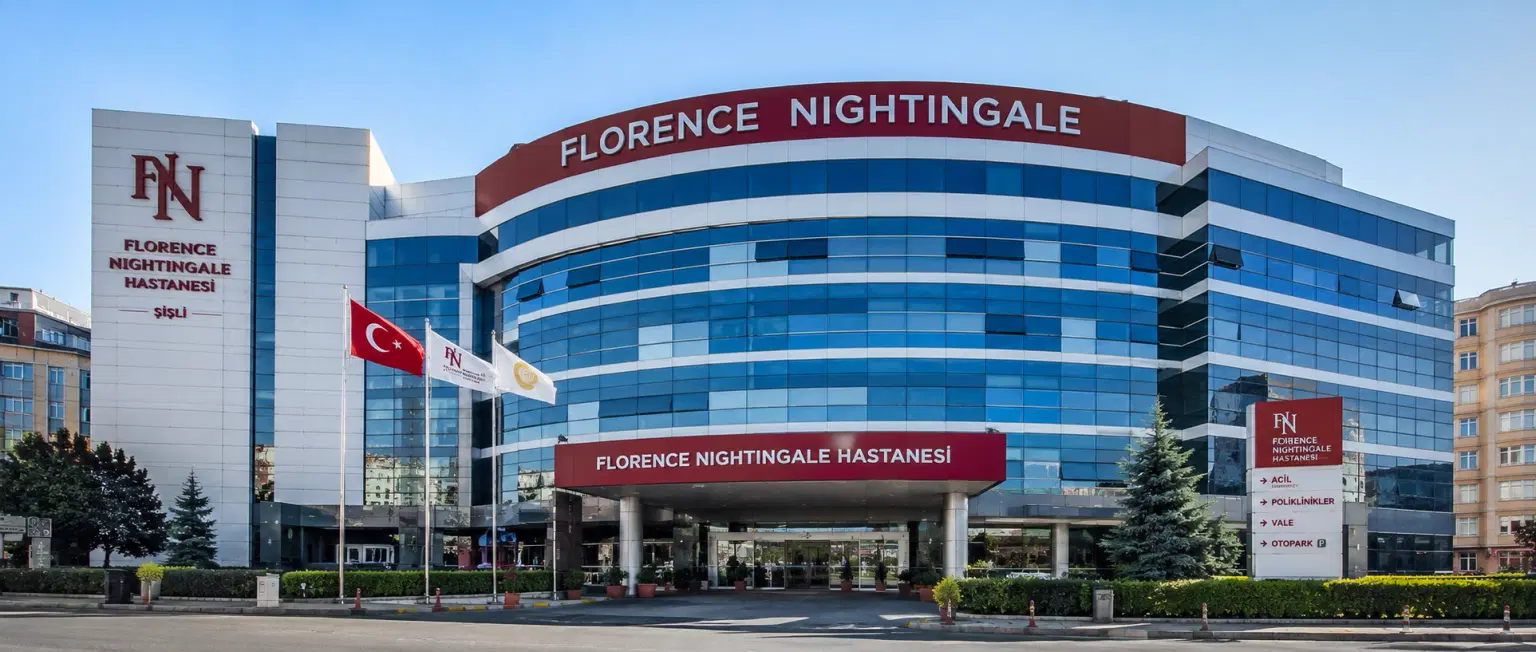
Florence Nightingale Hospital Istanbul
Abide-i Hürriyet Cd No:166, 34381 Sisli, Istanbul
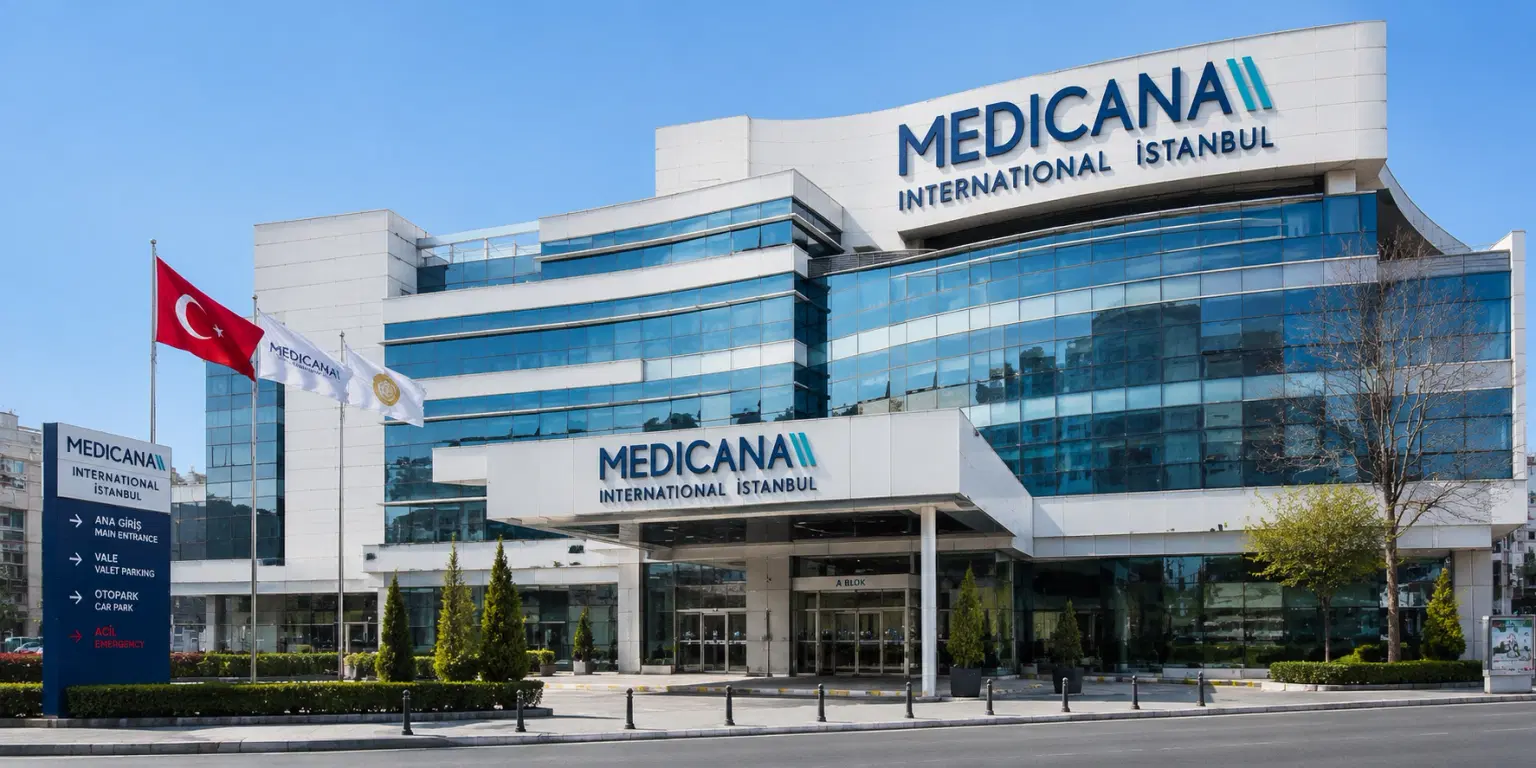
Medicana International Hospital, Istanbul
Halit Ziya Turkkani Mah. Medikal Park Cd. No:1, Beylikdüzü, İstanbul
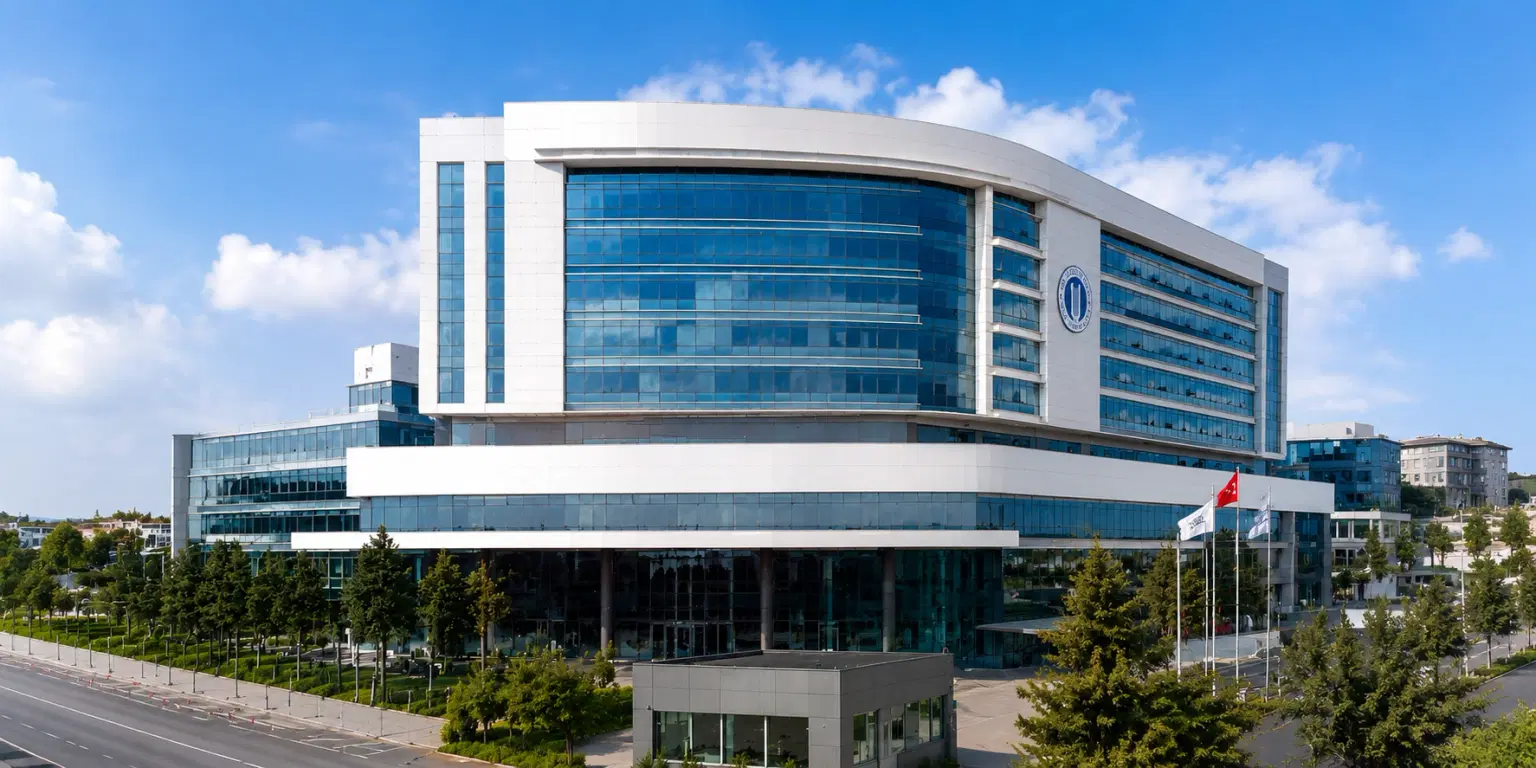
Okan University Hospital Istanbul
Icmeler Mah. Aydınlıyolu Cd. No:2, 34947 Icmeler-Tuzla, Istanbul
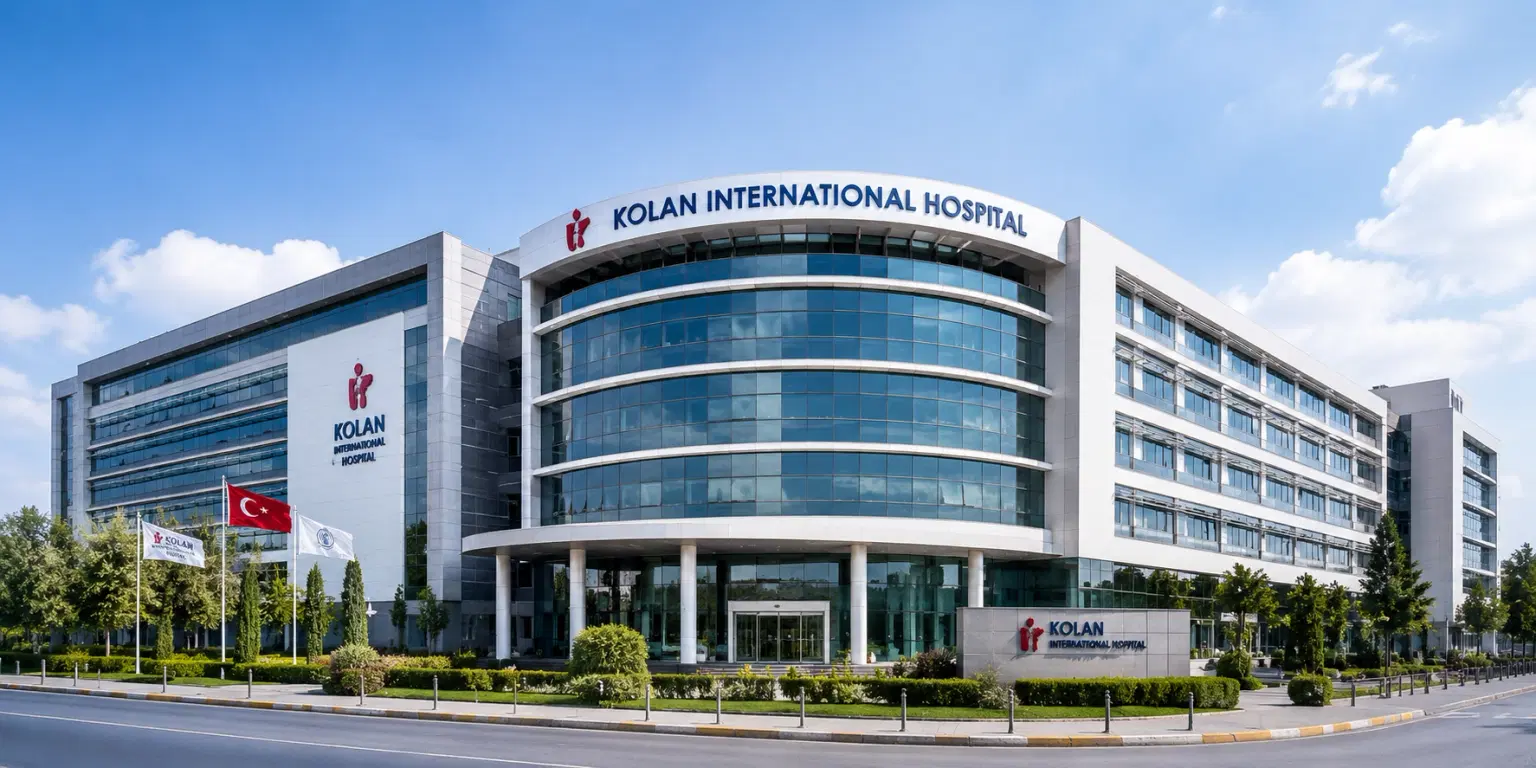
Kolan International Hospital, Istanbul
Kaptanpasa Mah. Okmeydan Kavsagi, Darulaceze Cd. No:14, 34384 Sisli, Istanbul
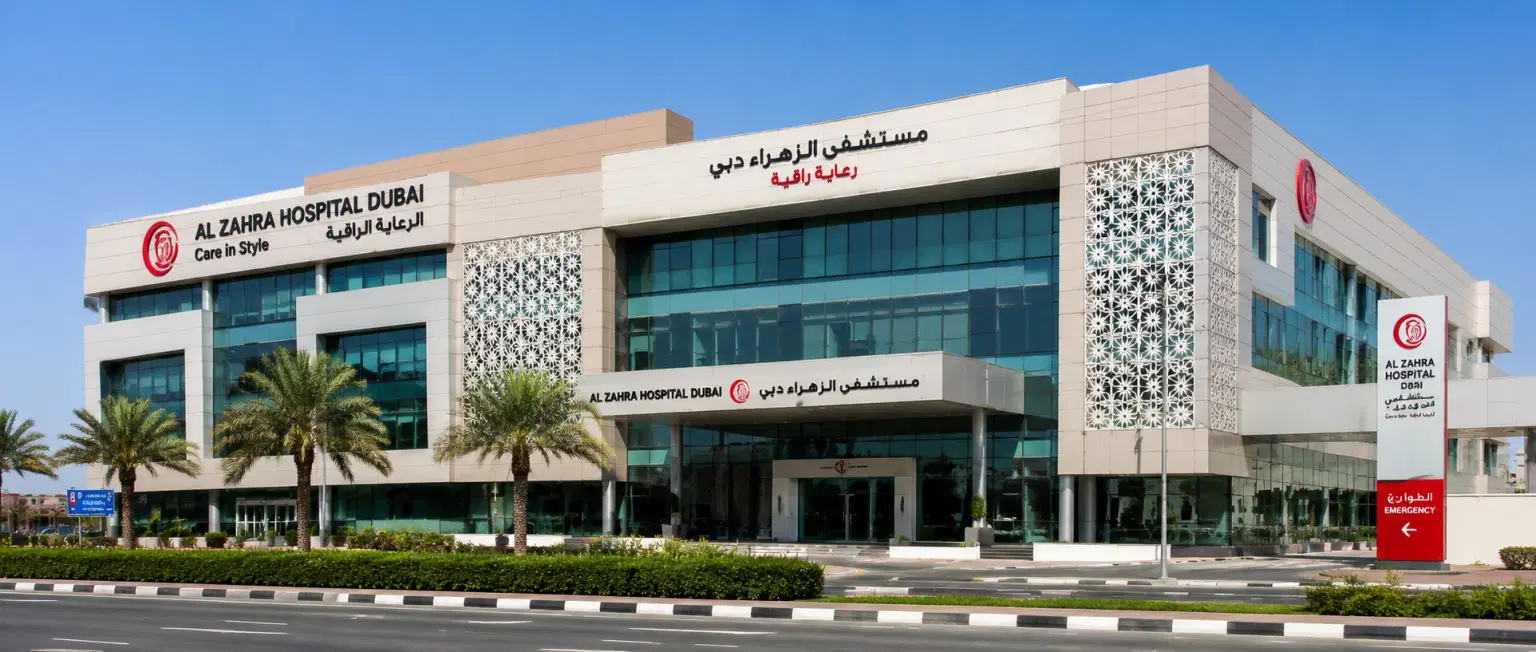
Al Zahra Hospital, Dubai
Sheikh Zayed Road, Al Barsha 1, Dubai, UAE
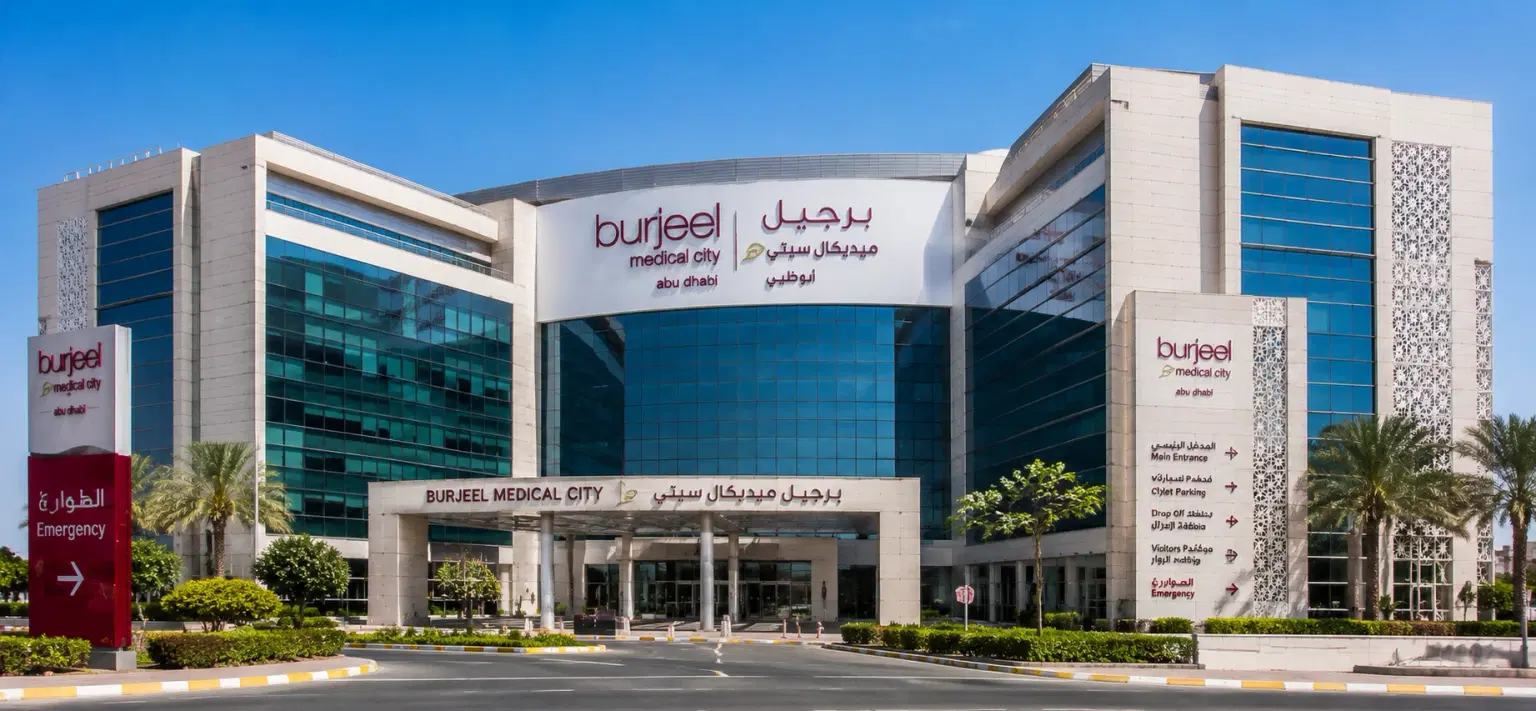
Burjeel Medical City, Abu Dhabi
28th Street, Mohammed Bin Zayed City, Abu Dhabi, UAE
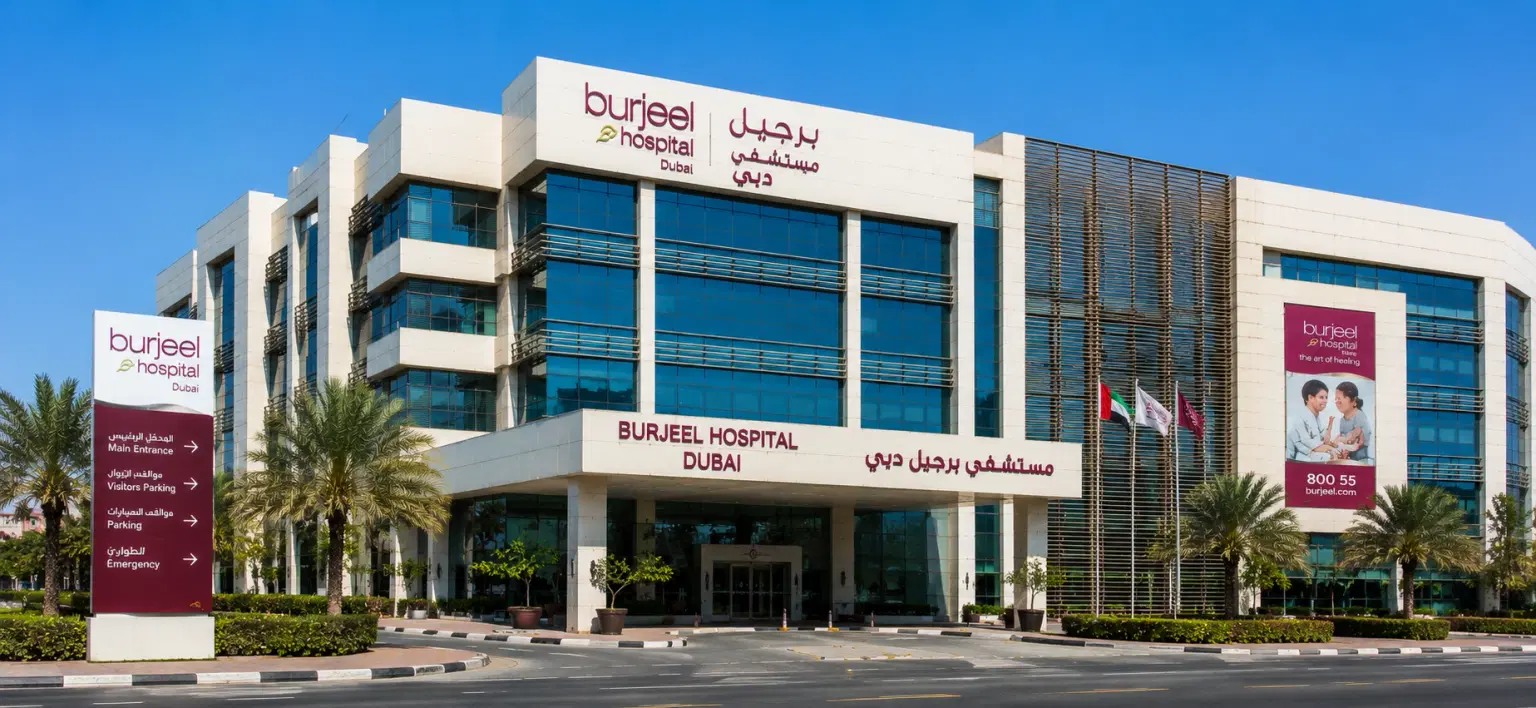
Burjeel Hospital, Dubai
Dubai, UAE (part of Burjeel Holdings network)
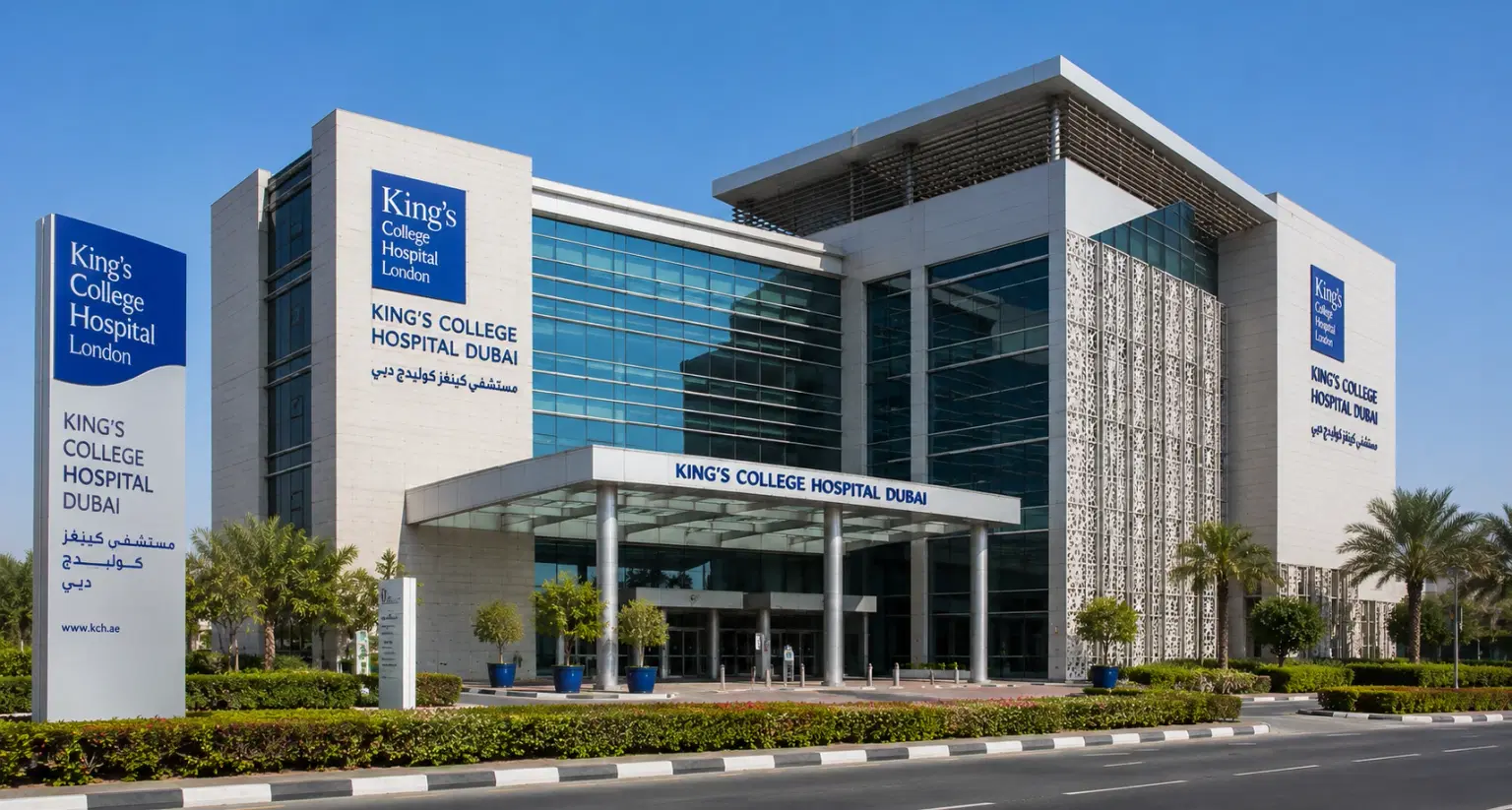
King's College Hospital, Dubai
Dubai Hills, Mohammed Bin Rashid City, Dubai, UAE
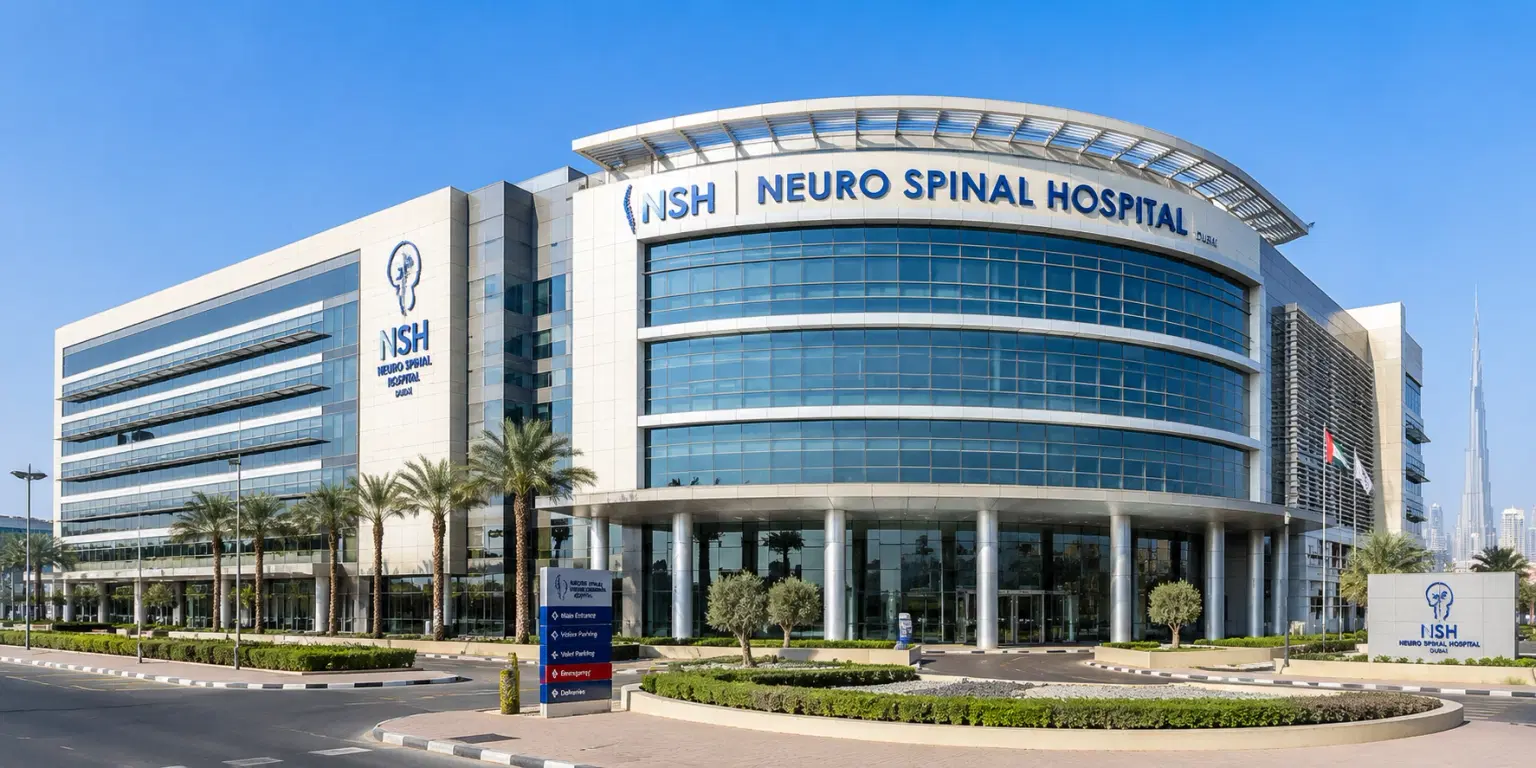
Neuro Spinal Hospital (NSH), Dubai
Dubai Science Park, Umm Suqeim St, Al Barsha South, Dubai, UAE
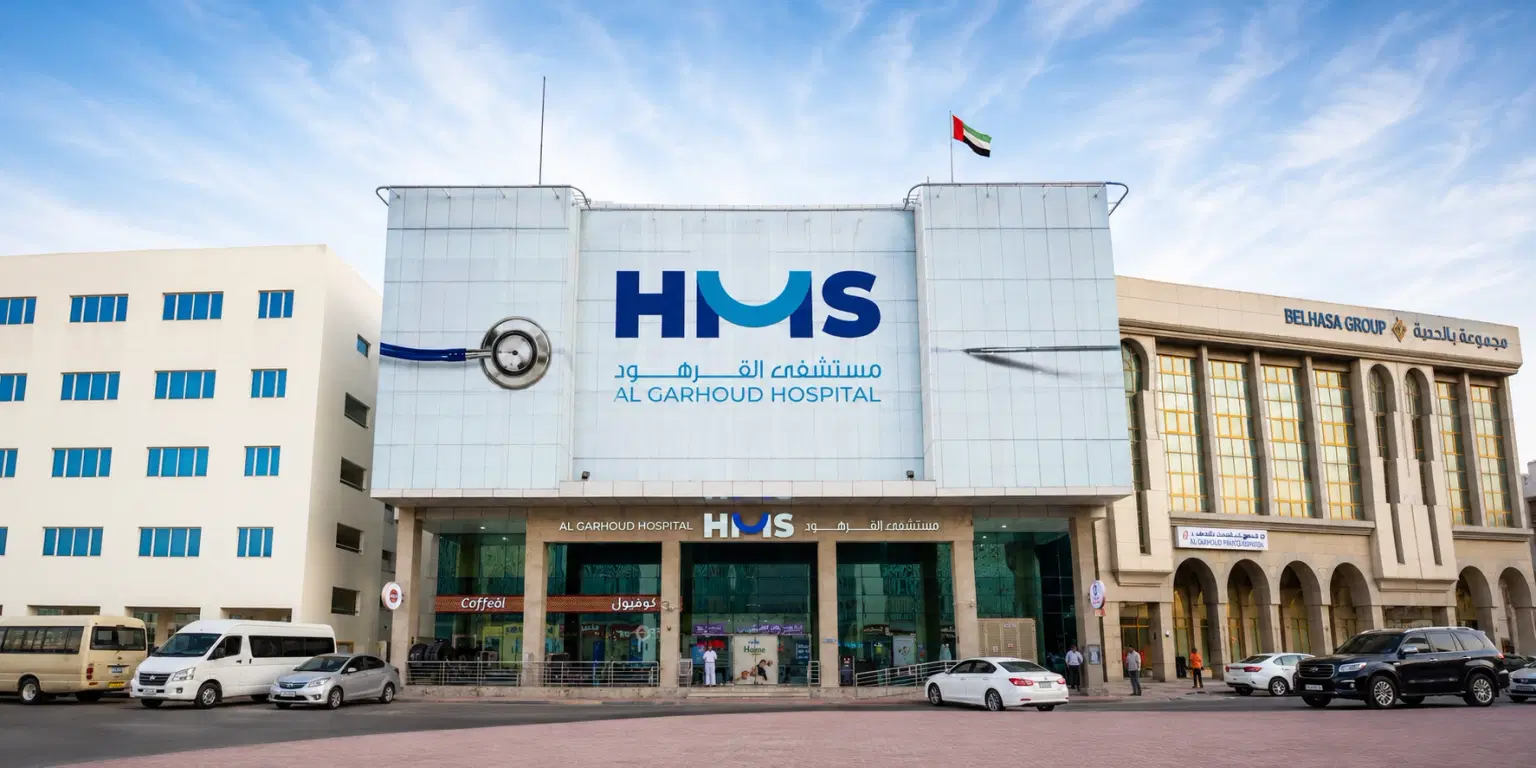
HMS Al Garhoud Hospital, Dubai
Al Garhoud Street, Al Garhoud, Dubai, UAE
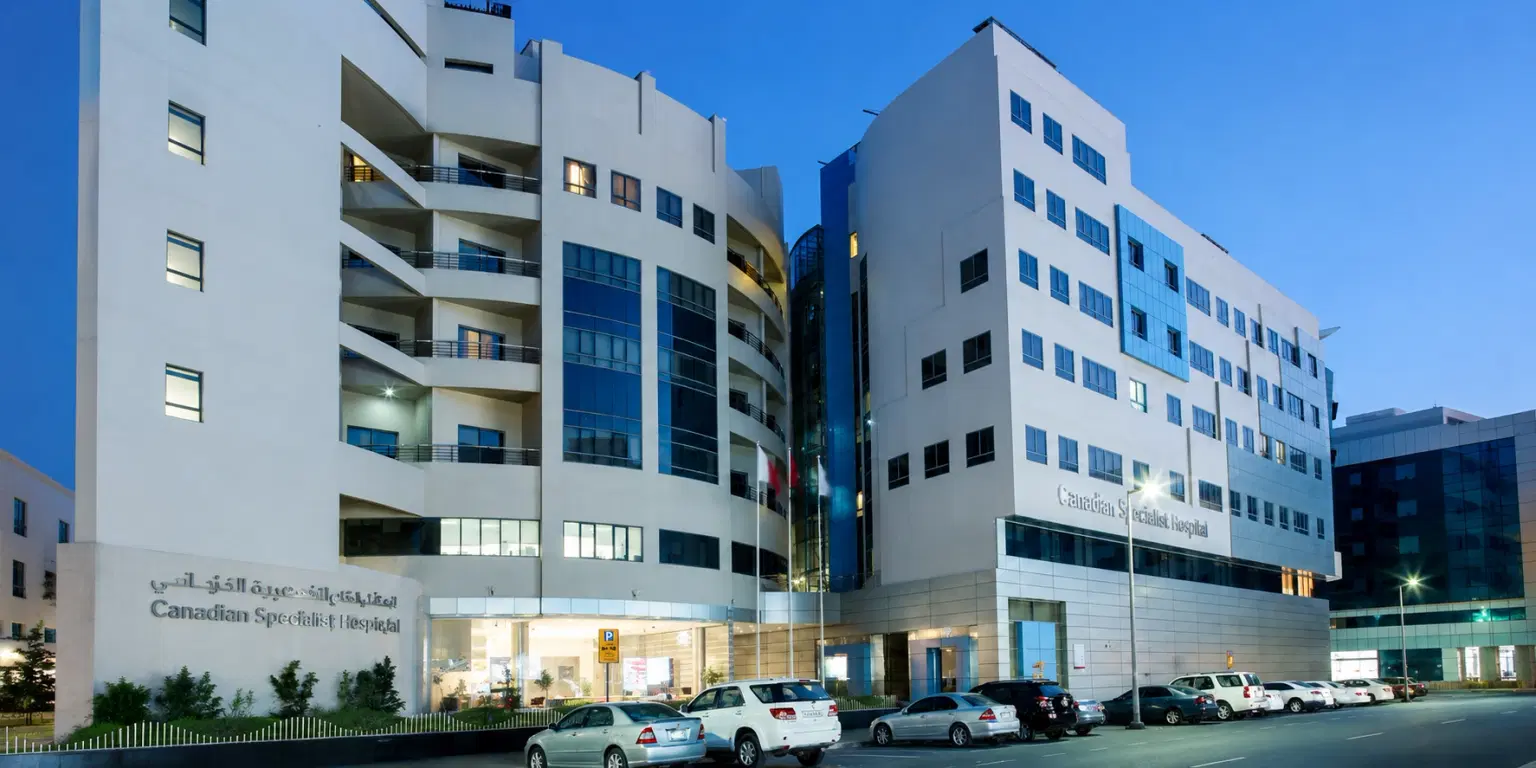
Canadian Specialist Hospital, Dubai
Abu Hail Street 269/1, Canadian Specialist Hospital Building, Hor Al Anz East, Deira, Dubai, UAE
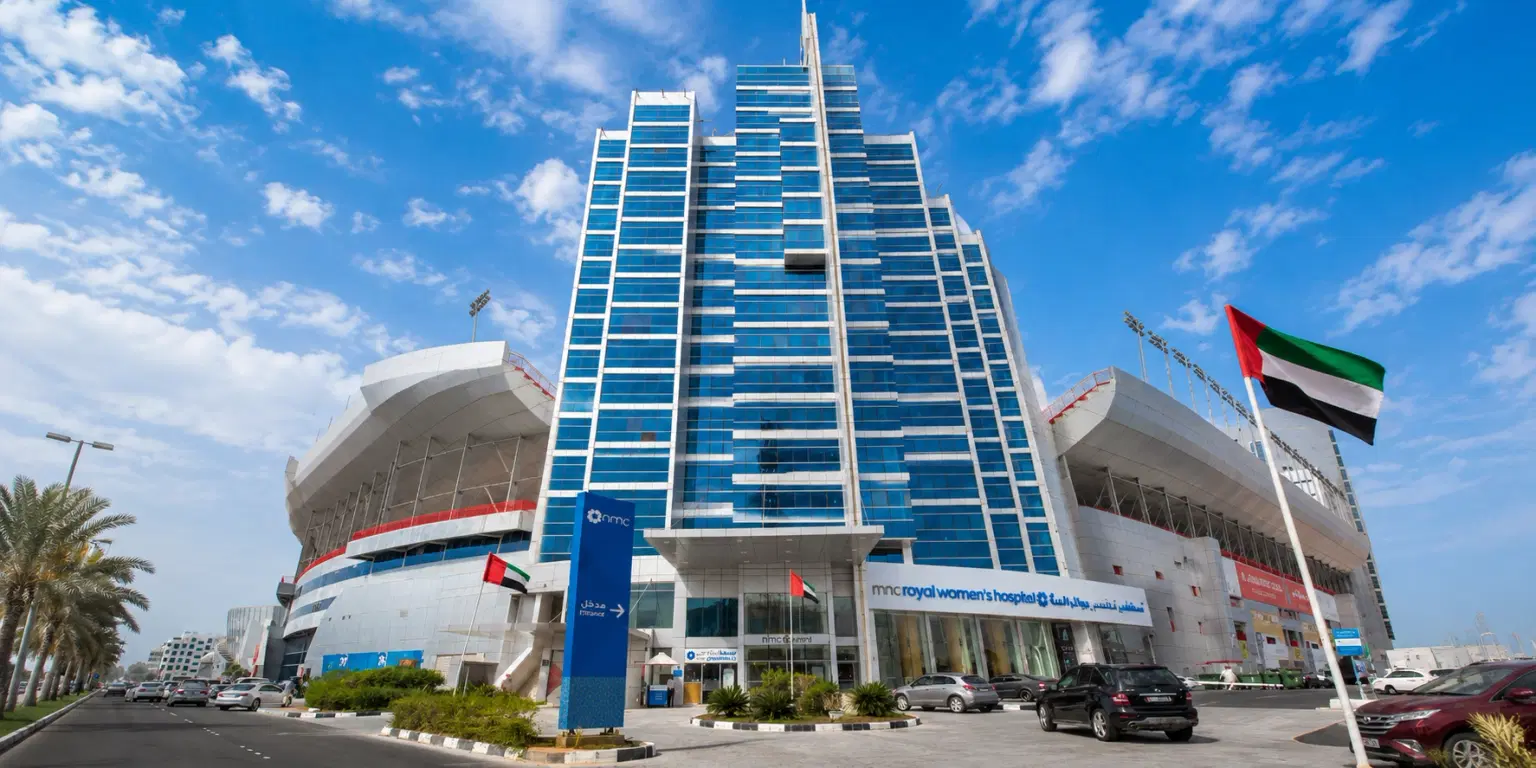
NMC Royal Women's Hospital, Abu Dhabi
Tower B, Mohammed bin Zayed Stadium, Al Jazira Club, Opposite Dusit Thani, Muroor Road, Abu Dhabi, UAE
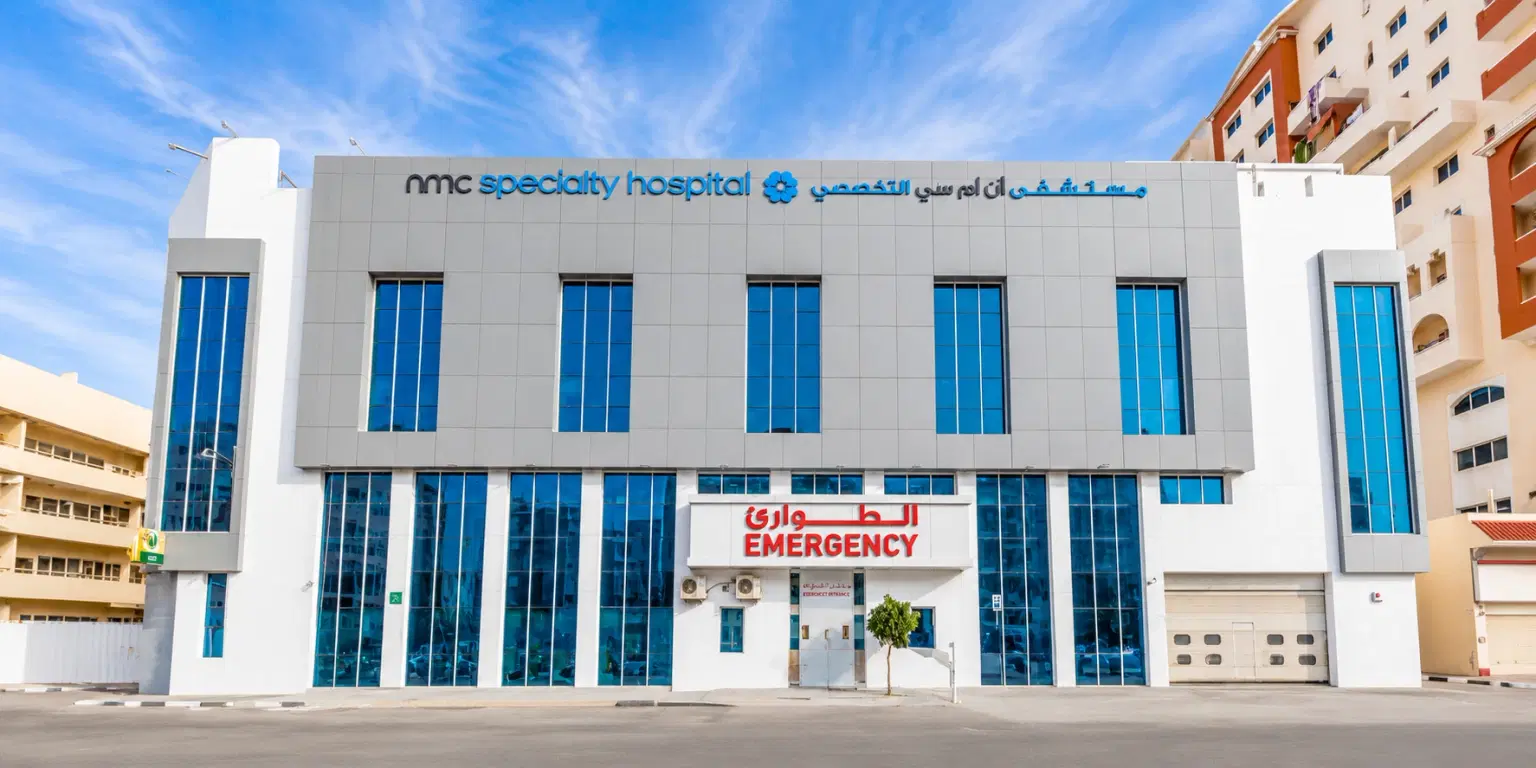
NMC Specialty Hospital, Al Nahda, Dubai
7A St, Al Qusais, Al Nahda 2, next to Bait Al Khair Building, Dubai
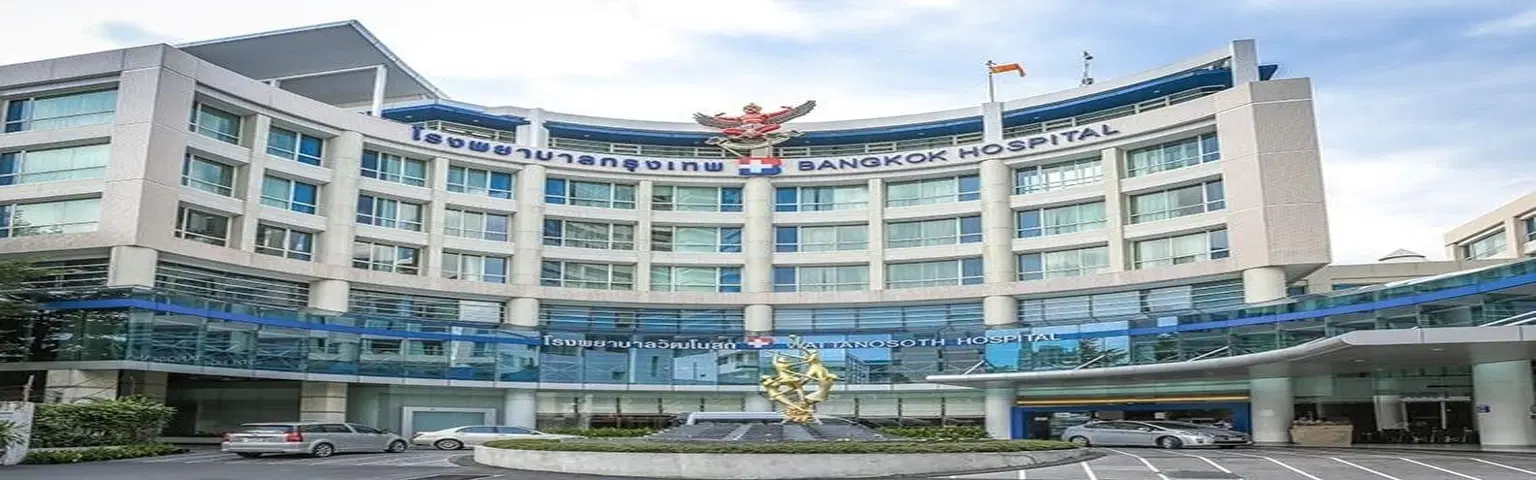
Bangkok Hospital, Thailand
2 Soi Soonvijai 7, New Petchburi Road, Huay Khwang, Bangkok 10310, Thailand
Booking With DIVINHEAL
Get a free consultation to understand your treatment options