خطط رحلتي
أخبرنا بحالتك وميزانيتك — يقوم الذكاء الاصطناعي لدينا بمطابقة الوجهة والمستشفى والطبيب ومسار التأشيرة المناسب
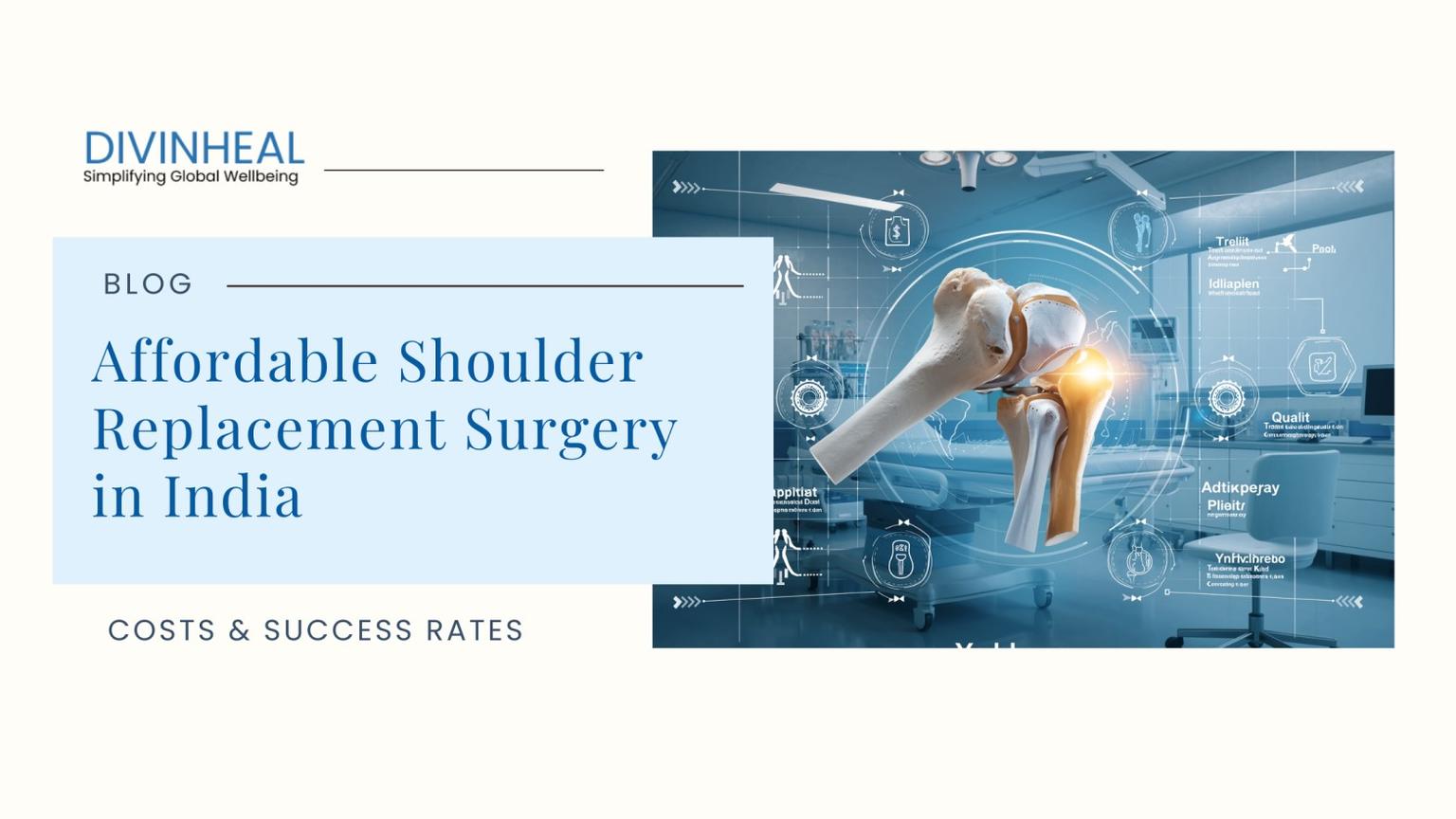
جراحة استبدال الكتف في الهند: استعد حياتك بلا ألم
ألم الكتف ليس جسديًا فحسب، بل يمتد تأثيره ليؤثر سلبًا على مشاعرنا وحياتنا اليومية وحريتنا. سواء كان ناتجًا عن التهاب المفاصل أو إصابة سابقة أو التآكل الطبيعي، فإن تجربة الألم المستمر في الكتف تشبه حمل عبء خفي. كل حركة هي علامة على المعاناة التي تمر بها، مثل فقدان الحرية والراحة، وفي الأوقات غير المتوقعة بالمرة، حتى الكرامة.
ومع ذلك، هناك أخبار رائعة: الآلاف من الأشخاص الذين يعانون من مشاكل في الكتف تجددت آمالهم بفضل جراحة استبدال الكتف في الهند.
أصبحت الهند الآن رائدة عالميًا في تقديم جراحات العظام المتقدمة، مع تركيز كبير على زراعة الكتف. بفضل بنيتها التحتية الطبية المتطورة، وجراحيها المدربين عالميًا، وأسعارها المعقولة بشكل ملحوظ، أصبحت البلاد الآن إحدى الوجهات الرئيسية للأشخاص الذين يسعون لإجراء جراحة استبدال الكتف الكلي في الهند.
ستساعدك هذه المدونة على فهم جميع الخطوات الضرورية في رحلتك مع طبيبك، من الأعراض إلى الجراحة، ومن التعافي إلى التكلفة، حتى تتمكن من اتخاذ قرار إجراء العملية بثقة ووعي لما سيحدث في المستقبل.
فهم جراحة استبدال الكتف
الكتف هو أحد أهم مفاصل الجسم من حيث نطاق الحركة. ولكن عندما يعيق التلف الناتج عن التهاب المفاصل أو الإصابة أو المرض وظيفته، يمكن أن يكون الألم مبرحًا ومحدودًا. استبدال الكتف هو إجراء جراحي يتم فيه إزالة الأجزاء التالفة من مفصل الكتف واستبدالها بمكونات اصطناعية (أطراف صناعية).
أنواع جراحات استبدال الكتف في الهند:
1. جراحة استبدال الكتف الكلي في الهند
- يتم استبدال كل من رأس العظم (الكرة) والتجويف (الحقاني) بمكونات اصطناعية.
- يوصى به غالبًا لحالات التهاب المفاصل العظمي الشديد والتهاب المفاصل الروماتويدي.
2. استبدال الكتف الجزئي (نصف مفصل)
- يتم استبدال رأس العظم العضدي (الكرة) فقط.
- مناسب للمرضى الذين يعانون من كسور أو تلف موضعي.
3. استبدال الكتف العكسي
- يتم تغيير مواضع الكرة والتجويف.
- يوصى به غالبًا للأشخاص الذين يعانون من تمزقات كبيرة في الكفة المدورة أو فشل العمليات الجراحية السابقة.
لماذا تفكر في جراحة استبدال الكتف في الهند؟
1. جراحو عظام عالميون
2. مستشفيات بمعايير عالمية
3. تكلفة جراحة استبدال الكتف المعقولة
4. الحد الأدنى لوقت الانتظار
تكلفة جراحة استبدال الكتف في الهند
| نوع الجراحة | التكلفة التقديرية (روبية هندية) | التكلفة التقديرية (دولار أمريكي) |
| استبدال الكتف الكلي | 1,50,000 – 5,00,000 روبية | 1,800 – 6,000 دولار |
| استبدال الكتف الجزئي | 1,20,000 – 3,50,000 روبية | 1,400 – 4,200 دولار |
| استبدال الكتف العكسي | 2,00,000 – 6,00,000 روبية | 2,400 – 7,200 دولار |
ما يمكن توقعه قبل الجراحة
1. الاستشارة الأولية
سيقوم جراح العظام بتقييم تلف المفصل باستخدام الأشعة السينية أو الرنين المغناطيسي.
ستناقش تاريخك الطبي، والأعراض، ونمط حياتك.
2. الفحوصات قبل الجراحة
اختبارات الدم، وتخطيط القلب الكهربائي (ECG)، وأشعة الصدر السينية، وموافقة التخدير هي جزء من العملية الروتينية.
3. تخطيط الجراحة المخصص
تستخدم المستشفيات الهندية التصوير ثلاثي الأبعاد والتخطيط بمساعدة الذكاء الاصطناعي لضمان أدق النتائج الجراحية.
الإجراء الجراحي: خطوة بخطوة
التخدير: ستتلقى تخديرًا عامًا أو موضعيًا.
الشق الجراحي: يتم عمل شق صغير فوق كتفك.
استبدال المفصل: تتم إزالة الغضروف والعظم التالفين. يتم زرع مكونات اصطناعية مصنوعة من المعدن أو البلاستيك أو السيراميك.
الإغلاق: يتم خياطة الشق وتغطيته بضمادة معقمة.
تستغرق العملية عادةً حوالي 1.5 - 3 ساعات، ولكنها قد تستغرق أقل أو أكثر من ذلك، بسبب عدة عوامل.
التعافي وإعادة التأهيل: ماذا يحدث بعد الجراحة؟
التعافي لا يقل أهمية عن الجراحة. إليك ما يمكن توقعه:
1. الإقامة في المستشفى
يبقى معظم المرضى لمدة 2-3 أيام بعد الجراحة.
2. العلاج الطبيعي
يبدأ خلال 24-48 ساعة.
يركز على تحسين نطاق الحركة، وتقليل التصلب، واستعادة القوة.
3. التعافي في المنزل
ستحتاج إلى مساعدة في المهام اليومية لمدة 1-2 أسبوع.
يتم التحكم في الألم والتورم بالأدوية والعلاج البارد.
4. التعافي الكامل
يعود معظم المرضى إلى الأنشطة الطبيعية خلال 3-6 أشهر.
قد تتطلب الرياضات أو الرفع الثقيل موافقة طبية.
أفضل المستشفيات في الهند لاستبدال الكتف
إليك بعض المستشفيات الرائدة المتخصصة في جراحة استبدال الكتف في الهند:
| المستشفى | الموقع | أبرز الميزات |
| مستشفيات أبولو | تشيناي، دلهي، حيدر أباد | سمعة دولية، جراحات روبوتية |
| ماكس سوبر سبيشيالتي | دلهي، موهالي، جورجاون | تصوير متقدم، فرق عظام خبيرة |
| مستشفيات سانار | جورجاون | رعاية مخصصة، معتمدة من NABH |
| ميدانتا – ذا ميديسيتي | جورجاون | مركز استبدال مفاصل عالي الحجم |
| فورتيس للرعاية الصحية | مدن متعددة | رعاية تتمحور حول المريض، أطراف صناعية حديثة |
الهند مقابل دول أخرى: مقارنة التكلفة والرعاية
| البلد | تكلفة استبدال الكتف الكلي | متوسط وقت الانتظار |
| الولايات المتحدة الأمريكية | 30,000 – 50,000 دولار | 3–6 أشهر |
| المملكة المتحدة | يغطيه نظام الرعاية الصحية الوطني (NHS) (فتحات محدودة) | 6–12 شهرًا |
| الإمارات العربية المتحدة | 18,000 – 28,000 دولار | 1–3 أشهر |
| الهند | 1,800 – 6,000 دولار | 1–2 أسبوع |
🇮🇳 تفوز الهند على جميع الجبهات: التكلفة والجودة والسرعة.
هل استبدال الكتف مناسب لك؟
قد تكون مرشحًا إذا كنت:
تعاني من التهاب مفصل الكتف الشديد أو تلف المفصل.
تعاني من ألم مستمر لا يتحسن بالأدوية أو العلاج الطبيعي.
تعاني من تصلب الكتف أو عدم استقراره.
لا تستطيع أداء المهام اليومية مثل ارتداء الملابس أو الرفع.
استشر دائمًا أخصائي عظام قبل اتخاذ القرار.
السلامة والمخاطر ومعدل النجاح
معدل النجاح في الهند: 90–95%
المخاطر: العدوى، الجلطات الدموية، إصابة الأعصاب، ارتخاء الغرسة (نادر مع التقنيات الحديثة)
تتبع المستشفيات الهندية بروتوكولات صارمة للنظافة والجراحة لتقليل المخاطر.
كيفية التخطيط لجراحة استبدال الكتف في الهند (للسياح الطبيين)
- اختر المستشفى المناسب
- احصل على خطة علاج مفصلة وتقدير للتكلفة
- رتب للسفر والتأشيرة الطبية (للمرضى الدوليين)
- الإقامة في الهند لمدة 10–15 يومًا (كحد أدنى)
يمكن للعديد من المراكز الطبية تقديم خدمات كاملة للمرضى، مثل الاستقبال في المطار، والإقامة، والمترجمين، والرعاية بعد العملية.
حاسبة التكلفة
أعرف علاجي — أرني التكلفة من 3 مستشفيات
الخاتمة: استعد حركتك، أشعل فرحتك من جديد
خطط رحلتي
أخبرنا بحالتك وميزانيتك — يقوم الذكاء الاصطناعي لدينا بمطابقة الوجهة والمستشفى والطبيب ومسار التأشيرة المناسب
حاسبة التكلفة
أعرف علاجي — أرني التكلفة من 3 مستشفيات
الحجز مع ديفين هيل
احصل على استشارة مجانية لفهم خيارات العلاج الخاصة بك
من الاستشارة إلى التعافي،
خطوة بخطوة
مطابقة الأخصائيين الخبراء
نربطك بأفضل الخبراء الطبيين تقييمًا في العالم.
شبكة مستشفيات معتمدة
الوصول إلى مرافق رعاية صحية معتمدة من JCI وNABH.
تنسيق سفر متكامل
مساعدة ميسّرة في التأشيرة والإقامة والنقل المحلي.
رعاية شخصية على مدار الساعة
مستشارو مرضى مخصصون يدعمونك في كل خطوة.
إرشاد الرحلة
إرشاد كامل من بداية رحلة علاج المريض حتى نهايتها.
مطابقة الأخصائيين الخبراء
نربطك بأفضل الخبراء الطبيين تقييمًا في العالم.
كل ما
تحتاج إلى معرفته اليوم
تصفح هذه الأسئلة الشائعة لفهم منصتنا الطبية التي تركز على رعاية المرضى بشكل أفضل.
Pain after shoulder replacement is expected, but it’s usually well managed. The first 1–2 days tend to be the most uncomfortable. A nerve block during surgery often numbs the arm for 12–24 hours, which helps a lot right after the operation. Once that wears off, pain usually settles into a more tolerable soreness over the next few days. By around 2 weeks, most people are comfortable on simple pain relief like paracetamol or low-dose anti-inflammatories. The main surgical pain usually settles within 4–6 weeks, and what remains after that is generally just mild aching from healing and physiotherapy.
At Divinheal partner hospitals (JCI/NABH-accredited), international package costs are roughly: anatomic shoulder replacement ₹2,50,000–₹6,00,000 ($2,650–$6,350), hemiarthroplasty ₹2,00,000–₹5,00,000 ($2,117–$5,290), and reverse shoulder replacement ₹3,00,000–₹8,00,000 ($3,175–$8,460). These typically include the implant, surgeon and anaesthetist fees, a 3–5 night hospital stay and early physiotherapy. Medications, pre-op tests, and longer rehab after discharge are usually charged separately. A clear itemised quote in AUD or GBP is shared before any travel is confirmed.
Private total shoulder replacement in Australia: AUD $25,000–$40,000. Hemiarthroplasty: AUD $18,000–$35,000. Reverse shoulder replacement: AUD $25,000–$40,000. These are gross private costs before insurance. Australian PHI with orthopaedic cover reduces out-of-pocket to AUD $5,000–$10,000 for patients who have served their waiting period. Medicare alone (without PHI) gives a partial rebate on surgeon fees — about AUD $1,500–$3,000. It does not cover the hospital facility fee or implant cost.
Medicare gives a partial rebate on the surgeon’s fees under the Medicare Benefits Schedule (MBS). Verify current item numbers at mbsonline.gov.au. Medicare does not cover the hospital facility fee, the orthopaedic implant, anaesthetist gap fees, or physiotherapy. PHI with orthopaedic cover, once the 12-month waiting period has been served, cuts total out-of-pocket costs by a large amount. Some patients have no adequate PHI. Others have not yet served their PHI waiting period. For these patients, India’s JCI hospitals often work out cheaper — even including travel and accommodation — than the Australian Medicare gap amount.
For patients with confirmed moderate to severe glenohumeral arthritis, the evidence is strong. If conservative treatment has failed to give adequate relief, yes — shoulder replacement is worth it. More than 90% of patients report significant pain reduction and functional improvement (AAOS published outcome data). The National Joint Registry (UK) reports over 95% of shoulder replacements are still functioning at 10 years. The surgery is not right for everyone. A specialist must confirm two things. first, that the structural damage is sufficient to justify the procedure. Second, the patient’s general health can support surgery.
Most patients return to daily activities with much less pain. That is what the surgery is designed to achieve. You are unlikely to return to the shoulder strength and endurance of a healthy, uninjured shoulder. Permanent restrictions include heavy repeated overhead lifting (above 10–15 kg), racquet sports, and contact sports. For patients whose main goal is pain-free daily life, gardening, swimming, and recreational cycling — the outcome is excellent. For patients with physically demanding jobs or high sport demands, set realistic expectations with your surgeon before committing to surgery.
After shoulder replacement, it’s important not to overload the joint. In most cases, that means avoiding repeated heavy lifting overhead (around 10–15 kg or more) and staying away from contact sports like rugby, martial arts, or football. Sports that involve a lot of twisting or force through the shoulder, like tennis or squash, are also usually discouraged. These precautions are mainly about protecting the implant so it lasts longer, not because of pain. On the other hand, low-impact activities such as swimming, cycling, golf, and walking are usually safe once recovery has progressed—typically around 6 months after surgery.
Yes. Shoulder replacement is done under general anaesthesia, takes 1.5–3 hours, and needs a 3–5 day hospital stay. It is a major elective orthopaedic procedure. It is more complex than a diagnostic arthroscopy or rotator cuff repair. But it is less physically stressful than hip or knee replacement because the shoulder is non-weight-bearing. Good candidates are patients in reasonable general health (ASA grade I–II; no uncontrolled cardiac disease, BMI ideally under 35). A pre-operative assessment at the Indian partner hospital on arrival checks fitness for surgery before any anaesthetic is given.
Major complications are uncommon. Deep infection: about 1–2%. Nerve injury (usually transient): about 1–5%. Implant loosening at 10 years: about 2–5%. These risks drop when you choose a high-volume shoulder arthroplasty centre with experienced surgeons and JCI-standard infection-control protocols. All Divinheal partner hospitals for shoulder replacement perform these procedures regularly and hold JCI and/or NABH accreditation. Ask your assigned surgeon for their specific complication rate in shoulder arthroplasty.
Orthopaedic surgery treats conditions of the musculoskeletal system. This includes bones, joints, ligaments, tendons, muscles, and nerves. It covers everything from fracture repair and sports injury management to joint replacement and spinal surgery. The term comes from Greek: ‘orthos’ meaning straight, ‘pais’ meaning child. The speciality began by correcting childhood deformities. It now covers patients of all ages.
Multi-level spinal fusion is widely seen as the hardest orthopaedic surgery to recover from. It involves 6–12 months of recovery before patients reach their functional plateau. Among joint replacements, revision shoulder replacement (replacing a failed prosthesis) is the most complex to perform and recover from. Primary total shoulder replacement is a significant procedure. But recovery is more manageable than after hip or knee replacement. That is because the shoulder is non-weight-bearing from day one.
Medicare gives a rebate on the surgeon’s fees (MBS item number) and some associated costs for orthopaedic surgery. But it does not cover the hospital facility fee, implant, or anaesthetist gap fees for private patients. Most elective orthopaedic procedures in Australia go through the public hospital system. This is free, but waits are 3–24 months for elective joint replacement in most states. Private patients use PHI to cover a significant portion of costs. If your procedure is not covered by PHI — or you have not served your waiting period — India’s JCI hospitals are worth considering. There is no PHI waiting period to serve.
Senior orthopaedic surgeons at India’s top private JCI-accredited hospitals earn about ₹60,00,000–₹1,00,00,000 per year ($63,500–$1,05,826 USD) in total compensation. This is much lower than equivalent specialists in Australia (AUD $600,000–$1,000,000) or the UK private sector (£300,000–£600,000). This salary gap is one of the key reasons surgical costs in India are lower. It is not because surgeons are less qualified. It is because India’s cost-of-living and healthcare economy operate at a different level. Many senior Indian orthopaedic surgeons trained abroad and hold international fellowships (FRCS Tr & Orth, AAOS fellow).
هل لا تزال لديك المزيد من الأسئلة؟
احجز مكالمة مع فريقنا الودود لتتعرف على كيفية تبسيط DivineHeal لرحلتك العلاجية.