
Deep Brain Stimulation (DBS) Treatment in Chennai for Nigeria
Need Personalized Advice?
Our medical experts are ready to answer your questions and guide you through your treatment options.
Our medical experts are ready to answer your questions and guide you through your treatment options.
For many individuals in Nigeria living with challenging movement disorders like Parkinson's disease or essential tremor, finding effective and lasting relief is a primary concern. The prospect of advanced treatments, especially surgical options, often brings questions about quality, accessibility, and trust when considering care beyond familiar borders.
This search frequently leads patients to look towards international medical hubs. Chennai, a major metropolitan city in India, has emerged as a preferred destination due to its specialized neurological centers and a well-coordinated system for international patient care, making it a viable option for those seeking Deep Brain Stimulation.
Patients choose Chennai for its established network of hospitals that house leading neurologists and neurosurgeons specializing in movement disorders. These facilities focus on providing integrated care, from initial consultation and diagnosis to the surgical procedure and extensive post-operative support, ensuring a continuum of care within the city.
Considering Deep Brain Stimulation, how might Chennai support your journey to better health?
Deep Brain Stimulation, or DBS, is a sophisticated neurosurgical procedure used to treat a variety of debilitating neurological conditions, most commonly Parkinson's disease, essential tremor, and dystonia. It involves implanting thin electrodes into specific areas of the brain. These electrodes are connected to a small, battery-operated medical device, similar to a pacemaker, placed under the skin in the chest. This device sends continuous, precisely controlled electrical pulses to the brain, which helps to block the abnormal nerve signals that cause movement symptoms, offering significant symptom relief where medication alone may no longer be effective.
While DBS refers to a specific surgical technique, its application and post-surgical management involve different considerations:
The Deep Brain Stimulation procedure is typically performed in two main stages, carefully planned based on the patient's specific condition and neurological profile.
This stage involves the precise placement of thin wire electrodes into the targeted brain regions. The patient may be awake during part of this surgery to allow the surgical team to monitor brain activity and assess symptom improvement, ensuring optimal electrode positioning. This part of the procedure may take several hours and requires extreme precision, often guided by advanced imaging and physiological mapping techniques. Once correctly positioned, the electrodes are secured.
After the electrodes are implanted, usually in a separate, subsequent procedure, a neurostimulator (Implantable Pulse Generator or IPG) is placed under the skin in the chest, near the collarbone. The electrodes from the brain are then tunneled under the skin and connected to this IPG. The IPG contains a battery and microelectronics that deliver continuous electrical pulses to the brain via the electrodes.
Following the implantation surgeries, typically a few weeks later, a neurologist will begin the process of programming the IPG. This involves adjusting the settings (voltage, pulse width, frequency) to find the optimal combination that best controls symptoms with minimal side effects. This programming is a highly individualized process and often requires several follow-up appointments to achieve the best therapeutic outcome.
Recovery from Deep Brain Stimulation involves several phases. Immediately after surgery, patients will typically spend a few days in the hospital for monitoring. Pain management and wound care are important during this initial period. Once discharged, recovery continues at home, focusing on healing from the surgical incisions. Patients usually return for initial device activation and programming sessions a few weeks post-surgery. These programming adjustments are crucial for optimizing symptom control and may continue over several months. Physical therapy, occupational therapy, and speech therapy can be vital components of recovery, helping patients adapt to their improved motor control and maximize their functional abilities. Regular follow-up appointments with the neurologist are essential for ongoing device management and overall care.
The success rates for Deep Brain Stimulation are generally very encouraging for carefully selected patients. For Parkinson's disease, DBS can significantly reduce motor symptoms like tremor, rigidity, and slowness, as well as reduce medication-induced dyskinesias, leading to a substantial improvement in quality of life. For essential tremor, many patients experience a dramatic reduction in tremor severity. Outcomes for dystonia also show meaningful improvements in involuntary movements and posture. The exact degree of improvement varies between individuals, influenced by the specific condition, individual response to stimulation, and the expertise of the medical team. Long-term studies indicate sustained benefits for many years, though the underlying condition continues to progress.
Our team can connect you with leading neurological specialists and hospitals for a personalized evaluation. Get expert advice and compare your options.
Contact us for a free consultation.
The cost of Deep Brain Stimulation in Chennai can vary significantly based on several factors. These include the choice of hospital (private multi-specialty versus smaller specialized centers), the experience and reputation of the neurosurgeon, the specific type of DBS device used (e.g., rechargeable versus non-rechargeable battery), the duration of hospital stay, and the extent of pre-operative evaluations and post-operative programming sessions required.
For international patients, the estimated cost of Deep Brain Stimulation in Chennai generally ranges from INR 1,500,000 to INR 2,500,000.
Chennai offers a competitive pricing structure for DBS without compromising on the quality of care or advanced medical technology. Here's a comparative overview of DBS costs:
| Location | Estimated Cost (USD) |
|---|---|
| Chennai, India | $18,000 - $30,000 |
| United States | $80,000 - $120,000 |
| United Kingdom | $50,000 - $70,000 |
| Germany | $45,000 - $65,000 |
| Singapore | $40,000 - $60,000 |
Our dedicated patient support team is here to guide you through every step, from initial inquiry to post-treatment follow-up. Reach out today for comprehensive assistance.
Start your consultation now.
Choosing Deep Brain Stimulation in Chennai offers a path to significant relief and improved quality of life for patients from Nigeria. We are committed to making this journey as clear and comfortable as possible.
India offers premium medical procedures at affordable prices. Discover our most popular treatments, delivered by the country's finest doctors.
Meet our team of highly qualified and experienced medical professionals dedicated to providing the best healthcare services.
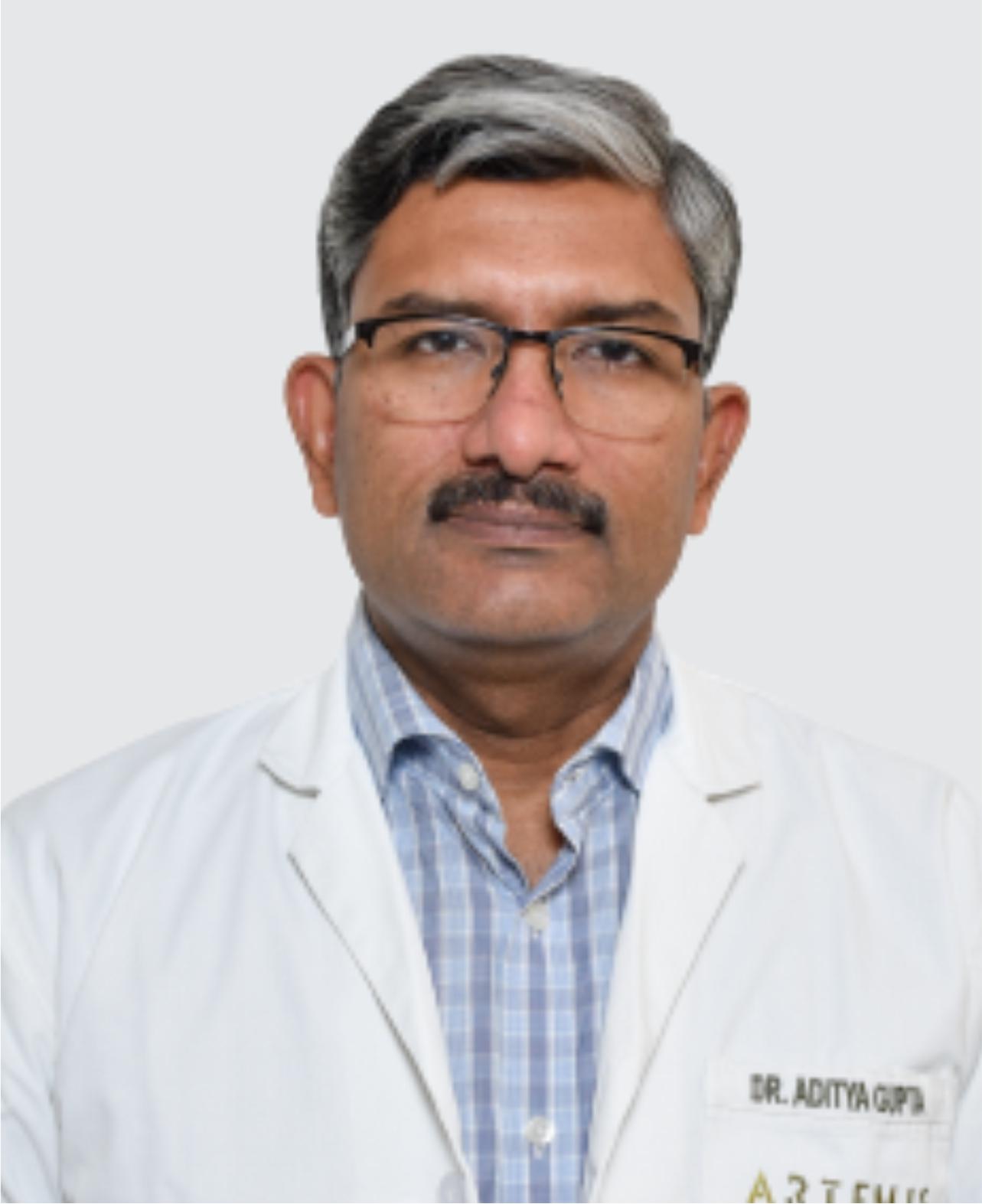
Chairperson - Neurosurgery & CNS Radiosurgery & Co-Chief - Cyberknife Centre, Artemis Hospitals, Gurgaon
Neurosurgeon
Haryana
32+ Years
Experience
Artemis Hospital
Hospital
1500
Fees
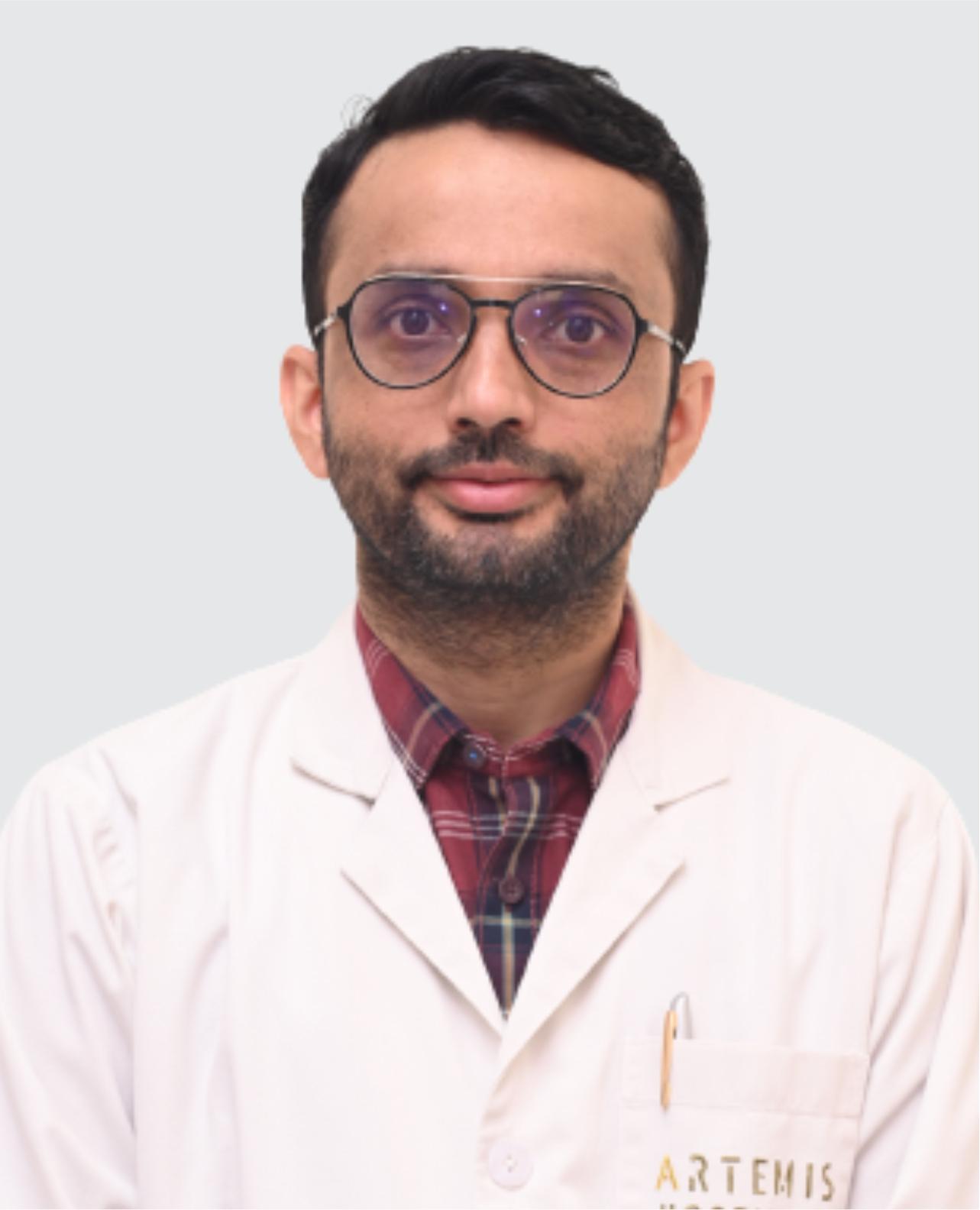
Sr. Consultant-Neurology & Epilepsy
Neurology & Epilepsy
New Delhi
15+ Years
Experience
Artemis Hospital
Hospital
1500
Fees
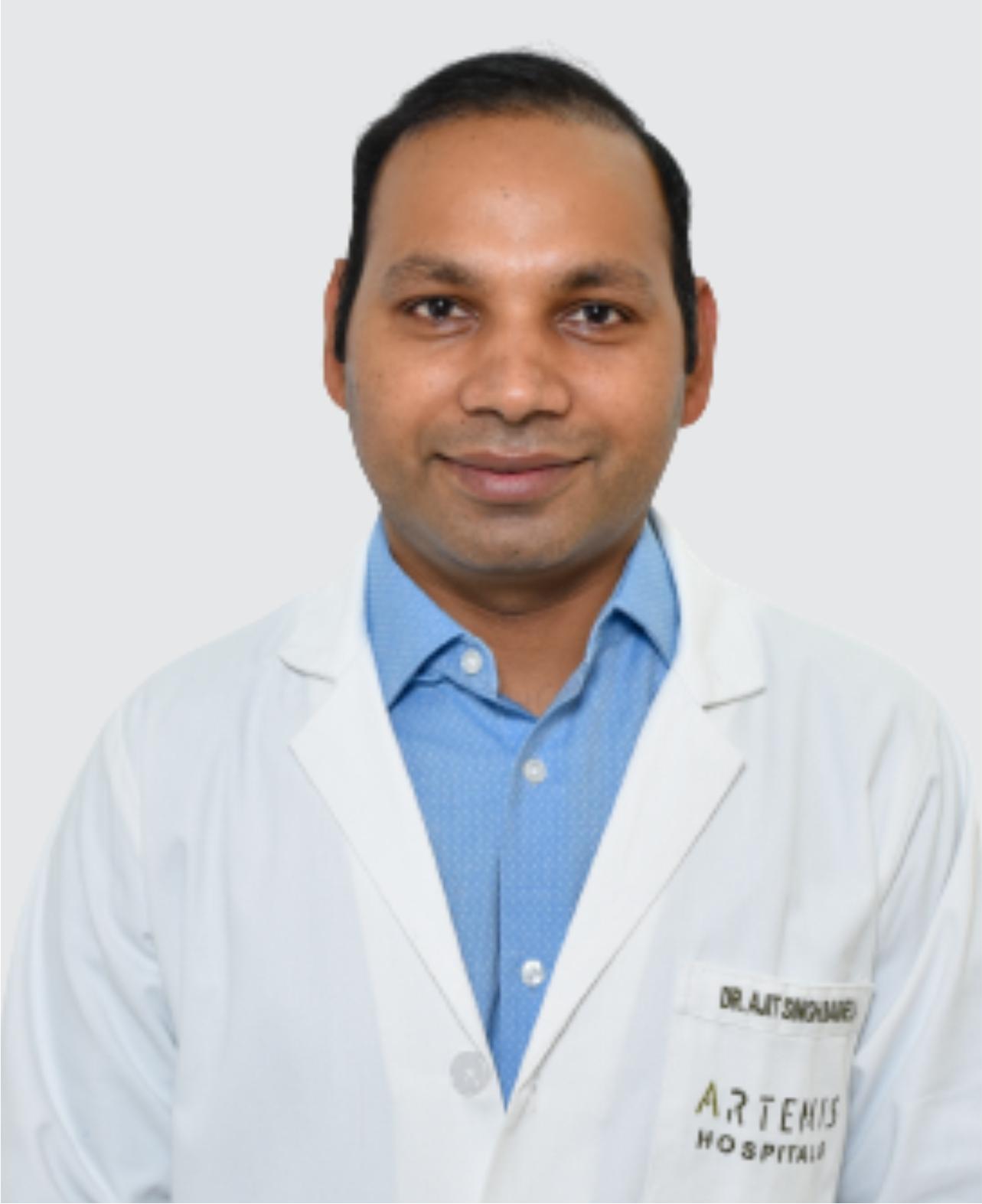
Consultant
Paediatric Neurology
Haryana
9+ Years
Experience
Artemis Hospital
Hospital
1500
Fees
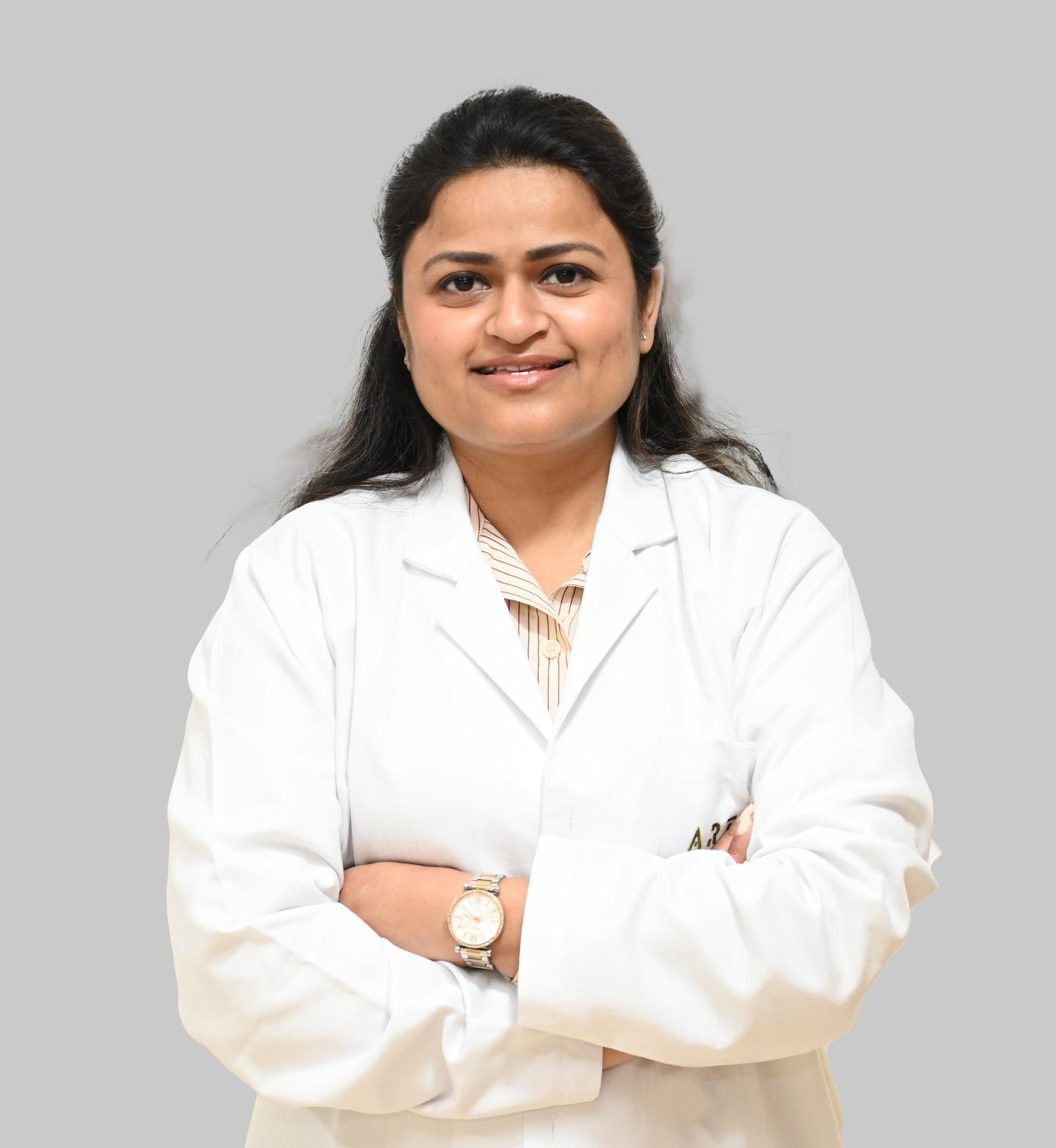
Consultant - Physiotherapy and Rehabilitation Centre
Physiotherapy and Rehabilitation Centre
New Delhi
10+ Years
Experience
Artemis Hospital
Hospital
1500
Fees
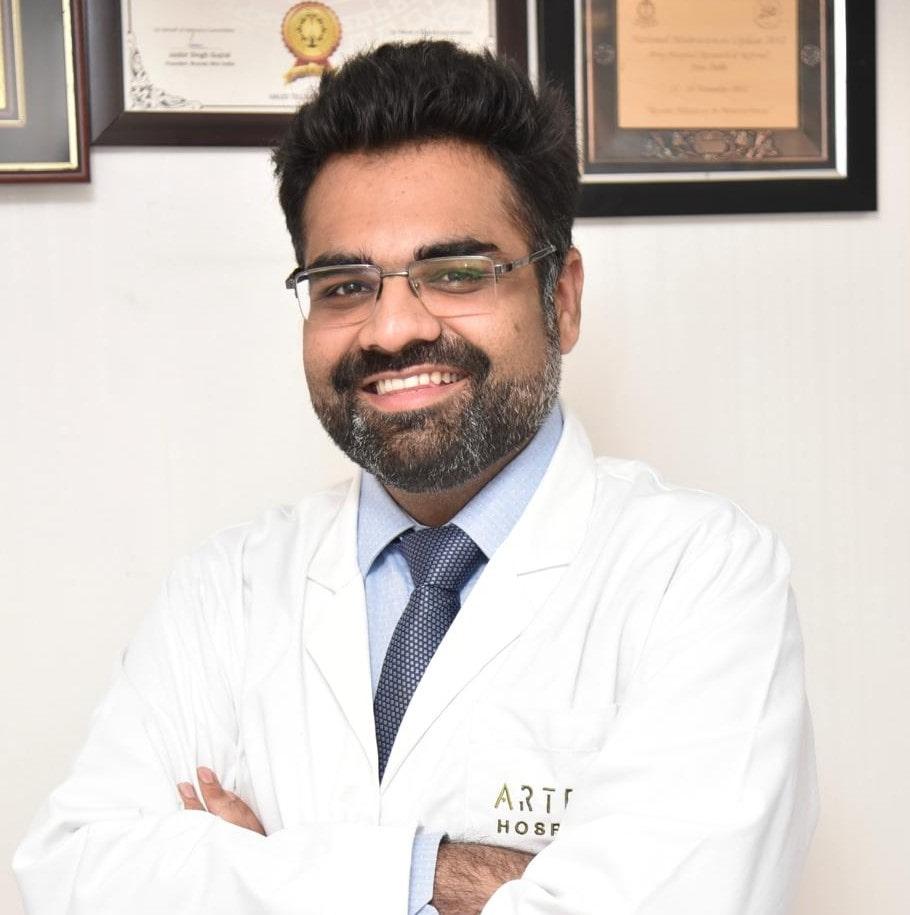
Consultant - Neurology & Movement Disorders
Neurology
New Delhi
15+ Years
Experience
Artemis Hospital
Hospital
1500
Fees
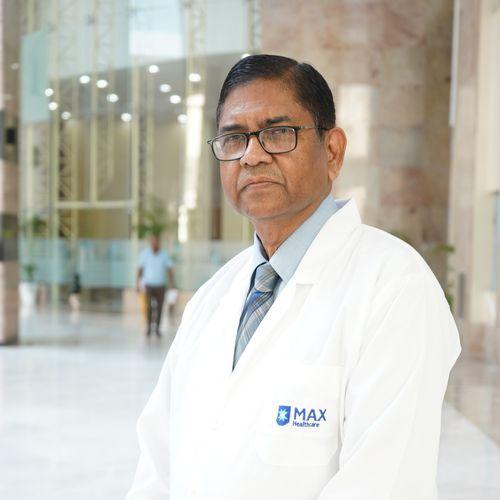
Chairman - Cardiology
Cardiology
New Delhi
41+ Years
Experience
Max Hospital,Gurgaon
Hospital
1500
Fees

Senior Medical Oncologist
Medical Oncology, Haemato-medical Oncology
New Delhi
15+ Years
Experience
Max Hospital,Gurgaon
Hospital
1500
Fees
Principal Director - Pulmonology
Pulmonology
New Delhi
40+ Years
Experience
Max Hospital,Gurgaon
Hospital
1500
Fees
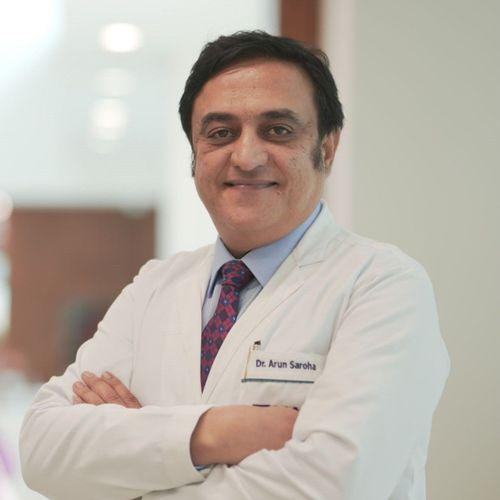
Director & HOD
Neurosurgery
New Delhi
30+ Years
Experience
Apolo Delhi
Hospital
1500
Fees
Senior Consultant
Neurosurgery
New Delhi
25+ Years
Experience
Apolo Delhi
Hospital
1500
Fees
Get Personalized Medical Treatment Options From India's Top Hospitals. Our Medical Experts Are Ready To Assist You Every Step Of The Way.