
Pediatric Epilepsy Surgery Treatment in Hyderabad for UAE
Need Personalized Advice?
Our medical experts are ready to answer your questions and guide you through your treatment options.
Our medical experts are ready to answer your questions and guide you through your treatment options.
Families in the UAE facing the challenges of pediatric epilepsy often search globally for the best possible care. The journey to find effective treatment for a child's seizures can be overwhelming, with many questions about specialized surgical options and long-term outcomes for their little ones.
For advanced interventions like epilepsy surgery, Hyderabad has emerged as a preferred destination. Parents seek cities known for high clinical standards and comprehensive support services, ensuring a smooth and coordinated experience during a critical medical journey for their child.
Hyderabad's hospitals house leading pediatric neurologists and neurosurgeons dedicated to epilepsy care. The city's medical infrastructure provides integrated services, from initial diagnosis to post-surgical rehabilitation, all within a well-coordinated and patient-focused environment.
Could Hyderabad offer the precise epilepsy solution your child needs?
Pediatric epilepsy surgery is a specialized neurosurgical procedure performed on children when medications are unable to control their seizures effectively. The goal is to either remove the part of the brain causing the seizures (resection) or disconnect pathways that allow seizures to spread (disconnection). This treatment is typically considered for children with focal epilepsy, where seizures originate from a specific, identifiable area of the brain, leading to a significant improvement in their quality of life and developmental progress.
Different surgical techniques are employed based on the type and location of the child’s epilepsy:
The specific approach to pediatric epilepsy surgery is tailored to each child's condition and the location of the seizure focus.
Before surgery, detailed imaging and monitoring help the surgical team create a precise map of the child's brain. This involves non-invasive techniques and, in some cases, invasive monitoring with intracranial electrodes to pinpoint the exact seizure-generating area while preserving critical brain functions like speech and movement.
During the surgery, performed under general anesthesia, the neurosurgeon will either carefully remove the identified seizure focus (resection) or disconnect the pathways responsible for seizure spread (disconnection). The choice of technique depends on the type and location of the epilepsy. Advanced neuro-navigation and intraoperative monitoring ensure precision and safety throughout the procedure.
After the surgery, the child is typically moved to an intensive care unit for close observation. This period focuses on managing pain, monitoring for any neurological changes, and ensuring the initial healing process is stable before transferring to a regular ward.
Recovery from pediatric epilepsy surgery varies depending on the type of procedure and the child's overall health. Most children spend several days to a week in the hospital. Pain management is crucial during the initial phase. Close monitoring for seizure activity continues, and anti-seizure medications are gradually adjusted. Physical, occupational, and speech therapy often begin soon after surgery to help the child regain any lost functions or adapt to new changes. Follow-up appointments with the neurologist and neurosurgeon are vital for ongoing assessment and support, guiding the child's return to daily activities and school.
Connect with our expert medical team for a personalized consultation regarding pediatric epilepsy surgery in Hyderabad.
The success rate of pediatric epilepsy surgery varies widely based on the type of epilepsy, the specific surgical procedure, and the child’s individual characteristics. For many children, especially those with clearly defined focal epilepsy, surgery can lead to significant seizure reduction or even complete seizure freedom. This often results in improved cognitive development, better learning outcomes, and an overall enhanced quality of life. Long-term follow-up is essential to monitor progress and manage expectations.
The cost of pediatric epilepsy surgery in Hyderabad is influenced by several factors, including the chosen hospital's facilities, the specialist surgeon's experience, the complexity and type of the surgical method, and the advanced technology utilized during evaluation and the procedure itself. Comprehensive pre-surgical evaluations also contribute to the overall expenditure.
Generally, the estimated cost for pediatric epilepsy surgery in Hyderabad can range from INR 7,00,000 to INR 25,00,000.
Hyderabad offers a significant cost advantage for pediatric epilepsy surgery while maintaining high international standards of medical care and specialist expertise.
| Location | Estimated Cost Range (USD) |
|---|---|
| Hyderabad, India | $8,400 - $30,000 |
| United States | $70,000 - $150,000+ |
| United Kingdom | $60,000 - $120,000+ |
| Germany | $50,000 - $100,000+ |
| Singapore | $40,000 - $80,000+ |
Request a detailed, transparent quote and learn about payment options for pediatric epilepsy surgery in Hyderabad.
Connect with our compassionate team to understand how Hyderabad can support your child's journey toward a seizure-free life and improved well-being.
India offers premium medical procedures at affordable prices. Discover our most popular treatments, delivered by the country's finest doctors.
Meet our team of highly qualified and experienced medical professionals dedicated to providing the best healthcare services.
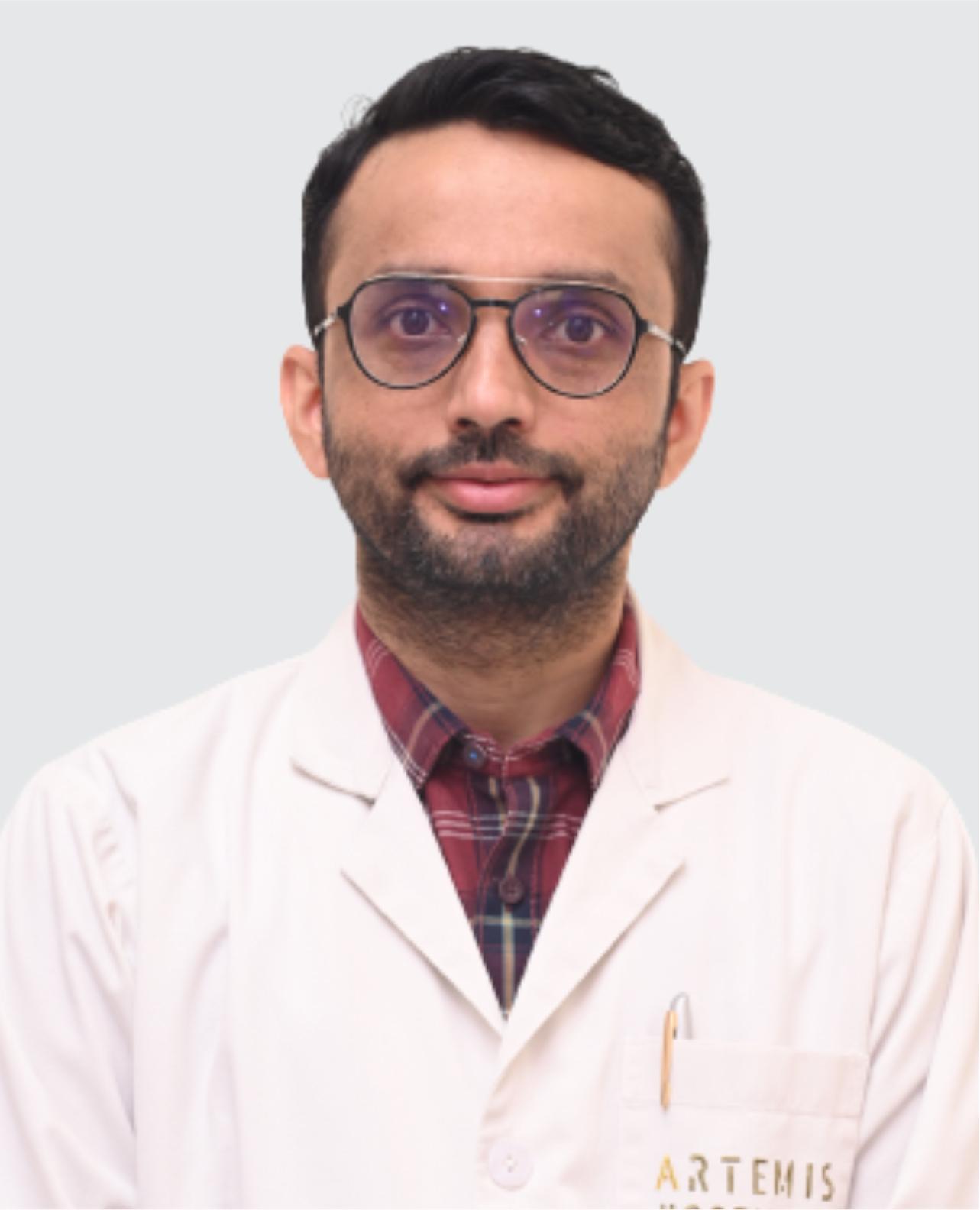
Sr. Consultant-Neurology & Epilepsy
Neurology & Epilepsy
New Delhi
15+ Years
Experience
Artemis Hospital
Hospital
1500
Fees

Consultant
Paediatric Neurology
Haryana
9+ Years
Experience
Artemis Hospital
Hospital
1500
Fees
Get Personalized Medical Treatment Options From India's Top Hospitals. Our Medical Experts Are Ready To Assist You Every Step Of The Way.