
Pediatric Epilepsy Surgery Treatment in India for UAE
Need Personalized Advice?
Our medical experts are ready to answer your questions and guide you through your treatment options.
Our medical experts are ready to answer your questions and guide you through your treatment options.
For parents in the UAE facing the challenges of pediatric epilepsy, the search for effective treatment for their child can bring profound worry and uncertainty. Deciding on surgery, especially for a young one, requires immense trust and clarity about the available options and outcomes.
Many families from the UAE often explore medical care beyond their borders, seeking specialized expertise or more accessible treatment pathways. India has emerged as a preferred destination, offering advanced pediatric neurology and neurosurgery services across its leading healthcare cities.
India’s medical infrastructure provides a robust network of hospitals and highly skilled specialists dedicated to complex pediatric conditions. Patients can find comprehensive care, from initial diagnosis to intricate surgical interventions and post-operative support, reflecting a trusted nationwide medical system.
Considering India for your child's pediatric epilepsy surgery: what should you know?
Pediatric epilepsy surgery is a specialized neurosurgical procedure performed on children with severe, drug-resistant epilepsy. The goal is to remove or disconnect the area of the brain where seizures originate, aiming to reduce or eliminate seizure frequency and improve the child's quality of life. This surgery is considered when medication is ineffective, and the seizure focus can be precisely located and safely removed without causing significant neurological deficits.
Different surgical approaches are tailored to the child’s specific type of epilepsy and the location of the seizure focus:
The specific surgical procedure varies significantly based on the type of epilepsy, its location, and the child's overall condition, as determined by the multidisciplinary team.
The child undergoes thorough pre-operative assessments, including blood tests, cardiac evaluations, and consultations with the neurosurgeon and anesthesiologist. Parents receive detailed counseling about the procedure, potential risks, and recovery expectations. The child is prepared both physically and emotionally for the surgery.
Under general anesthesia, the neurosurgeon performs the chosen procedure. This might involve opening the skull (craniotomy) to access the brain. Advanced imaging and sometimes intraoperative monitoring, like electrocorticography, are used to guide the surgeon in identifying and removing or disconnecting the problematic brain tissue with precision. The goal is to preserve healthy brain function.
Following the procedure, the child is moved to a specialized pediatric intensive care unit for close monitoring. Pain management is provided, and neurological status is regularly assessed. Early mobilization and rehabilitation may begin based on the child's recovery.
Recovery from pediatric epilepsy surgery varies for each child, but generally involves a hospital stay of several days to a week. Initial healing focuses on managing pain and monitoring for complications. Long-term recovery includes a period of gradual physical activity resumption, ongoing medication adjustments, and often includes physical, occupational, and speech therapy to support development and adaptation. Regular follow-up appointments with the neurologist are essential to monitor seizure control and overall progress.
The success rates for pediatric epilepsy surgery are highly variable, often ranging from 50% to over 80% for significant seizure reduction or complete seizure freedom, depending on the type of epilepsy, the child's age, and the specific surgical procedure performed. Outcomes are generally best when the seizure focus is well-defined and completely removed. Long-term expectations include potential improvements in cognitive function and quality of life, even if some seizures persist, allowing for better developmental trajectories.
Connect with leading pediatric neurosurgeons in India for a personalized consultation regarding your child's epilepsy.
The cost of pediatric epilepsy surgery in India is influenced by several factors, including the chosen hospital's accreditation and facilities, the experience of the neurosurgeon, the specific type of surgery required, the duration of hospital stay, and any advanced diagnostic tests or post-operative rehabilitation needed. India offers a highly competitive pricing structure compared to many Western countries, without compromising on quality.
In India, the estimated cost for pediatric epilepsy surgery typically ranges from INR 600,000 to INR 1,500,000.
| City | Estimated Cost Range (INR) |
|---|---|
| Delhi | 700,000 - 1,400,000 |
| Mumbai | 750,000 - 1,500,000 |
| Chennai | 650,000 - 1,300,000 |
| Bengaluru | 700,000 - 1,450,000 |
| Hyderabad | 600,000 - 1,200,000 |
| Kolkata | 600,000 - 1,150,000 |
| Pune | 680,000 - 1,350,000 |
| Ahmedabad | 620,000 - 1,250,000 |
| Country | Estimated Cost Range (USD) |
|---|---|
| India | 7,000 - 18,000 |
| UAE | 40,000 - 80,000 |
| United States | 80,000 - 150,000 |
| United Kingdom | 50,000 - 100,000 |
| Singapore | 35,000 - 70,000 |
| Turkey | 15,000 - 30,000 |
Reach out to our patient care coordinators to start planning your child's pediatric epilepsy surgery journey to India.
Choosing the right path for your child’s health is a profound decision, and with advanced care options in India, hope for a brighter future is within reach.
India offers premium medical procedures at affordable prices. Discover our most popular treatments, delivered by the country's finest doctors.
Meet our team of highly qualified and experienced medical professionals dedicated to providing the best healthcare services.
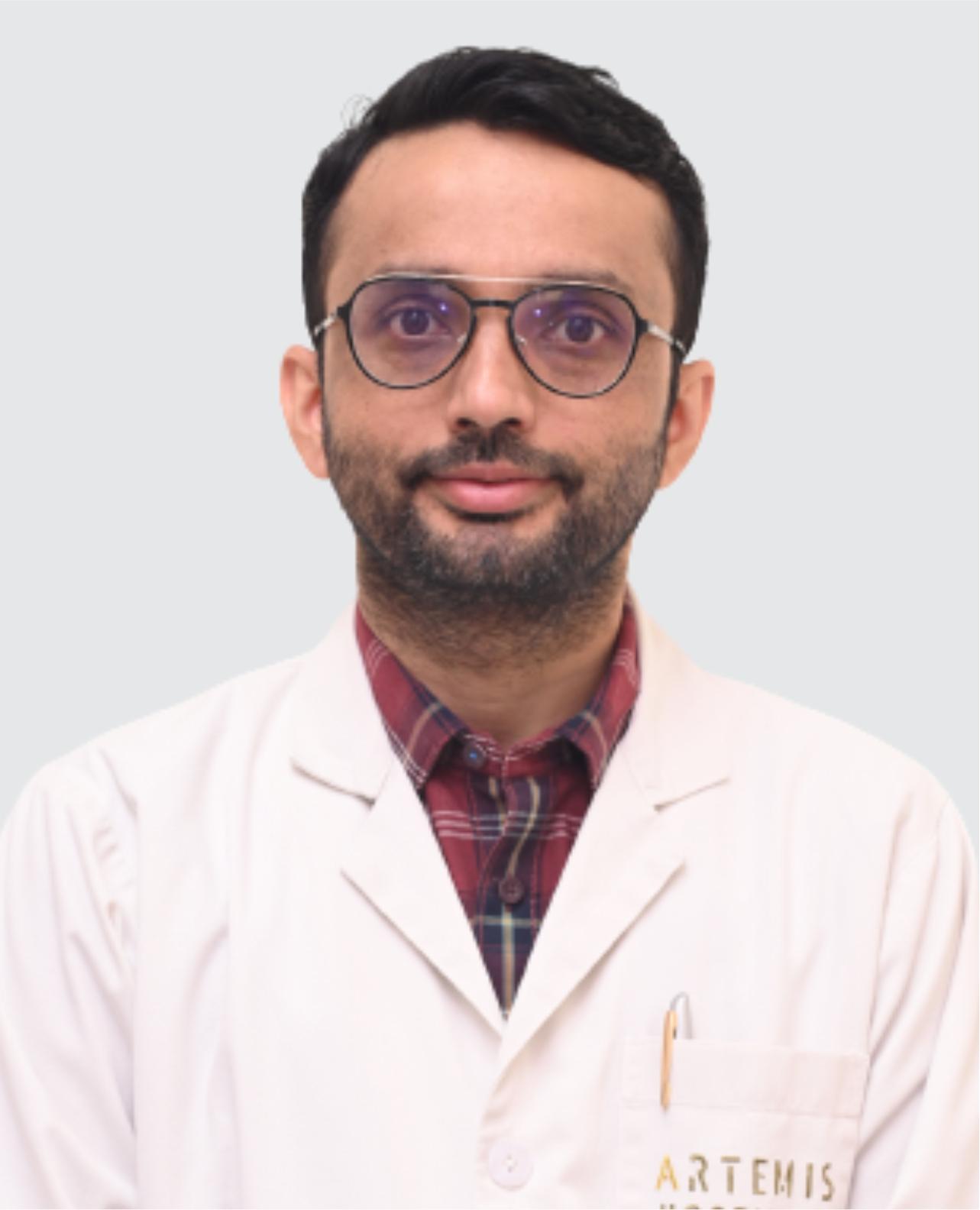
Sr. Consultant-Neurology & Epilepsy
Neurology & Epilepsy
New Delhi
15+ Years
Experience
Artemis Hospital
Hospital
1500
Fees
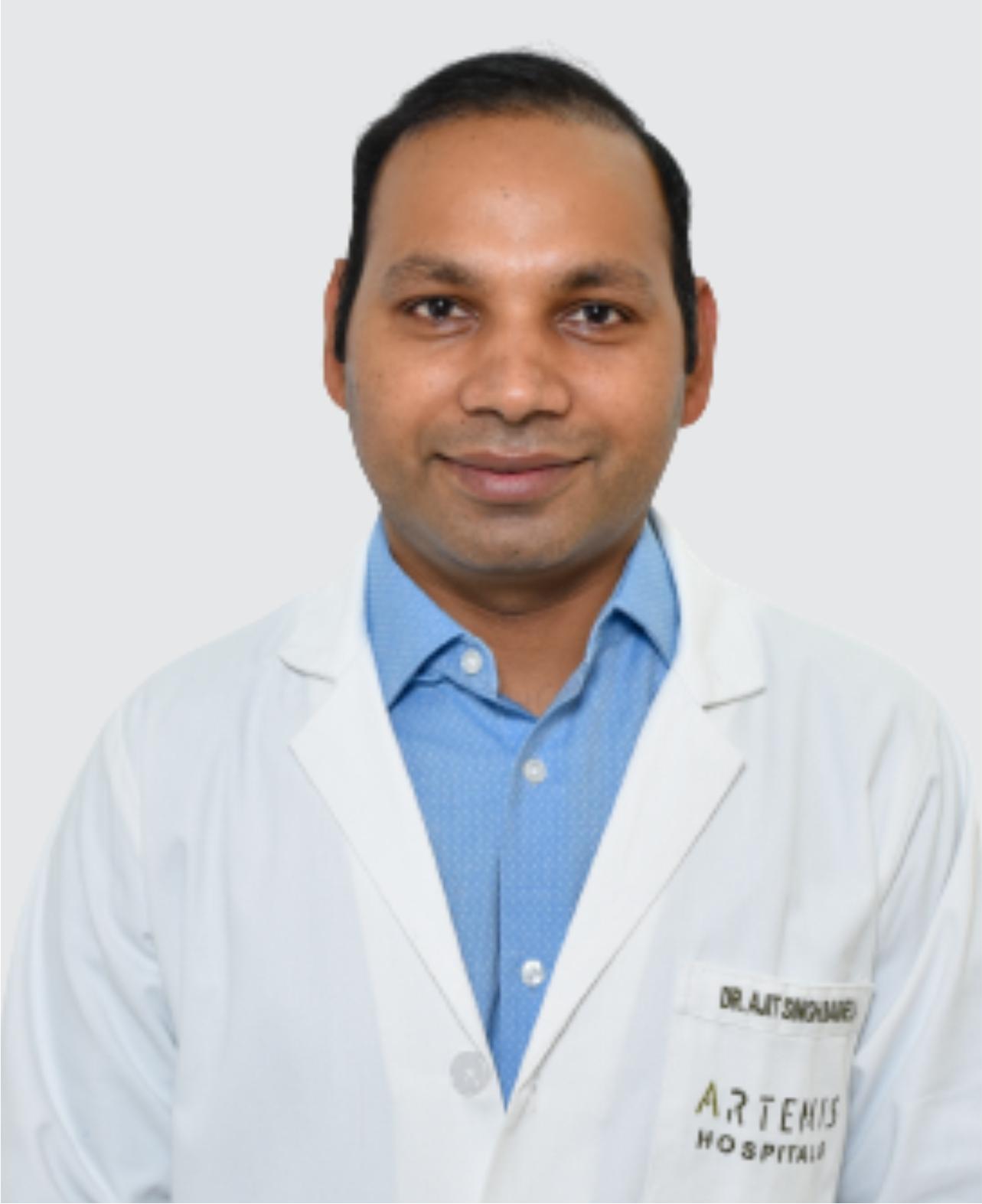
Consultant
Paediatric Neurology
Haryana
9+ Years
Experience
Artemis Hospital
Hospital
1500
Fees
Get Personalized Medical Treatment Options From India's Top Hospitals. Our Medical Experts Are Ready To Assist You Every Step Of The Way.