
Radiology Treatment in New Delhi for Iraq
Need Personalized Advice?
Our medical experts are ready to answer your questions and guide you through your treatment options.
Our medical experts are ready to answer your questions and guide you through your treatment options.
Patients from Iraq seeking advanced medical imaging often face concerns about quality and accessibility. Finding reliable diagnostic services like radiology abroad can feel daunting, with questions about technology standards and specialist expertise being common.
New Delhi has emerged as a preferred destination for international patients due to its comprehensive healthcare infrastructure. The city offers a well-coordinated system of specialized hospitals and imaging centers, ensuring a streamlined patient experience from arrival to diagnosis.
The medical community in New Delhi comprises highly skilled radiologists and technologists utilizing cutting-edge equipment. Patients can rely on established protocols for accurate diagnostics and benefit from integrated care, making follow-ups and treatment planning straightforward.
New Delhi provides accessible, high-standard radiology services for international patients.
Ready to learn more about radiology options in New Delhi?
Our team is here to guide you through every step of your medical journey.
Radiology is a medical specialty that uses various imaging techniques to diagnose and treat diseases. It involves taking pictures of the internal structures of the body to detect abnormalities, injuries, or conditions that are not visible from the outside.
The specific method for a radiology procedure varies significantly based on the type of scan and the body area being examined. Each technique uses different physical principles to generate images for diagnostic purposes.
X-ray: You will stand or lie down in various positions, and an X-ray machine will send radiation through your body to capture images on a digital sensor. This is a quick and painless process.
CT Scan: You will lie on a motorized table that slides into a doughnut-shaped scanner. The machine rotates around you, taking multiple X-ray images from different angles, which a computer then combines into detailed cross-sectional views.
MRI Scan: You will lie on a table that moves into a large, tube-shaped magnet. This machine uses strong magnetic fields and radio waves to create detailed images of soft tissues, organs, and bones. It is non-invasive and does not use radiation.
After most radiology procedures, you can typically resume your normal activities immediately. If contrast dye was administered, you might be advised to drink extra fluids to help flush it from your system. The images will be reviewed by a radiologist, and a report will be sent to your referring doctor, who will then discuss the findings with you.
The success rate of radiology procedures in providing accurate diagnostic information is generally very high, especially with advanced equipment and experienced radiologists. The clarity and detail of the images allow for precise detection and characterization of conditions, contributing significantly to effective treatment planning and improved patient outcomes.
The cost of radiology in New Delhi can vary depending on the specific type of scan, the complexity of the imaging required, the technology used by the hospital or diagnostic center, and the expertise of the interpreting radiologist.
Generally, radiology procedures in New Delhi can range from approximately ₹5,000 to ₹40,000 INR.
New Delhi offers competitive pricing for a wide range of radiology services compared to many Western countries, without compromising on quality or technological standards. This makes it an attractive option for international patients seeking high-quality care at a more affordable rate.
| Procedure | New Delhi (USD) | USA (USD) | UK (USD) | UAE (USD) |
|---|---|---|---|---|
| X-ray | $15 - $30 | $100 - $300 | $50 - $150 | $40 - $100 |
| Ultrasound | $30 - $70 | $200 - $500 | $100 - $300 | $80 - $200 |
| CT Scan | $80 - $200 | $500 - $1500 | $300 - $800 | $200 - $600 |
| MRI Scan | $150 - $400 | $800 - $3000 | $500 - $1500 | $400 - $1000 |
Considering New Delhi for your radiology needs?
Contact our patient support team to discuss your options and receive personalized guidance.
Connect with our expert team to understand how New Delhi's radiology services can benefit you.
India offers premium medical procedures at affordable prices. Discover our most popular treatments, delivered by the country's finest doctors.
Meet our team of highly qualified and experienced medical professionals dedicated to providing the best healthcare services.

Sr. Consultant – Women Imaging
Radiology (Specializing in Women's Imaging)
Haryana
15+ Years
Experience
Artemis Hospital
Hospital
1500
Fees
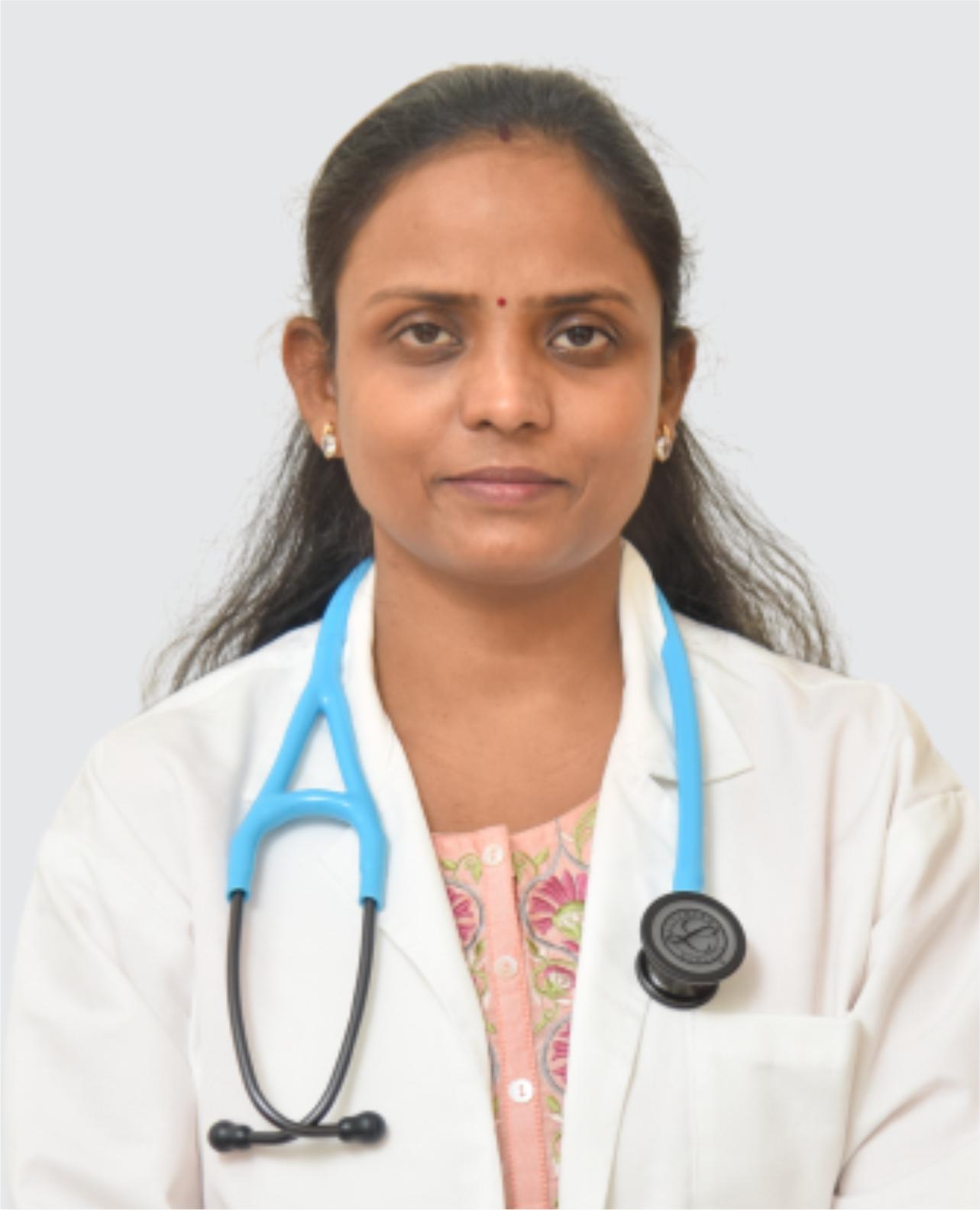
Consultant - Pediatric Rheumatology
Pediatric Rheumatology
New Delhi
13+ Years
Experience
Artemis Hospital
Hospital
1500
Fees
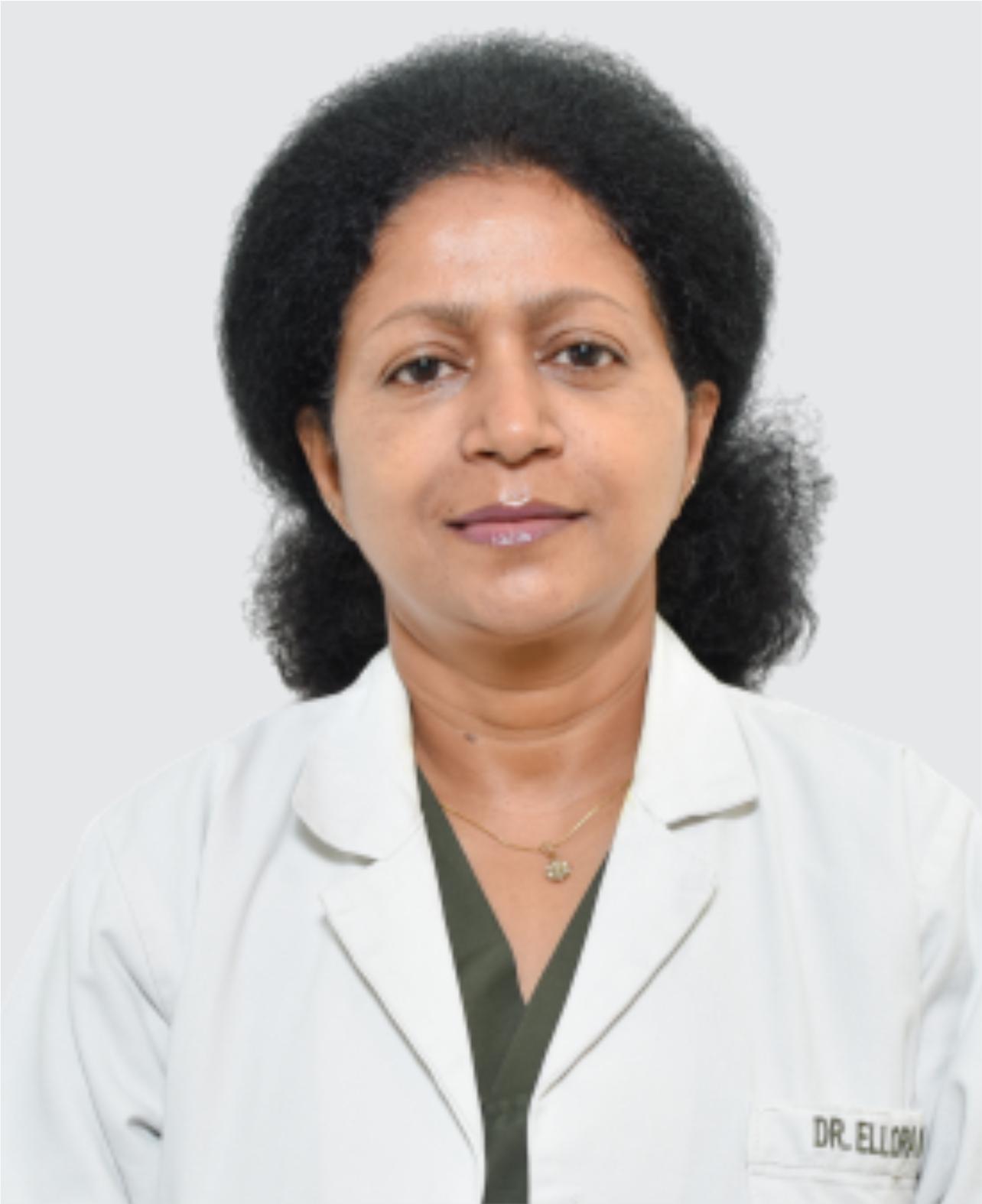
Admin Head - Emergency
Emergency & Trauma Services
New Delhi
25+ Years
Experience
Artemis Hospital
Hospital
1500
Fees
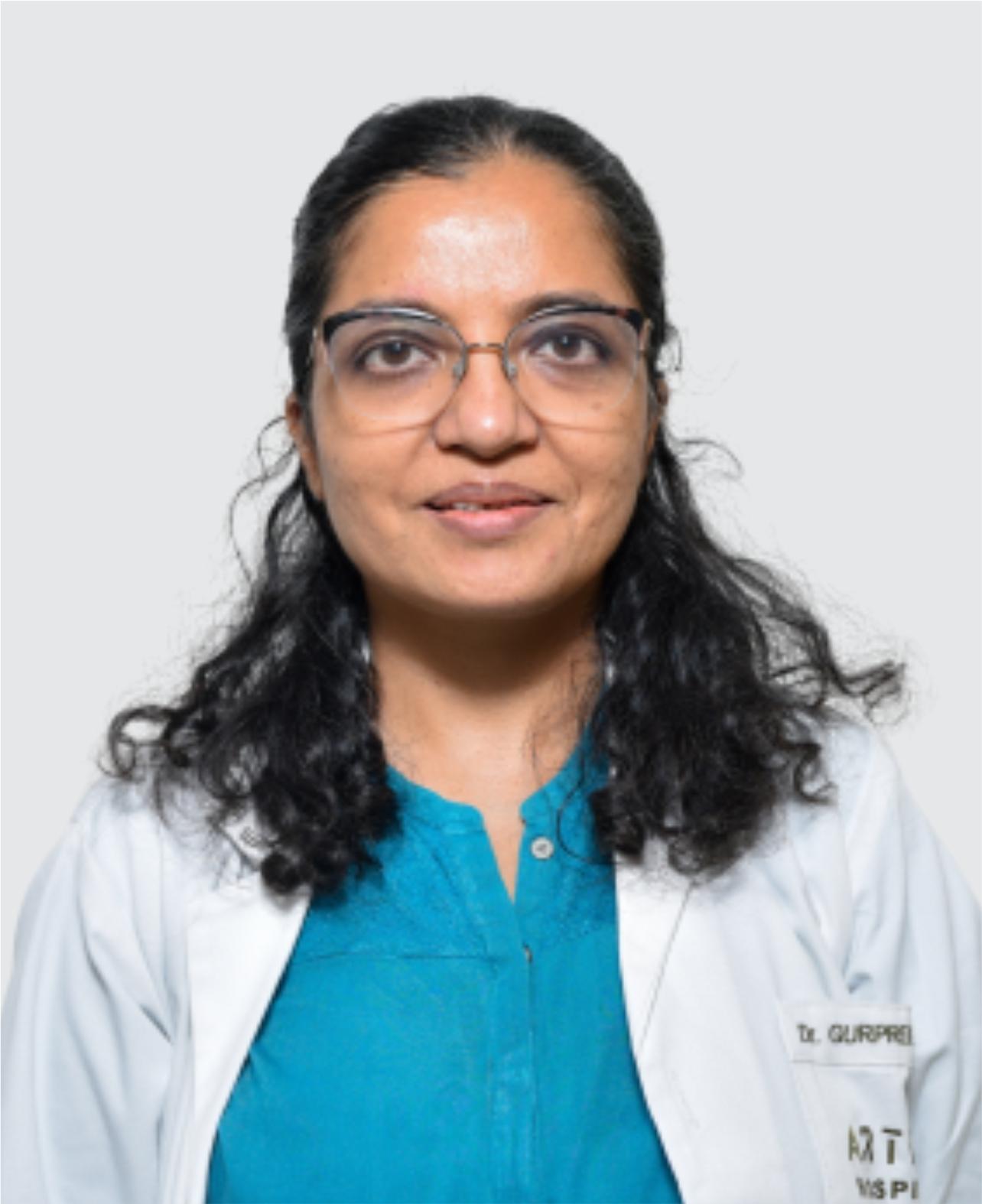
Head Imaging & Chief DNB Program
Radiology
New Delhi
19+ Years
Experience
Artemis Hospital
Hospital
1500
Fees
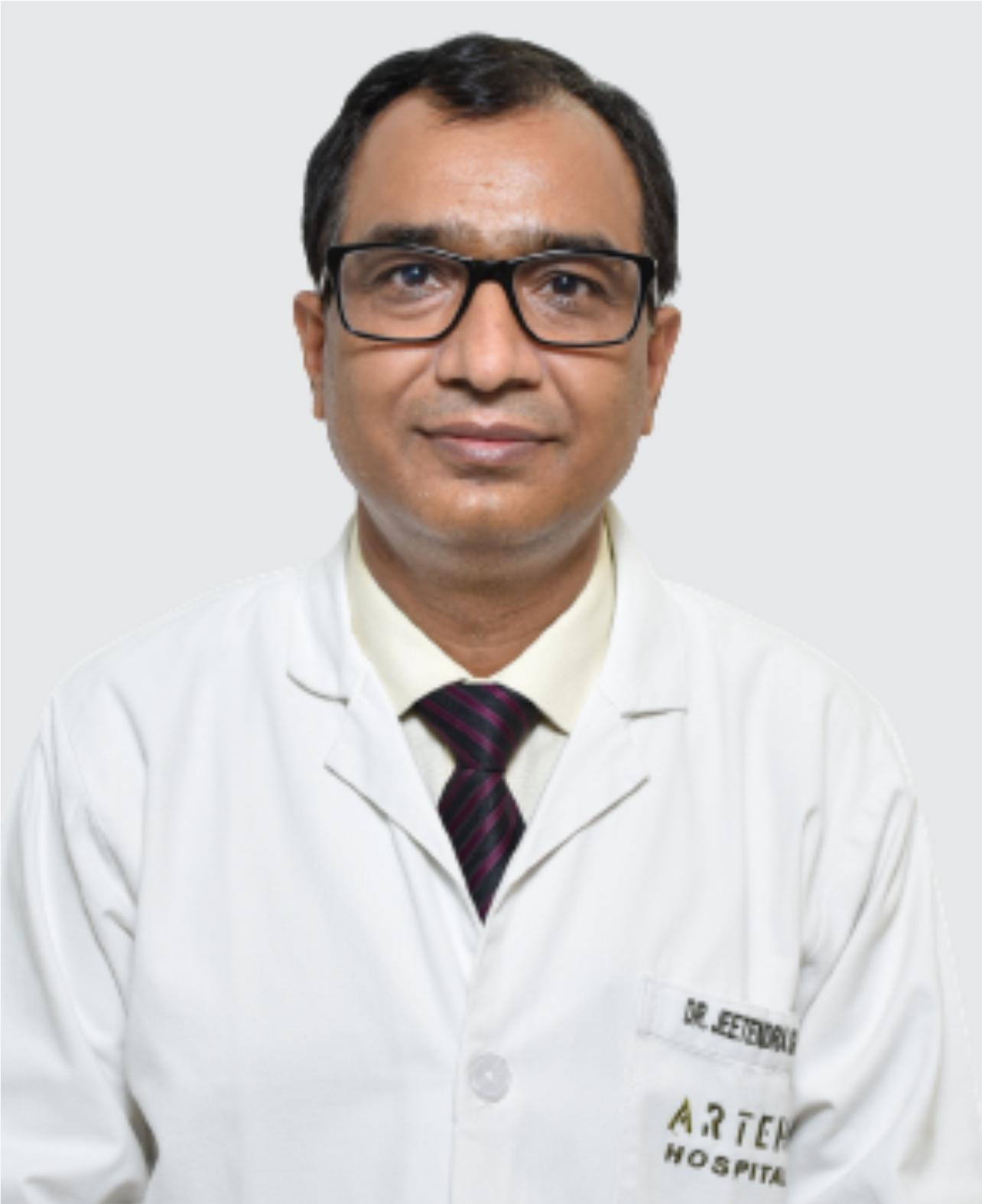
Chief - Critical Care (Unit II) & Chief- Medical Quality
Critical Care & ICU
New Delhi
15+ Years
Experience
Artemis Hospital
Hospital
1500
Fees
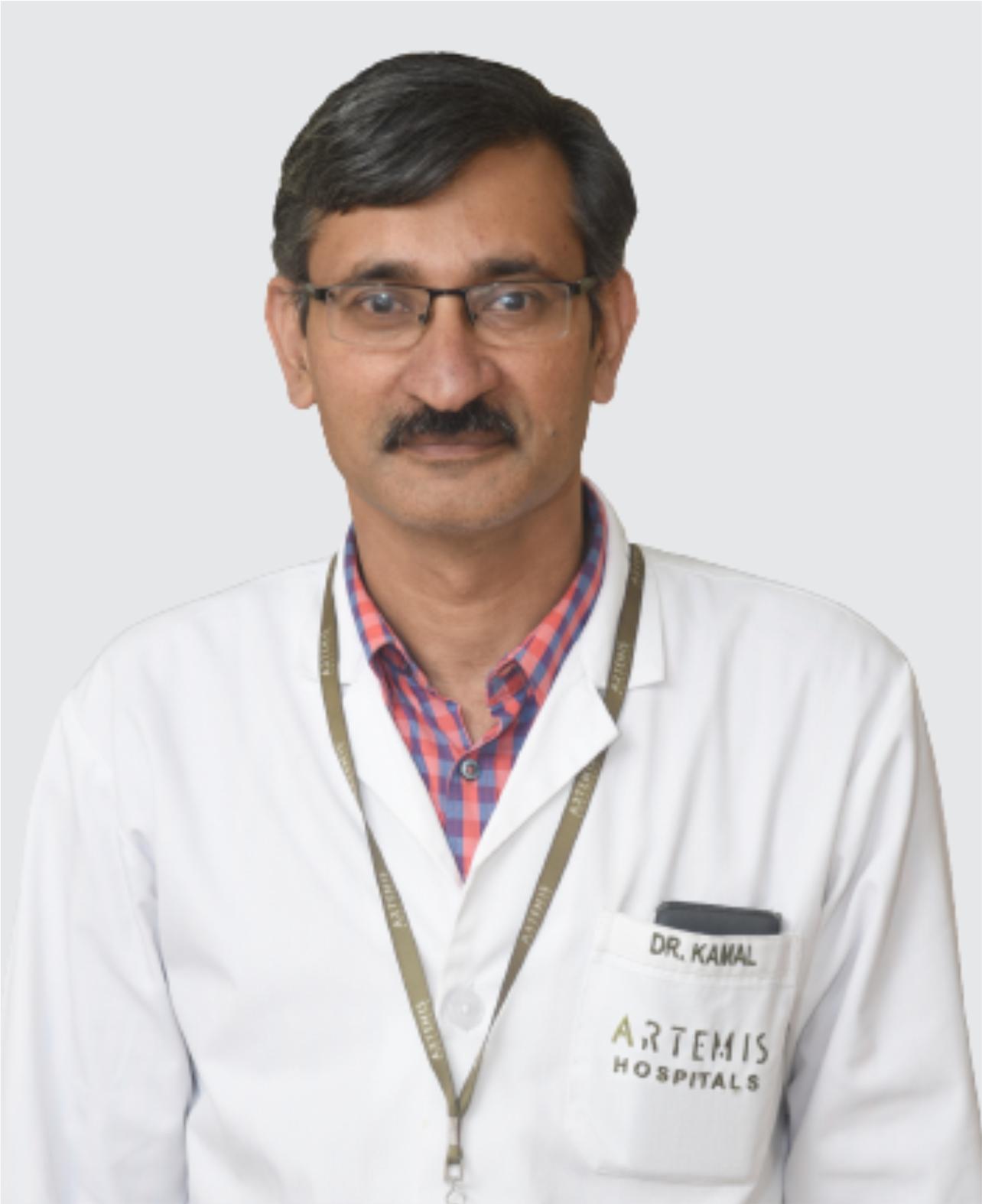
Sr. Consultant - Radiation Oncology
Radiation Oncology
New Delhi
15+ Years
Experience
Artemis Hospital
Hospital
1500
Fees
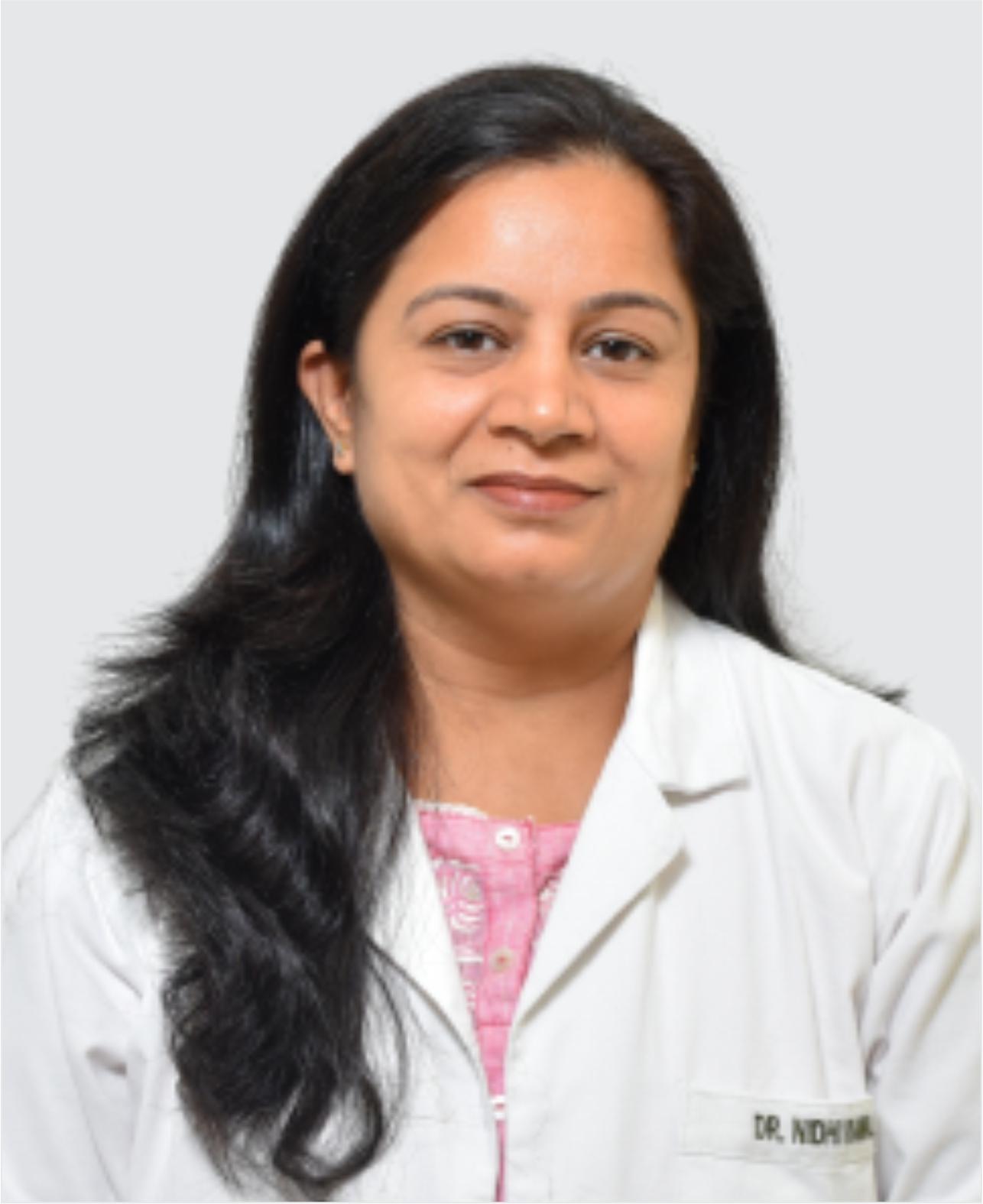
Chief - Paediatric Cardiology
Paediatric Cardiology
New Delhi
18+ Years
Experience
Artemis Hospital
Hospital
1500
Fees

Chairperson - Nuclear Medicine & Radio-Theranostics
Nuclear Medicine
New Delhi
15+ Years
Experience
Artemis Hospital
Hospital
1500
Fees
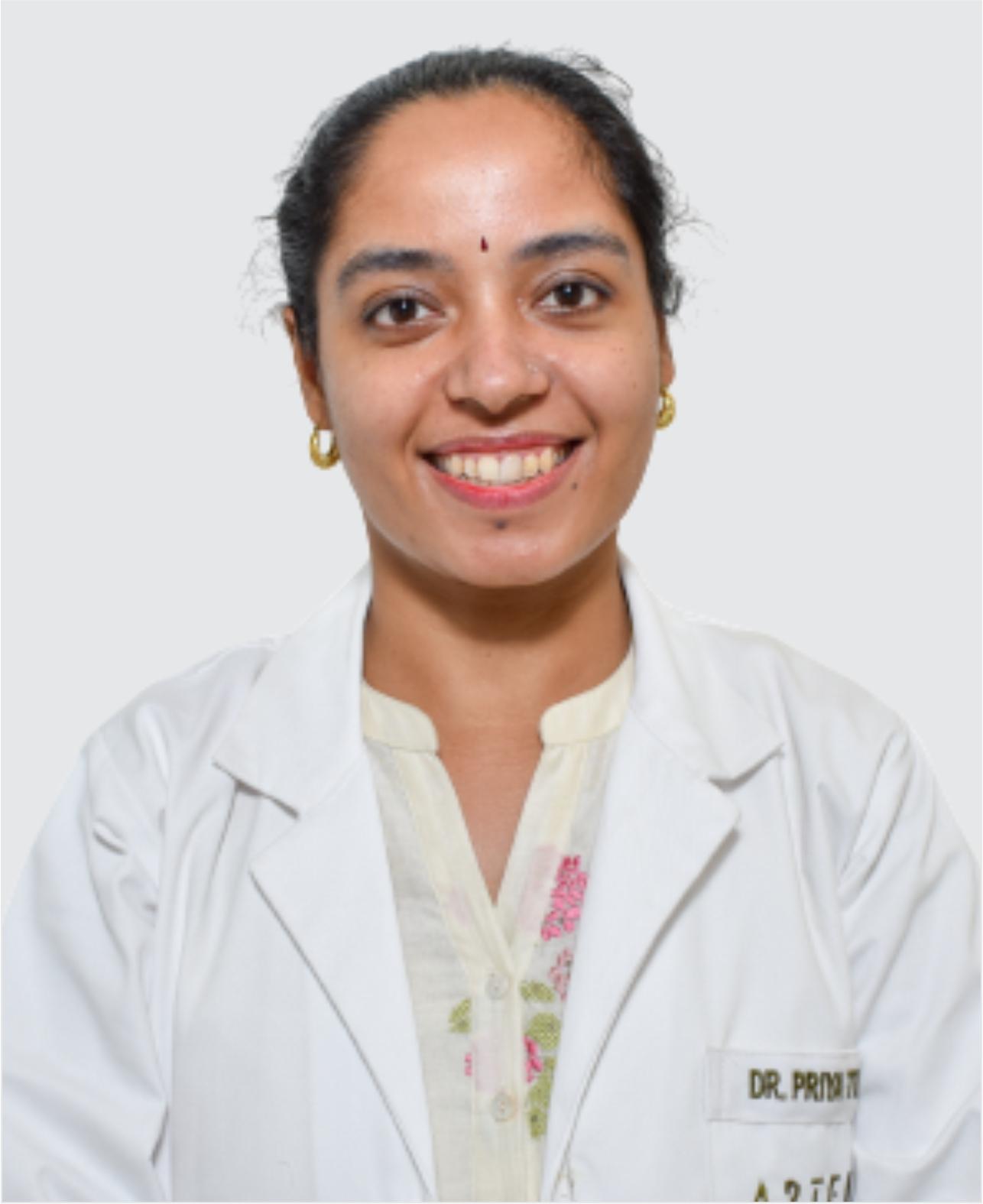
Sr. Consultant
Radiology
New Delhi
12+ Years
Experience
Artemis Hospital
Hospital
1500
Fees
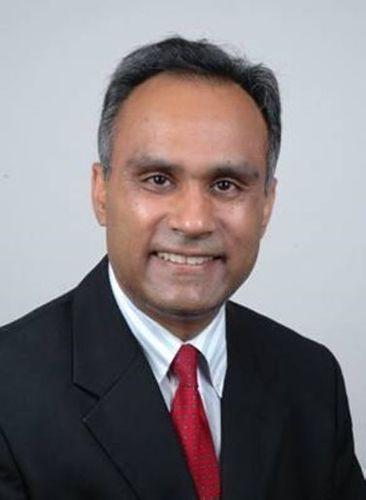
Associate Director
Pulmonology
New Delhi
20+ Years
Experience
Apolo Delhi
Hospital
1500
Fees
Get Personalized Medical Treatment Options From India's Top Hospitals. Our Medical Experts Are Ready To Assist You Every Step Of The Way.