
Minimally Invasive Spine Surgery Treatment in Chennai for Iraq
Need Personalized Advice?
Our medical experts are ready to answer your questions and guide you through your treatment options.
Our medical experts are ready to answer your questions and guide you through your treatment options.
Patients from Iraq considering Minimally Invasive Spine Surgery often seek clarity and confidence in their medical choices. The thought of undergoing advanced procedures abroad, away from home, naturally brings questions about treatment quality, safety, and recovery.
Chennai has emerged as a prominent destination for international patients seeking specialized care. Its reputation for delivering cutting-edge medical treatments, particularly in complex surgeries, draws individuals looking for advanced solutions outside their home country.
Within Chennai, leading hospitals and highly skilled spine specialists provide a trusted environment for Minimally Invasive Spine Surgery. The city's medical infrastructure supports comprehensive patient care, including smooth coordination for international visitors and their families.
Could Chennai be the ideal destination for your spine health journey?
Minimally Invasive Spine Surgery, or MISS, is a modern approach to spinal procedures that uses smaller incisions than traditional open surgery. Instead of a long cut and significant muscle retraction, surgeons use specialized instruments and real-time imaging to access the spine through tiny openings. This technique aims to reduce damage to surrounding muscles and tissues, leading to less pain, quicker recovery, and often shorter hospital stays. It addresses various spine conditions causing chronic back pain, nerve compression, and mobility issues.
Minimally Invasive Spine Surgery encompasses several techniques tailored to specific conditions:
The specific procedure for minimally invasive spine surgery depends on the patient's condition and the surgical plan developed by the Chennai spine specialist.
Generally, the process involves:
Recovery from Minimally Invasive Spine Surgery in Chennai is typically faster than traditional open surgery due to less tissue damage. Patients usually experience reduced post-operative pain and a shorter hospital stay, often discharged within 1-3 days. Initial recovery involves managing pain with medication and gentle movement. Physical therapy is a crucial component, starting soon after surgery, to regain strength, flexibility, and proper posture. Patients receive specific instructions on activity restrictions, wound care, and follow-up appointments with their Chennai surgeon. Full recovery and return to normal activities can range from a few weeks to several months, depending on the procedure and individual healing.
Minimally Invasive Spine Surgery generally boasts high success rates, particularly in alleviating specific pain types and improving functional mobility. Many patients in Chennai report significant reduction in chronic back and leg pain, allowing them to resume daily activities. Success rates vary depending on the patient's underlying condition, overall health, and adherence to post-operative rehabilitation. While a complete cure cannot always be guaranteed, the goal is often substantial pain relief and improved quality of life, with long-term outcomes being positive for a majority of individuals.
The cost of Minimally Invasive Spine Surgery in Chennai is influenced by several factors. These include the specific type of procedure performed, the complexity of the condition, the chosen hospital's facilities and accreditation, the experience level of the operating surgeon, and the duration of hospital stay. Additional costs may arise from pre-operative diagnostics, post-operative rehabilitation, and any necessary medical supplies.
The cost for Minimally Invasive Spine Surgery in Chennai typically ranges from INR 2,50,000 to INR 6,00,000.
Chennai offers a compelling blend of high-quality medical care and cost-effectiveness, especially when compared to Western countries. Patients can access advanced surgical techniques at a fraction of the price found elsewhere, without compromising on standards.
| Location | Estimated Cost (USD) |
|---|---|
| Chennai, India | $3,000 - $7,000 |
| United States | $30,000 - $60,000 |
| United Kingdom | $20,000 - $45,000 |
| Singapore | $15,000 - $30,000 |
| Thailand | $8,000 - $18,000 |
Considering Minimally Invasive Spine Surgery in Chennai can open the door to advanced care and a better quality of life.
Learn more about Minimally Invasive Spine Surgery options in Chennai.
Connect with top spine specialists in Chennai for a personalized treatment plan.
India offers premium medical procedures at affordable prices. Discover our most popular treatments, delivered by the country's finest doctors.
Meet our team of highly qualified and experienced medical professionals dedicated to providing the best healthcare services.
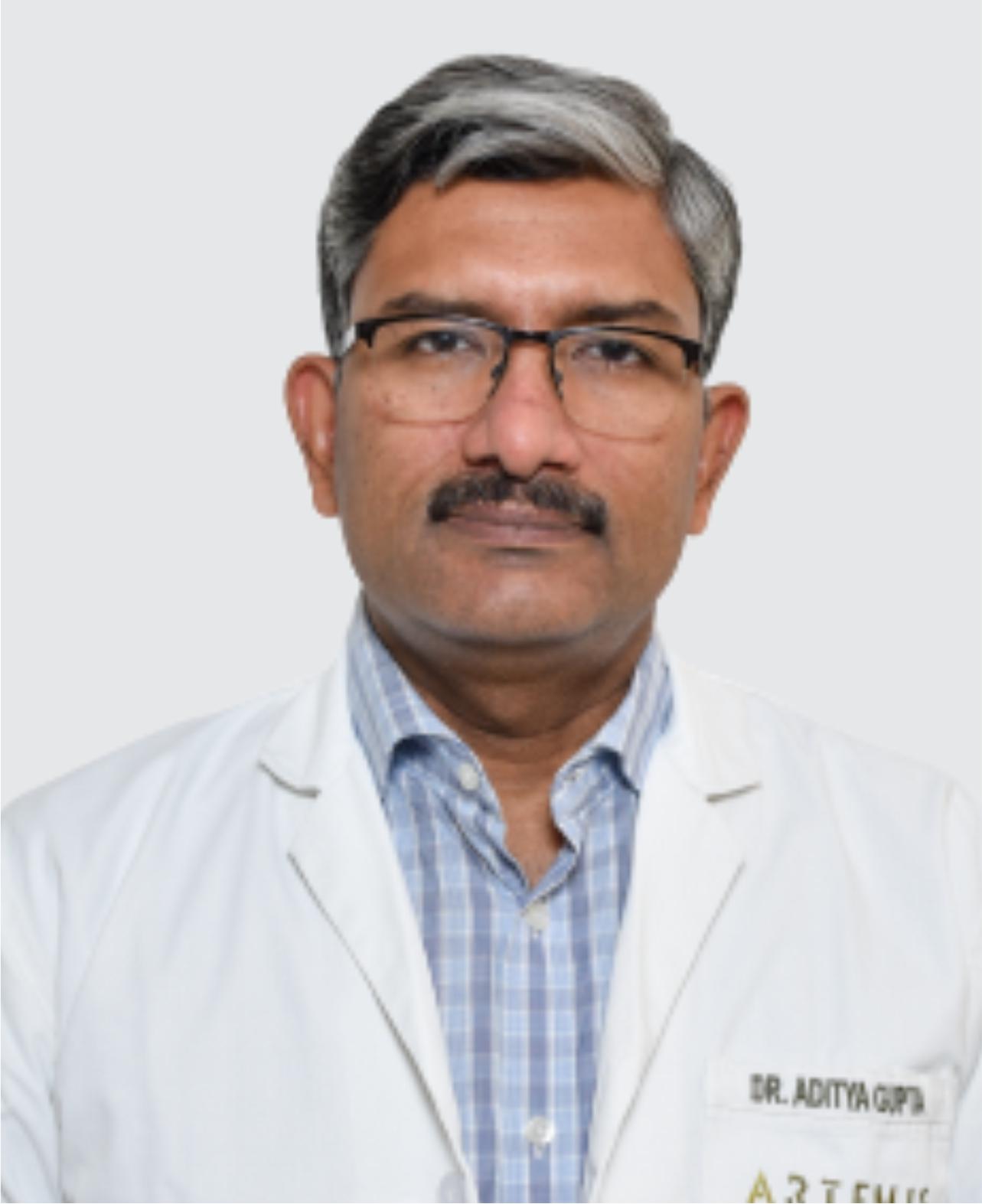
Chairperson - Neurosurgery & CNS Radiosurgery & Co-Chief - Cyberknife Centre, Artemis Hospitals, Gurgaon
Neurosurgeon
Haryana
32+ Years
Experience
Artemis Hospital
Hospital
1500
Fees
Sr. Consultant - Anaesthesia, Critical Care & Pain Management
Anaesthesia, Critical Care, Pain Management
New Delhi
15+ Years
Experience
Artemis Hospital
Hospital
1500
Fees

Deputy Chief - Medical Services & Chairperson -Department of Blood Centre and Transfusion medicine
Blood Centre & Transfusion Medicine
New Delhi
33+ Years
Experience
Artemis Hospital
Hospital
1500
Fees
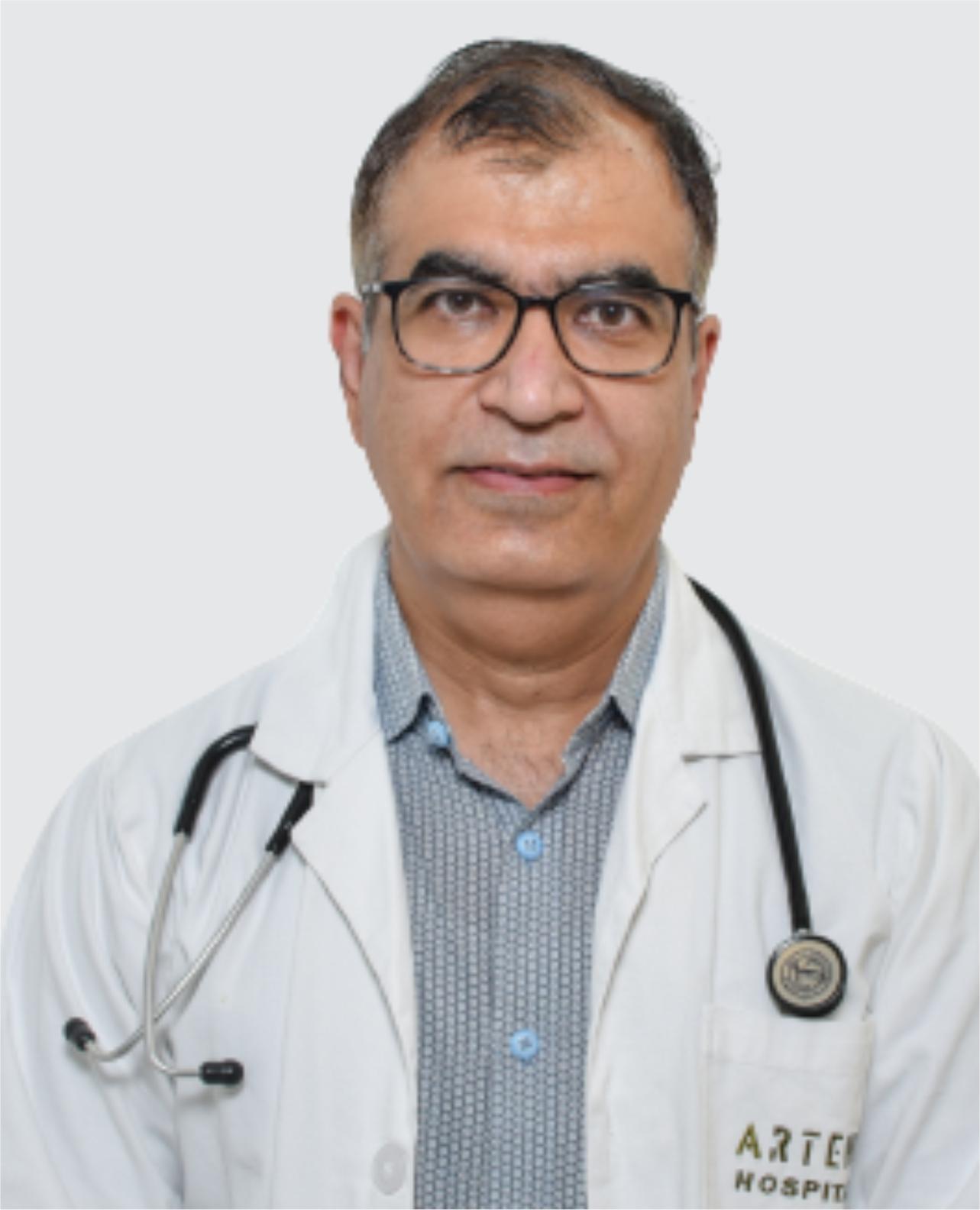
Chief
Paediatric
New Delhi
15+ Years
Experience
Artemis Hospital
Hospital
1500
Fees
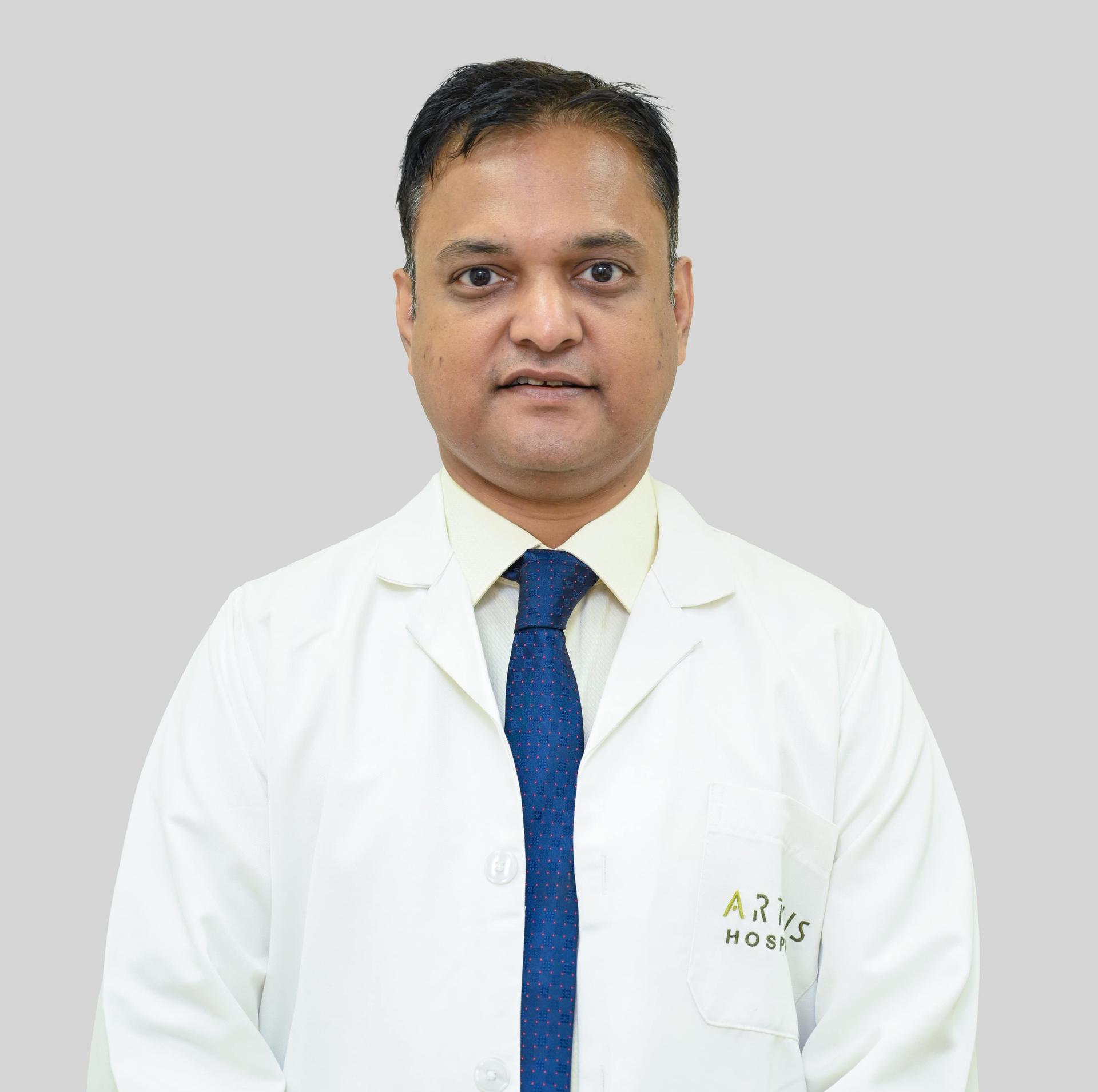
Head - General, MI & Bariatric Surgery (Unit IV)
General & Minimally Invasive Surgery
New Delhi
25+ Years
Experience
Artemis Hospital
Hospital
1500
Fees

Principal Lead - Physiotherapy
Physiotherapy and Rehabilitation
New Delhi
13+ Years
Experience
Artemis Hospital
Hospital
1500
Fees
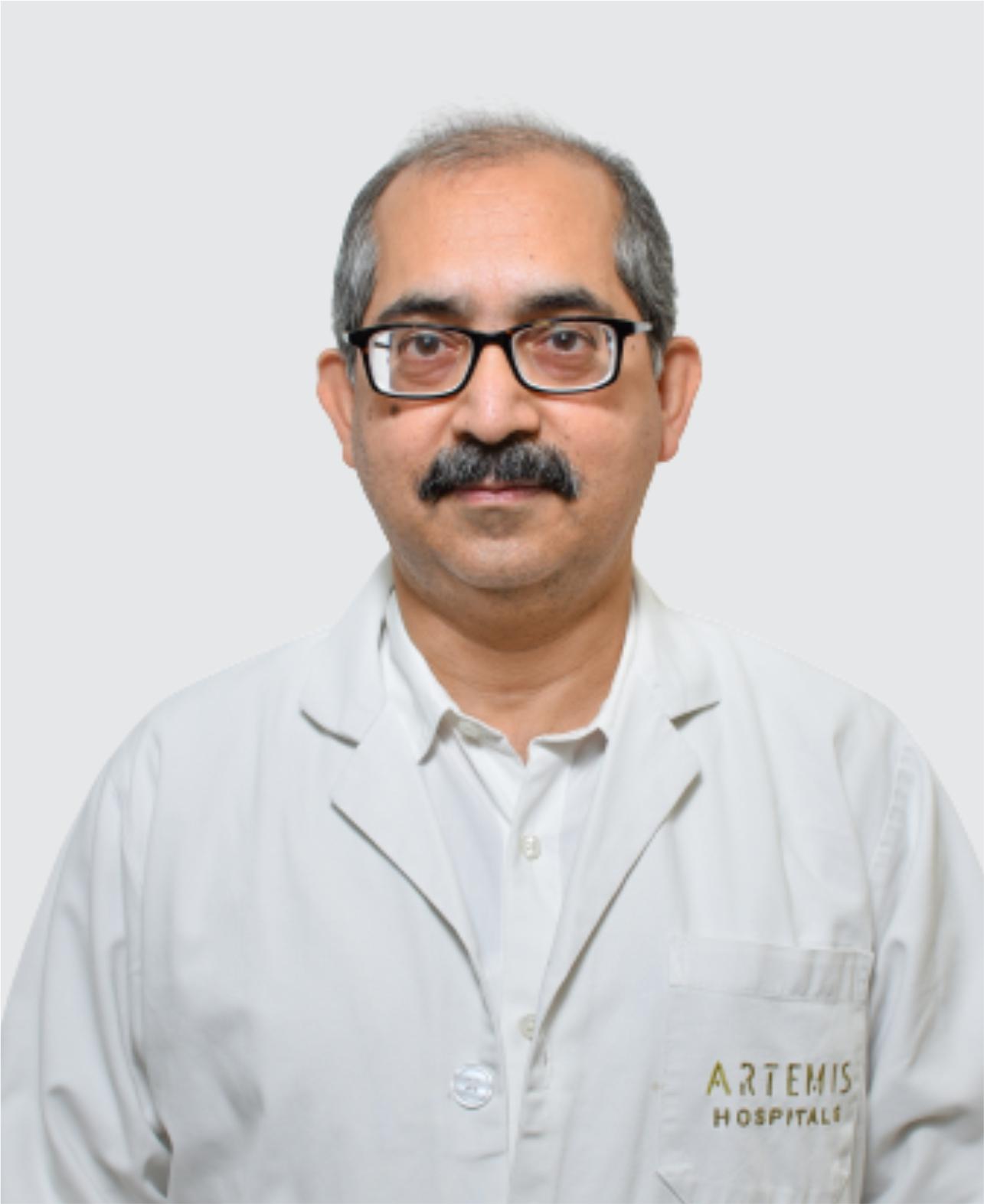
Chairperson
Radiology
New Delhi
28+ Years
Experience
Artemis Hospital
Hospital
1500
Fees
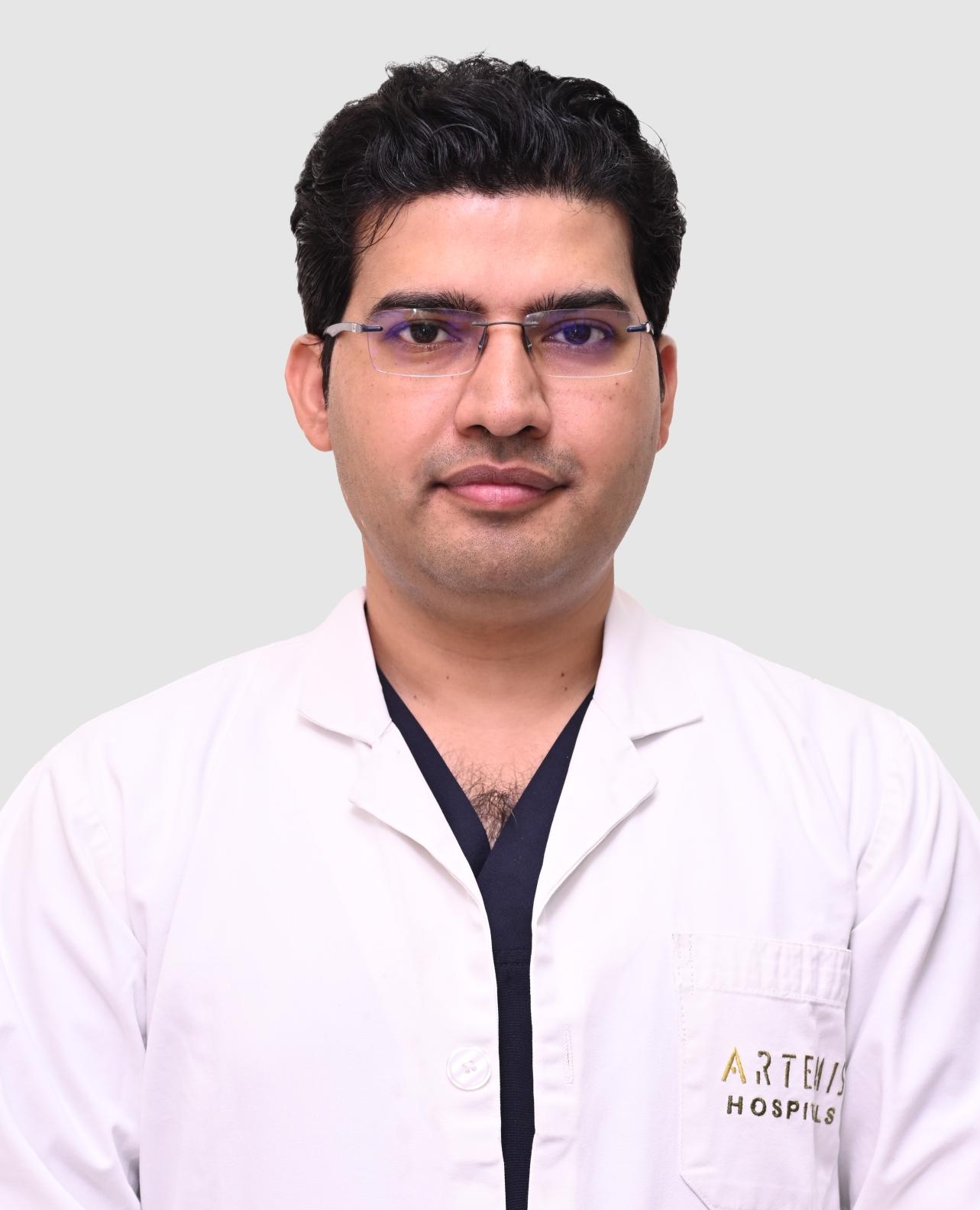
Consultant - Orthopaedics & Spine Surgery
Orthopaedic & Spine Surgery
New Delhi
10+ Years
Experience
Artemis Hospital
Hospital
1500
Fees
Consultant - Orthopaedics & Spine Surgery
Orthopaedic and Spine Surgery
New Delhi
10+ Years
Experience
Artemis Hospital
Hospital
1500
Fees
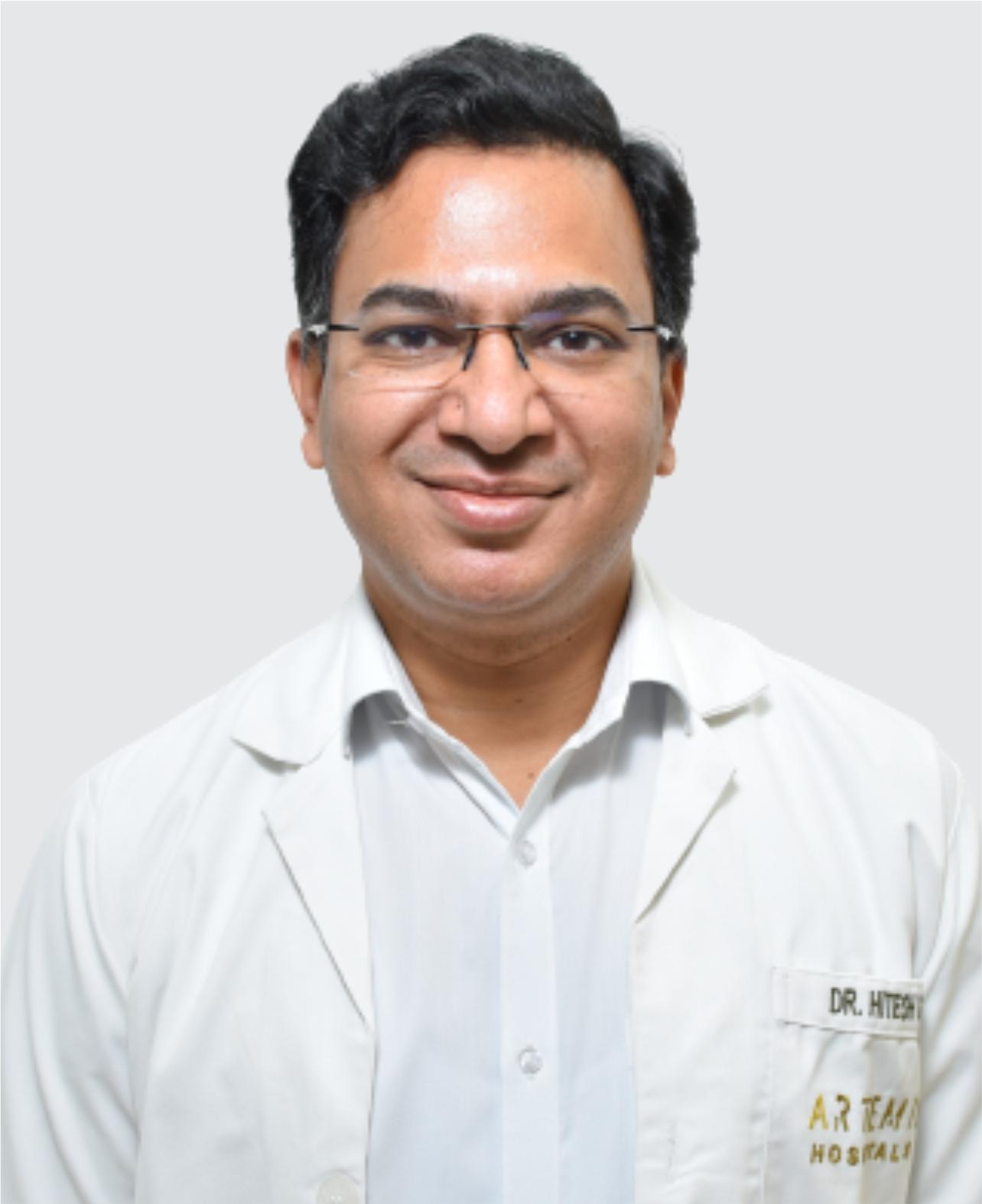
Head - Ortho Spine Surgery
Spine Surgery, Orthopaedic Surgery
New Delhi
15+ Years
Experience
Artemis Hospital
Hospital
1500
Fees
Get Personalized Medical Treatment Options From India's Top Hospitals. Our Medical Experts Are Ready To Assist You Every Step Of The Way.