
Minimally Invasive Spine Surgery Treatment in India for UAE
Need Personalized Advice?
Our medical experts are ready to answer your questions and guide you through your treatment options.
Our medical experts are ready to answer your questions and guide you through your treatment options.
For patients from UAE experiencing persistent back pain or spinal issues, the thought of complex surgery can bring significant apprehension. Concerns about treatment quality, recovery time, and the overall cost of advanced procedures like spine surgery are very common when exploring options.
Many individuals seek medical care beyond their home country to find specialized treatments that are both high-quality and financially accessible. India has emerged as a preferred destination for such advanced procedures, offering comprehensive spine care across numerous reputable cities.
India's medical system offers a trusted environment with highly skilled specialists and state-of-the-art hospitals nationwide. These facilities provide advanced surgical techniques and compassionate patient care, ensuring a seamless experience for international visitors.
Is India the right choice for your spinal health journey?
Minimally Invasive Spine Surgery (MISS) refers to advanced surgical techniques used to treat spinal conditions with smaller incisions compared to traditional open surgery. This approach involves specialized tools and microscopic cameras, allowing surgeons to access the spine through muscle-splitting instead of muscle-cutting. The goal is to reduce tissue damage, blood loss, and postoperative pain, leading to a quicker recovery time and shorter hospital stays for patients. It addresses a range of spinal issues affecting discs, vertebrae, and nerves.
Minimally Invasive Spine Surgery encompasses various procedures, each tailored to specific conditions:
The specific approach for Minimally Invasive Spine Surgery depends on the diagnosed condition, its location, and the chosen surgical plan. While techniques vary, a general outline can be described.
The patient receives general anesthesia to ensure comfort throughout the procedure. Small incisions, typically less than an inch, are made over the affected area of the spine. The surgeon then inserts specialized tubular retractors and instruments through these small openings, gently pushing muscle tissue aside rather than cutting through it.
A high-definition camera, endoscope, or microscope provides a clear, magnified view of the surgical site on a monitor, guiding the surgeon's movements. Fluoroscopy (real-time X-ray imaging) is often used to ensure precise instrument placement. Once the problem area is identified, the surgeon performs the necessary corrective action, such as removing a herniated disc fragment, decompressing a nerve, or fusing vertebrae. After the procedure is complete, the instruments are removed, and the small incisions are closed with sutures or surgical tape, often leaving minimal scarring.
Recovery from Minimally Invasive Spine Surgery is typically faster than traditional open surgery. Most patients experience immediate relief from pain and can often stand and walk within hours of the procedure. Hospital stays are usually shorter, ranging from one to three days. Post-operative care includes pain management, wound care, and gentle movement exercises. Physical therapy begins shortly after surgery to strengthen back muscles and improve flexibility. Restrictions on lifting, bending, and twisting are common for a few weeks to months. Follow-up appointments with the surgeon are crucial to monitor healing and progress, ensuring a smooth return to daily activities and long-term spinal health.
Minimally Invasive Spine Surgery generally boasts high success rates, often exceeding 85-90% for specific conditions like disc herniation or spinal stenosis. The outcome largely depends on factors such as the patient's overall health, the exact spinal condition being treated, the surgeon's expertise, and adherence to post-operative rehabilitation. While many patients experience significant pain relief and improved function, results can vary. Long-term success is also influenced by lifestyle choices and maintaining a healthy spine through appropriate exercises and posture.
Connect with leading spine specialists in India for a personalized consultation regarding Minimally Invasive Spine Surgery.
The cost of Minimally Invasive Spine Surgery in India is notably more affordable than in many Western countries, without compromising on quality. Several factors influence the final cost, including the specific type of minimally invasive procedure required, the complexity of the spinal condition, the hospital chosen (private vs. corporate, tier of facility), the surgeon's experience and fees, the duration of hospital stay, and the type of implants or medical devices used.
For UAE patients, Minimally Invasive Spine Surgery in India can range approximately from INR 3,50,000 to INR 9,00,000 (approximately USD 4,200 to USD 10,800), offering a significant cost advantage.
| Indian City | Estimated Cost Range (INR) |
|---|---|
| Mumbai | 3,80,000 - 8,50,000 |
| Delhi | 3,60,000 - 9,00,000 |
| Bengaluru | 3,50,000 - 8,00,000 |
| Chennai | 3,70,000 - 8,20,000 |
| Hyderabad | 3,40,000 - 7,80,000 |
| Kolkata | 3,20,000 - 7,50,000 |
| Pune | 3,50,000 - 8,00,000 |
| Country | Estimated Cost Range (USD) |
|---|---|
| India | 4,200 - 10,800 |
| UAE | 15,000 - 30,000 |
| USA | 25,000 - 50,000 |
| United Kingdom | 20,000 - 40,000 |
| Singapore | 18,000 - 35,000 |
| Thailand | 9,000 - 20,000 |
Reach out today to receive a detailed treatment plan and cost estimate for Minimally Invasive Spine Surgery in India.
Choosing Minimally Invasive Spine Surgery in India means opting for world-class care, advanced techniques, and a supportive environment designed for your comfort and successful recovery. Take the first step towards a pain-free future.
India offers premium medical procedures at affordable prices. Discover our most popular treatments, delivered by the country's finest doctors.
Meet our team of highly qualified and experienced medical professionals dedicated to providing the best healthcare services.
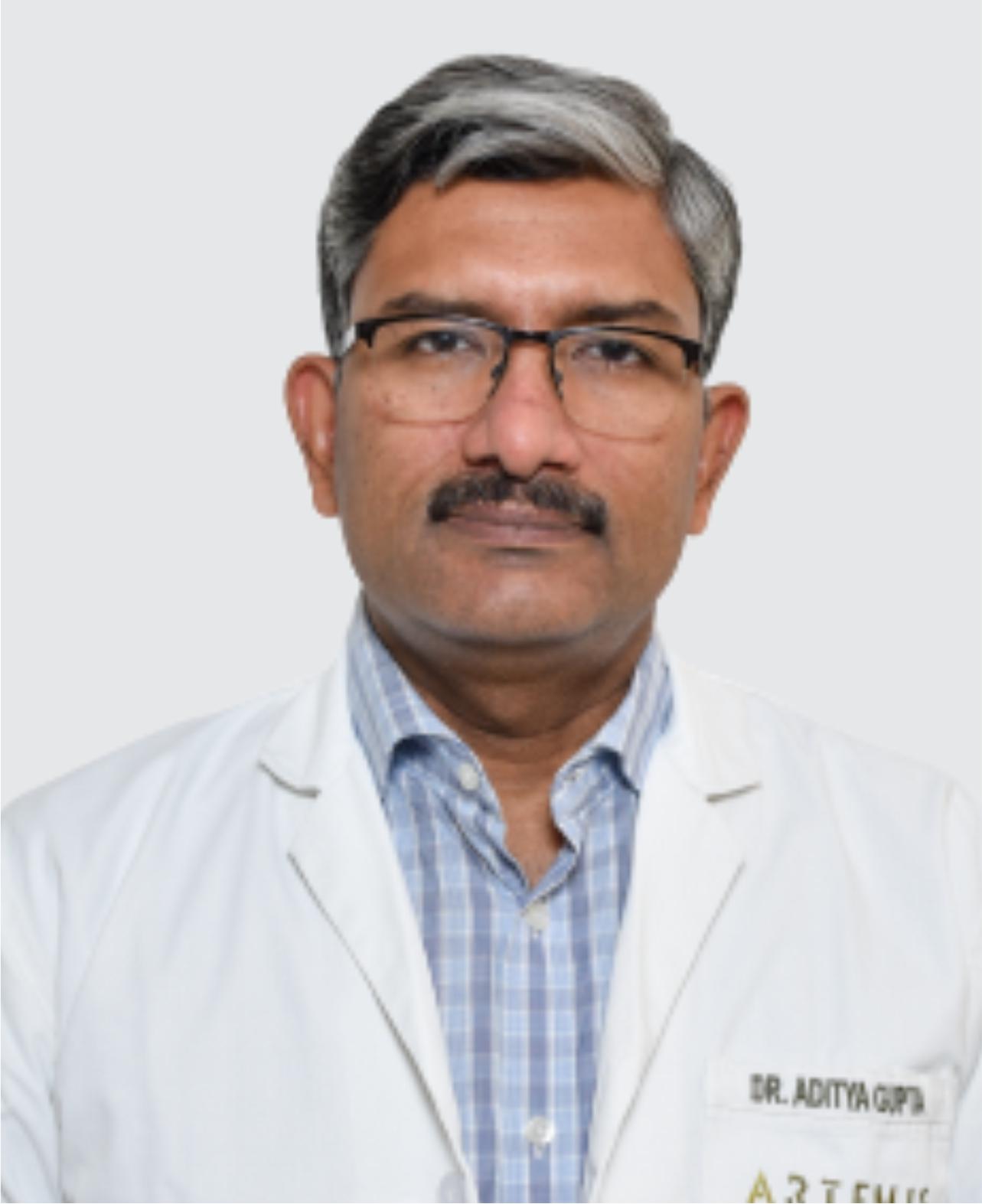
Chairperson - Neurosurgery & CNS Radiosurgery & Co-Chief - Cyberknife Centre, Artemis Hospitals, Gurgaon
Neurosurgeon
Haryana
32+ Years
Experience
Artemis Hospital
Hospital
1500
Fees
Sr. Consultant - Anaesthesia, Critical Care & Pain Management
Anaesthesia, Critical Care, Pain Management
New Delhi
15+ Years
Experience
Artemis Hospital
Hospital
1500
Fees

Deputy Chief - Medical Services & Chairperson -Department of Blood Centre and Transfusion medicine
Blood Centre & Transfusion Medicine
New Delhi
33+ Years
Experience
Artemis Hospital
Hospital
1500
Fees
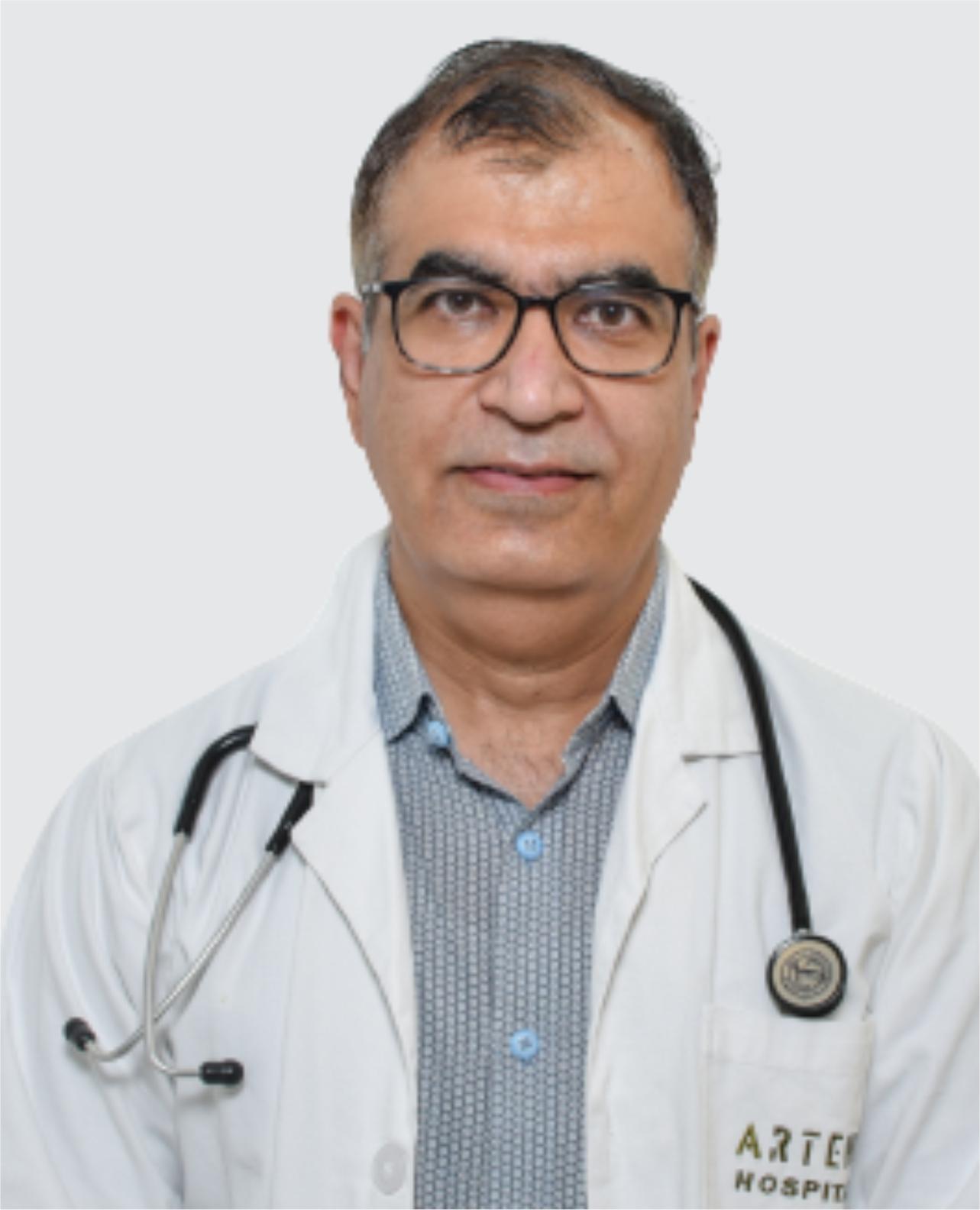
Chief
Paediatric
New Delhi
15+ Years
Experience
Artemis Hospital
Hospital
1500
Fees
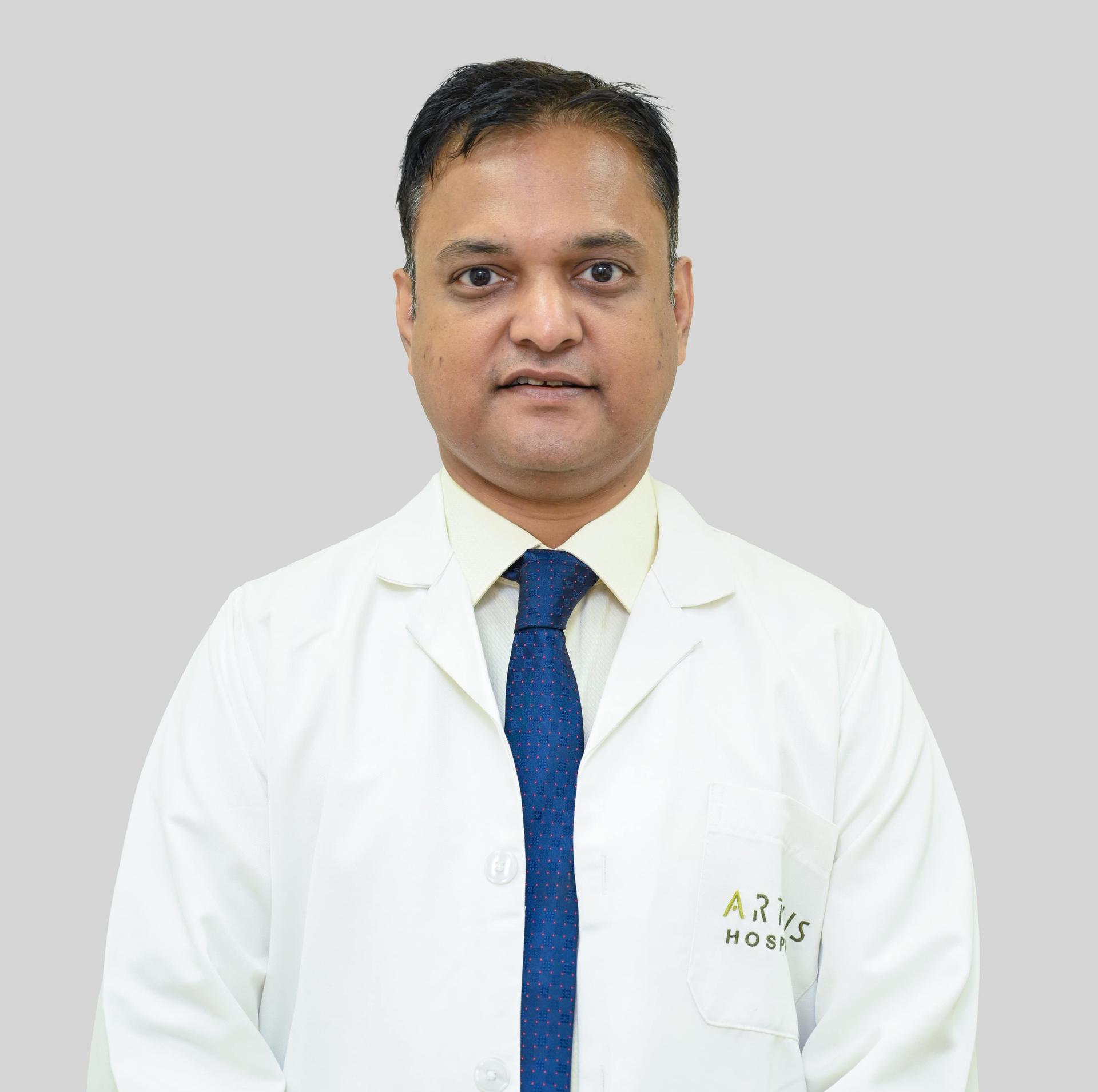
Head - General, MI & Bariatric Surgery (Unit IV)
General & Minimally Invasive Surgery
New Delhi
25+ Years
Experience
Artemis Hospital
Hospital
1500
Fees

Principal Lead - Physiotherapy
Physiotherapy and Rehabilitation
New Delhi
13+ Years
Experience
Artemis Hospital
Hospital
1500
Fees

Chairperson
Radiology
New Delhi
28+ Years
Experience
Artemis Hospital
Hospital
1500
Fees
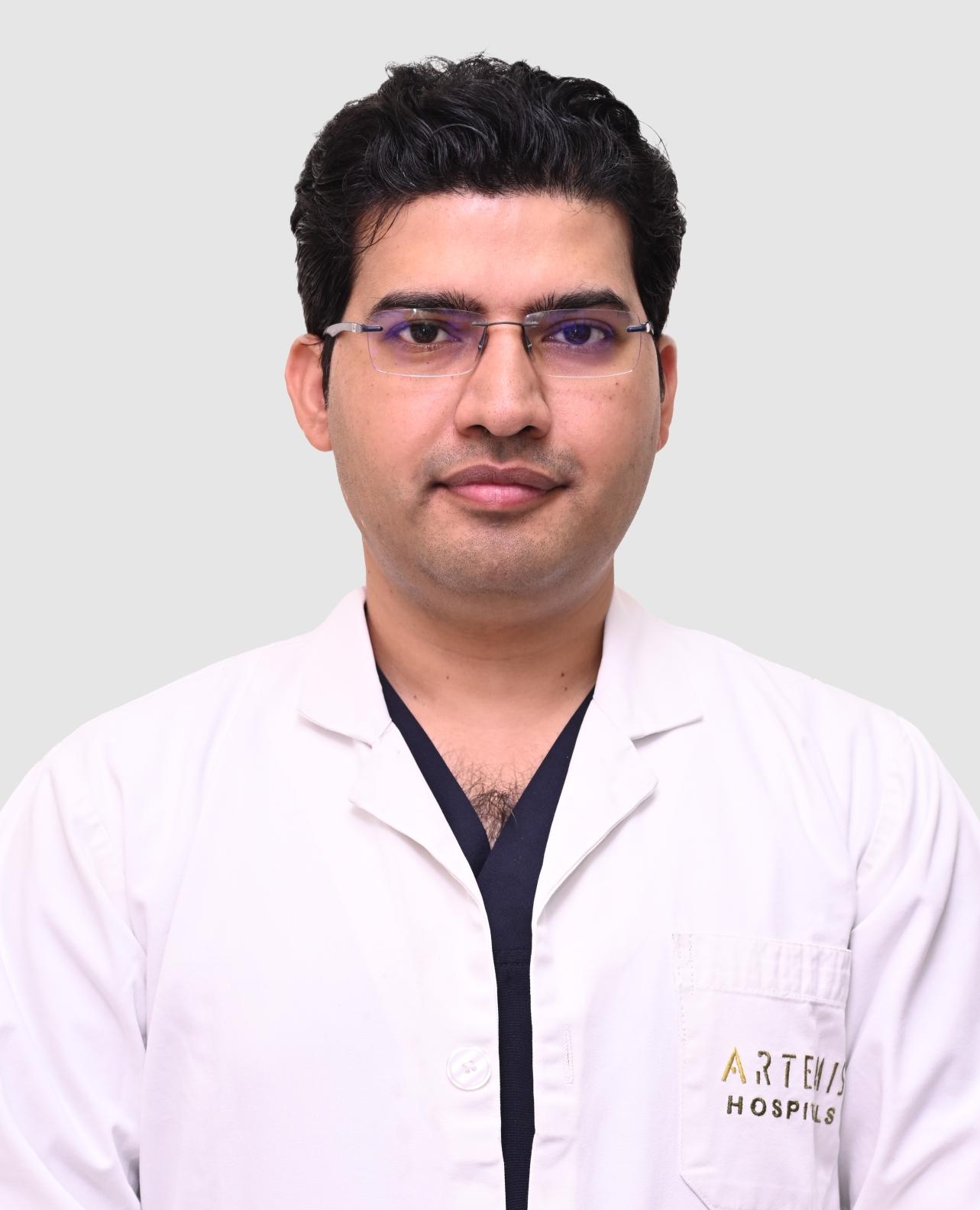
Consultant - Orthopaedics & Spine Surgery
Orthopaedic & Spine Surgery
New Delhi
10+ Years
Experience
Artemis Hospital
Hospital
1500
Fees
Consultant - Orthopaedics & Spine Surgery
Orthopaedic and Spine Surgery
New Delhi
10+ Years
Experience
Artemis Hospital
Hospital
1500
Fees
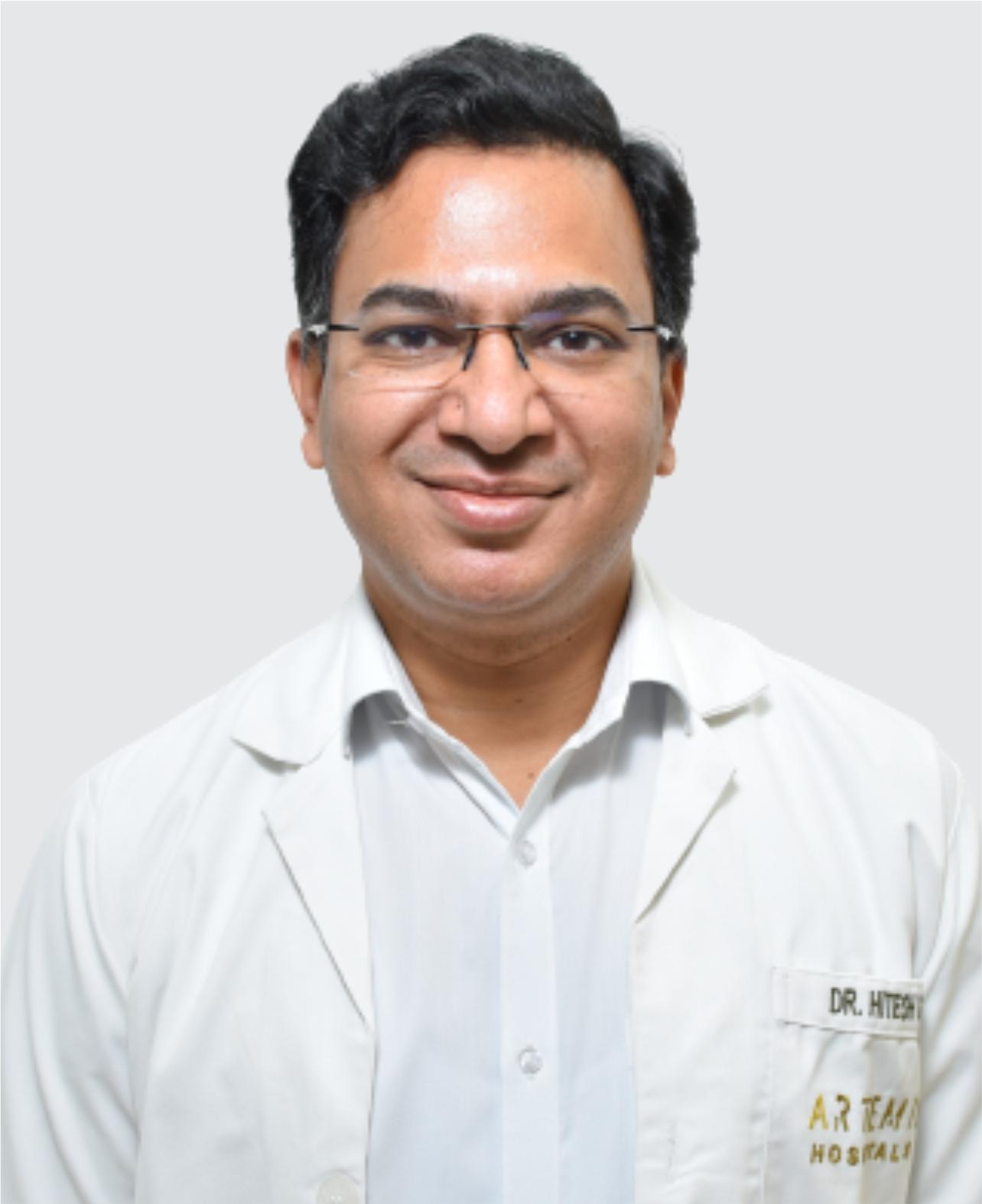
Head - Ortho Spine Surgery
Spine Surgery, Orthopaedic Surgery
New Delhi
15+ Years
Experience
Artemis Hospital
Hospital
1500
Fees
Get Personalized Medical Treatment Options From India's Top Hospitals. Our Medical Experts Are Ready To Assist You Every Step Of The Way.