
Minimally Invasive Spine Surgery Treatment in New Delhi for Iraq
Need Personalized Advice?
Our medical experts are ready to answer your questions and guide you through your treatment options.
Our medical experts are ready to answer your questions and guide you through your treatment options.
Patients from Iraq considering Minimally Invasive Spine Surgery often grapple with uncertainties about seeking medical care abroad. The primary concern is finding a specialized, advanced facility that offers effective, less invasive spinal solutions, alongside a comfortable patient experience during their medical journey. They look for reassurance regarding quality and comprehensive care.
Many international patients, including those from Iraq, choose New Delhi due to its well-established reputation as a premier medical hub in India. The city provides a sophisticated healthcare environment, boasting world-class hospitals and a highly streamlined system specifically designed to cater to global visitors seeking advanced treatments.
Hospitals in New Delhi are home to exceptionally skilled spine specialists, recognized for their expertise in Minimally Invasive Spine Surgery. These state-of-the-art facilities within the city are equipped with advanced medical technology and offer dedicated services for international patients, ensuring smooth treatment pathways and thorough follow-up care.
Are you exploring your options for advanced spine surgery in New Delhi?
Minimally Invasive Spine Surgery (MISS) is a modern approach to treat various spinal conditions using smaller incisions than traditional open surgery. Surgeons employ specialized instruments and techniques to access the spine, carefully navigating through or between muscle fibers rather than cutting them. This method aims to address issues like herniated discs, spinal stenosis, and degenerative disc disease with minimal tissue disruption. The benefits often include reduced post-operative pain, less blood loss, a quicker recovery period, and smaller, less noticeable scars for the patient. The precision afforded by MISS allows for targeted treatment while preserving surrounding healthy tissue.
The exact steps involved in Minimally Invasive Spine Surgery are carefully determined by the specific spinal condition being treated and your individualized surgical plan.
Recovery following Minimally Invasive Spine Surgery is typically quicker and less painful compared to traditional open spine procedures. Patients generally experience reduced post-operative discomfort, which facilitates earlier mobilization. Hospital stays are often shorter, sometimes as brief as one to two days. A customized rehabilitation program, including physical therapy, is essential to rebuild strength, improve flexibility, and restore proper function. Patients will receive detailed instructions regarding activity restrictions, appropriate posture, and pain management strategies. The full recovery timeline varies widely, typically spanning from a few weeks to several months, depending on the individual's health and the complexity of their surgery. Consistent follow-up visits with your surgeon are vital to monitor your healing progress.
Minimally Invasive Spine Surgery generally boasts high success rates, with a significant majority of patients reporting considerable improvements in their pain levels and functional abilities. Success outcomes typically range from 80% to over 95%, contingent on the specific procedure performed and the underlying spinal condition. Individual results can vary based on factors such as the patient's overall health, the severity of their spinal issue, diligent adherence to post-operative rehabilitation, and the surgeon's expertise. Long-term expectations include a substantial reduction in chronic pain, enhanced mobility, and an improved overall quality of life, although some patients may require ongoing care or lifestyle adjustments.
The cost for Minimally Invasive Spine Surgery in New Delhi is notably more affordable compared to many Western countries, all while maintaining high standards of medical quality. The total expenditure is influenced by various factors, including the precise type of surgery required, the chosen hospital's facilities, the spine surgeon's fees, the length of your hospital stay, and any additional diagnostic tests or rehabilitation services needed.
The approximate cost for Minimally Invasive Spine Surgery in New Delhi typically ranges from INR 2,50,000 to INR 7,50,000.
New Delhi provides a very competitive pricing structure for advanced spine care, establishing itself as a preferred destination for international patients. Below is a comparison of estimated costs for Minimally Invasive Spine Surgery in New Delhi against those in other major medical tourism locations worldwide.
| Country/City | Estimated Cost (USD) |
|---|---|
| New Delhi, India | $3,500 – $9,000 |
| United States | $20,000 – $50,000 |
| United Kingdom | $15,000 – $35,000 |
| Germany | $12,000 – $28,000 |
| Singapore | $10,000 – $25,000 |
| Thailand | $6,000 – $18,000 |
Explore the possibilities for effective Minimally Invasive Spine Surgery in New Delhi with our expert guidance and dedicated patient-centered care.
India offers premium medical procedures at affordable prices. Discover our most popular treatments, delivered by the country's finest doctors.
Meet our team of highly qualified and experienced medical professionals dedicated to providing the best healthcare services.
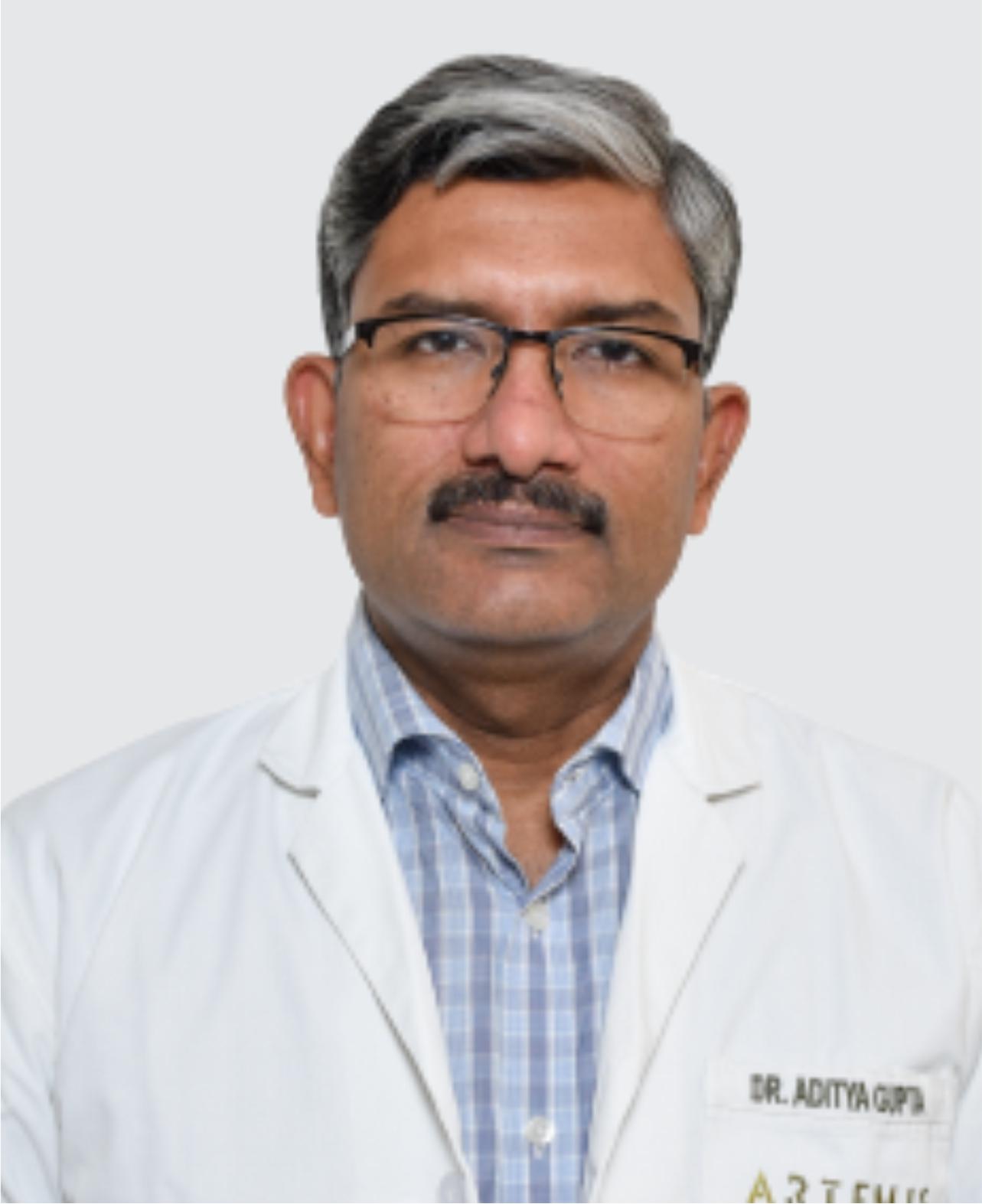
Chairperson - Neurosurgery & CNS Radiosurgery & Co-Chief - Cyberknife Centre, Artemis Hospitals, Gurgaon
Neurosurgeon
Haryana
32+ Years
Experience
Artemis Hospital
Hospital
1500
Fees
Sr. Consultant - Anaesthesia, Critical Care & Pain Management
Anaesthesia, Critical Care, Pain Management
New Delhi
15+ Years
Experience
Artemis Hospital
Hospital
1500
Fees

Deputy Chief - Medical Services & Chairperson -Department of Blood Centre and Transfusion medicine
Blood Centre & Transfusion Medicine
New Delhi
33+ Years
Experience
Artemis Hospital
Hospital
1500
Fees
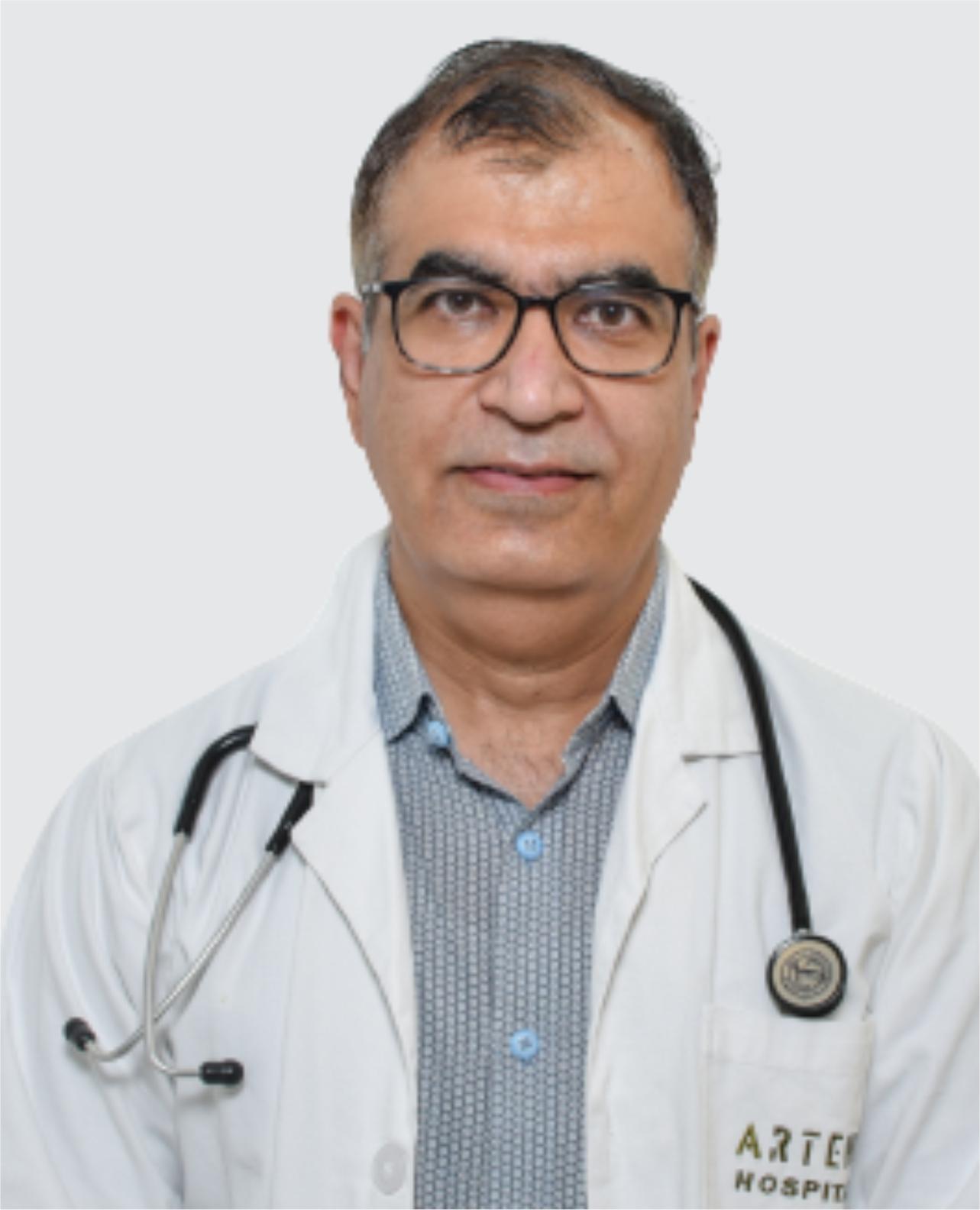
Chief
Paediatric
New Delhi
15+ Years
Experience
Artemis Hospital
Hospital
1500
Fees
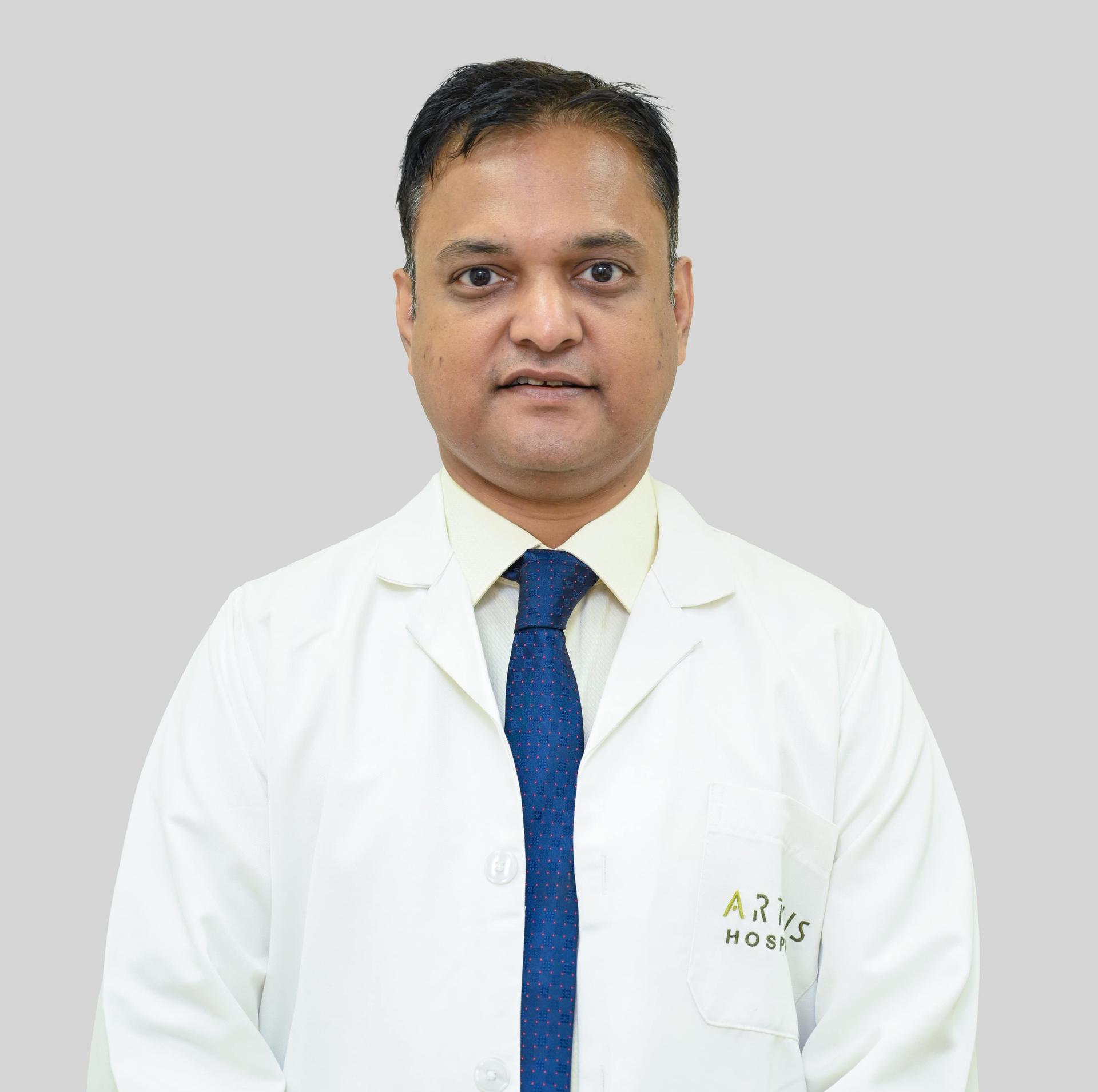
Head - General, MI & Bariatric Surgery (Unit IV)
General & Minimally Invasive Surgery
New Delhi
25+ Years
Experience
Artemis Hospital
Hospital
1500
Fees

Principal Lead - Physiotherapy
Physiotherapy and Rehabilitation
New Delhi
13+ Years
Experience
Artemis Hospital
Hospital
1500
Fees
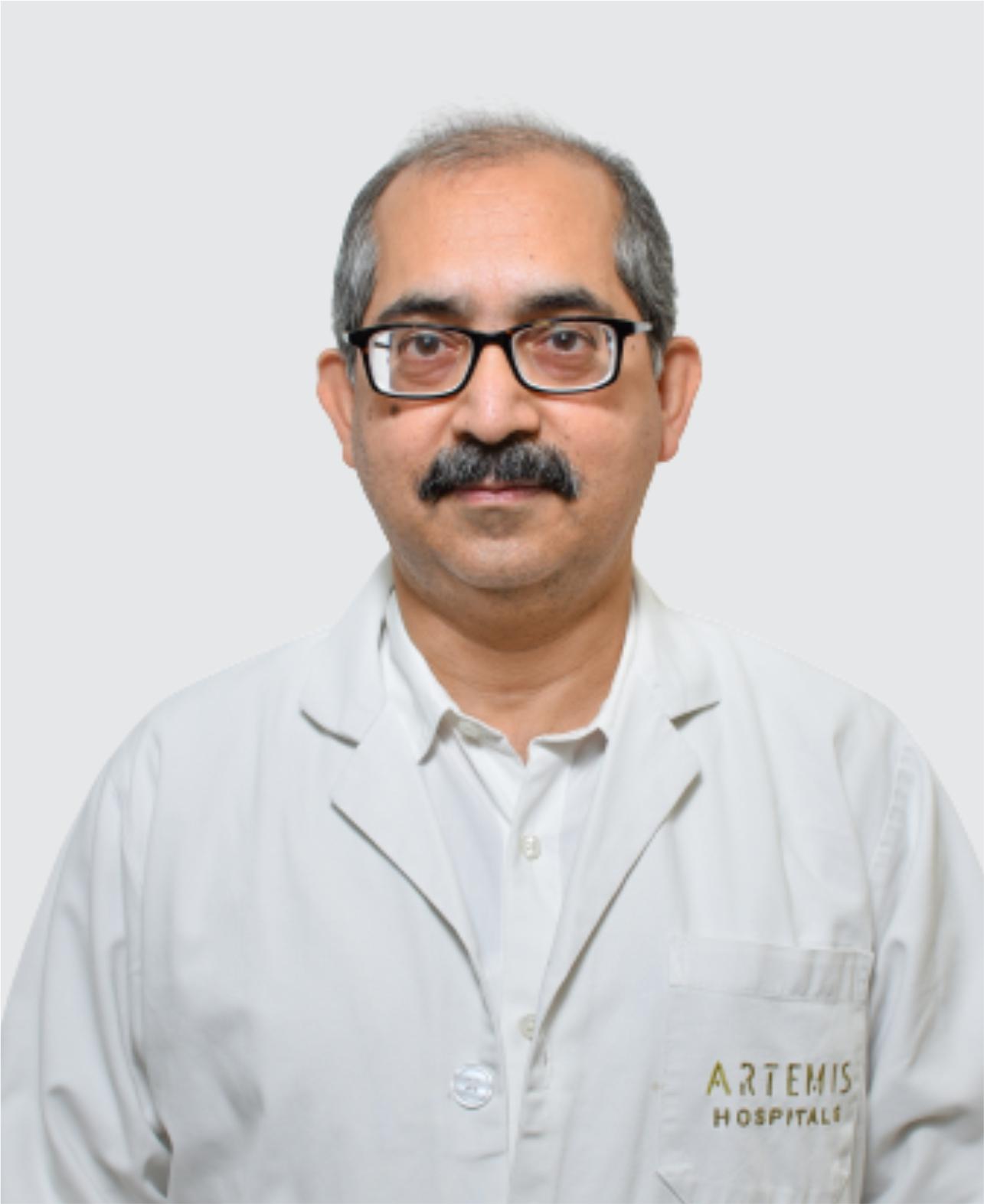
Chairperson
Radiology
New Delhi
28+ Years
Experience
Artemis Hospital
Hospital
1500
Fees
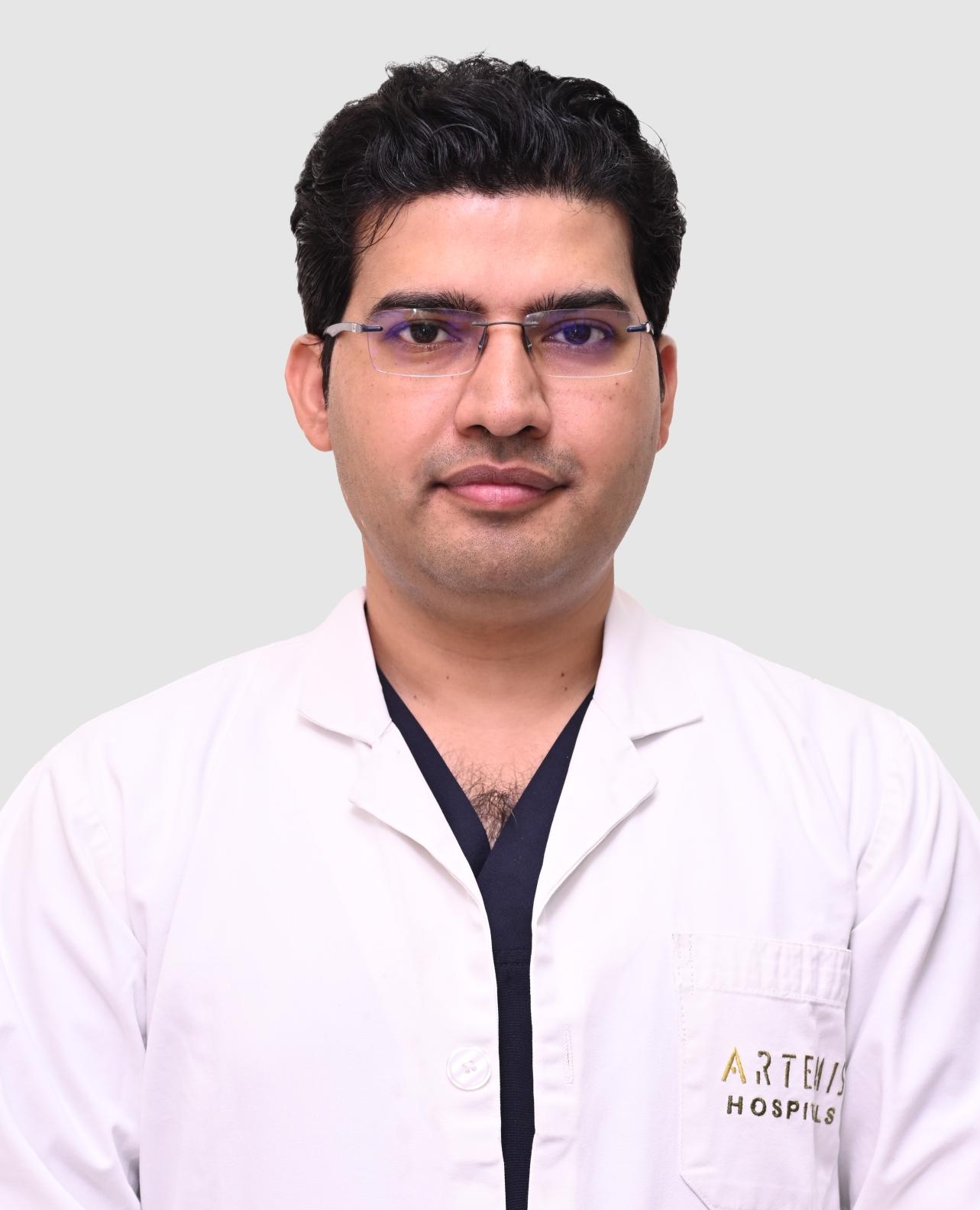
Consultant - Orthopaedics & Spine Surgery
Orthopaedic & Spine Surgery
New Delhi
10+ Years
Experience
Artemis Hospital
Hospital
1500
Fees
Consultant - Orthopaedics & Spine Surgery
Orthopaedic and Spine Surgery
New Delhi
10+ Years
Experience
Artemis Hospital
Hospital
1500
Fees
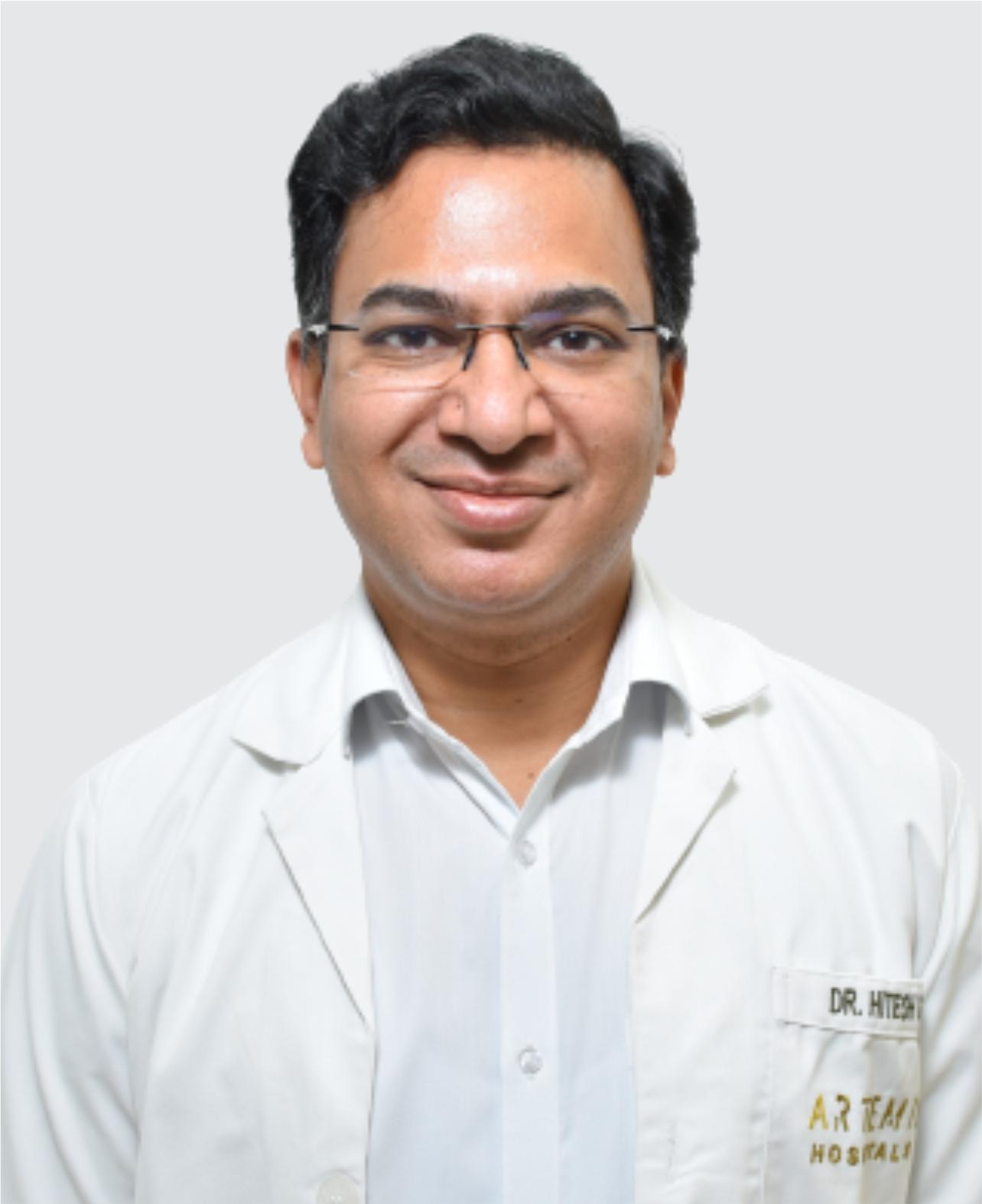
Head - Ortho Spine Surgery
Spine Surgery, Orthopaedic Surgery
New Delhi
15+ Years
Experience
Artemis Hospital
Hospital
1500
Fees
Get Personalized Medical Treatment Options From India's Top Hospitals. Our Medical Experts Are Ready To Assist You Every Step Of The Way.