

Written by DivinHeal Editorial Contributor, Samrat Nilesh, Embryologist | Medically Reviewed by Dr Indu Priya, Gynecologist(MBBS,MD) Published on: 2026-01-25
FET Symptoms Day by Day: Your After Frozen Embryo Transfer Guide (2026)
After a Frozen Embryo Transfer (FET), many women closely monitor their bodies for early signs of implantation or pregnancy. Common symptoms during the first 10–14 days may include mild cramping, light spotting, breast tenderness, fatigue, or bloating. However, interpreting these symptoms can be confusing, as they often overlap with the effects of progesterone medications used during IVF treatment.
This day-by-day guide explains what you may experience after an FET, what these symptoms could indicate, and which signs require medical attention. It also helps you understand the timeline leading up to the beta-hCG test-the most reliable way to confirm pregnancy.
Whether you notice multiple symptoms or none at all, this guide will help you navigate the post-transfer waiting period with clearer expectations and evidence-based insights.
After FET Symptoms Day by Day: What to Expect in the Two-Week Wait

Every person is different. Some women feel signs from day two. Others feel nothing until their test comes back positive. Both are normal. Here’s what each phase looks like.
Days 1–3: Mild Sensations and What to Avoid
Right after the transfer, you may feel mild cramps. You might notice a sense of fullness or slight spotting. These come from the transfer itself or from progesterone. They don’t come from implantation that hasn’t started yet.
Rest for the rest of the day. But you don’t need bed rest. Light walking is fine. Don’t lift heavy things. Skip hard exercise and douching.
Most NABH-accredited clinics in India give you a post-transfer sheet. Follow it closely. Pay extra attention to when you take your medicines.
Days 4–7: Possible Implantation Signs and Why No Signs Is Fine Too
For a blastocyst (a day-5 embryo), implantation typically begins 1–3 days after transfer and takes around 5 days to complete. During this window, some women notice:
Very light pinkish or brownish spotting (implantation bleeding)
Subtle cramping, less intense than period cramps
A slight change in vaginal discharge
Many women feel nothing at all during days 4–7. That’s just as normal. Rachel from Sheffield said she felt “completely unremarkable” the whole two weeks. No spotting, no cramps, no breast changes. Her FET at Nova IVF Delhi worked. Not having signs does not mean it failed.
Days 8–12: Symptoms That Could Be Early Pregnancy or Progesterone
Near the end of the two-week wait, you may notice things that look like early pregnancy. Sore breasts. Feeling tired. Mild nausea or bloating. More trips to the bathroom. The catch? Progesterone the drug you take daily causes the same things. You can’t tell them apart. Only a blood test can say for sure.
Tempted to take a home test early? Be careful. The hCG trigger shot used in some FET plans can show a false positive for up to 10 days. Wait for the blood test your clinic sets up.
The Two-Week Wait: Managing Anxiety Without Symptom-Spiralling
The 10–14 day wait between transfer and test is often called the hardest part of IVF. And it really is hard. Your clinic will book your beta-hCG (blood pregnancy test) around 10–12 days after transfer. That follows ICMR rules. Until then, protect your peace of mind.
What actually helps? Set a rule: no googling symptoms after 9pm. Tell one trusted person who won’t panic with every update. Stick to a gentle daily routine. Prepare yourself for both outcomes before the test. If you live in the UK or Australia, fertility therapists are available online.
Common FET Symptoms Explained: What Each One Could Mean
Let’s take a closer look at the most common symptoms. You’ll learn when to call your clinic too.
Light Spotting or Bleeding: Implantation or Progesterone?
Light pink or brown spotting in the first 5–10 days could be implantation bleeding. That’s when the embryo digs into the lining of your uterus. It’s usually very light just a spot on your underwear or when you wipe. It lasts 1–2 days. There’s no cramping with it. If you see heavy bleeding, bright red flow, or clots, call your clinic right away.
Spotting can also come from progesterone inserts or gel. These can irritate the cervix. This is separate from implantation bleeding but looks the same. Your clinic can check with a simple scan.
Mild Cramping After FET: Normal vs. When to Call Your Clinic
Mild cramps in the first week are normal. They can come from the transfer, your uterus adjusting, or progesterone. Sharp pain that gets worse or sits on one side needs a check. So does cramping that gets worse after day 5. All NABH-accredited clinics give you a 24-hour contact line for this. That’s part of ICMR rules.
Bloating and Breast Tenderness: Hormonal, Not Diagnostic
Bloating and sore or heavy breasts are super common after FET. But they don’t tell you much. Both are direct effects of progesterone at the doses used in an FET cycle. They don’t mean you’re pregnant. They do show your hormones are working. Wear comfy, supportive clothes. Cut back on salt to help with bloating.
Fatigue, Nausea, and Mood Swings: Early Pregnancy or Progesterone?
Feeling tired, queasy, or moody? That’s textbook progesterone. It’s also textbook early pregnancy. You simply can’t tell them apart without a blood test. These hormones affect brain chemicals. That’s why mood swings feel so real and big. They are real they’re just not proof of pregnancy.
Increased Urination After FET: What It Means
Some women pee more often from around day 8–10 after transfer. If pregnancy has happened, rising hCG levels push more blood to your kidneys. That makes more urine. But drinking more water (which is advised after transfer) can do the same thing. So can pressure in the pelvis from progesterone. It’s interesting. But it doesn’t prove anything.
When Does Morning Sickness Start After Embryo Transfer?
Morning sickness nausea or vomiting doesn’t usually happen during the two-week wait. It typically starts between weeks 5 and 6 of pregnancy. That’s about 3–5 weeks after a day-5 FET.
Not feeling sick during the wait? Totally expected. Some women feel mild nausea from progesterone. But real morning sickness comes later.
Symptom | Could mean early pregnancy | Could be medication/procedure |
Light spotting | Yes (implantation bleeding) | Yes (progesterone irritation, transfer) |
Mild cramping | Yes (uterine adjustment) | Yes (progesterone, transfer procedure) |
Breast tenderness | Yes | Yes (progesterone very common) |
Fatigue | Yes | Yes (progesterone) |
Nausea/queasiness | Possible (mild) | Yes (progesterone, less common) |
Bloating | Yes | Yes (progesterone very common) |
Increased urination | Possible (from day 8+) | Yes (fluid intake, pelvic pressure) |
Morning sickness | Not until week 5–6 | No (not a progesterone effect) |
Sources: Cloudnine Hospital, Rainbow Hospitals, ESHRE patient guidance.
Implantation After FET: Timing, Signs, and What Affects It
When Does Implantation Happen After FET?
For a day-5 blastocyst (the most common embryo stage used in FET), implantation into the endometrial lining (the inner lining of the uterus) typically begins 1–3 days after transfer. The full process takes about 5 days. You won’t feel it. It’s silent.
The most common day for it to start is day 2–3 after transfer. This matches natural timing in a 28-day cycle (around days 20–23).
Implantation Bleeding vs Progesterone Spotting: How to Tell the Difference
Implantation bleeding is light pink or brown. It shows up 4–7 days after transfer. It lasts 1–2 days at most. There’s no cramping with it. Not everyone gets it. Many healthy pregnancies have no implantation bleeding at all.
Progesterone spotting can show up anytime. It’s also light. It happens because vaginal progesterone bothers the cervix. The two look the same. You can’t tell them apart by looking. If you’re not sure, call your clinic. They can check quickly.
What Can Affect Implantation After FET?
Two big things matter most: embryo quality and how ready your uterine lining is. Doctors call that second one “endometrial receptivity.”
Your clinic checks embryo quality before transfer. Clinics that use PGT-A a test that screens embryos for chromosome problems see higher implantation rates. That’s because only normal embryos get transferred. Your lining thickness is checked by ultrasound too. Most clinics want it at 7mm or above.
Other factors? Your progesterone levels (too low means weak lining support). Your immune response (some clinics add extra medicines for this). And how far along the embryo was when it was frozen.
How to Increase Your Chances of Implantation After FET
Your clinic handles the medical side. Here’s what you can do: drink plenty of water. Good blood flow to your pelvis helps your lining stay healthy. Avoid ibuprofen unless your doctor says otherwise. It may block implantation.
Take all your progesterone and estrogen on time. Don’t smoke. Limit alcohol. Stay gently active. Don’t stay in bed all day, but skip the gym too.
Acupuncture around transfer time is popular. The evidence is mixed, but the risk is low. Some clinics offer it on-site. Talk to your specialist before adding any supplement. That includes CoQ10, DHEA, or melatonin. Some of these interact with fertility drugs.
When to Take a Pregnancy Test After FET and Which Test to Use
Why You Must Wait 10–14 Days Before Testing
A pregnancy test looks for hCG (human chorionic gonadotropin the hormone your body makes after implantation). After a day-5 FET, hCG takes 9–12 days to build up enough to detect in blood. Urine takes a bit longer.
Testing at day 5 or 6 almost always shows a false negative. Not because the transfer failed. There just isn’t enough hCG yet. Your Indian clinic will schedule a beta-hCG blood test at 10–12 days after transfer. Stick to that plan.
Home Test vs Clinical Blood Test: Which Is More Reliable After FET?
A blood test (serum beta-hCG) can spot pregnancy at hCG levels as low as 1–5 mIU/mL. A home urine test needs 25–50 mIU/mL much higher. So after FET, a blood test can confirm pregnancy 1–2 days earlier. It also gives an exact number, not just yes or no. If your home test says no but your blood test says yes, trust the blood test.
Feature | Home pregnancy test (urine) | Clinical blood test (serum hCG) |
Sensitivity | 25–50 mIU/mL (hCG) | 1–5 mIU/mL (hCG) far earlier |
Timing after FET | 12–14 days (first morning urine) | 10–12 days |
Accuracy | Good if timed correctly; user error risk | Highly accurate; quantitative |
What it tells you | Yes or no | Precise hCG level + trend over time |
Definitive? | No requires follow-up blood test | Yes |
Sources: Apollo Hospitals, Oasis Fertility, Cloudnine Hospitals.
Important: if you used an hCG trigger shot during your FET protocol, it can cause a false positive on a home test for up to 10 days. This is another strong reason to wait for the blood test.
What Happens After a Positive or Negative Result
Positive? Your clinic will test your blood again 48 hours later. They want to see hCG rising. A doubling hCG level every 48–72 hours is a good sign. Your first ultrasound usually happens 2–3 weeks after the positive test.
Negative? Your specialist will review the full cycle. They’ll look at embryo quality, how your lining responded, timing, and the protocol. Then you’ll discuss next steps. A single failed FET doesn’t mean the next one will fail too. Many patients succeed on their second or third try with some changes to the plan.
Post-Transfer Care: What to Do (and Not Do) in the Two-Week Wait
Your Medications: Why You Must Not Skip Progesterone
Progesterone is not optional. It feeds your uterine lining. Think of it like water for a plant. Without it, the lining can’t support a pregnancy. Your body needs it until the placenta takes over around 10–12 weeks if you’re pregnant. Missing doses is one of the most common fixable causes of early failure. Set alarms. Take it on time.
Progesterone comes as vaginal inserts, vaginal gel (Crinone), or injections (Gestone). Your clinic picks the best type for you.
Most big Indian clinics (Apollo, Max Healthcare, Nova IVF) include a starting supply of medicine in your FET package. They also tell you how to get refills if your stay gets longer or after you go home.
Rest, Nutrition, and Gentle Movement
Rest on transfer day. After that, move around gently. Short walks, cooking, and light stretching are all fine. Don’t do hard cardio. Don’t lift more than 5kg. Skip hot tubs, saunas, and anything that raises your body heat a lot.
Eat well. Get enough iron, folate, and protein. These help your lining. Drink 8–10 glasses of water a day.
There’s no proof that bed rest helps after FET. Lying still too long may raise your clot risk especially if you flew a long way. Gentle movement beats doing nothing.
Managing the Emotional Weight of the Two-Week Wait
The two-week wait is hard. You’re waiting for something huge. You have no control over what happens. It’s normal to feel anxious. It’s normal to read too much into every twinge. You might swing between hope and dread in a single hour. That’s okay. Don’t force yourself to “stay positive” every second.
Some practical ideas: plan something nice for test day. Not a big meeting or a family event something just for you. Stay off social media and fertility forums after day 7. Have a plan for both outcomes before the test. Know where you’ll be, and who you’ll call. Many Indian clinics offer counselling for international patients by video. Our team is also there for you the whole time.
FET Success Rates in India: What the Data Actually Shows
India’s FET Success Rates vs Global Benchmarks
The Indian Society of Assisted Reproduction (ISAR) tracks this data. At NABH-accredited clinics, pregnancy rates are 45–55% per FET cycle for women under 35. That’s with euploid (chromosome-screened) embryos. Without screening, rates are about 40–50%. These match global numbers from ASRM and ESHRE.
Age group | FET clinical pregnancy rate (India) | Notes |
Under 35 | 45–55% | Higher with PGT-A screened embryos |
35–37 | 38–47% | Age-related embryo quality decline begins |
38–40 | 28–38% | More cycles may be needed |
Over 40 | 15–25% | Donor eggs can restore rates to under-35 levels |
Source: ISAR annual report; ASRM Practice Committee data (2022). Individual clinic results vary. Consult your specialist.
Key Factors That Affect Your FET Outcome
What matters most? Embryo quality especially if PGT-A screening was done. Your age when eggs were taken out. How thick and healthy your lining looked at transfer. And the clinic’s lab quality. NABH accreditation means strict lab rules. Equipment gets checked. Temperatures are tracked. Embryologists are properly trained. So yes, the clinic you pick matters.
Some things you can’t change after transfer: your embryo’s genes, your age, your health history. Things that can be adjusted: your medicine doses, timing, how your lining was prepared, and whether genetic screening was used.
Do IVF Babies Have Health Problems Later in Life?
This is one of the most common questions for IVF patients. The research is reassuring. A big 2018 study in Human Reproduction Update looked at over 30 years of data from many countries. It found no major rise in birth defects or developmental issues in IVF/FET children compared to naturally conceived ones. Studies that followed IVF children into adulthood found similar brain development, heart health, and fertility.
The small extra risk of low birthweight linked to early IVF research was mostly from twins and triplets. That happened when clinics transferred more than one embryo. Today, single embryo transfer (SET) is the standard at ICMR-compliant Indian clinics. That has taken away most of this risk.
FET Cost in India vs Australia and UK: 2026 Comparison
What Does a Full FET Cycle Cost? (Procedure + Medications)
There’s a key difference to know. The embryo thaw-and-transfer procedure is one cost. The full FET cycle with monitoring and medicines is another. People often mix these up online.
Cost component | India (INR) | India (USD approx.) | India (GBP approx.) |
Embryo thaw + transfer (procedure only) | ₹50,000–₹80,000 | $600–$960 | £475–£760 |
Monitoring scans + blood tests | ₹20,000–₹40,000 | $240–$480 | £190–£380 |
Medications (progesterone, estrogen) | ₹15,000–₹40,000 | $180–$480 | £140–£380 |
Full FET cycle (all-in) | ₹1,00,000–₹2,00,000 | $1,200–$2,400 | £950–£1,900 |
Sources: Delhi IVF & Fertility Research Centre, Apollo Fertility, Nova IVF (indicative pricing 2024–2025). Verify directly with your chosen clinic.
Country comparison:
Country | Full FET cycle (approx.) | In USD | India saving |
India | ₹1,00,000–₹2,00,000 | $1,200–$2,400 | |
Australia | AUD 4,000–AUD 7,000 | $2,600–$4,600 | ~50–65% |
United Kingdom | £2,000–£4,000 | $2,500–$5,000 | ~50–65% |
Sources: Genea Fertility (AU), CARE Fertility UK, ESHRE cost data.
Why India’s FET Costs Are Lower Without Lower Standards
India costs less because of lower running costs, staff pay, and rent. Not because of worse equipment or less skilled doctors. Many top fertility doctors in India trained in the UK, USA, or Australia before returning. The lab tools at NABH-accredited Indian clinics time-lapse incubators, freezing platforms, genetic sequencers are the same ones used in the UK and Australia.
What’s Included in an Indian FET Package and What to Ask About
A standard FET package usually covers: lining prep monitoring (2–3 ultrasound scans), embryo thaw and check, the transfer, and your first batch of progesterone. Ask your clinic: are there extra fees if your lining takes longer? What if the embryo doesn’t survive the thaw? Is a second scan before transfer included?
Divinheal gets itemised quotes from partner clinics for you. They flag any odd charge before you fly out.
Why Patients from the UK and Australia Choose Divinheal for FET in India
Patient Stories: Rachel (UK) and Priya (Australia)
Rachel, 37, from Sheffield, had one NHS-funded IVF cycle and two frozen embryos stored. The NHS wait for her next FET was seven months. She found Divinheal, flew to Delhi, and had her FET at Nova IVF. She was back in Sheffield 12 days later. Her total cost flights and hotel included was £2,100. She is now 16 weeks pregnant.
Priya, 34, from Melbourne, was paying AUD 5,200 per FET cycle at her local clinic. After two failed tries, she called Divinheal. Her third FET in Chennai, at Apollo Fertility, cost AUD 1,800 all-in. That included a week in a serviced apartment near the clinic. She said the IVF coordinator system at Indian clinics was much more caring than what she had back home.
Stories are illustrative composites based on typical patient journeys. Names changed for privacy.
Travel, Visa, and Logistics Divinheal Handles It
UK and Australian patients need a Medical (M) Visa for FET in India. We are arranges the invitation letter from your clinic. That’s the key document for your visa. The M-Visa usually takes 2–3 weeks and allows a 60-day stay.
We also set up airport pickups, a place to stay near your clinic, a local SIM card, and translation help if needed.
A FET cycle takes about 10–14 days in India. You’ll spend 7–10 days on lining prep and monitoring scans. Then comes transfer day. After that, 2–3 days of rest before most doctors say you can fly. You keep taking progesterone after you go home. Your local GP or fertility nurse guides you, with backup from Our team.
NABH-Accredited Clinics and Experienced Fertility Specialists
We are only works with NABH-accredited clinics. NABH is the National Accreditation Board for Hospitals. Think of it as India’s version of the UK’s CQC or Australia’s ACHS. Some clinics also hold JCI certification (Joint Commission International a global quality standard).
Doctors are checked against their Medical Council of India registration and ISAR membership. Our reviews clinic results. Any partner that falls below standard gets dropped.
What Divinheal Does From First Message to Flying Home
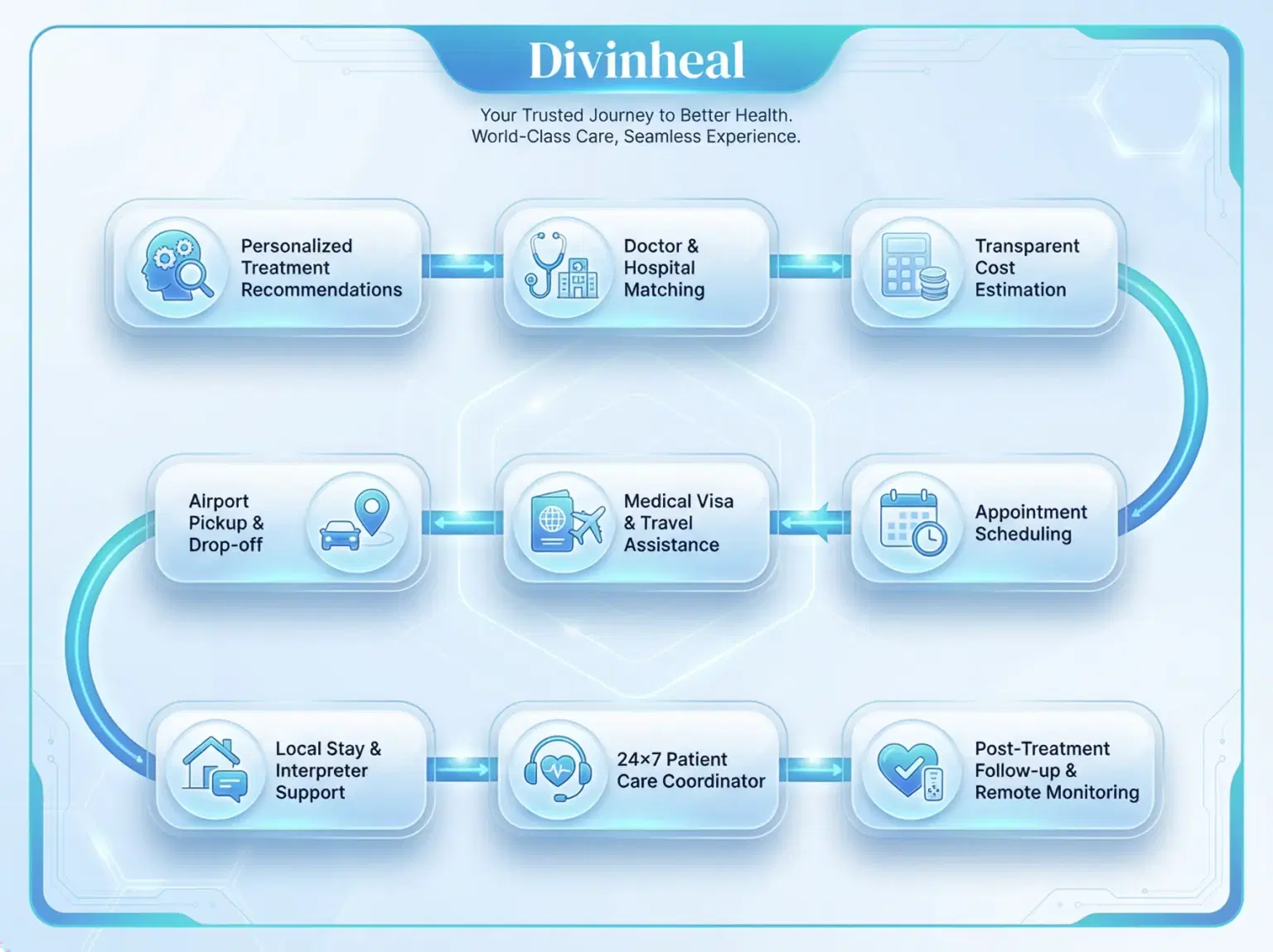
Divinheal is a medical tourism coordinator, not a clinic. Their job? Match you with the right clinic. Handle the logistics. Stay available the whole time even after you go home.
What they cover: clinic selection, appointment booking, visa letters, a place to stay, airport transfers, interpreter support, and coordination with your Indian team after you return.
Final Thoughts
The two-week wait after a frozen embryo transfer is one of the toughest parts of fertility treatment. But good information helps. Now you know: no symptoms doesn’t mean failure. Symptoms don’t confirm success. The only real answer is a blood test at day 10–12. That won’t make the wait easy. But it makes it bearable.
India gives UK and Australian patients the same ICMR-regulated protocols. The FET success rates are comparable. The specialists are experienced. And the cost makes it realistic to try more than once without going broke. For Rachel and Priya, travelling to India wasn’t settling for less. It was the option that gave them more chances.
Ready to look at your options? Talk to a Divinheal coordinator. They’ll match you with the right clinic, sort out the paperwork, and stay with you every step of the way including the wait.
Related Links
International Patient Visiting India
- frozen embryo transfer in pune for bangladesh
- frozen embryo transfer in hyderabad for bangladesh
- frozen embryo transfer in chennai for bangladesh
- frozen embryo transfer in chennai for uae
- frozen embryo transfer in new delhi for bangladesh
- frozen embryo transfer in mumbai for bangladesh
- frozen embryo transfer in bengaluru for bangladesh
Other Treatment related Information
Booking With DIVINHEAL
Get a free consultation to understand your treatment options
Related Links
International Patient Visiting India
- frozen embryo transfer in pune for bangladesh
- frozen embryo transfer in hyderabad for bangladesh
- frozen embryo transfer in chennai for bangladesh
- frozen embryo transfer in chennai for uae
- frozen embryo transfer in new delhi for bangladesh
- frozen embryo transfer in mumbai for bangladesh
- frozen embryo transfer in bengaluru for bangladesh
Other Treatment related Information
DivinHeal's Journey
Latest Articles






Hospitals Offering this treatment
India offers premium medical procedures at affordable prices. Discover our most popular treatments, delivered by the country's finest doctors.
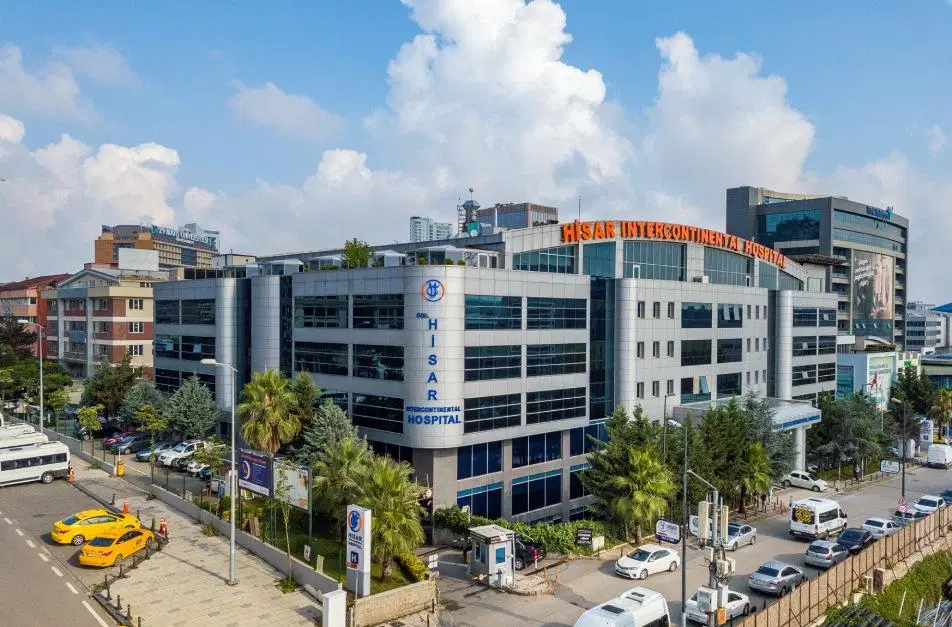
Hisar Intercontinental Hospital
Saray Mah. Siteyolu Cad. No:7, Umraniye, 34768, Istanbul, Turkey
Hisar Intercontinental Hospital

Medical Park Group, Istanbul
Fahrettin Kerim Gokay Cad. Tıbbiye Cd., Kadikoy, Istanbul, Turkey
Medical Park Group, Istanbul

Emsey Hospital, Pendik, Istanbul
Çamlık, Selçuklu Cd. No:22, 34912 Pendik/İstanbul, Türkiye
Emsey Hospital, Pendik, Istanbul

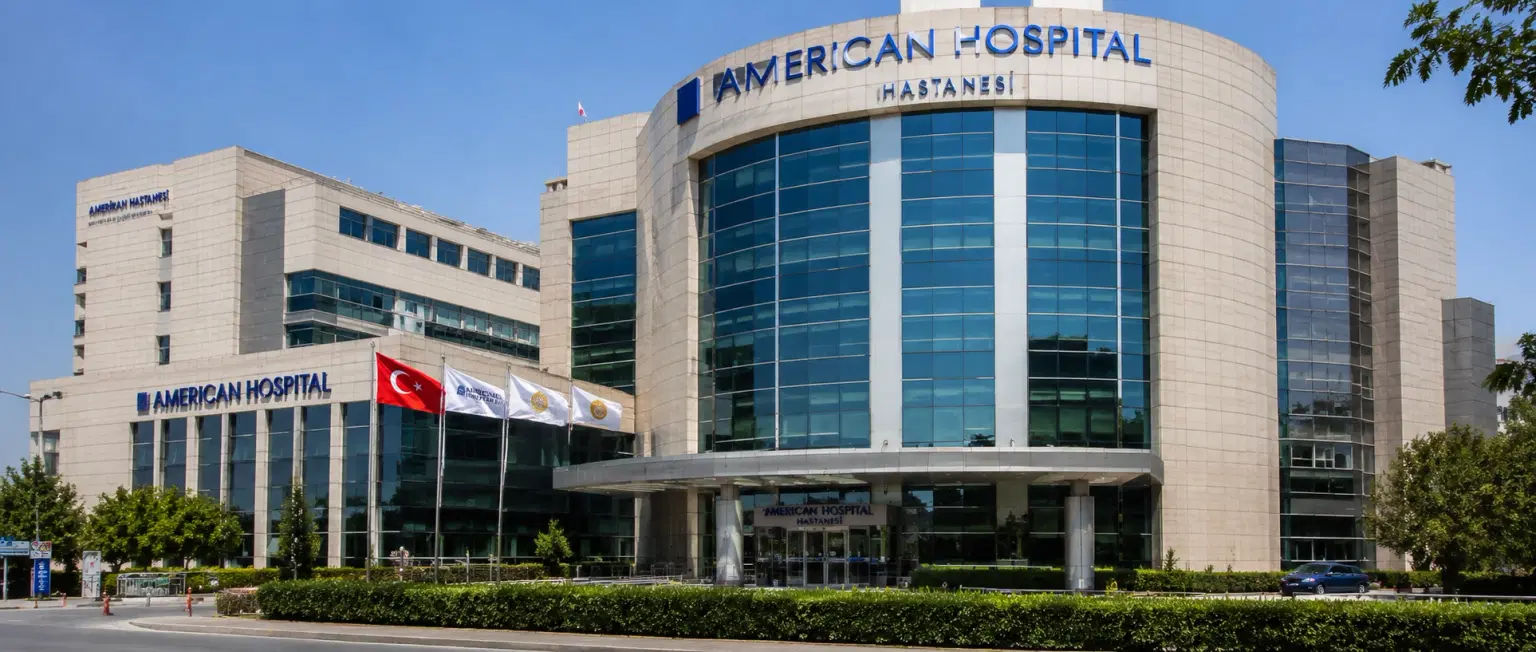
American Hospital, Istanbul
Guzelbahce Sk. No:20, 34365, Nisantasi, Istanbul, Turkey
American Hospital, Istanbul

Memorial Hospitals Group
Burhaniye, Nagehan Sokağı No:4/A D:1, 34676 Üsküdar/İstanbul, Türkiye
Memorial Hospitals Group

Florence Nightingale Hospital Istanbul
Abide-i Hürriyet Cd No:166, 34381 Sisli, Istanbul
Florence Nightingale Hospital Istanbul

Medicana International Hospital, Istanbul
Halit Ziya Turkkani Mah. Medikal Park Cd. No:1, Beylikdüzü, İstanbul
Medicana International Hospital, Istanbul

Okan University Hospital Istanbul
Icmeler Mah. Aydınlıyolu Cd. No:2, 34947 Icmeler-Tuzla, Istanbul
Okan University Hospital Istanbul

Kolan International Hospital, Istanbul
Kaptanpasa Mah. Okmeydan Kavsagi, Darulaceze Cd. No:14, 34384 Sisli, Istanbul
Kolan International Hospital, Istanbul

Al Zahra Hospital, Dubai
Sheikh Zayed Road, Al Barsha 1, Dubai, UAE
Al Zahra Hospital, Dubai

Burjeel Medical City, Abu Dhabi
28th Street, Mohammed Bin Zayed City, Abu Dhabi, UAE
Burjeel Medical City, Abu Dhabi

Burjeel Hospital, Dubai
Dubai, UAE (part of Burjeel Holdings network)
Burjeel Hospital, Dubai
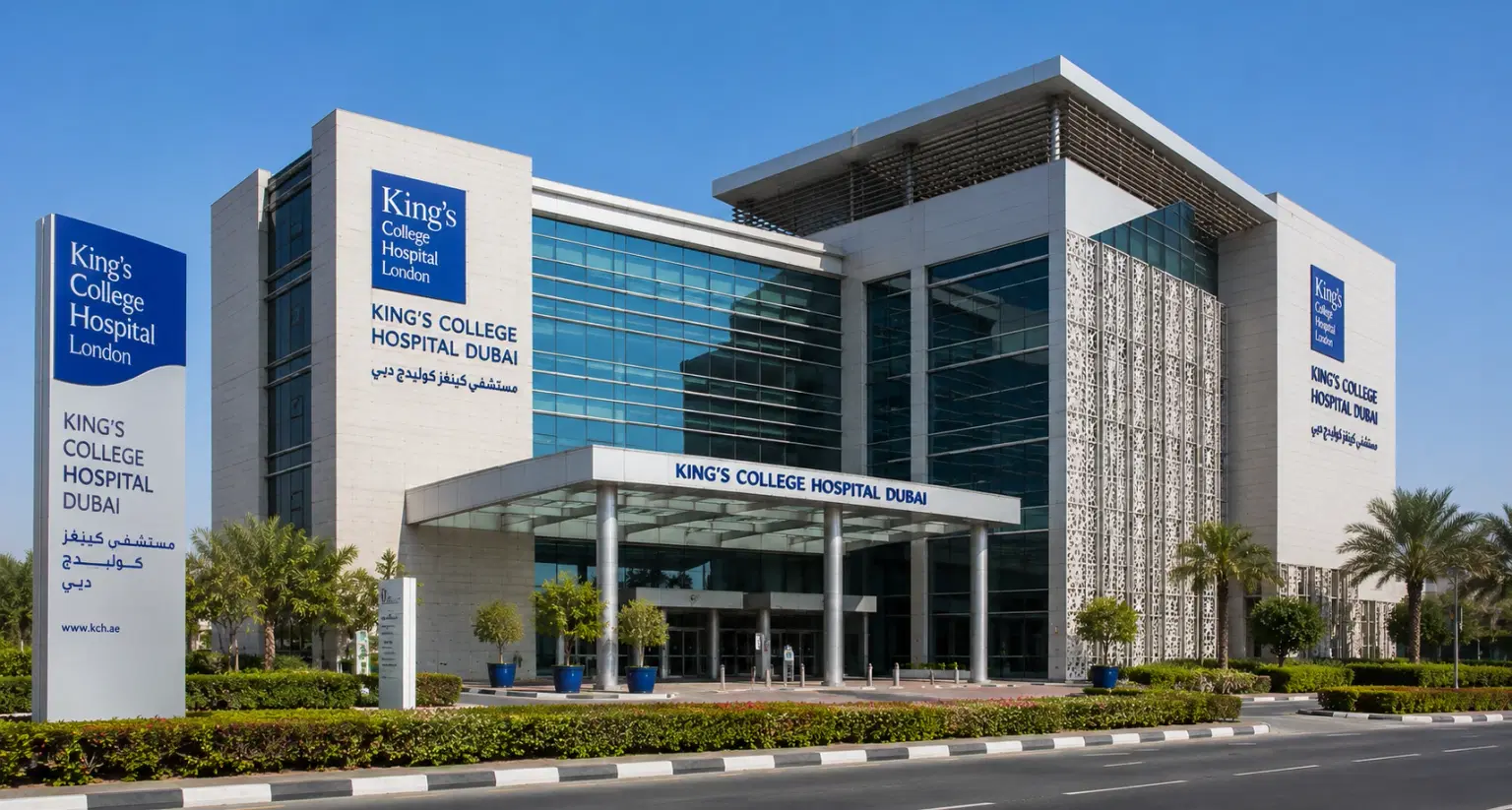
King's College Hospital, Dubai
Dubai Hills, Mohammed Bin Rashid City, Dubai, UAE
King's College Hospital, Dubai
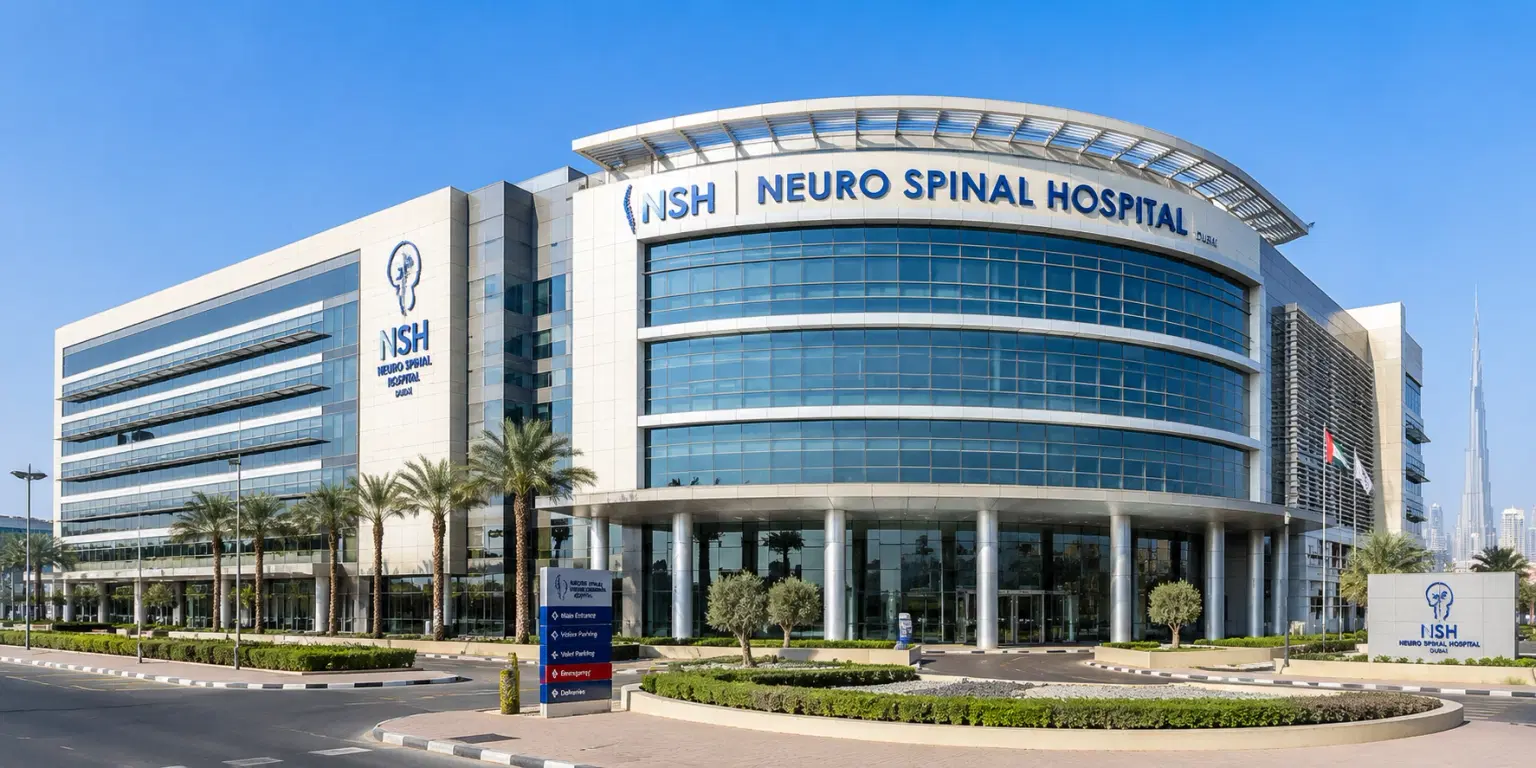
Neuro Spinal Hospital (NSH), Dubai
Dubai Science Park, Umm Suqeim St, Al Barsha South, Dubai, UAE
Neuro Spinal Hospital (NSH), Dubai

HMS Al Garhoud Hospital, Dubai
Al Garhoud Street, Al Garhoud, Dubai, UAE
HMS Al Garhoud Hospital, Dubai
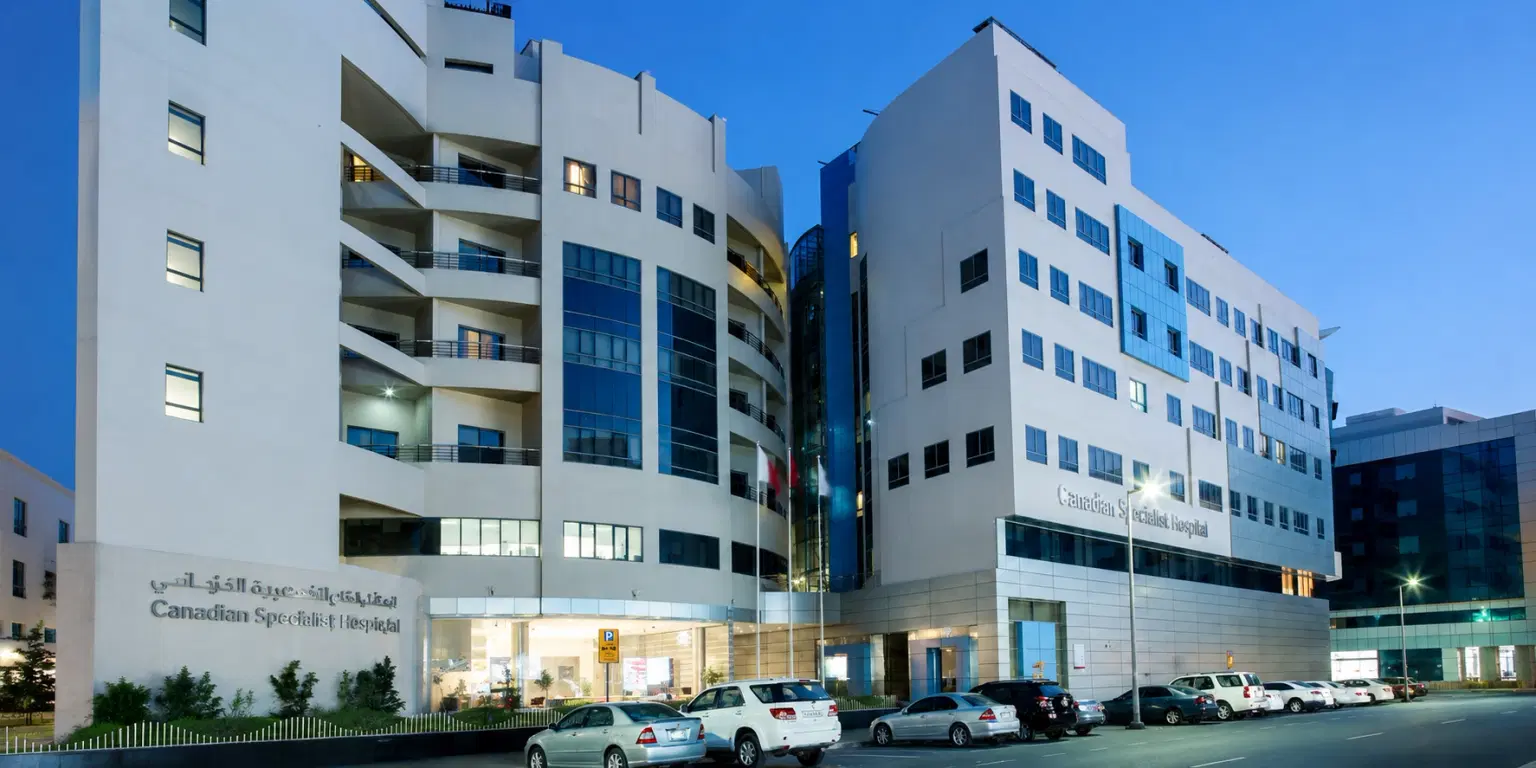
Canadian Specialist Hospital, Dubai
Abu Hail Street 269/1, Canadian Specialist Hospital Building, Hor Al Anz East, Deira, Dubai, UAE
Canadian Specialist Hospital, Dubai
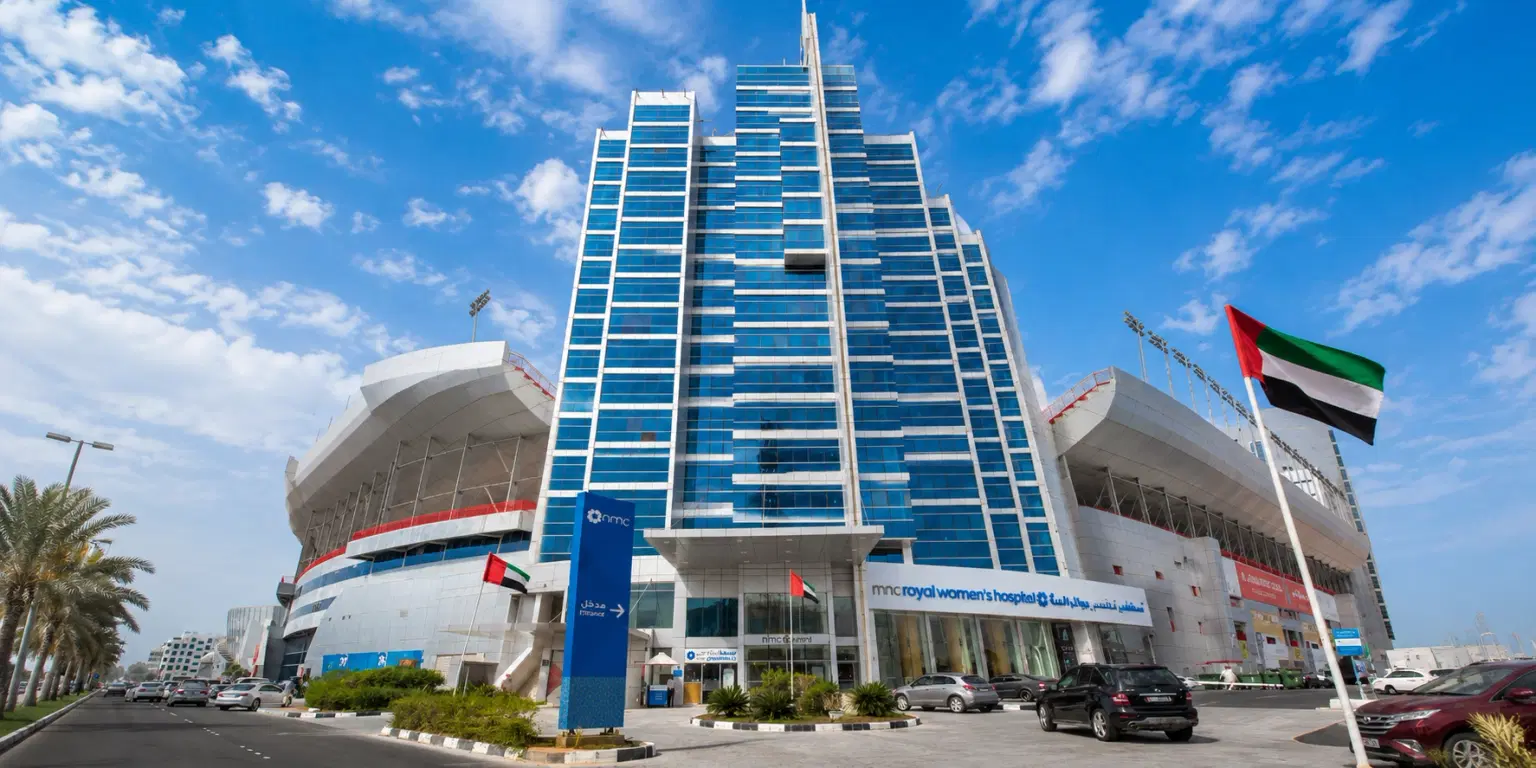
NMC Royal Women's Hospital, Abu Dhabi
Tower B, Mohammed bin Zayed Stadium, Al Jazira Club, Opposite Dusit Thani, Muroor Road, Abu Dhabi, UAE
NMC Royal Women's Hospital, Abu Dhabi
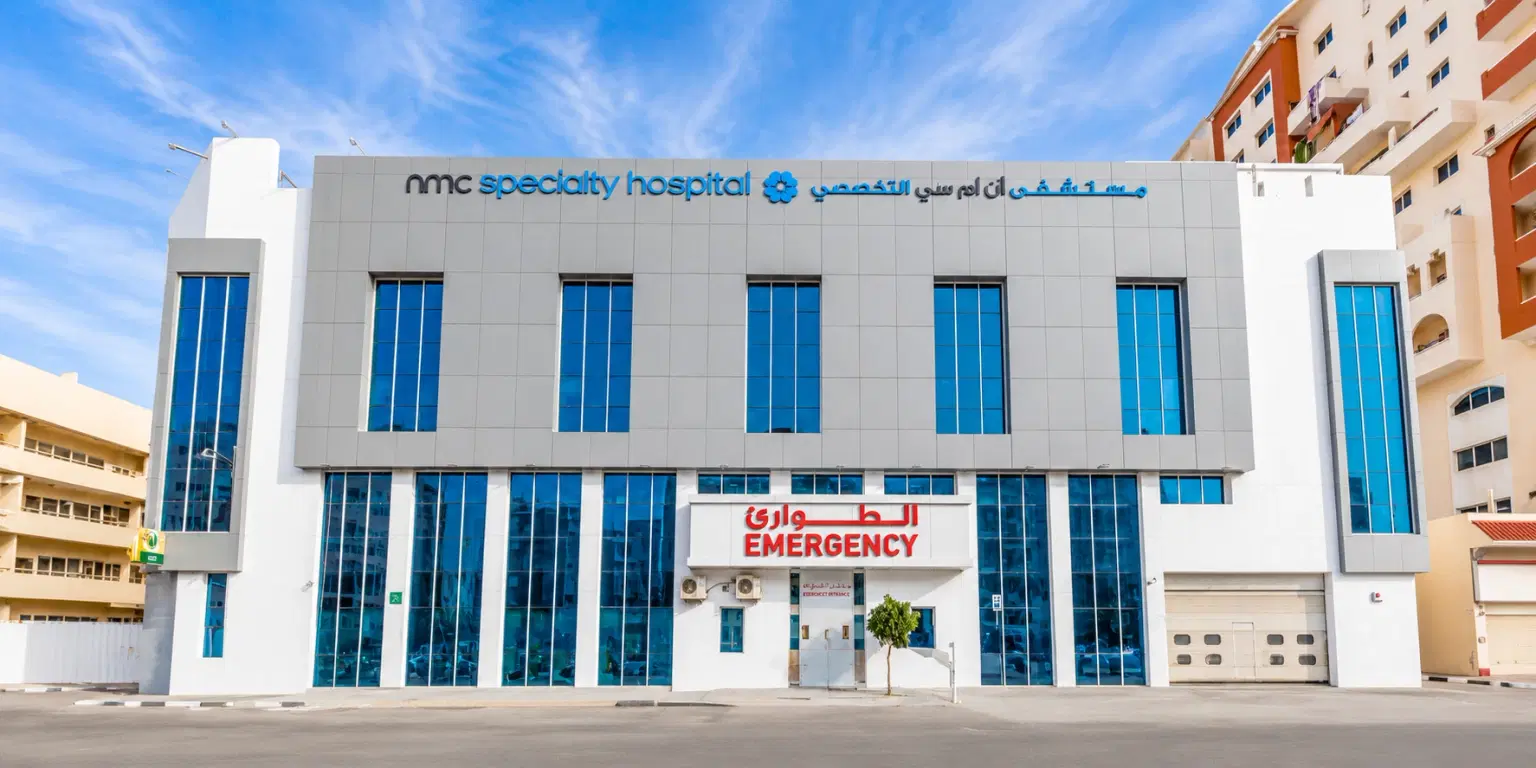
NMC Specialty Hospital, Al Nahda, Dubai
7A St, Al Qusais, Al Nahda 2, next to Bait Al Khair Building, Dubai
NMC Specialty Hospital, Al Nahda, Dubai

Bangkok Hospital, Thailand
2 Soi Soonvijai 7, New Petchburi Road, Huay Khwang, Bangkok 10310, Thailand
Bangkok Hospital, Thailand
Frequently Asked Questions
Get answers to common questions about medical tourism, treatment procedures, and our comprehensive healthcare services.
Ready To Start Your Healing Journey?
Get Personalized Medical Treatment Options From India's Top Hospitals. Our Medical Experts Are Ready To Assist You Every Step Of The Way.