
blastocyst transfer Treatment in Chennai for UAE
Need Personalized Advice?
Our medical experts are ready to answer your questions and guide you through your treatment options.
About
Blastocyst Transfer in Chennai for UAE Patients | Costs & Care
Patients from the UAE considering blastocyst transfer often face a complex decision. They seek advanced fertility care, but may be unsure about navigating international treatment options. Concerns around success rates, specialist expertise, and the overall journey can be significant.
Chennai has emerged as a preferred destination for advanced reproductive technologies. Patients are drawn to its established medical infrastructure and the consistent quality of fertility treatments available. The city offers a well-coordinated environment for international patients.
Trust in Chennai's medical community is built upon its accredited hospitals and highly experienced fertility specialists. These facilities provide comprehensive support, from initial consultation to post-procedure follow-up, ensuring a seamless experience within the city.
Chennai offers reliable and expert care for blastocyst transfer.
What is Blastocyst Transfer?
Blastocyst transfer is a key step in an in vitro fertilization (IVF) cycle. It involves culturing embryos for five to six days after fertilization, allowing them to develop into a blastocyst stage. At this advanced stage, the embryo has a higher potential for implantation. The selected blastocyst is then carefully transferred into the woman's uterus, aiming to achieve a successful pregnancy. This method is often chosen to improve implantation rates and reduce the number of embryos transferred.
Are There Different Approaches to Blastocyst Transfer?
While the core process of blastocyst transfer remains consistent, variations can occur based on the patient's individual circumstances and the fertility clinic's protocols:
- Fresh Blastocyst Transfer: Embryos are cultured to the blastocyst stage and transferred immediately within the same IVF cycle.
- Frozen Blastocyst Transfer (FET): Blastocysts are cryopreserved (frozen) after culture and transferred in a subsequent cycle, often allowing for more uterine preparation or genetic testing.
- Single Blastocyst Transfer (eSET): Only one blastocyst is transferred to reduce the risk of multiple pregnancies, often recommended for younger patients or those with high-quality embryos.
- Double Blastocyst Transfer: Two blastocysts are transferred, typically considered for patients with certain indications or after previous unsuccessful single transfers.
- Preimplantation Genetic Testing (PGT): Blastocysts are biopsied, and genetic testing is performed before transfer to screen for chromosomal abnormalities or specific genetic disorders.
When Is Blastocyst Transfer Recommended?
- When a couple has experienced repeated IVF failures with day 3 embryo transfers.
- If there are concerns about the quality or viability of earlier-stage embryos.
- To reduce the risk of multiple pregnancies by allowing for single embryo transfer with higher success rates.
- When undergoing preimplantation genetic testing to select chromosomally normal embryos.
- In cases where a larger cohort of embryos is available, enabling selection of the most viable ones.
- For patients seeking to optimize their chances of a successful live birth per transfer cycle.
What Pre-Treatment Evaluations Are Necessary?
- Comprehensive hormonal blood tests for both partners.
- Detailed ultrasound scans of the uterus and ovaries for the female partner.
- Semen analysis and related tests for the male partner.
- Infectious disease screening for both individuals.
- Genetic screening if indicated by medical history.
- Review of past medical records and previous fertility treatments.
- Hysteroscopy or saline sonogram to assess uterine health.
How Is Blastocyst Transfer Performed?
The blastocyst transfer procedure is part of a broader IVF treatment plan and involves several distinct stages leading up to the transfer itself.
Ovarian Stimulation
Medications are administered to stimulate the ovaries to produce multiple eggs. Follicle growth is monitored through regular ultrasound scans and blood tests.
Egg Retrieval
Once the follicles are mature, eggs are retrieved from the ovaries through a minor surgical procedure. This is typically performed under light sedation.
Fertilization and Embryo Culture
The retrieved eggs are fertilized with sperm in the laboratory. The resulting embryos are then cultured in a specialized incubator for five to six days, allowing them to develop into the blastocyst stage.
Blastocyst Selection
Embryologists carefully assess the blastocysts for their quality and potential for implantation. The healthiest blastocyst or blastocysts are selected for transfer.
Blastocyst Transfer
Using a fine, flexible catheter, the selected blastocyst is gently placed into the woman's uterus through the cervix. This procedure is usually painless and does not require anesthesia.
Post-Transfer Care
Following the transfer, progesterone medication is often prescribed to support the uterine lining and aid in implantation. A pregnancy test is typically scheduled around two weeks after the transfer.
What Does the Recovery Process Involve?
After a blastocyst transfer, patients are usually advised to rest for a short period on the day of the procedure. Mild cramping or spotting can occur but is generally normal. Physical activity should be kept light for a few days. Patients typically resume normal daily activities soon after, avoiding strenuous exercise. Doctors provide specific instructions regarding progesterone supplementation, which continues until a pregnancy test confirms the outcome and often into early pregnancy if successful. Regular follow-up appointments include blood tests to check hormone levels and ultimately a pregnancy test.
What Are the Risks and Success Rates of Blastocyst Transfer?
- Mild discomfort or cramping following the transfer procedure.
- Small risk of infection, though very rare with modern practices.
- Ovarian hyperstimulation syndrome (OHSS) from earlier stimulation medications.
- Increased likelihood of multiple pregnancies if more than one blastocyst is transferred.
- Ectopic pregnancy, where the embryo implants outside the uterus.
- No pregnancy occurring despite a successful transfer.
Success rates for blastocyst transfer vary significantly based on individual factors such as the patient's age, cause of infertility, embryo quality, and the clinic's expertise. Generally, blastocyst transfer offers higher implantation rates compared to earlier stage embryo transfers because it allows for natural selection of more robust embryos. Outcomes can range from 30% to over 60% live birth rates per transfer, with younger patients often experiencing higher percentages. Long-term expectations depend on achieving a viable pregnancy, followed by standard prenatal care.
What Is the Cost of Blastocyst Transfer in Chennai?
The cost of blastocyst transfer in Chennai can vary based on several factors. These include the reputation and facilities of the chosen hospital or fertility clinic, the experience of the specialist performing the procedure, the specific medications required for ovarian stimulation, and any additional services like genetic testing or cryopreservation.
For international patients, the blastocyst transfer portion of an IVF cycle in Chennai typically ranges from INR 1,50,000 to INR 3,50,000.
Comparing Blastocyst Transfer Costs: Chennai vs. Other Global Destinations
Patients from the UAE find Chennai offers a compelling balance of high-quality medical care and significant cost savings. The table below illustrates how Chennai's prices compare to those in other leading fertility hubs globally, for the blastocyst transfer component within an IVF cycle.
| Location | Estimated Cost Range (USD) |
|---|---|
| Chennai, India | $1,800 - $4,200 |
| United States | $5,000 - $8,000 |
| United Kingdom | $4,500 - $7,500 |
| Thailand | $3,000 - $5,500 |
| Turkey | $2,500 - $4,000 |
Comprehensive Support for Your Treatment Journey
- Dedicated patient coordinator to assist with all logistics.
- Assistance with scheduling appointments and consultations.
- Guidance on accommodation options and local transport.
- Language interpretation services if required.
- Support for visa applications and travel arrangements.
- Post-treatment follow-up coordination and remote consultations.
Important Papers for Your Medical Visit
- Current passport and valid visa for India.
- All previous medical records, test results, and fertility treatment histories.
- Referral letter from your local physician if applicable.
- Proof of address and contact information.
- Details of any existing health insurance coverage.
- A list of all current medications and allergies.
Preparing for Your Procedure in Chennai
- Discuss all pre-existing medical conditions with your fertility specialist.
- Follow dietary and lifestyle recommendations provided by the medical team.
- Ensure all necessary diagnostic tests are completed before arrival.
- Organize your travel and accommodation well in advance.
- Confirm all appointment schedules with your patient coordinator.
- Plan for a comfortable and stress-free journey to Chennai.
Aftercare Instructions and Follow-Up
- Adhere strictly to all prescribed medications, especially progesterone.
- Avoid strenuous physical activity and heavy lifting for the recommended period.
- Maintain a healthy diet and stay hydrated.
- Attend all scheduled follow-up appointments and blood tests.
- Monitor for any unusual symptoms and report them to your medical team.
- Plan for necessary rest and emotional well-being during the two-week wait.
Ready to Explore Your Treatment Options?
Embark on your path to parenthood with confidence. Chennai's leading fertility centers are prepared to provide exceptional blastocyst transfer care.
Hospitals Offering this treatment
India offers premium medical procedures at affordable prices. Discover our most popular treatments, delivered by the country's finest doctors.

Al Zahra Hospital, Dubai
Sheikh Zayed Road, Al Barsha 1, Dubai, UAE
Al Zahra Hospital, Dubai

Burjeel Medical City, Abu Dhabi
28th Street, Mohammed Bin Zayed City, Abu Dhabi, UAE
Burjeel Medical City, Abu Dhabi

Burjeel Hospital, Dubai
Dubai, UAE (part of Burjeel Holdings network)
Burjeel Hospital, Dubai
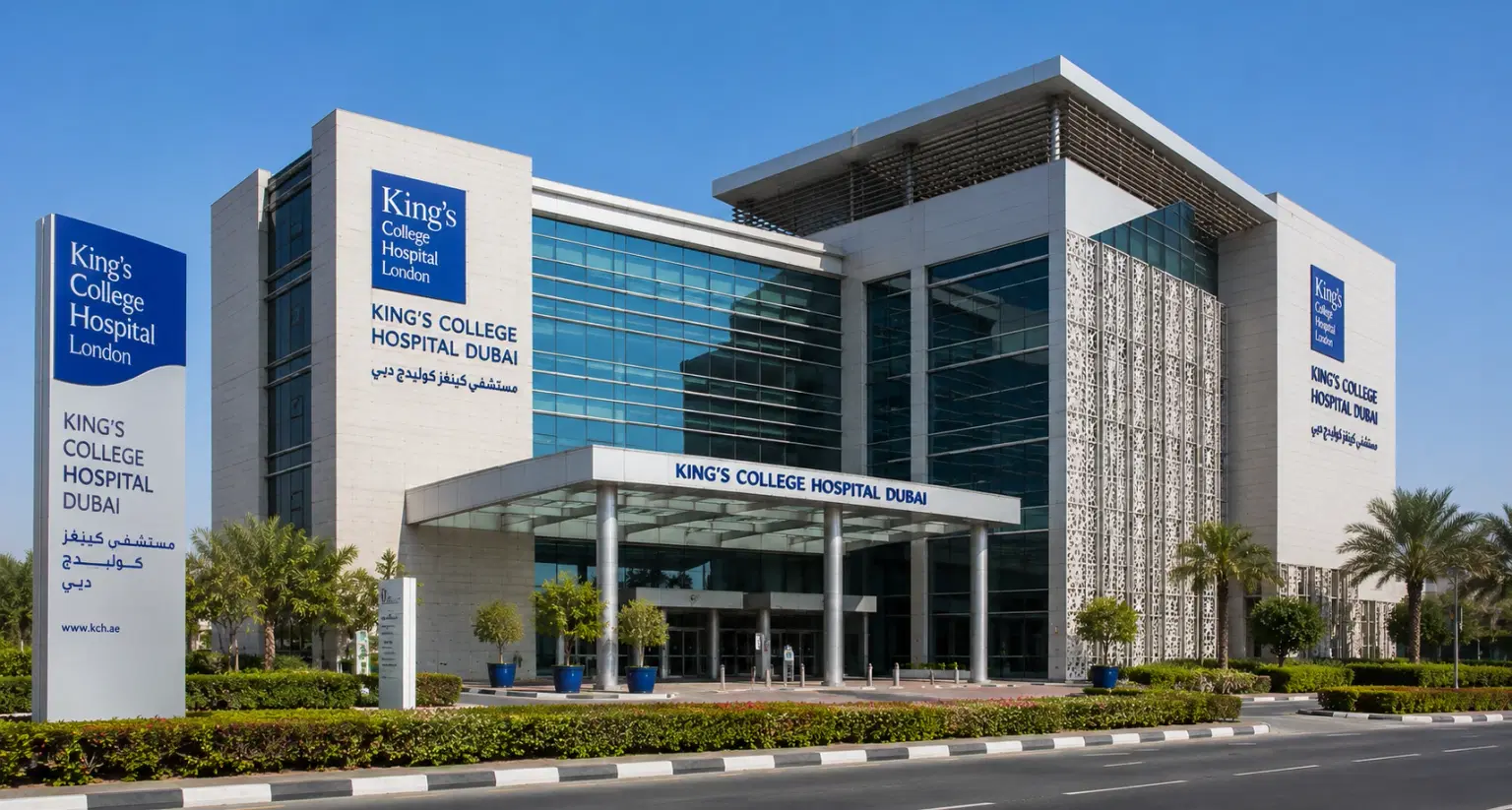
King's College Hospital, Dubai
Dubai Hills, Mohammed Bin Rashid City, Dubai, UAE
King's College Hospital, Dubai
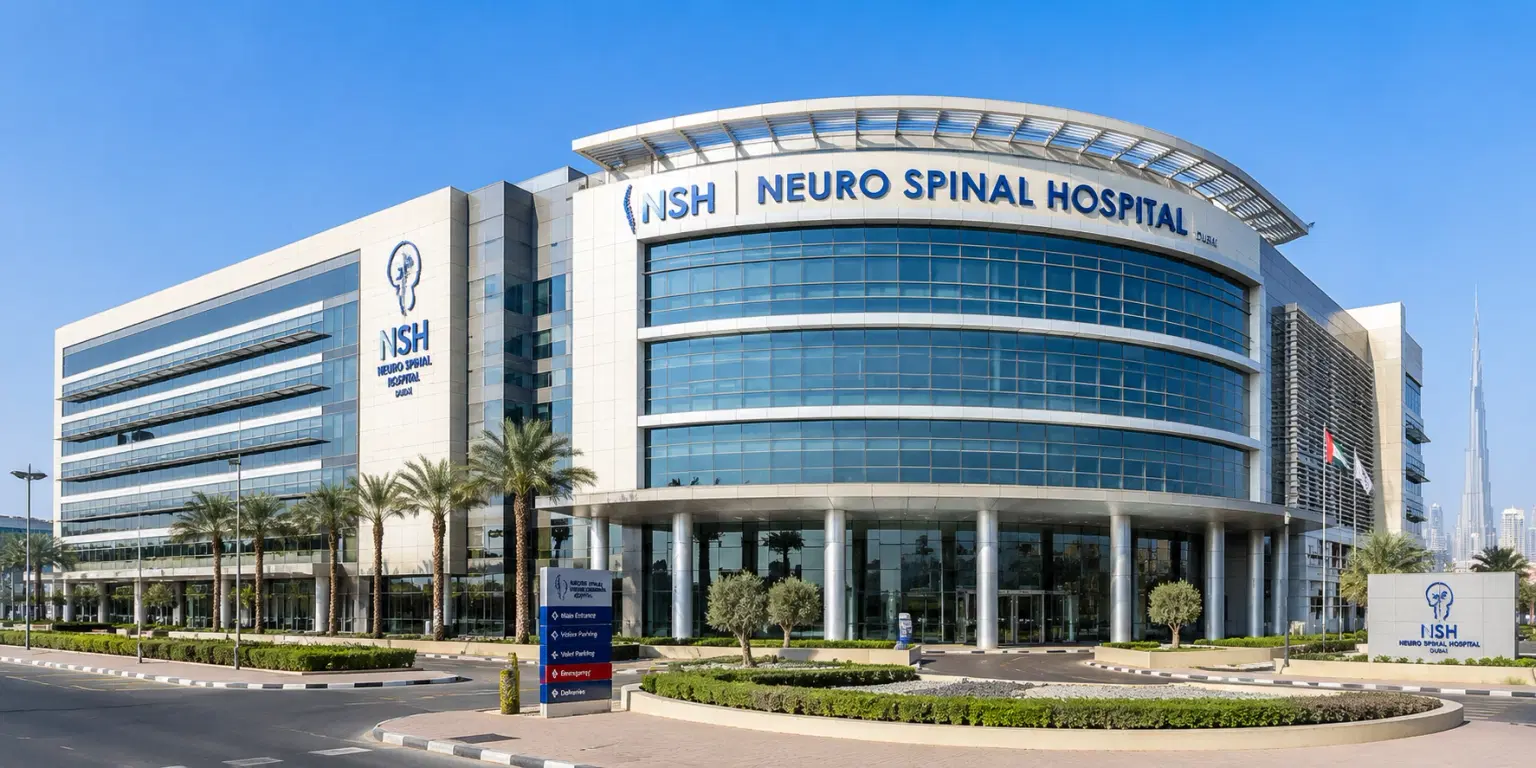
Neuro Spinal Hospital (NSH), Dubai
Dubai Science Park, Umm Suqeim St, Al Barsha South, Dubai, UAE
Neuro Spinal Hospital (NSH), Dubai

HMS Al Garhoud Hospital, Dubai
Al Garhoud Street, Al Garhoud, Dubai, UAE
HMS Al Garhoud Hospital, Dubai
Meet Our Doctors
Meet our team of highly qualified and experienced medical professionals dedicated to providing the best healthcare services.
Related Links
Recent Blogs
Other Treatment related Information
- blastocyst transfer cost in Hyderabad
- blastocyst transfer cost in Haryana
- blastocyst transfer cost in Pune
- blastocyst transfer cost in Chennai
- blastocyst transfer cost in India
- blastocyst transfer cost in Mumbai
- blastocyst transfer cost in New Delhi
- blastocyst transfer cost in Bengaluru
- blastocyst transfer Success Rate in Pune
- blastocyst transfer Success Rate in Hyderabad
- blastocyst transfer Success Rate in Haryana
- blastocyst transfer Success Rate in Bengaluru
- blastocyst transfer Success Rate in Mumbai
- blastocyst transfer Success Rate in New Delhi
- blastocyst transfer Success Rate in India
- blastocyst transfer Success Rate in Chennai
- Best blastocyst transfer Doctors in Mumbai
- Best blastocyst transfer Doctors in Bengaluru
- Best blastocyst transfer Doctors in Hyderabad
Ready To Start Your Healing Journey?
Get Personalized Medical Treatment Options From India's Top Hospitals. Our Medical Experts Are Ready To Assist You Every Step Of The Way.