

Written by DivinHeal Editorial Contributor, Samrat Nilesh, Embryologist | Medically Reviewed by Dr Indu Priya, Gynecologist(MBBS,MD) Published on: 2026-01-26
Frozen Blastocyst Transfer Success Rates: What Patients from the UK, Spain & France Need to Know
Frozen blastocyst transfer (FBT) costs £2,500–£4,500 at a private UK fertility clinic. In Spain and France, patients pay €2,800–€5,600 per cycle - before hotel stay, medication and travel. At NABH-accredited hospitals in India, the same treatment costs ₹80,000–₹1,50,000 (about £750–£1,400). Success rates match leading European centres. Patients from the UK, Spain and France routinely save 70–80% - without giving up clinical quality.
This guide covers what frozen blastocyst transfer success rates look like by age and clinic type. It explains the full cost comparison and what happens at each stage of the FET cycle. It also covers which hospitals in India Divinheal works with. If you have frozen embryos waiting, this is what you need to plan your next step.
Stories are illustrative composites based on typical patient journeys. Names changed for privacy.
Sophie, 34, London: Sophie had two frozen blastocysts after her IVF cycle at a London clinic. Her NHS referral had an 18-month wait. She contacted Divinheal, had her embryo records reviewed by Apollo Hospitals Chennai, and flew to India six weeks later. Her FET cycle at Apollo cost £980 all-in. She tested positive 14 days after transfer.
Isabelle, 37, Lyon: Isabelle and her partner couldn’t access subsidised FET through French Sécurité Sociale as foreign patients. A private cycle in Lyon was quoted at €4,200. Through Divinheal, she completed a medicated-cycle FET at Fortis Hospital Noida for the equivalent of €1,100, like two nights’ hotel stay.
Carlos and Marta, 39 and 38, Madrid: After two failed fresh transfers in Spain, the couple’s embryologist recommended PGT-A testing before their next FET. The combined cost in Madrid was €5,800. At Medanta – The Medicity Gurgaon, PGT-A plus the FET cycle totalled ₹2,20,000 (about €2,400).
What Is Frozen Blastocyst Transfer - and Why Do Doctors Prefer It?
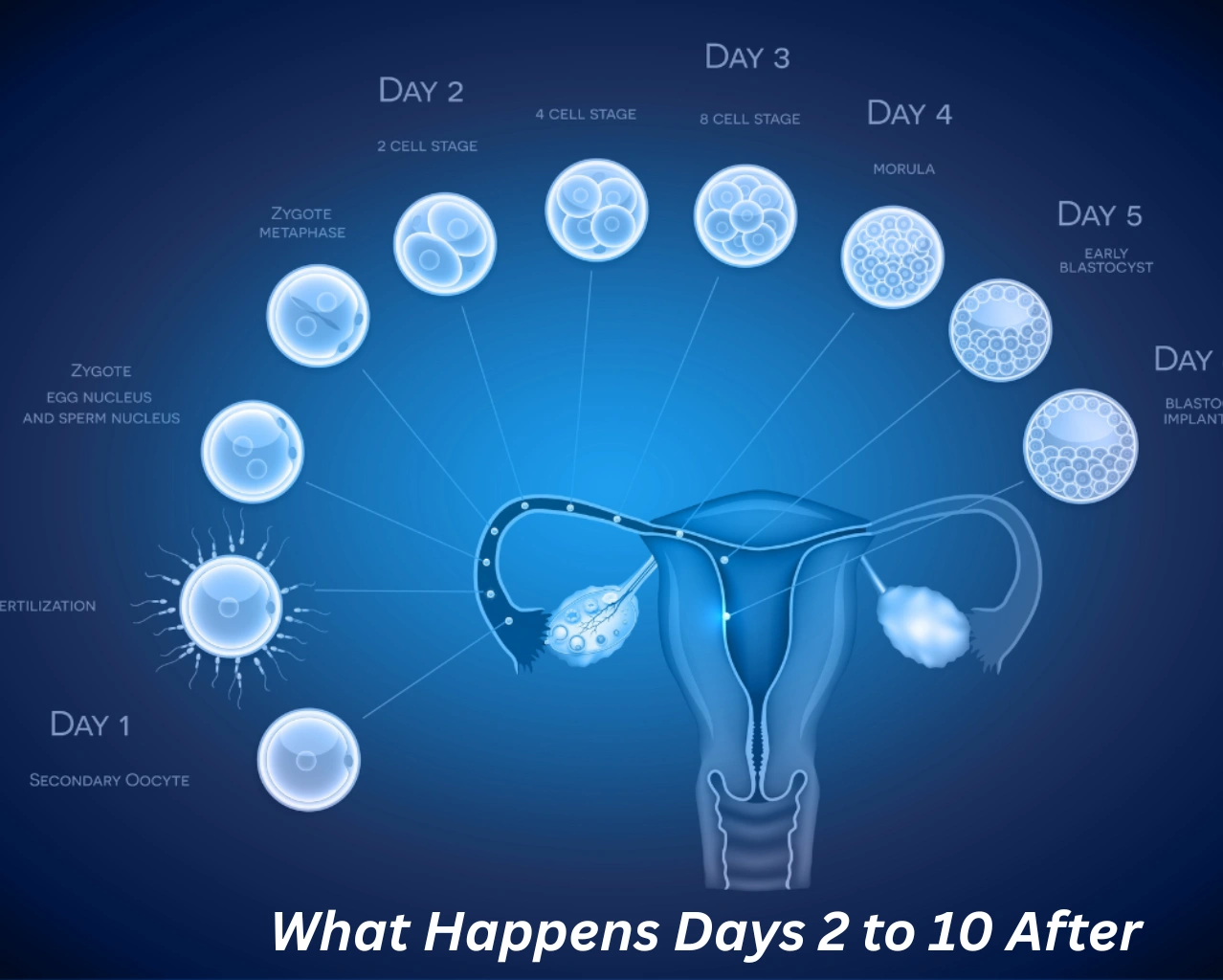
Frozen blastocyst transfer is a fertility treatment. A frozen embryo - one frozen at day 5 or 6 of development - is thawed and placed into a prepared uterus. It is the final step of an IVF cycle when a fresh transfer isn’t done. It is now the standard approach at leading Indian, UK and European centres.
Doctors prefer frozen blastocyst transfers over fresh transfers in many cases. During a fresh transfer, the uterus is still under the effect of stimulation hormones. This makes it harder for the embryo to attach. Removing this hormonal stress improves the chances of success. Data from multiple Indian fertility centres shows frozen blastocyst transfer cycles have live birth rates equal to, or slightly above, matched fresh cycles in most age groups.
Blastocyst vs. Day-3 Embryo: What the Difference Means for Your Chances
On day-3, an embryo has about 6–8 cells. By day 5 or 6, it develops into a blastocyst with about 100–200 cells. At this stage, the embryo forms two distinct cell layers. The inner cell mass eventually develops into the baby, while the outer layer (trophectoderm) goes on to form the placenta. This stage of development matters clinically.
Around 65% of fertilised embryos develop to the blastocyst stage in the lab (Indira IVF, 2023 laboratory data). But those that reach this stage have 15–20% higher chances of implantation rates compared to day-3 transfers, according to peer-reviewed research in Fertility and Sterility.
Culturing to day 5 also shows which embryos have real growth potential. Some embryos look fine on day 3 but stop growing before day 5. This means a day-3 transfer would have failed anyway. Blastocyst culture removes this uncertainty.
How Vitrification Keeps Embryos Viable for Years?
Vitrification is ultra-rapid cryopreservation. Think of it like flash-freezing. The embryo cools so fast that water molecules can’t form ice crystals. Ice crystals would damage cell membranes, so speed matters. Survival rates after vitrification exceed 90% at experienced Indian IVF labs.
Once frozen, embryos stay viable for over 10 years with no significant drop in pregnancy outcomes. Your pre-transfer medication plan typically runs 2–3 weeks to prepare the uterine lining.
When Is a Frozen Transfer the Better Choice?
Doctors recommend a frozen embryo transfer - rather than a fresh transfer - in several situations:
When there is a risk of Ovarian Hyperstimulation Syndrome (OHSS), a condition where the ovaries over-respond to stimulation hormones
When embryos are being screened via Preimplantation Genetic Testing for Aneuploidy (PGT-A)
When the uterine lining is not ready on the day of egg retrieval
When you want to plan treatment around travel or work
A “freeze-all” strategy means freezing every embryo from a retrieval cycle and transferring later. This is now standard practice at most leading Indian IVF centres.
What Are the Success Rates for Frozen Blastocyst Transfer?
Frozen blastocyst transfer success rates at Indian NABH-accredited clinics typically range from 50 to 65% for women under 40, based on ICMR-aligned reporting standards (2024).
Success rates vary by patient age, embryo quality, clinic lab standards and whether PGT-A testing is used. The figures below show live birth or clinical pregnancy rates per transfer cycle - the most useful measure for patients.
Frozen Blastocyst Success Rates by Country
Indian fertility centres report some of the highest FET success rates globally. This is partly because India’s private IVF sector selects for blastocyst-stage transfers and uses vitrification as the standard freezing method.
Region | Typical Clinical Pregnancy Rate (FET) | Live Birth Rate (approx.) | Source basis |
India | 55–65% | 50–60% | ICMR-aligned reporting; NABH-accredited centres |
United Kingdom | 40–52% | 35–48% | HFEA national registry data (2022–23) |
Spain | 45–55% | 40–50% | SEF (Spanish Fertility Society) 2022 report |
USA | 48–58% | 42–52% | SART 2022 national data |
All figures are approximate ranges; actual outcomes depend on patient age, embryo quality, endometrial receptivity and clinic-specific protocols. Verify current rates with your chosen clinic.
How Age Affects Your Frozen Blastocyst Transfer Success Rate ?
For women under 35, frozen blastocyst transfer live birth rates typically reach 50 to 60 percent per cycle at leading Indian clinics.
Your age when eggs were retrieved - not your age today - is the strongest predictor of FET outcome. Eggs retrieved at a younger age produce higher-quality embryos. This holds true regardless of when they are transferred.
Age at Egg Retrieval | Live Birth Rate (FET Blastocyst) | Key note |
Under 35 | 50–60% | Highest rates; blastocyst selection especially effective |
35–37 | 40–50% | Good outcomes; PGT-A testing recommended |
38–40 | 30–40% | PGT-A strongly recommended to screen chromosomal issues |
Over 40 | 10–25% | Donor egg options often discussed; individual results vary |
If PGT-A testing screened embryos before freezing, age becomes less important. A 2025 study in Human Reproduction (PMID: 38865782) discovered that female age at the time of transfer does not greatly affect success rates when genetically tested euploid embryos are used.
Why Indian Clinics Report Strong FET Outcomes?
Top Indian IVF centres - like Apollo Hospitals Chennai, Fortis Hospital Noida, Medanta – The Medicity Gurgaon and MAX Hospitals Delhi - use vitrification as their standard freezing method. They run blastocyst culture as the default approach. They operate its own embryology labs with trained abroad staff. Many senior embryologists at these centres hold fellowships from European or US reproductive medicine programmes. NABH accreditation requires these centres to meet defined quality standards for lab conditions, clinical protocols and outcome recording.
The cost advantage does not reflect a technology gap. It reflects lower running costs in India - staffing, infrastructure and real estate - not differences in equipment or clinical standards.
Frozen Blastocyst Transfer Cost: India vs. UK, Spain & France
Frozen blastocyst transfer in India costs ₹80,000 to ₹1,50,000 per cycle - roughly 70 to 80 percent less than the same treatment at a private clinic in the UK or Spain.
Cost is the most common reason patients from the UK, Spain and France contact Divinheal. The table below compares standalone FET cycle costs - the thaw, the transfer and standard monitoring - excluding medications, which are broadly similar everywhere.
Country | FET Cost (Single Cycle) | Approx. Savings vs India | Notes |
India | ₹45,000–₹1,50,000 ($540–$1,800 | £350–£1,400) | - | NABH-accredited clinics; includes thaw + transfer + post-transfer monitoring |
United Kingdom | £2,000–£3,500 (₹2,52,000–₹4,41,000) | 60–70% | Private clinic; NHS wait 12–18 months; excludes medications |
Spain | €1,400–€3,500 (₹1,54,000–₹3,85,000) | 50–70% | Clinics like IVI; excludes travel; no public funding for foreign nationals |
France | €1,500–€3,000 (₹1,65,000–₹3,30,000) | 50–70% | Social Security covers French residents only; private cost for foreign patients |
Figures are approximate 2025–2026 private-healthcare ranges. UK figure excludes NHS-funded access (which carries a 12–18 month wait). India costs are for NABH-accredited facilities. Always confirm package inclusions before booking.
What Does FET Cost in Spain, France and the UK?
In Spain, a standalone FET cycle at a private fertility clinic such as IVI or Institut Marquès typically runs €2,800–€4,500. This covers the embryo thaw, transfer and ultrasound monitoring. It rarely includes medication - progesterone and estrogen supplements typically add €300–€600 - or booking fees.
In France, patients at private clinics usually pay between €3,400–€5,600. However, Unlike French residents using the public system, foreign patients get no Sécurité Sociale reimbursement. UK patients at private clinics like London Fertility Centre or CARE Fertility typically pay £2,500–£4,500 for a standalone FET cycle. NHS-funded FET is available but waiting lists run 12–18 months in most regions.
FET in India: Why Patients Save 70–80% Without Sacrificing Quality?
India’s cost advantage comes from lower running costs - not lower clinical standards. The embryology equipment at Apollo Hospitals Chennai or Medanta Gurgaon is the same generation as at comparable European centres. The senior embryologists trained at the same international programmes. The protocols follow ICMR and international reproductive medicine guidelines.
A typical FET package at an Indian NABH-accredited centre costs ₹80,000–₹1,50,000 ($950–$1,800; £750–£1,400). This usually covers the blastocyst thaw, the transfer treatment, and basic post-transfer review. Medications for uterine prep (typically ₹8,000–₹25,000 for a medicated cycle) are often quoted separately. Packages at Fortis Noida and MAX Hospitals often include airport transfer, hotel support and a personal coordinator who speaks English, French or Spanish.
What’s Included in an Indian FET Package?
Most packages at NABH-accredited centres cover:
Embryo thaw and viability check
Endometrial monitoring (2–3 ultrasound scans)
The transfer treatment itself
Post-transfer consultation
Annual embryo storage in India costs about ₹25,000–₹45,000 - well below European rates (UK: £300–£600 per year). What’s usually not included: travel and hotel stay, medications during the prep phase, PGT-A testing if not already done, and any extra tests flagged after consultation.
What Factors Affect Frozen Blastocyst Transfer Success?
Endometrial Receptivity
The uterine lining - the endometrium - must be at the right thickness and texture. This allows the blastocyst to attach. Think of it like preparing the right soil before planting a seed. Specialists look for a trilaminar pattern on ultrasound and an endometrial thickness of 7–10 mm before scheduling the transfer.
Linings that is thinner than 6 mm or thicker than 14 mm are linked to lower implantation rates. If your lining doesn't develop enough, clinics will adjust your medication before proceeding.
Hormonal Preparation: Progesterone and Estrogen Timing
Estrogen builds the endometrial lining during the first phase of the FET cycle. Progesterone, added later, matures the lining. It makes the lining ready for implantation. For a day-5 blastocyst transfer in a medicated cycle, progesterone starts six days before the transfer date - precise timing matters.
Your clinic will check blood progesterone levels. This confirms the lining is ready before the thaw goes ahead.
Preimplantation Genetic Testing (PGT-A)
PGT-A (Preimplantation Genetic Testing for Aneuploidy) screens embryos for chromosomal problems - the most common cause of implantation failure and early miscarriage. Choosing a chromosomally normal (euploid) embryo raises success rates substantially. This is especially true for patients over 37 or those with recurrent miscarriage or prior failed transfers.
PGT-A costs in India run ₹25,000–₹50,000 per embryo tested - well below UK prices (£1,500–£2,500 per embryo). Medanta Gurgaon and MAX Hospitals offer combined PGT-A + FET packages for patients from overseas.
Single vs. Double Blastocyst Transfer: Which Is Right for You?
Most centres - like Apollo Hospitals Chennai and Fortis Noida - recommend single embryo transfer (SET) for patients with good-quality blastocysts under 37. A double transfer slightly raises per-cycle pregnancy rates but greatly raises the risk of twins. Twins carry higher risks of premature birth and maternal complications. The comparison below captures the key trade-offs:
Factor | Single Blastocyst Transfer (SET) | Double Blastocyst Transfer (DET) |
Pregnancy rate | High - similar to DET with good-quality embryos | Marginally higher per transfer |
Multiple pregnancy risk | Very low (<2%) | Significantly higher (15–30%) |
Safety for mother | Lower risk - singleton pregnancy | Higher risk - preeclampsia, preterm labour |
Recommended when | Good-quality blastocyst available; age under 37; first or second transfer | Poor prognosis; advanced age; multiple prior failures; patient request |
Your fertility specialist will consider your age, embryo grade (typically shown as a letter code such as 4AA or 3BB), and transfer history when making a recommendation.
Lifestyle and Individual Health Factors
Anti-Müllerian Hormone (AMH) levels give context for ovarian reserve. They do not directly predict FET success since the eggs are already retrieved. Keeping a healthy BMI (18.5–25), avoiding smoking, limiting alcohol and managing stress all support uterine receptivity. ICMR guidelines recommend patients avoid strenuous exercise in the week before transfer.
What Is the Frozen Embryo Transfer Timeline, Step by Step?
A frozen blastocyst transfer cycle takes 2–4 weeks from the start of medications to the embryo transfer day.
For patients travelling from the UK, Spain or France, knowing the timeline is key for planning flights and hotel stay. The total time in India - once the prep phase begins - is typically 10–14 days. Here is how the cycle runs.
Step 1: Initial Consultation and Records Review.
Before travelling, you share your embryo lab reports, previous IVF records and recent blood tests with your chosen Indian clinic. Apollo Hospitals Chennai and MAX Hospitals both offer remote review services. A fertility specialist reviews your case and confirms whether your embryos meet thaw criteria. You do this before booking flights. This initial review takes 3–5 days.
Step 2: Endometrial Preparation (Natural or Medicated Cycle).
Your clinic will recommend either a natural cycle or a medicated (programmed) cycle. The choice depends on your menstrual regularity and travel schedule. For patients from overseas, the medicated cycle is usually preferred. This is because the transfer date can be precisely scheduled around your travel.
Factor | Natural Cycle FET | Medicated (Programmed) Cycle FET |
How it works | Relies on your body's own ovulation; LH surge tracked via blood tests | Estrogen given for 10–12 days; progesterone added once lining is ready |
Best for | Regular menstrual cycles; preference for fewer medications | Irregular cycles; patients travelling internationally (precise timing) |
Progesterone timing | Starts day of LH surge; Day-5 blastocyst transferred 5 days later | 6 days of progesterone before Day-5 blastocyst transfer |
Medications | Minimal - monitoring only, progesterone support after transfer | Estrogen + progesterone throughout cycle |
Timing flexibility | Less flexible - depends on natural cycle | High flexibility - schedule coordinated with travel dates |
The prep phase runs 12–18 days. You may begin estrogen tablets at home and fly to India when the monitoring scans confirm your lining is ready - typically around day 10–12 of the cycle.
Step 3: Embryo Thaw and Transfer Day.
On the morning of your transfer, your embryologist thaws the blastocyst. They ensure it survived and resumed development (survival rates exceed 90% with vitrification). A grade is assigned: 4AA or 5AA indicates excellent expansion with high-quality inner cell mass and trophectoderm. 3BB or lower-graded embryos still result in successful pregnancies at rates of 30–40%.
The transfer takes 5–10 minutes. A thin catheter guided by ultrasound places the embryo through the cervix into the uterine cavity. No anaesthesia is needed. Most patients rest for 30 minutes in the clinic before returning to their hotel.
Step 4: The Two-Week Wait and Beta-hCG Test.
Implantation typically occurs 1–5 days after transfer. There are no reliable physical signs. Both successful and failed cycles produce the same mild symptoms - bloating, breast tenderness - from progesterone medication. The first accurate test is a blood beta-hCG (human chorionic gonadotropin) level, done 10–14 days post-transfer.
Clinics in India - like Max Healthcare - advise against home pregnancy tests before the blood test. The medication can produce misleading results. Many patients fly home 3–5 days after the transfer and have the blood test done locally, sharing results with their Indian clinic.
What Happens After Your Frozen Blastocyst Transfer?
Implantation Timeline and Early Signs
A frozen blastocyst usually attaches to the uterine wall within 1–2 days after the transfer. In an FET cycle, the endometrium is prepared without the hormonal disruption of ovarian stimulation. This helps create a better receptive environment for implantation.
Mild spotting (sometimes called implantation bleeding) can occur around day 3–5 post-transfer and is normal. It does not indicate a failed cycle.
Managing the Emotional Waiting Period
The 10–14 day wait is genuinely hard. Most patients describe it as the most anxious phase of IVF - harder than egg retrieval or even the transfer itself. Connecting with a support group or counsellor during this period is worth doing before you fly home. Clinics at Medanta Gurgaon and Fortis Noida offer remote psychological support sessions for patients from overseas post-transfer.
Are There Disadvantages to Frozen Embryo Transfer?
The main practical disadvantage is the extra prep cycle before transfer. An FET cycle adds 2–4 weeks compared to a fresh transfer right after egg retrieval. Embryo storage has a cost (₹25,000–₹45,000 per year in India). And while rare, some embryos don’t survive the thaw - about 5–10% even with modern vitrification. This is disclosed before you sign the consent. If your embryo doesn't survive the thaw, you won't proceed that day. Most centres will advise on the next steps right away.
For patients who had OHSS risk, a cancelled fresh transfer, or embryos that needed genetic testing, the freeze-and-thaw approach is not a disadvantage at all. It is the safer, better-timed option.
Why Patients from the UK, Spain and France Choose India for FET?
NHS and European Wait-List Context
In the UK, patients using the NHS face a 12–18 month wait for thier first funded IVF cycle. NHS FET cycles after a failed fresh transfer can add a further 6–12 months. Spain and France fund fertility treatment for nationals. But foreign residents without national insurance face the full private cost.
For patients who already have frozen embryos stored at a UK or European clinic, the embryos can be transported to India. Divinheal works with HFEA-registered couriers for UK embryo transfers.
Internationally Trained Fertility Specialists
Apollo Hospitals Chennai’s fertility division employs embryologists with overseas training and uses blastocyst culture and vitrification as standard. Fortis Hospital Noida’s reproductive medicine unit performs over 500 IVF and FET cycles annually. Medanta – The Medicity Gurgaon has a its own IVF laboratory with NABL accreditation - India’s national quality standard for diagnostic labs. MAX Hospitals Delhi operates across multiple campuses with a centralised IVF laboratory. Embryo records are coordinated regardless of which campus you visit. All four facilities accept overseas patient documentation in English, French and Spanish.
Travel, Accommodation and Logistics.
Direct flights from London Heathrow, Paris Charles de Gaulle and Madrid Barajas to New Delhi or Chennai run daily. Journey times are 8–9 hours. Divinheal’s patient coordinators arrange airport transfers, hotel bookings near your clinic, and medical e-visa documentation.
Most FET patients spend 10–14 days in India: 5–7 days monitoring the endometrial prep and 3–5 days after the transfer before flying home. Many patients split the stay - beginning estrogen at home, flying in for the final scans and transfer, and returning home within 7 days.
What to Do Next
Frozen blastocyst transfer gives you a chance to use embryos that are already stored - without going through ovarian stimulation again. The treatment is well established, the success rates match fresh transfer outcomes, and the cost in India is a fraction of private European clinic fees.
Patients from the UK, Spain and France typically complete an FET cycle in India in 10–14 days, at a cost of ₹80,000–₹1,50,000 (£750–£1,400). Divinheal connects you with NABH-accredited fertility specialists at Apollo Hospitals Chennai, Fortis Hospital Noida, Medanta – The Medicity Gurgaon and MAX Hospitals Delhi - all experienced with patients from overseas and with English, French and Spanish-speaking coordination teams.
If you already have frozen embryos - whether in the UK, Spain, France or a previous Indian cycle - contact Divinheal to understand your options. The first review is free.Related Links
International Patient Visiting India
- frozen embryo transfer in pune for bangladesh
- frozen embryo transfer in hyderabad for bangladesh
- frozen embryo transfer in chennai for bangladesh
- frozen embryo transfer in chennai for uae
- frozen embryo transfer in new delhi for bangladesh
- frozen embryo transfer in mumbai for bangladesh
- frozen embryo transfer in bengaluru for bangladesh
Other Treatment related Information
Booking With DIVINHEAL
Get a free consultation to understand your treatment options
Related Links
International Patient Visiting India
- frozen embryo transfer in pune for bangladesh
- frozen embryo transfer in hyderabad for bangladesh
- frozen embryo transfer in chennai for bangladesh
- frozen embryo transfer in chennai for uae
- frozen embryo transfer in new delhi for bangladesh
- frozen embryo transfer in mumbai for bangladesh
- frozen embryo transfer in bengaluru for bangladesh
Other Treatment related Information
DivinHeal's Journey
Latest Articles




Hospitals Offering this treatment
India offers premium medical procedures at affordable prices. Discover our most popular treatments, delivered by the country's finest doctors.
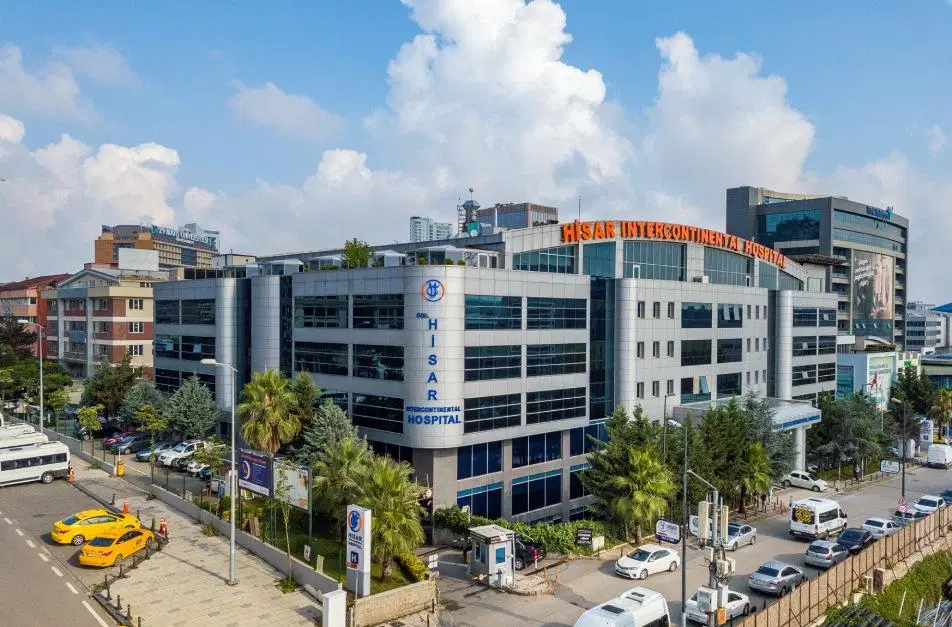
Hisar Intercontinental Hospital
Saray Mah. Siteyolu Cad. No:7, Umraniye, 34768, Istanbul, Turkey
Hisar Intercontinental Hospital

Medical Park Group, Istanbul
Fahrettin Kerim Gokay Cad. Tıbbiye Cd., Kadikoy, Istanbul, Turkey
Medical Park Group, Istanbul
Emsey Hospital, Pendik, Istanbul
Çamlık, Selçuklu Cd. No:22, 34912 Pendik/İstanbul, Türkiye
Emsey Hospital, Pendik, Istanbul
American Hospital, Istanbul
Guzelbahce Sk. No:20, 34365, Nisantasi, Istanbul, Turkey
American Hospital, Istanbul

Memorial Hospitals Group
Burhaniye, Nagehan Sokağı No:4/A D:1, 34676 Üsküdar/İstanbul, Türkiye
Memorial Hospitals Group
Florence Nightingale Hospital Istanbul
Abide-i Hürriyet Cd No:166, 34381 Sisli, Istanbul
Florence Nightingale Hospital Istanbul
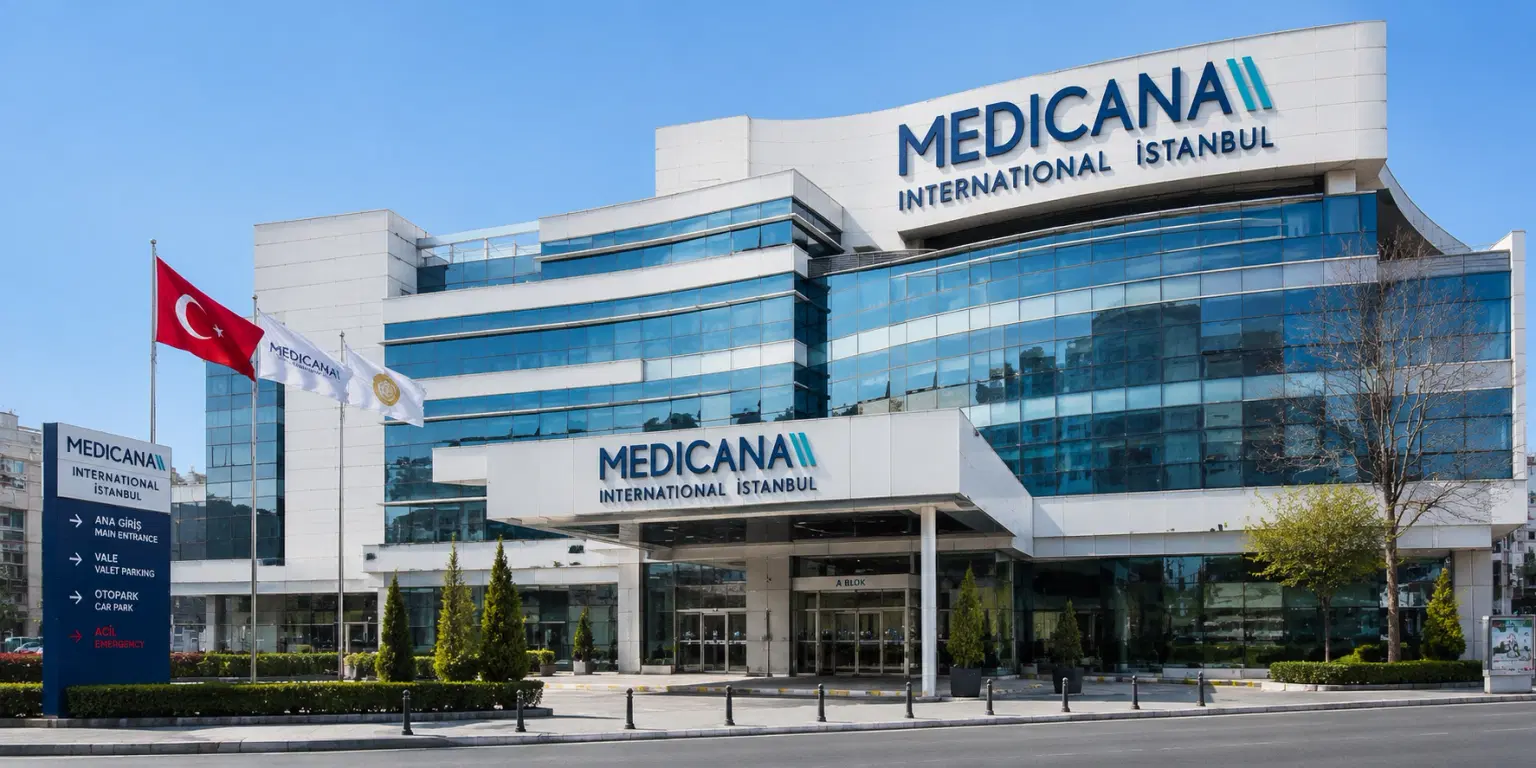
Medicana International Hospital, Istanbul
Halit Ziya Turkkani Mah. Medikal Park Cd. No:1, Beylikdüzü, İstanbul
Medicana International Hospital, Istanbul
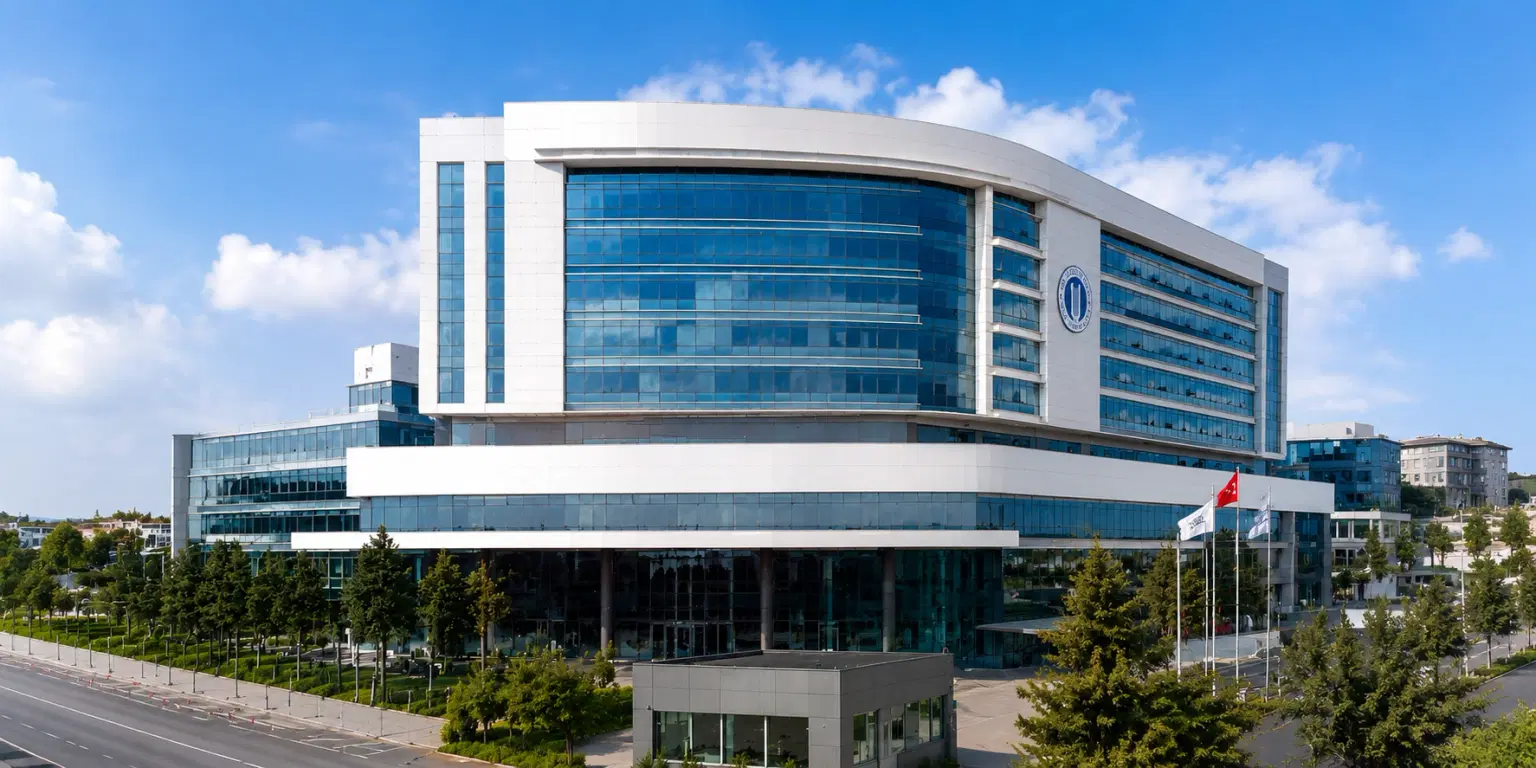
Okan University Hospital Istanbul
Icmeler Mah. Aydınlıyolu Cd. No:2, 34947 Icmeler-Tuzla, Istanbul
Okan University Hospital Istanbul
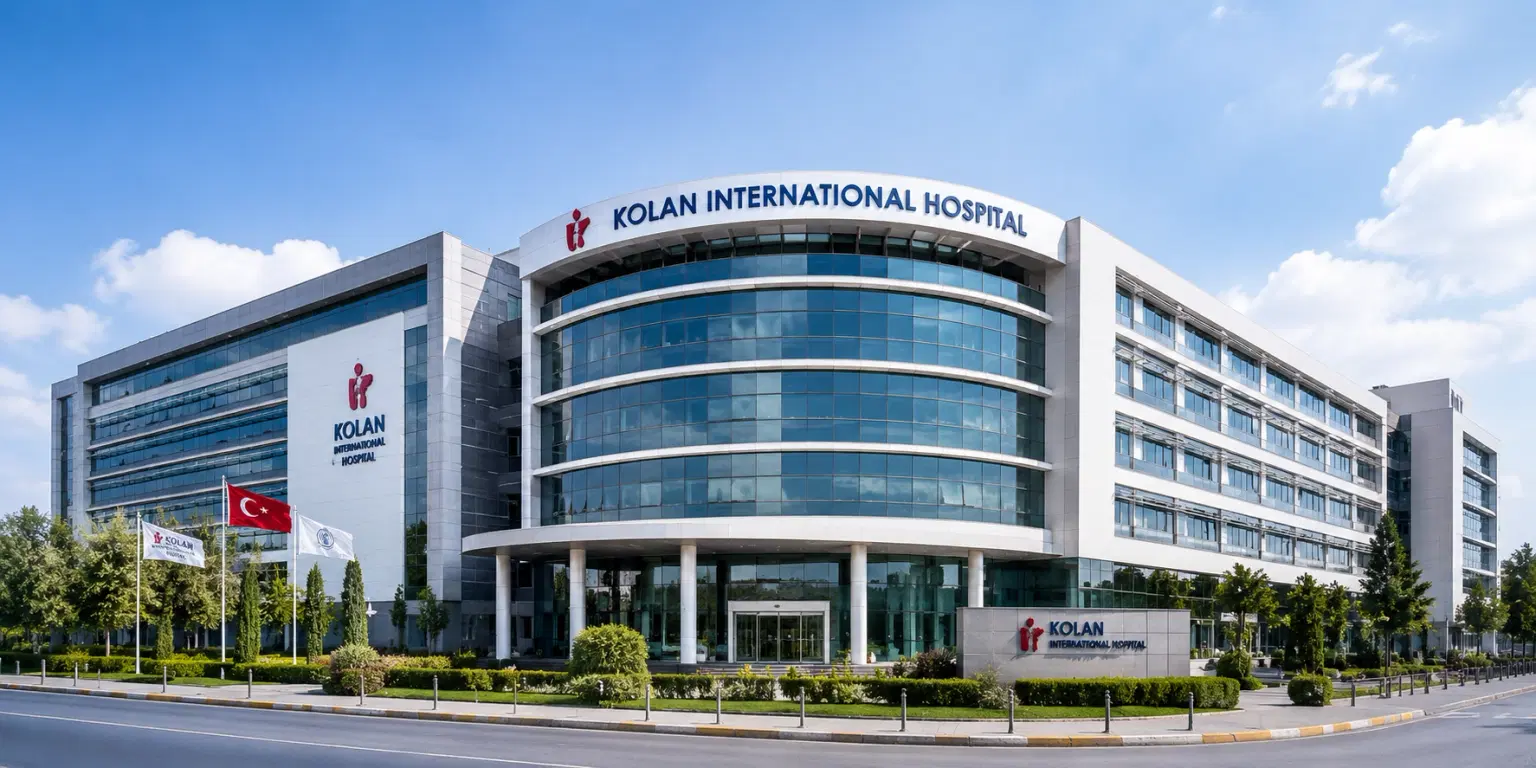
Kolan International Hospital, Istanbul
Kaptanpasa Mah. Okmeydan Kavsagi, Darulaceze Cd. No:14, 34384 Sisli, Istanbul
Kolan International Hospital, Istanbul
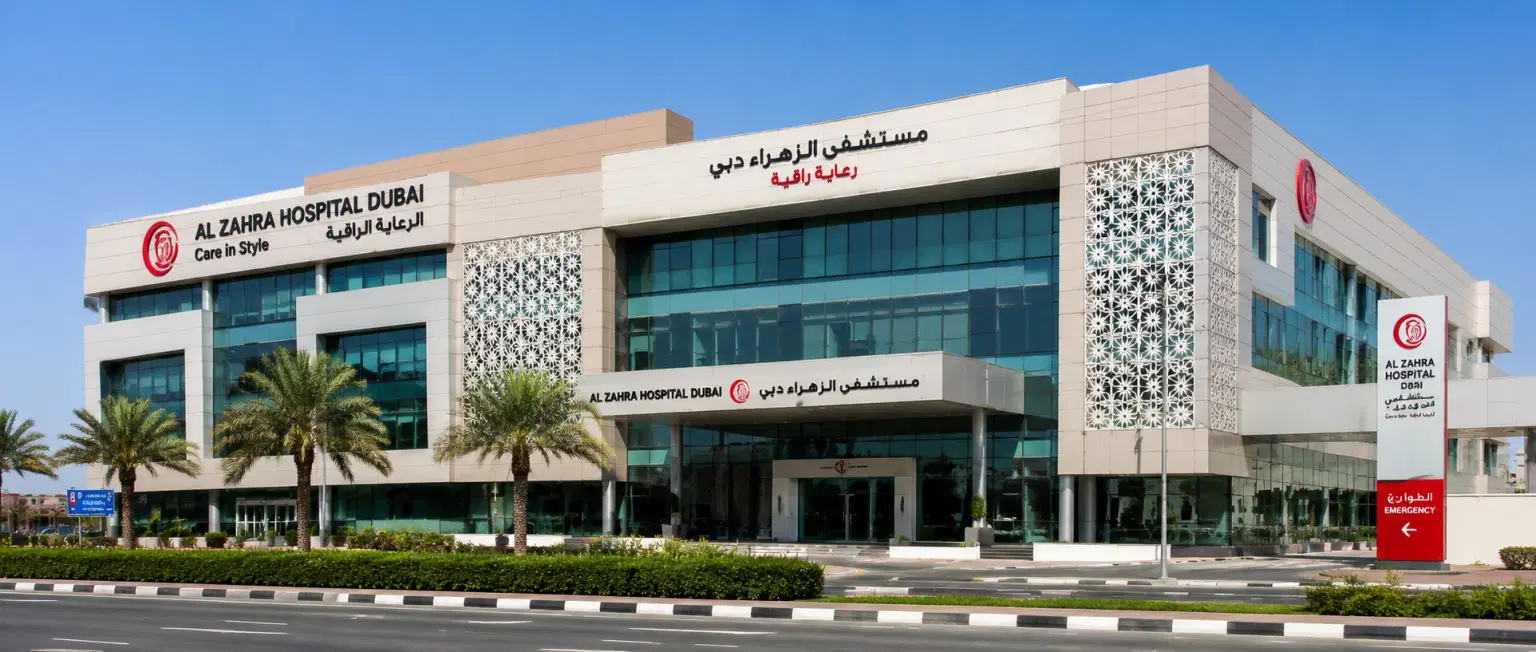
Al Zahra Hospital, Dubai
Sheikh Zayed Road, Al Barsha 1, Dubai, UAE
Al Zahra Hospital, Dubai

Burjeel Medical City, Abu Dhabi
28th Street, Mohammed Bin Zayed City, Abu Dhabi, UAE
Burjeel Medical City, Abu Dhabi

Burjeel Hospital, Dubai
Dubai, UAE (part of Burjeel Holdings network)
Burjeel Hospital, Dubai
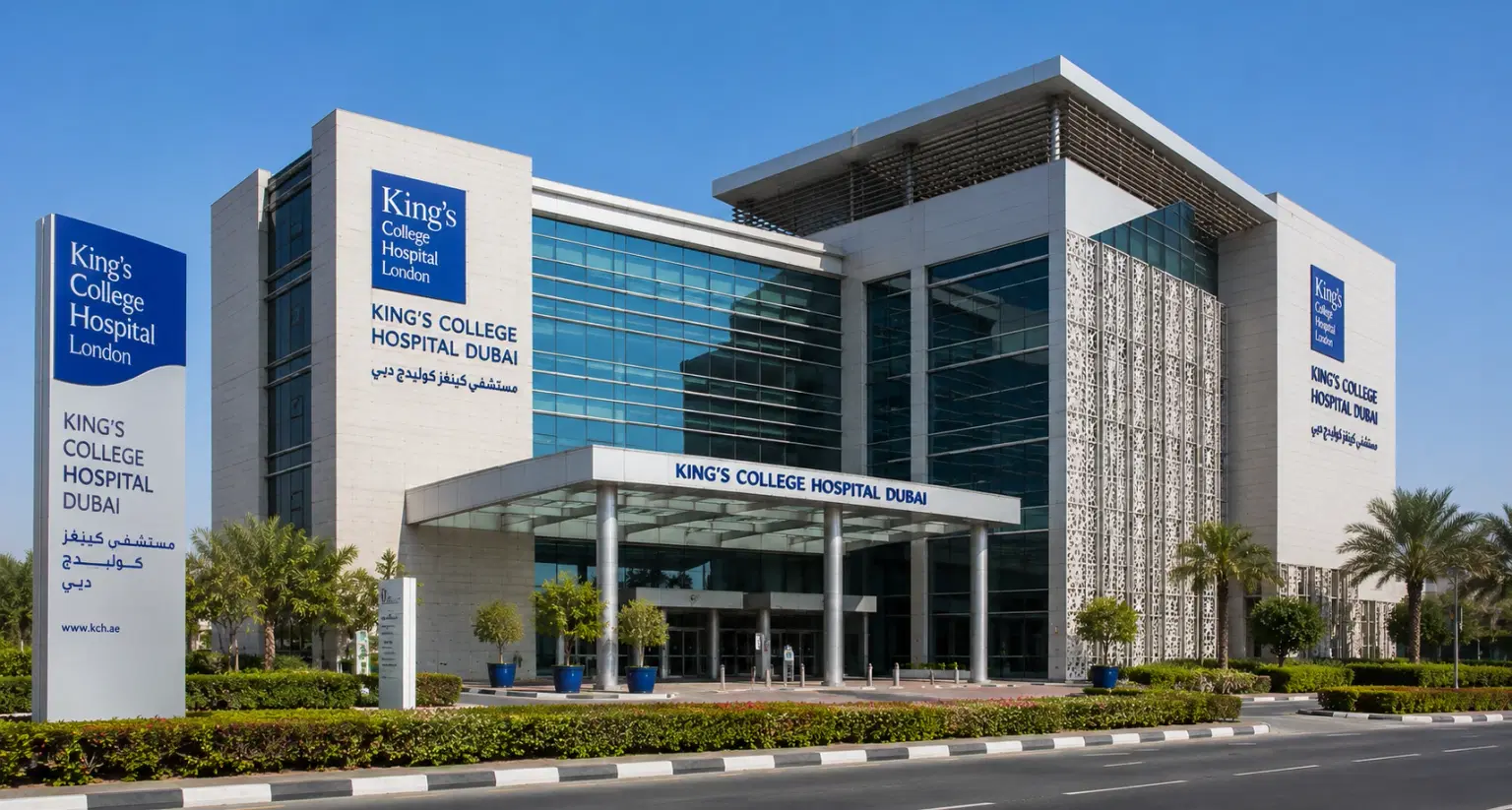
King's College Hospital, Dubai
Dubai Hills, Mohammed Bin Rashid City, Dubai, UAE
King's College Hospital, Dubai
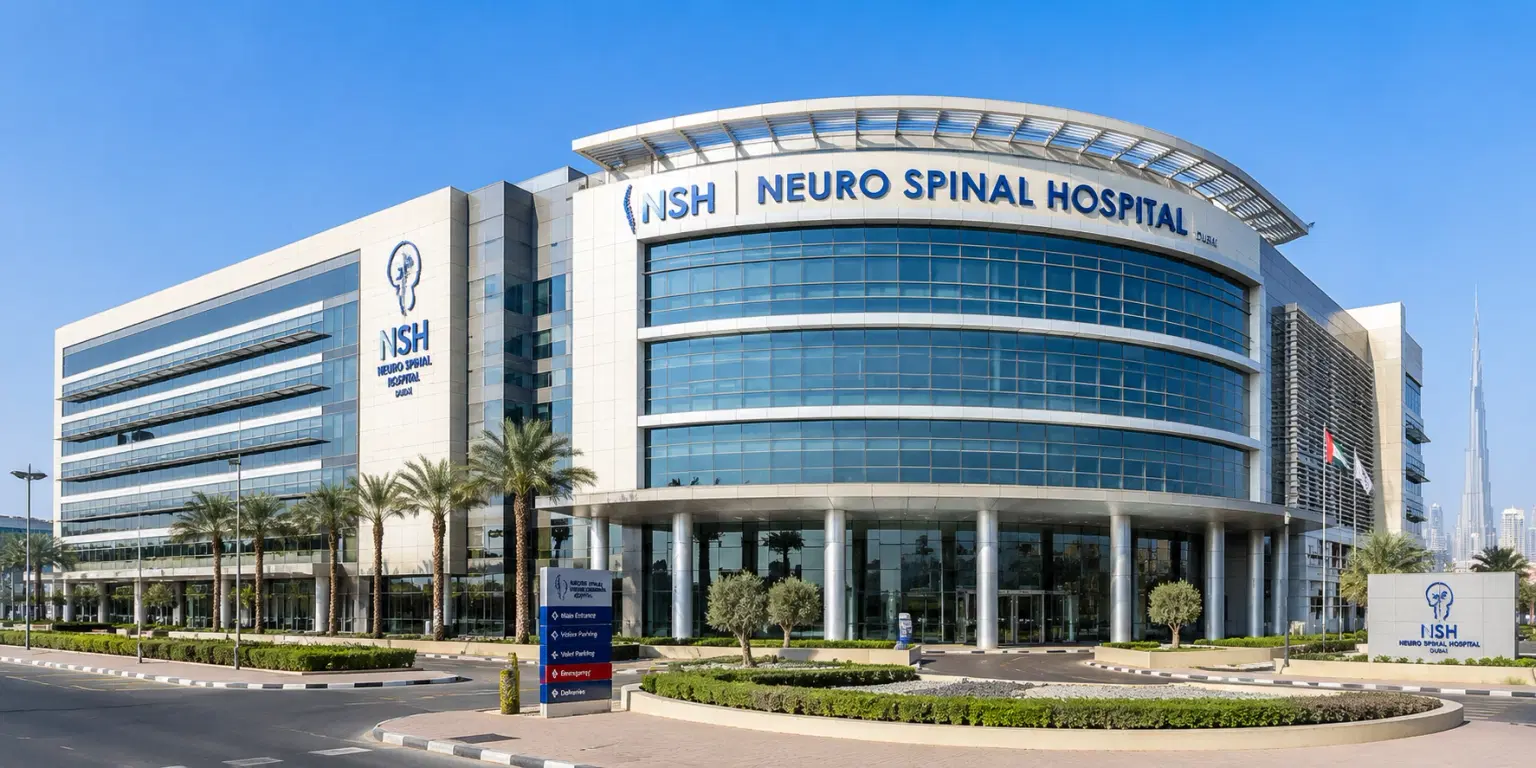
Neuro Spinal Hospital (NSH), Dubai
Dubai Science Park, Umm Suqeim St, Al Barsha South, Dubai, UAE
Neuro Spinal Hospital (NSH), Dubai

HMS Al Garhoud Hospital, Dubai
Al Garhoud Street, Al Garhoud, Dubai, UAE
HMS Al Garhoud Hospital, Dubai
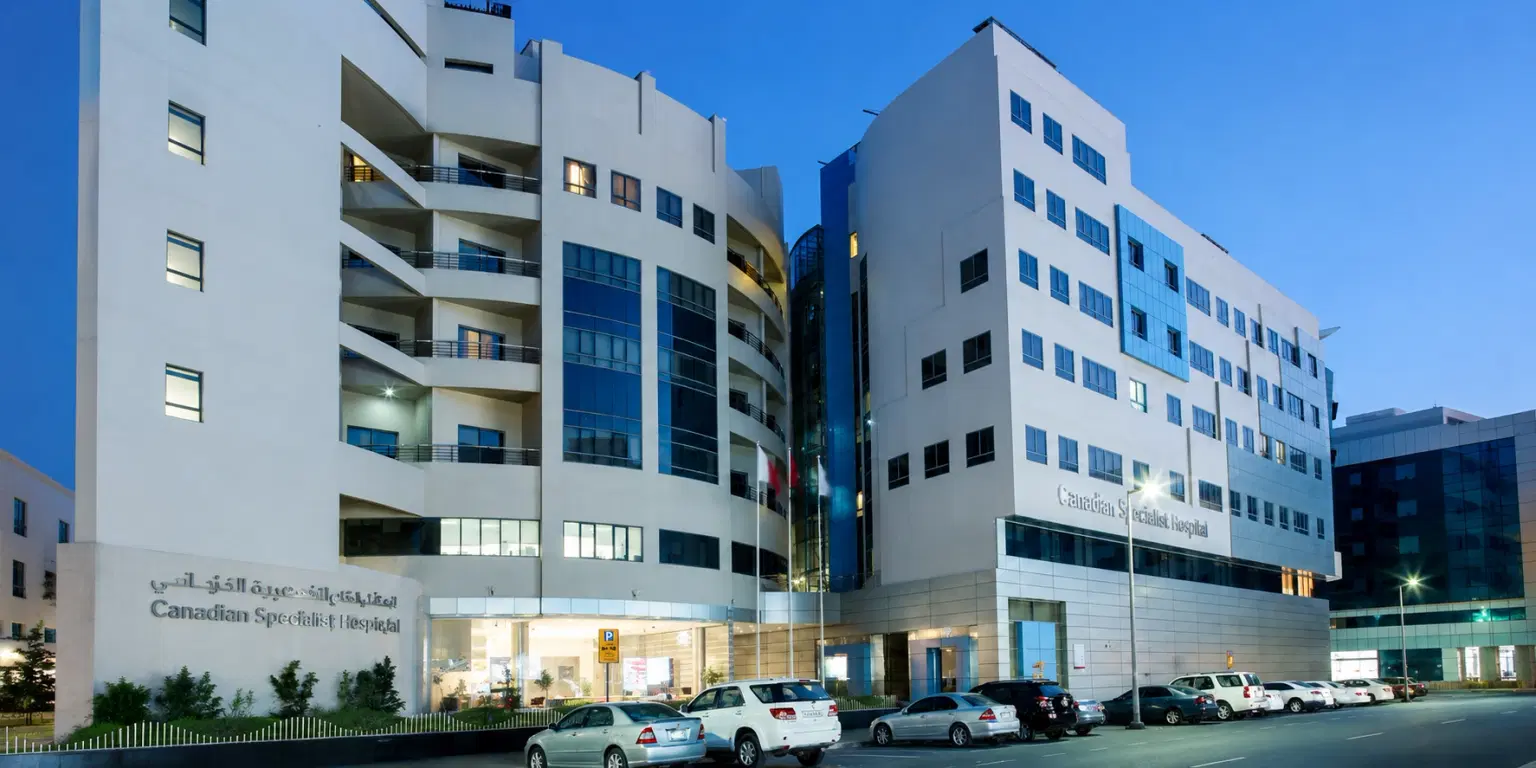
Canadian Specialist Hospital, Dubai
Abu Hail Street 269/1, Canadian Specialist Hospital Building, Hor Al Anz East, Deira, Dubai, UAE
Canadian Specialist Hospital, Dubai
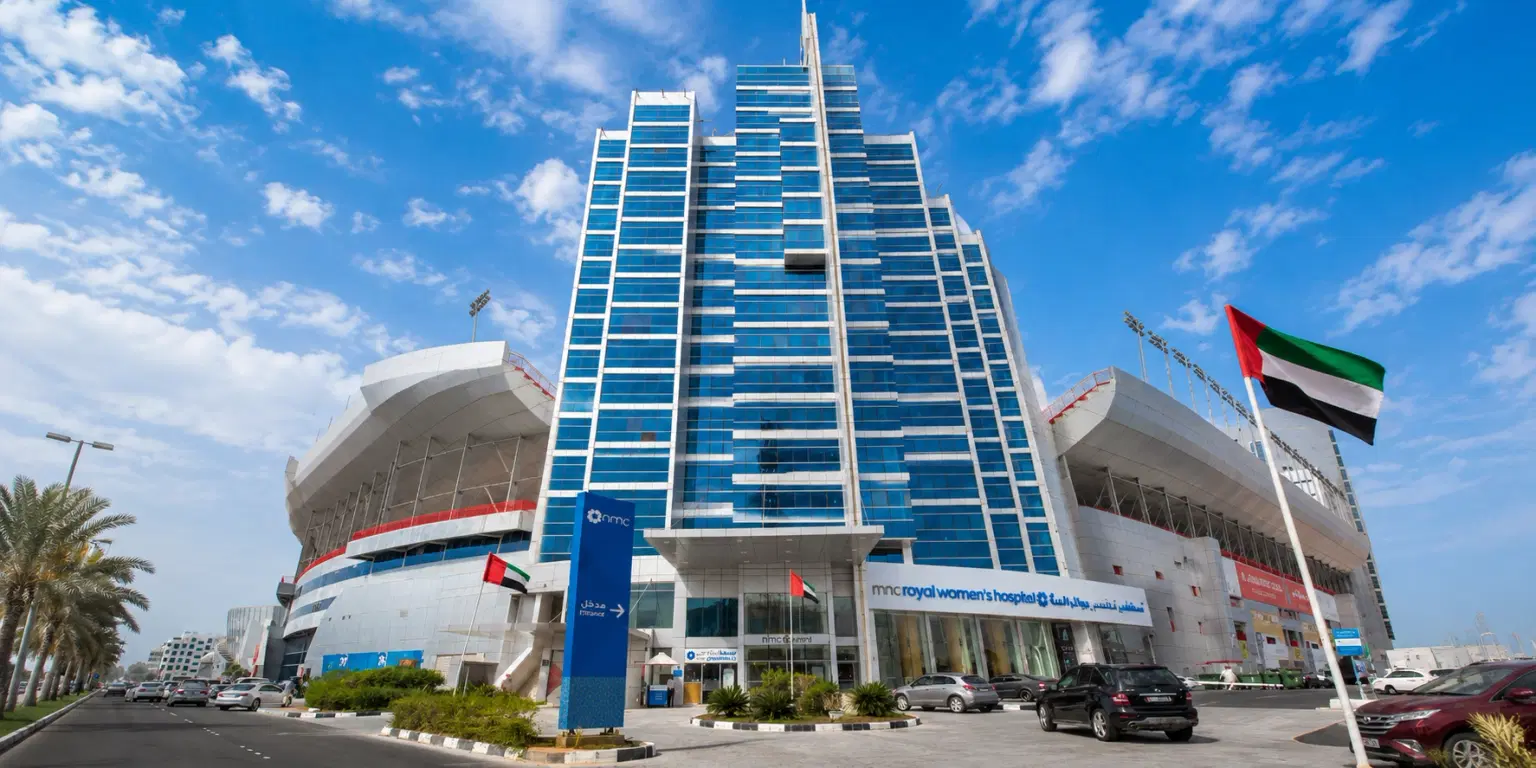
NMC Royal Women's Hospital, Abu Dhabi
Tower B, Mohammed bin Zayed Stadium, Al Jazira Club, Opposite Dusit Thani, Muroor Road, Abu Dhabi, UAE
NMC Royal Women's Hospital, Abu Dhabi
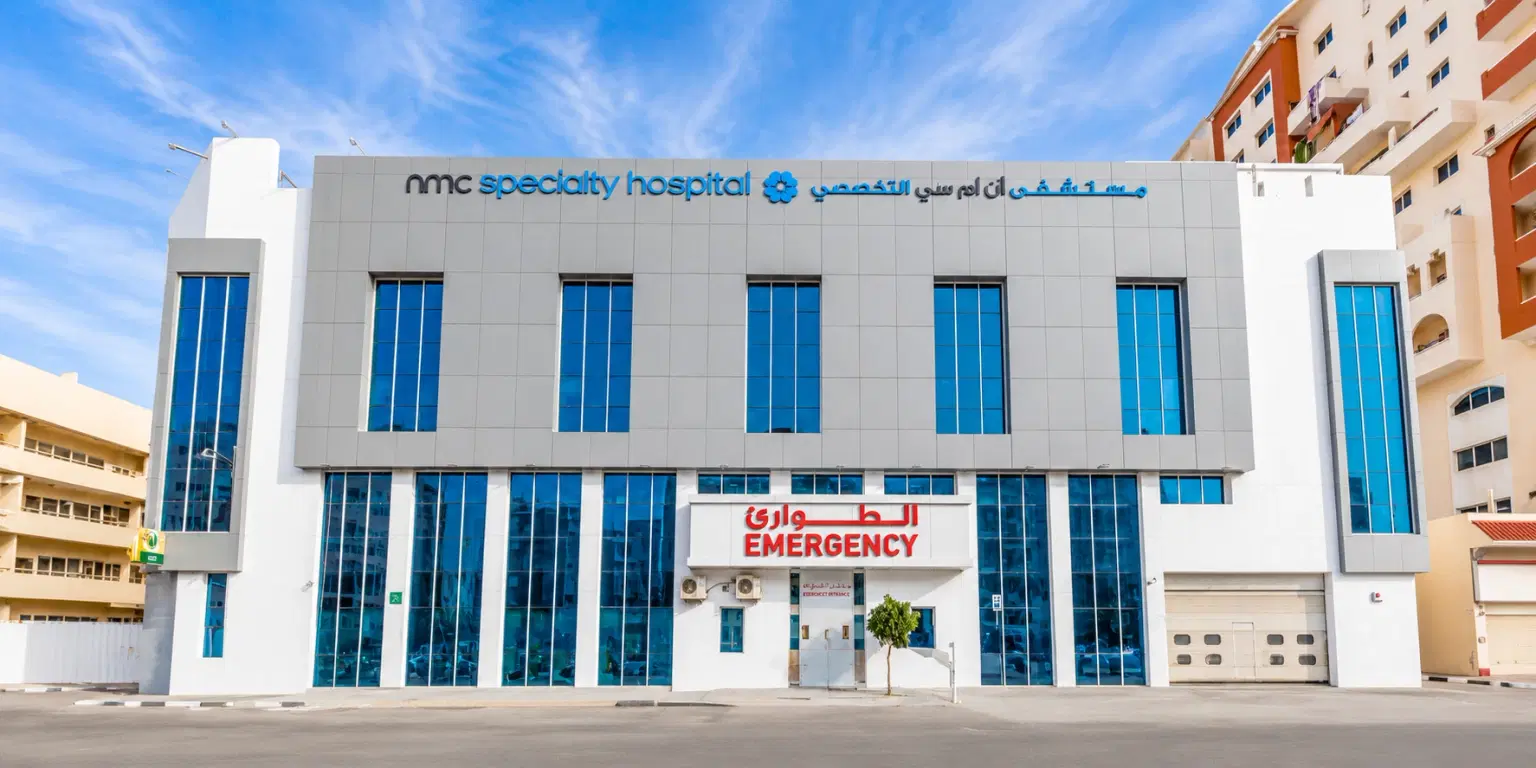
NMC Specialty Hospital, Al Nahda, Dubai
7A St, Al Qusais, Al Nahda 2, next to Bait Al Khair Building, Dubai
NMC Specialty Hospital, Al Nahda, Dubai
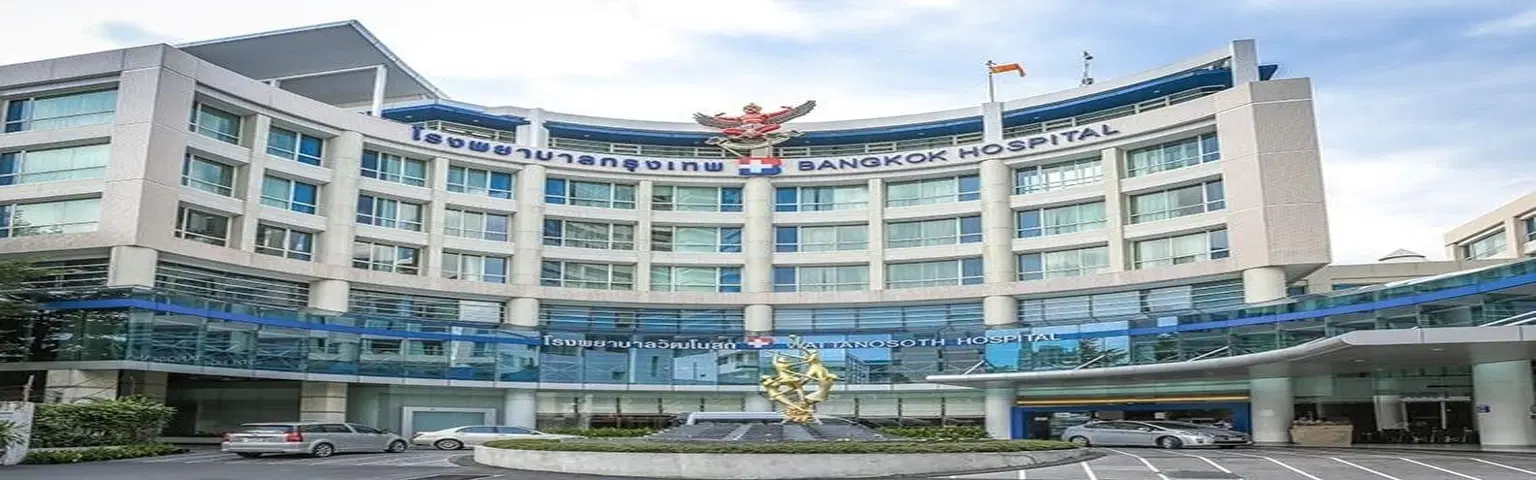
Bangkok Hospital, Thailand
2 Soi Soonvijai 7, New Petchburi Road, Huay Khwang, Bangkok 10310, Thailand
Bangkok Hospital, Thailand
Frequently Asked Questions
Get answers to common questions about medical tourism, treatment procedures, and our comprehensive healthcare services.
Ready To Start Your Healing Journey?
Get Personalized Medical Treatment Options From India's Top Hospitals. Our Medical Experts Are Ready To Assist You Every Step Of The Way.