Minimally Invasive Brain Tumor Surgery Treatment in Gurugram for Bangladesh
Need Personalized Advice?
Our medical experts are ready to answer your questions and guide you through your treatment options.
About
Minimally Invasive Brain Tumor Surgery in Gurugram for Bangladesh Patients
A brain tumor diagnosis creates immense worry for patients in Bangladesh seeking advanced surgical options. The complexity and recovery involved in such treatment can understandably seem daunting.
Many patients look to Gurugram for its renowned medical infrastructure and specialized neurosurgical expertise. The city offers a focused environment for advanced care, attracting international patients.
Gurugram's hospitals house leading neurosurgeons and state-of-the-art technology crucial for complex procedures like minimally invasive brain tumor surgery. Patients benefit from integrated care pathways.
Gurugram provides an expert setting for neurosurgical interventions and patient recovery.
What is Minimally Invasive Brain Tumor Surgery?
Minimally invasive brain tumor surgery removes tumors through small incisions using advanced imaging and specialized tools. This approach minimizes disruption to healthy brain tissue, reducing pain, scarring, and hospital stays, while accelerating recovery compared to traditional open surgery.
Common Minimally Invasive Brain Tumor Surgery Techniques
- Endoscopic Approaches: Camera-guided access via natural openings or small cuts.
- Keyhole Craniotomy: Removes tumors via a small opening in the skull.
- Stereotactic Neurosurgery: Precise 3D imaging guides tool placement.
- Laser Interstitial Thermal Therapy (LITT): MRI-guided laser destroys tumor cells.
- Transsphenoidal Surgery: Endoscopic access for pituitary tumors via the nasal passage.
When is Minimally Invasive Brain Tumor Surgery Recommended?
- Certain brain tumor diagnoses (e.g., pituitary, meningioma).
- Neurological symptoms (headaches, vision changes).
- Tumors located in areas suitable for minimally invasive access.
- Patient preference for faster recovery and less discomfort.
- Need for a precise biopsy of deep or sensitive tumors.
Pre-Treatment Evaluation for Your Surgery
- Thorough neurological examination.
- High-resolution MRI scans with contrast.
- CT scans for bone structure assessment.
- Comprehensive blood tests (CBC, coagulation).
- ECG and chest X-ray for heart and lung health.
- Neuropsychological assessment for cognitive function.
How the Minimally Invasive Procedure is Performed
The specific surgical method depends on your tumor's characteristics and overall health. Your surgical team will detail the approach tailored for you.
Before Surgery
General anesthesia is administered. Advanced imaging (e.g., neuronavigation) guides the team to precisely map the tumor's location.
Surgical Access
A small incision is made, or an endoscope is inserted through a natural opening. Specialized instruments are then carefully guided to the tumor.
Tumor Removal
The neurosurgeon meticulously removes tumor tissue using microscopic or endoscopic visualization. Intraoperative monitoring protects vital brain functions.
Closure
Once the tumor is removed, the incision is closed with sutures or medical adhesive. The patient then moves to recovery for close observation.
Understanding Your Recovery Process
Recovery after minimally invasive brain tumor surgery typically involves a shorter hospital stay, often a few days. Patients receive instructions on wound care and pain management. Gradual return to activities is encouraged, with follow-up appointments and potential rehabilitation therapies, as needed.
Potential Risks and Expected Success Rates
- Surgical site infection or brain infection.
- Bleeding (hemorrhage).
- Cerebrospinal fluid (CSF) leak.
- Temporary or permanent neurological deficits.
- Post-operative seizures.
- Incomplete tumor removal or recurrence.
Success rates vary by tumor type, size, location, and overall health. Complete tumor removal is often achievable for many benign tumors. For malignant cases, maximal safe resection aims to improve quality of life and facilitate further treatments. Long-term monitoring is crucial to assess outcomes.
How Much Does Minimally Invasive Brain Tumor Surgery Cost in Gurugram?
The cost of minimally invasive brain tumor surgery in Gurugram depends on the chosen hospital, the neurosurgeon's experience, the specific surgical technique used, and the tumor's complexity. Pre-operative diagnostics, post-operative care, and rehabilitation also influence the final price.
In Gurugram, the estimated cost for Minimally Invasive Brain Tumor Surgery typically ranges from INR 6,00,000 to INR 15,00,000.
Cost Comparison: Gurugram vs. International Destinations
Gurugram offers highly competitive prices for advanced neurosurgical procedures, making it an attractive option for international patients seeking quality care at a lower cost.
| Location | Estimated Cost Range |
|---|---|
| Gurugram, India | INR 6,00,000 - 15,00,000 |
| United States | USD 40,000 - 100,000 |
| United Kingdom | GBP 30,000 - 70,000 |
| Singapore | SGD 25,000 - 60,000 |
| Thailand | THB 800,000 - 2,500,000 |
Considering Minimally Invasive Brain Tumor Surgery in Gurugram? Get a personalized treatment plan and cost estimate.
Comprehensive Support for Your Medical Journey in Gurugram
- Assistance with medical visa applications and travel documents.
- Coordination of airport transfers and accommodation arrangements.
- Dedicated patient care managers for hospital appointments and logistics.
- Access to language interpreters for clear communication with medical staff.
- Guidance for local transportation and exploring nearby amenities.
- Post-treatment follow-up scheduling and coordination for ongoing care.
Essential Documents for Your Treatment Visit to Gurugram
- Valid passport and medical visa for entry into India.
- All relevant medical reports, imaging scans (MRI, CT), and previous consultation notes.
- Referral letters from your local doctor, if applicable.
- Proof of financial arrangements or insurance coverage for the treatment.
- List of current medications and any known allergies.
Preparing for Your Minimally Invasive Surgery
- Detailed pre-operative medical consultations and assessments.
- Fasting instructions for a specified period before the surgery.
- Guidance on adjusting or discontinuing certain medications as advised by your doctor.
- Arrangements for your hospital admission on the scheduled date.
- Discussions about potential risks and benefits, ensuring informed consent.
Your Care After Minimally Invasive Brain Tumor Surgery
- Strict adherence to wound care instructions to prevent infection.
- Regular medication schedule for pain management and other prescribed drugs.
- Scheduled follow-up appointments and imaging scans to monitor recovery.
- Participation in rehabilitation programs if recommended by the neurosurgeon.
- Guidance on gradual return to daily activities and lifestyle adjustments.
Have questions about Minimally Invasive Brain Tumor Surgery in Gurugram? Our team is here to provide clarity and guidance.
Ready to Take the Next Step Towards Recovery?
Understanding your treatment options is the first crucial step. We are committed to supporting your journey towards Minimally Invasive Brain Tumor Surgery in Gurugram.
Hospitals Offering this treatment
India offers premium medical procedures at affordable prices. Discover our most popular treatments, delivered by the country's finest doctors.
Meet Our Doctors
Meet our team of highly qualified and experienced medical professionals dedicated to providing the best healthcare services.
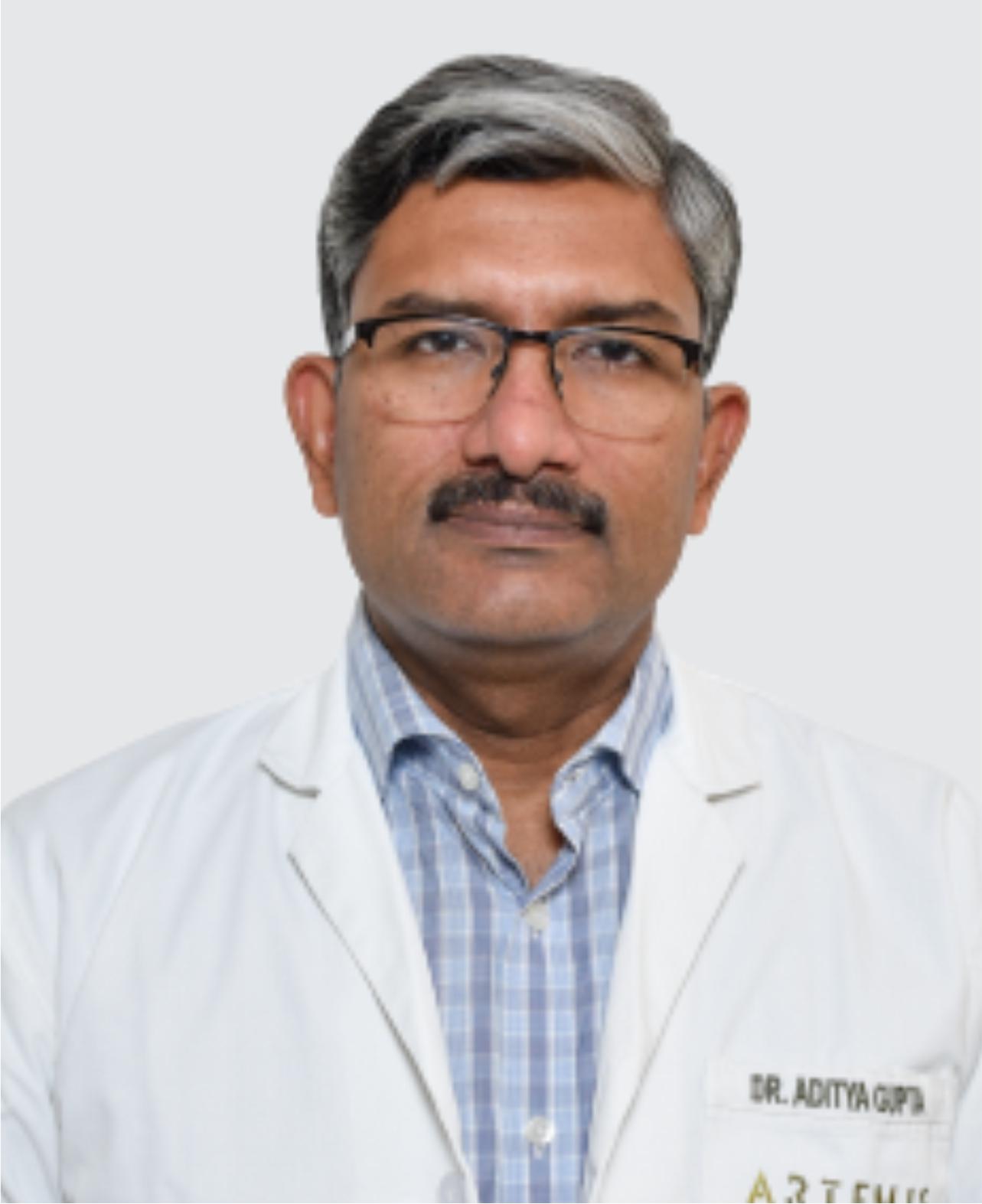
Dr. Aditya Gupta
Chairperson - Neurosurgery & CNS Radiosurgery & Co-Chief - Cyberknife Centre, Artemis Hospitals, Gurgaon
Neurosurgeon
Haryana
32+ Years
Experience
Artemis Hospital
Hospital
1500
Fees
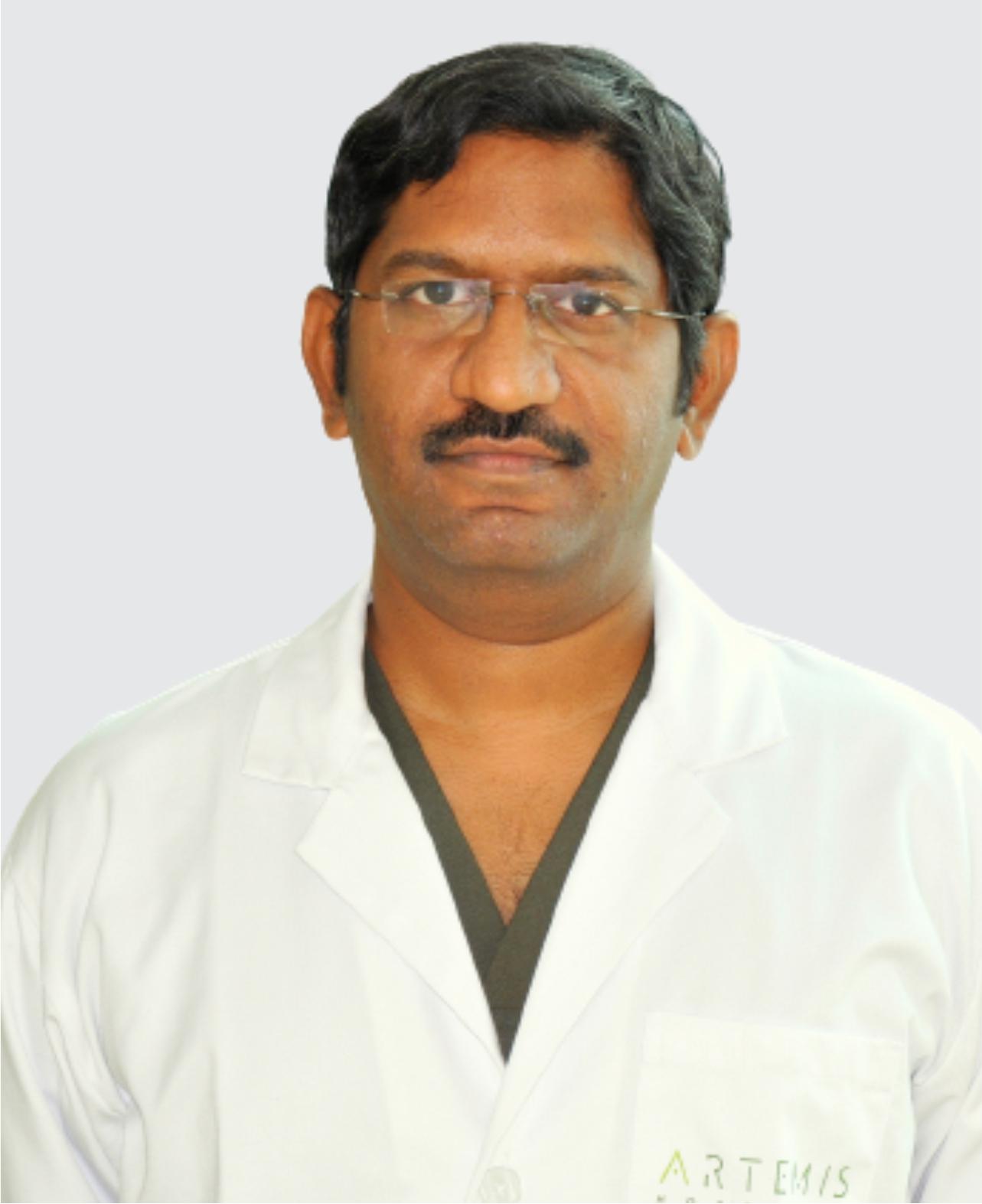
Dr. Y Naveen
Director
Neuroscience
New Delhi
12+ Years
Experience
Artemis Hospital
Hospital
1500
Fees
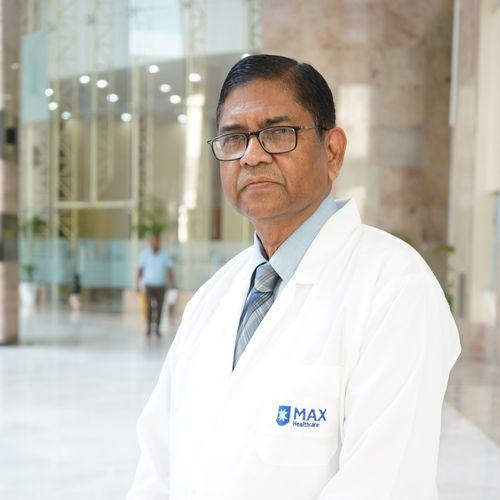
Dr. Nakul Sinha
Chairman - Cardiology
Cardiology
New Delhi
41+ Years
Experience
Max Hospital,Gurgaon
Hospital
1500
Fees
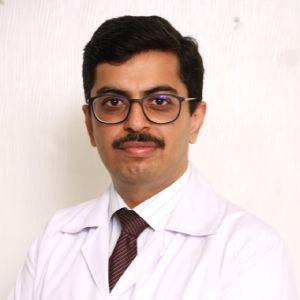
Dr. Abhideep Chaudhary
Chairman & HOD, HPB Surgery and Liver Transplantation
HPB Surgery, Liver Transplantation, Surgical Gastroenterology, Robotic Surgery, Biliary Sciences
New Delhi
20+ Years
Experience
Max Hospital,Gurgaon
Hospital
1500
Fees
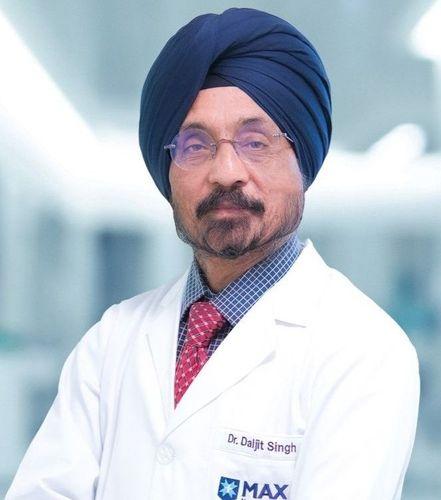
Dr (Prof) Daljit Singh
Vice Chairman & HOD — Neurosurgery and Unit Head — Neuro Intervention, Max Healthcare
Neurosurgery
New Delhi
31+ Years
Experience
Max Hospital,Gurgaon
Hospital
1500
Fees
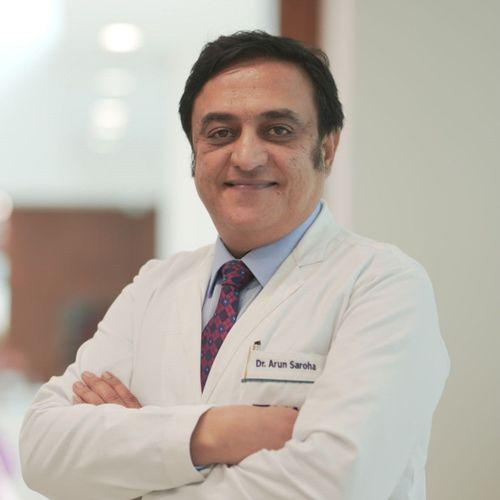
Dr. Arun Saroha
Director & HOD
Neurosurgery
New Delhi
30+ Years
Experience
Apolo Delhi
Hospital
1500
Fees
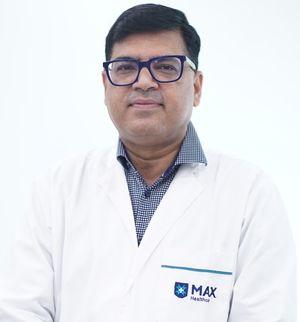
Dr. Vishal Saxena
Senior Consultant
Neurosurgery
New Delhi
25+ Years
Experience
Apolo Delhi
Hospital
1500
Fees
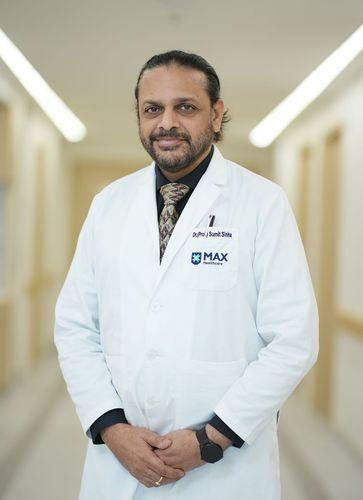
Dr. Sumit Sinha
Chairman - Neurosurgery
Neurosurgery
New Delhi
25+ Years
Experience
Apolo Delhi
Hospital
1500
Fees
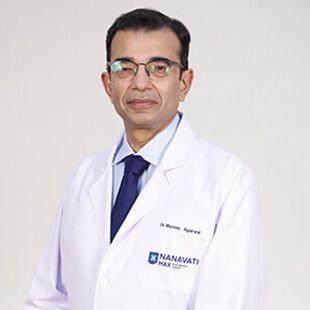
Dr. Manish Agarwal
Director - Oncology
Oncology
New Delhi
22+ Years
Experience
Apolo Delhi
Hospital
1500
Fees
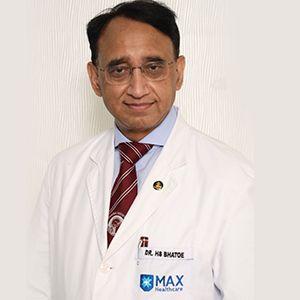
Brig. Dr. H.S. Bhatoe
Director - Neuro Surgery, Max Hospital, Saket & Patparganj
Neuro Surgery
New Delhi
50+ Years
Experience
Apolo Delhi
Hospital
1500
Fees
Related Links
Other Treatment related Information
International Patient Visiting India
Ready To Start Your Healing Journey?
Get Personalized Medical Treatment Options From India's Top Hospitals. Our Medical Experts Are Ready To Assist You Every Step Of The Way.