Minimally Invasive Brain Tumor Surgery Treatment in Gurugram for Iraq
Need Personalized Advice?
Our medical experts are ready to answer your questions and guide you through your treatment options.
About
Minimally Invasive Brain Tumor Surgery in Gurugram for Iraq Patients
For patients from Iraq facing a brain tumor diagnosis, the search for advanced and accessible treatment can bring significant concern. Understanding all available options for Minimally Invasive Brain Tumor Surgery, especially internationally, is a critical step in their medical journey.
Many choose to explore medical care beyond their home country to access specialized surgical techniques, advanced technology, or more favorable treatment costs. Gurugram stands out as a preferred destination due to its modern medical infrastructure and highly skilled surgical teams.
In Gurugram, leading hospitals provide comprehensive care with internationally recognized neurosurgeons. Patients benefit from integrated medical services, ensuring a well-coordinated treatment experience from initial consultation through recovery, fostering trust and peace of mind.
Gurugram offers a focused and expert environment for Minimally Invasive Brain Tumor Surgery.
What is Minimally Invasive Brain Tumor Surgery?
Minimally Invasive Brain Tumor Surgery is a modern surgical approach designed to remove brain tumors through smaller incisions or natural openings, reducing trauma to surrounding healthy tissue. This technique often involves specialized instruments and imaging guidance, allowing neurosurgeons to operate with greater precision. It aims to achieve tumor removal while minimizing recovery time, postoperative pain, and potential complications compared to traditional open craniotomy. This method is suitable for various tumor types and locations, depending on careful patient selection.
What are the Approaches to Minimally Invasive Brain Tumor Surgery?
Different minimally invasive techniques are employed based on the tumor's size, location, and type:
- Endoscopic Neurosurgery: Utilizes a thin, lighted tube with a camera (endoscope) inserted through small incisions or natural pathways like the nose or mouth to access and remove tumors.
- Keyhole Craniotomy: Involves a smaller incision and a bone opening (craniotomy) than traditional surgery, providing direct access to the tumor with specialized instruments.
- Neuroendoport Surgery: A small, tubular retractor is guided to the tumor site, creating a narrow corridor through brain tissue, minimizing disruption.
- Laser Interstitial Thermal Therapy (LITT): Uses laser energy delivered through a thin probe to precisely heat and destroy tumor cells, often guided by MRI.
- Stereotactic Radiosurgery: A non-surgical technique using highly focused radiation beams to target and destroy tumor cells, suitable for certain types of tumors.
When is Minimally Invasive Brain Tumor Surgery Recommended?
- Diagnosis of a primary or metastatic brain tumor.
- Presence of symptoms such as persistent headaches, seizures, vision changes, weakness, or cognitive issues.
- Tumor location allows for safe access through minimally invasive techniques.
- Tumor size and type are amenable to complete or significant removal without excessive risk.
- When a biopsy is required for definitive diagnosis and treatment planning.
- To relieve pressure on critical brain structures caused by tumor growth.
What Evaluations are Needed Before Surgery?
- Detailed neurological examination to assess brain function.
- Advanced imaging scans, including MRI with contrast, CT scans, and sometimes PET scans, to visualize the tumor.
- Biopsy (if not already performed) to determine tumor type and characteristics.
- Blood tests to assess overall health, blood clotting ability, and kidney and liver function.
- Anesthesia consultation to review patient history and plan for the procedure.
- Consultations with a multidisciplinary team including neurosurgeons, oncologists, and neurologists.
How is Minimally Invasive Brain Tumor Surgery Performed?
The specific procedure for Minimally Invasive Brain Tumor Surgery depends heavily on the tumor's characteristics, location, and the patient's overall health.
Pre-Operative Preparation
Before surgery, patients undergo final assessments. The surgical team uses advanced imaging to map the tumor and plan the least invasive approach. The patient is prepared for general anesthesia.
Surgical Steps
After anesthesia, small incisions are made in the scalp or, for some tumors, an endoscope is introduced through a natural opening like the nostril. Specialized micro-instruments and high-definition cameras are then used to navigate to the tumor. Surgeons carefully remove the tumor tissue while continuously monitoring surrounding brain structures to preserve vital functions. Intraoperative imaging may be used to confirm the extent of tumor removal.
Post-Operative Care
Following tumor removal, the incision is closed, and the patient is moved to a recovery area for close monitoring. Neurological checks are performed regularly to assess recovery from anesthesia and the surgical impact. Pain management is provided, and patients are typically encouraged to mobilize early under medical supervision.
What is the Recovery Process After Brain Tumor Surgery?
Recovery from Minimally Invasive Brain Tumor Surgery varies among individuals but is generally faster than traditional surgery. Patients typically stay in the hospital for a few days for observation and initial healing. Post-operative care involves managing pain, monitoring for complications, and sometimes starting rehabilitation therapy. Restrictions on strenuous activities, heavy lifting, and driving are common for several weeks. Follow-up appointments with the neurosurgeon and possibly an oncologist are crucial to monitor recovery, discuss pathology results, and plan any further treatments like radiation or chemotherapy if needed.
What are the Risks and Success Rates of This Surgery?
- Infection at the surgical site or within the brain.
- Bleeding, which can lead to hematoma or swelling.
- Temporary or permanent neurological deficits, such as weakness, speech problems, or vision changes.
- Cerebrospinal fluid (CSF) leak.
- Seizures.
- Adverse reactions to anesthesia.
- Risk of recurrence depending on the tumor type.
The success rate of Minimally Invasive Brain Tumor Surgery is highly dependent on factors like the tumor's type, size, location, and the patient's overall health. Complete tumor removal is achievable for many benign tumors, while for malignant tumors, the goal is often maximum safe resection. Outcomes also vary based on the expertise of the surgical team and the hospital's resources. Long-term expectations are usually discussed pre-operatively and involve ongoing monitoring and supportive care.
Ready to explore advanced neurosurgical options in Gurugram?
Connect with our patient support team for personalized guidance on Minimally Invasive Brain Tumor Surgery.
How Much Does Minimally Invasive Brain Tumor Surgery Cost in Gurugram?
The cost of Minimally Invasive Brain Tumor Surgery in Gurugram can vary significantly based on several factors. These include the specific surgical approach chosen, the complexity and size of the tumor, the duration of the hospital stay, the expertise of the neurosurgeon, and the type of hospital facility. Diagnostic tests, pre-operative consultations, and post-operative care also contribute to the overall expenditure.
For Minimally Invasive Brain Tumor Surgery in Gurugram, patients can typically expect costs ranging from approximately INR 4,50,000 to INR 12,00,000.
Comparing Treatment Costs in Gurugram vs. Other Regions
Gurugram offers a compelling value proposition for advanced neurosurgical procedures when compared to many Western countries, without compromising on quality of care.
| Location | Estimated Cost (USD) |
|---|---|
| Gurugram, India | $5,500 - $15,000 |
| United States | $40,000 - $120,000 |
| United Kingdom | $30,000 - $80,000 |
| Germany | $25,000 - $70,000 |
| Singapore | $20,000 - $55,000 |
Comprehensive Support Services for Your Medical Journey in Gurugram
- Facilitating seamless appointment scheduling with leading neurosurgeons.
- Assisting with medical visa applications and necessary documentation for Iraq patients.
- Providing airport pickup and comfortable accommodation options near the hospital.
- Arranging language interpretation services to ensure clear communication.
- Offering guidance on local transportation and logistical support throughout your stay.
- Connecting you with dedicated patient coordinators for ongoing assistance.
Key Documents Required for Your Treatment in Gurugram
- A valid passport with sufficient validity for your intended stay.
- Medical reports, diagnostic scans (MRI, CT), and any previous treatment records.
- A valid medical visa for India, outlining the purpose of your visit.
- Proof of financial capability to cover treatment and travel expenses.
- Any referral letters from your local physician or specialist.
- Contact information for emergency purposes and next of kin.
Essential Preparations Before Your Surgery
- Follow all dietary and medication instructions provided by your Gurugram medical team.
- Arrange for a companion to accompany you for support during your hospital stay and initial recovery.
- Ensure all necessary documents are prepared and easily accessible for travel and hospital admission.
- Discuss any pre-existing medical conditions or allergies with your surgical team.
- Plan for your accommodation and local travel arrangements in Gurugram.
- Understand the details of the surgical procedure and recovery expectations.
Guidance for Your Recovery and Aftercare
- Adhere strictly to post-operative medication schedules and wound care instructions.
- Attend all scheduled follow-up appointments with your neurosurgeon.
- Engage in any recommended rehabilitation or physical therapy for optimal recovery.
- Monitor for any signs of complications and report them to your medical team immediately.
- Gradually resume daily activities as advised by your healthcare providers.
- Maintain a healthy lifestyle, including a balanced diet and adequate rest, to support healing.
Have questions about Minimally Invasive Brain Tumor Surgery in Gurugram?
Reach out to our expert team for clear answers and detailed support for your treatment journey.
Take the Next Step Towards Your Health Recovery
Making an informed decision about your medical care is paramount. Gurugram's advanced healthcare facilities and specialized neurosurgery teams offer a reliable path forward.
Hospitals Offering this treatment
India offers premium medical procedures at affordable prices. Discover our most popular treatments, delivered by the country's finest doctors.
Meet Our Doctors
Meet our team of highly qualified and experienced medical professionals dedicated to providing the best healthcare services.
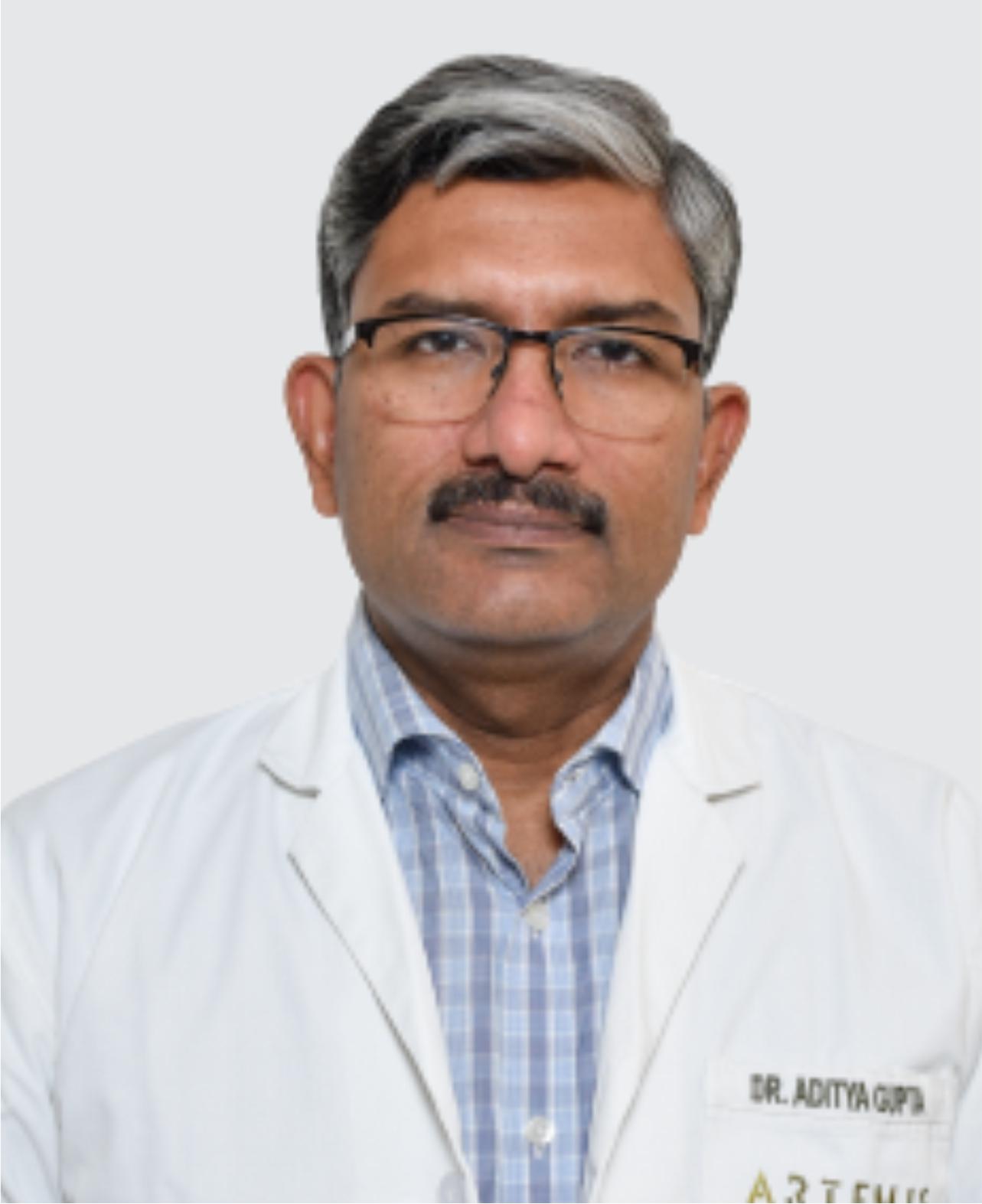
Dr. Aditya Gupta
Chairperson - Neurosurgery & CNS Radiosurgery & Co-Chief - Cyberknife Centre, Artemis Hospitals, Gurgaon
Neurosurgeon
Haryana
32+ Years
Experience
Artemis Hospital
Hospital
1500
Fees
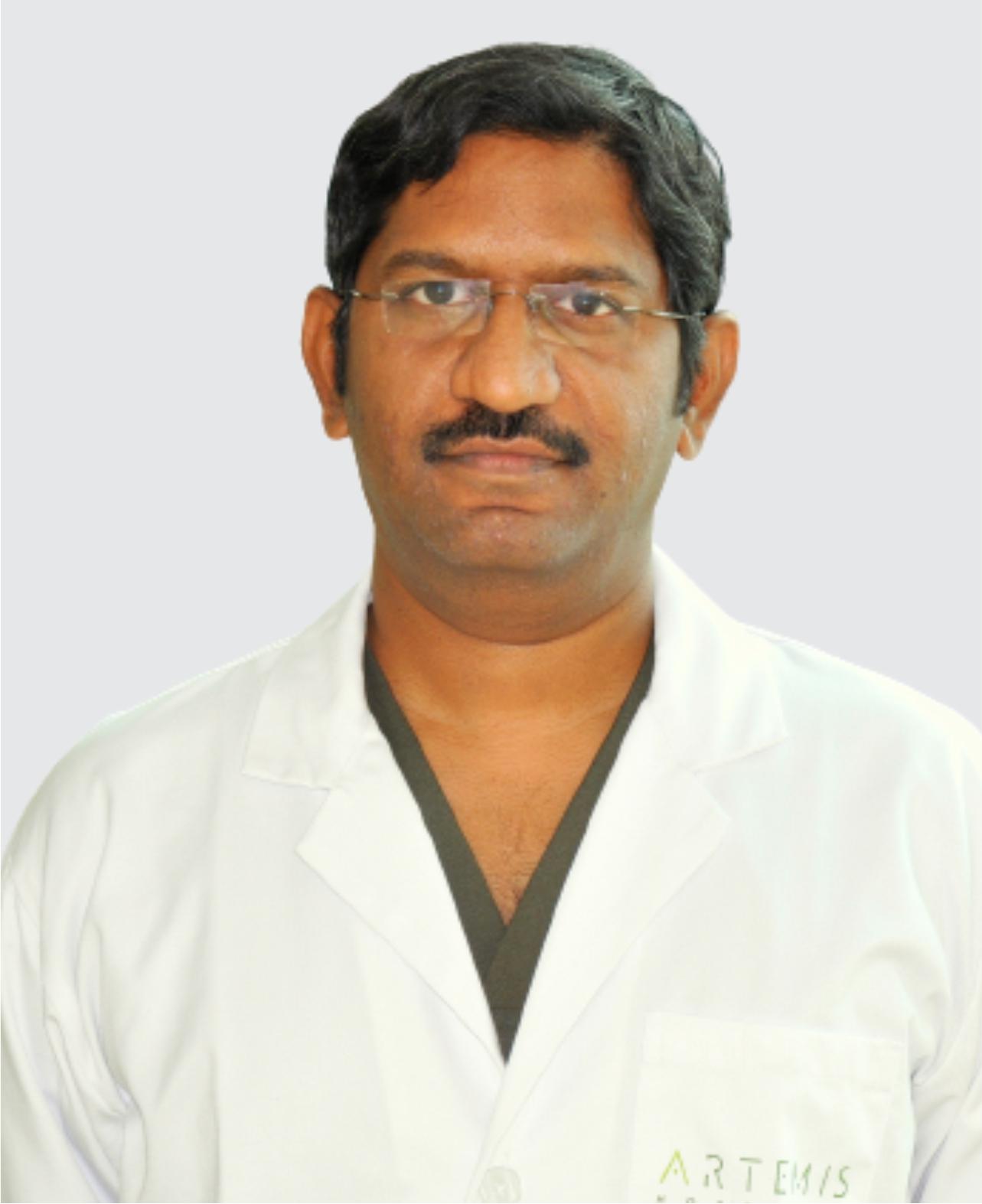
Dr. Y Naveen
Director
Neuroscience
New Delhi
12+ Years
Experience
Artemis Hospital
Hospital
1500
Fees
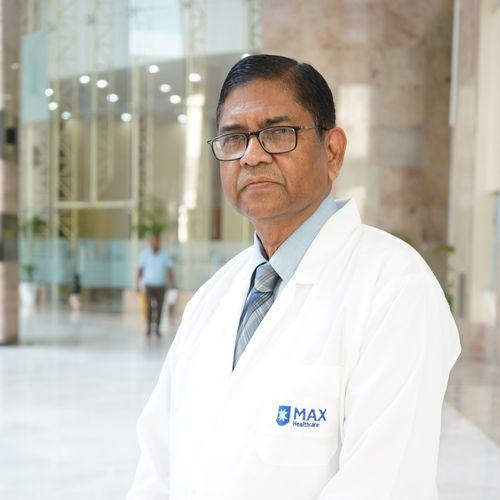
Dr. Nakul Sinha
Chairman - Cardiology
Cardiology
New Delhi
41+ Years
Experience
Max Hospital,Gurgaon
Hospital
1500
Fees
Dr. Abhideep Chaudhary
Chairman & HOD, HPB Surgery and Liver Transplantation
HPB Surgery, Liver Transplantation, Surgical Gastroenterology, Robotic Surgery, Biliary Sciences
New Delhi
20+ Years
Experience
Max Hospital,Gurgaon
Hospital
1500
Fees
Dr (Prof) Daljit Singh
Vice Chairman & HOD — Neurosurgery and Unit Head — Neuro Intervention, Max Healthcare
Neurosurgery
New Delhi
31+ Years
Experience
Max Hospital,Gurgaon
Hospital
1500
Fees
Dr. Arun Saroha
Director & HOD
Neurosurgery
New Delhi
30+ Years
Experience
Apolo Delhi
Hospital
1500
Fees
Dr. Vishal Saxena
Senior Consultant
Neurosurgery
New Delhi
25+ Years
Experience
Apolo Delhi
Hospital
1500
Fees
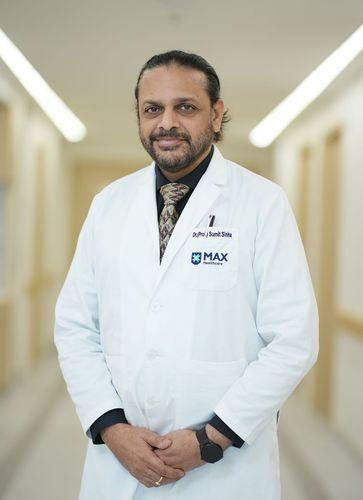
Dr. Sumit Sinha
Chairman - Neurosurgery
Neurosurgery
New Delhi
25+ Years
Experience
Apolo Delhi
Hospital
1500
Fees
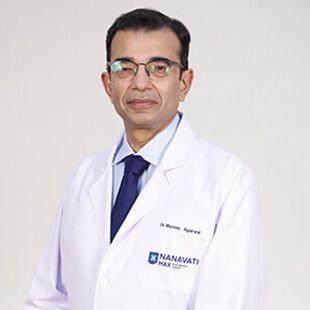
Dr. Manish Agarwal
Director - Oncology
Oncology
New Delhi
22+ Years
Experience
Apolo Delhi
Hospital
1500
Fees
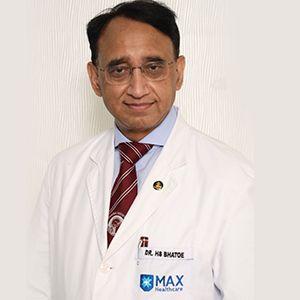
Brig. Dr. H.S. Bhatoe
Director - Neuro Surgery, Max Hospital, Saket & Patparganj
Neuro Surgery
New Delhi
50+ Years
Experience
Apolo Delhi
Hospital
1500
Fees
Related Links
Other Treatment related Information
International Patient Visiting India
Ready To Start Your Healing Journey?
Get Personalized Medical Treatment Options From India's Top Hospitals. Our Medical Experts Are Ready To Assist You Every Step Of The Way.