Minimally Invasive Brain Tumor Surgery Treatment in Gurugram for UAE
Need Personalized Advice?
Our medical experts are ready to answer your questions and guide you through your treatment options.
About
Minimally Invasive Brain Tumor Surgery for UAE Patients in Gurugram
Patients from UAE often face worries about accessing advanced brain tumor surgery abroad, especially concerning the quality of care and finding trusted specialists for such a delicate procedure. The decision to seek treatment away from home can bring questions about navigating a new medical system and ensuring optimal outcomes.
Many look to Gurugram in India, drawn by its reputation as a leading hub for complex neurosurgical procedures. This city offers a highly coordinated care environment, making it easier for international patients to manage their treatment journey from initial consultation to recovery.
Gurugram’s hospitals are equipped with state-of-the-art technology and boast world-renowned neurosurgeons specializing in minimally invasive techniques. Patients find reassurance in the city's established medical infrastructure, ensuring seamless follow-ups and comprehensive post-operative support.
Is Gurugram the right choice for your minimally invasive brain tumor surgery?
What is Minimally Invasive Brain Tumor Surgery?
Minimally invasive brain tumor surgery involves removing brain tumors through smaller incisions, often utilizing advanced imaging and specialized instruments. This approach aims to reduce trauma to healthy brain tissue, minimize scarring, and potentially shorten recovery times compared to traditional open craniotomy. It targets various types of brain tumors, allowing neurosurgeons to access and remove growths with precision, improving patient outcomes and quality of life. The goal is to achieve maximal tumor resection while preserving neurological function.
Approaches to Minimally Invasive Brain Tumor Surgery
Minimally invasive techniques are varied and chosen based on the tumor's location, size, and type. These advanced methods aim to access tumors with minimal disruption to surrounding brain structures.
- Neuroendoscopy: Using a thin tube with a camera and light, inserted through small openings, to visualize and remove tumors.
- Keyhole Craniotomy: Performing surgery through a small incision and bone opening, often guided by navigation systems.
- Transsphenoidal Endoscopic Surgery: Accessing tumors, particularly those in the pituitary gland, through the nose and sphenoid sinus.
- Stereotactic Radiosurgery: A non-surgical method using highly focused radiation beams to destroy tumor cells without an incision.
- Laser Interstitial Thermal Therapy (LITT): Using laser heat to ablate tumors, often guided by real-time MRI imaging.
When is Minimally Invasive Brain Tumor Surgery Necessary?
- Persistent headaches not responding to medication, especially if worsening.
- New or progressive neurological deficits such as weakness, numbness, or balance problems.
- Vision changes, including blurred vision, double vision, or loss of peripheral vision.
- Seizures, particularly new-onset seizures in adults.
- Cognitive or personality changes, confusion, or memory issues.
- Findings from imaging scans (MRI, CT) indicating a brain tumor requiring intervention.
- Tumors causing significant pressure on vital brain structures.
Pre-Surgery Evaluation for Brain Tumor Treatment
- Detailed Neurological Examination: Assessing reflexes, motor skills, sensory function, and cognitive abilities.
- Advanced Imaging Scans: Including MRI with contrast, CT scans, and sometimes functional MRI to map brain activity near the tumor.
- Angiography: To visualize blood vessels around the tumor, especially if the tumor is highly vascular.
- Biopsy (if needed): A small tissue sample may be taken to determine the tumor type and guide treatment planning.
- Blood Tests: Comprehensive panels to assess overall health, kidney and liver function, and coagulation profile.
- Consultations: With neurosurgeons, neurologists, oncologists, and often an anesthesiologist.
How Minimally Invasive Brain Tumor Surgery is Performed
The specific surgical procedure for a brain tumor depends on its type, location, and the patient’s overall health. A tailored plan is always created.
Pre-Operative Preparation
Patients undergo general anesthesia. The surgical site on the scalp is carefully prepared and sterilized. Image guidance systems, such as neuronavigation, are set up to provide real-time mapping of the brain during surgery, ensuring precise targeting of the tumor.
Accessing the Tumor
A small incision is made in the scalp, followed by a small opening in the skull (craniotomy) or accessing through natural orifices like the nose (for transsphenoidal approaches). Specialized instruments, including endoscopes and microscopic tools, are inserted through this minimal access point.
Tumor Resection
The neurosurgeon meticulously navigates to the tumor using advanced imaging and high-definition visualization. The tumor is carefully dissected and removed, often in fragments, to minimize disruption to surrounding healthy brain tissue. Intraoperative monitoring may be used to preserve critical brain functions.
Closure and Recovery
Once the tumor is removed, the surgical site is closed. The small bone flap is typically replaced and secured, or the incision is simply stitched. Patients are then moved to a recovery area for close monitoring before being transferred to a specialized neurosurgical ward for continued care and observation.
Recovery After Minimally Invasive Brain Tumor Surgery
Recovery from minimally invasive brain tumor surgery is generally faster than traditional methods, yet it varies for each patient. Most individuals spend a few days in the hospital for post-operative monitoring and pain management. Restrictions often include avoiding heavy lifting and strenuous activities for several weeks. Follow-up appointments are crucial to track healing and address any neurological changes. Physical, occupational, or speech therapy may be recommended to regain strength and function. Complete healing and return to normal activities can take anywhere from a few weeks to several months, with ongoing medical supervision.
Potential Risks and Success Rates
- Bleeding: Rare, but can occur during or after surgery.
- Infection: A risk with any surgical procedure, managed with antibiotics.
- Swelling: Temporary brain swelling, managed with medication.
- Neurological Deficits: Possible temporary or permanent changes in speech, vision, or motor skills.
- Cerebrospinal Fluid Leak: A rare complication, particularly with skull base approaches.
- Tumor Recurrence: The possibility of the tumor growing back over time.
The success rates for minimally invasive brain tumor surgery are highly dependent on the tumor's type, size, location, and the patient’s overall health. For many benign and well-defined tumors, complete removal with good outcomes is often achieved. For malignant tumors, the surgery aims for maximal safe resection to improve the effectiveness of subsequent treatments like chemotherapy or radiation. Outcomes vary significantly, with factors such as the neurosurgeon’s expertise and hospital technology playing a critical role. Long-term expectations are often discussed individually, focusing on preserving quality of life and managing any residual disease.
Understanding the Cost of Minimally Invasive Brain Tumor Surgery in Gurugram
The overall cost for minimally invasive brain tumor surgery in Gurugram is influenced by several factors. These include the reputation and facilities of the chosen hospital, the specific expertise of the neurosurgeon, the complexity and location of the tumor, and the type of minimally invasive technique employed. Post-operative care, length of hospital stay, and any necessary rehabilitation also contribute to the final expenditure.
In Gurugram, the cost for Minimally Invasive Brain Tumor Surgery typically ranges from INR 5,00,000 to INR 15,00,000.
Gurugram vs. Global Costs for Brain Tumor Surgery
Gurugram offers a highly competitive pricing structure for advanced medical procedures, making it an attractive destination for international patients seeking quality healthcare at a fraction of global prices.
| Location | Estimated Cost (USD) |
|---|---|
| Gurugram, India | $6,000 - $18,000 |
| United States | $50,000 - $120,000 |
| United Kingdom | $40,000 - $90,000 |
| Singapore | $30,000 - $70,000 |
| Thailand | $20,000 - $45,000 |
Ready to explore treatment options?
Connect with our Gurugram specialists for a personalized assessment and cost estimate.
Comprehensive Support for Your Treatment Journey
- Travel and Accommodation Assistance: Helping with flight bookings, airport transfers, and comfortable lodging for patients and their companions.
- Visa Support: Guidance through the medical visa application process, ensuring all necessary documents are prepared.
- Language Interpreters: Providing professional interpreters to facilitate clear communication between patients and medical staff.
- Dedicated Patient Coordinators: A single point of contact to manage appointments, navigate hospital procedures, and address any concerns.
- Post-Treatment Follow-up: Arranging remote consultations and guidance for recovery after returning home.
- Financial Guidance: Transparent breakdown of treatment costs and payment options to assist with financial planning.
Essential Documents for Your Medical Visit
- Valid Passport and Visa: Ensuring all travel documents are up-to-date for both the patient and accompanying family.
- Medical Reports: Comprehensive history, including diagnostic images (MRI, CT scans), pathology reports, and physician notes.
- Doctor's Referral Letter: A letter from your local physician outlining the diagnosis and treatment recommendation.
- Proof of Funds: Documentation showing financial capability to cover treatment and travel expenses.
- Insurance Details: If you have international health insurance, carry all relevant policy documents.
Preparing for Your Minimally Invasive Brain Tumor Surgery
- Medical Clearances: Ensuring all necessary pre-operative tests and consultations are completed.
- Medication Review: Discussing all current medications with your Gurugram medical team, especially blood thinners.
- Dietary Guidelines: Following any specific food or fluid restrictions before surgery as advised by your doctor.
- Personal Planning: Arranging for post-operative support and care during your recovery period in Gurugram.
- Emotional Preparation: Understanding the procedure and recovery process to reduce anxiety.
Post-Surgery Care Instructions
- Pain Management: Adhering to the prescribed pain medication schedule to ensure comfort during recovery.
- Wound Care: Keeping the surgical incision clean and dry, following specific instructions for dressing changes.
- Activity Restrictions: Avoiding strenuous activities, heavy lifting, and sudden head movements as advised by your neurosurgeon.
- Monitoring Symptoms: Being aware of and reporting any new or worsening symptoms like severe headaches, fever, or neurological changes.
- Rehabilitation: Participating in any recommended physical, occupational, or speech therapy sessions.
- Follow-up Appointments: Attending all scheduled post-operative checks to monitor healing and progress.
Take the Next Step Towards Healing
Choosing the right path for brain tumor treatment is a significant decision. In Gurugram, advanced medical expertise and compassionate care await to support your journey to recovery.
Start Your Healing Journey Today
Reach out to us for a confidential consultation and discover your treatment options in Gurugram.
Hospitals Offering this treatment
India offers premium medical procedures at affordable prices. Discover our most popular treatments, delivered by the country's finest doctors.
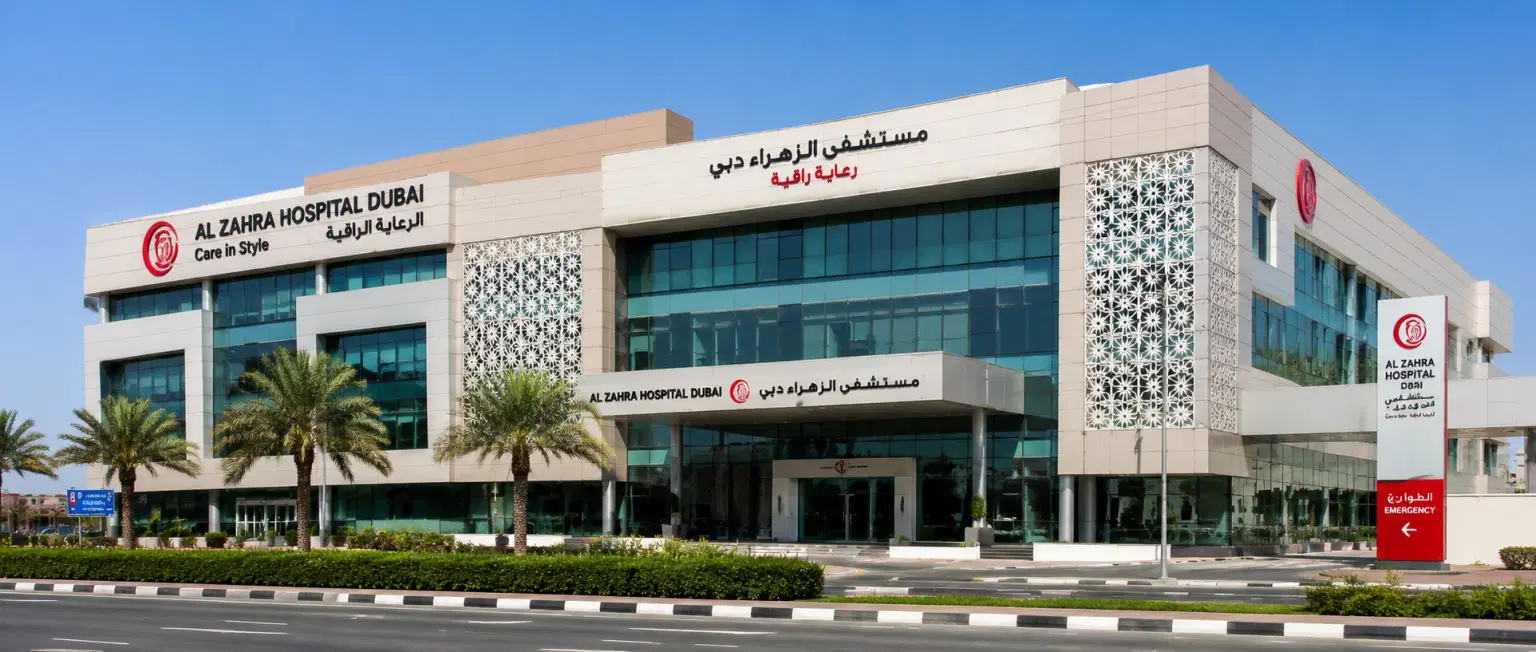
Al Zahra Hospital, Dubai
Sheikh Zayed Road, Al Barsha 1, Dubai, UAE
Al Zahra Hospital, Dubai
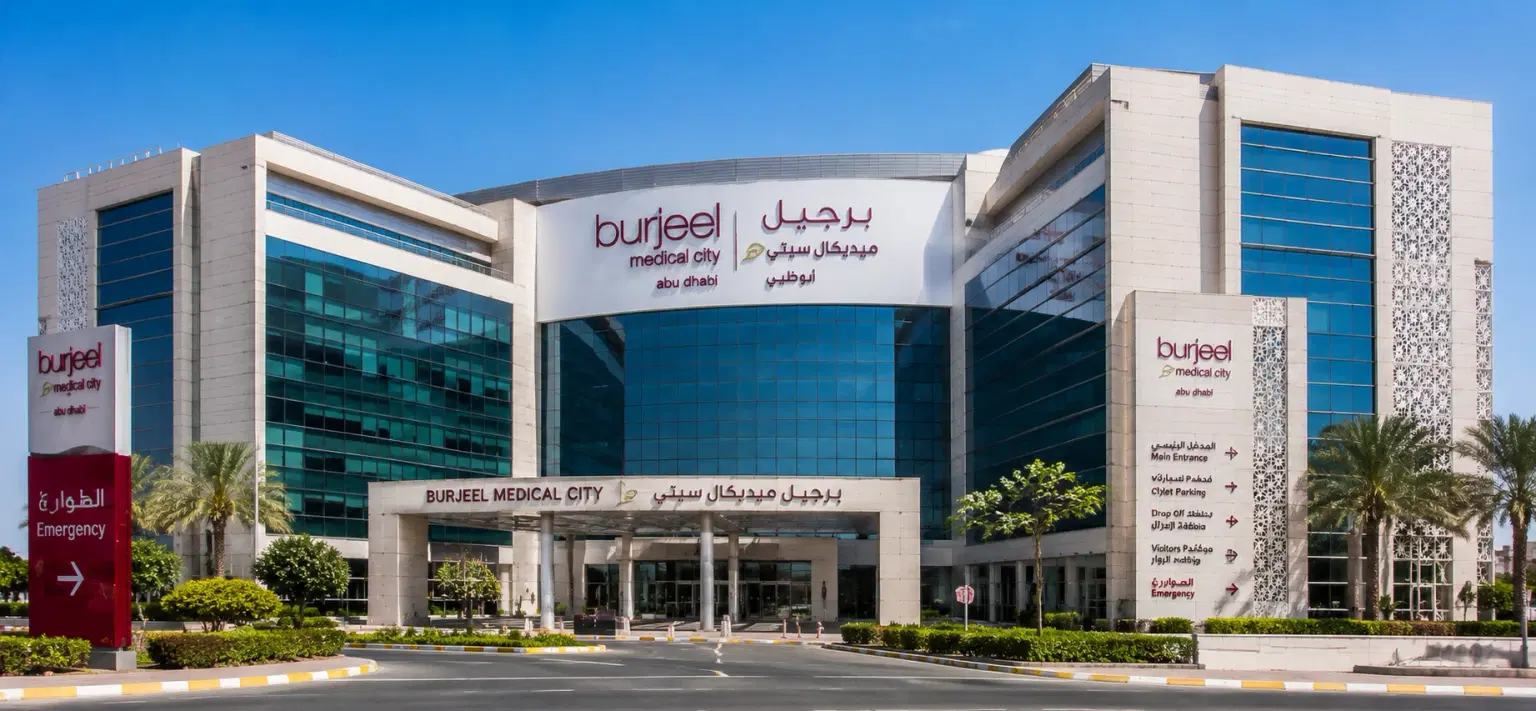
Burjeel Medical City, Abu Dhabi
28th Street, Mohammed Bin Zayed City, Abu Dhabi, UAE
Burjeel Medical City, Abu Dhabi
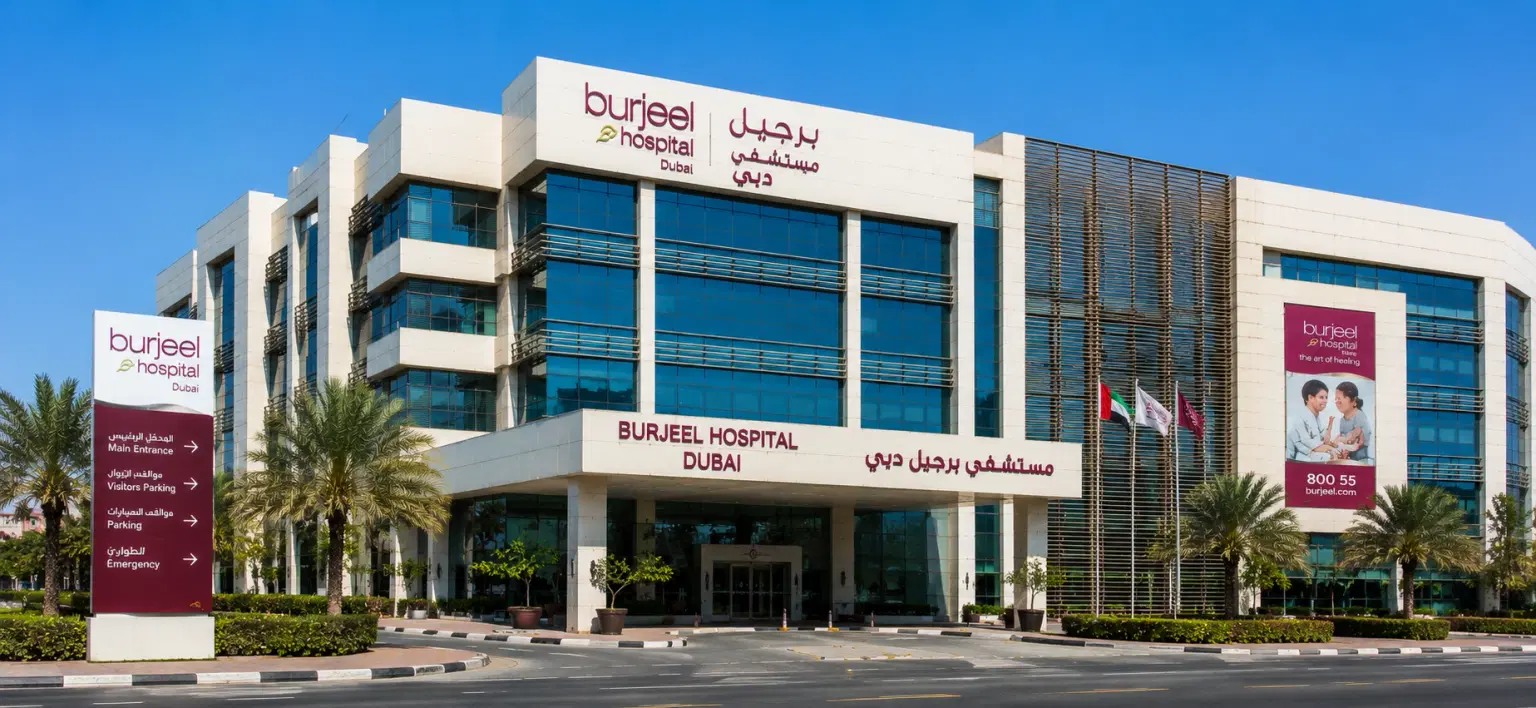
Burjeel Hospital, Dubai
Dubai, UAE (part of Burjeel Holdings network)
Burjeel Hospital, Dubai
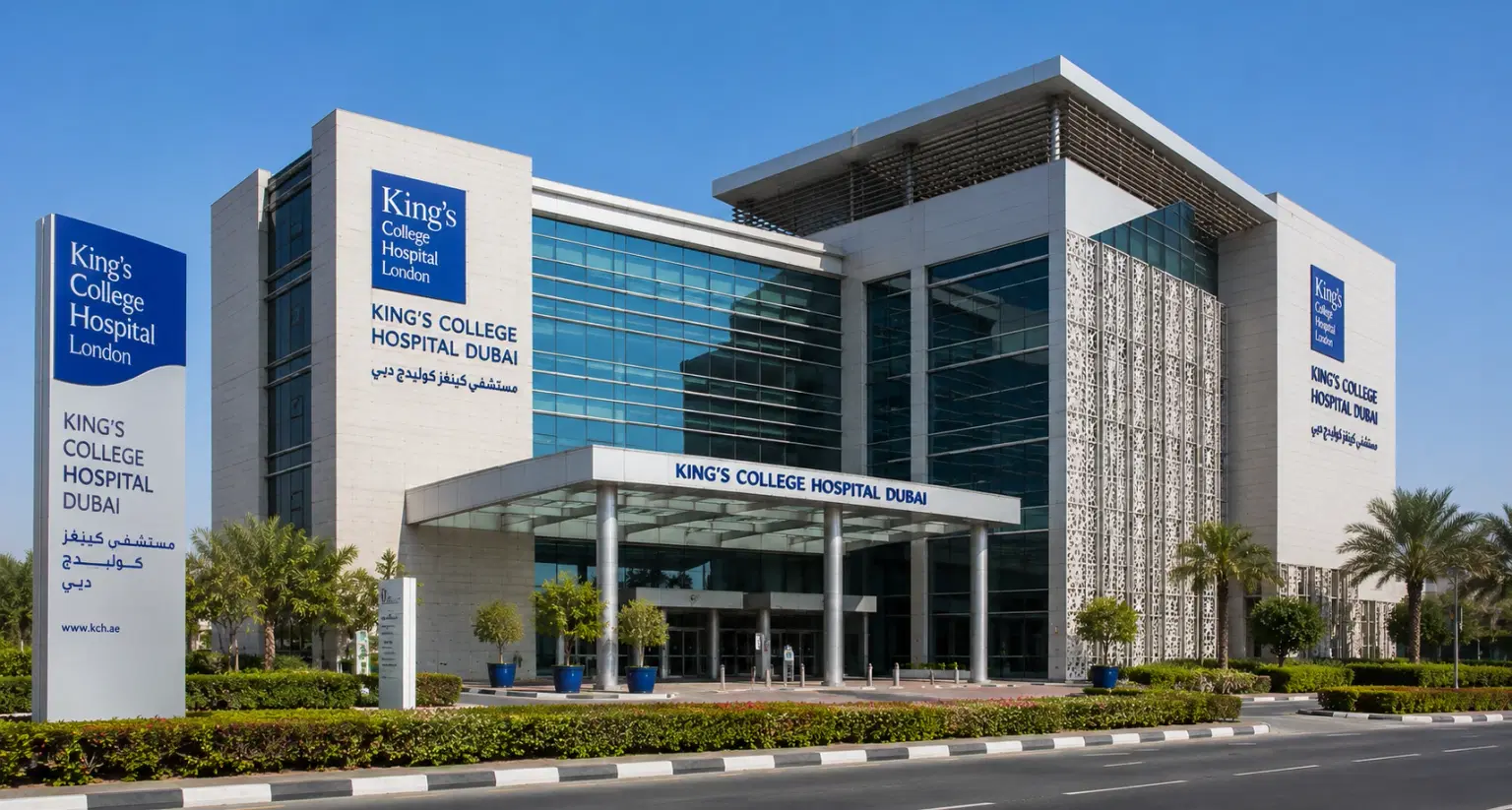
King's College Hospital, Dubai
Dubai Hills, Mohammed Bin Rashid City, Dubai, UAE
King's College Hospital, Dubai
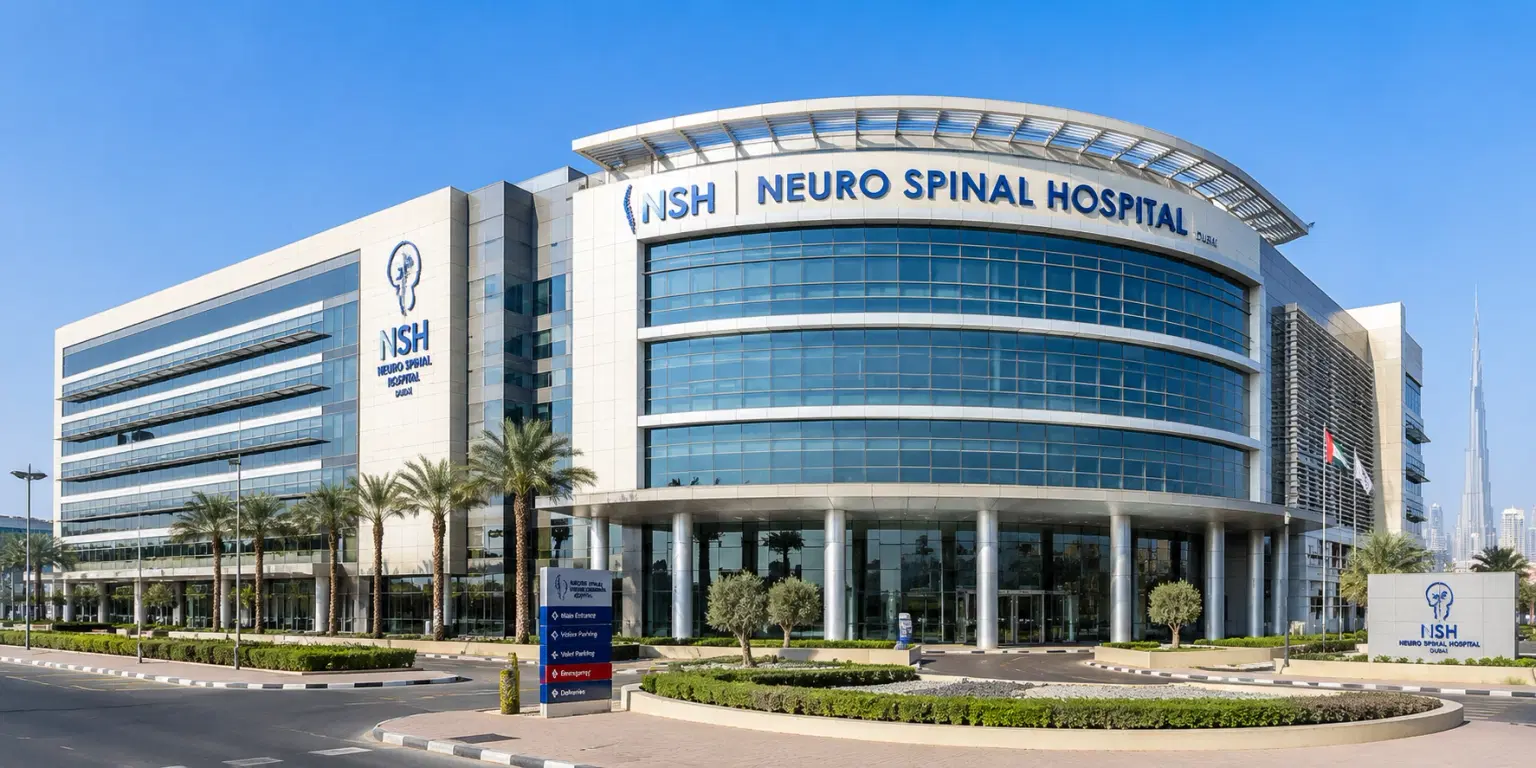
Neuro Spinal Hospital (NSH), Dubai
Dubai Science Park, Umm Suqeim St, Al Barsha South, Dubai, UAE
Neuro Spinal Hospital (NSH), Dubai
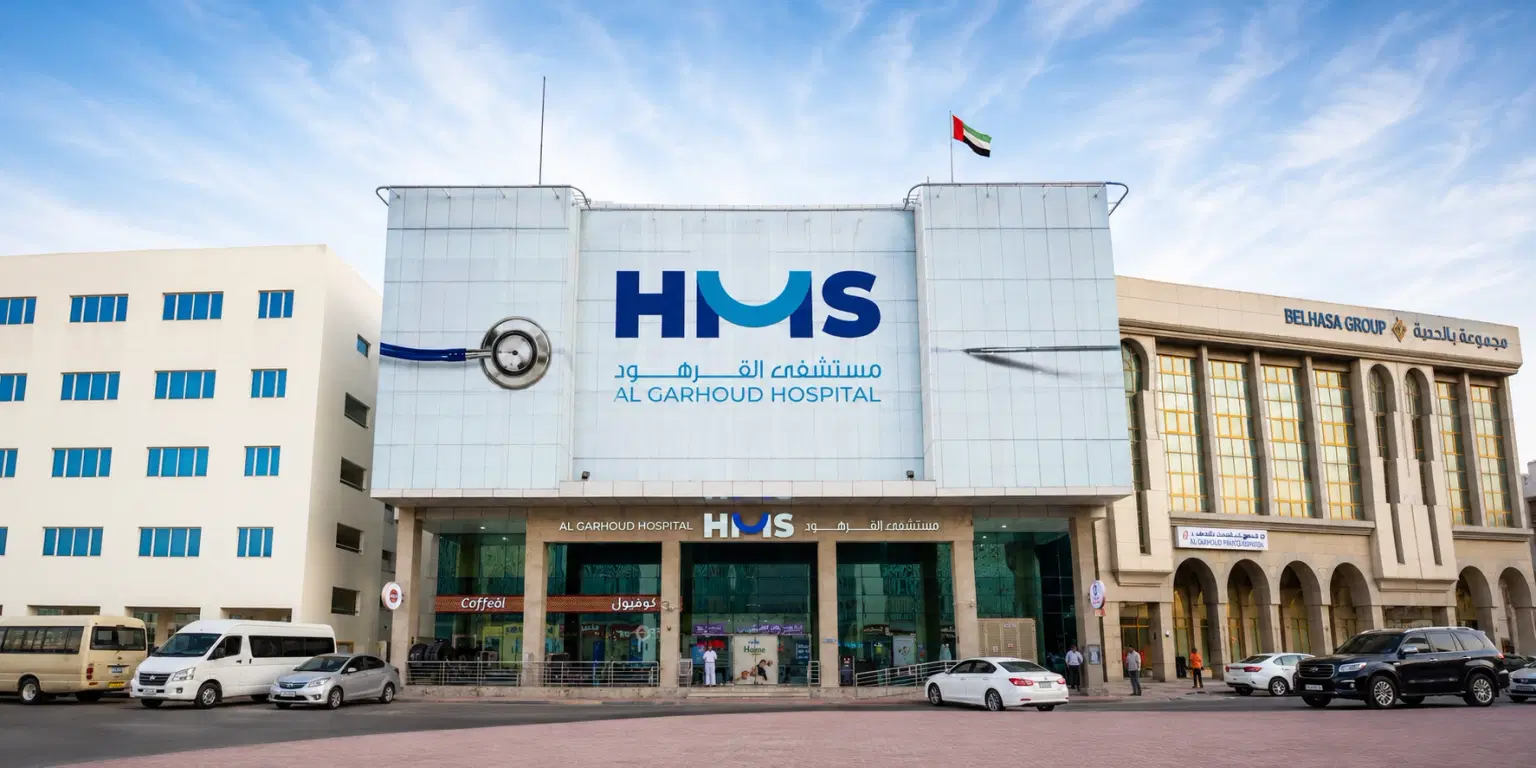
HMS Al Garhoud Hospital, Dubai
Al Garhoud Street, Al Garhoud, Dubai, UAE
HMS Al Garhoud Hospital, Dubai
Meet Our Doctors
Meet our team of highly qualified and experienced medical professionals dedicated to providing the best healthcare services.
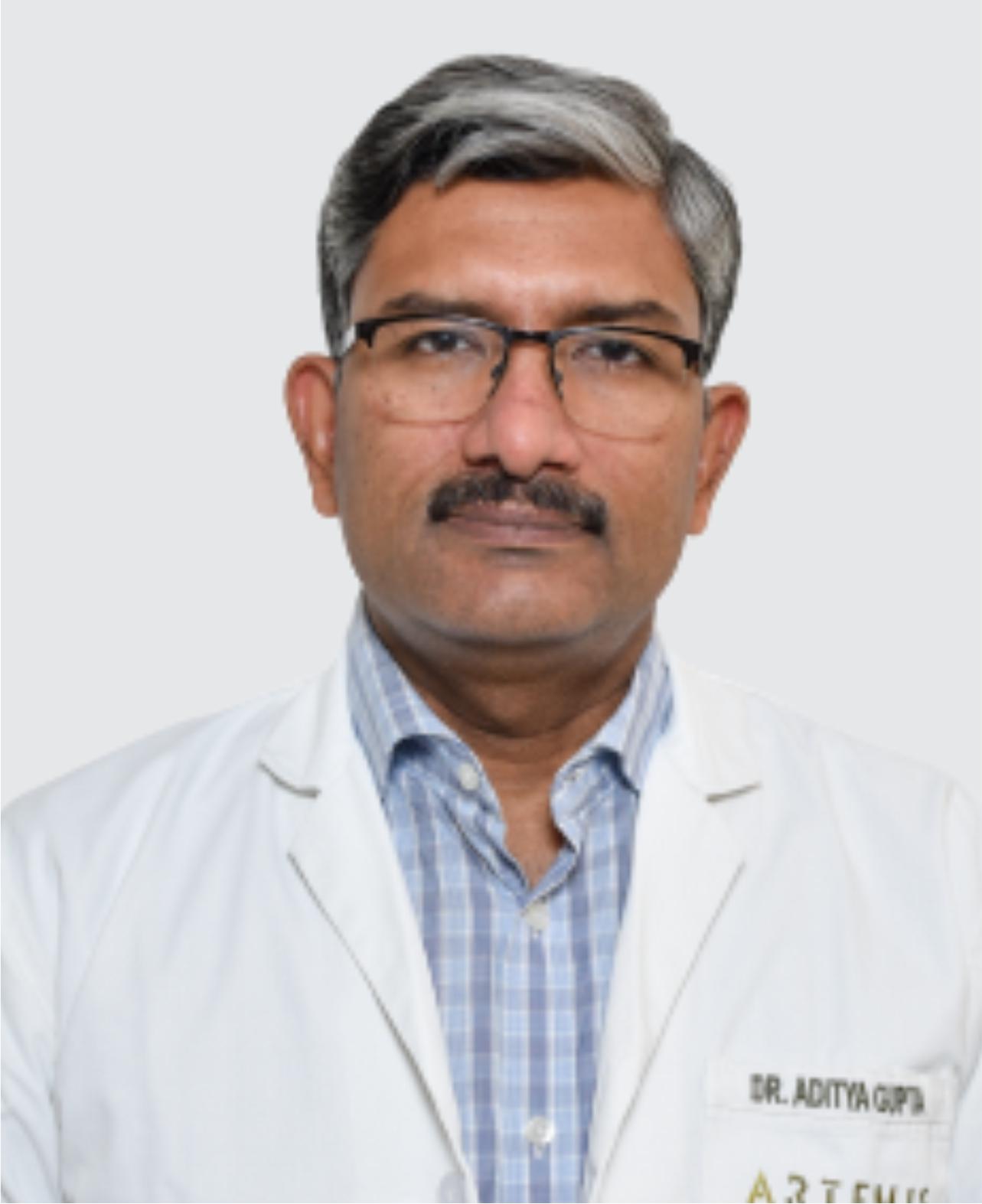
Dr. Aditya Gupta
Chairperson - Neurosurgery & CNS Radiosurgery & Co-Chief - Cyberknife Centre, Artemis Hospitals, Gurgaon
Neurosurgeon
Haryana
32+ Years
Experience
Artemis Hospital
Hospital
1500
Fees
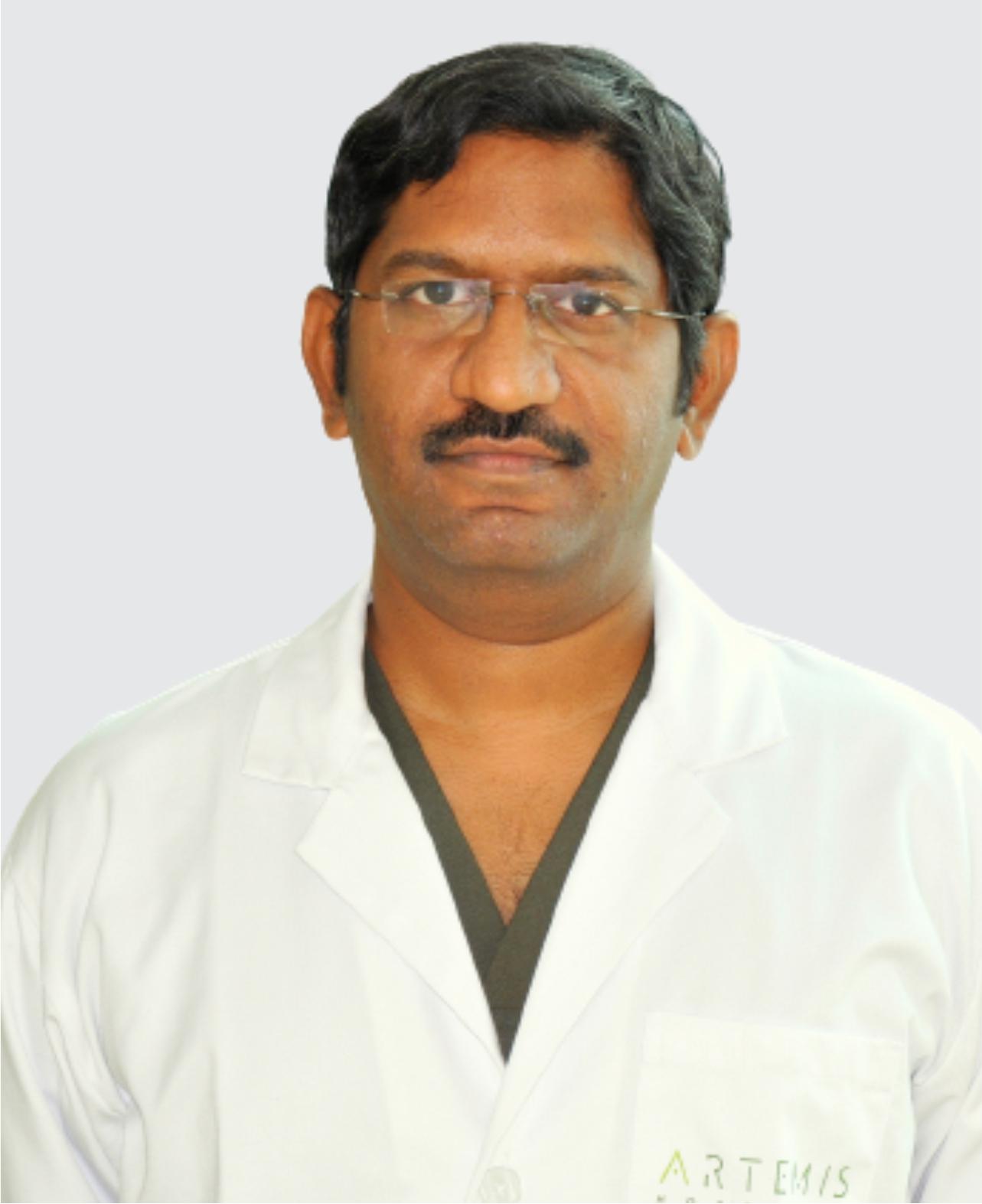
Dr. Y Naveen
Director
Neuroscience
New Delhi
12+ Years
Experience
Artemis Hospital
Hospital
1500
Fees
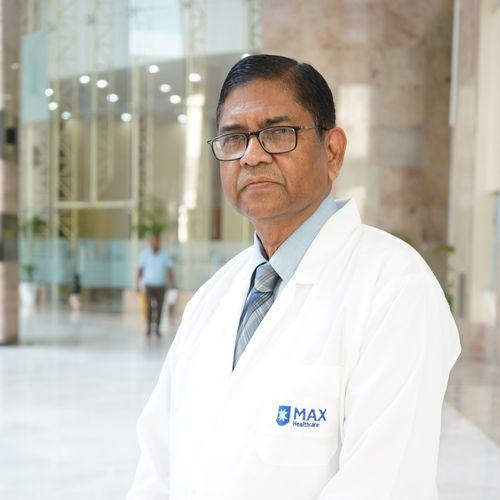
Dr. Nakul Sinha
Chairman - Cardiology
Cardiology
New Delhi
41+ Years
Experience
Max Hospital,Gurgaon
Hospital
1500
Fees
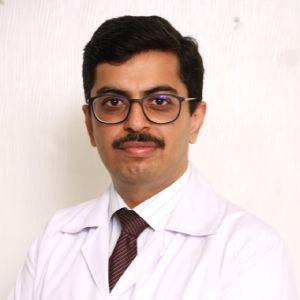
Dr. Abhideep Chaudhary
Chairman & HOD, HPB Surgery and Liver Transplantation
HPB Surgery, Liver Transplantation, Surgical Gastroenterology, Robotic Surgery, Biliary Sciences
New Delhi
20+ Years
Experience
Max Hospital,Gurgaon
Hospital
1500
Fees
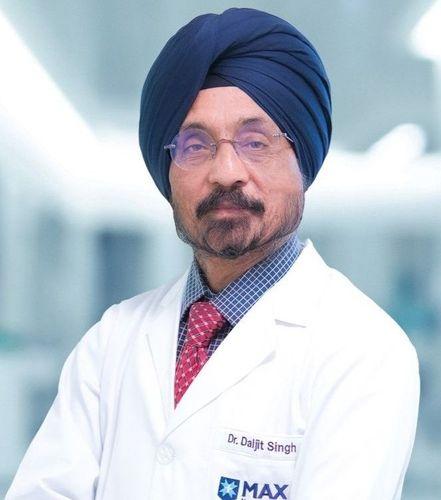
Dr (Prof) Daljit Singh
Vice Chairman & HOD — Neurosurgery and Unit Head — Neuro Intervention, Max Healthcare
Neurosurgery
New Delhi
31+ Years
Experience
Max Hospital,Gurgaon
Hospital
1500
Fees
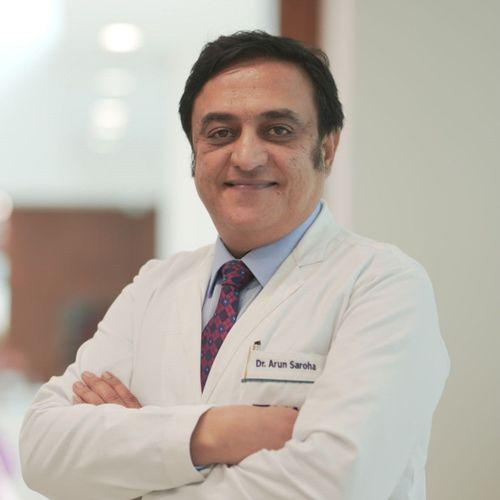
Dr. Arun Saroha
Director & HOD
Neurosurgery
New Delhi
30+ Years
Experience
Apolo Delhi
Hospital
1500
Fees
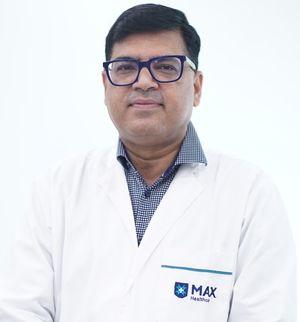
Dr. Vishal Saxena
Senior Consultant
Neurosurgery
New Delhi
25+ Years
Experience
Apolo Delhi
Hospital
1500
Fees
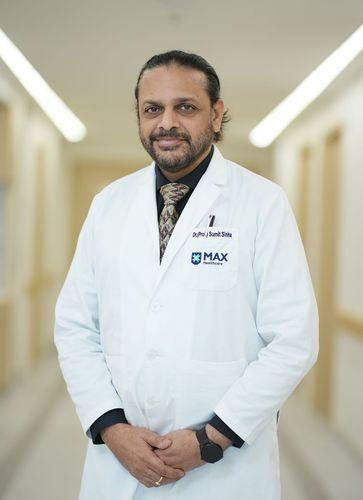
Dr. Sumit Sinha
Chairman - Neurosurgery
Neurosurgery
New Delhi
25+ Years
Experience
Apolo Delhi
Hospital
1500
Fees
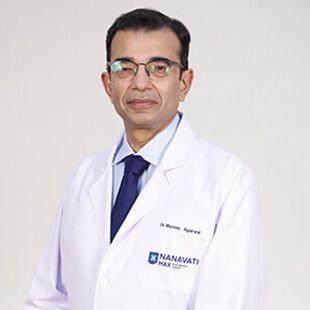
Dr. Manish Agarwal
Director - Oncology
Oncology
New Delhi
22+ Years
Experience
Apolo Delhi
Hospital
1500
Fees
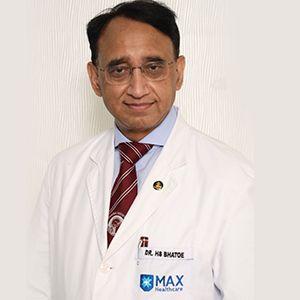
Brig. Dr. H.S. Bhatoe
Director - Neuro Surgery, Max Hospital, Saket & Patparganj
Neuro Surgery
New Delhi
50+ Years
Experience
Apolo Delhi
Hospital
1500
Fees
Related Links
Other Treatment related Information
International Patient Visiting India
Ready To Start Your Healing Journey?
Get Personalized Medical Treatment Options From India's Top Hospitals. Our Medical Experts Are Ready To Assist You Every Step Of The Way.