Minimally Invasive Brain Tumor Surgery Treatment in Mumbai for UAE
Need Personalized Advice?
Our medical experts are ready to answer your questions and guide you through your treatment options.
About
Minimally Invasive Brain Tumor Surgery in Mumbai for UAE Patients
For patients in the UAE facing a brain tumor diagnosis, the thought of surgery can bring significant anxiety and many questions. Understanding all available treatment paths and where to find expert care is crucial for making informed health decisions regarding your future well-being.
Many patients explore options beyond their home country seeking advanced medical facilities and specialized expertise. Mumbai stands out as a preferred destination, known for its leading neurosurgical centers and integrated patient support services designed for international visitors.
Mumbai's medical infrastructure includes world-class hospitals equipped with highly skilled neurosurgeons and state-of-the-art technology. Patients benefit from comprehensive care, simplified follow-ups, and a supportive environment throughout their entire treatment journey in the city.
What makes Mumbai the right choice for your minimally invasive brain tumor surgery?
What is Minimally Invasive Brain Tumor Surgery?
Minimally invasive brain tumor surgery involves removing brain tumors through smaller incisions or natural openings, unlike traditional open surgery which requires a larger skull opening. This advanced approach uses specialized instruments, endoscopes, and guided imaging systems to navigate precisely to the tumor while minimizing damage to surrounding healthy brain tissue. The goal is to achieve effective tumor removal with less pain, reduced blood loss, shorter hospital stays, and a faster recovery period for the patient. It represents a significant advancement in neurosurgical techniques, offering a less disruptive path to treatment.
Approaches to Minimally Invasive Brain Tumor Surgery
Endoscopic Neurosurgery
Utilizes thin, flexible tubes with a camera and light to access tumors through small incisions or natural pathways like the nose or mouth, often used for pituitary tumors or tumors at the skull base.
Keyhole Craniotomy
Involves making very small incisions, often less than an inch, and performing surgery through a narrow corridor. This limits the amount of bone and tissue that needs to be removed and repaired.
Stereotactic Radiosurgery (SRS)
While not a surgical incision, SRS uses highly focused radiation beams to target and destroy tumor cells with pinpoint accuracy, often as a standalone treatment or in conjunction with surgical removal for specific tumor types.
Laser Interstitial Thermal Therapy (LITT)
A technique where a thin laser probe is inserted into the tumor through a small hole. The laser heats and destroys tumor cells, guided by MRI imaging in real-time.
Awake Craniotomy
Sometimes performed minimally invasively, this technique allows the surgeon to monitor brain function during tumor removal, especially for tumors near critical areas, ensuring vital functions are preserved.
When is Minimally Invasive Brain Tumor Surgery Required?
- When a benign or malignant brain tumor is identified through imaging scans like MRI or CT.
- If the tumor causes neurological symptoms such as persistent headaches, seizures, vision disturbances, or weakness.
- When a tumor's growth pattern indicates it may impact critical brain functions if left untreated.
- For tumors that are accessible via less invasive routes without compromising complete removal.
- In cases where a tissue biopsy is needed for definitive diagnosis of a suspected brain lesion.
- As a primary treatment to remove the tumor or to debulk it before other therapies.
Pre-Treatment Evaluation Process
- Comprehensive neurological examination to assess brain function and symptom severity.
- High-resolution Magnetic Resonance Imaging (MRI) and Computed Tomography (CT) scans of the brain.
- Positron Emission Tomography (PET) scan in specific cases to evaluate tumor metabolism and spread.
- Blood tests including complete blood count, kidney and liver function tests, and coagulation profile.
- Electrocardiogram (ECG) and chest X-ray to evaluate heart and lung health for anesthesia suitability.
- Consultation with a neurosurgeon, neuro-oncologist, and anesthesiologist for treatment planning.
- Possible biopsy if the diagnosis is uncertain, to determine the tumor type and grade.
How Minimally Invasive Brain Tumor Surgery is Performed
The specific procedure for minimally invasive brain tumor surgery depends on the tumor's location, size, type, and the patient's overall health.
Before Surgery
The patient receives general anesthesia. The surgical site on the scalp is prepared and sterilely draped. Advanced imaging like neuronavigation or intraoperative MRI helps create a precise map of the brain and tumor.
Surgical Approach
A small incision is made in the scalp, typically 1 to 3 inches. A small opening in the skull (craniotomy) is created, or a natural opening like the nostril is used for endoscopic approaches. Specialized instruments, including an endoscope with a camera, are carefully guided to the tumor site. The surgeon uses high-definition monitors to visualize the tumor and surrounding structures in detail.
Tumor Removal
The tumor is meticulously dissected and removed using micro-surgical tools, lasers, or ultrasonic aspirators. The goal is to remove as much of the tumor as safely possible while preserving healthy brain tissue and critical neurological functions. For awake craniotomy, the patient may be woken to perform tasks to ensure functional areas are not damaged.
Closure
Once the tumor removal is complete, the surgical instruments are withdrawn. The small skull opening is often closed with plates or cement, and the scalp incision is carefully sutured. For endoscopic procedures, no external sutures might be visible depending on the entry point.
Recovery Process After Surgery
Recovery from minimally invasive brain tumor surgery is generally faster and less complicated than traditional open surgery. Patients typically spend a few days in the hospital, often with a short stay in the intensive care unit for close monitoring. Pain management is crucial and will be administered. Patients are usually encouraged to start gentle mobilization soon after surgery. Post-discharge, gradual return to daily activities is advised, with specific restrictions on heavy lifting or strenuous exercise for several weeks. Physical, occupational, or speech therapy might be recommended to aid in regaining full function. Regular follow-up appointments with the neurosurgeon, including imaging scans, are essential to monitor healing and detect any potential recurrence.
Potential Risks and Expected Success Rates
- Bleeding at the surgical site or within the brain, potentially requiring further intervention.
- Infection of the incision, skull, or brain tissue, which may necessitate antibiotic treatment.
- Temporary or permanent neurological deficits such as weakness, speech difficulties, or vision changes.
- Cerebrospinal fluid (CSF) leak, which can lead to headaches and increase infection risk.
- Seizures, which can occur during recovery and may require medication management.
- Anesthetic complications like allergic reactions or respiratory issues.
- Recurrence of the tumor, requiring additional treatment in the future.
The success rates for minimally invasive brain tumor surgery are highly encouraging, with many patients experiencing significant improvement in symptoms and quality of life. The outcome largely depends on the tumor's type, size, location, and whether it is benign or malignant, alongside the patient's overall health. While complete tumor removal is often possible for benign tumors, malignant tumors may require follow-up treatments like radiation or chemotherapy. Long-term expectations typically involve regular monitoring to ensure the tumor does not return and managing any residual neurological effects through rehabilitation.
Cost of Minimally Invasive Brain Tumor Surgery in Mumbai
The cost of minimally invasive brain tumor surgery in Mumbai is influenced by several factors. These include the specific hospital chosen, the experience of the neurosurgeon, the complexity and size of the tumor, the advanced technology utilized during the procedure, the length of hospital stay, and any additional post-operative care or rehabilitation required. Mumbai offers world-class medical facilities at a fraction of the cost found in many Western countries.
A minimally invasive brain tumor surgery in Mumbai typically ranges from 12,00,000 INR to 30,00,000 INR.
Mumbai vs. Global Cost Comparison
Patients from the UAE can find substantial cost savings for minimally invasive brain tumor surgery when choosing Mumbai. Below is a comparison of average costs:
| Location | Average Cost (USD) |
|---|---|
| Mumbai, India | $14,500 - $36,000 |
| United States | $70,000 - $120,000 |
| United Kingdom | $55,000 - $95,000 |
| Singapore | $40,000 - $75,000 |
| Germany | $35,000 - $60,000 |
Ready to Discuss Your Treatment Options?
Connect with our patient support team to learn more about minimally invasive brain tumor surgery in Mumbai and receive a personalized treatment plan.
Assistance for Your Medical Journey in Mumbai
- Facilitation of medical visa applications and necessary travel permits.
- Arrangements for airport transfers and comfortable local transportation.
- Assistance with finding suitable accommodation for patients and their accompanying family.
- Provision of language interpretation services to ensure clear communication with medical staff.
- Guidance for post-treatment follow-up care and rehabilitation services in Mumbai.
- Dedicated patient coordinators to manage all aspects of your treatment itinerary.
Essential Papers for Treatment in Mumbai
- Current medical reports, imaging scans, and any previous diagnostic test results.
- A valid passport with sufficient remaining validity for the duration of your stay.
- A medical visa or appropriate travel authorization for entry into India.
- Details of any international health insurance policy or financial guarantee.
- A referral letter from your primary care physician or a specialist, if available.
- Contact information for your emergency contacts back in the UAE.
Preparing for Your Minimally Invasive Surgery
- Thorough review of your complete medical history and current medications with your Mumbai neurosurgeon.
- Adjustments to any blood-thinning medications or specific supplements as advised by your medical team.
- Strict adherence to fasting instructions before the surgery as per anesthetic guidelines.
- Arrangement of all travel logistics, including flights and local transport within Mumbai.
- Mental preparation and understanding the surgical process to alleviate anxieties.
- Ensuring a companion is available to support you during your recovery period.
Guidance for Healing After Surgery
- Adherence to all prescribed medications, including pain relief and any anti-seizure drugs.
- Attendance at all scheduled follow-up appointments and imaging scans with your neurosurgeon.
- Prioritizing adequate rest and avoiding strenuous activities for the recommended duration.
- Following specific dietary recommendations to aid in recovery and prevent complications.
- Participation in any recommended physical, occupational, or speech therapy programs.
- Seeking emotional support and reporting any new or worsening symptoms to your medical team promptly.
Begin Your Path to Recovery in Mumbai
Our team is ready to assist UAE patients with every step of their journey for minimally invasive brain tumor surgery.
Ready to Explore Your Treatment Options?
Take the first step towards world-class neurosurgical care in Mumbai for your brain tumor treatment.
Hospitals Offering this treatment
India offers premium medical procedures at affordable prices. Discover our most popular treatments, delivered by the country's finest doctors.
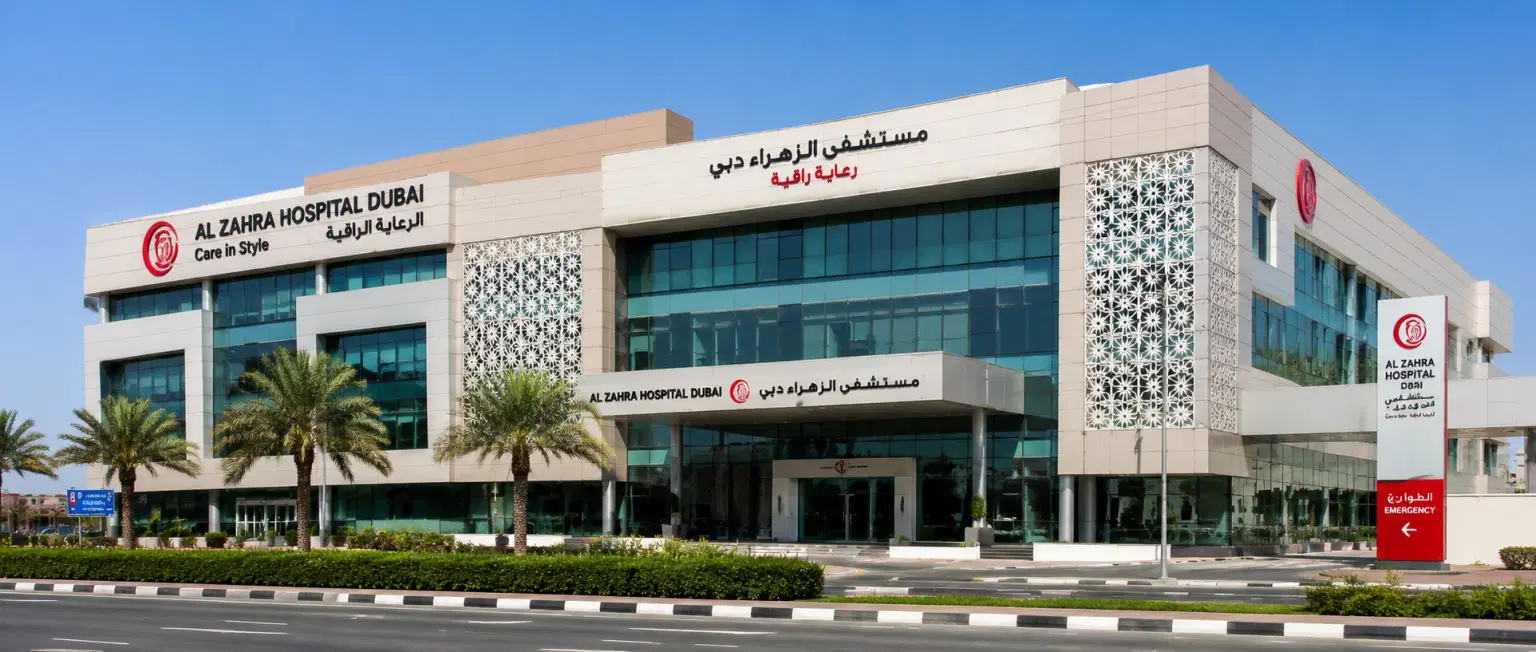
Al Zahra Hospital, Dubai
Sheikh Zayed Road, Al Barsha 1, Dubai, UAE
Al Zahra Hospital, Dubai
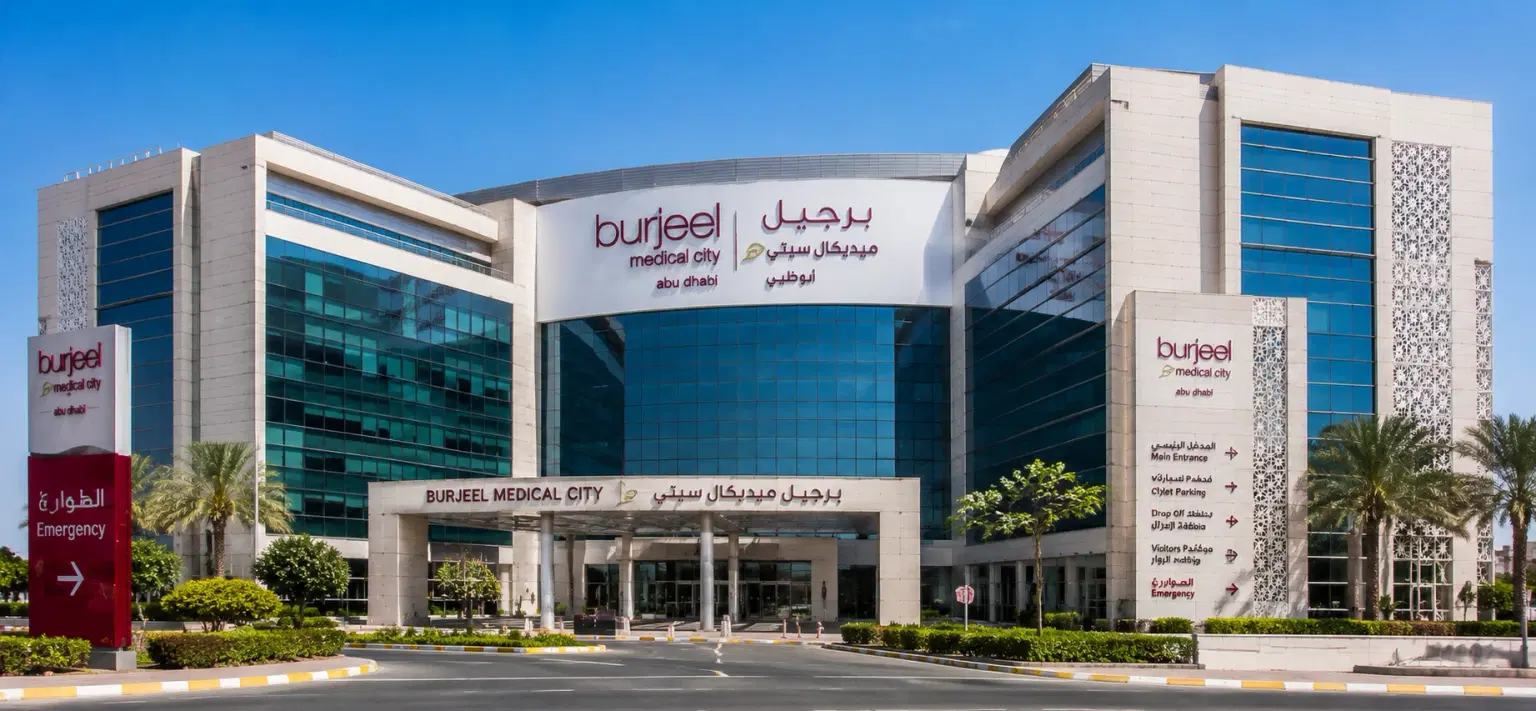
Burjeel Medical City, Abu Dhabi
28th Street, Mohammed Bin Zayed City, Abu Dhabi, UAE
Burjeel Medical City, Abu Dhabi
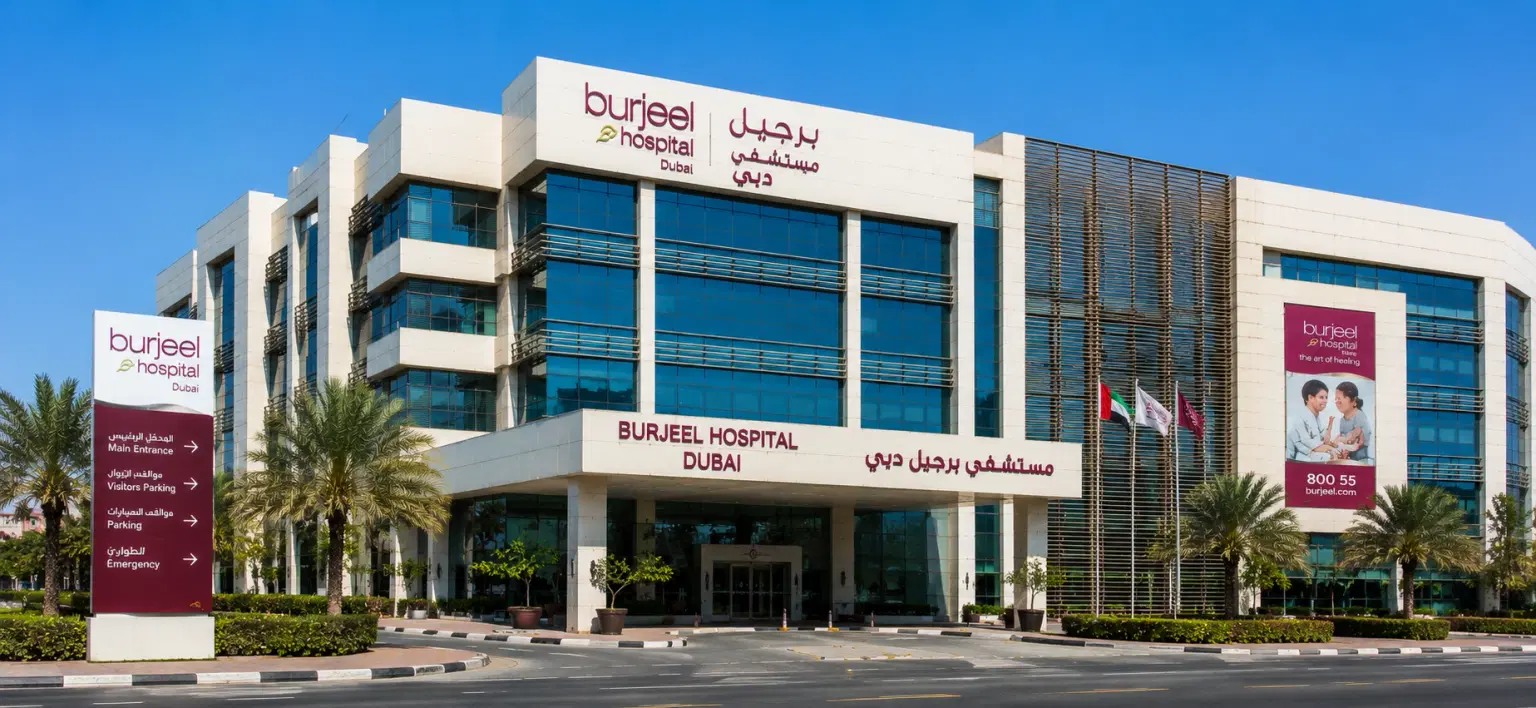
Burjeel Hospital, Dubai
Dubai, UAE (part of Burjeel Holdings network)
Burjeel Hospital, Dubai
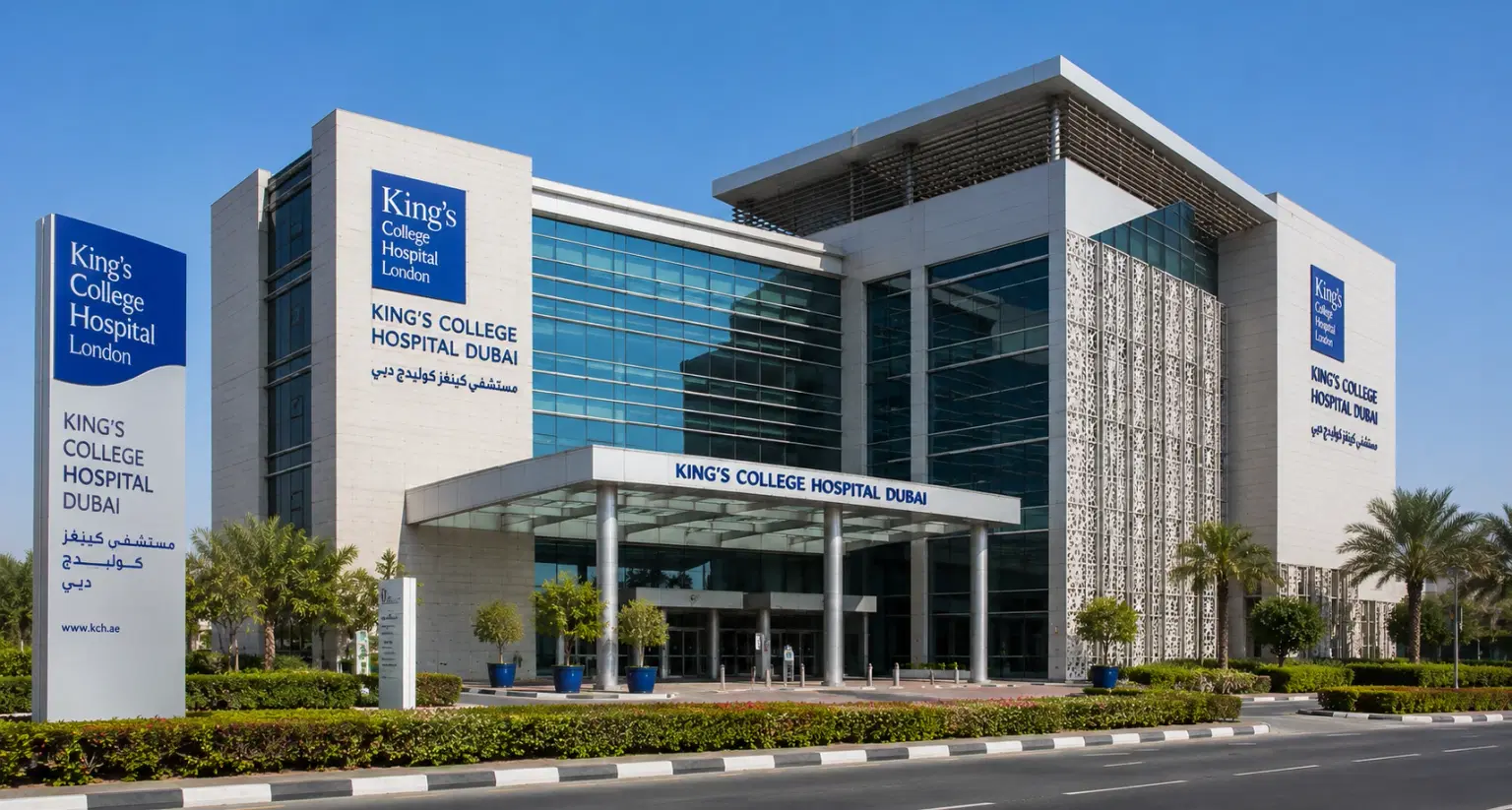
King's College Hospital, Dubai
Dubai Hills, Mohammed Bin Rashid City, Dubai, UAE
King's College Hospital, Dubai
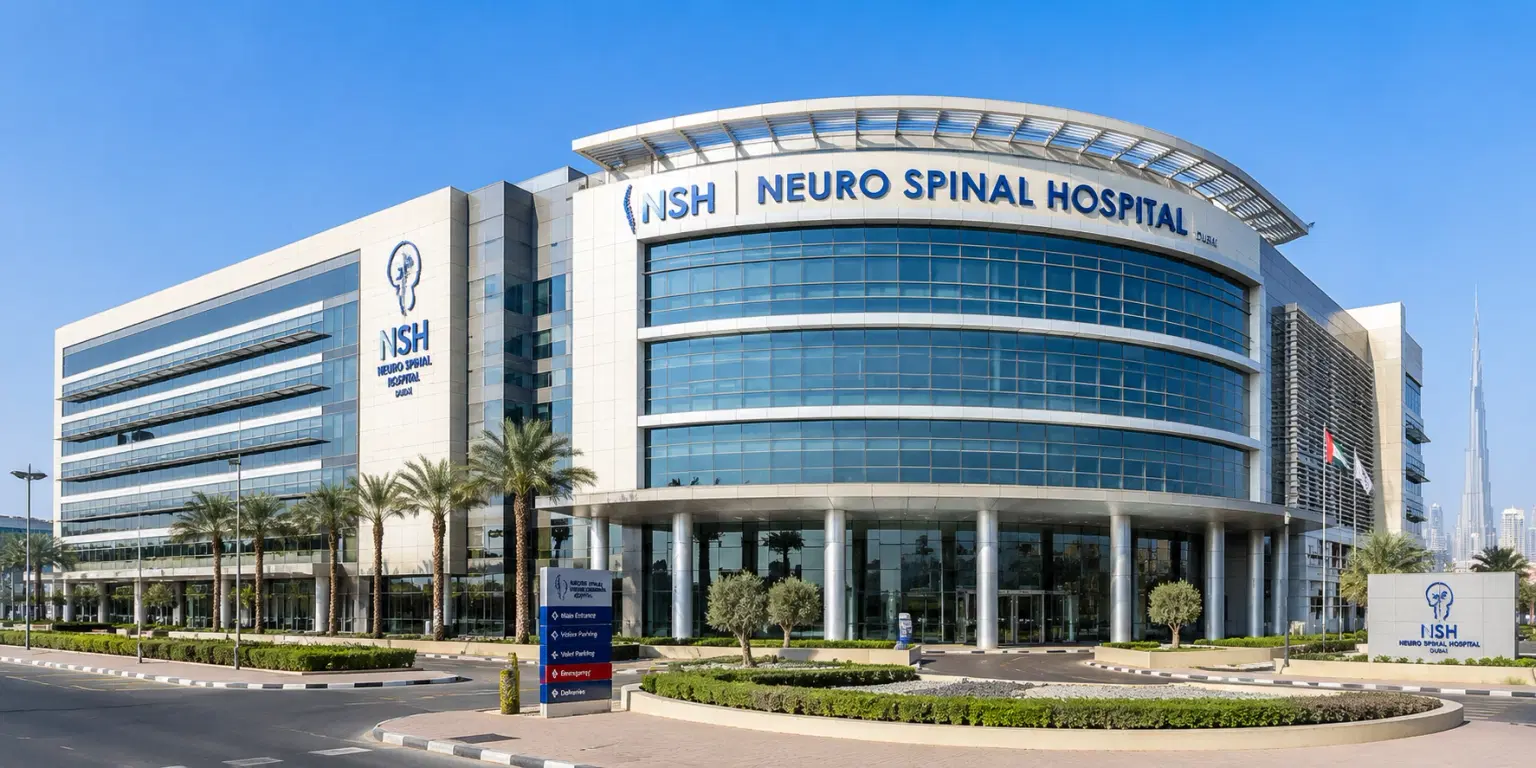
Neuro Spinal Hospital (NSH), Dubai
Dubai Science Park, Umm Suqeim St, Al Barsha South, Dubai, UAE
Neuro Spinal Hospital (NSH), Dubai
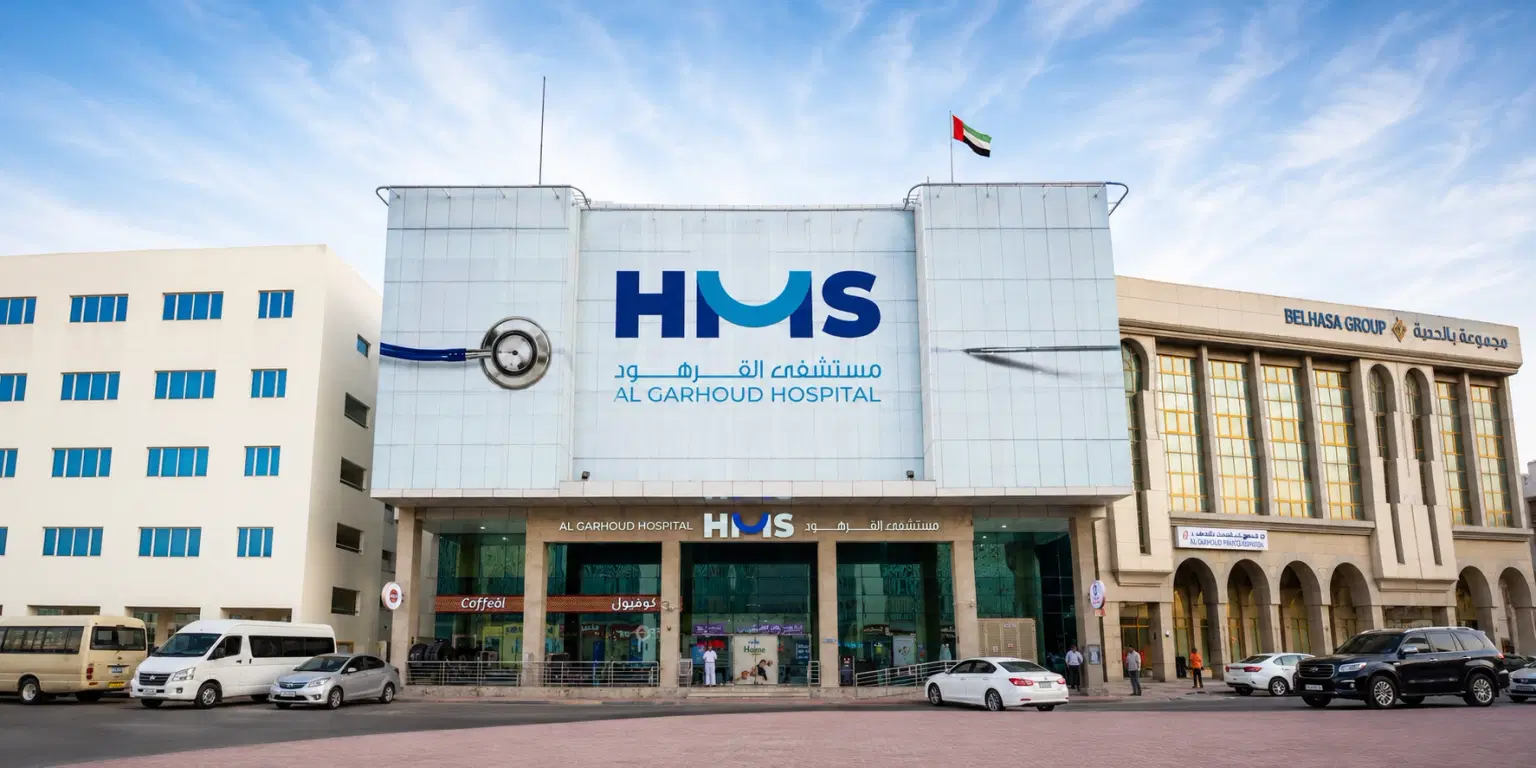
HMS Al Garhoud Hospital, Dubai
Al Garhoud Street, Al Garhoud, Dubai, UAE
HMS Al Garhoud Hospital, Dubai
Meet Our Doctors
Meet our team of highly qualified and experienced medical professionals dedicated to providing the best healthcare services.
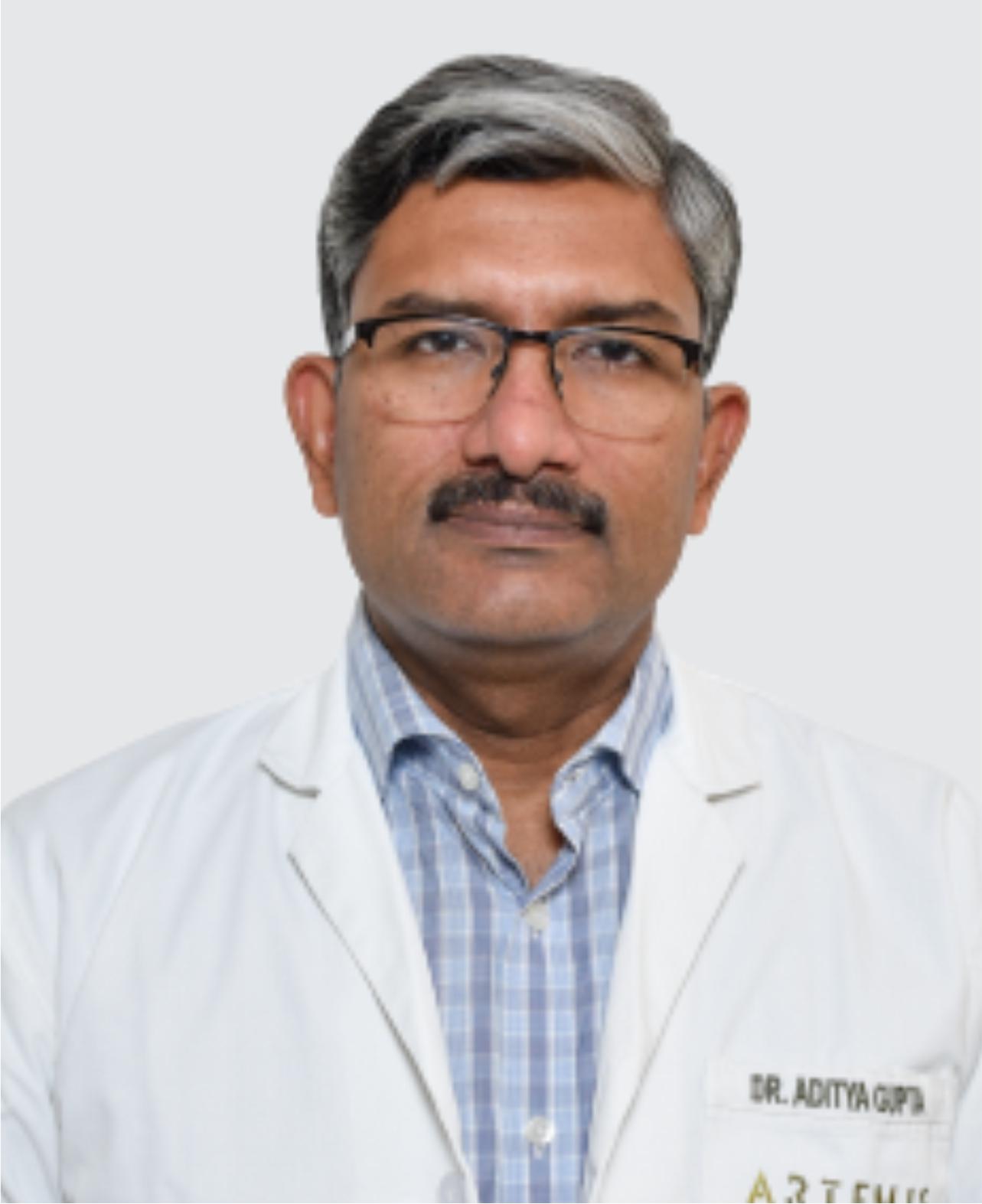
Dr. Aditya Gupta
Chairperson - Neurosurgery & CNS Radiosurgery & Co-Chief - Cyberknife Centre, Artemis Hospitals, Gurgaon
Neurosurgeon
Haryana
32+ Years
Experience
Artemis Hospital
Hospital
1500
Fees
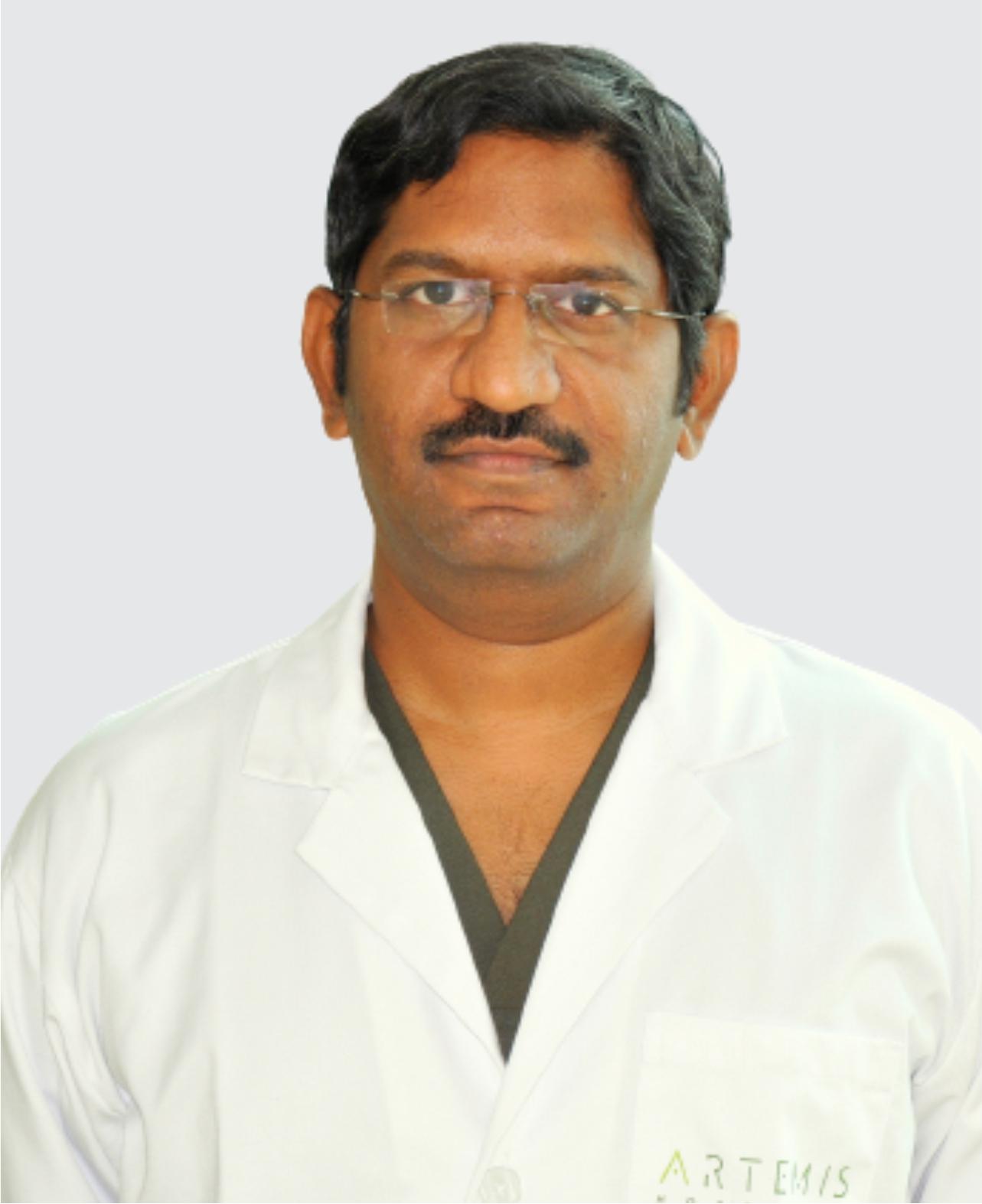
Dr. Y Naveen
Director
Neuroscience
New Delhi
12+ Years
Experience
Artemis Hospital
Hospital
1500
Fees
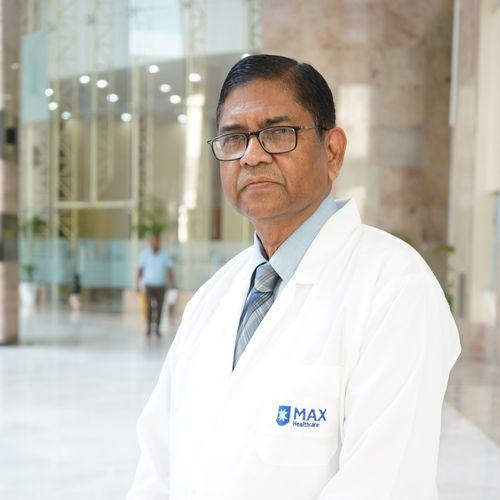
Dr. Nakul Sinha
Chairman - Cardiology
Cardiology
New Delhi
41+ Years
Experience
Max Hospital,Gurgaon
Hospital
1500
Fees
Dr. Abhideep Chaudhary
Chairman & HOD, HPB Surgery and Liver Transplantation
HPB Surgery, Liver Transplantation, Surgical Gastroenterology, Robotic Surgery, Biliary Sciences
New Delhi
20+ Years
Experience
Max Hospital,Gurgaon
Hospital
1500
Fees
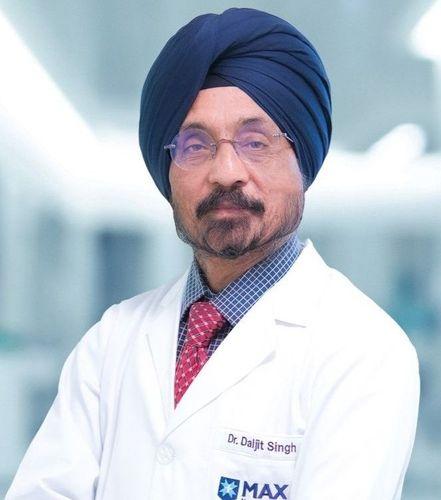
Dr (Prof) Daljit Singh
Vice Chairman & HOD — Neurosurgery and Unit Head — Neuro Intervention, Max Healthcare
Neurosurgery
New Delhi
31+ Years
Experience
Max Hospital,Gurgaon
Hospital
1500
Fees
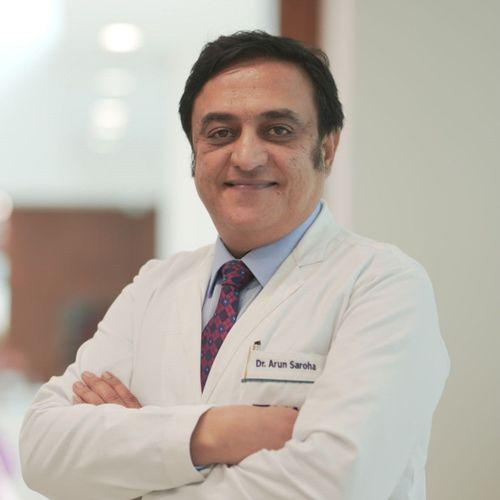
Dr. Arun Saroha
Director & HOD
Neurosurgery
New Delhi
30+ Years
Experience
Apolo Delhi
Hospital
1500
Fees

Dr. Vishal Saxena
Senior Consultant
Neurosurgery
New Delhi
25+ Years
Experience
Apolo Delhi
Hospital
1500
Fees
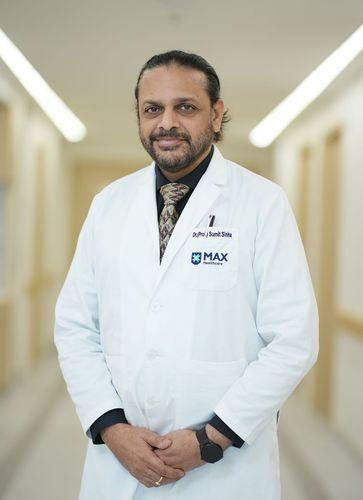
Dr. Sumit Sinha
Chairman - Neurosurgery
Neurosurgery
New Delhi
25+ Years
Experience
Apolo Delhi
Hospital
1500
Fees
Dr. Manish Agarwal
Director - Oncology
Oncology
New Delhi
22+ Years
Experience
Apolo Delhi
Hospital
1500
Fees
Brig. Dr. H.S. Bhatoe
Director - Neuro Surgery, Max Hospital, Saket & Patparganj
Neuro Surgery
New Delhi
50+ Years
Experience
Apolo Delhi
Hospital
1500
Fees
Related Links
Other Treatment related Information
- Minimally Invasive Brain Tumor Surgery cost in India
- Minimally Invasive Brain Tumor Surgery cost in Haryana
- Minimally Invasive Brain Tumor Surgery cost in Bengaluru
- Minimally Invasive Brain Tumor Surgery cost in Chennai
- Minimally Invasive Brain Tumor Surgery cost in Mumbai
- Minimally Invasive Brain Tumor Surgery cost in Hyderabad
- Minimally Invasive Brain Tumor Surgery cost in New Delhi
- Minimally Invasive Brain Tumor Surgery cost in Pune
- Minimally Invasive Brain Tumor Surgery Success Rate in Haryana
- Minimally Invasive Brain Tumor Surgery Success Rate in Hyderabad
- Minimally Invasive Brain Tumor Surgery Success Rate in Pune
- Minimally Invasive Brain Tumor Surgery Success Rate in Bengaluru
- Minimally Invasive Brain Tumor Surgery Success Rate in Mumbai
- Minimally Invasive Brain Tumor Surgery Success Rate in New Delhi
- Minimally Invasive Brain Tumor Surgery Success Rate in India
- Minimally Invasive Brain Tumor Surgery Success Rate in Chennai
- Best Minimally Invasive Brain Tumor Surgery Doctors in Chennai
- Best Minimally Invasive Brain Tumor Surgery Doctors in Mumbai
- Best Minimally Invasive Brain Tumor Surgery Doctors in New Delhi
- Best Minimally Invasive Brain Tumor Surgery Doctors in Pune
Ready To Start Your Healing Journey?
Get Personalized Medical Treatment Options From India's Top Hospitals. Our Medical Experts Are Ready To Assist You Every Step Of The Way.