Minimally Invasive Brain Tumor Surgery Treatment in New Delhi for UAE
Need Personalized Advice?
Our medical experts are ready to answer your questions and guide you through your treatment options.
About
Minimally Invasive Brain Tumor Surgery in New Delhi for UAE Patients
Facing a brain tumor diagnosis can bring significant worry, especially for patients from the UAE considering treatment abroad. The thought of complex surgery, recovery, and navigating a new healthcare system often adds to this concern. Understanding your options is the first crucial step.
Many individuals seek highly specialized care beyond their home country when advanced surgical techniques are required. New Delhi offers a compelling choice, known for its focused medical hubs that provide sophisticated treatment environments and streamlined patient coordination.
Within New Delhi, a network of modern hospitals and leading neurosurgeons specializes in complex procedures. These facilities are equipped to offer comprehensive pre- and post-operative care, ensuring a coordinated and supportive medical journey throughout your stay in the city.
New Delhi provides expert neurosurgical solutions for international patients seeking advanced care.
What is Minimally Invasive Brain Tumor Surgery?
Minimally invasive brain tumor surgery involves removing brain tumors through smaller incisions or natural openings, aiming to reduce trauma to surrounding healthy tissue. Unlike traditional open surgery, this technique uses specialized instruments and advanced imaging to precisely target and remove tumors. It often leads to less pain, a shorter hospital stay, and a faster recovery period for patients. The goal is to achieve effective tumor removal while minimizing surgical impact and preserving neurological function.
Approaches to Minimally Invasive Brain Tumor Surgery
Endoscopic Endonasal Approach: Accessing tumors through the nasal cavity using an endoscope, often for pituitary tumors or skull base lesions.
Keyhole Craniotomy: Performing surgery through a small incision (keyhole) in the skull, guided by advanced navigation systems, for tumors near the brain's surface.
Neuroendoscopy: Using a thin, lighted tube with a camera to visualize and remove tumors deep within the brain's ventricles or other hard-to-reach areas.
Stereotactic Radiosurgery: A non-surgical approach using highly focused radiation beams to destroy tumor cells, often used for smaller or inaccessible tumors.
Laser Interstitial Thermal Therapy (LITT): Employing a laser probe to heat and destroy tumor tissue, guided by MRI in real-time.
When is Minimally Invasive Brain Tumor Surgery Required?
- When a brain tumor is diagnosed and requires surgical removal.
- If the tumor is causing neurological symptoms such as seizures, headaches, vision changes, or weakness.
- For tumors located in areas accessible through minimally invasive techniques, such as the skull base or pituitary gland.
- When the goal is to obtain a biopsy for accurate diagnosis without extensive open surgery.
- In cases where traditional open surgery poses higher risks due to tumor location or patient health.
- For recurrence of certain tumors where a less invasive approach is beneficial.
Pre-Treatment Evaluation Process
- Comprehensive neurological examination and assessment of symptoms.
- Advanced imaging studies, including MRI with contrast, CT scans, and PET scans, to map the tumor.
- Functional MRI (fMRI) to identify critical brain areas near the tumor.
- Angiography to evaluate the blood supply to the tumor.
- Blood tests to assess overall health and surgical readiness.
- Consultation with a multidisciplinary team including neurosurgeons, neurologists, oncologists, and radiologists.
- Review of patient medical history, including any previous treatments or conditions.
How Minimally Invasive Brain Tumor Surgery is Performed
The specific procedure for minimally invasive brain tumor surgery depends on the tumor's type, size, location, and the patient's overall health. Each surgical plan is carefully tailored.
Before Surgery
Patients undergo a thorough medical evaluation. The surgical team uses advanced imaging like MRI and CT to create a detailed map of the brain and tumor. This pre-operative planning includes identifying the safest path to the tumor while avoiding critical brain structures. Anesthesia is administered to ensure comfort throughout the procedure.
During Surgery
The neurosurgeon makes a small incision, typically guided by neuronavigation systems for precision. Depending on the approach, this might be a keyhole craniotomy, an endoscopic approach through the nose, or another targeted entry. Specialized micro-instruments, endoscopes, and microscopes are used to visualize and remove the tumor. Intraoperative monitoring of brain function helps protect vital areas during resection. The goal is maximal tumor removal with minimal impact on surrounding healthy tissue.
After Surgery
Following the successful removal of the tumor, the incision is carefully closed. Patients are moved to a recovery area for close monitoring. Pain management is provided as needed. The medical team continuously observes neurological status, vital signs, and recovery progress. Early mobilization is encouraged when appropriate, and rehabilitation may begin shortly after surgery.
The Recovery Process
Recovery from minimally invasive brain tumor surgery typically involves a shorter hospital stay compared to traditional open surgery, often ranging from a few days to a week. Patients may experience some fatigue, headache, or mild discomfort, which can be managed with medication. Restrictions on heavy lifting and strenuous activities are common during the initial weeks. Follow-up appointments are crucial to monitor healing, assess neurological function, and discuss any further treatment plans like radiation or chemotherapy. Rehabilitation, including physical therapy, occupational therapy, or speech therapy, may be recommended to regain full function and aid in a complete return to daily activities.
Risks and Success Rates
- Infection at the surgical site or within the brain.
- Bleeding, which can sometimes require further intervention.
- Damage to surrounding healthy brain tissue, potentially leading to new neurological deficits.
- Swelling in the brain, which may temporarily worsen symptoms.
- Leakage of cerebrospinal fluid.
- Seizures, either immediate or delayed.
- Incomplete tumor removal, necessitating further treatment.
- Risks associated with general anesthesia, such as adverse reactions.
The success rates for minimally invasive brain tumor surgery vary significantly based on tumor type, size, location, and the patient's overall health. Many studies report high rates of successful tumor removal with fewer complications and faster recovery compared to open surgery. Long-term outcomes depend on the tumor's pathology and whether it is benign or malignant. Patients can expect a personalized prognosis and long-term care plan developed by their neurosurgical team. Regular follow-up imaging and clinical assessments are essential to monitor for any recurrence.
Cost of Minimally Invasive Brain Tumor Surgery in New Delhi
The cost of minimally invasive brain tumor surgery in New Delhi is influenced by several factors. These include the specific hospital chosen, the experience and reputation of the neurosurgeon, the complexity and size of the tumor, the surgical approach utilized, and the duration of hospital stay. Additional costs may arise from pre-operative diagnostics, post-operative rehabilitation, and any necessary medications.
In New Delhi, the estimated cost for minimally invasive brain tumor surgery typically ranges from 7,00,000 INR to 15,00,000 INR.
Comparing Treatment Costs: New Delhi vs. Global Averages
Patients from the UAE often find New Delhi an attractive option due to the significantly lower costs without compromising on quality. The table below illustrates how the cost of minimally invasive brain tumor surgery in New Delhi compares to prices in other major medical destinations worldwide. This makes New Delhi a highly competitive choice for advanced neurosurgical procedures.
| Location | Estimated Cost (USD) |
|---|---|
| New Delhi, India | $8,500 - $18,000 |
| United States | $50,000 - $120,000 |
| United Kingdom | $40,000 - $85,000 |
| Germany | $35,000 - $75,000 |
| Singapore | $25,000 - $55,000 |
Considering Neurosurgery?
Connect with our patient support team today to explore your options for Minimally Invasive Brain Tumor Surgery in New Delhi.
Comprehensive Support Services for Your Medical Journey in New Delhi
- Assistance with medical visa application and documentation for UAE patients.
- Dedicated patient coordinator to guide you through the entire process.
- Arrangement of airport transfers and local transportation in New Delhi.
- Booking of suitable accommodation for patients and accompanying family members.
- Facilitation of interpreter services for seamless communication.
- Coordination of all medical appointments and hospital admissions.
- Guidance on local amenities and cultural nuances during your stay.
Essential Documents for Your Treatment Trip
- Valid passport and medical visa for India.
- All previous medical reports, diagnostic scans (MRI, CT), and biopsy results.
- Referral letter from your local physician, if available.
- Proof of address in your home country (UAE).
- Any insurance documents or financial guarantees.
- List of current medications and allergies.
- Contact information for your emergency contacts.
Preparing for Minimally Invasive Brain Tumor Surgery
- Follow all dietary and medication instructions provided by your surgeon.
- Arrange for a companion to travel with you for support during your stay.
- Inform your medical team about any pre-existing conditions or allergies.
- Stop certain medications, such as blood thinners, as advised by your doctor.
- Ensure all necessary documents are organized before your travel to New Delhi.
- Plan for your stay, including accommodation and local logistics.
Guidance for Your Recovery and Aftercare
- Adhere strictly to all post-operative medication schedules.
- Attend all scheduled follow-up appointments for monitoring.
- Avoid strenuous activities and heavy lifting as recommended.
- Monitor the surgical site for any signs of infection or complications.
- Follow specific instructions regarding wound care and hygiene.
- Participate actively in any prescribed rehabilitation therapies.
- Maintain open communication with your medical team for any concerns.
Ready for Expert Care in New Delhi?
Contact us to learn more about Minimally Invasive Brain Tumor Surgery and begin your journey to recovery with confidence.
Take the Next Step Towards Advanced Treatment
Choosing the right path for Minimally Invasive Brain Tumor Surgery is a significant decision. New Delhi's specialized medical infrastructure stands ready to provide the advanced care you need.
Hospitals Offering this treatment
India offers premium medical procedures at affordable prices. Discover our most popular treatments, delivered by the country's finest doctors.
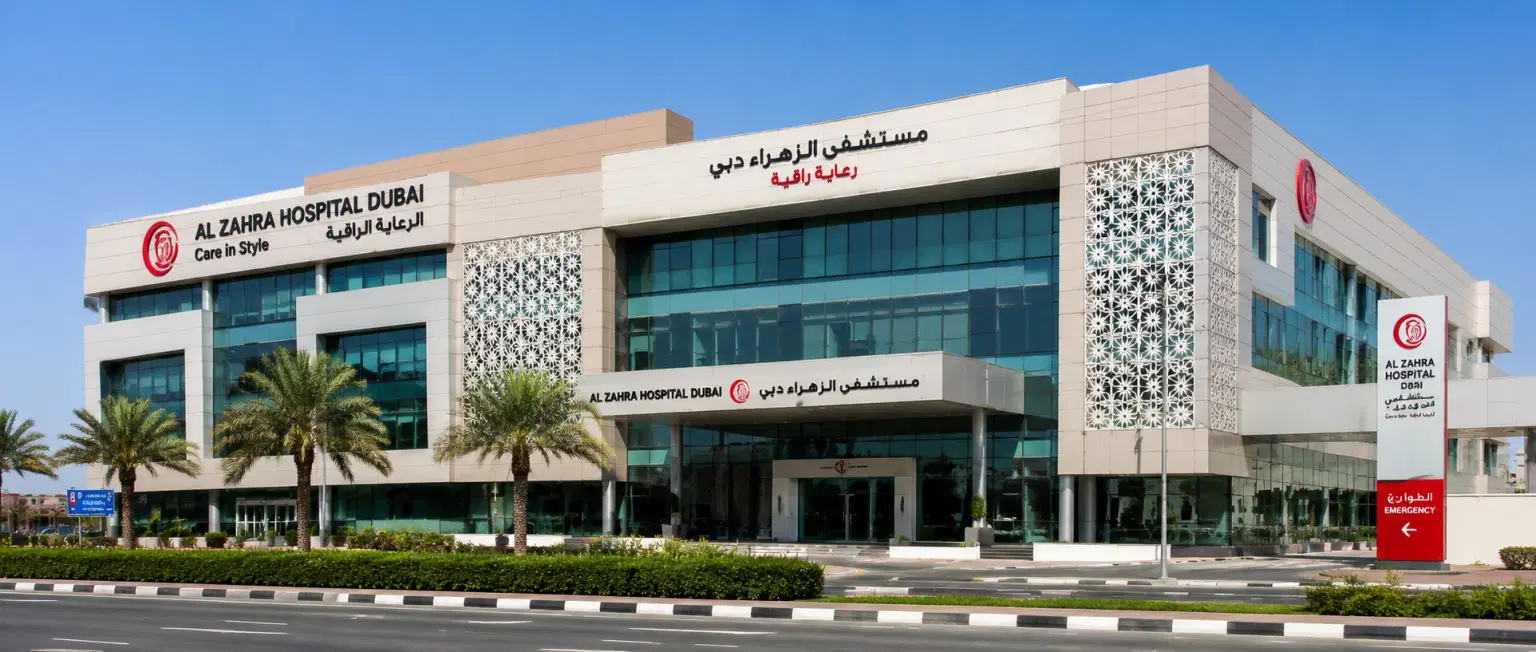
Al Zahra Hospital, Dubai
Sheikh Zayed Road, Al Barsha 1, Dubai, UAE
Al Zahra Hospital, Dubai
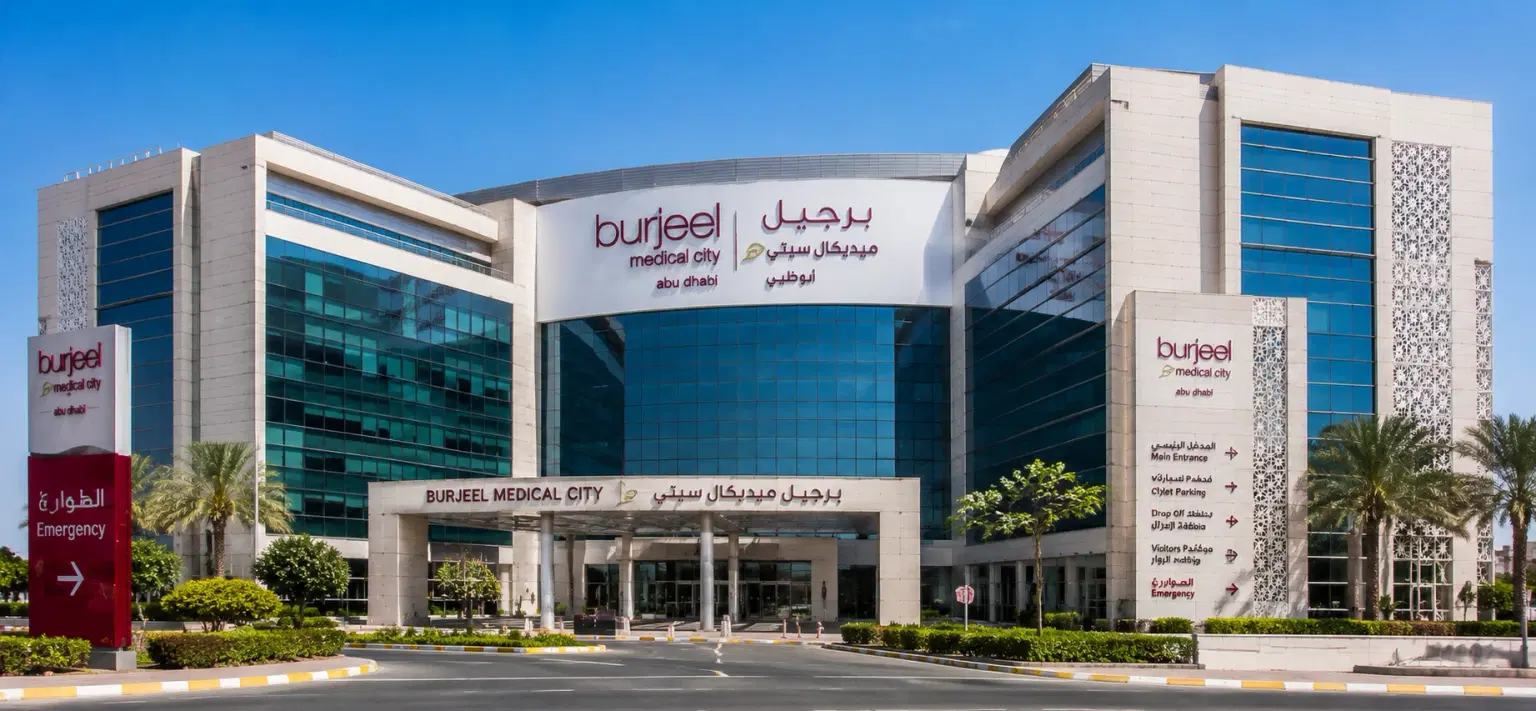
Burjeel Medical City, Abu Dhabi
28th Street, Mohammed Bin Zayed City, Abu Dhabi, UAE
Burjeel Medical City, Abu Dhabi
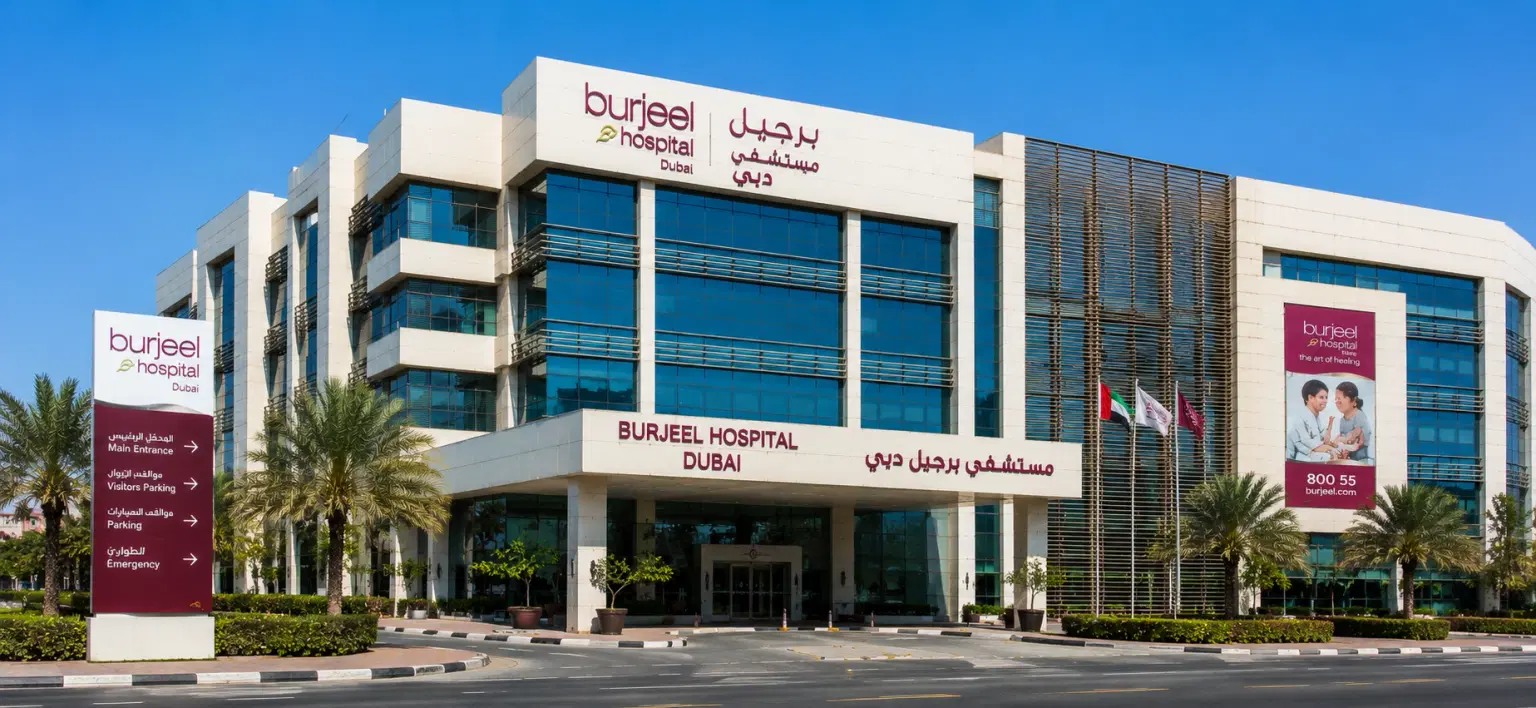
Burjeel Hospital, Dubai
Dubai, UAE (part of Burjeel Holdings network)
Burjeel Hospital, Dubai
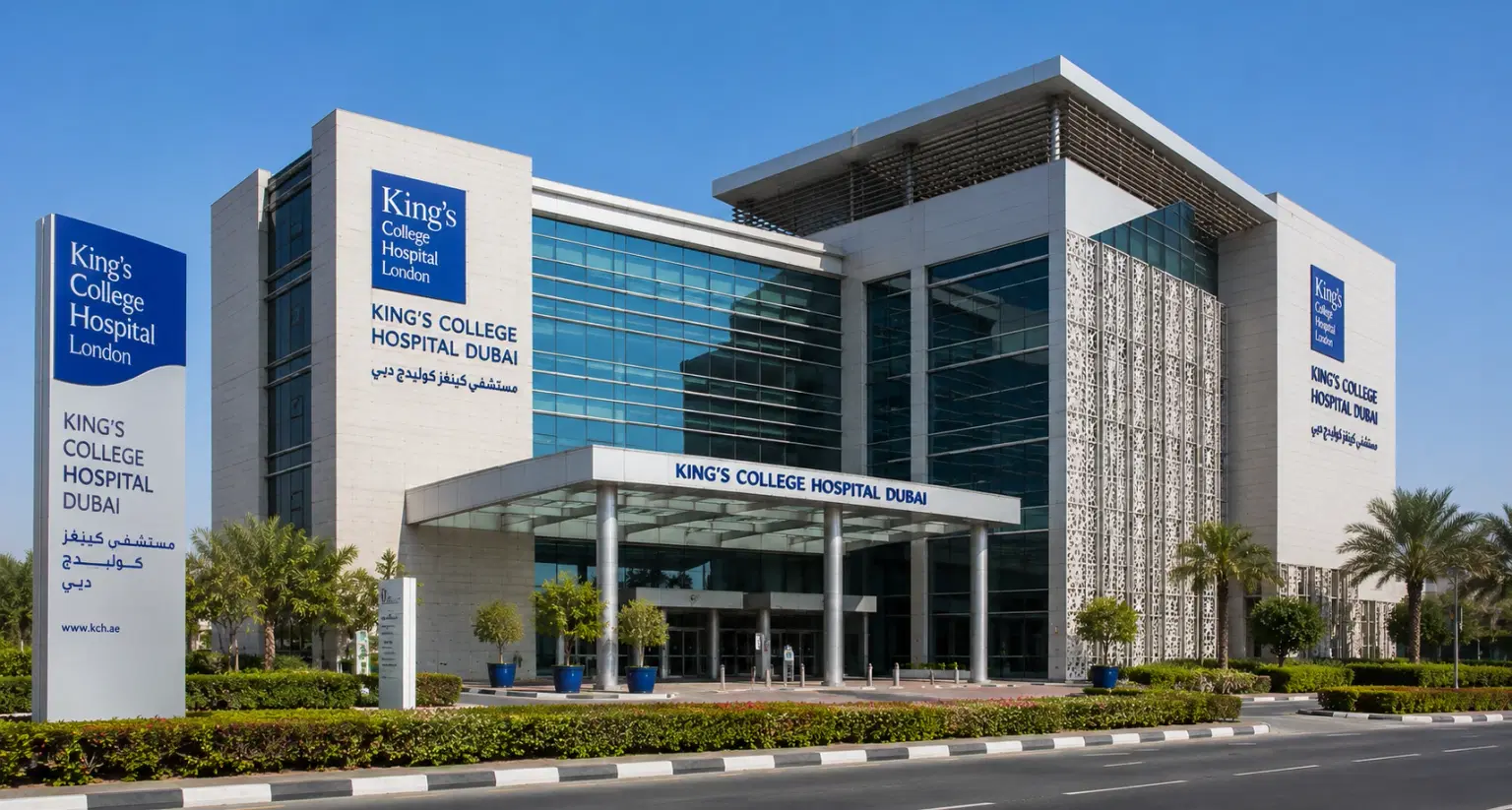
King's College Hospital, Dubai
Dubai Hills, Mohammed Bin Rashid City, Dubai, UAE
King's College Hospital, Dubai
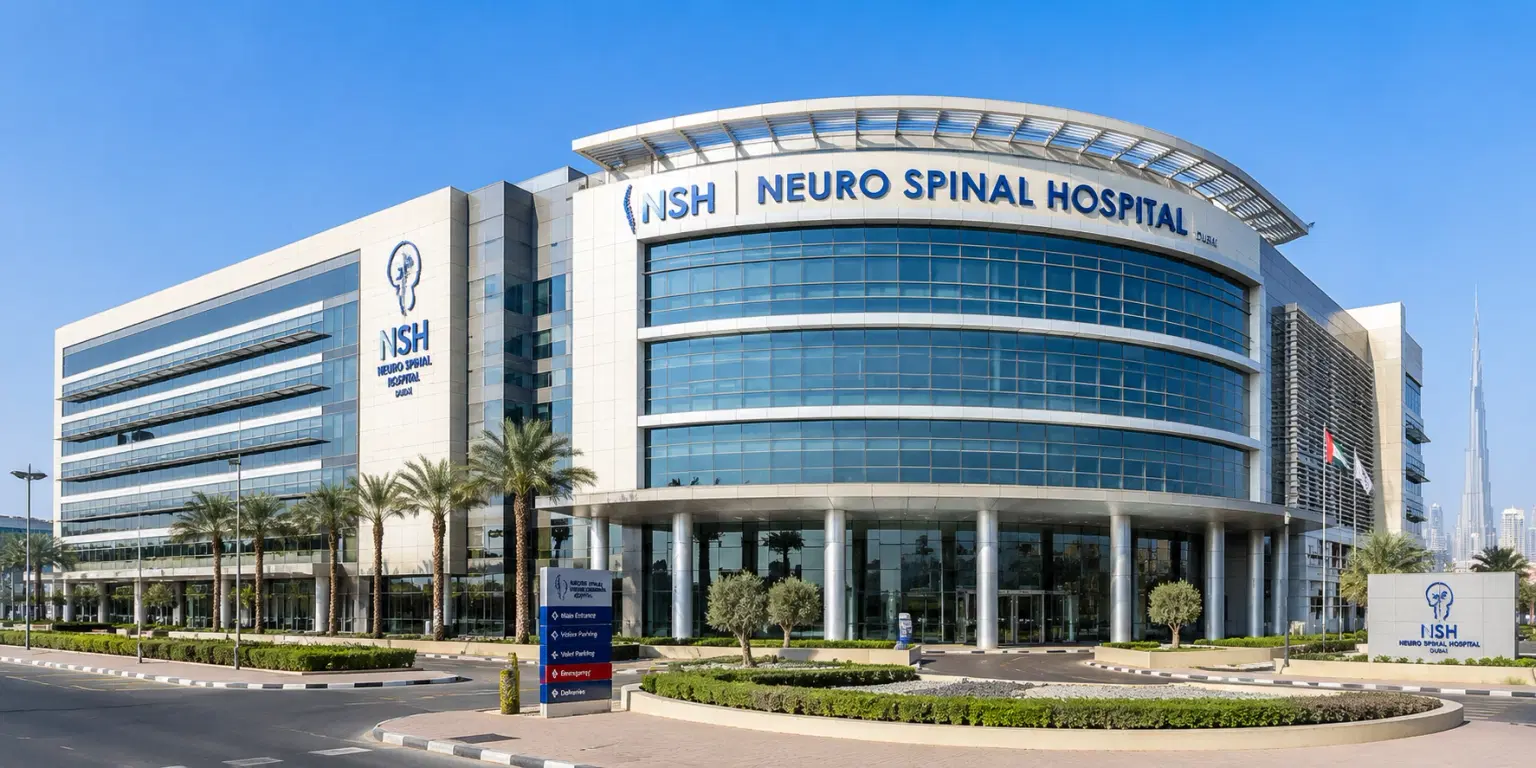
Neuro Spinal Hospital (NSH), Dubai
Dubai Science Park, Umm Suqeim St, Al Barsha South, Dubai, UAE
Neuro Spinal Hospital (NSH), Dubai
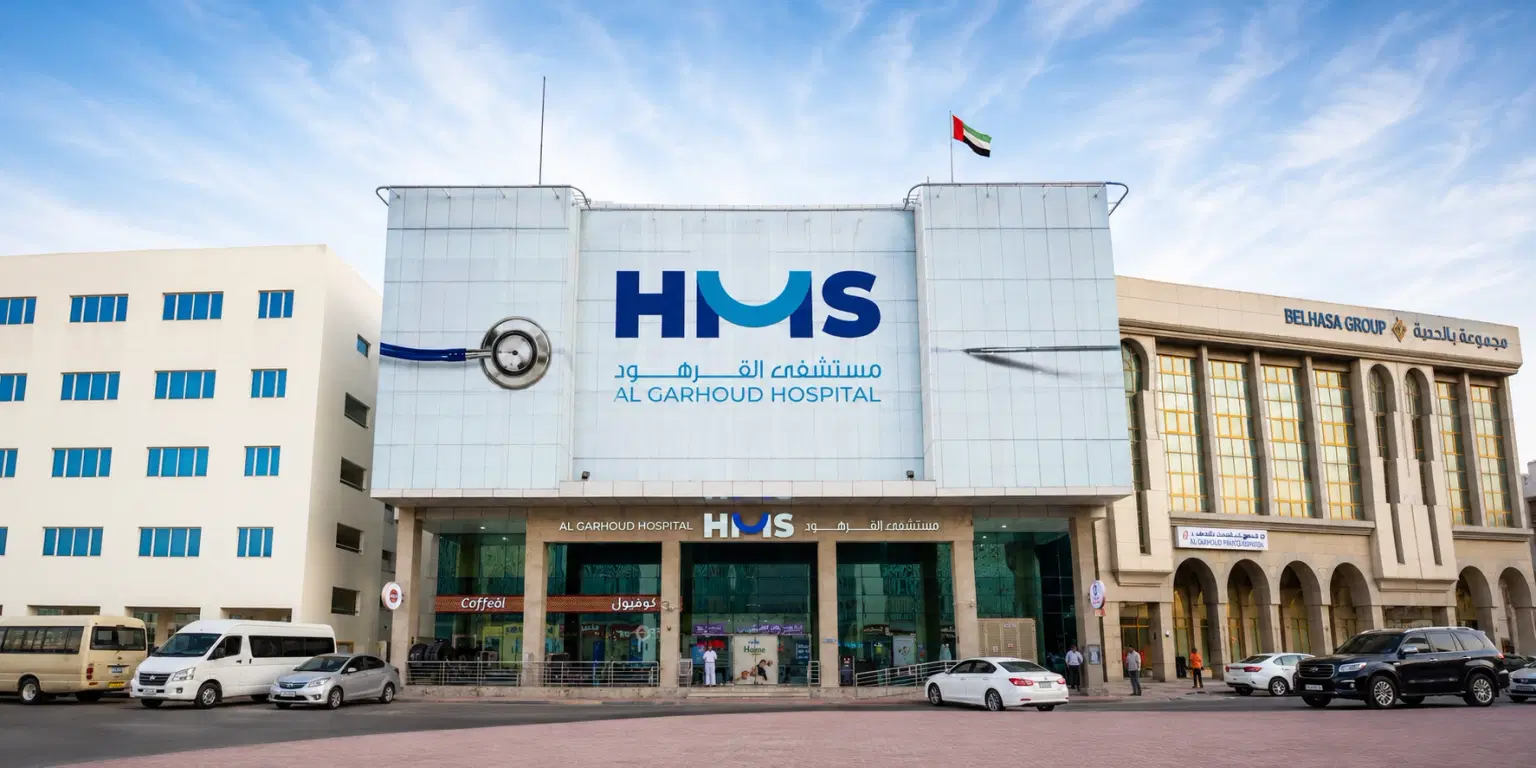
HMS Al Garhoud Hospital, Dubai
Al Garhoud Street, Al Garhoud, Dubai, UAE
HMS Al Garhoud Hospital, Dubai
Meet Our Doctors
Meet our team of highly qualified and experienced medical professionals dedicated to providing the best healthcare services.
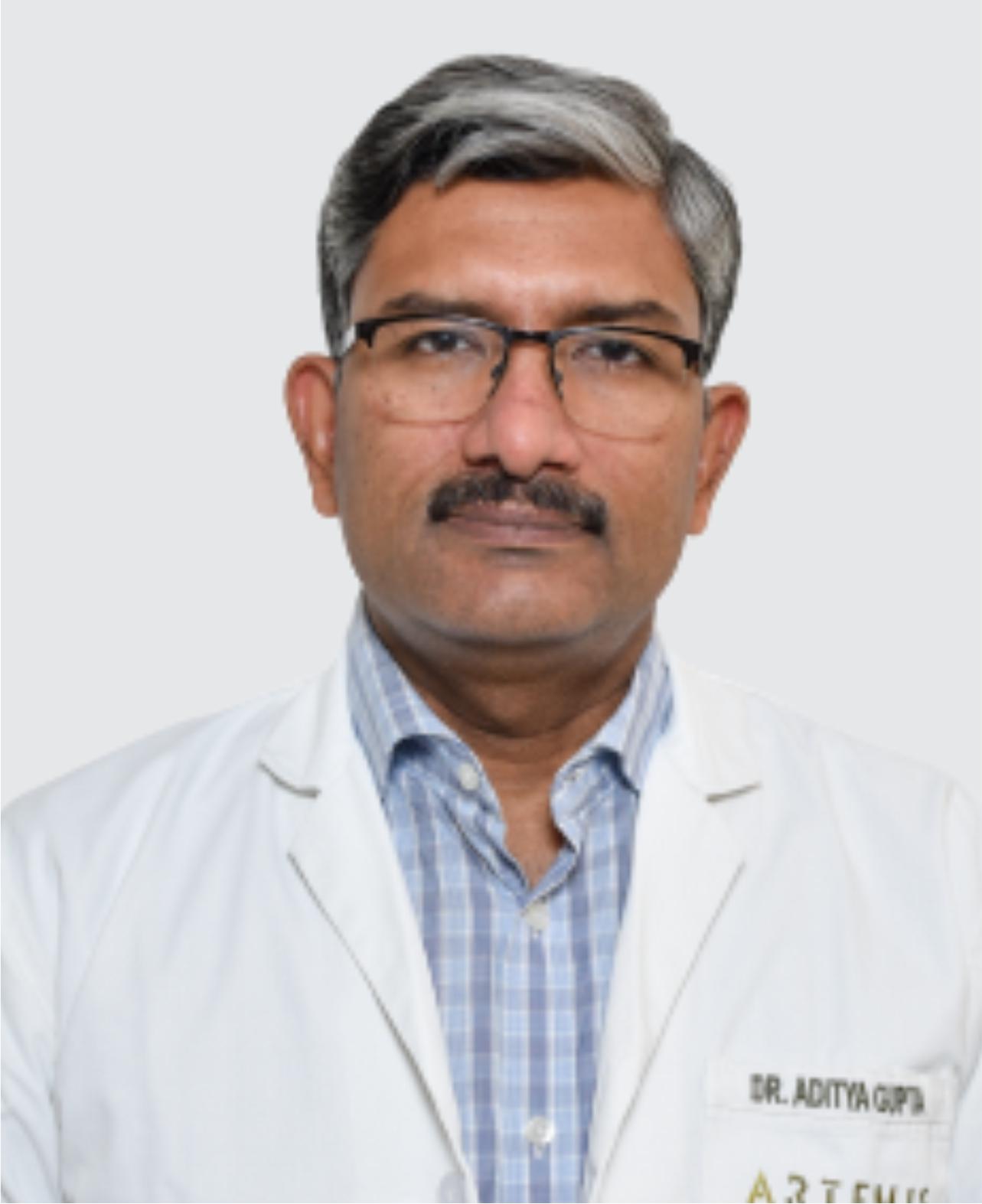
Dr. Aditya Gupta
Chairperson - Neurosurgery & CNS Radiosurgery & Co-Chief - Cyberknife Centre, Artemis Hospitals, Gurgaon
Neurosurgeon
Haryana
32+ Years
Experience
Artemis Hospital
Hospital
1500
Fees
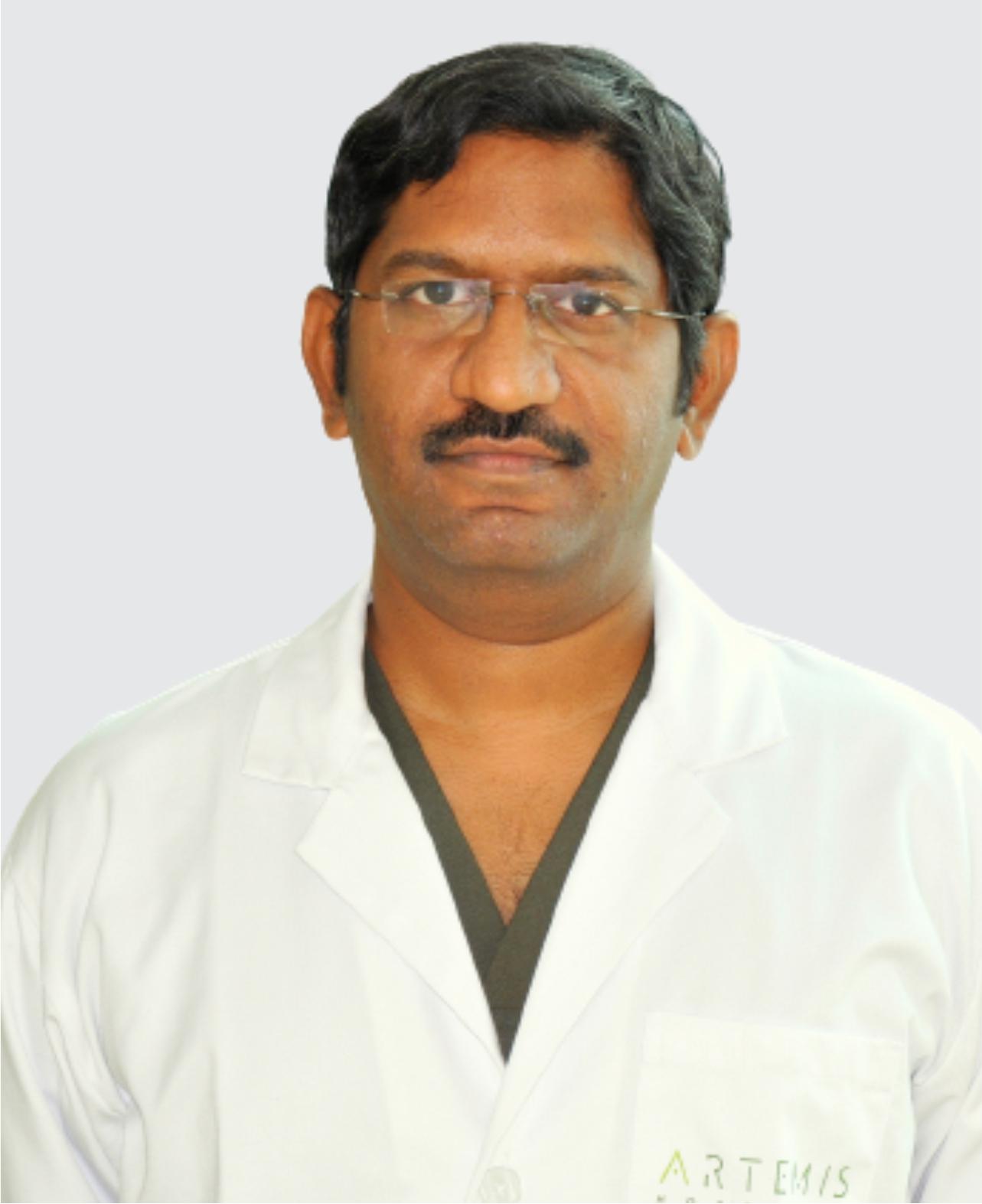
Dr. Y Naveen
Director
Neuroscience
New Delhi
12+ Years
Experience
Artemis Hospital
Hospital
1500
Fees
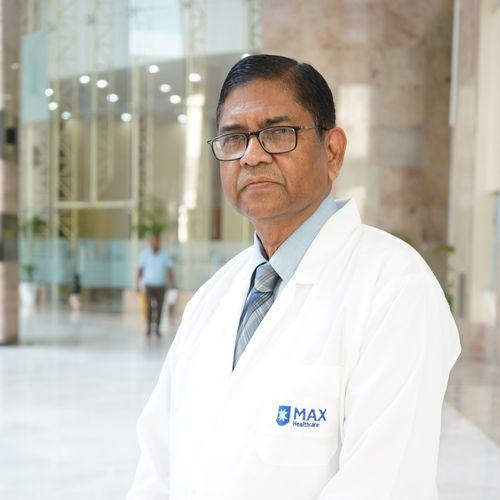
Dr. Nakul Sinha
Chairman - Cardiology
Cardiology
New Delhi
41+ Years
Experience
Max Hospital,Gurgaon
Hospital
1500
Fees
Dr. Abhideep Chaudhary
Chairman & HOD, HPB Surgery and Liver Transplantation
HPB Surgery, Liver Transplantation, Surgical Gastroenterology, Robotic Surgery, Biliary Sciences
New Delhi
20+ Years
Experience
Max Hospital,Gurgaon
Hospital
1500
Fees
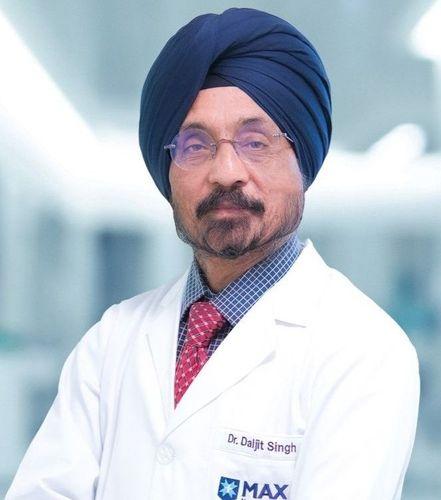
Dr (Prof) Daljit Singh
Vice Chairman & HOD — Neurosurgery and Unit Head — Neuro Intervention, Max Healthcare
Neurosurgery
New Delhi
31+ Years
Experience
Max Hospital,Gurgaon
Hospital
1500
Fees
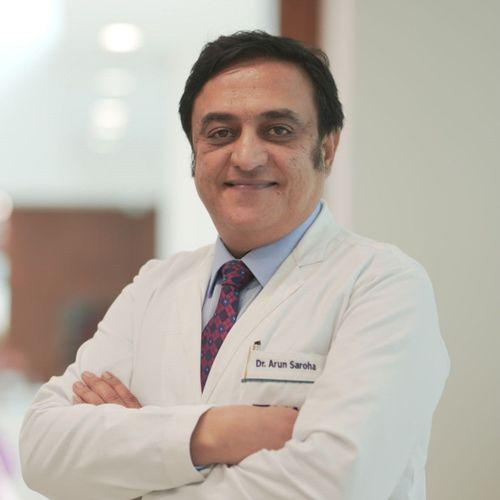
Dr. Arun Saroha
Director & HOD
Neurosurgery
New Delhi
30+ Years
Experience
Apolo Delhi
Hospital
1500
Fees

Dr. Vishal Saxena
Senior Consultant
Neurosurgery
New Delhi
25+ Years
Experience
Apolo Delhi
Hospital
1500
Fees
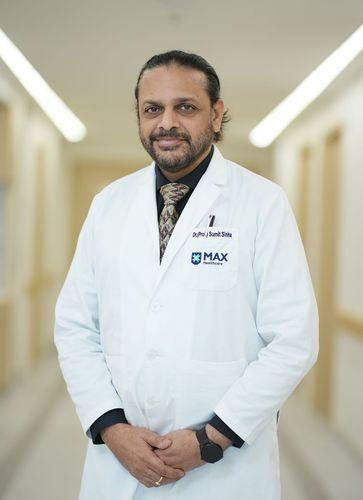
Dr. Sumit Sinha
Chairman - Neurosurgery
Neurosurgery
New Delhi
25+ Years
Experience
Apolo Delhi
Hospital
1500
Fees
Dr. Manish Agarwal
Director - Oncology
Oncology
New Delhi
22+ Years
Experience
Apolo Delhi
Hospital
1500
Fees
Brig. Dr. H.S. Bhatoe
Director - Neuro Surgery, Max Hospital, Saket & Patparganj
Neuro Surgery
New Delhi
50+ Years
Experience
Apolo Delhi
Hospital
1500
Fees
Related Links
Other Treatment related Information
- Minimally Invasive Brain Tumor Surgery cost in India
- Minimally Invasive Brain Tumor Surgery cost in Haryana
- Minimally Invasive Brain Tumor Surgery cost in Bengaluru
- Minimally Invasive Brain Tumor Surgery cost in Chennai
- Minimally Invasive Brain Tumor Surgery cost in Mumbai
- Minimally Invasive Brain Tumor Surgery cost in Hyderabad
- Minimally Invasive Brain Tumor Surgery cost in New Delhi
- Minimally Invasive Brain Tumor Surgery cost in Pune
- Minimally Invasive Brain Tumor Surgery Success Rate in Haryana
- Minimally Invasive Brain Tumor Surgery Success Rate in Hyderabad
- Minimally Invasive Brain Tumor Surgery Success Rate in Pune
- Minimally Invasive Brain Tumor Surgery Success Rate in Bengaluru
- Minimally Invasive Brain Tumor Surgery Success Rate in Mumbai
- Minimally Invasive Brain Tumor Surgery Success Rate in New Delhi
- Minimally Invasive Brain Tumor Surgery Success Rate in India
- Minimally Invasive Brain Tumor Surgery Success Rate in Chennai
- Best Minimally Invasive Brain Tumor Surgery Doctors in Chennai
- Best Minimally Invasive Brain Tumor Surgery Doctors in Mumbai
- Best Minimally Invasive Brain Tumor Surgery Doctors in New Delhi
- Best Minimally Invasive Brain Tumor Surgery Doctors in Pune
Ready To Start Your Healing Journey?
Get Personalized Medical Treatment Options From India's Top Hospitals. Our Medical Experts Are Ready To Assist You Every Step Of The Way.