
Immunotherapy & CAR-T Cell Therapy Treatment in Gurugram for UAE
Need Personalized Advice?
Our medical experts are ready to answer your questions and guide you through your treatment options.
About
Immunotherapy & CAR-T Cell Therapy in Gurugram for UAE Patients
For UAE patients facing complex conditions requiring advanced treatments like Immunotherapy or CAR-T Cell Therapy, the journey often begins with significant questions. Understanding these cutting-edge options can be overwhelming, especially when weighing the best location for specialized care and effective outcomes. Many worry about access to expert medical teams and state-of-the-art facilities.
Patients from the UAE increasingly look towards Gurugram, India, as a leading destination for such sophisticated medical interventions. This city has rapidly emerged as a hub for medical tourism, offering advanced healthcare infrastructure and highly specialized treatment centers. The environment here supports a focused care approach, making it a preferred choice for complex therapies.
Gurugram's hospitals and oncology specialists are globally recognized for their expertise in cellular and biological therapies. The medical ecosystem ensures a seamless patient experience, from initial consultation to advanced treatment and coordinated follow-ups. Patients benefit from integrated care pathways designed to provide continuity and reassurance throughout their medical journey within the city.
Could Gurugram be the right city for your advanced cancer treatment?
What Exactly Are Immunotherapy and CAR-T Cell Therapy?
Immunotherapy and CAR-T Cell Therapy represent groundbreaking approaches in cancer treatment, harnessing the body's own immune system to fight disease. Immunotherapy broadly refers to treatments that boost or restore the immune system's natural ability to recognize and destroy cancer cells. This can involve using specific drugs that block immune checkpoints, allowing T-cells to attack tumors more effectively, or other agents that stimulate an immune response. CAR-T Cell Therapy is a highly specialized form of immunotherapy where a patient’s T-cells are genetically modified in a lab to produce chimeric antigen receptors (CARs). These CARs enable the T-cells to specifically target and kill cancer cells upon re-infusion into the patient, offering a powerful, personalized treatment for certain blood cancers. These therapies aim to offer more targeted and potentially long-lasting responses compared to traditional chemotherapy or radiation.
What Types of Immunotherapy and CAR-T Cell Therapies Are Available?
The field of immunotherapy and cellular therapy is continuously evolving. In Gurugram's advanced medical centers, patients can access various types of these cutting-edge treatments:
- Checkpoint Inhibitors: Medications that block proteins (like PD-1, PD-L1, CTLA-4) that prevent the immune system from attacking cancer cells.
- Monoclonal Antibodies: Lab-produced antibodies designed to target specific antigens on cancer cells or immune cells, either directly killing cancer cells or marking them for immune destruction.
- CAR-T Cell Therapy: A personalized treatment where a patient's T-cells are engineered to target specific cancer antigens, primarily used for certain leukemias and lymphomas.
- Oncolytic Viruses: Viruses genetically modified to infect and kill cancer cells while sparing healthy tissue, also stimulating an anti-tumor immune response.
- Therapeutic Cancer Vaccines: Vaccines that aim to boost the body's immune response against specific cancer cells.
When Is Immunotherapy or CAR-T Cell Therapy Recommended?
- When traditional treatments like chemotherapy or radiation have been ineffective or poorly tolerated.
- For specific types of advanced or metastatic cancers, including melanoma, non-small cell lung cancer, kidney cancer, and bladder cancer.
- For certain hematologic malignancies such as refractory B-cell lymphomas and acute lymphoblastic leukemia, where CAR-T Cell Therapy shows significant promise.
- In cases where the cancer has specific biomarkers that indicate a likely response to immunotherapy.
- As a frontline treatment in some cancers where it has demonstrated superior outcomes compared to conventional therapies.
What Evaluations Are Needed Before Immunotherapy or CAR-T?
- Detailed medical history review and comprehensive physical examination.
- Extensive blood tests including complete blood count, liver and kidney function tests, and infectious disease screening.
- Advanced imaging scans such as CT, MRI, and PET scans to determine cancer stage and spread.
- Biopsy with molecular and genomic testing to identify specific biomarkers and genetic mutations that guide treatment choice.
- Cardiac evaluation, including an ECG and echocardiogram, to assess heart health.
- Pulmonary function tests to evaluate lung capacity and function.
- Consultation with a multidisciplinary team of oncology specialists to formulate a personalized treatment plan.
How Are Immunotherapy and CAR-T Cell Therapies Administered?
The specific procedure for administering these therapies varies significantly based on the type of treatment, the patient's condition, and the overall treatment plan developed by the oncology team.
Immunotherapy Administration
Most immunotherapy drugs are given intravenously (IV) as an infusion. This typically occurs in an outpatient setting, such as a specialized infusion center within a hospital. The frequency and duration of infusions vary, ranging from every few weeks to monthly, and continue for several months or even years, depending on the patient's response and tolerance. Patients are closely monitored during and after each infusion for any immediate reactions or side effects.
CAR-T Cell Therapy Process
CAR-T Cell Therapy is a more complex process involving several distinct stages:
- Apheresis: Blood is drawn from the patient to collect their T-cells, similar to a blood donation process.
- Cell Manufacturing: These T-cells are sent to a specialized laboratory where they are genetically modified to express CARs and then multiplied into millions. This process can take several weeks.
- Lymphodepleting Chemotherapy: While the CAR-T cells are being prepared, patients usually receive a short course of chemotherapy. This helps to make space in the patient's body for the new CAR-T cells and to reduce existing immune cells that might reject them.
- CAR-T Cell Infusion: The modified CAR-T cells are then infused back into the patient intravenously, similar to a blood transfusion.
- Post-Infusion Monitoring: Following infusion, patients require intensive monitoring, often in an inpatient setting, for several weeks. This is crucial due to the potential for significant side effects like Cytokine Release Syndrome (CRS) and neurotoxicity.
What Does Recovery Involve After These Therapies?
Recovery from Immunotherapy and CAR-T Cell Therapy can vary greatly. For standard immunotherapy, many patients experience manageable side effects and can continue daily activities, though regular monitoring appointments are essential. Recovery primarily involves managing immune-related adverse events, which can appear weeks or months after treatment. For CAR-T Cell Therapy, the initial recovery period is more intensive, often requiring hospitalization for close observation for several weeks after infusion. Patients may experience fatigue, fever, and require supportive care for potential severe side effects. Long-term recovery for both involves continuous follow-up with oncology specialists in Gurugram or through coordinated care back in the UAE, managing any lingering side effects, and adhering to prescribed medication and lifestyle adjustments. Healing time varies, but a comprehensive recovery plan is always provided, including guidance on restrictions and rehabilitation as needed.
What Are the Risks and Success Rates of Immunotherapy and CAR-T?
- Immune-related adverse events (irAEs): Immunotherapy can cause the immune system to attack healthy organs, leading to inflammation in the skin, gut, liver, lungs, or endocrine glands.
- Cytokine Release Syndrome (CRS): A potentially severe complication of CAR-T Cell Therapy characterized by fever, low blood pressure, difficulty breathing, and organ dysfunction, requiring intensive care.
- Immune effector Cell-Associated Neurotoxicity Syndrome (ICANS): Another serious CAR-T complication that can cause confusion, seizures, headaches, and speech difficulties.
- Infections: Both therapies can weaken the immune system temporarily, increasing the risk of infections.
- Fatigue: A common and often persistent side effect of many cancer treatments, including immunotherapies.
- Infusion reactions: Allergic or adverse reactions during the intravenous administration of the drugs.
The success rates for Immunotherapy and CAR-T Cell Therapy are highly individual and depend on many factors, including the specific type and stage of cancer, the patient's overall health, and their unique response to treatment. While these therapies have shown remarkable outcomes in many patients, including long-term remissions, they are not universally effective. Outcomes can range from complete remission in some cases to stable disease or limited response in others. Specialists in Gurugram provide realistic expectations based on the latest clinical data and individual patient profiles. Long-term expectations focus on disease control, improving quality of life, and extending survival, with continuous monitoring for recurrence and managing late-onset side effects.
Ready to Discuss Your Treatment Options?
Our team in Gurugram is ready to provide expert guidance on Immunotherapy and CAR-T Cell Therapy. Contact us for a personalized consultation.
What is the Cost of Immunotherapy & CAR-T in Gurugram?
The cost of Immunotherapy and CAR-T Cell Therapy in Gurugram is influenced by several key factors. These include the specific type of immunotherapy drug used, the number of cycles required, the patient's overall health and stage of cancer, the hospital chosen (its infrastructure and reputation), and the fees of the specialist oncologists. CAR-T Cell Therapy, being a highly personalized and complex process involving cell manufacturing, commands a significantly higher cost compared to standard immunotherapy drugs.
For Immunotherapy, a single cycle can range from approximately ₹2,50,000 to ₹12,00,000. For CAR-T Cell Therapy, the comprehensive cost for a full course of treatment in Gurugram typically falls within ₹1,80,00,000 to ₹4,50,00,000.
Comparing Costs: Gurugram vs. Global Centers
Gurugram offers a highly competitive pricing structure for these advanced therapies when compared to many Western countries, without compromising on quality or technological standards. Here is a general comparison:
| Treatment Type | Gurugram (INR) | USA (USD) | UK (GBP) | Germany (EUR) | Singapore (SGD) |
|---|---|---|---|---|---|
| Immunotherapy (per cycle) | ₹2,50,000 - ₹12,00,000 | $15,000 - $35,000 | £8,000 - £20,000 | €10,000 - €25,000 | S$18,000 - S$40,000 |
| CAR-T Cell Therapy (full course) | ₹1,80,00,000 - ₹4,50,00,000 | $500,000 - $1,000,000+ | £300,000 - £600,000 | €400,000 - €800,000 | S$600,000 - S$1,200,000 |
Comprehensive Support for Your Treatment Journey in Gurugram
- Assistance with medical visa application and related travel documentation.
- Coordination for comfortable accommodation options, including hotels and serviced apartments.
- Arrangement of local transport for hospital visits and other necessary movements within Gurugram.
- Provision of professional interpreter services to ensure clear communication with medical staff.
- Streamlined appointment scheduling and management with leading oncologists and specialists.
- Guidance on post-treatment follow-up coordination, including remote consultations after returning home.
Essential Documents for Your Medical Visit to Gurugram
- Valid passport with at least six months validity.
- Medical visa for India (if required for UAE nationals, though typically visa-on-arrival or eVisa).
- All relevant past and present medical reports, including biopsy results, imaging scans, and treatment summaries.
- Referral letters from your primary doctor or specialist in the UAE, if available.
- Any insurance policy details, if you plan to use international medical insurance.
- Proof of financial capacity to cover treatment and travel expenses.
Preparing for Your Immunotherapy or CAR-T Journey in Gurugram
- Engage in an initial virtual consultation with a Gurugram specialist to discuss your case and potential treatment plan.
- Finalize your travel arrangements including flights and accommodation in advance.
- Ensure all necessary medical records are compiled and ready to be shared with the Gurugram medical team.
- Understand the financial aspects of your treatment, including estimated costs and payment procedures.
- Plan for a sufficient duration of stay in Gurugram, especially for CAR-T therapy which requires extended post-infusion monitoring.
- Identify a reliable local contact or support person in Gurugram if traveling alone.
Post-Treatment Care and Follow-Up After Returning Home
- Strict adherence to all prescribed medications and ongoing treatment protocols as advised by your Gurugram doctors.
- Diligent monitoring for any new or worsening side effects and prompt reporting to your local physician or Gurugram care team.
- Scheduling regular follow-up appointments, which may include remote consultations with your Gurugram specialists.
- Implementing recommended lifestyle adjustments for optimal recovery and long-term health.
- Maintaining open communication with your Gurugram oncology team for any concerns or updates regarding your health.
- Arranging for necessary local support or home care services as required during your recovery period.
Connect with Gurugram's Leading Cancer Specialists Today
Take the first step towards world-class cancer treatment. Our patient coordinators are here to assist UAE patients with every detail.
Ready to Explore Your Treatment Options in Gurugram?
Choosing advanced therapy is a significant decision. Gurugram's leading hospitals are equipped to provide the specialized care you need. Reach out to us for personalized guidance and support on your path to recovery.
Hospitals Offering this treatment
India offers premium medical procedures at affordable prices. Discover our most popular treatments, delivered by the country's finest doctors.
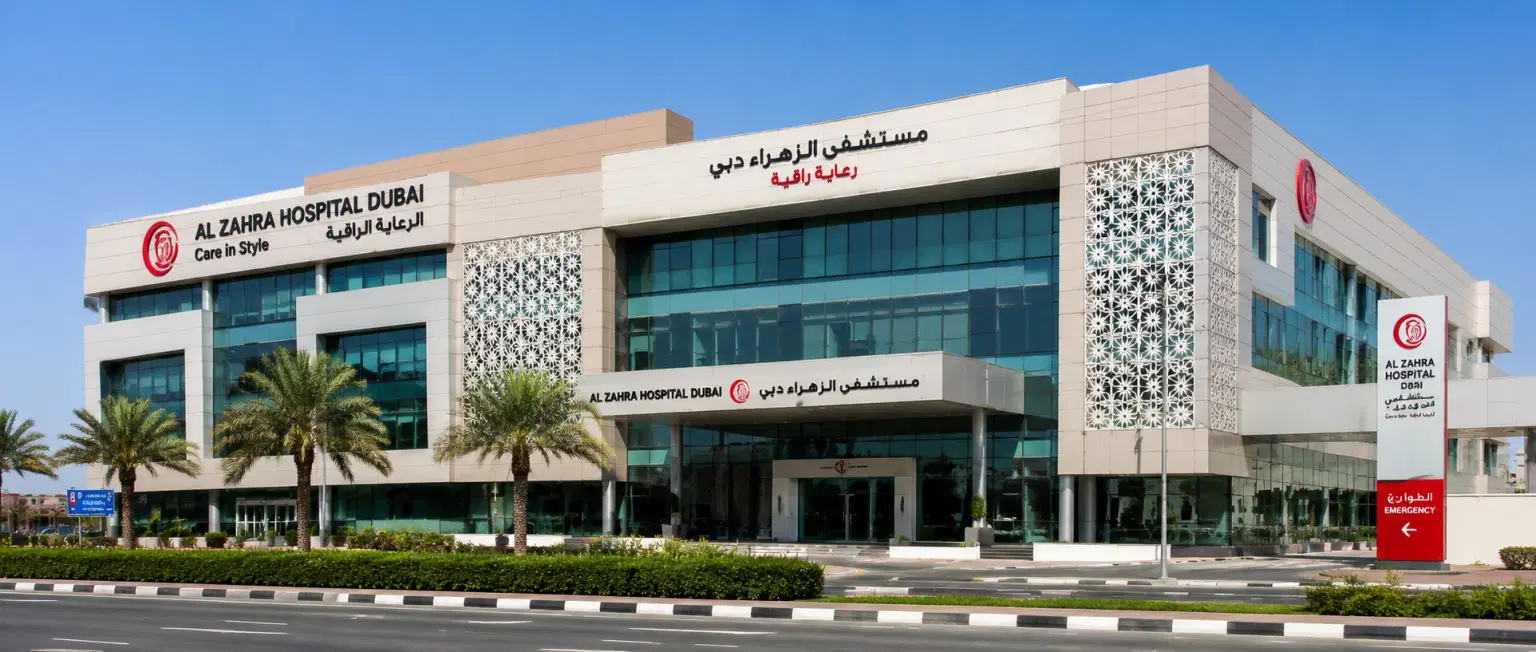
Al Zahra Hospital, Dubai
Sheikh Zayed Road, Al Barsha 1, Dubai, UAE
Al Zahra Hospital, Dubai
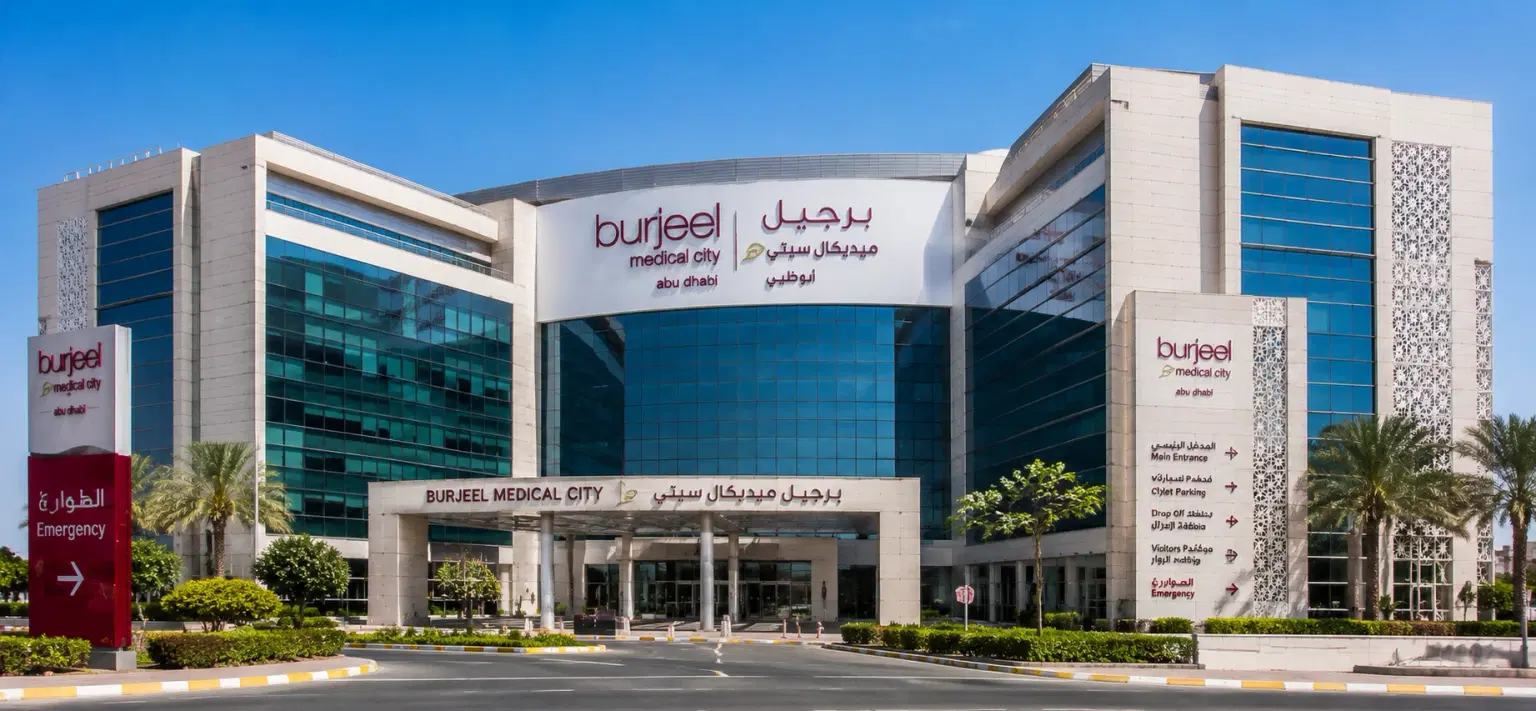
Burjeel Medical City, Abu Dhabi
28th Street, Mohammed Bin Zayed City, Abu Dhabi, UAE
Burjeel Medical City, Abu Dhabi
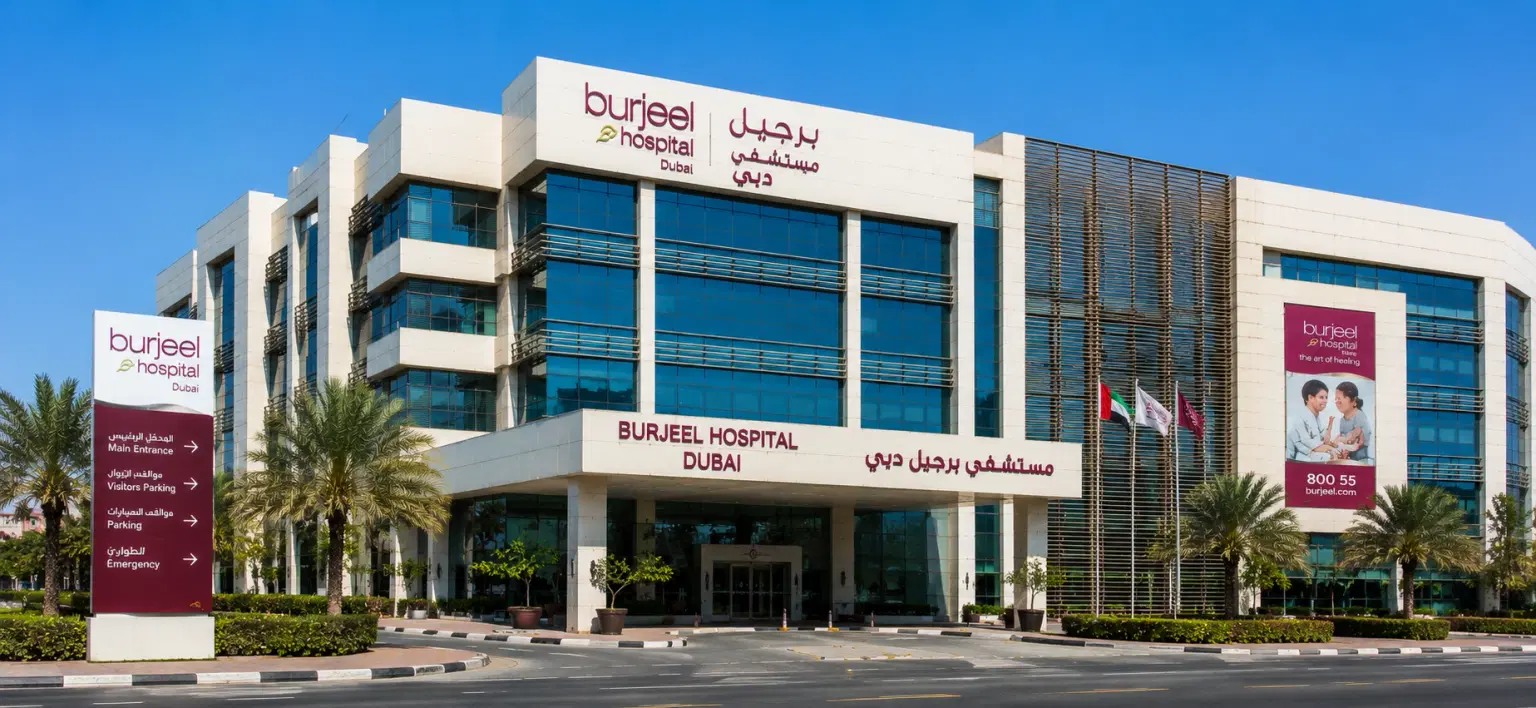
Burjeel Hospital, Dubai
Dubai, UAE (part of Burjeel Holdings network)
Burjeel Hospital, Dubai
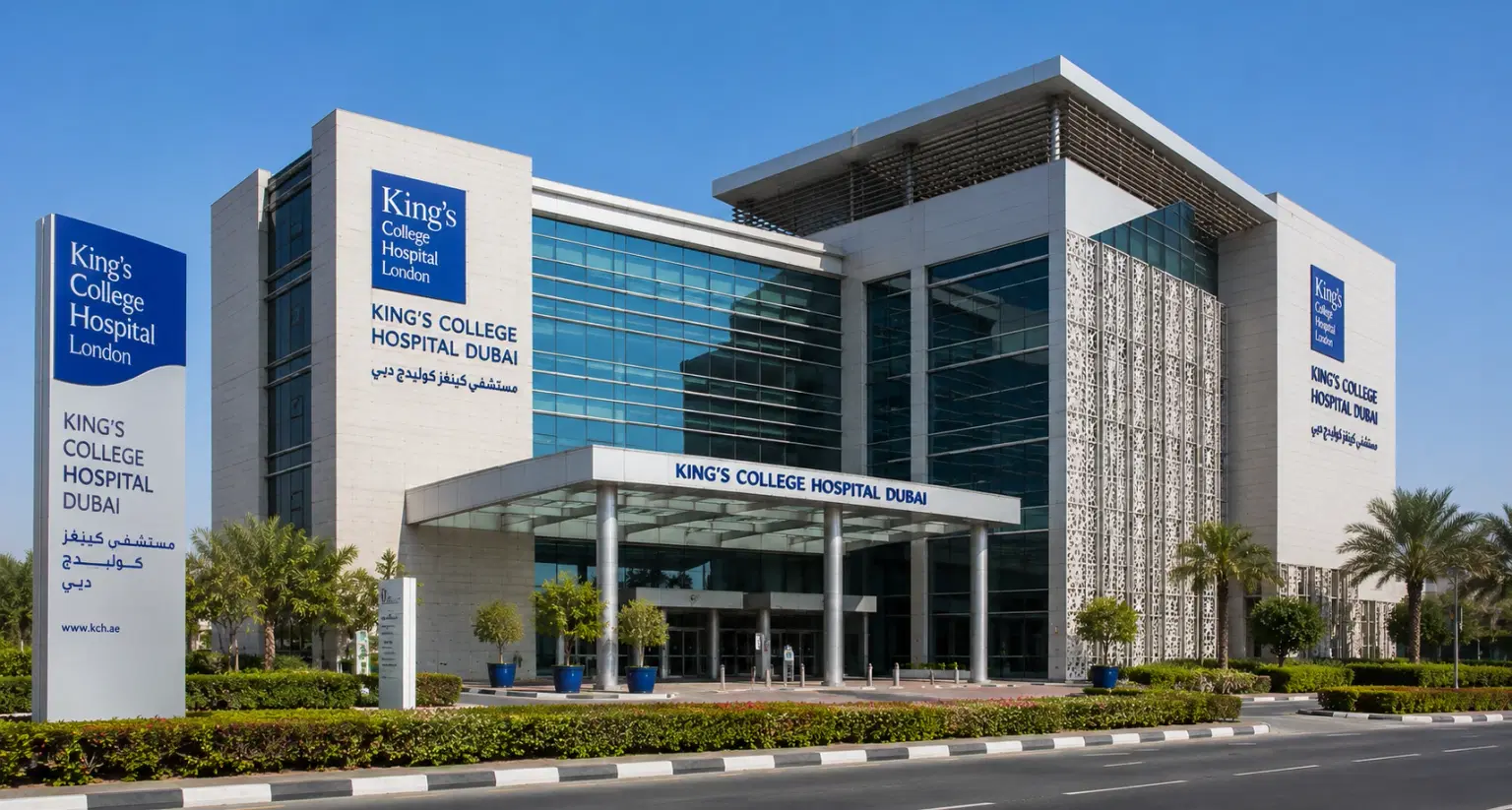
King's College Hospital, Dubai
Dubai Hills, Mohammed Bin Rashid City, Dubai, UAE
King's College Hospital, Dubai
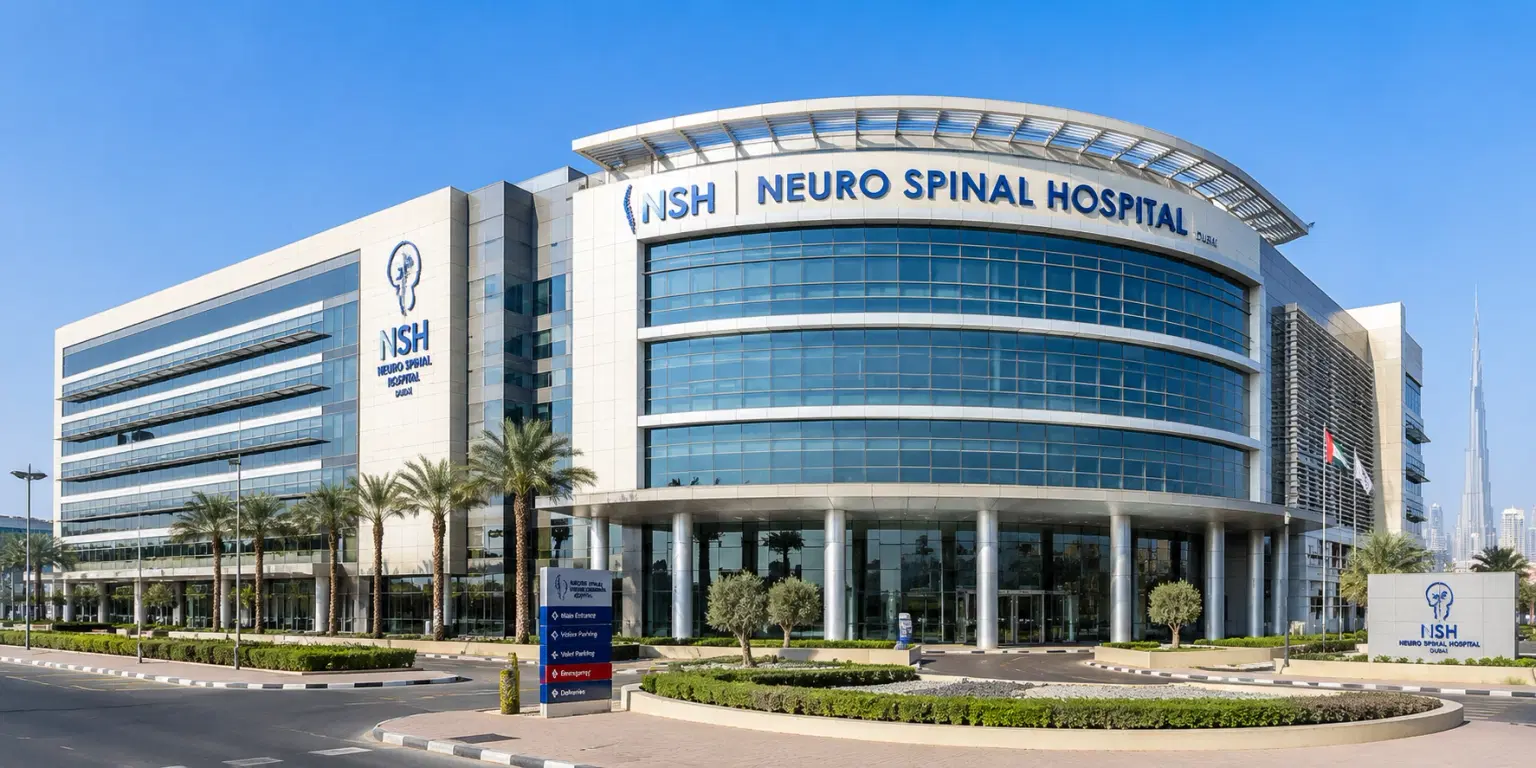
Neuro Spinal Hospital (NSH), Dubai
Dubai Science Park, Umm Suqeim St, Al Barsha South, Dubai, UAE
Neuro Spinal Hospital (NSH), Dubai
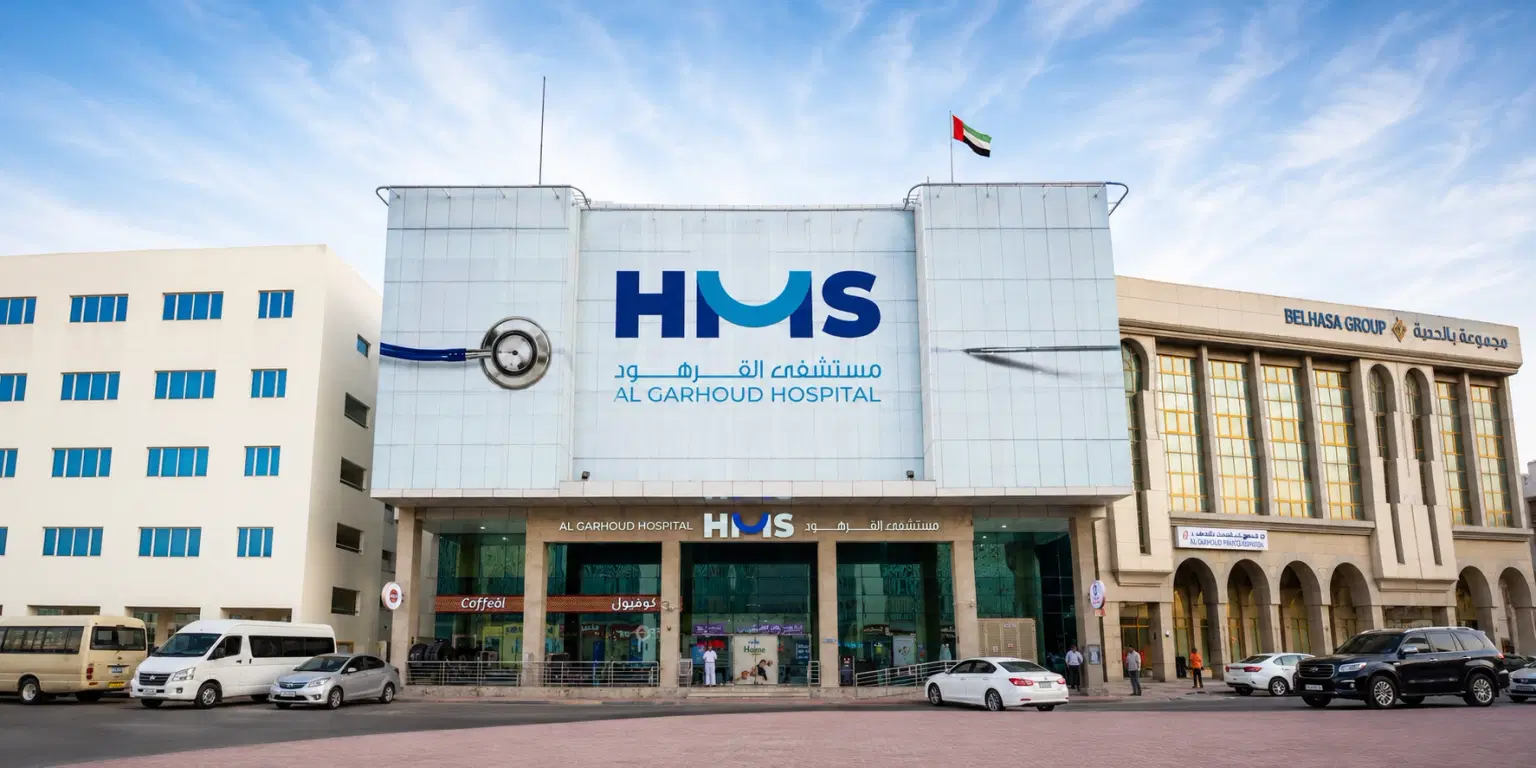
HMS Al Garhoud Hospital, Dubai
Al Garhoud Street, Al Garhoud, Dubai, UAE
HMS Al Garhoud Hospital, Dubai
Meet Our Doctors
Meet our team of highly qualified and experienced medical professionals dedicated to providing the best healthcare services.

Dr. Shelly Mittal
Sr. Consultant
Medical Oncology & Hematology
New Delhi
14+ Years
Experience
Artemis Hospital
Hospital
1500
Fees

Dr. Hari Goyal
Director
Medical Oncology & Haemato-Oncology
New Delhi
34+ Years
Experience
Apolo Delhi
Hospital
1500
Fees
Related Links
Other Treatment related Information
International Patient Visiting India
Ready To Start Your Healing Journey?
Get Personalized Medical Treatment Options From India's Top Hospitals. Our Medical Experts Are Ready To Assist You Every Step Of The Way.