Cardiac Ablation for Arrhythmias Treatment in Gurugram for Bangladesh
Need Personalized Advice?
Our medical experts are ready to answer your questions and guide you through your treatment options.
About
Cardiac Ablation for Arrhythmias in Gurugram for Bangladesh Patients
Patients from Bangladesh often face concerns regarding persistent arrhythmias and the most effective treatment options available. Understanding the intricacies of conditions like atrial fibrillation or supraventricular tachycardia can be overwhelming, leading many to seek specialized cardiac care beyond their immediate borders. The search for advanced and accessible heart rhythm solutions is a common challenge.
Gurugram, a prominent medical hub in India, emerges as a significant destination for such specialized cardiac care. Patients often choose Gurugram for its well-established medical infrastructure and its reputation for coordinating complex treatment pathways. The city’s focus on patient experience and efficient care delivery attracts individuals seeking clarity and reliability.
The trust placed in Gurugram's healthcare ecosystem stems from its network of leading hospitals and highly skilled cardiac specialists. These facilities are known for offering comprehensive support, ensuring a smooth patient journey from initial consultation to post-procedure follow-ups. The integrated care environment helps build confidence in the treatment process.
Gurugram offers a reliable environment for advanced cardiac ablation treatments.
What is Cardiac Ablation for Arrhythmias?
Cardiac ablation is a medical procedure used to correct heart rhythm problems, known as arrhythmias. It works by carefully creating small scars on specific areas of the heart tissue responsible for irregular electrical signals. These scars block the abnormal electrical pathways, helping the heart return to a normal, steady rhythm. This intervention is often considered when medications are not effective or when a patient prefers a more definitive solution for their arrhythmia symptoms. It targets the source of the electrical misfiring, offering relief from symptoms like palpitations, dizziness, and fatigue caused by an irregular heartbeat.
Types of Cardiac Ablation Procedures
Different approaches are used for cardiac ablation, depending on the type and location of the arrhythmia:
- Radiofrequency (RF) Ablation: Uses heat energy to create small scars. A catheter delivers radiofrequency waves to the target area.
- Cryoablation: Employs extreme cold to freeze and destroy the problematic heart tissue. This method can sometimes reduce the risk of damage to nearby structures.
- Laser Ablation: Utilizes focused laser energy to ablate tissue, often guided by advanced imaging techniques for precision.
- Surgical Ablation (Maze Procedure): Performed during open-heart surgery, often in conjunction with other cardiac procedures like valve repair. This is typically reserved for complex cases.
- Catheter Ablation: The most common type, where thin, flexible tubes (catheters) are threaded through blood vessels to the heart. Both radiofrequency and cryoablation can be performed via catheter.
When is Cardiac Ablation Required?
- Persistent or symptomatic atrial fibrillation (AFib)
- Supraventricular tachycardia (SVT) not controlled by medication
- Ventricular tachycardia (VT) in specific cases
- Wolff-Parkinson-White (WPW) syndrome
- Flutter or other atrial arrhythmias causing significant discomfort
- When antiarrhythmic medications cause intolerable side effects
- Patients seeking a permanent solution for their heart rhythm disorder
- Risk of stroke or heart failure due to uncontrolled arrhythmias
Pre-Treatment Evaluation Process
- Electrocardiogram (ECG or EKG) to record heart's electrical activity
- Echocardiogram (echo) to assess heart structure and function
- Holter monitor or event recorder to track heart rhythm over time
- Stress test to evaluate heart function during exertion
- Cardiac MRI or CT scan for detailed imaging of the heart chambers
- Blood tests to check overall health and kidney function
- Electrophysiology (EP) study to precisely map abnormal electrical pathways
- Consultation with a cardiac electrophysiologist to discuss treatment plan
How Cardiac Ablation is Performed
The specific steps for a cardiac ablation procedure depend on the type of arrhythmia and the chosen ablation technique, tailored to each patient's condition.
Before the Procedure
Patients are typically given a sedative to help them relax, and local anesthetic is applied to the groin area where catheters will be inserted. In some cases, general anesthesia may be used.
Catheter Insertion and Mapping
Thin, flexible catheters are guided through a blood vessel, usually in the groin, to the heart. Once inside the heart, an electrophysiology (EP) study is performed. This involves sending small electrical impulses to map the heart's electrical activity and pinpoint the exact source of the irregular rhythm.
Ablation
Once the problematic area is identified, the ablation catheter delivers energy (either heat from radiofrequency or cold from cryoablation) to create small scars. These scars block the abnormal electrical signals without damaging healthy heart tissue. The procedure's duration can vary, often lasting several hours.
Completion
After the ablation is complete, the catheters are carefully removed. Pressure is applied to the insertion site to prevent bleeding. Patients are then moved to a recovery area for monitoring.
Recovery Process After Cardiac Ablation
After a cardiac ablation, patients typically remain in the hospital for observation, often overnight. During this time, the insertion site is monitored for bleeding, and heart rhythm is continuously checked. Most patients can resume light activities within a few days, but strenuous exercise or heavy lifting is usually restricted for a week or two. It is common to experience mild chest discomfort or palpitations in the initial weeks as the heart heals. Regular follow-up appointments with the electrophysiologist are crucial to monitor recovery, assess the success of the ablation, and make any necessary adjustments to medication. Full healing and stabilization of heart rhythm can take several weeks to months.
Potential Risks and Success Rates
- Bleeding, bruising, or infection at the catheter insertion site
- Temporary chest discomfort or palpitations after the procedure
- Damage to nearby heart structures or blood vessels
- Formation of blood clots, potentially leading to stroke
- Pericardial effusion or tamponade (fluid around the heart)
- Rarely, damage to the heart's electrical conduction system requiring a pacemaker
- Radiation exposure from X-ray guidance during the procedure
- Recurrence of the arrhythmia, necessitating repeat procedures
The success rate of cardiac ablation varies depending on the type and complexity of the arrhythmia, as well as individual patient factors. For conditions like SVT, success rates can be very high, often exceeding 90%. For atrial fibrillation, success rates typically range from 60% to 80% after a single procedure, with some patients requiring a second ablation for optimal results. Long-term outcomes are generally favorable, with many patients experiencing significant improvement in symptoms and quality of life. Results can be influenced by factors such as the patient's age, underlying heart conditions, and lifestyle choices.
Cost of Cardiac Ablation in Gurugram
The overall cost of cardiac ablation in Gurugram can vary significantly based on several factors. These include the specific hospital chosen, the experience and reputation of the cardiac electrophysiologist, the complexity of the arrhythmia requiring treatment, and the type of ablation technology used (e.g., radiofrequency vs. cryoablation). Additional costs may arise from pre-operative diagnostics, length of hospital stay, any necessary post-operative care, and medication.
Generally, the cost for cardiac ablation for arrhythmias in Gurugram ranges from approximately INR 2,50,000 to INR 6,50,000.
Comparing Cardiac Ablation Costs: Gurugram vs. Global
Gurugram offers a highly competitive option for cardiac ablation when compared to healthcare costs in many Western countries. The table below illustrates typical cost ranges for the procedure in Gurugram alongside select international destinations, providing a clear perspective for patients.
| Location | Estimated Cost Range (USD) |
|---|---|
| Gurugram, India | $3,000 - $8,000 |
| United States | $30,000 - $70,000 |
| United Kingdom | $20,000 - $45,000 |
| Thailand | $10,000 - $20,000 |
| Singapore | $15,000 - $30,000 |
Considering cardiac ablation in Gurugram? Speak with our patient support team to understand your options and receive a personalized cost estimate.
Comprehensive Support Services for Your Medical Journey
- Assistance with medical visa applications for Bangladesh patients
- Scheduling initial consultations and specialist appointments
- Arranging airport transfers and local transportation within Gurugram
- Facilitating accommodation options for patients and accompanying family
- Providing language interpretation services if required
- Coordinating follow-up appointments and post-discharge care plans
- Guidance on local amenities and cultural nuances for a comfortable stay
- Dedicated patient care manager for personalized assistance throughout your visit
Essential Documents for Your Treatment Trip
- Valid passport and medical visa for India
- All relevant medical reports, diagnostic images, and doctor's notes
- Current medication list, including dosages
- Referral letter from your local physician, if applicable
- Proof of address and identity for hospital registration
- Travel insurance details (recommended)
- Emergency contact information for family members
- Financial documents or proof of funds for medical expenses
Preparing for Your Cardiac Ablation Procedure
- Follow your doctor's instructions regarding medication adjustments, especially blood thinners
- Arrange for a companion to accompany you during your hospital stay and initial recovery
- Inform your medical team about any allergies or previous reactions to anesthesia
- Avoid eating or drinking for a specified period before the procedure
- Pack comfortable clothing and essential personal items for your hospital stay
- Ask any remaining questions to clarify the procedure and recovery expectations
- Ensure all necessary tests and evaluations are completed beforehand
- Discuss travel plans and recovery period with your doctor before departing for Gurugram
Guidance for Recovery and Aftercare Post-Procedure
- Adhere strictly to prescribed medications, including blood thinners, as directed
- Monitor the catheter insertion site for any signs of bleeding, swelling, or infection
- Avoid strenuous activities, heavy lifting, and prolonged standing for the recommended period
- Stay well-hydrated and maintain a balanced diet to support healing
- Attend all scheduled follow-up appointments with your cardiac specialist
- Report any concerning symptoms such as severe chest pain, shortness of breath, or fever immediately
- Gradually reintroduce physical activity as advised by your healthcare team
- Consider a period of rest before undertaking long-distance travel back home
Ready to Explore Your Treatment Path?
Understanding your options for cardiac ablation is the first step toward better heart health. Our team is here to guide you through every stage of your medical journey in Gurugram.
Contact us today for a free consultation and let us help you connect with leading cardiac specialists in Gurugram.
Hospitals Offering this treatment
India offers premium medical procedures at affordable prices. Discover our most popular treatments, delivered by the country's finest doctors.
Meet Our Doctors
Meet our team of highly qualified and experienced medical professionals dedicated to providing the best healthcare services.
Dr. D.K. Jhamb
Chief Cardiology (Unit IV)
Cardiology
New Delhi
30+ Years
Experience
Artemis Hospital
Hospital
1500
Fees
Dr Amit Jassal
Principal Consultant - Anaesthesia
Anaesthesia
New Delhi
15+ Years
Experience
Artemis Hospital
Hospital
1500
Fees
Dr. Devendra Singh Solanki
Head Unit I
Orthopaedic Surgery, Orthopaedics
New Delhi
15+ Years
Experience
Artemis Hospital
Hospital
1500
Fees
Dr. P. Venkata Krishnan
Sr. Consultant
Internal Medicine
New Delhi
12+ Years
Experience
Artemis Hospital
Hospital
1500
Fees
Dr. Ramkinkar Jha
Chief and Unit Head - Orthopaedics (Unit III)
Orthopaedic Surgery, Orthopaedics, Robotic Surgery
New Delhi
20+ Years
Experience
Artemis Hospital
Hospital
1500
Fees
Dr. Biswajyoti Hazarika
Chief - Head & Neck Surgery
Oncology
New Delhi
20+ Years
Experience
Artemis Hospital
Hospital
1500
Fees
Dr. Yatin Kukreja
Director
Cardiology
New Delhi
14+ Years
Experience
Artemis Hospital
Hospital
1500
Fees
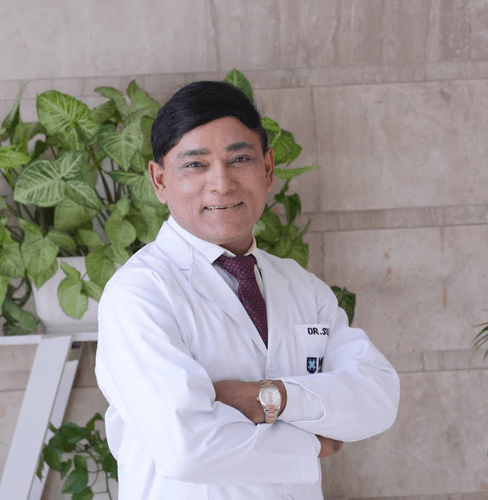
Dr Sujoy Bhattacharjee
Director & HOD – Robotic Joint Replacement Surgery, Max Healthcare
Orthopaedics
New Delhi
23+ Years
Experience
Max Hospital,Gurgaon
Hospital
1500
Fees
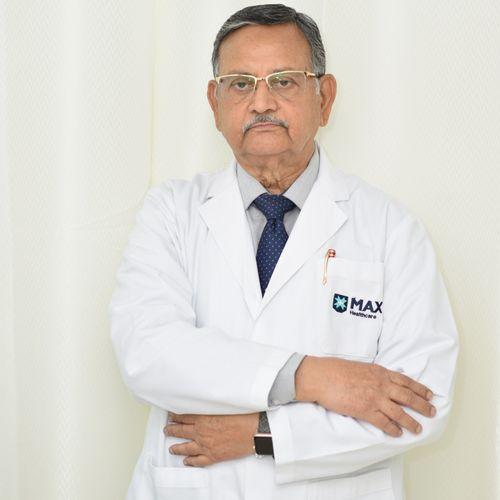
Dr. Mazhar Husain
Chairman & Chief Neurosurgeon
Neurosurgery
New Delhi
51+ Years
Experience
Max Hospital,Gurgaon
Hospital
1500
Fees
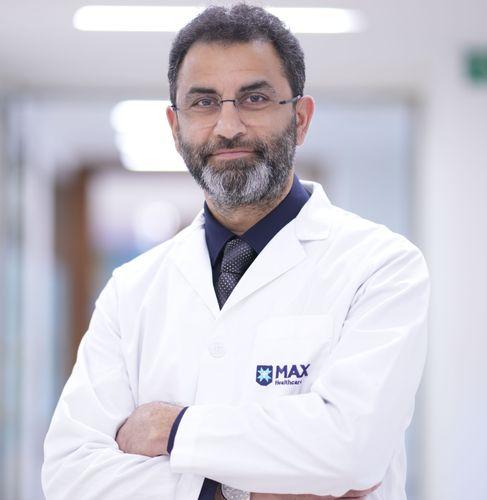
Dr. Bhushan Nariani
Chairman - Orthopaedics (Joint Diseases & Joint Replacement)
Orthopaedics, Joint Replacement, Robotic Surgery
New Delhi
25+ Years
Experience
Max Hospital,Gurgaon
Hospital
1500
Fees
Related Links
Other Treatment related Information
Ready To Start Your Healing Journey?
Get Personalized Medical Treatment Options From India's Top Hospitals. Our Medical Experts Are Ready To Assist You Every Step Of The Way.