Cardiac Ablation for Arrhythmias Treatment in Gurugram for Ethiopia
Need Personalized Advice?
Our medical experts are ready to answer your questions and guide you through your treatment options.
About
Cardiac Ablation for Arrhythmias in Gurugram for Ethiopia Patients
For patients from Ethiopia facing heart rhythm disorders, the search for advanced and reliable treatment like Cardiac Ablation can be challenging. Concerns about medical standards, access to specialist care, and overall healthcare quality often weigh heavily when considering international options.
Many patients look towards Gurugram, India, as a leading destination for complex cardiac procedures. The city offers a well-developed medical infrastructure, renowned cardiac centers, and a coordinated care environment designed to support international patients from initial consultation through recovery.
Trust in Gurugram's medical community is built on its highly skilled cardiologists and surgeons, state of the art hospitals, and comprehensive patient support systems. The ease of communication, clear treatment plans, and dedicated medical tourism facilitators ensure a smooth experience for those seeking care.
Is Gurugram the right choice for your cardiac ablation journey?
What is Cardiac Ablation for Arrhythmias?
Cardiac ablation is a minimally invasive procedure designed to correct irregular heartbeats, known as arrhythmias. It involves carefully creating small scars in the heart tissue using heat (radiofrequency) or extreme cold (cryoablation). These scars block abnormal electrical signals that cause the arrhythmia, helping the heart return to a normal rhythm and improving overall heart function. It is a targeted approach to address specific areas of electrical dysfunction.
What are the Different Approaches to Cardiac Ablation?
Different types of cardiac ablation are typically categorized by the energy source used and the specific area of the heart being treated:
- Radiofrequency (RF) Ablation: Uses heat energy to destroy small areas of heart tissue responsible for abnormal electrical signals.
- Cryoablation: Uses extreme cold to freeze and destroy problematic heart tissue. This method can offer advantages in certain sensitive areas.
- Pulmonary Vein Isolation (PVI): A common technique for Atrial Fibrillation, where ablation targets the areas around the pulmonary veins to block erratic signals.
- Ventricular Tachycardia (VT) Ablation: Targets specific regions within the ventricles to treat life threatening arrhythmias originating there.
- Supraventricular Tachycardia (SVT) Ablation: Addresses fast heart rates originating above the ventricles, such as AVNRT or WPW syndrome.
When is Cardiac Ablation Recommended?
- Persistent or recurrent arrhythmias like Atrial Fibrillation, Supraventricular Tachycardia, or Ventricular Tachycardia.
- Arrhythmias that do not respond well to medication or cause significant side effects.
- Symptoms such as palpitations, dizziness, shortness of breath, or chest discomfort due to irregular heart rhythms.
- Risk of stroke or other complications from uncontrolled arrhythmias.
- Specific conditions like Wolff Parkinson White (WPW) syndrome causing rapid heart rates.
What Evaluations are Needed Before Cardiac Ablation?
- Detailed medical history review and physical examination.
- Electrocardiogram (ECG or EKG) to record the heart's electrical activity.
- Holter monitor or event monitor to track heart rhythms over an extended period.
- Echocardiogram to visualize heart structure and function.
- Cardiac MRI or CT scan for detailed imaging of the heart chambers and surrounding structures.
- Electrophysiology (EP) study to map the heart's electrical pathways and pinpoint the source of the arrhythmia.
- Blood tests including kidney function, electrolytes, and clotting factors.
How is Cardiac Ablation Performed?
The procedure for cardiac ablation depends on the type of arrhythmia and the patient's specific heart anatomy. It is typically performed in an electrophysiology laboratory.
Preparation
Before the procedure, patients receive local anesthesia and conscious sedation, or sometimes general anesthesia. Catheters are inserted into blood vessels, usually in the groin, and guided to the heart.
Mapping
An electrophysiology (EP) study is conducted to create a detailed electrical map of the heart. This map precisely identifies the areas where abnormal electrical signals originate or are conducted, which are the targets for ablation.
Ablation
Once the problematic areas are identified, the ablation catheter delivers energy (radiofrequency heat or cryoablation cold) to create small lesions. These lesions scar the tissue, blocking the abnormal electrical pathways without significantly affecting normal heart function. The physician continuously monitors heart rhythms and catheter position throughout the process.
Post Procedure
After successful ablation, the catheters are removed, and pressure is applied to the insertion sites to prevent bleeding. Patients are monitored in a recovery area for several hours or overnight.
What Does Recovery After Cardiac Ablation Involve?
After cardiac ablation, patients typically spend a few hours to one day in the hospital for monitoring. Mild discomfort or bruising at the catheter insertion site is common. Most individuals can resume light activities within a few days, but strenuous exercise should be avoided for about a week. Full recovery usually takes several weeks as the heart tissue heals. Regular follow up appointments with a cardiologist are essential to monitor heart rhythm and ensure the success of the ablation. Medication adjustments may also be part of the post treatment plan.
What are the Risks and Success Rates of Cardiac Ablation?
- Bleeding or bruising at the catheter insertion site.
- Infection, though rare, can occur at the access point.
- Damage to blood vessels or surrounding heart structures.
- Perforation of the heart muscle, leading to fluid accumulation around the heart (cardiac tamponade).
- Stroke or blood clots, though minimized with anticoagulant medications.
- Recurrence of the arrhythmia, sometimes requiring a repeat procedure.
- Minor risks include temporary nerve irritation or esophageal injury.
The success rate for cardiac ablation varies depending on the type of arrhythmia. For conditions like SVT, success rates can be over 95 percent. For Atrial Fibrillation, initial success rates range from 60 to 80 percent, with some patients requiring a second procedure for sustained rhythm control. Factors influencing outcomes include the patient's age, the duration and type of arrhythmia, and the presence of underlying heart disease. Long term success involves continued monitoring and adherence to lifestyle recommendations.
How Much Does Cardiac Ablation Cost in Gurugram?
The cost of Cardiac Ablation in Gurugram can vary significantly based on several factors. These include the specific hospital chosen, the experience of the electrophysiologist, the complexity of the arrhythmia, the type of ablation performed (radiofrequency vs. cryoablation), and the length of hospital stay. Additional costs may arise from pre procedure diagnostics, post procedure medications, and any necessary extended recovery care. Gurugram offers competitive pricing for high quality medical care.
Generally, the cost for Cardiac Ablation in Gurugram can range from 4,000 USD to 10,000 USD.
Gurugram vs. Global Cardiac Ablation Costs
Gurugram provides a cost effective alternative for Cardiac Ablation without compromising on medical excellence. Below is a comparison of average costs for the procedure in Gurugram versus other major medical destinations worldwide.
| Location | Estimated Cost (USD) |
|---|---|
| Gurugram, India | 4,000 - 10,000 |
| United States | 40,000 - 65,000 |
| United Kingdom | 25,000 - 40,000 |
| Singapore | 20,000 - 35,000 |
| Thailand | 10,000 - 20,000 |
Ready to Explore Treatment Options in Gurugram?
Connect with top cardiac specialists and hospitals for a personalized treatment plan and cost estimate.
Comprehensive Support Services for Your Medical Journey
- Assistance with medical visa application and extension processes.
- Arrangement of suitable accommodation for patients and accompanying family members.
- Coordination of airport transfers and local transportation.
- Translation services to ensure clear communication with medical staff.
- Guidance for medical record compilation and secure transfer.
- Post treatment follow up scheduling and telemedicine support.
Essential Papers for Your Medical Visit to Gurugram
- Valid passport and medical visa for entry into India.
- All relevant medical reports, imaging scans, and diagnostic results.
- Referral letter from your local doctor, if available.
- Proof of financial solvency for treatment and stay.
- Any previous treatment summaries or medication lists.
Preparing for Your Cardiac Ablation Procedure
- Initial online consultation with a Gurugram cardiologist.
- Detailed review of your medical records by the specialized team.
- Travel planning and booking arrangements for your convenience.
- Understanding pre procedural dietary and medication instructions.
- Arranging for a companion to accompany you during your stay.
Recovery and Follow Up Care After Treatment
- Adherence to post procedural medication regimens as prescribed.
- Instructions on activity levels and returning to daily routines.
- Regular follow up appointments with your cardiologist in Gurugram.
- Guidance on lifestyle adjustments to support long term heart health.
- Access to remote consultation for any post recovery queries.
Begin Your Path to Better Heart Health Today
Reach out to us for expert guidance on Cardiac Ablation in Gurugram and start your recovery journey.
Your Journey to a Healthier Heart Starts Here
Choosing Cardiac Ablation in Gurugram offers a blend of advanced medical care, experienced specialists, and compassionate support for patients from Ethiopia.
Hospitals Offering this treatment
India offers premium medical procedures at affordable prices. Discover our most popular treatments, delivered by the country's finest doctors.
Meet Our Doctors
Meet our team of highly qualified and experienced medical professionals dedicated to providing the best healthcare services.
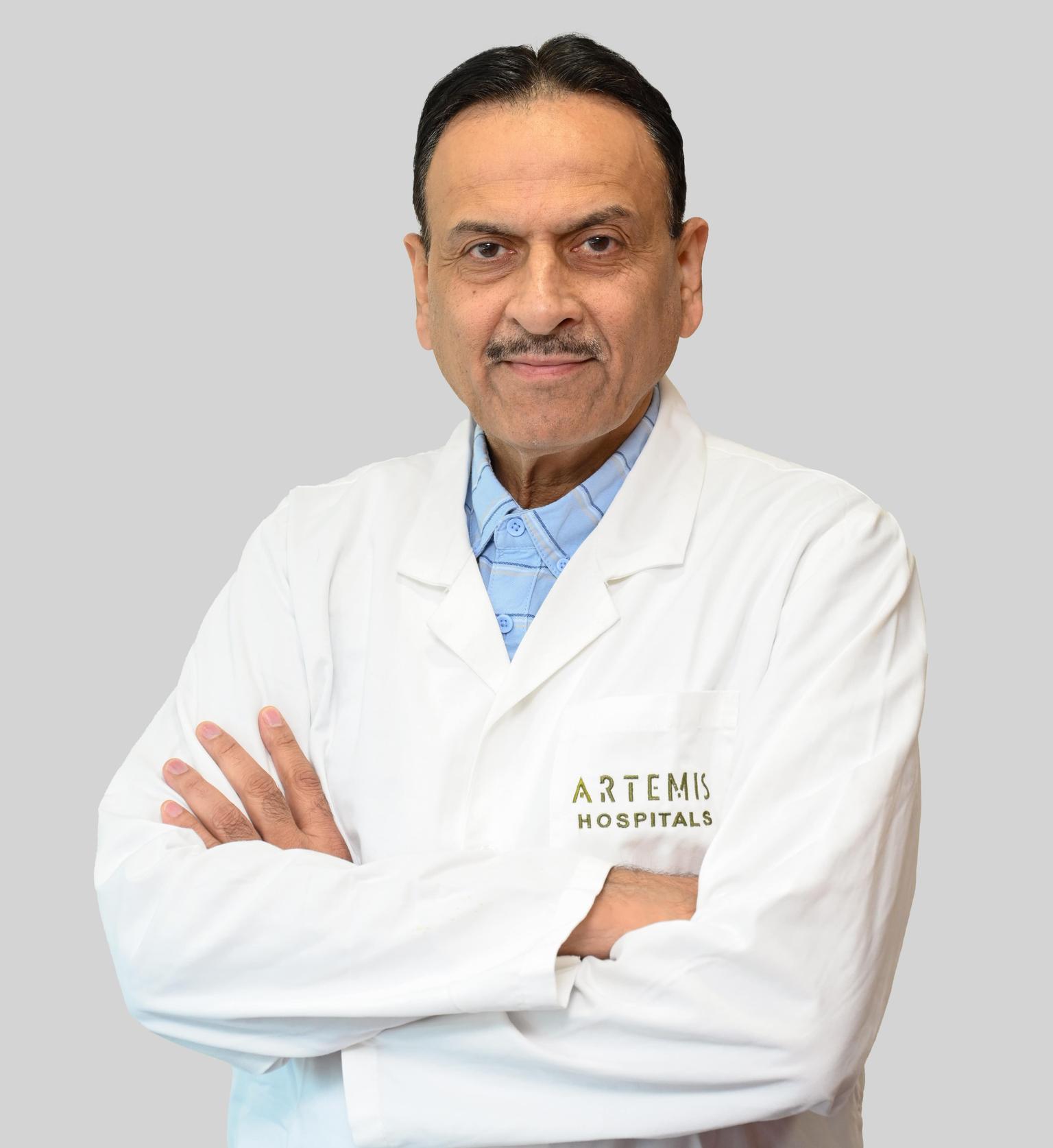
Dr. D.K. Jhamb
Chief Cardiology (Unit IV)
Cardiology
New Delhi
30+ Years
Experience
Artemis Hospital
Hospital
1500
Fees
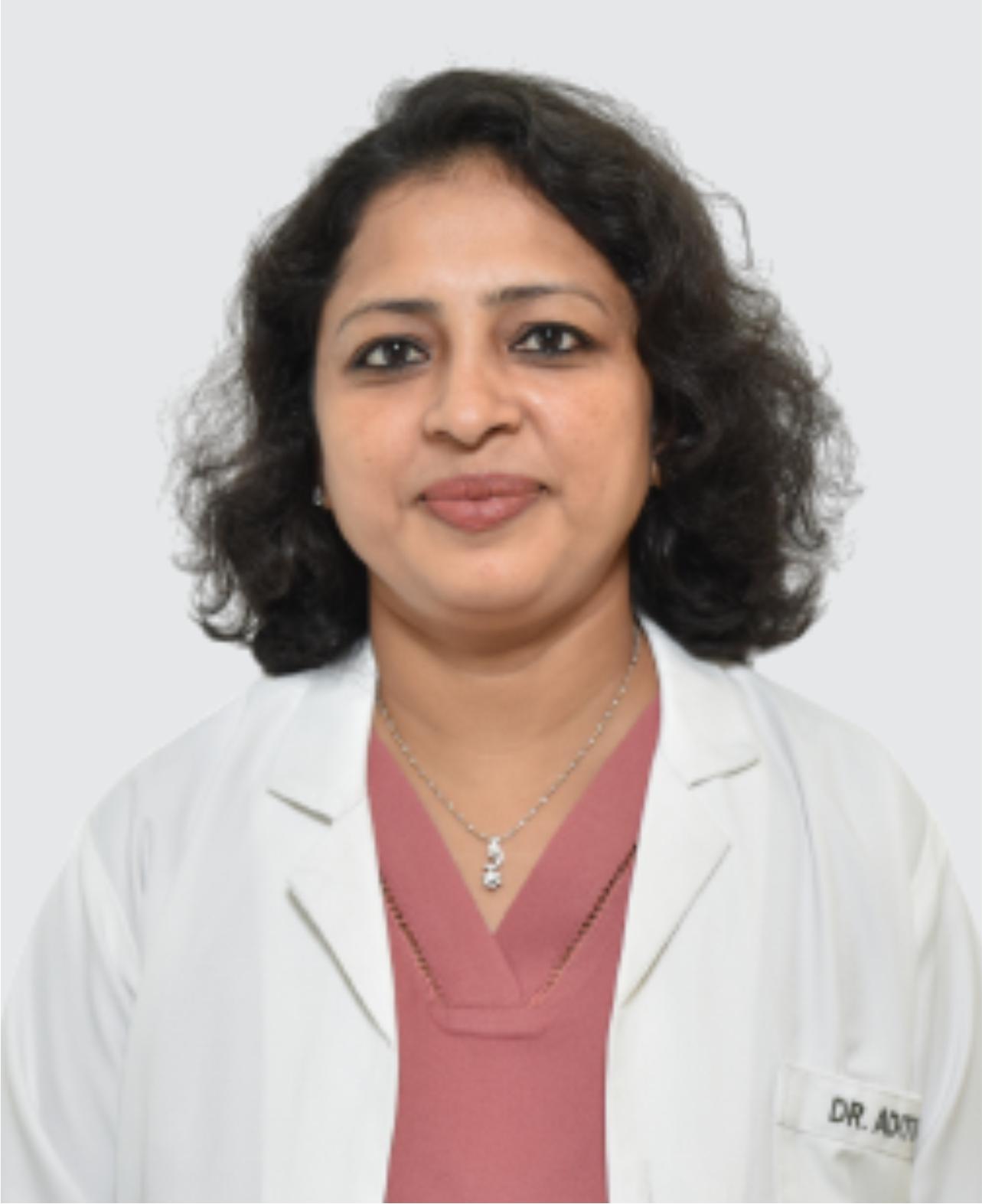
Dr Aditi Dixit
Sr. Consultant – Women Imaging
Radiology
New Delhi
15+ Years
Experience
Artemis Hospital
Hospital
1500
Fees
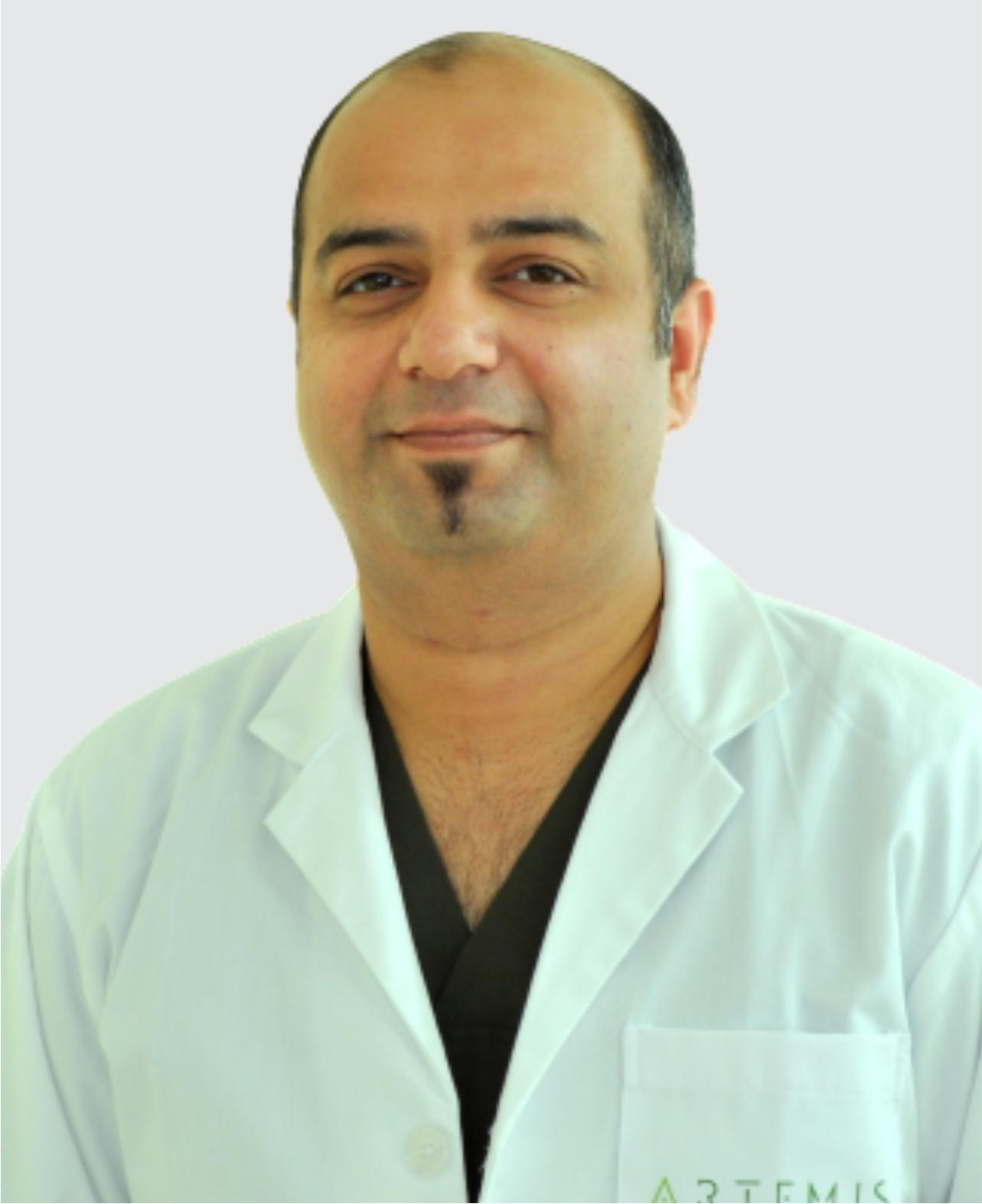
Dr Amit Jassal
Principal Consultant - Anaesthesia
Anaesthesia
New Delhi
15+ Years
Experience
Artemis Hospital
Hospital
1500
Fees
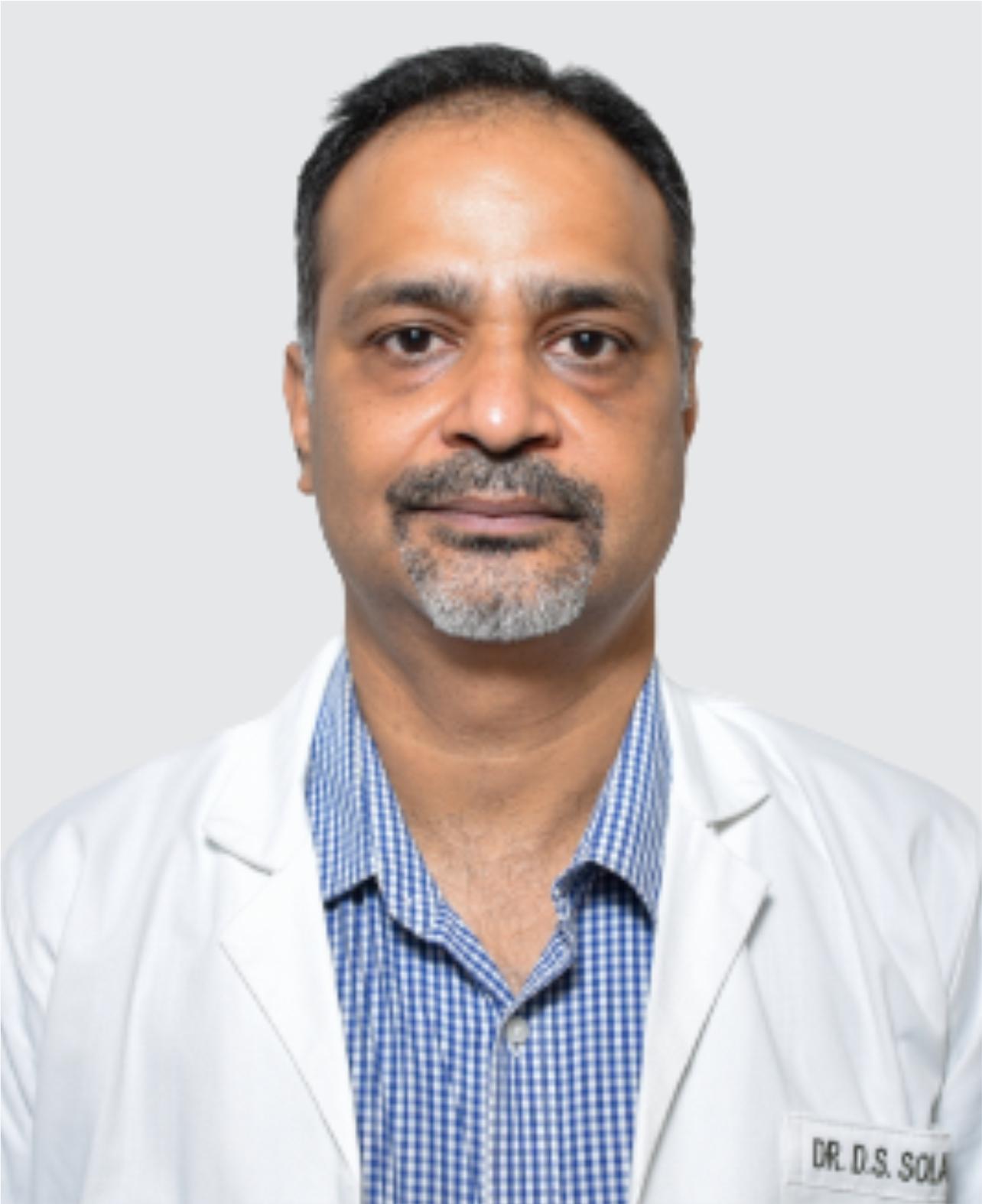
Dr. Devendra Singh Solanki
Head Unit I
Orthopaedic Surgery, Orthopaedics
New Delhi
15+ Years
Experience
Artemis Hospital
Hospital
1500
Fees
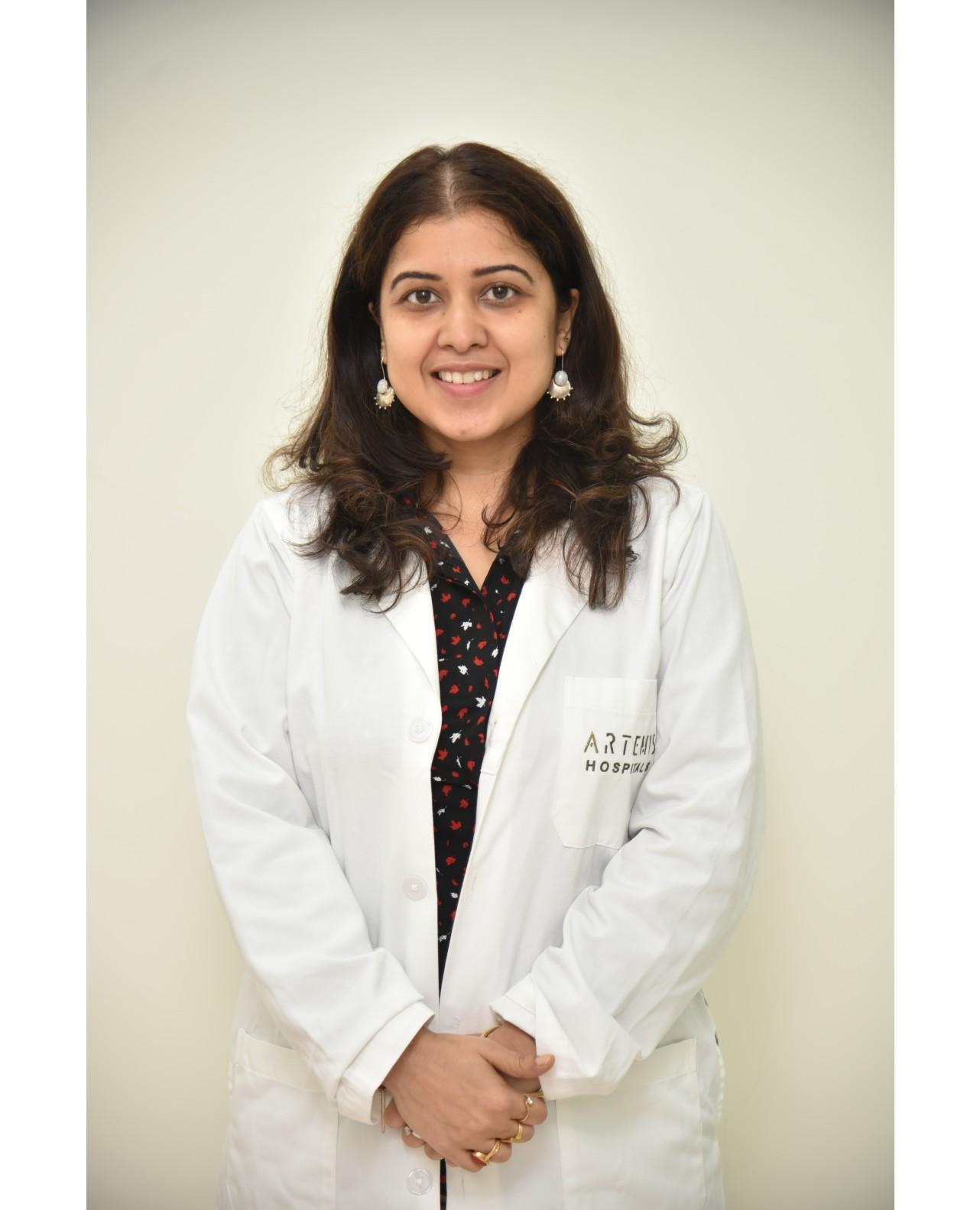
Dr Chandrima Misra M
Co-Head Psychological Services
Mental Health and Behavioural Sciences
New Delhi
15+ Years
Experience
Artemis Hospital
Hospital
1500
Fees
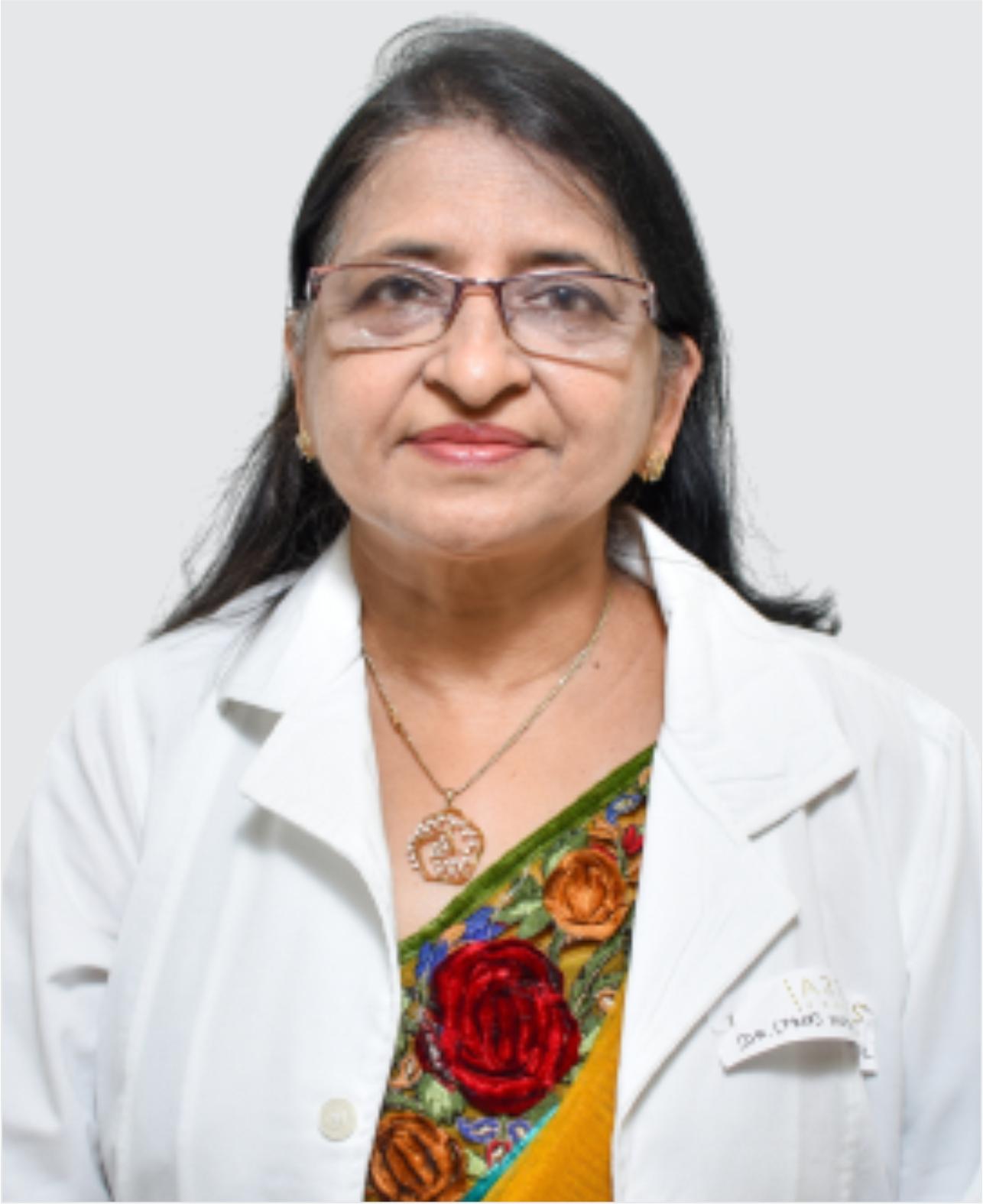
Dr. Nutan Agarwal
Head of Department - Gynae Endocrinology & DNB Program Director - Obs & Gynae
Gynaecological Endocrinology, Maternity, Obstetrics & Gynaecology
New Delhi
35+ Years
Experience
Artemis Hospital
Hospital
1500
Fees
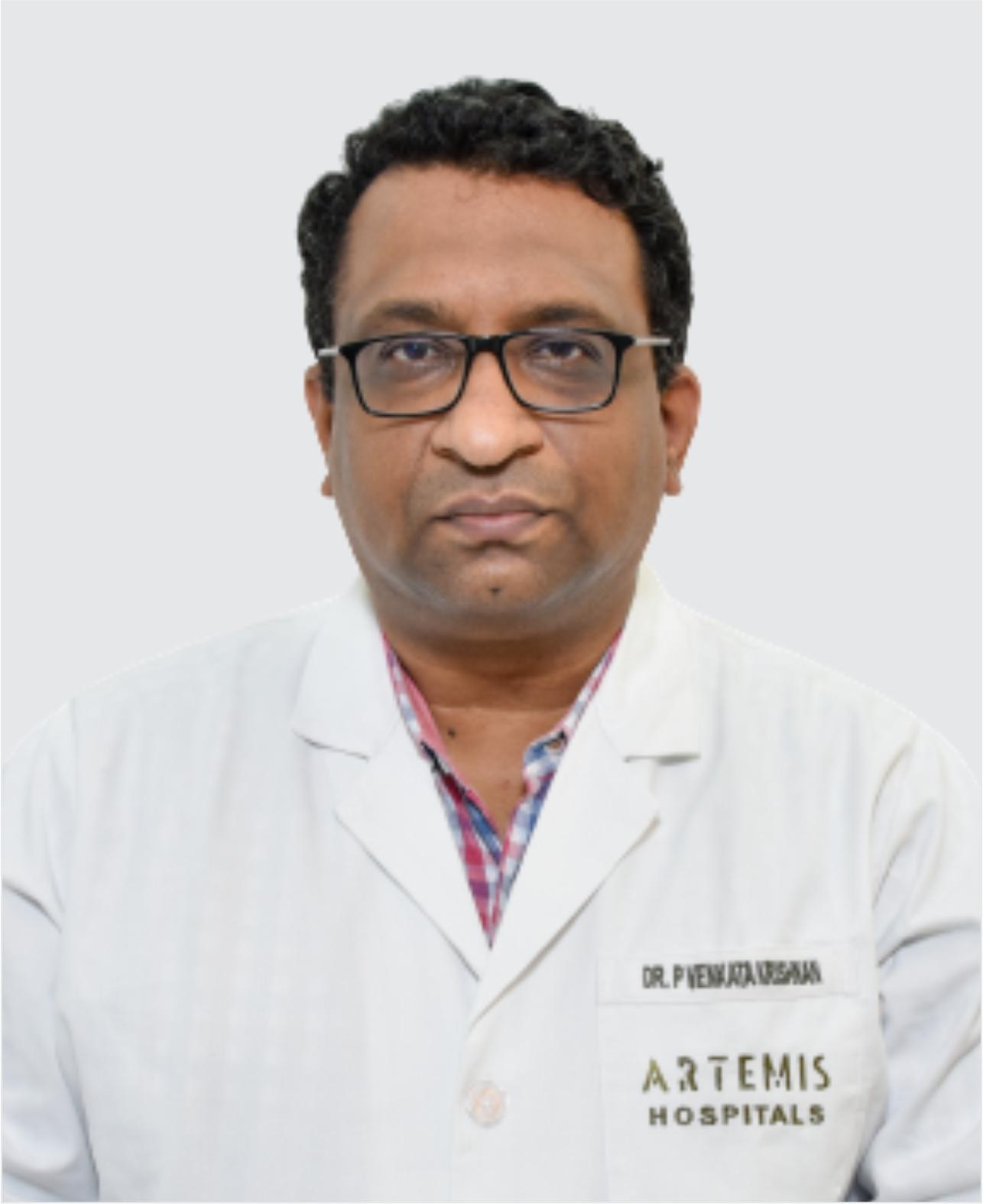
Dr. P. Venkata Krishnan
Sr. Consultant
Internal Medicine
New Delhi
12+ Years
Experience
Artemis Hospital
Hospital
1500
Fees
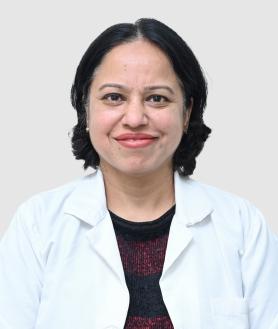
Dr. Poonam Gautam
Senior Consultant - ENT
ENT and Head & Neck Surgery
New Delhi
24+ Years
Experience
Artemis Hospital
Hospital
1500
Fees
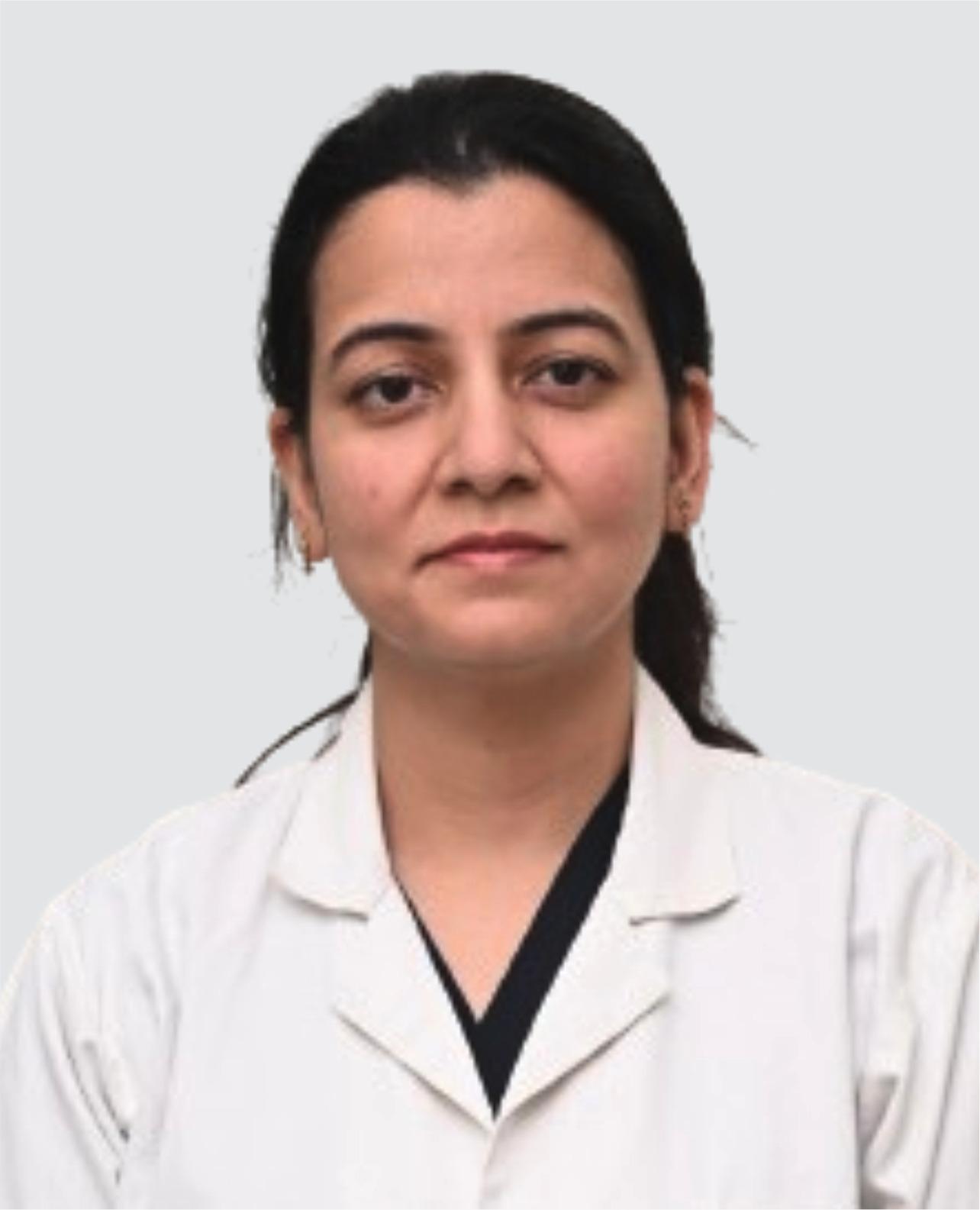
Dr. Priyanka Raina
Consultant (Head & Neck Surgery) - Surgical Oncology
Head and Neck Surgical Oncology
New Delhi
10+ Years
Experience
Artemis Hospital
Hospital
1500
Fees
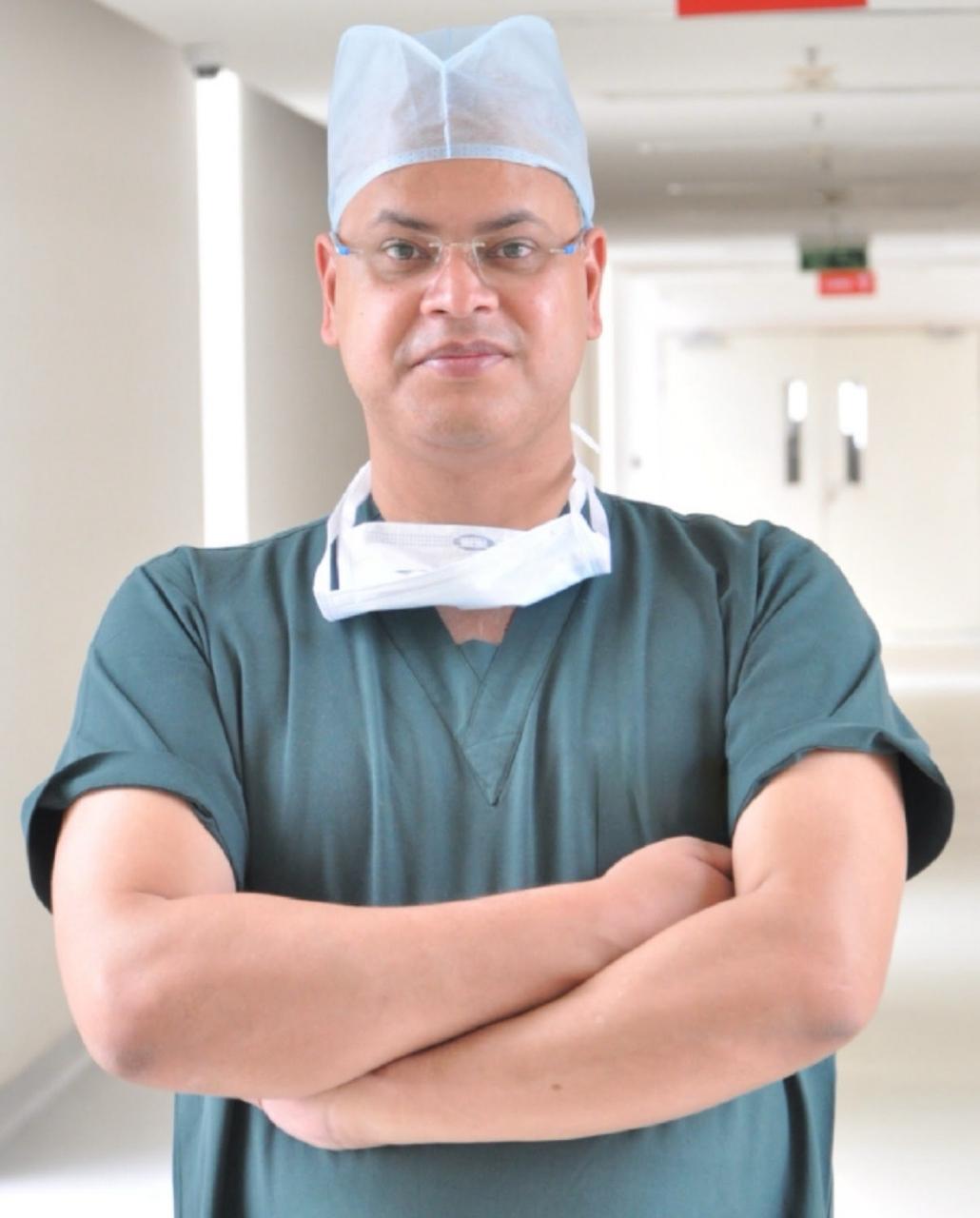
Dr. Ramkinkar Jha
Chief and Unit Head - Orthopaedics (Unit III)
Orthopaedic Surgery, Orthopaedics, Robotic Surgery
New Delhi
20+ Years
Experience
Artemis Hospital
Hospital
1500
Fees
Related Links
Other Treatment related Information
Ready To Start Your Healing Journey?
Get Personalized Medical Treatment Options From India's Top Hospitals. Our Medical Experts Are Ready To Assist You Every Step Of The Way.