Cardiac Ablation for Arrhythmias Treatment in Gurugram for Nigeria
Need Personalized Advice?
Our medical experts are ready to answer your questions and guide you through your treatment options.
About
Cardiac Ablation for Arrhythmias in Gurugram for Nigerian Patients
For many individuals in Nigeria facing the challenges of arrhythmias, the search for advanced, reliable, and accessible treatment can be a significant concern. The complexities of heart rhythm disorders often demand highly specialized care, leading patients and their families to explore options beyond their immediate locality, seeking the best possible outcomes.
Gurugram, a prominent medical hub in India, has emerged as a preferred destination for international patients seeking cutting-edge cardiac care. Its reputation is built on a foundation of modern medical infrastructure, highly skilled cardiologists, and an environment designed to support the unique needs of patients traveling for treatment.
Patients choosing Gurugram benefit from a network of internationally accredited hospitals and a dedicated team of cardiac specialists. These facilities are equipped with the latest technology, ensuring precise diagnoses and effective treatment plans, alongside comprehensive support for ease of follow-ups and recovery within the city.
Is Gurugram the clear choice for your cardiac ablation needs?
What is Cardiac Ablation for Arrhythmias?
Cardiac ablation is a minimally invasive procedure designed to correct irregular heartbeats, known as arrhythmias. It involves creating small scars in the heart tissue to block abnormal electrical signals that cause the heart to beat too fast, too slow, or erratically. This precise intervention aims to restore a normal heart rhythm, significantly improving a patient's quality of life and reducing the risk of complications associated with persistent arrhythmias.
Different Approaches to Cardiac Ablation
- Radiofrequency Ablation: Uses heat energy to create scar tissue, interrupting the faulty electrical pathways.
- Cryoablation: Employs extreme cold to destroy the abnormal tissue responsible for the arrhythmia.
- Laser Ablation: Utilizes laser energy delivered through catheters to target and eliminate problem areas.
- Surgical Ablation (Maze Procedure): Performed during open-heart surgery for complex cases or alongside other cardiac surgeries.
- Hybrid Ablation: Combines elements of surgical and catheter-based approaches for enhanced efficacy in select patients.
When is Cardiac Ablation Recommended?
- Persistent atrial fibrillation (AFib) or flutter unresponsive to medications.
- Supraventricular tachycardia (SVT) causing significant symptoms.
- Ventricular tachycardia (VT) in specific cases, especially when other treatments fail.
- Recurrent arrhythmias leading to symptoms like palpitations, dizziness, or shortness of breath.
- When antiarrhythmic medications cause intolerable side effects.
- To reduce the risk of stroke associated with certain types of AFib.
Essential Pre-Ablation Assessments
- Electrocardiogram (ECG) to record the heart's electrical activity.
- Holter monitor or event recorder for extended rhythm monitoring.
- Echocardiogram to visualize heart structure and function.
- Cardiac MRI or CT scan for detailed anatomical assessment.
- Electrophysiology (EP) study to precisely map the source of the arrhythmia.
- Blood tests to check overall health, kidney function, and thyroid levels.
- Discussion of medical history and current medications.
Understanding the Cardiac Ablation Procedure
The specific steps for a cardiac ablation procedure may vary based on the type of arrhythmia and the chosen ablation technique.
- Preparation: Patients are typically given a sedative to help them relax. The area for catheter insertion, usually the groin, is numbed and sterilized.
- Catheter Insertion: Thin, flexible wires called catheters are carefully inserted into blood vessels and guided to the heart using advanced imaging techniques.
- Mapping the Heart: The catheters are used to create a detailed electrical map of the heart, precisely locating the areas responsible for the abnormal rhythm. This is often part of an EP study performed just before ablation.
- Ablation Delivery: Once the problem areas are identified, energy (radiofrequency heat, cryo cold, or laser light) is delivered through the catheter tip to create small scars. These scars block the faulty electrical signals, effectively creating a barrier to the arrhythmia.
- Verification and Completion: After ablation, the doctor re-tests the heart's electrical activity to ensure the abnormal signals have been eliminated. Catheters are then removed, and pressure is applied to the insertion site.
What to Expect During Recovery
After cardiac ablation, patients typically spend a few hours in recovery, with a hospital stay of one to two days for observation. Mild discomfort or bruising at the catheter insertion site is common. Activity restrictions, such as avoiding heavy lifting for a week, are usually advised. Follow-up appointments are crucial to monitor heart rhythm and assess the long-term success of the procedure. Full recovery can take several weeks, during which the heart tissue heals and adapts to its new electrical pathways.
Potential Risks and Success Rates of Ablation
- Minor bleeding or bruising at the catheter insertion site.
- Rarely, infection at the access site.
- Perforation of the heart wall or damage to surrounding structures.
- Blood clots, which could lead to stroke, though precautions are taken.
- Recurrence of the arrhythmia, sometimes requiring a repeat procedure.
- Temporary nerve damage, particularly near the diaphragm.
The success rate for cardiac ablation varies significantly depending on the type of arrhythmia, its severity, and the patient's overall health. For common arrhythmias like SVT, success rates can be very high, often exceeding 90%. For conditions like atrial fibrillation, success rates range from 60-80% after a single procedure, with some patients requiring a second ablation to achieve optimal results. Long-term outcomes are generally positive, with many patients experiencing significant improvement in symptoms and quality of life.
Cost of Cardiac Ablation in Gurugram
The cost of cardiac ablation in Gurugram is influenced by several factors, including the specific type of arrhythmia, the complexity of the procedure, the technology used (e.g., 3D mapping systems), the choice of hospital and surgeon, and the length of hospital stay. Additional costs may include pre-operative tests, medications, and post-operative care.
Typically, the estimated cost for Cardiac Ablation for Arrhythmias in Gurugram can range from INR 3,30,000 to INR 6,60,000.
Comparing Cardiac Ablation Costs
Gurugram offers a highly competitive and affordable option for advanced cardiac ablation when compared to leading medical centers worldwide, without compromising on quality of care.
| Location | Estimated Cost (USD) |
|---|---|
| Gurugram, India | $4,000 - $8,000 |
| United States | $40,000 - $80,000 |
| United Kingdom | $25,000 - $50,000 |
| Germany | $20,000 - $45,000 |
| Singapore | $18,000 - $40,000 |
| Thailand | $12,000 - $25,000 |
Comprehensive Support for Your Journey in Gurugram
- Assistance with medical visa application and extension processes.
- Arrangements for comfortable accommodation options near the hospital.
- Language interpretation services to ensure clear communication.
- Facilitation of local transportation and airport transfers.
- Coordination of all medical appointments and hospital admissions.
- Dedicated patient care managers for personalized guidance.
Essential Documents for Your Medical Visit
- Valid passport and medical visa for India.
- Comprehensive medical reports, diagnostic scans, and test results related to your heart condition.
- Referral letters from your primary physician or cardiologist in Nigeria.
- A list of all current medications, including dosages.
- Proof of funds or insurance coverage for your treatment.
- Any previous treatment records or discharge summaries.
Preparing for Your Cardiac Ablation Procedure
- Undergo thorough pre-operative medical evaluation as advised by Gurugram specialists.
- Arrange for necessary travel documents and flights to India well in advance.
- Inform your doctor about all medications, especially blood thinners, as adjustments may be needed.
- Plan for your stay in Gurugram, including accommodation and local logistics.
- Follow any dietary restrictions or fasting instructions before the procedure.
- Ensure you have a companion or family member to support you during your medical journey.
Guidance for Aftercare and Recovery
- Adhere strictly to prescribed medications and follow-up appointment schedules.
- Avoid strenuous physical activity and heavy lifting for the recommended period.
- Monitor the catheter insertion site for any signs of infection or unusual swelling.
- Maintain a healthy lifestyle, including a balanced diet and regular, gentle exercise as permitted.
- Stay in regular contact with your Gurugram medical team for any concerns or questions.
- Plan for a recuperation period in Gurugram before traveling back to Nigeria.
Ready to Explore Your Treatment Options?
Taking the step towards effective cardiac care is a significant decision. Allow the expert teams in Gurugram to guide you with compassion and advanced medical excellence.
Hospitals Offering this treatment
India offers premium medical procedures at affordable prices. Discover our most popular treatments, delivered by the country's finest doctors.
Meet Our Doctors
Meet our team of highly qualified and experienced medical professionals dedicated to providing the best healthcare services.

Dr. Ajit Singh Baghela
Consultant
Paediatric Neurology
Haryana
9+ Years
Experience
Artemis Hospital
Hospital
1500
Fees
Dr. D.K. Jhamb
Chief Cardiology (Unit IV)
Cardiology
New Delhi
30+ Years
Experience
Artemis Hospital
Hospital
1500
Fees
Dr Amit Jassal
Principal Consultant - Anaesthesia
Anaesthesia
New Delhi
15+ Years
Experience
Artemis Hospital
Hospital
1500
Fees
Dr. Devendra Singh Solanki
Head Unit I
Orthopaedic Surgery, Orthopaedics
New Delhi
15+ Years
Experience
Artemis Hospital
Hospital
1500
Fees
Dr. P. Venkata Krishnan
Sr. Consultant
Internal Medicine
New Delhi
12+ Years
Experience
Artemis Hospital
Hospital
1500
Fees
Dr. Ramkinkar Jha
Chief and Unit Head - Orthopaedics (Unit III)
Orthopaedic Surgery, Orthopaedics, Robotic Surgery
New Delhi
20+ Years
Experience
Artemis Hospital
Hospital
1500
Fees
Dr. Biswajyoti Hazarika
Chief - Head & Neck Surgery
Oncology
New Delhi
20+ Years
Experience
Artemis Hospital
Hospital
1500
Fees
Dr. Yatin Kukreja
Director
Cardiology
New Delhi
14+ Years
Experience
Artemis Hospital
Hospital
1500
Fees
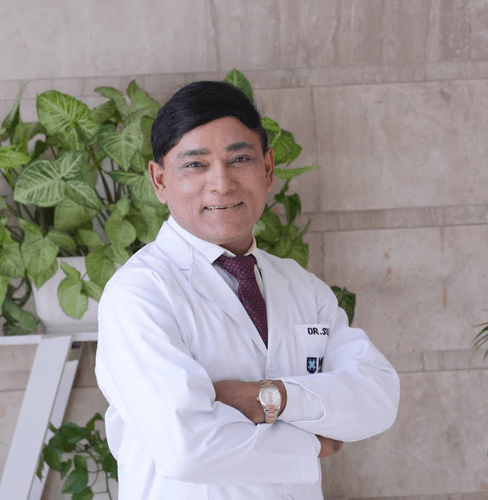
Dr Sujoy Bhattacharjee
Director & HOD – Robotic Joint Replacement Surgery, Max Healthcare
Orthopaedics
New Delhi
23+ Years
Experience
Max Hospital,Gurgaon
Hospital
1500
Fees
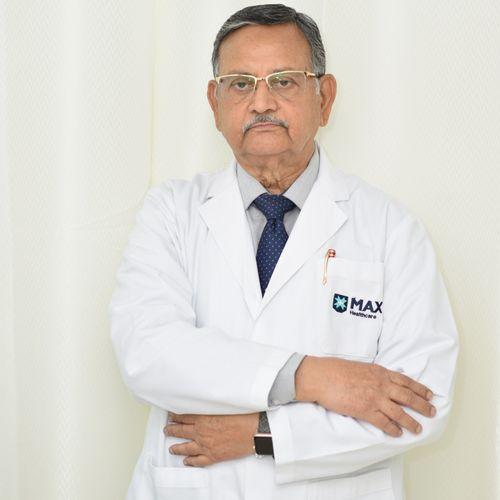
Dr. Mazhar Husain
Chairman & Chief Neurosurgeon
Neurosurgery
New Delhi
51+ Years
Experience
Max Hospital,Gurgaon
Hospital
1500
Fees
Related Links
Other Treatment related Information
Ready To Start Your Healing Journey?
Get Personalized Medical Treatment Options From India's Top Hospitals. Our Medical Experts Are Ready To Assist You Every Step Of The Way.