Cardiac Ablation for Arrhythmias Treatment in India for UAE
Need Personalized Advice?
Our medical experts are ready to answer your questions and guide you through your treatment options.
About
Cardiac Ablation for Arrhythmias in India for UAE Patients
For patients from the UAE experiencing persistent heart rhythm disorders, finding effective and accessible cardiac care can be a significant concern. The decision to seek specialized treatment like cardiac ablation often comes with questions about quality, expertise, and international travel logistics.
Many individuals seek medical solutions beyond their borders, driven by the desire for advanced procedures and potentially more cost-effective options. India has emerged as a prominent destination, offering a broad spectrum of medical services across its major cities, drawing patients globally.
India's healthcare system is recognized for its network of JCI-accredited hospitals and highly skilled cardiac specialists. Patients benefit from cutting-edge technology and a patient-centric approach that ensures comprehensive care, from initial consultation to post-procedure follow-up.
Is India the right choice for your cardiac ablation treatment?
Understanding Cardiac Ablation for Arrhythmias
Cardiac ablation is a medical procedure used to correct heart rhythm problems (arrhythmias). It involves creating tiny scars in the heart tissue using heat or cold energy. These scars block the abnormal electrical signals that cause irregular heartbeats, helping the heart return to a normal rhythm. It is a common and effective treatment for various types of arrhythmias, particularly when medications are not sufficient or well-tolerated.
Different Approaches to Cardiac Ablation
Several techniques are employed for cardiac ablation, tailored to the specific type and location of the arrhythmia:
- Radiofrequency (RF) Ablation: Uses heat energy delivered through a catheter to destroy abnormal tissue.
- Cryoablation: Employs extreme cold to freeze and eliminate the faulty electrical pathways.
- Laser Ablation: Utilizes laser energy to create lesions in the heart tissue.
- Catheter Ablation: The most common method, involving thin, flexible tubes (catheters) inserted through blood vessels to reach the heart.
- Surgical Ablation (Maze Procedure): Performed during open-heart surgery for complex cases or alongside other cardiac surgeries.
When Is Cardiac Ablation Considered?
- Persistent or recurrent arrhythmias that significantly impact quality of life.
- Ineffectiveness or intolerance of anti-arrhythmic medications.
- High risk of stroke or heart failure due to the arrhythmia.
- Specific conditions such as Atrial Fibrillation (AFib), Supraventricular Tachycardia (SVT), Atrial Flutter, or Ventricular Tachycardia (VT).
- Symptoms like palpitations, dizziness, shortness of breath, or chest discomfort caused by irregular heartbeats.
Essential Pre-Ablation Assessments
- Electrocardiogram (ECG/EKG) to record the heart's electrical activity.
- Holter Monitor or Event Recorder to capture heart rhythms over extended periods.
- Echocardiogram to visualize heart structure and function.
- Electrophysiology (EP) Study to precisely map the heart's electrical pathways.
- Blood tests to assess overall health, kidney function, and clotting ability.
- Cardiac MRI or CT scan for detailed anatomical imaging of the heart.
The Cardiac Ablation Procedure Explained
The specific approach for cardiac ablation is tailored to the type of arrhythmia and individual patient needs, usually involving a catheter-based method.
Before the Procedure
Patients are typically asked to fast for several hours and may need to adjust certain medications. Sedation or general anesthesia is administered to ensure comfort.
Catheter Insertion
A thin, flexible catheter is inserted into a blood vessel, usually in the groin, and guided to the heart using advanced imaging techniques.
Mapping the Arrhythmia
An electrophysiology (EP) study is performed to identify the exact location of the abnormal electrical signals responsible for the arrhythmia.
Energy Delivery
Once the problematic area is identified, the catheter delivers energy (radiofrequency heat or cryoablation cold) to create small scars. These scars block the irregular electrical impulses.
Verification and Removal
The physician confirms that the abnormal signals have been eliminated, and then the catheters are carefully removed. Pressure is applied to the insertion site to prevent bleeding.
Navigating Your Recovery After Ablation
After cardiac ablation, patients typically spend a few hours in a recovery room for observation. Most individuals can go home the same day or the next. Activity restrictions, such as avoiding heavy lifting and strenuous exercise, are usually in place for a week or two. Follow-up appointments with the cardiologist are crucial to monitor heart rhythm and ensure healing. Full recovery can take several weeks, during which the heart tissue repairs and adapts.
Potential Risks and Expected Success Rates
- Bleeding or bruising at the catheter insertion site.
- Infection, though rare, at the insertion site.
- Damage to heart tissue or blood vessels (e.g., cardiac tamponade).
- Stroke or blood clots (very uncommon).
- Pericardial effusion (fluid accumulation around the heart).
- Recurrence of arrhythmia, sometimes requiring a second procedure.
The success rate for cardiac ablation varies significantly depending on the type and complexity of the arrhythmia. For conditions like SVT, success rates can be as high as 95%. For Atrial Fibrillation, rates typically range from 60% to 80% after one procedure, potentially increasing with additional treatments. Long-term outcomes are generally positive, with many patients experiencing a significant improvement in symptoms and quality of life. Results are influenced by factors such as the patient's overall health and the experience of the medical team.
Considering Cardiac Ablation in India?
Connect with leading cardiologists and hospitals in India. Get personalized advice and explore treatment options.
Cost of Cardiac Ablation for Arrhythmias in India
The cost of cardiac ablation in India is notably more affordable compared to many Western countries, without compromising on quality or advanced technology. Several factors influence the final cost, including the specific type of ablation required, the hospital's reputation and facilities, the surgeon's experience, duration of hospital stay, and any additional tests or medications.
Generally, the cost for cardiac ablation for arrhythmias in India can range from INR 3,00,000 to INR 6,50,000.
Cardiac Ablation Cost Across Major Indian Cities
| Indian City | Estimated Cost Range (INR) |
|---|---|
| Delhi | 3,50,000 - 6,00,000 |
| Mumbai | 3,80,000 - 6,50,000 |
| Chennai | 3,30,000 - 5,80,000 |
| Bengaluru | 3,60,000 - 6,20,000 |
| Hyderabad | 3,40,000 - 5,90,000 |
| Kolkata | 3,20,000 - 5,70,000 |
| Ahmedabad | 3,10,000 - 5,60,000 |
Comparing Cardiac Ablation Costs Globally
| Country | Estimated Cost Range (USD) |
|---|---|
| India | $4,000 - $8,000 |
| UAE | $15,000 - $30,000 |
| USA | $30,000 - $60,000 |
| UK | $25,000 - $45,000 |
| Germany | $20,000 - $40,000 |
| Singapore | $18,000 - $35,000 |
Comprehensive Support for Your Cardiac Journey
- Assistance with medical visa applications and extensions.
- Arrangement of comfortable accommodation for patients and accompanying family.
- Access to professional language interpreters for clear communication.
- Coordination of all hospital appointments, consultations, and diagnostic tests.
- Dedicated patient care managers to support you throughout your stay.
- Guidance on local transportation and logistical needs.
Essential Documents for Your Medical Visit to India
- A valid passport with at least six months validity.
- A medical visa issued by the Indian Embassy or Consulate in your country.
- Comprehensive medical reports, including diagnosis, test results, and treatment history.
- A doctor's referral letter or recommendation for cardiac ablation.
- Proof of financial solvency to cover medical expenses and stay.
- Copies of all relevant identification and travel documents.
Preparing for Your Cardiac Ablation Procedure
- Adhere strictly to fasting instructions provided by your medical team.
- Review all current medications with your doctor, including supplements, for any necessary adjustments.
- Arrange for comfortable travel to India and within the city of treatment.
- Ensure all necessary documents are in order and easily accessible.
- Discuss any allergies or sensitivities with your healthcare provider.
- Prepare a small bag with essential personal items for your hospital stay.
Post-Ablation Care and Follow-up Guidance
- Follow medication instructions diligently, especially for blood thinners if prescribed.
- Avoid strenuous activities, heavy lifting, and vigorous exercise for the recommended period.
- Attend all scheduled follow-up appointments with your cardiologist.
- Monitor the insertion site for any signs of infection or unusual bleeding.
- Report any chest pain, shortness of breath, or dizziness immediately to your doctor.
- Maintain a heart-healthy lifestyle with a balanced diet and regular, gentle activity as advised.
Ready to Explore Your Treatment Options in India?
Our dedicated team is here to assist UAE patients with seamless access to world-class cardiac care. Get started today!
Ready to Take the Next Step Towards a Healthier Heart?
Choosing cardiac ablation in India offers a promising path to managing arrhythmias effectively. Our team is here to guide you through every stage, ensuring a smooth and confident journey to better health.
Hospitals Offering this treatment
India offers premium medical procedures at affordable prices. Discover our most popular treatments, delivered by the country's finest doctors.
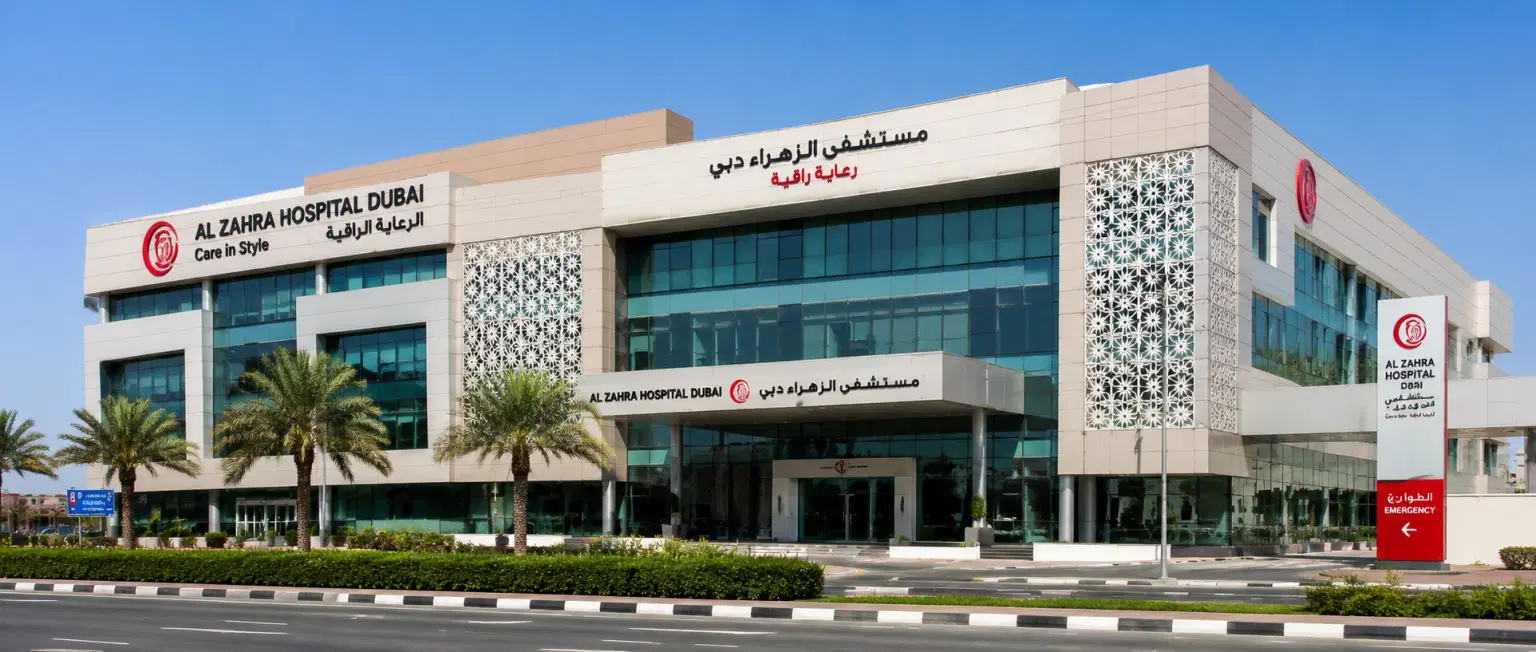
Al Zahra Hospital, Dubai
Sheikh Zayed Road, Al Barsha 1, Dubai, UAE
Al Zahra Hospital, Dubai
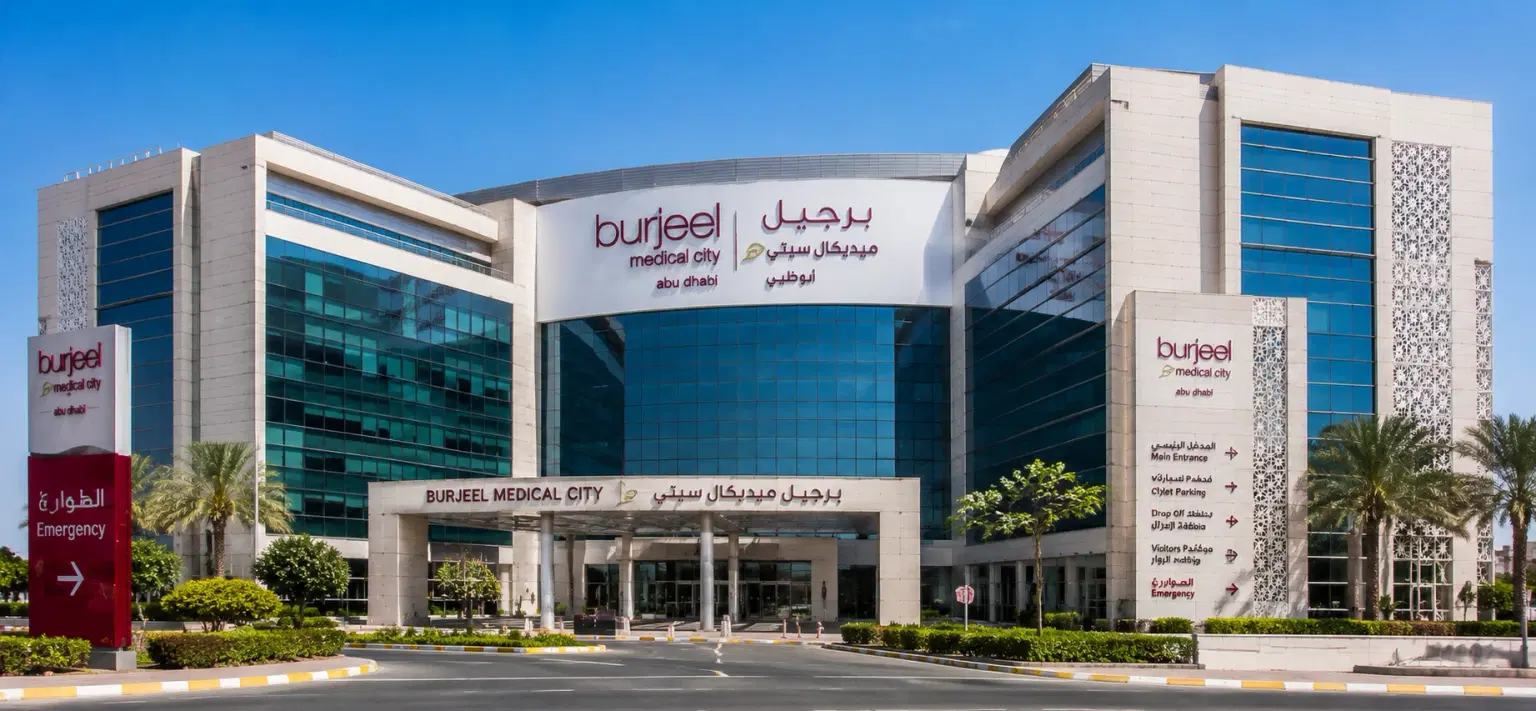
Burjeel Medical City, Abu Dhabi
28th Street, Mohammed Bin Zayed City, Abu Dhabi, UAE
Burjeel Medical City, Abu Dhabi
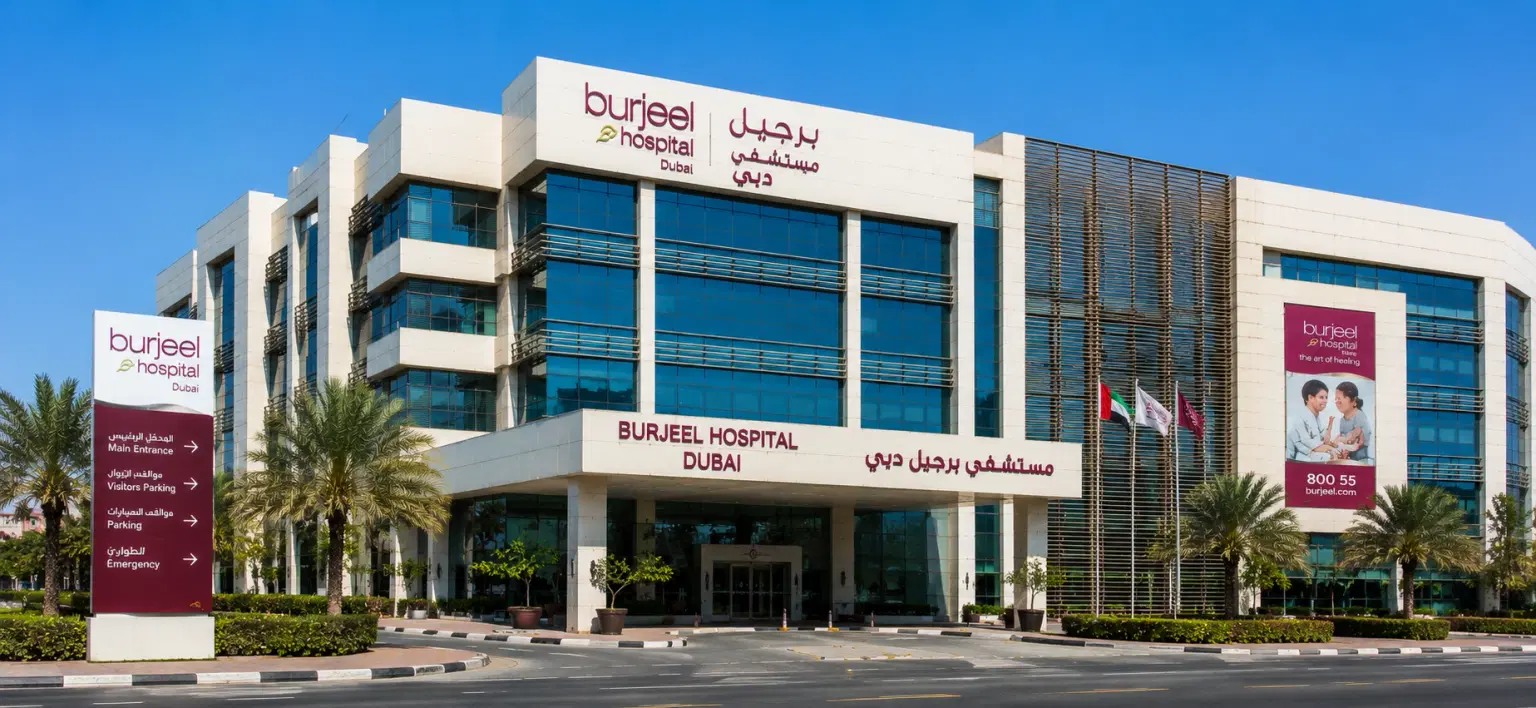
Burjeel Hospital, Dubai
Dubai, UAE (part of Burjeel Holdings network)
Burjeel Hospital, Dubai
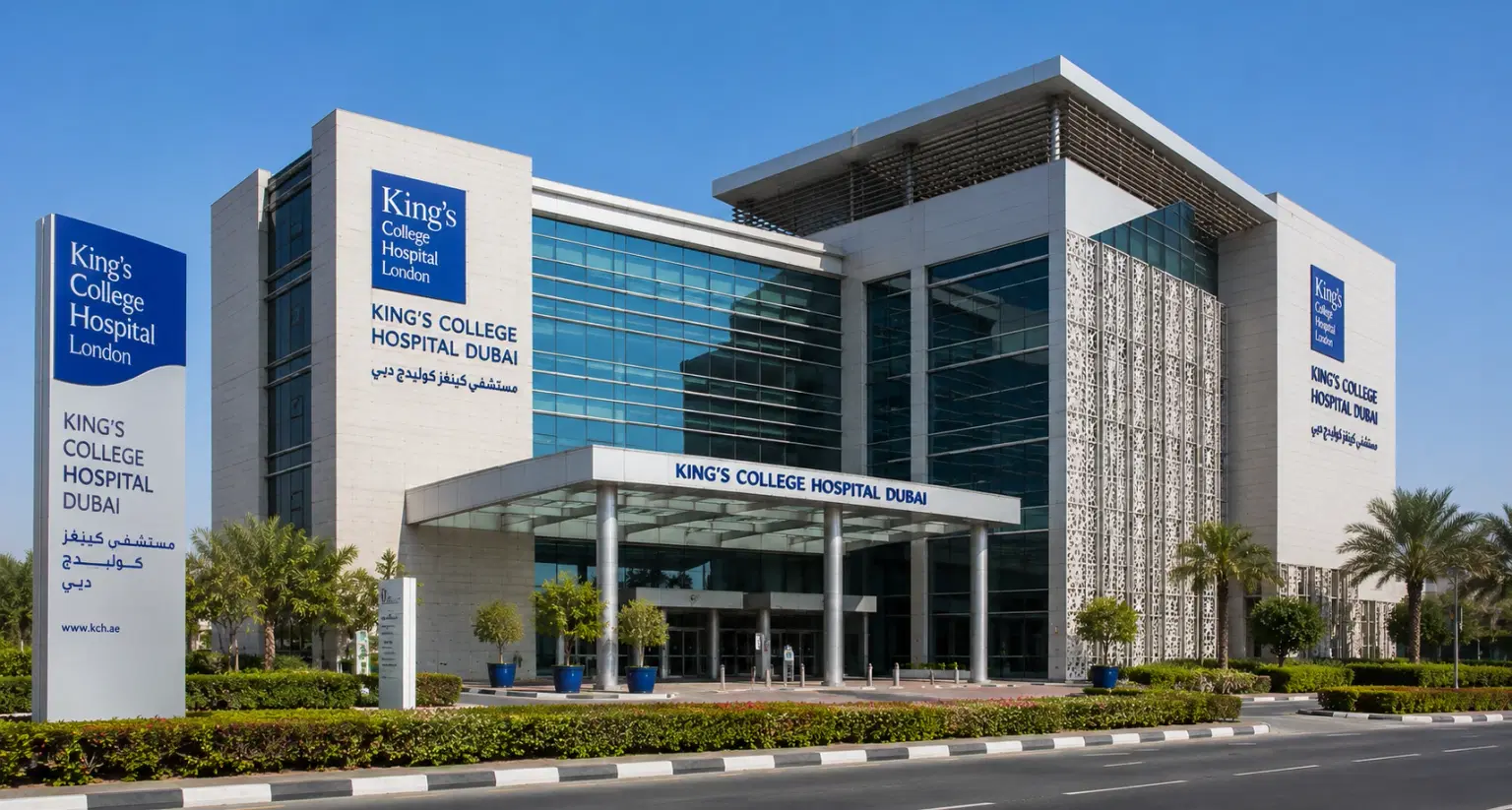
King's College Hospital, Dubai
Dubai Hills, Mohammed Bin Rashid City, Dubai, UAE
King's College Hospital, Dubai
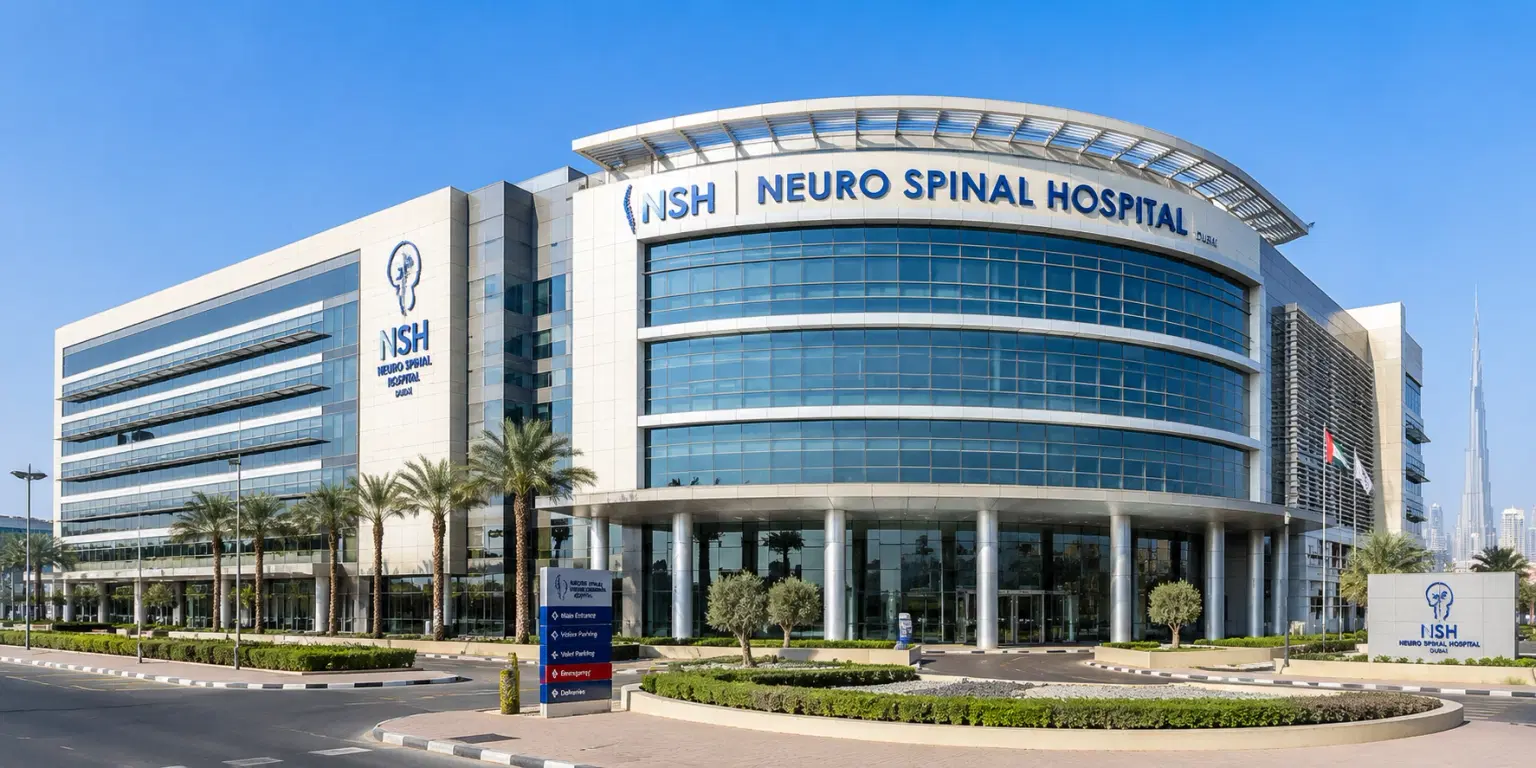
Neuro Spinal Hospital (NSH), Dubai
Dubai Science Park, Umm Suqeim St, Al Barsha South, Dubai, UAE
Neuro Spinal Hospital (NSH), Dubai
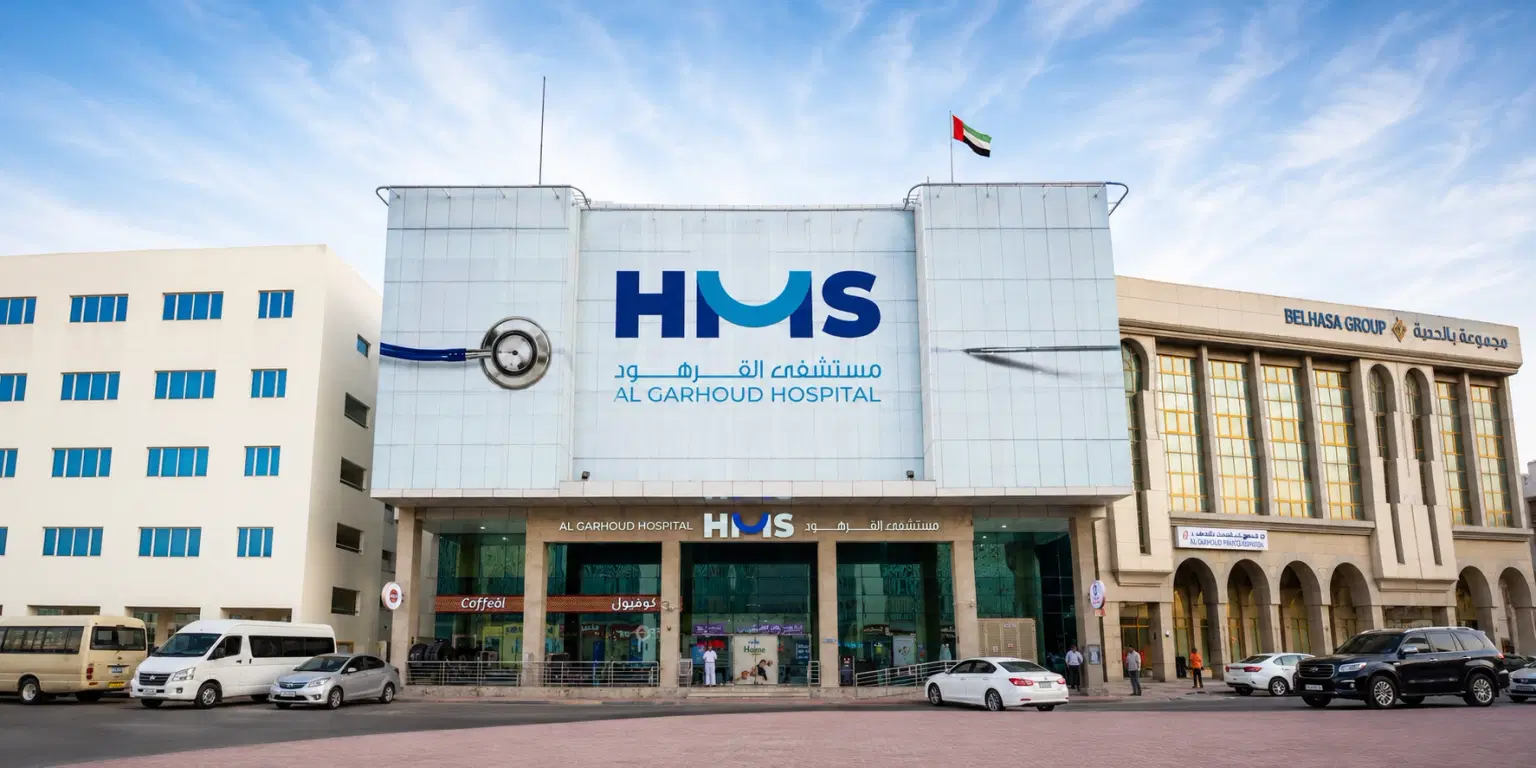
HMS Al Garhoud Hospital, Dubai
Al Garhoud Street, Al Garhoud, Dubai, UAE
HMS Al Garhoud Hospital, Dubai
Meet Our Doctors
Meet our team of highly qualified and experienced medical professionals dedicated to providing the best healthcare services.
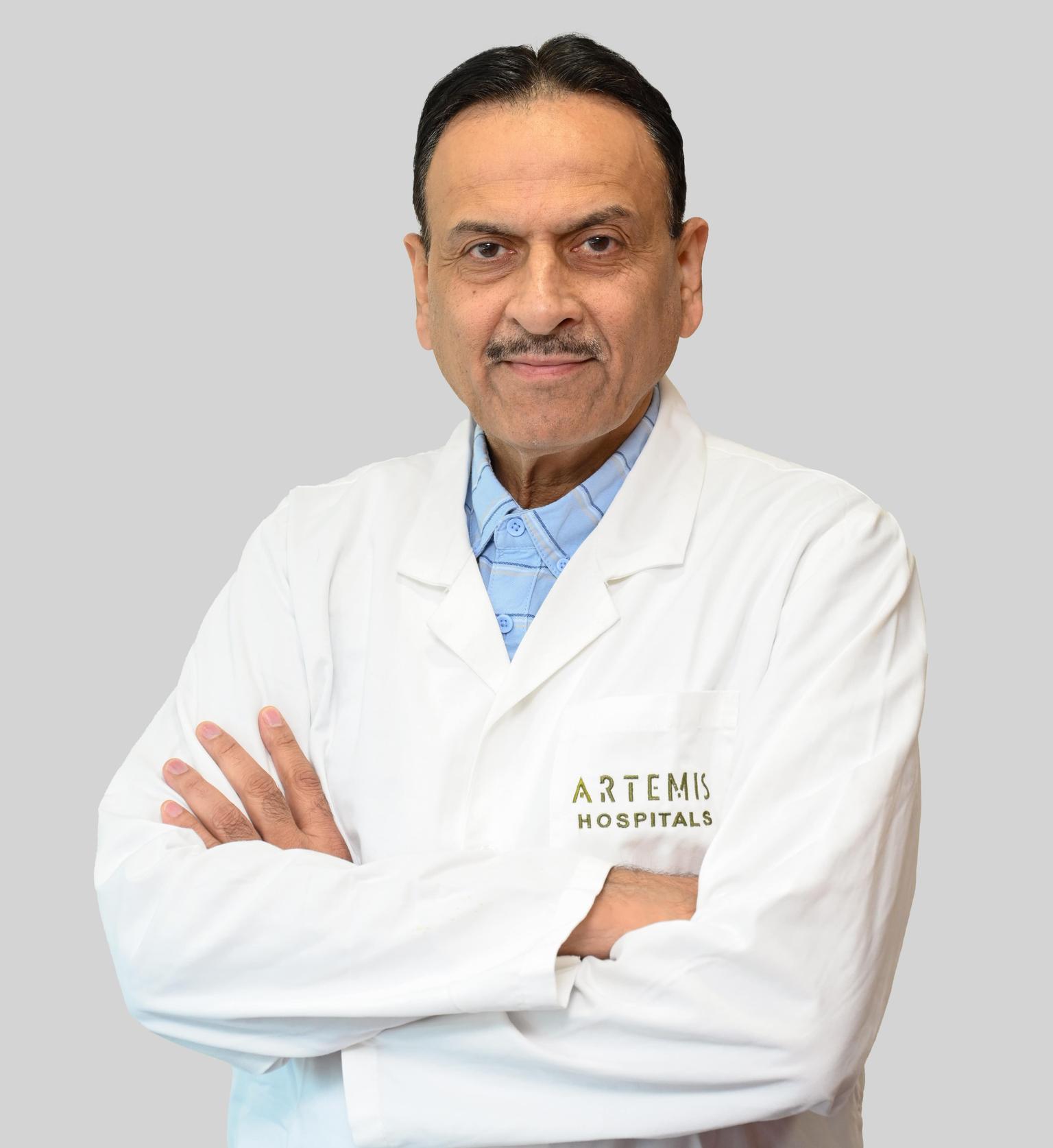
Dr. D.K. Jhamb
Chief Cardiology (Unit IV)
Cardiology
New Delhi
30+ Years
Experience
Artemis Hospital
Hospital
1500
Fees
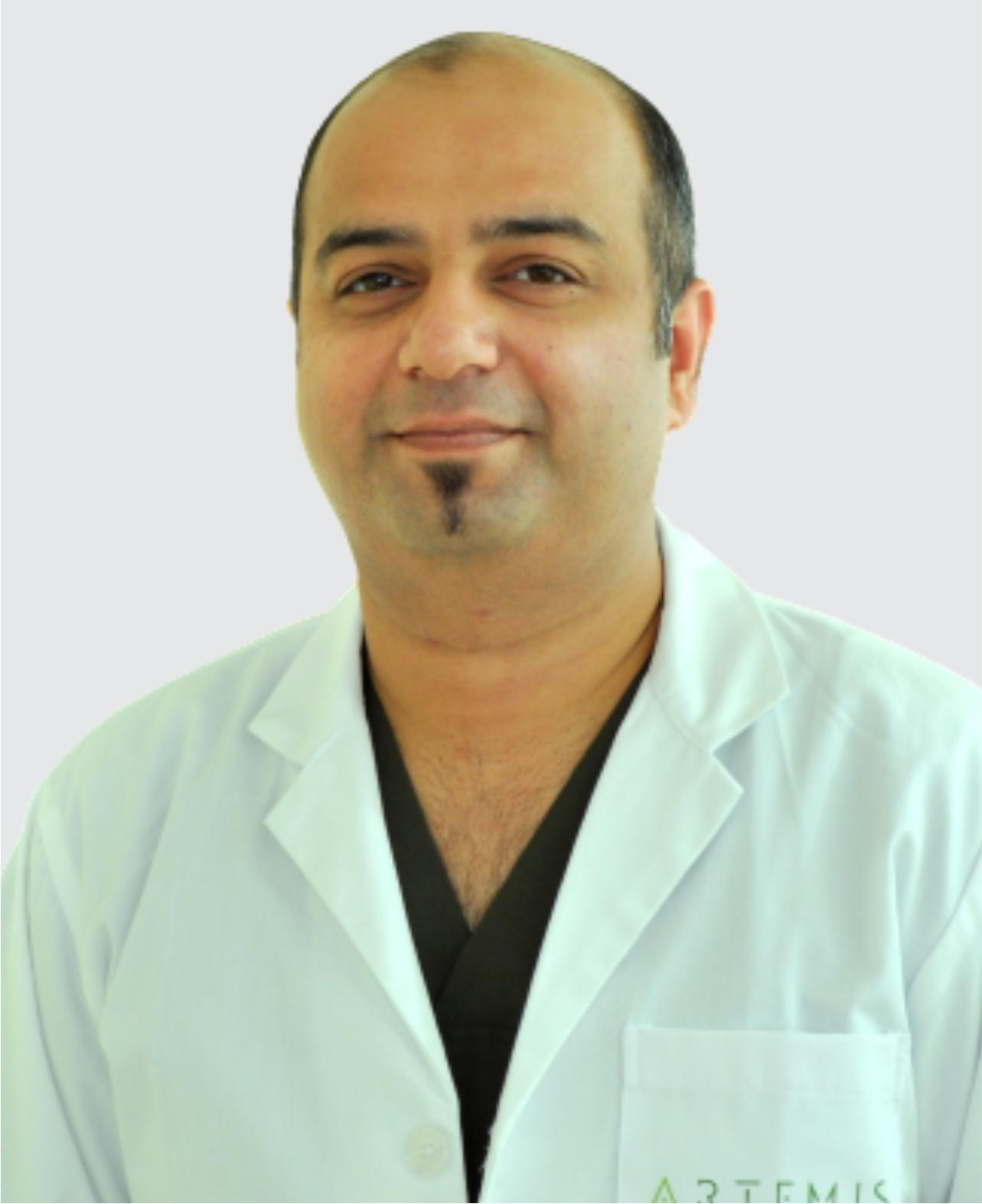
Dr Amit Jassal
Principal Consultant - Anaesthesia
Anaesthesia
New Delhi
15+ Years
Experience
Artemis Hospital
Hospital
1500
Fees
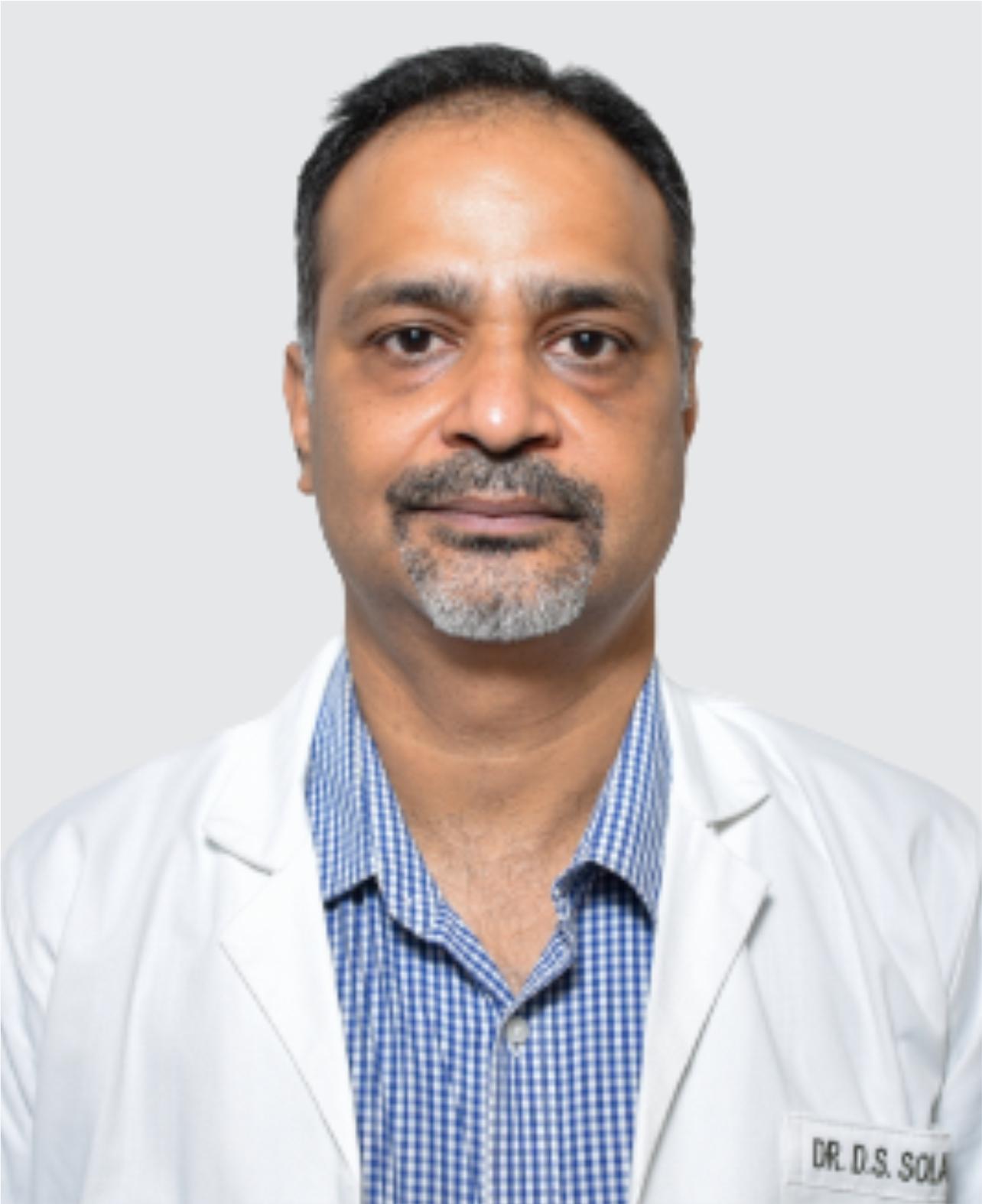
Dr. Devendra Singh Solanki
Head Unit I
Orthopaedic Surgery, Orthopaedics
New Delhi
15+ Years
Experience
Artemis Hospital
Hospital
1500
Fees
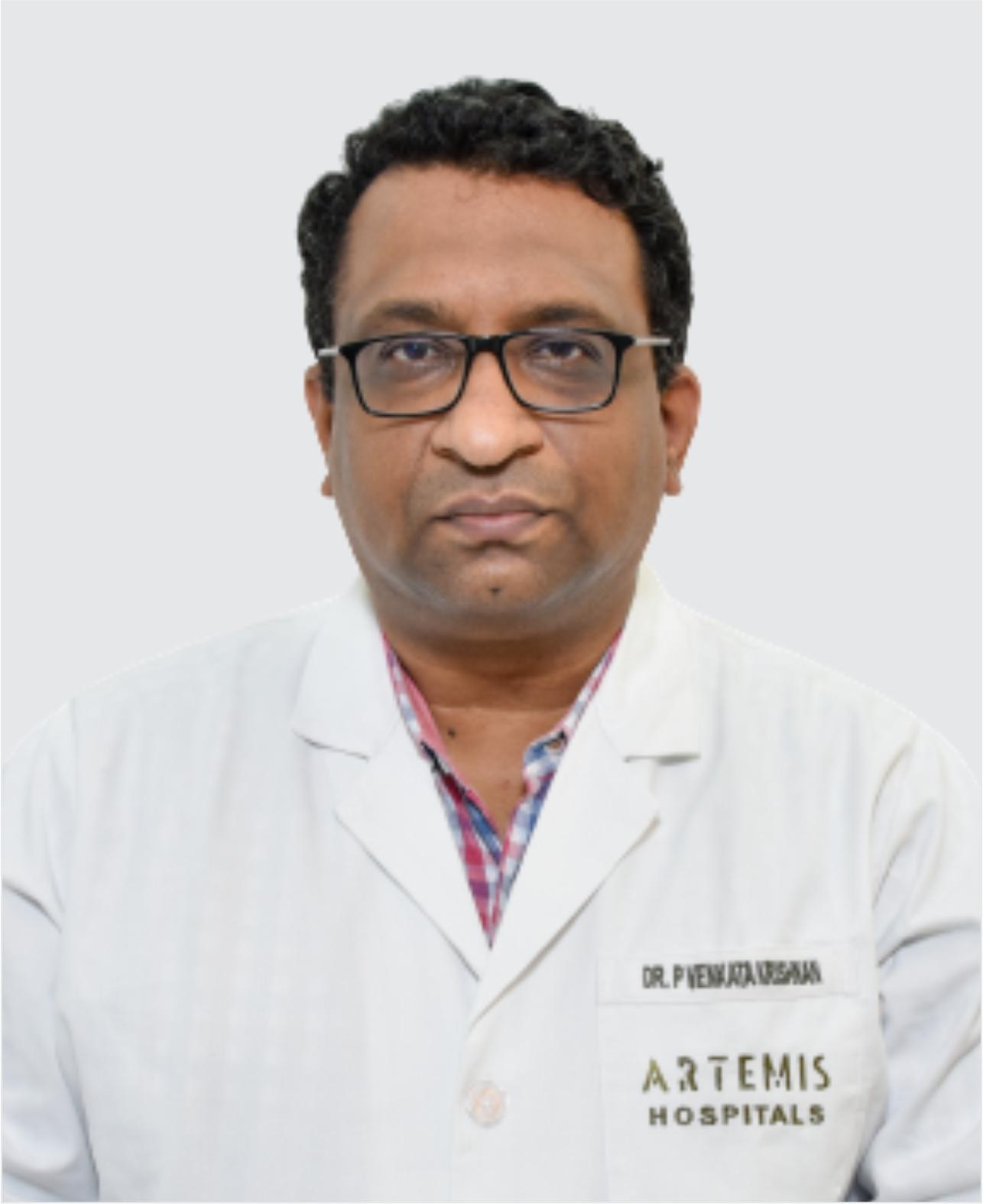
Dr. P. Venkata Krishnan
Sr. Consultant
Internal Medicine
New Delhi
12+ Years
Experience
Artemis Hospital
Hospital
1500
Fees
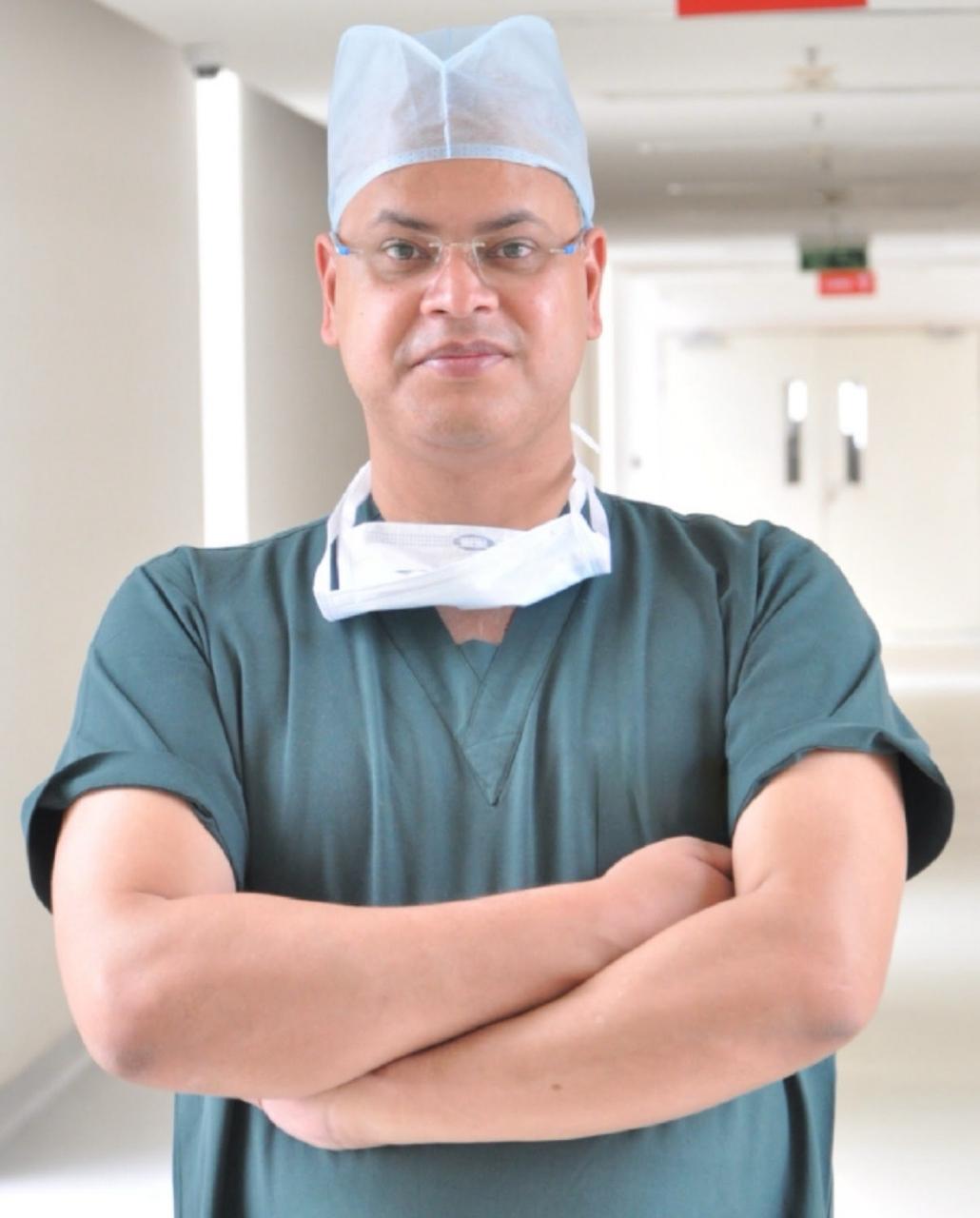
Dr. Ramkinkar Jha
Chief and Unit Head - Orthopaedics (Unit III)
Orthopaedic Surgery, Orthopaedics, Robotic Surgery
New Delhi
20+ Years
Experience
Artemis Hospital
Hospital
1500
Fees
Dr. Biswajyoti Hazarika
Chief - Head & Neck Surgery
Oncology
New Delhi
20+ Years
Experience
Artemis Hospital
Hospital
1500
Fees
Dr. Yatin Kukreja
Director
Cardiology
New Delhi
14+ Years
Experience
Artemis Hospital
Hospital
1500
Fees
Dr Sujoy Bhattacharjee
Director & HOD – Robotic Joint Replacement Surgery, Max Healthcare
Orthopaedics
New Delhi
23+ Years
Experience
Max Hospital,Gurgaon
Hospital
1500
Fees
Dr. Mazhar Husain
Chairman & Chief Neurosurgeon
Neurosurgery
New Delhi
51+ Years
Experience
Max Hospital,Gurgaon
Hospital
1500
Fees
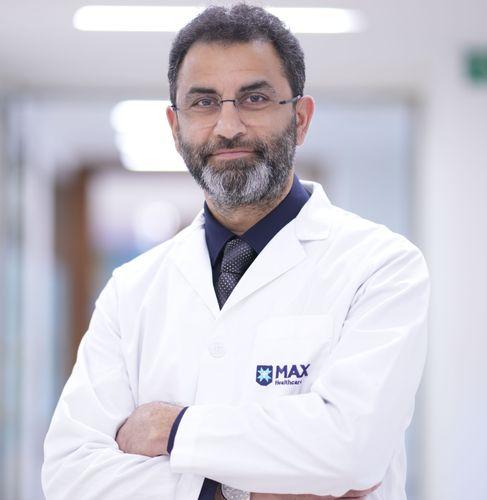
Dr. Bhushan Nariani
Chairman - Orthopaedics (Joint Diseases & Joint Replacement)
Orthopaedics, Joint Replacement, Robotic Surgery
New Delhi
25+ Years
Experience
Max Hospital,Gurgaon
Hospital
1500
Fees
Related Links
Other Treatment related Information
- Cardiac Ablation for Arrhythmias cost in Mumbai
- Cardiac Ablation for Arrhythmias cost in Pune
- Cardiac Ablation for Arrhythmias cost in New Delhi
- Cardiac Ablation for Arrhythmias cost in Hyderabad
- Cardiac Ablation for Arrhythmias cost in Chennai
- Cardiac Ablation for Arrhythmias cost in Bengaluru
- Cardiac Ablation for Arrhythmias cost in India
- Cardiac Ablation for Arrhythmias cost in Haryana
- Cardiac Ablation for Arrhythmias Success Rate in Hyderabad
- Cardiac Ablation for Arrhythmias Success Rate in New Delhi
- Cardiac Ablation for Arrhythmias Success Rate in Pune
- Cardiac Ablation for Arrhythmias Success Rate in India
- Cardiac Ablation for Arrhythmias Success Rate in Mumbai
- Cardiac Ablation for Arrhythmias Success Rate in Chennai
- Cardiac Ablation for Arrhythmias Success Rate in Haryana
- Cardiac Ablation for Arrhythmias Success Rate in Bengaluru
- Best Cardiac Ablation for Arrhythmias Doctors in Chennai
- Best Cardiac Ablation for Arrhythmias Doctors in India
- Best Cardiac Ablation for Arrhythmias Doctors in Mumbai
- Best Cardiac Ablation for Arrhythmias Doctors in Bengaluru
Ready To Start Your Healing Journey?
Get Personalized Medical Treatment Options From India's Top Hospitals. Our Medical Experts Are Ready To Assist You Every Step Of The Way.