
CyberKnife Radiosurgery Treatment in Gurugram for UAE
Need Personalized Advice?
Our medical experts are ready to answer your questions and guide you through your treatment options.
About
CyberKnife Radiosurgery in Gurugram for UAE Patients
Patients from the UAE considering advanced medical procedures abroad often face uncertainty regarding highly specialized treatments like CyberKnife Radiosurgery. They might wonder about finding trustworthy facilities, experienced specialists, and seamless care that matches their expectations, while also being cost-effective.
Gurugram has emerged as a premier destination for complex medical interventions. Its world-class healthcare infrastructure, combined with a patient-centric approach, draws individuals seeking cutting-edge treatments. The city offers a well-coordinated care environment, ensuring patients receive comprehensive support from arrival to recovery.
The medical community in Gurugram fosters significant trust through its consistently high success rates and commitment to patient well-being. Hospitals here house internationally trained specialists and employ the latest technology, making follow-ups and continued care accessible within the city's robust medical ecosystem.
Is Gurugram the right choice for your CyberKnife Radiosurgery?
What is CyberKnife Radiosurgery?
CyberKnife Radiosurgery is an advanced, non-invasive system used to treat cancerous and non-cancerous tumors throughout the body. It delivers highly focused beams of radiation with pinpoint accuracy, minimizing damage to surrounding healthy tissue. This robotic radiosurgery system tracks tumor movement in real-time, even as a patient breathes, ensuring the radiation dose is always directed precisely to the target. It is often chosen for its ability to treat complex or inoperable tumors and offers an alternative to traditional surgery for many conditions.
Applications of CyberKnife Radiosurgery
Stereotactic Radiosurgery (SRS): Used primarily for brain and spine tumors, SRS delivers a high dose of radiation in a single session or a few sessions.
Stereotactic Body Radiation Therapy (SBRT): Applied to tumors in the lungs, liver, prostate, and other areas of the body, SBRT involves multiple treatment sessions over several days.
Functional Radiosurgery: For non-cancerous conditions such as trigeminal neuralgia or essential tremor, where precise radiation can alleviate symptoms.
Retreatment Radiosurgery: Can be an option for patients who have previously undergone radiation therapy and require further treatment.
When is CyberKnife Radiosurgery Required?
- Brain tumors, both benign and malignant, including gliomas, meningiomas, and acoustic neuromas.
- Spinal tumors and lesions.
- Lung tumors, particularly early-stage non-small cell lung cancer or metastases.
- Prostate cancer, as a primary treatment or for recurrent disease.
- Liver tumors, including primary hepatocellular carcinoma and metastatic lesions.
- Pancreatic cancer, for local control or pain management.
- Kidney cancer, for localized tumors.
- Trigeminal neuralgia and other functional disorders.
- Certain vascular malformations like arteriovenous malformations (AVMs).
Pre-Treatment Evaluation for CyberKnife Radiosurgery
- Detailed medical history and physical examination by a radiation oncologist.
- Advanced imaging studies, including MRI, CT, and PET scans, to accurately map the tumor.
- Blood tests and other laboratory investigations to assess overall health.
- Consultations with other specialists, such as neurosurgeons or oncologists, depending on the tumor location.
- Dosimetry planning, where a medical physicist and radiation oncologist create a precise treatment plan.
How CyberKnife Radiosurgery is Performed
The CyberKnife procedure is typically outpatient and non-invasive, with the exact process depending on the condition and individualized treatment plan.
Preparation: Patients may have a custom mold or mask created to help them remain still during treatment. For some body sites, tiny fiducial markers might be implanted near the tumor to aid in tracking.
Imaging and Planning: High-resolution CT, MRI, or PET scans are used to precisely locate the tumor and define its exact shape and size. A team of specialists then uses sophisticated software to design a treatment plan that delivers radiation with extreme accuracy while sparing healthy tissues.
Treatment Delivery: During the session, the patient lies comfortably on a treatment couch. The robotic arm of the CyberKnife system moves around the patient, delivering radiation beams from various angles. The system continuously monitors the patient’s breathing and tumor movement, adjusting the beam in real-time. Each treatment session typically lasts 30 to 90 minutes.
Number of Sessions: Depending on the type and location of the tumor, treatment might involve a single session (stereotactic radiosurgery) or multiple sessions over several days (stereotactic body radiation therapy).
Recovery Process After CyberKnife Treatment
The recovery from CyberKnife Radiosurgery is generally swift due to its non-invasive nature. Most patients experience minimal to no downtime and can resume their normal activities shortly after treatment. Some might feel mild fatigue or temporary swelling depending on the treated area. Follow-up appointments are crucial to monitor the tumor's response to treatment and to manage any potential side effects. The medical team will provide specific guidelines on activity restrictions and ongoing care.
Risks and Success Rates of CyberKnife Radiosurgery
- Temporary fatigue or nausea.
- Mild skin irritation at the treatment site.
- Localized swelling or inflammation.
- Hair loss if the scalp is in the radiation field.
- Rarely, damage to adjacent healthy tissues or nerves.
- Potential for recurrence, although less common with successful treatment.
CyberKnife Radiosurgery boasts high success rates for many types of tumors, with studies reporting local control rates often exceeding 85-90%, particularly for early-stage and well-defined lesions. Outcomes vary significantly based on tumor type, size, location, and the patient's overall health. Long-term expectations usually involve regular monitoring to confirm tumor regression or stability, and specialists will discuss individual prognosis with each patient.
Cost of CyberKnife Radiosurgery in Gurugram
The cost of CyberKnife Radiosurgery in Gurugram is influenced by several factors, including the specific hospital chosen, the experience of the medical team, the complexity and location of the tumor, and the number of treatment sessions required. Gurugram offers advanced technology at a more accessible price point compared to many Western countries.
In Gurugram, the estimated cost for CyberKnife Radiosurgery typically ranges from INR 6,00,000 to INR 12,00,000.
Gurugram vs. Global CyberKnife Radiosurgery Costs
Gurugram provides a competitive cost advantage for CyberKnife Radiosurgery without compromising on technology or expert care. Below is a comparison of typical cost ranges for this treatment in Gurugram versus other global medical hubs.
| Location | Estimated Cost Range (USD) |
|---|---|
| Gurugram, India | $7,000 - $15,000 |
| United States | $40,000 - $100,000 |
| United Kingdom | $25,000 - $50,000 |
| Singapore | $20,000 - $45,000 |
| Germany | $20,000 - $40,000 |
Support Services for Your Treatment Journey
- Assistance with medical visa applications and extensions.
- Dedicated international patient coordinators for all arrangements.
- Travel planning and local transportation support.
- Accommodation options near the hospital for patients and companions.
- Language interpretation services to ensure clear communication.
- Post-treatment follow-up coordination and remote consultations.
Papers Required for Your Medical Visit
- A valid passport with sufficient validity.
- Medical visa approval for India.
- Referral letters from your primary doctor or specialist.
- Comprehensive medical reports, scans, and test results related to your condition.
- Proof of financial capacity to cover treatment expenses.
- Details of any existing health insurance coverage.
Steps to Get Ready for Treatment
- Undergo all recommended diagnostic tests and consultations prior to arrival.
- Discuss potential medication adjustments with your referring physician.
- Follow any dietary restrictions or pre-procedure instructions given by the Gurugram medical team.
- Arrange for a companion to accompany you, if advised.
- Ensure all travel documents and medical records are organized and accessible.
- Prepare a list of questions for your treating doctor in Gurugram.
Healing and Support After Treatment
- Adhere strictly to all prescribed medications and aftercare instructions.
- Attend all scheduled follow-up appointments with your Gurugram physician.
- Maintain a healthy lifestyle with adequate rest and nutrition to aid recovery.
- Report any unusual symptoms or concerns to your medical team promptly.
- Engage in gentle activities as advised, avoiding strenuous exertion.
- Utilize post-treatment support services for any ongoing needs or queries.
Your Path to Recovery Begins Here
Choosing CyberKnife Radiosurgery in Gurugram offers a pathway to advanced, precise treatment with a focus on patient well-being and successful outcomes.
Hospitals Offering this treatment
India offers premium medical procedures at affordable prices. Discover our most popular treatments, delivered by the country's finest doctors.

Al Zahra Hospital, Dubai
Sheikh Zayed Road, Al Barsha 1, Dubai, UAE
Al Zahra Hospital, Dubai

Burjeel Medical City, Abu Dhabi
28th Street, Mohammed Bin Zayed City, Abu Dhabi, UAE
Burjeel Medical City, Abu Dhabi

Burjeel Hospital, Dubai
Dubai, UAE (part of Burjeel Holdings network)
Burjeel Hospital, Dubai
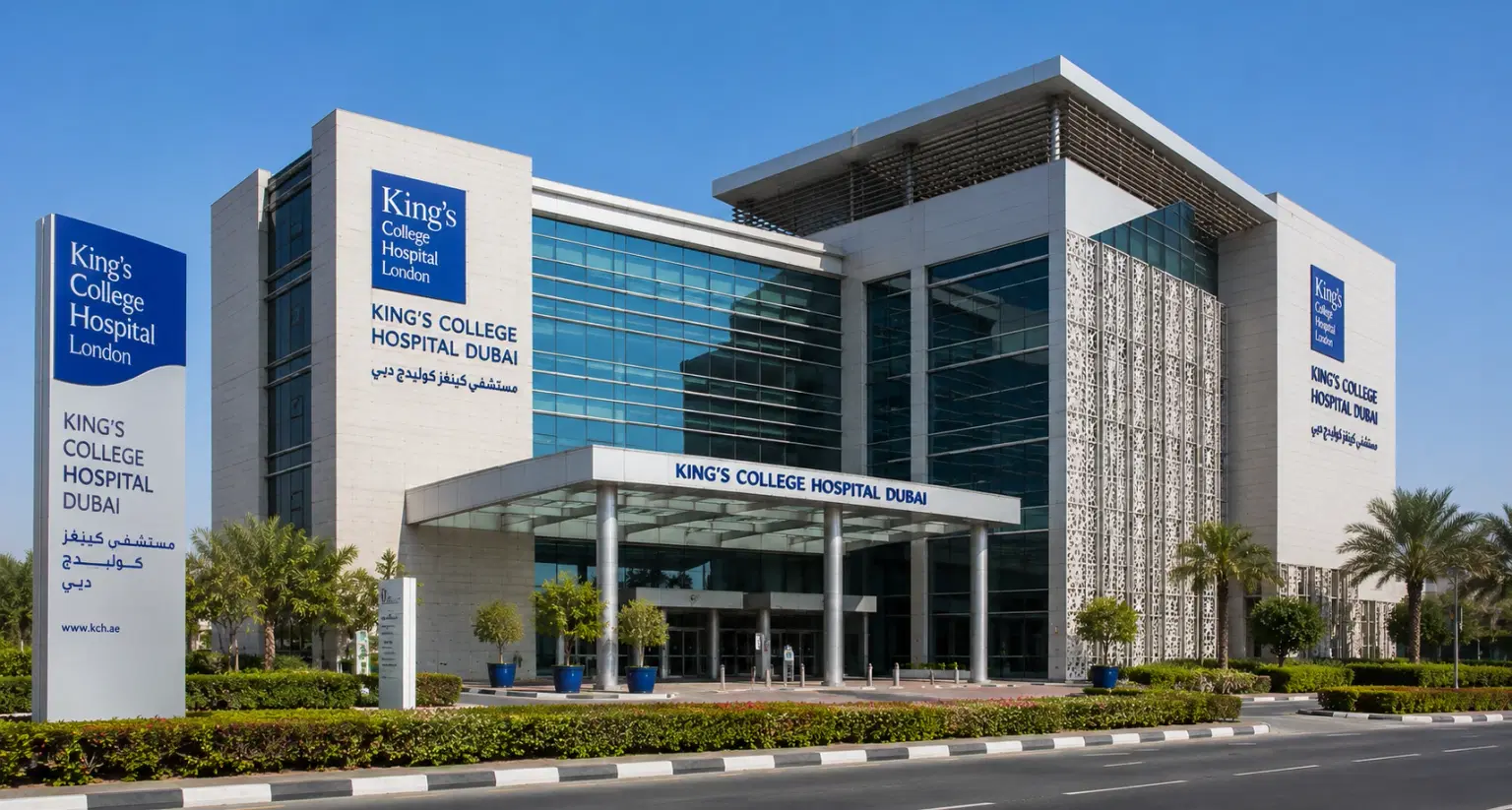
King's College Hospital, Dubai
Dubai Hills, Mohammed Bin Rashid City, Dubai, UAE
King's College Hospital, Dubai

Neuro Spinal Hospital (NSH), Dubai
Dubai Science Park, Umm Suqeim St, Al Barsha South, Dubai, UAE
Neuro Spinal Hospital (NSH), Dubai

HMS Al Garhoud Hospital, Dubai
Al Garhoud Street, Al Garhoud, Dubai, UAE
HMS Al Garhoud Hospital, Dubai
Meet Our Doctors
Meet our team of highly qualified and experienced medical professionals dedicated to providing the best healthcare services.

Dr. Aditya Gupta
Chairperson - Neurosurgery & CNS Radiosurgery & Co-Chief - Cyberknife Centre, Artemis Hospitals, Gurgaon
Neurosurgeon
Haryana
32+ Years
Experience
Artemis Hospital
Hospital
1500
Fees

Dr (Prof) Daljit Singh
Vice Chairman & HOD — Neurosurgery and Unit Head — Neuro Intervention, Max Healthcare
Neurosurgery
New Delhi
31+ Years
Experience
Max Hospital,Gurgaon
Hospital
1500
Fees

Dr. Manish Agarwal
Director - Oncology
Oncology
New Delhi
22+ Years
Experience
Apolo Delhi
Hospital
1500
Fees
Related Links
Other Treatment related Information
Ready To Start Your Healing Journey?
Get Personalized Medical Treatment Options From India's Top Hospitals. Our Medical Experts Are Ready To Assist You Every Step Of The Way.