
Dental Implants Treatment in New Delhi for UAE
Need Personalized Advice?
Our medical experts are ready to answer your questions and guide you through your treatment options.
About
Dental Implants in New Delhi for UAE Patients: Your Guide
Are you from the UAE seeking a lasting solution for missing teeth? The journey to restore your smile with dental implants can feel complex, with questions about quality and accessibility weighing on your mind. Understanding your options is the first step toward regaining your confidence and oral health.
Many patients from the UAE choose New Delhi for advanced dental care. This city offers a highly coordinated medical environment, making it easier to manage appointments and receive comprehensive treatment in a structured setting designed for international visitors.
New Delhi's leading hospitals and dental clinics are equipped with modern technology and experienced specialists. Patients find reassurance in the ease of follow-up care and the dedicated support provided throughout their dental implant journey within the city.
Could New Delhi be the right destination for your dental implant treatment?
Understanding Dental Implants
Dental implants are advanced restorative solutions designed to replace missing tooth roots. They consist of a small, screw-shaped titanium post surgically placed into the jawbone beneath the gum line. This implant acts as a sturdy foundation for an artificial tooth, such as a crown, bridge, or denture. Over time, the titanium fuses with the jawbone through a process called osseointegration, providing stability and strength comparable to natural teeth. Implants restore chewing function, improve speech, prevent bone loss, and enhance facial aesthetics, offering a long-term solution for tooth loss.
What Are the Types of Dental Implants Available?
There are several types of dental implants, each suited for different clinical situations:
- Endosteal Implants: These are the most common type, surgically placed directly into the jawbone. They are typically made of titanium and shaped like small screws, cylinders, or blades.
- Subperiosteal Implants: These implants are placed on top of the jawbone but under the gum tissue. They are used for patients who cannot wear conventional dentures and have minimal bone height.
- Zygomatic Implants: A less common type, these are longer implants anchored in the cheekbone (zygoma) instead of the jawbone. They are often considered when there is severe bone loss in the upper jaw.
- Mini Dental Implants (MDIs): Smaller in diameter than traditional implants, MDIs are primarily used to stabilize lower dentures or replace small teeth in narrow spaces.
- All-on-4/6 Dental Implants: This technique involves placing four or six implants strategically in the jaw to support an entire arch of prosthetic teeth, often allowing for immediate loading.
When Are Dental Implants Recommended?
- Replacement of a single missing tooth without affecting adjacent healthy teeth.
- Restoration of multiple missing teeth when a fixed bridge is not feasible or desired.
- Support for full or partial dentures, improving stability and comfort.
- Prevention of bone loss in the jaw after tooth extraction.
- Improvement in chewing ability, speech clarity, and overall oral function.
- Enhancement of facial aesthetics and self-confidence for individuals with tooth loss.
- When a patient desires a long-term, durable solution for tooth replacement.
What Evaluations Are Needed Before Dental Implants?
- A thorough oral examination by a dental specialist to assess overall dental health.
- Detailed X-rays, including panoramic X-rays and 3D Cone Beam CT (CBCT) scans, to evaluate bone quantity and quality.
- Assessment of jawbone density and volume to determine suitability for implant placement.
- Review of the patient's full medical history, including any existing health conditions or medications.
- Blood tests to check for underlying health issues that might affect healing, such as diabetes.
- Creation of impressions or digital scans of the patient's mouth for precise treatment planning.
How Is a Dental Implant Procedure Performed?
The dental implant procedure is typically a multi-stage process, customized to each patient's oral health and specific needs.
Initial Consultation and Planning
This phase involves a detailed examination, imaging, and discussion to create a personalized treatment plan. Digital planning ensures precise implant positioning.
Tooth Extraction (if needed)
Any necessary tooth extractions are performed. Sometimes, immediate implant placement can occur on the same day as an extraction, depending on bone quality.
Bone Grafting (if required)
If there isn't sufficient jawbone to support the implant, a bone grafting procedure might be necessary. This involves adding bone material to rebuild the jawbone, which then needs time to heal and integrate.
Implant Placement Surgery
During this surgical step, the titanium implant post is carefully placed into the jawbone. Local anesthesia is typically used, and sedation options are available for patient comfort. The gum tissue is then closed over the implant.
Osseointegration (Healing Period)
This critical phase involves the implant fusing with the surrounding jawbone. It can take several months, ensuring the implant is stable and ready to support the prosthetic tooth.
Abutment Placement
Once osseointegration is complete, a small connector post called an abutment is attached to the implant. This piece extends through the gum line and will hold the final crown.
Crown Attachment
After the gums have healed around the abutment, a custom-made artificial tooth (crown) is fabricated to match your natural teeth in shape, size, and color. This crown is then securely attached to the abutment, completing the restoration.
What Does Recovery From Dental Implants Involve?
Recovery from dental implant placement involves several stages. Immediately after surgery, minor discomfort, swelling, and bruising are common, managed with prescribed pain medication. A soft diet is recommended for the first few days. The most significant part of recovery is the osseointegration period, where the implant fuses with the jawbone, typically lasting three to six months. During this time, it's crucial to maintain excellent oral hygiene and attend follow-up appointments to monitor healing. Long-term recovery includes diligent brushing, flossing, and regular dental check-ups to ensure the longevity of your implants.
Understanding Risks and Success Rates of Dental Implants
- Infection: Though rare, infection at the implant site can occur, typically managed with antibiotics.
- Nerve Damage: There is a small risk of nerve damage, which could cause numbness, pain, or tingling in the gums, lips, or tongue.
- Sinus Issues: For upper jaw implants, there's a possibility of the implant protruding into the sinus cavity, potentially leading to sinus problems.
- Implant Failure: While success rates are high, an implant can fail to integrate with the bone, requiring removal and potentially re-implantation.
- Peri-Implantitis: This is an inflammatory condition affecting the tissues around the implant, similar to gum disease, which can lead to bone loss if untreated.
Dental implants boast impressive success rates, often exceeding 95% over 10 years when performed by experienced specialists. The outcome ranges vary based on factors such as the patient's overall health, bone quality, oral hygiene practices, and the location of the implant in the jaw. With proper care and regular maintenance, dental implants can last a lifetime, providing a stable and functional solution for missing teeth. Long-term expectations include a durable, aesthetically pleasing restoration that functions much like a natural tooth.
Cost of Dental Implants in New Delhi
The cost of dental implants in New Delhi can vary significantly based on several factors. These include the number of implants required, the specific type of implant system used, whether additional procedures like bone grafting or sinus lifts are necessary, the complexity of the case, and the reputation and experience of the dental clinic and specialist. The technology employed and the materials for the crown also play a role in the overall expense.
For a single standard dental implant, the cost in New Delhi typically ranges from INR 30,000 to INR 80,000.
New Delhi vs. Global Dental Implant Costs
New Delhi offers a significant cost advantage for dental implants compared to many Western countries, without compromising on quality or technology. Patients from the UAE often find substantial savings while accessing world-class dental care.
| Location | Estimated Cost (per implant) |
|---|---|
| New Delhi, India | INR 30,000 - 80,000 |
| United States | USD 3,000 - 6,000 |
| United Kingdom | GBP 2,000 - 4,500 |
| Australia | AUD 4,000 - 7,000 |
| Canada | CAD 3,500 - 6,500 |
| Western Europe | EUR 2,500 - 5,000 |
Ready to explore your options for dental implants?
Request a Personalized Treatment Plan
Comprehensive Support for Your Dental Implant Journey in New Delhi
- Assistance with medical visa applications and necessary travel documents.
- Personalized travel planning, including flight booking and airport transfers.
- Arrangements for comfortable accommodation options suited to your preferences.
- Coordination of local transportation for all hospital and clinic visits.
- Access to professional interpreter services to ensure clear communication.
- Dedicated patient care managers to guide you through every step of your journey.
- Support for post-treatment follow-up coordination, even after you return home.
Essential Documents for Your Dental Implant Treatment
- Valid passport and Indian medical visa for international travel.
- All relevant dental and medical reports, including recent X-rays and CT scans.
- Any referral letters from your dentist or doctor in the UAE.
- A comprehensive list of all current medications, including dosages.
- Details of any existing medical insurance policy, if you plan to use it.
- A copy of your confirmed appointment schedule with the dental clinic in New Delhi.
Preparing for Your Dental Implant Procedure in New Delhi
- Have a thorough discussion with your dentist about your medical history and any allergies.
- If you smoke, consider quitting or significantly reducing it, as it impacts healing.
- Make all necessary travel and accommodation arrangements well in advance.
- Understand the post-operative care and recovery expectations before your procedure.
- Inform the dental clinic about your arrival schedule for seamless pickup and assistance.
- Ensure you have a companion if you feel you might need extra support during your stay.
Guidance for Your Recovery After Dental Implant Placement
- Adhere strictly to all prescribed medications, including pain relievers and antibiotics.
- Follow a soft food diet for the initial healing period to protect the implant site.
- Maintain meticulous oral hygiene as instructed by your dental specialist.
- Avoid strenuous physical activities and heavy lifting for a specified duration.
- Attend all scheduled follow-up appointments to monitor the healing process.
- Contact your clinic immediately if you experience unusual pain, swelling, or concerns.
- Refrain from smoking and alcohol consumption, which can hinder healing.
Ready to Restore Your Smile with Confidence?
Embark on a path to lasting dental health in New Delhi with expert care and dedicated support.
Have questions about Dental Implants in New Delhi?
Connect with Our Patient Care Team Today
Hospitals Offering this treatment
India offers premium medical procedures at affordable prices. Discover our most popular treatments, delivered by the country's finest doctors.

Al Zahra Hospital, Dubai
Sheikh Zayed Road, Al Barsha 1, Dubai, UAE
Al Zahra Hospital, Dubai

Burjeel Medical City, Abu Dhabi
28th Street, Mohammed Bin Zayed City, Abu Dhabi, UAE
Burjeel Medical City, Abu Dhabi

Burjeel Hospital, Dubai
Dubai, UAE (part of Burjeel Holdings network)
Burjeel Hospital, Dubai
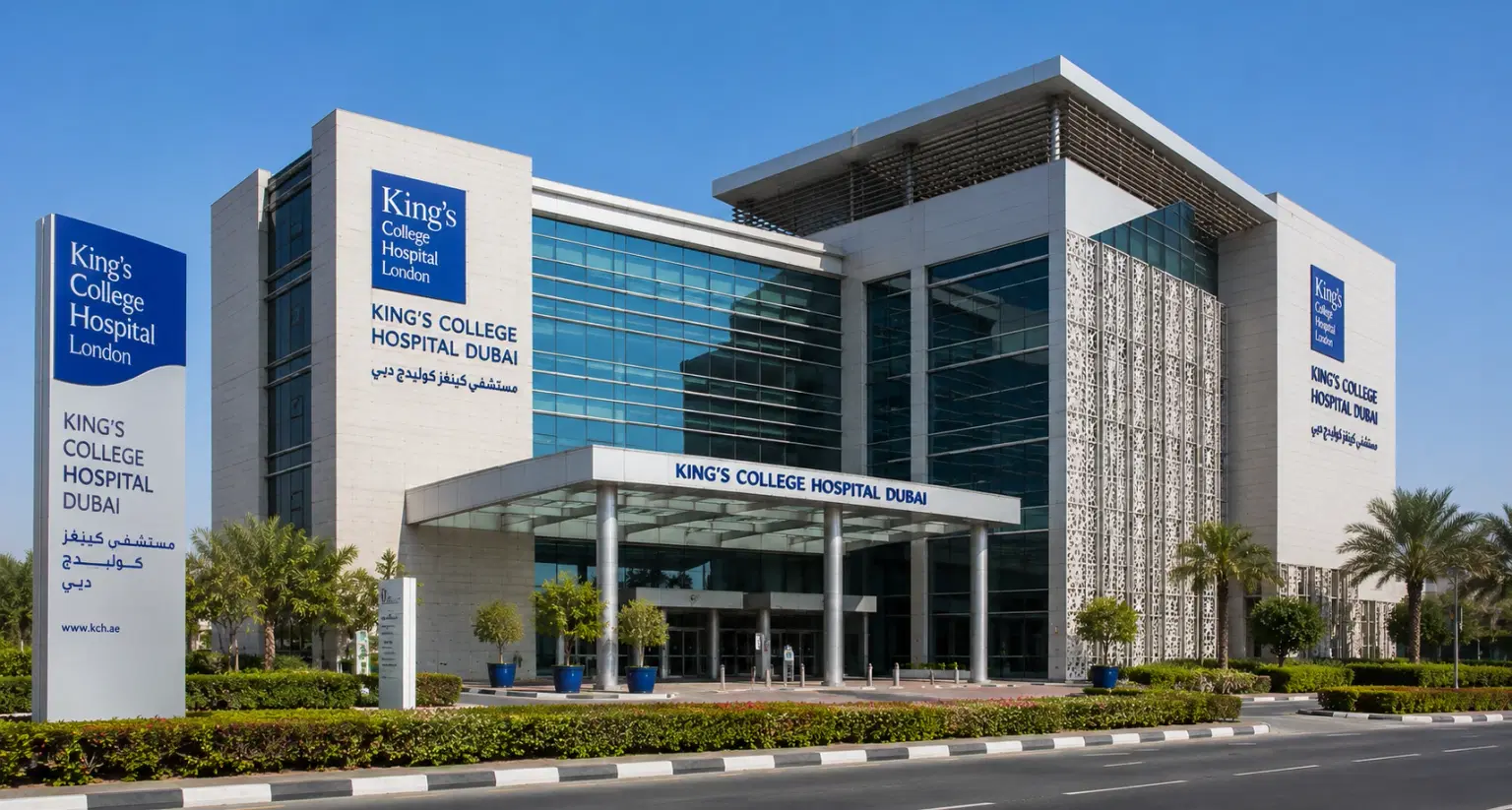
King's College Hospital, Dubai
Dubai Hills, Mohammed Bin Rashid City, Dubai, UAE
King's College Hospital, Dubai
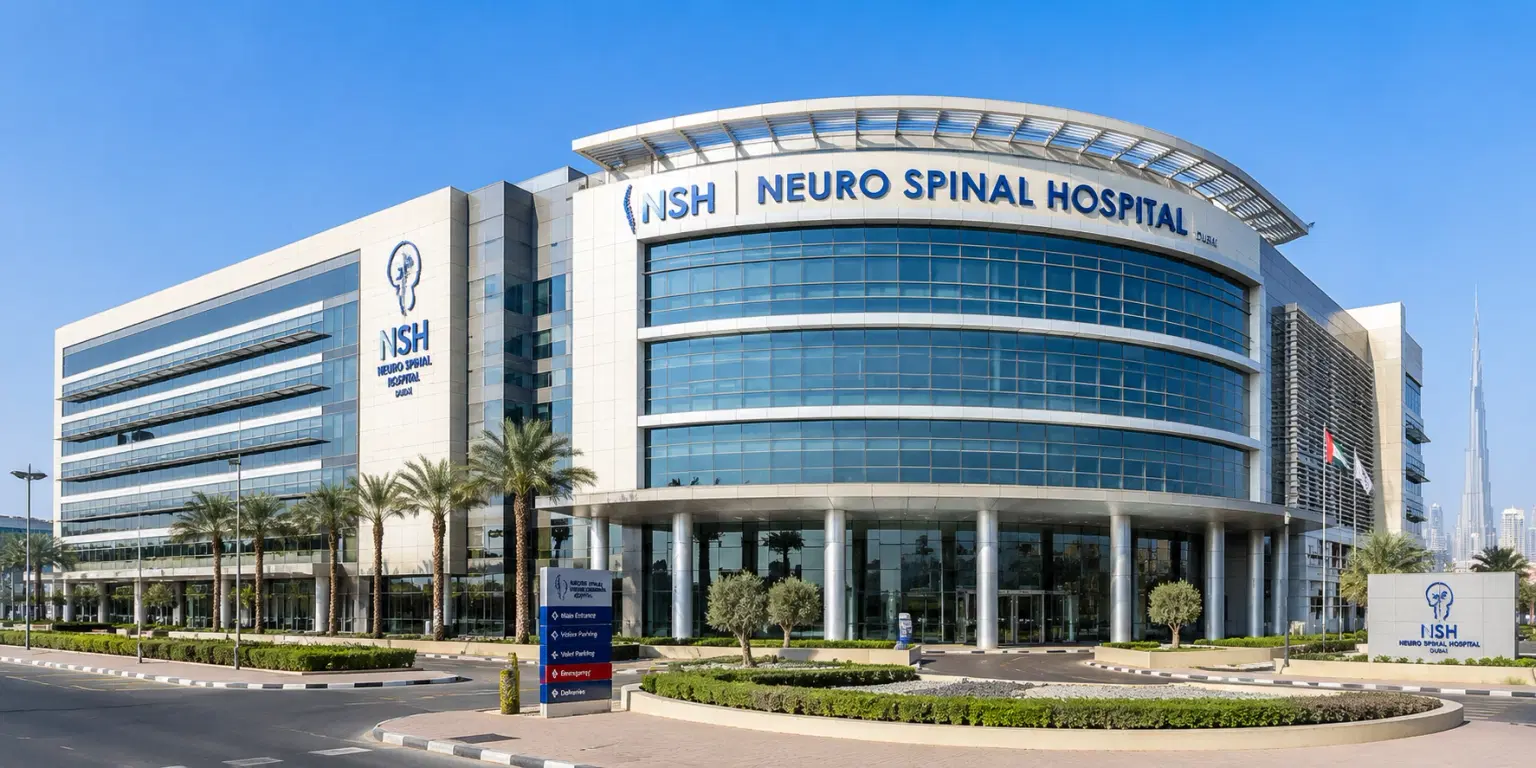
Neuro Spinal Hospital (NSH), Dubai
Dubai Science Park, Umm Suqeim St, Al Barsha South, Dubai, UAE
Neuro Spinal Hospital (NSH), Dubai

HMS Al Garhoud Hospital, Dubai
Al Garhoud Street, Al Garhoud, Dubai, UAE
HMS Al Garhoud Hospital, Dubai
Meet Our Doctors
Meet our team of highly qualified and experienced medical professionals dedicated to providing the best healthcare services.

Dr. Anjana Satyajit
Head - Dentistry
Dentistry
New Delhi
20+ Years
Experience
Artemis Hospital
Hospital
1500
Fees
Related Links
Recent Blogs
Other Treatment related Information
- Dental Implants cost in Hyderabad
- Dental Implants cost in India
- Dental Implants cost in Chennai
- Dental Implants cost in Haryana
- Dental Implants cost in Pune
- Dental Implants cost in Mumbai
- Dental Implants cost in New Delhi
- Dental Implants cost in Bengaluru
- Dental Implants Success Rate in Hyderabad
- Dental Implants Success Rate in Pune
- Dental Implants Success Rate in Chennai
- Dental Implants Success Rate in Bengaluru
- Dental Implants Success Rate in Mumbai
- Dental Implants Success Rate in New Delhi
- Dental Implants Success Rate in India
- Dental Implants Success Rate in Haryana
- Best Dental Implants Doctors in Hyderabad
- Best Dental Implants Doctors in Mumbai
Ready To Start Your Healing Journey?
Get Personalized Medical Treatment Options From India's Top Hospitals. Our Medical Experts Are Ready To Assist You Every Step Of The Way.