
ERCP (Endoscopic Retrograde Cholangiopancreatography) Treatment in Chennai for Ethiopia
Need Personalized Advice?
Our medical experts are ready to answer your questions and guide you through your treatment options.
About
ERCP Treatment in Chennai for Ethiopian Patients | Cost & Hospitals
For patients from Ethiopia facing complex digestive issues, the thought of needing a procedure like ERCP can bring concerns about care quality and accessibility. Finding expert medical attention that combines advanced technology with compassionate support is a primary worry, especially when looking beyond national borders.
Many patients seeking specialized care consider Chennai, a city renowned for its medical excellence in India. The city offers a well-developed healthcare ecosystem, making it a preferred destination for international patients needing intricate procedures and comprehensive medical coordination.
Chennai's hospitals house leading gastroenterologists and surgical teams, consistently delivering high standards of care for procedures such as ERCP. Patients find reassurance in the city's established infrastructure and the ease of accessing expert follow-up care within the same city.
Is Chennai the right choice for your ERCP treatment needs?
What is ERCP (Endoscopic Retrograde Cholangiopancreatography)?
ERCP stands for Endoscopic Retrograde Cholangiopancreatography. It is a specialized procedure that combines upper gastrointestinal endoscopy and X-rays to diagnose and treat problems in the bile and pancreatic ducts. A thin, flexible tube with a camera is guided through the mouth, stomach, and duodenum to the area where the bile and pancreatic ducts drain. Contrast dye is then injected, and X-rays are taken to visualize any blockages or abnormalities, allowing for targeted intervention.
What Interventions Can Be Performed During ERCP?
During an ERCP, the procedure itself is primarily for diagnosis and intervention within the ducts. While "types" of ERCP typically refer to the specific therapeutic actions taken, common interventions include:
- Stone Removal: Extracting gallstones or pancreatic stones from the bile or pancreatic ducts.
- Stent Placement: Inserting a small tube (stent) to open blocked or narrowed ducts, ensuring proper drainage.
- Biopsy: Taking tissue samples from suspicious areas for further examination.
- Sphincterotomy: Making a small incision in the sphincter of Oddi to widen the opening of the bile or pancreatic duct.
- Balloon Dilation: Using a balloon to widen constricted duct segments.
When is ERCP Required for Digestive Health Issues?
- Blockages in bile or pancreatic ducts causing jaundice or pancreatitis.
- Gallstones present in the bile duct.
- Unexplained abdominal pain or persistent nausea and vomiting.
- Inflammation of the pancreas (pancreatitis) due to duct issues.
- Suspected tumors or strictures (narrowing) in the bile or pancreatic ducts.
- Leaking bile from trauma or surgery.
What Evaluation is Needed Before an ERCP Procedure?
- Blood tests including complete blood count, liver function tests, and coagulation profile.
- Imaging studies such as ultrasound, CT scan, or MRI of the abdomen to identify duct issues.
- Review of existing medical history, current medications, and any allergies.
- Consultation with a gastroenterologist to discuss symptoms and treatment plan.
- Assessment of heart and lung health, especially for patients with pre-existing conditions.
How is the ERCP Procedure Performed?
The ERCP procedure is typically performed in a hospital endoscopy suite, often under conscious sedation or general anesthesia, depending on the patient's condition and complexity of the case.
Preparation and Sedation
Patients are asked to fast for several hours before the procedure. An intravenous line is inserted for administering sedatives or anesthesia to ensure comfort throughout. Monitoring equipment is attached to track vital signs.
Endoscope Insertion
The flexible endoscope is carefully inserted through the mouth, down the esophagus, past the stomach, and into the duodenum. The physician guides the scope to locate the ampulla of Vater, where the bile and pancreatic ducts connect to the small intestine.
Duct Access and Imaging
A small catheter is passed through the endoscope into the bile or pancreatic duct. Contrast dye is injected, and fluoroscopy (a real-time X-ray technique) is used to visualize the ducts and pinpoint any blockages, stones, or strictures.
Therapeutic Intervention
If abnormalities are found, various instruments can be passed through the endoscope to perform therapeutic actions. This might include removing stones, placing stents to open narrowed ducts, taking biopsies of suspicious tissue, or performing a sphincterotomy.
Completion
Once the necessary diagnostic or therapeutic steps are completed, the endoscope is slowly withdrawn. Patients are then moved to a recovery area for monitoring as the sedation wears off.
What Does Recovery After ERCP Involve?
After an ERCP, patients are typically monitored for a few hours as the effects of sedation diminish. Most can go home the same day, though some may require an overnight stay. Mild sore throat or bloating is common. It is advised to rest, avoid strenuous activities for a day or two, and follow a light diet as instructed. Detailed follow-up care instructions will be provided, often including medication to prevent complications and guidance on when to resume normal activities.
What Are the Potential Risks and Success Rates of ERCP?
- Post-ERCP pancreatitis: Inflammation of the pancreas, which is the most common serious complication.
- Infection: Can occur in the bile ducts or elsewhere.
- Bleeding: Minor bleeding can occur, especially after a sphincterotomy.
- Perforation: A rare but serious risk where the endoscope creates a hole in the digestive tract.
- Adverse reaction to sedation or contrast dye.
The success rate for ERCP, especially for therapeutic interventions like stone removal or stent placement, is generally high, often exceeding 90-95%. Outcomes can vary based on the patient's specific condition, the complexity of the duct blockage, and the skill of the medical team. Long-term expectations depend on the underlying issue being treated; for many, ERCP provides definitive relief, while others may require ongoing monitoring or repeat procedures.
Considering ERCP treatment? Connect with Chennai's leading specialists today for a personalized consultation.
Get a Free Medical Opinion
Cost of ERCP in Chennai
The cost of ERCP treatment in Chennai can vary based on several factors, including the specific hospital chosen, the experience of the gastroenterologist, the need for any additional therapeutic interventions during the procedure (like stent placement or stone removal), and the length of hospital stay. Advanced technology and personalized care plans also influence the overall expenditure.
The estimated cost for ERCP in Chennai typically ranges from INR 65,000 to INR 1,50,000.
Comparing ERCP Costs: Chennai vs. Other Global Cities
Chennai offers a highly competitive cost for ERCP without compromising on the quality of medical care. Below is a comparison of typical ERCP costs in Chennai versus other major cities worldwide, showcasing its affordability.
| Location | Estimated ERCP Cost (USD) |
|---|---|
| Chennai, India | $800 - $1,800 |
| United States | $5,000 - $15,000 |
| United Kingdom | $4,000 - $10,000 |
| Singapore | $3,500 - $8,000 |
| Thailand | $2,500 - $6,000 |
Essential Support Services for International Patients
- Assistance with medical visa applications and extensions.
- Dedicated patient coordinators fluent in multiple languages.
- Arrangements for airport transfers and local transportation.
- Help with accommodation options, from budget-friendly stays to premium hotels.
- Facilitation of interpreter services for seamless communication.
- Guidance on local amenities and cultural nuances.
Required Documents for Your Medical Visit to Chennai
- A valid passport with at least six months of validity.
- Medical visa for India (if applicable), along with any supporting invitation letters from the hospital.
- All relevant medical reports, imaging scans, and previous test results.
- A list of current medications and allergies.
- Proof of financial capability to cover treatment expenses.
Preparing for Your ERCP Procedure in Chennai
- Undergo all recommended pre-procedure medical evaluations and tests.
- Discuss your medical history thoroughly with the specialist.
- Disclose all medications, including over-the-counter drugs and supplements.
- Arrange for a companion to accompany you for support and discharge.
- Follow fasting instructions precisely before the procedure.
What to Expect During Your Recovery and Aftercare in Chennai
- Receive comprehensive discharge instructions regarding diet, medication, and activity levels.
- Attend scheduled follow-up appointments with your gastroenterologist.
- Monitor for any signs of complications and report them immediately.
- Arrange for necessary post-operative care or rehabilitation if recommended.
- Ensure comfortable and convenient accommodation for your recovery period.
Ready to explore ERCP options in Chennai? Request a detailed treatment plan and cost estimate now.
Plan Your Treatment
Take Your Next Step Toward Better Digestive Health
Choosing Chennai for your ERCP treatment connects you with leading medical expertise and a supportive care environment, ensuring a focused path to recovery.
Hospitals Offering this treatment
India offers premium medical procedures at affordable prices. Discover our most popular treatments, delivered by the country's finest doctors.
Meet Our Doctors
Meet our team of highly qualified and experienced medical professionals dedicated to providing the best healthcare services.
Dr Aditi Dixit
Sr. Consultant – Women Imaging
Radiology
New Delhi
15+ Years
Experience
Artemis Hospital
Hospital
1500
Fees
Dr. Deepa Goel
Head - Histopathology & Cytology Lab
Laboratory Services
New Delhi
21+ Years
Experience
Artemis Hospital
Hospital
1500
Fees

Dr Chandrima Misra M
Co-Head Psychological Services
Mental Health and Behavioural Sciences
New Delhi
15+ Years
Experience
Artemis Hospital
Hospital
1500
Fees
Dr. Nutan Agarwal
Head of Department - Gynae Endocrinology & DNB Program Director - Obs & Gynae
Gynaecological Endocrinology, Maternity, Obstetrics & Gynaecology
New Delhi
35+ Years
Experience
Artemis Hospital
Hospital
1500
Fees
Dr. Poonam Gautam
Senior Consultant - ENT
ENT and Head & Neck Surgery
New Delhi
24+ Years
Experience
Artemis Hospital
Hospital
1500
Fees
Dr. Pradeep Kumar Singh
Head - Cosmetic & Plastic Surgery
Cosmetic & Plastic Surgery
New Delhi
17+ Years
Experience
Artemis Hospital
Hospital
1500
Fees
Dr. Priyanka Raina
Consultant (Head & Neck Surgery) - Surgical Oncology
Head and Neck Surgical Oncology
New Delhi
10+ Years
Experience
Artemis Hospital
Hospital
1500
Fees
Dr. Rupinder Sekhon
Chairperson - Gynae Oncology
Gynaecological Oncology
New Delhi
16+ Years
Experience
Artemis Hospital
Hospital
1500
Fees
Dr. Sanjeev Srivastava
Sr. Consultant
Neurosurgery
New Delhi
23+ Years
Experience
Artemis Hospital
Hospital
1500
Fees
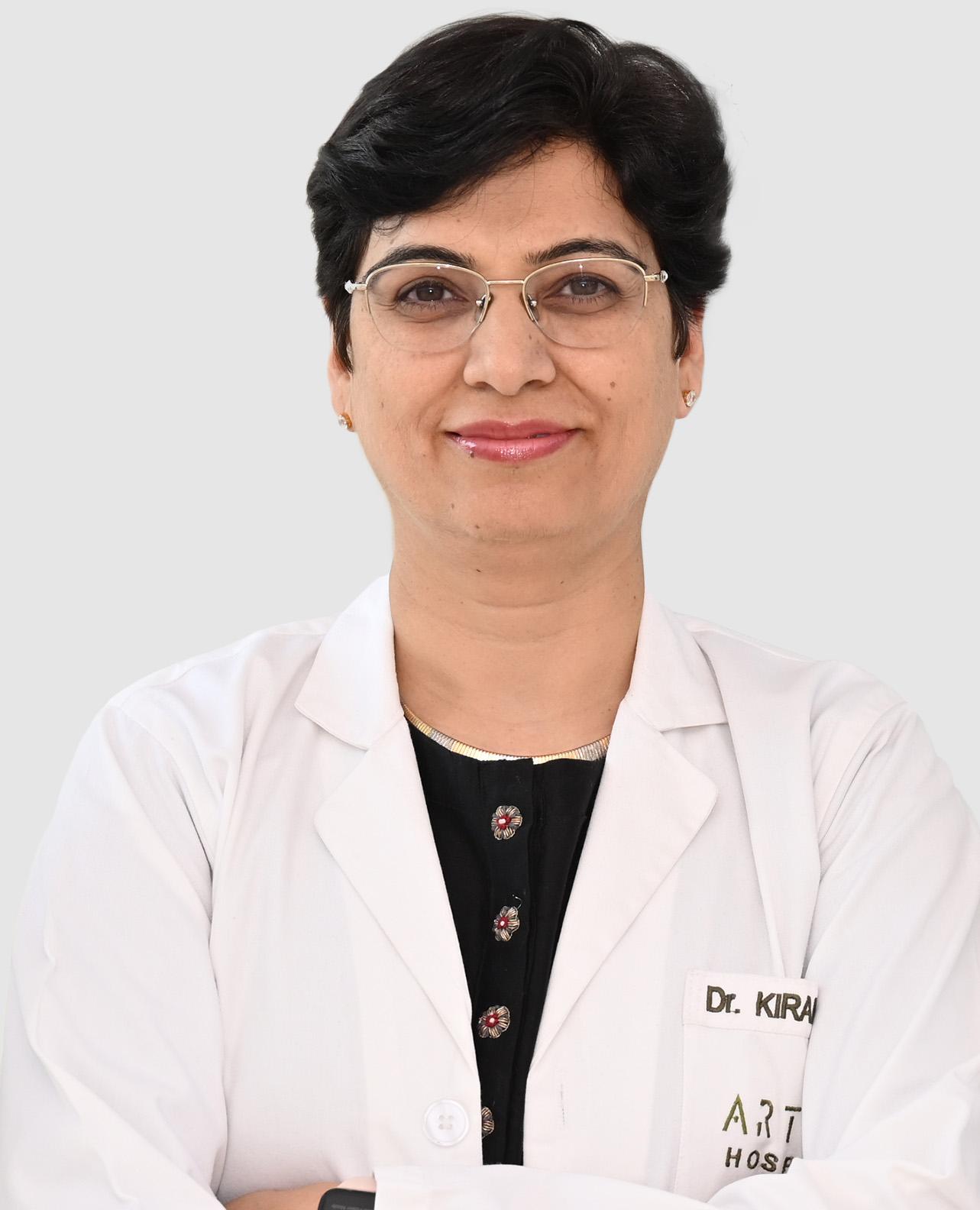
Dr. Kiran Arora
Unit Head - Reproductive Medicine (Unit II)
IVF, Reproductive Medicine, Obstetrics & Gynecology
New Delhi
20+ Years
Experience
Artemis Hospital
Hospital
1500
Fees
Related Links
Other Treatment related Information
- ERCP (Endoscopic Retrograde Cholangiopancreatography) cost in Chennai
- ERCP (Endoscopic Retrograde Cholangiopancreatography) cost in Hyderabad
- ERCP (Endoscopic Retrograde Cholangiopancreatography) cost in New Delhi
- ERCP (Endoscopic Retrograde Cholangiopancreatography) cost in Mumbai
- ERCP (Endoscopic Retrograde Cholangiopancreatography) cost in Haryana
- ERCP (Endoscopic Retrograde Cholangiopancreatography) cost in India
- ERCP (Endoscopic Retrograde Cholangiopancreatography) cost in Pune
- ERCP (Endoscopic Retrograde Cholangiopancreatography) cost in Bengaluru
- ERCP (Endoscopic Retrograde Cholangiopancreatography) Success Rate in Pune
- ERCP (Endoscopic Retrograde Cholangiopancreatography) Success Rate in Bengaluru
- ERCP (Endoscopic Retrograde Cholangiopancreatography) Success Rate in Mumbai
- ERCP (Endoscopic Retrograde Cholangiopancreatography) Success Rate in New Delhi
- ERCP (Endoscopic Retrograde Cholangiopancreatography) Success Rate in India
- ERCP (Endoscopic Retrograde Cholangiopancreatography) Success Rate in Hyderabad
- ERCP (Endoscopic Retrograde Cholangiopancreatography) Success Rate in Haryana
- ERCP (Endoscopic Retrograde Cholangiopancreatography) Success Rate in Chennai
- Best ERCP (Endoscopic Retrograde Cholangiopancreatography) Doctors in New Delhi
- Best ERCP (Endoscopic Retrograde Cholangiopancreatography) Doctors in Gurugram
- Best ERCP (Endoscopic Retrograde Cholangiopancreatography) Doctors in India
- Best ERCP (Endoscopic Retrograde Cholangiopancreatography) Doctors in Chennai
Ready To Start Your Healing Journey?
Get Personalized Medical Treatment Options From India's Top Hospitals. Our Medical Experts Are Ready To Assist You Every Step Of The Way.