
ERCP (Endoscopic Retrograde Cholangiopancreatography) Success Rate in Haryana
Need Personalized Advice?
Our medical experts are ready to answer your questions and guide you through your treatment options.
About
ERCP Success Rate in Haryana | Survival Insights
Understanding the ERCP success rate in Haryana is crucial for patients contemplating this advanced endoscopic procedure. Outcomes are influenced by various factors, including the specific condition being treated, the patient's overall health, and the expertise of the medical team. Haryana, a region with developing healthcare infrastructure, aims to provide effective care in line with national standards.
ERCP survival rate in Haryana is evaluated through aggregated clinical data from various healthcare facilities across the region. These outcome trends are benchmarked against broader national and international statistics. It is important to acknowledge that individual results can vary significantly, depending on the method, the stage of the condition, and specific patient characteristics.
Defining ERCP Success and Recovery
For ERCP, "success" typically means achieving the primary therapeutic goal, such as successful stone removal, effective stricture dilation, stent placement, or adequate drainage of obstructions without major complications. Success also encompasses significant symptom relief, functional improvement, and the avoidance of more invasive surgical interventions. Both immediate procedural success and long-term recovery are considered vital outcomes.
ERCP Success Rate in Haryana by Procedure Type
Success rates vary depending on the specific ERCP approach and patient factors involved.
| Treatment Type / Category | Typical Use Case | Success Rate Range (%) | What Success Indicates |
|---|---|---|---|
| Biliary Stone Extraction | Removing gallstones or common bile duct stones | Around 85%–95% | Clearance of stones, resolved obstruction, symptom relief |
| Biliary Stricture Dilation/Stenting | Opening narrowed bile ducts and maintaining patency | Approximately 80%–90% | Improved bile flow, reduced jaundice, decreased infection risk |
| Pancreatic Duct Procedures | Managing pancreatic duct stones or strictures | Generally 70%–85% | Pain reduction, improved pancreatic function, prevention of pancreatitis |
| Diagnostic ERCP | Visualizing bile/pancreatic ducts for diagnosis | Usually 95%–99% | Successful cannulation and clear imaging for diagnosis |
ERCP Survival Rate by Age and Condition in Haryana
| Age Group / Patient Category | Key Factors | Success Rate Range (%) |
|---|---|---|
| Younger Adults (18-60 years) | Generally healthier, fewer comorbidities | Higher, often 85%–95% |
| Elderly Patients (Over 70 years) | Increased comorbidities, frailty, higher complication risk | Slightly lower, typically 75%–88% |
| Patients with Severe Comorbidities | Heart, lung, or kidney disease | Potentially reduced, around 70%–85% |
| Urgent vs. Elective Cases | Emergency procedures (e.g., severe cholangitis) | Varies; emergency cases may have higher risks |
ERCP Outcomes: Haryana Compared to Global Rates
Success rates for ERCP in India, including regions like Haryana, are increasingly comparable with international standards. This alignment is observed when similar protocols, advanced technology, and rigorous patient selection criteria are applied. The outcomes reflect a growing commitment to high-quality care across various medical institutions.
| Country/Region | ERCP Success Rate Range (%) |
|---|---|
| Haryana, India | Around 80%–95% |
| United States | Typically 85%–97% |
| United Kingdom | Generally 82%–94% |
| Germany | Approximately 84%–96% |
| Singapore | Often 87%–97% |
| United Arab Emirates | Usually 80%–92% |
| Thailand | Commonly 78%–90% |
These success rates are indicative and can vary significantly based on patient conditions, specific procedural complexities, and institutional factors. They are not guarantees of individual outcomes.
Factors Influencing ERCP Success Trends
- Underlying Condition and Severity: The nature and complexity of the disease requiring ERCP.
- Operator Skill and Experience: The expertise of the endoscopist performing the procedure.
- Hospital Infrastructure: Availability of advanced equipment and supporting medical facilities.
- Patient Health Status: Age, presence of comorbidities, and overall physical resilience.
- Timeliness of Intervention: Whether the procedure is performed as an emergency or electively.
- Anatomical Variations: Unique patient anatomy can sometimes complicate the procedure.
Data Sources for ERCP Outcome Analysis
- National health registries and regional health department reports.
- Peer-reviewed medical literature and clinical studies published in reputable journals.
- Aggregated multi-hospital outcome data from healthcare networks.
- Leading centers such as AIIMS, Tata Memorial Centre, and major institutes follow evidence-based protocols.
Informed Choices for ERCP Care
Making confident healthcare decisions requires a clear understanding of potential outcomes. Patients are encouraged to discuss these statistics with their healthcare providers to gain personalized insights relevant to their individual condition.
Hospitals Offering this treatment
India offers premium medical procedures at affordable prices. Discover our most popular treatments, delivered by the country's finest doctors.
Meet Our Doctors
Meet our team of highly qualified and experienced medical professionals dedicated to providing the best healthcare services.
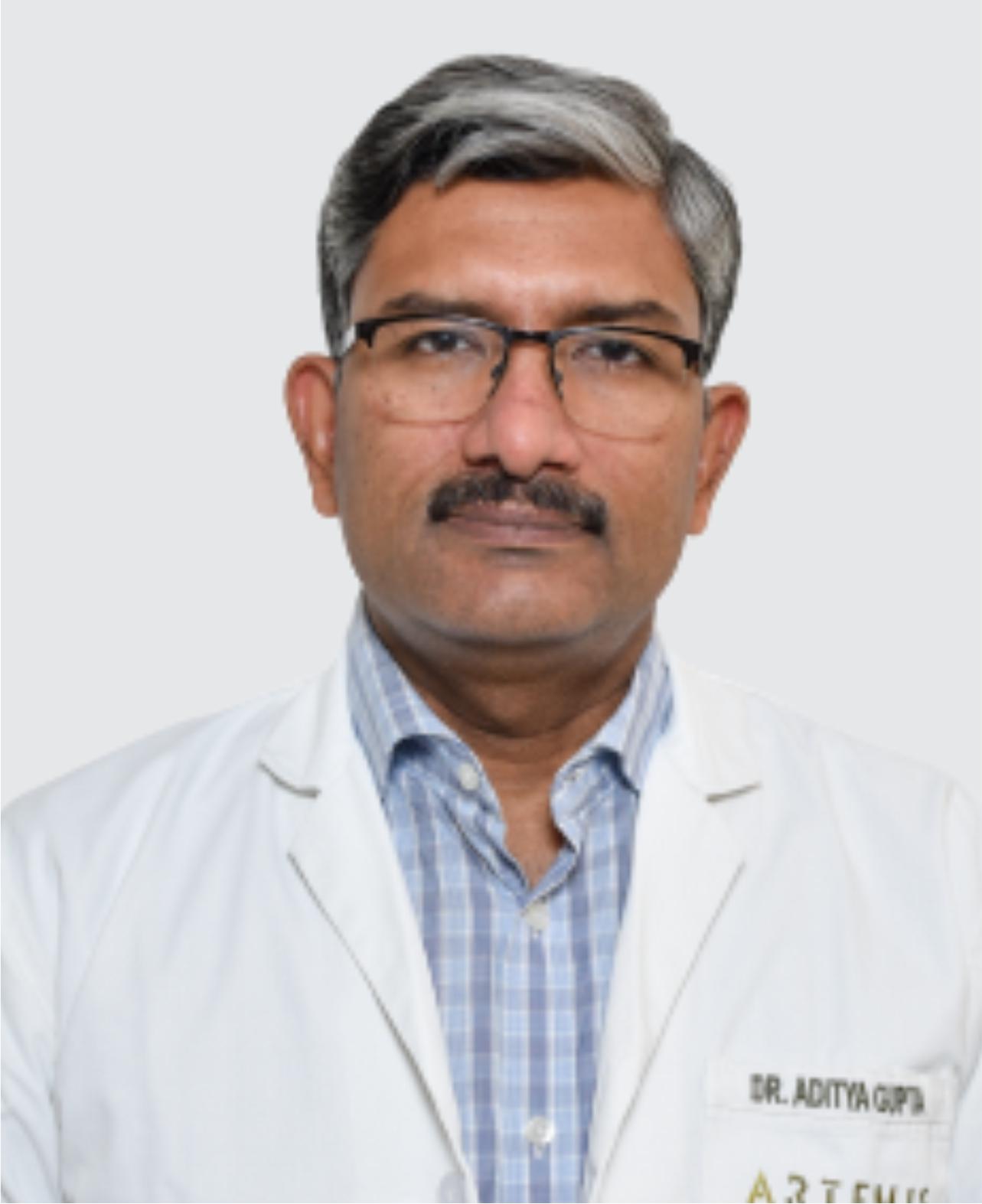
Dr. Aditya Gupta
Chairperson - Neurosurgery & CNS Radiosurgery & Co-Chief - Cyberknife Centre, Artemis Hospitals, Gurgaon
Neurosurgeon
Haryana
32+ Years
Experience
Artemis Hospital
Hospital
1500
Fees

Dr. Abhinandan Mukhopadhyay
Sr. Consultant - Urology & Kidney Transplant Program (Unit I)
Urology, Kidney Transplant, Urological Cancers
Haryana
8+ Years
Experience
Artemis Hospital
Hospital
1500
Fees

Aditi Dixit
Sr. Consultant – Women Imaging
Radiology (Specializing in Women's Imaging)
Haryana
15+ Years
Experience
Artemis Hospital
Hospital
1500
Fees

Dr. Ajit Singh Baghela
Consultant
Paediatric Neurology
Haryana
9+ Years
Experience
Artemis Hospital
Hospital
1500
Fees

Amit Jassal
Sr. Consultant - Anaesthesia
Anaesthesia
Haryana
15+ Years
Experience
Artemis Hospital
Hospital
1500
Fees
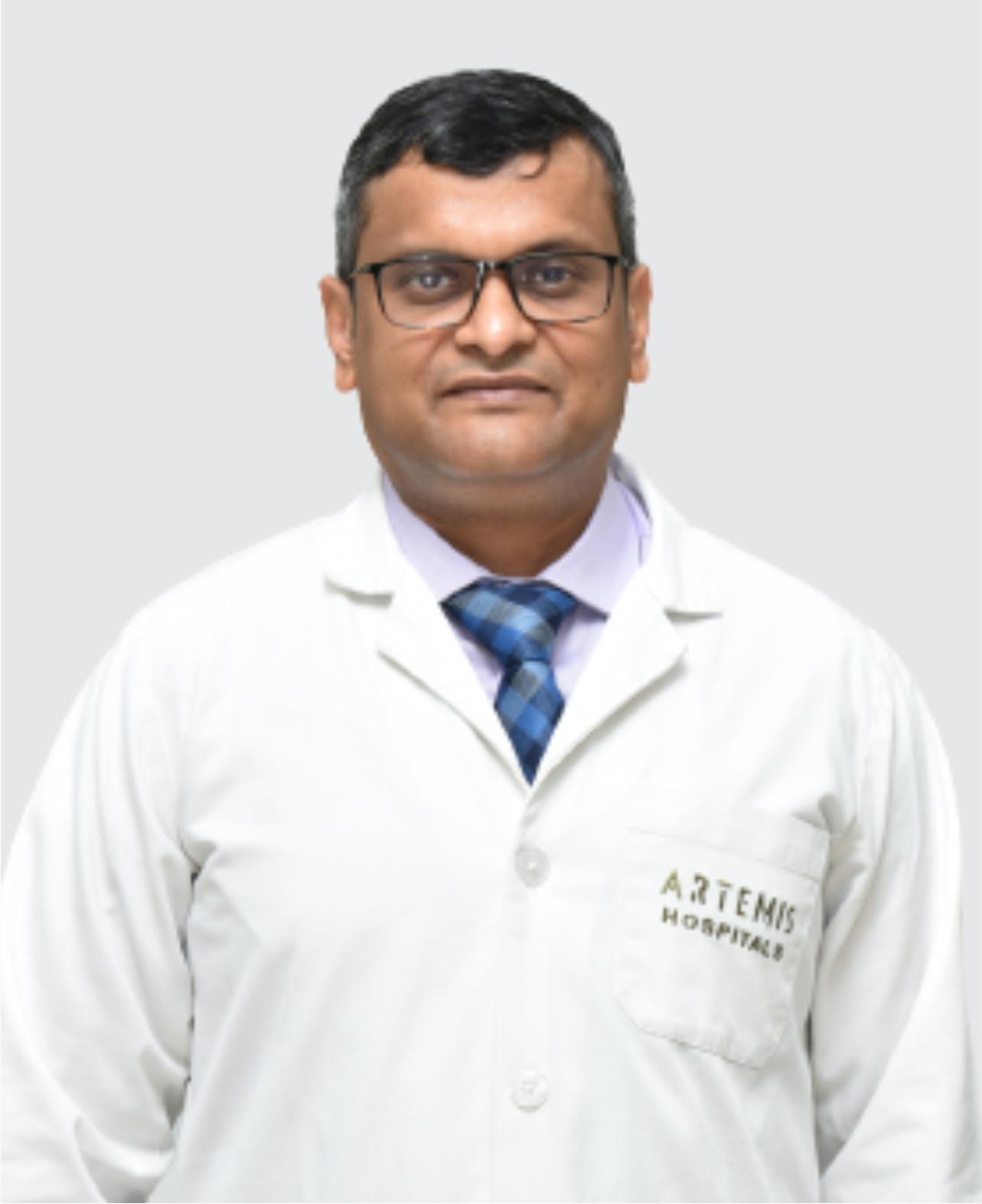
Dr. Amit Kumar Chaurasia
Chief Cath Lab & TAVI (Unit I), Director TAVI/TAVR and Structural Heart Disease and Senior Consultant Cardiology
Cardiology, Interventional Cardiology, TAVI / TAVR & Structural Heart Diseases
New Delhi
16+ Years
Experience
Artemis Hospital
Hospital
1500
Fees

Anjana Kharbanda
Sr. Consultant - Emergency
Emergency & Trauma Services
New Delhi
22+ Years
Experience
Artemis Hospital
Hospital
1500
Fees
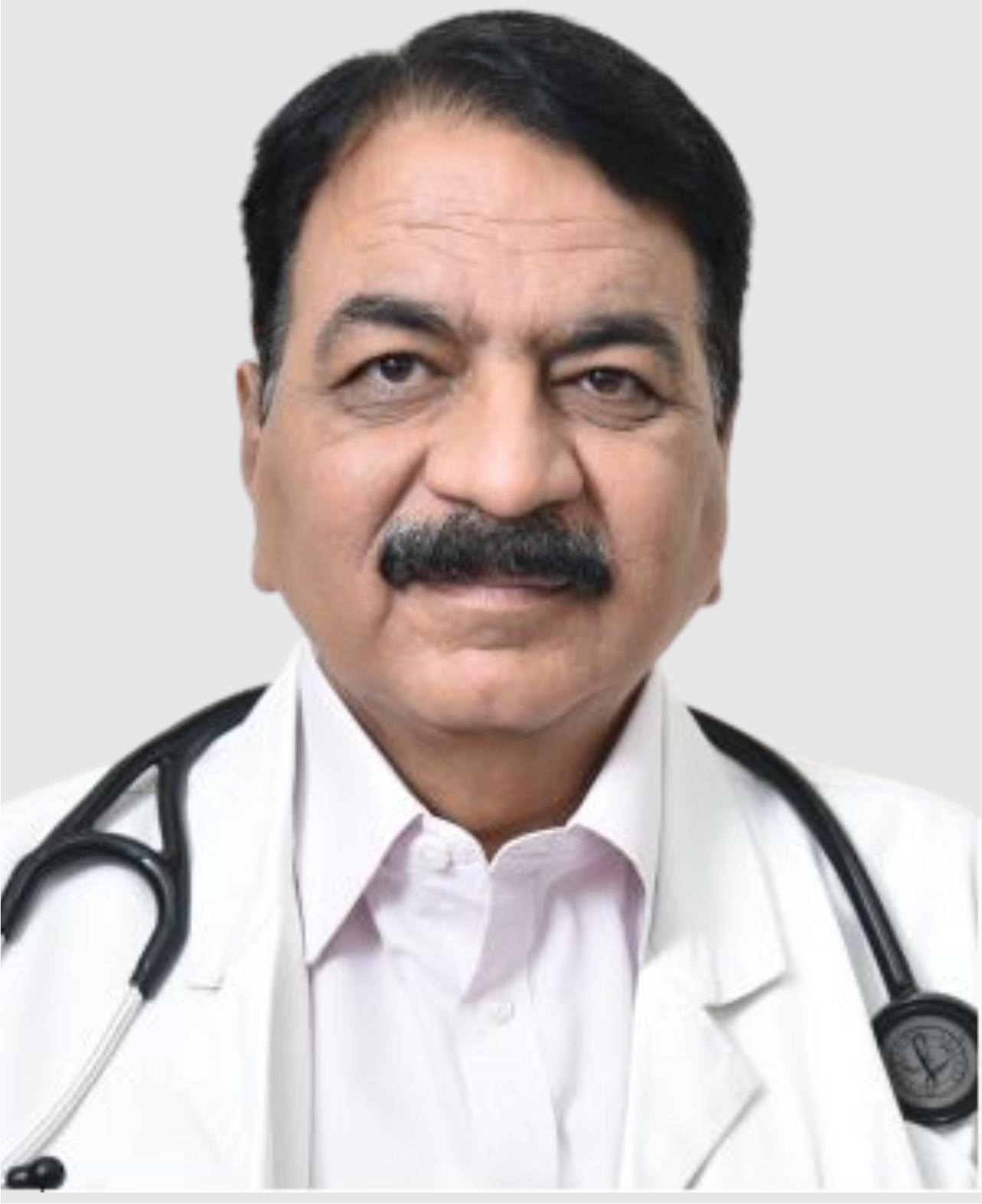
Dr. (Col) B Kalra
Associate Chief - Cardiology (NIC)
Cardiology
New Delhi
18+ Years
Experience
Artemis Hospital
Hospital
1500
Fees

Dr. D.K. Jhamb
Chief Cardiology (Unit IV)
Cardiology
New Delhi
30+ Years
Experience
Artemis Hospital
Hospital
1500
Fees
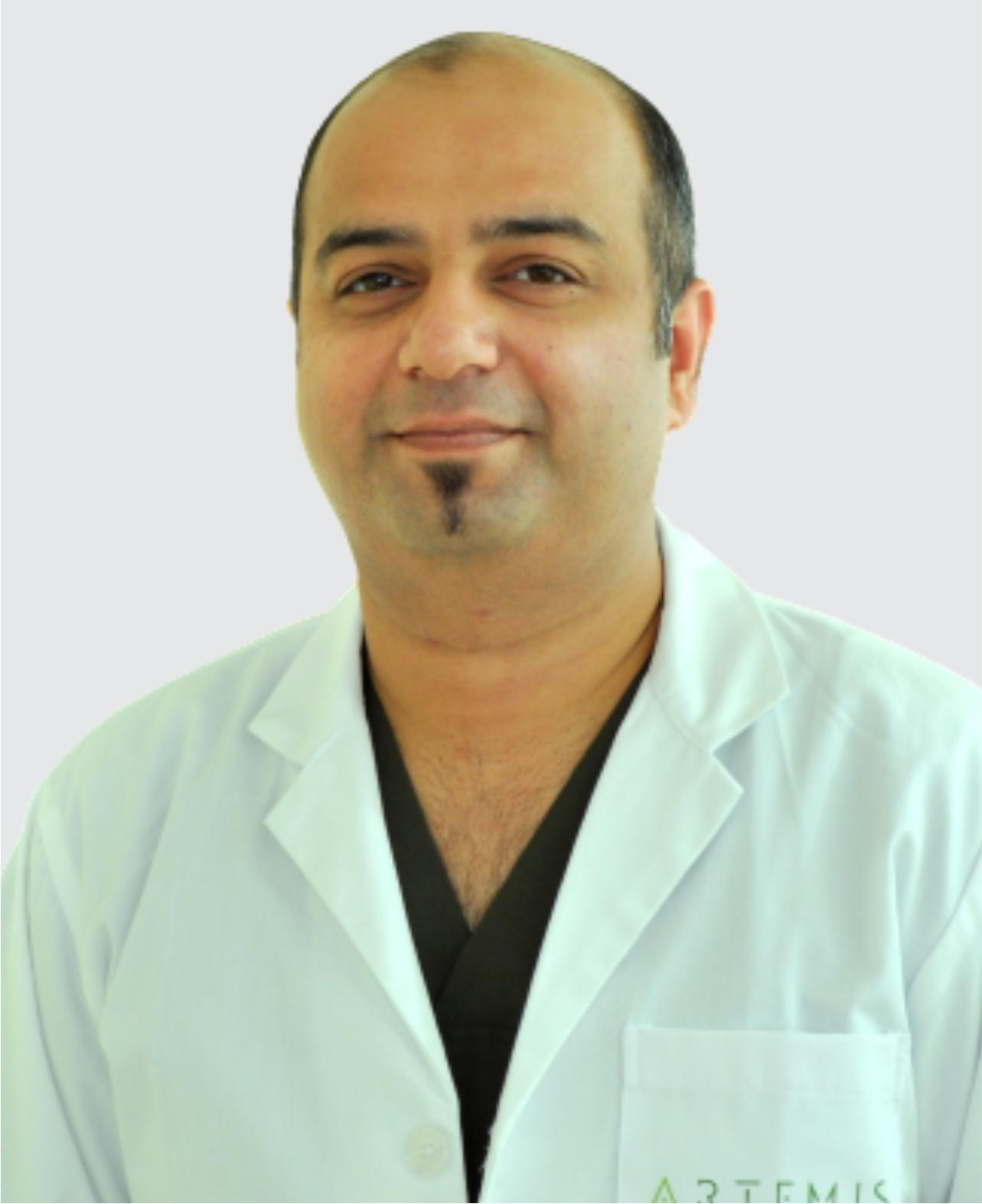
Dr Amit Jassal
Principal Consultant - Anaesthesia
Anaesthesia
New Delhi
15+ Years
Experience
Artemis Hospital
Hospital
1500
Fees
Related Links
Ready To Start Your Healing Journey?
Get Personalized Medical Treatment Options From India's Top Hospitals. Our Medical Experts Are Ready To Assist You Every Step Of The Way.